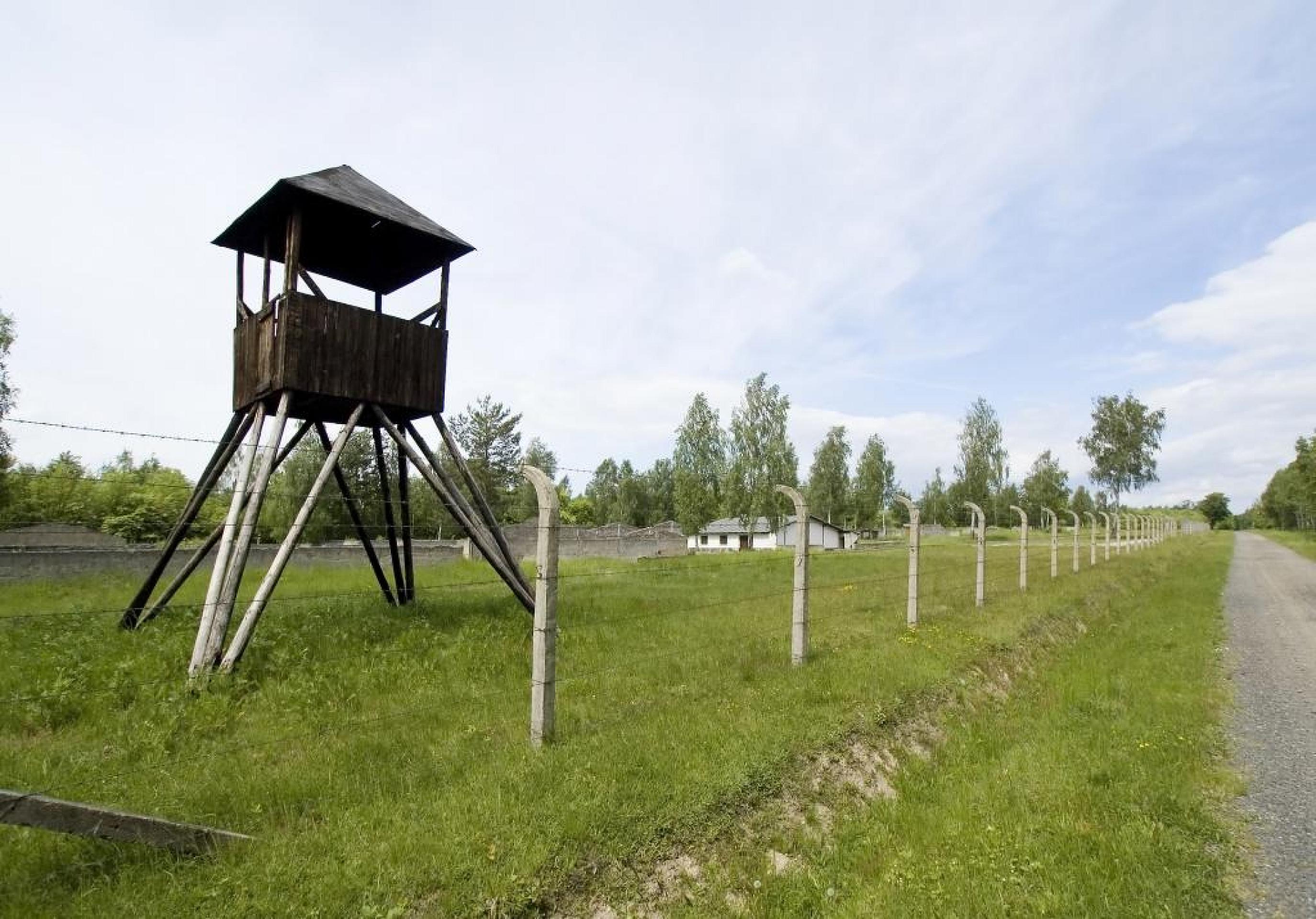
In 1952, the first Holocaust museum worldwide was opened in a kibbutz founded by former Jewish resistance fighters.
History
Six years after the beginning of the uprising in the Warsaw Ghetto, in April 1949, Holocaust survivors founded the Kibbutz Lohamei Haghetaot (English: Ghetto Fighters' Kibbutz). It is located close to the city of Akko in Western Galilee - an area, that was taken by Israeli forces shortly before the state was founded in 1948. Many of the kibbutz founders had fought in the Warsaw Ghetto Uprising, including Yitzhak Zuckerman, former deputy commander of the insurgents. Others had been partisans. When the kibbutz was established, the foundation stone for the Ghetto Fighters' House (Hebrew: Beit Lohamei Haghetaot) was also laid. It was the first ever museum in honour of victims of the Holocaust.
Victims
The museum serves the memory of the victims of the Holocaust, but is also dedicated to ghetto fighters and Jewish resistance fighters in particular.
The State of Israel was founded in 1948, just three years after the final prisoners were liberated from the National Socialist concentration camps. Many – although by no means all – of the survivors of the Holocaust chose to make the Jewish state their new home. Right from the start, memory of the Holocaust played a key role in shaping identity in the fledgling nation. However, the culture of memory in Israel was far from uniform and it has been in flux throughout the nation’s history.
The experience of the systematic extermination of the European Jews served both as an admonition and as a justification for Zionism, the principal ideology of the generation that established the Israeli state. For the Zionists, the Jewish state was necessary in providing Jews with a homeland where they could finally live in safety and where they would be untroubled by antisemitism.
In 1951, Holocaust survivors made up a quarter of the population of Israel. Relations with the survivors were difficult. In the 1950s, the tendency was not to talk about the Holocaust. At the same time, there was much agonising soul-searching. Whilst some survivors felt a sense of shame, many of the Jews who had come to Palestine before the war were ambivalent towards them; the allegedly passive role of the Jewish victims of the Holocaust did not sit well with the Zionist image of the »new Jews«, who were strong and able to defend themselves. This explains why for a long time the official view of history was shaped by heroic representations of the ghetto uprisings rather than the individual experiences of the victims. A good example of this tendency is the »Ghetto Fighters’ House«, the first Holocaust memorial, founded by survivors in 1949.
A turning point came with the Adolf Eichmann trial in 1961. This trial captured the Israeli nation’s attention for months. Many survivors spoke for the first time in great detail about what had happened to them. The trial led to the memory of the Holocaust becoming a defining feature of Israeli identity – an effect encouraged by the political leadership. Even those Israelis who had not experienced the Holocaust now saw it as part of their own history.
As Israeli society changed so Holocaust memory became increasingly differentiated. On account of the increased temporal distance from the Holocaust and cultural change, memory itself evolved. Whilst the emphasis had formerly been placed on the number »six million«, memory now became more individualised. Victims were not perceived anymore as a »mass« of people but as individuals with names. Increasing attention was paid to the different histories of the victims and to their social, religious and cultural backgrounds. Countless forms of memory emerged. To give one example, Israel’s official Holocaust Memorial Day, »Yom Hashoah«, first introduced in 1951, is now marked in many different ways. A two minute silence is observed at 10 am and during the day there are a vast number of public ceremonies as well as events held in schools and synagogues and by families. However, the focus of these events varies widely. A further clear example of the diversity of the culture of memory in Israel is the development of the national memorial site Yad Vashem through the decades. Yad Vashem comprises many different approaches to memory in one place, from monumental style memorials to quiet rooms for contemplation and highly personal accounts of individual experiences.
Remembrance
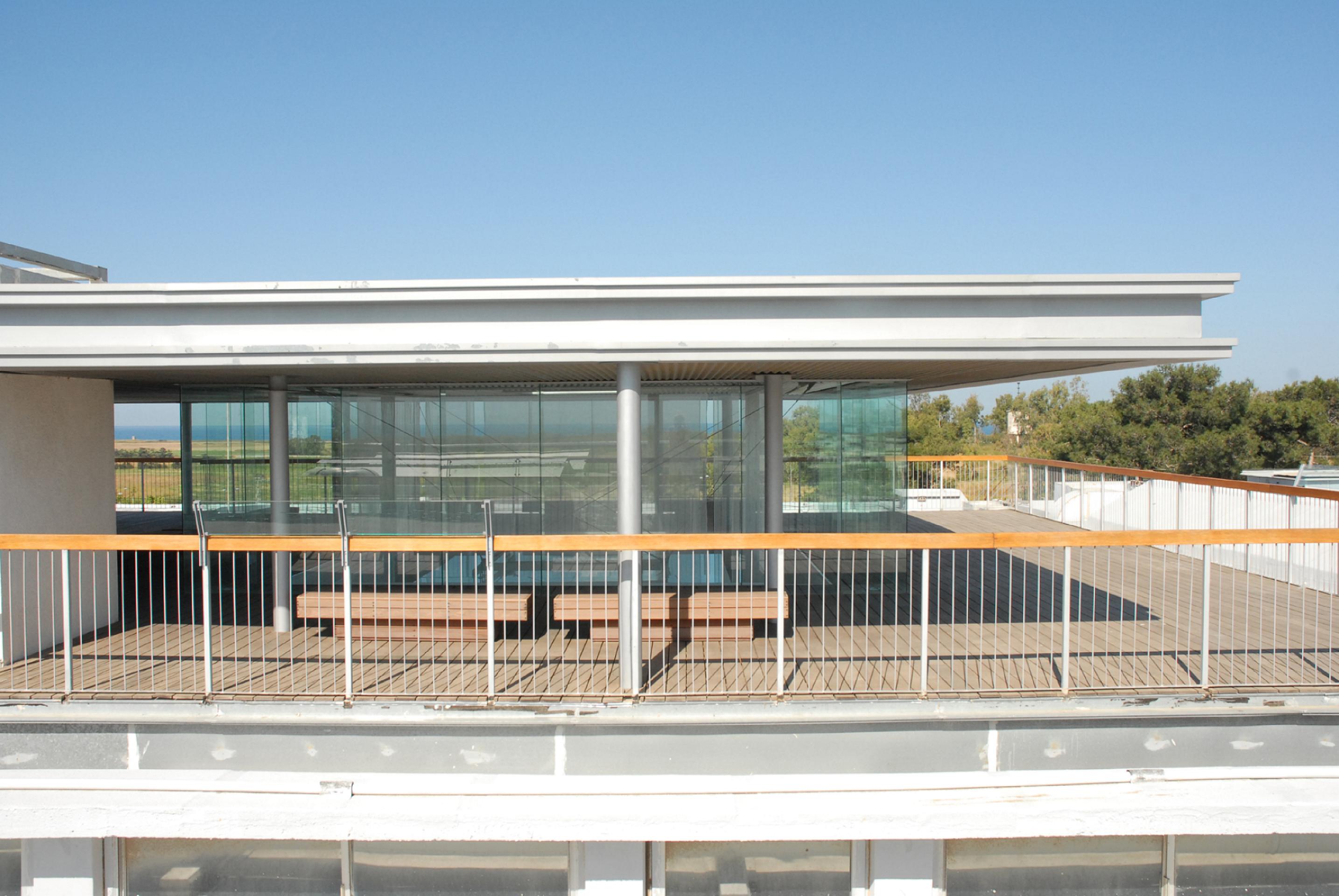
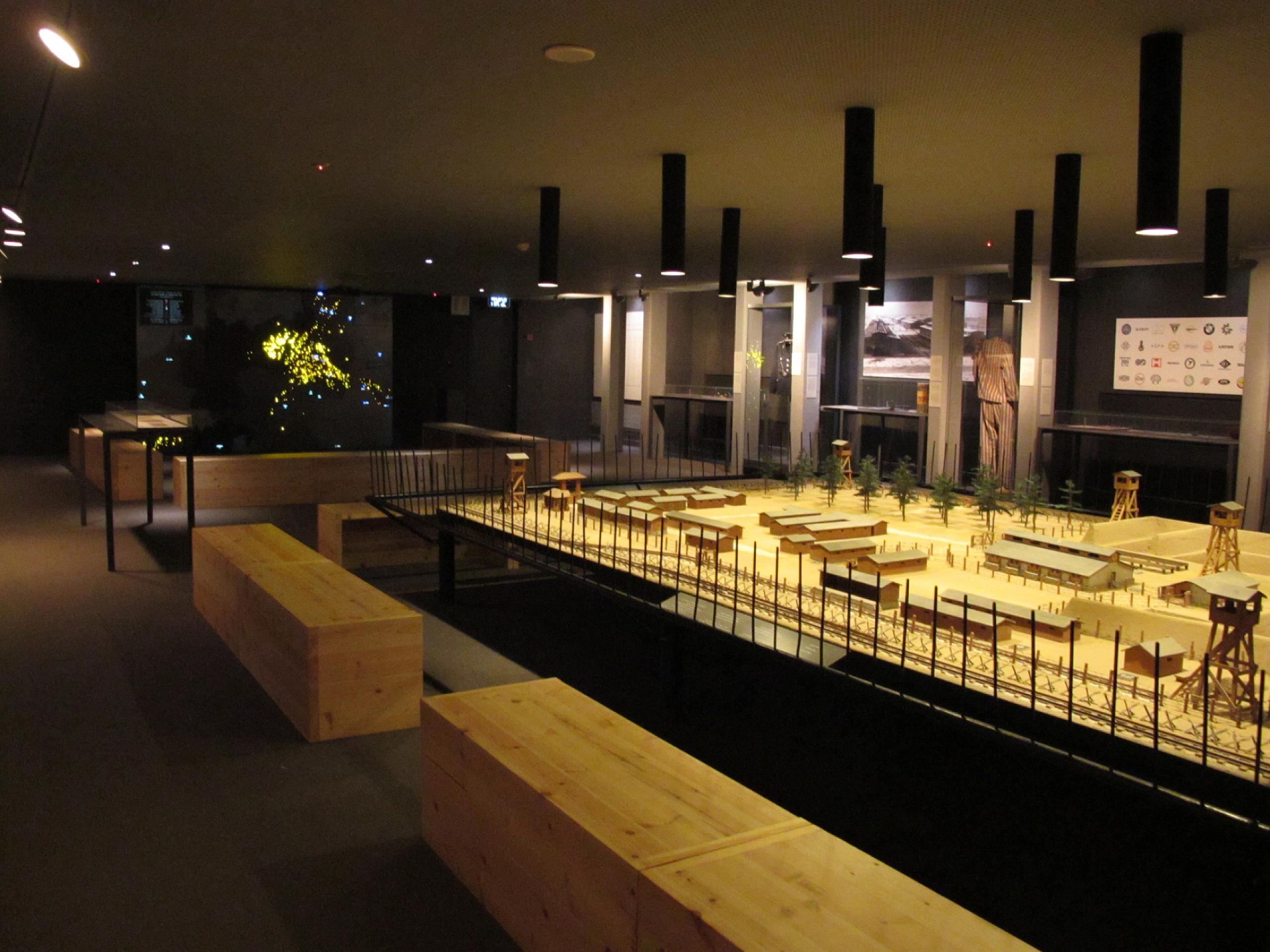
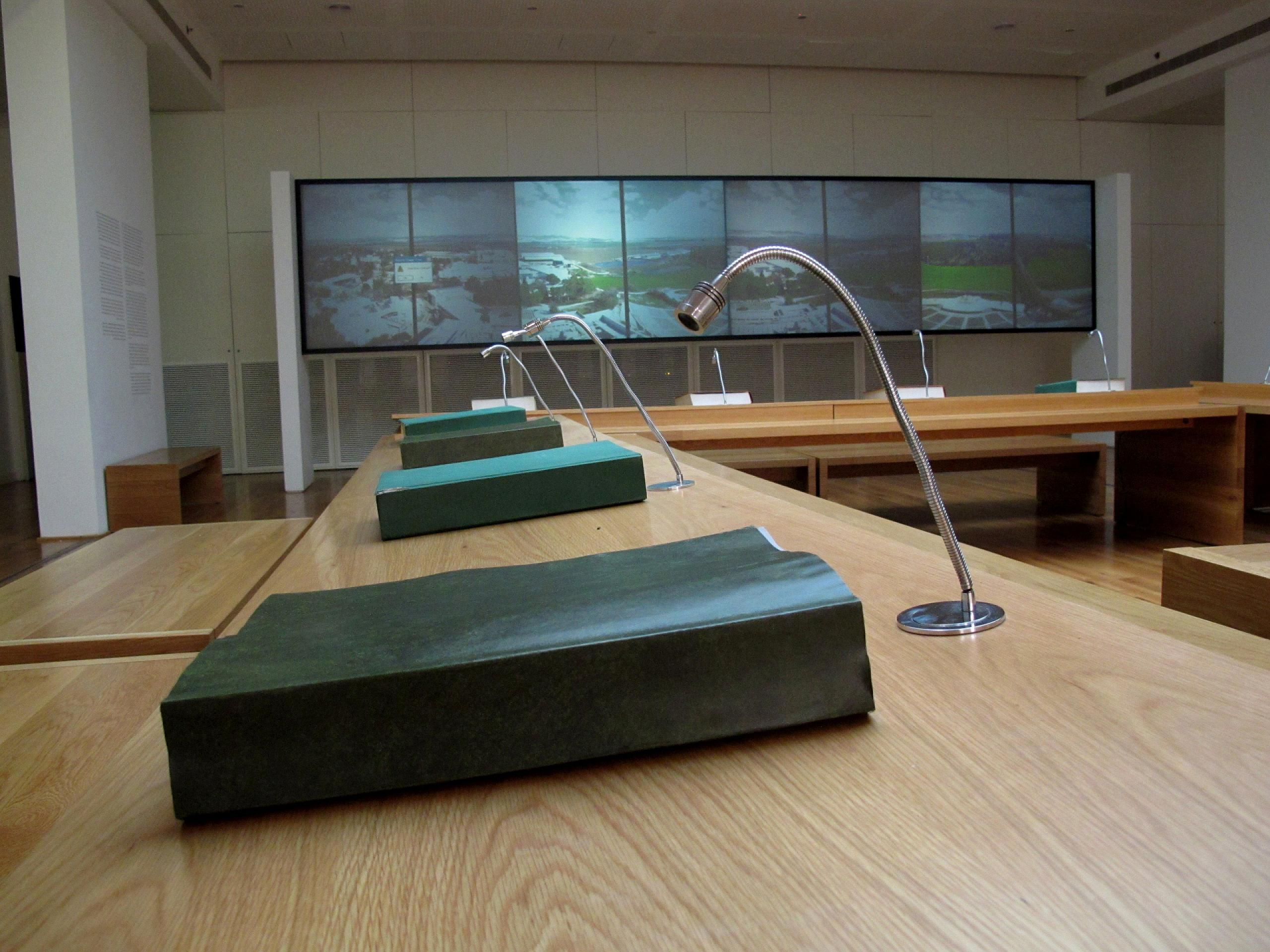
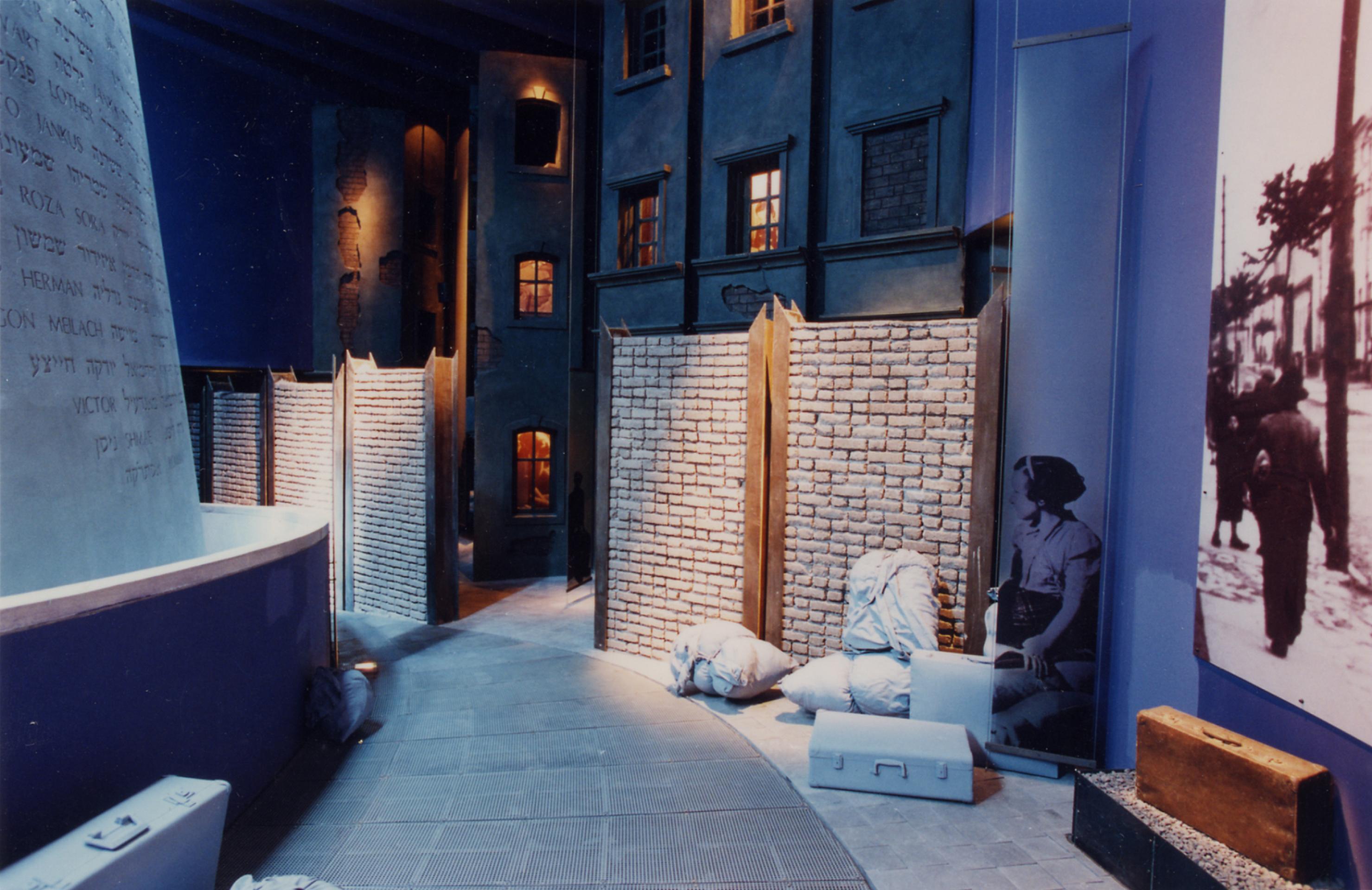
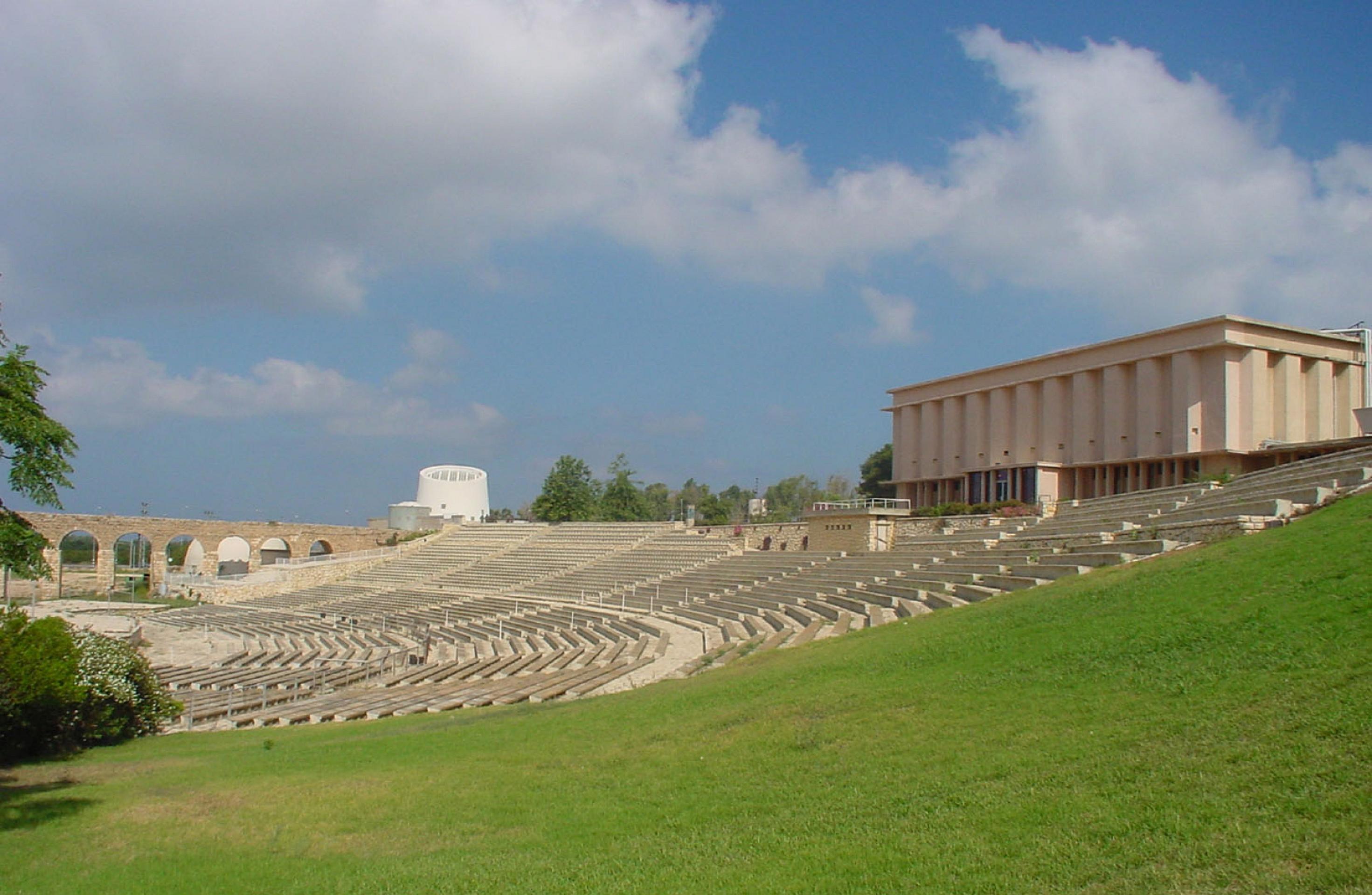
The memorial has been extended over the years and now comprises several parts. At first, in 1952, the main museum on the Holocaust and Jewish resistance was opened. It is named after Itzhak Katzenelson, a poet who was murdered in Auschwitz in 1944 and had taken part in the Warsaw Ghetto Uprising. The museum building was built during the 1950s overlooking an old Roman amphitheatre; its modern architecture later served as a model for the construction of the Knesset, the Israeli parliament. The exhibition deals with themes such as: Jewish life in Europe – especially Eastern Europe – before the Second World War, the history of the Holocaust, and various forms of Jewish resistance. It thoroughly deals with the history of the Warsaw Ghetto Uprising. The museum also displays an art collection of works both from the time of persecution and those dealing with the topic in the postwar period. On the upper floor is an exhibition about the trial against Adolf Eichmann, which began in 1961; one of the artefacts on display is the glass box in which the defendant sat in court.
In 1995, the Yad LaYeled Children's Museum was opened, which is targeted at visitors aged 10 to 14. The aim is to present the fates of the approximately 1.5 million murdered Jewish children with the help of individual testimonies. The Center for Humanistic Education was also founded in 1995. It organises seminars and conferences - the Ghetto Fighters' House sees itself primarily as an educational site and a meeting place.
Possibilities
Museum, library, archive, children's museum, conferences, seminars, educational work with children and youths
Open
Sunday to Thursday: 9 a.m. to 4 p.m.
Closed on Saturdays and Jewish holidays.