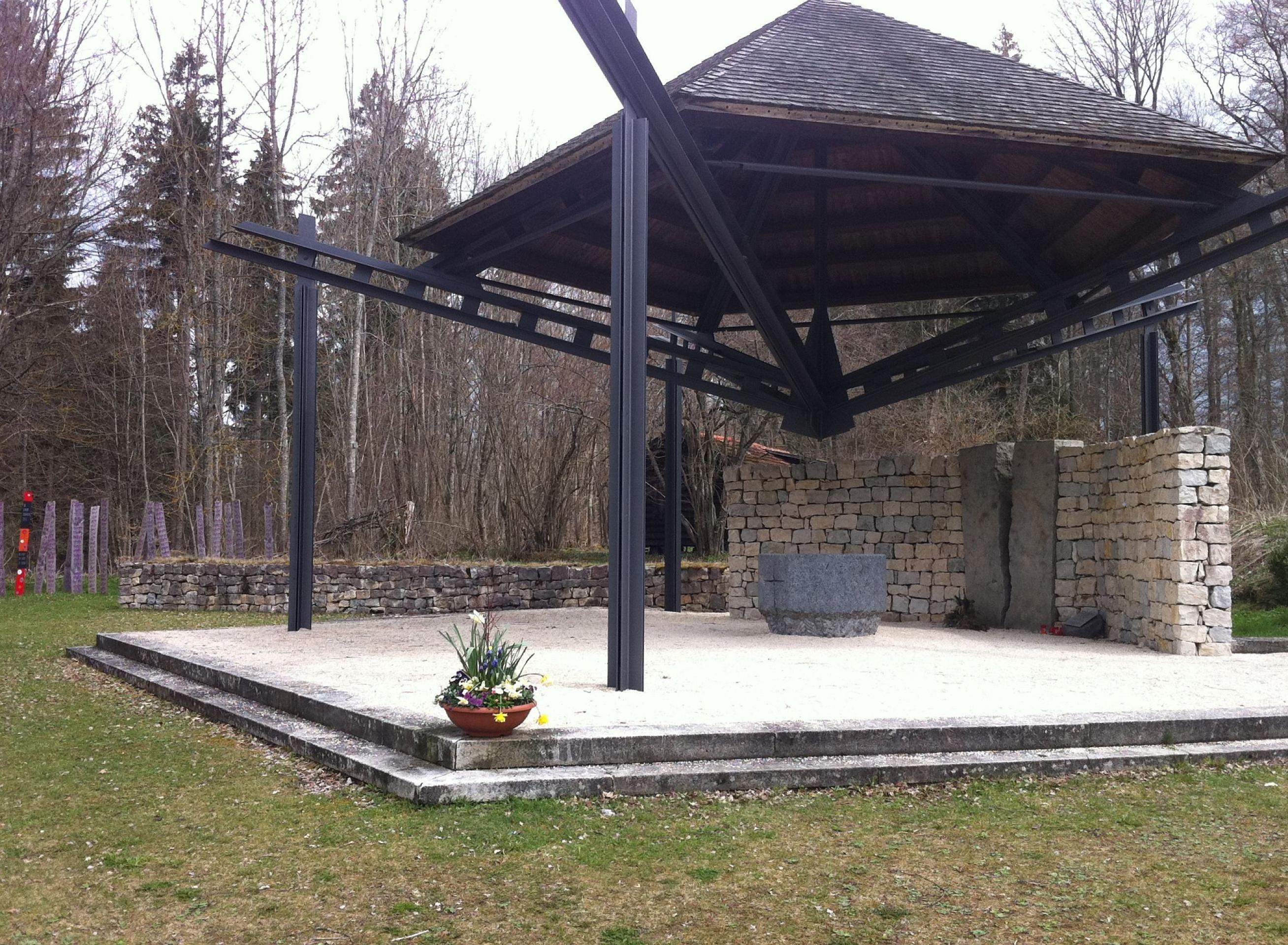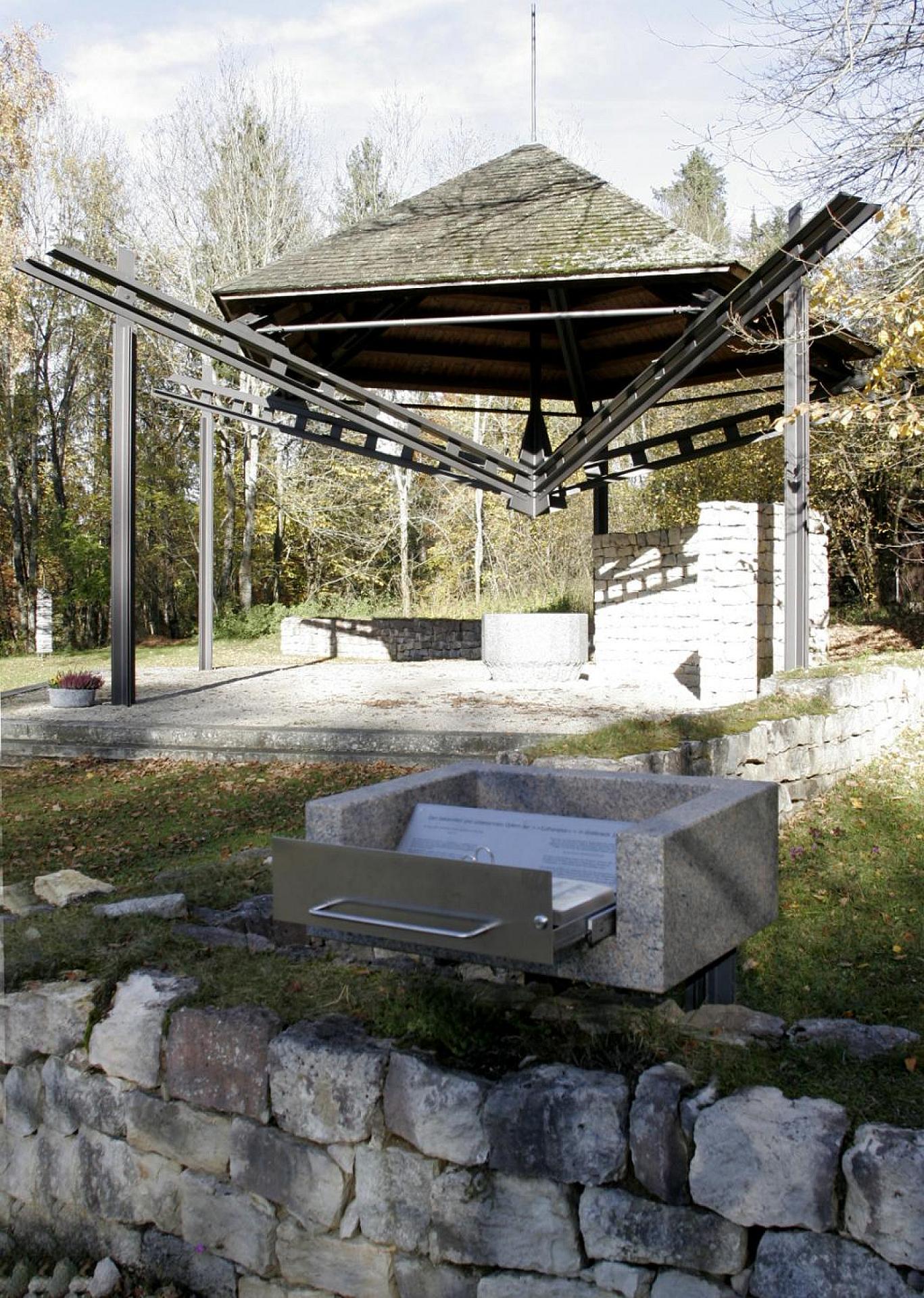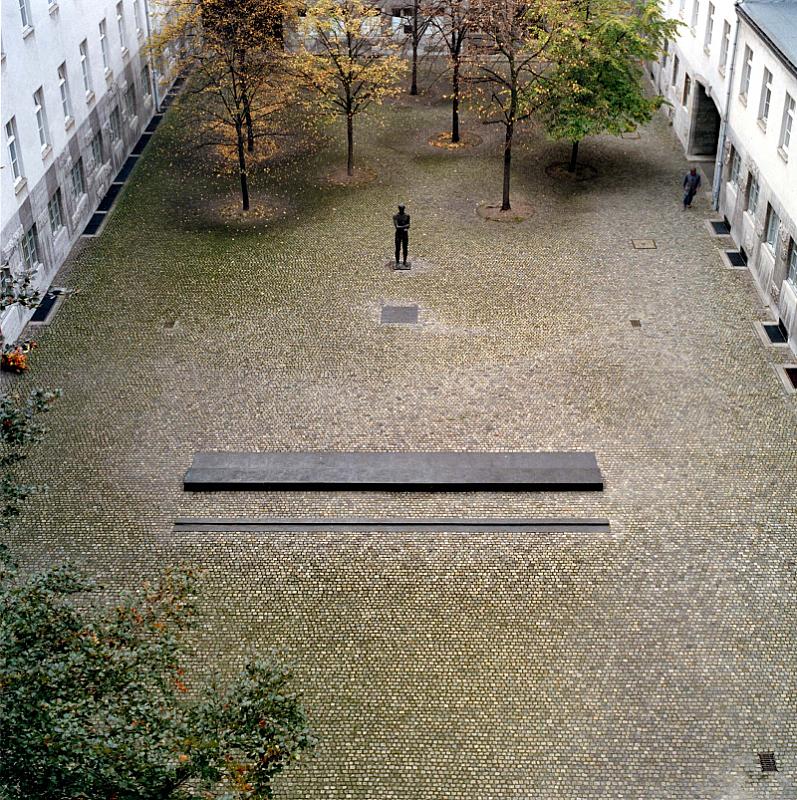
From 1940 on, a »euthanasia killing centre« was located on the premises of the Grafeneck castle, in the Württembergian town of Gomadingen. Thousands of mentally handicapped and ill people were murdered here by poison gas upon orders of the National Socialist authorities. The Grafeneck Memorial keeps alive the memory of the victims' fates.
History
Under the National Socialist regime the term »euthanasia« stood for the murder of thousands of mentally and physically handicapped people. The murder was planned and organised by a central office which directly reported to Adolf Hitler. The office was code named »T4« in reference to its postal address in Berlin's Tiergartenstraße. At first, toddlers up to the age of three fell victim to »euthanasia«, later older children and youths were affected. Beginning 1940, handicapped adults and ill people were included in the scheme under the new code »Action T4«. During the initial phase, people were killed by malnourishment, poison or medications. From January 1940, more and more »T4« killing centres began operating gas chambers.
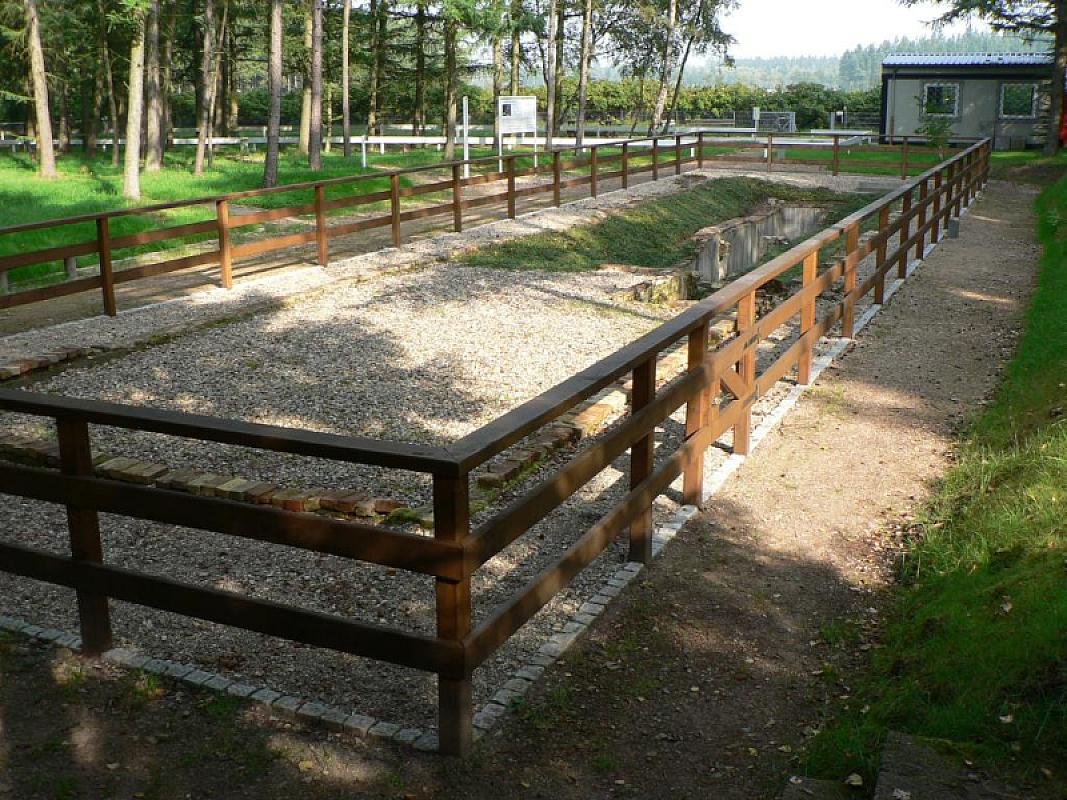
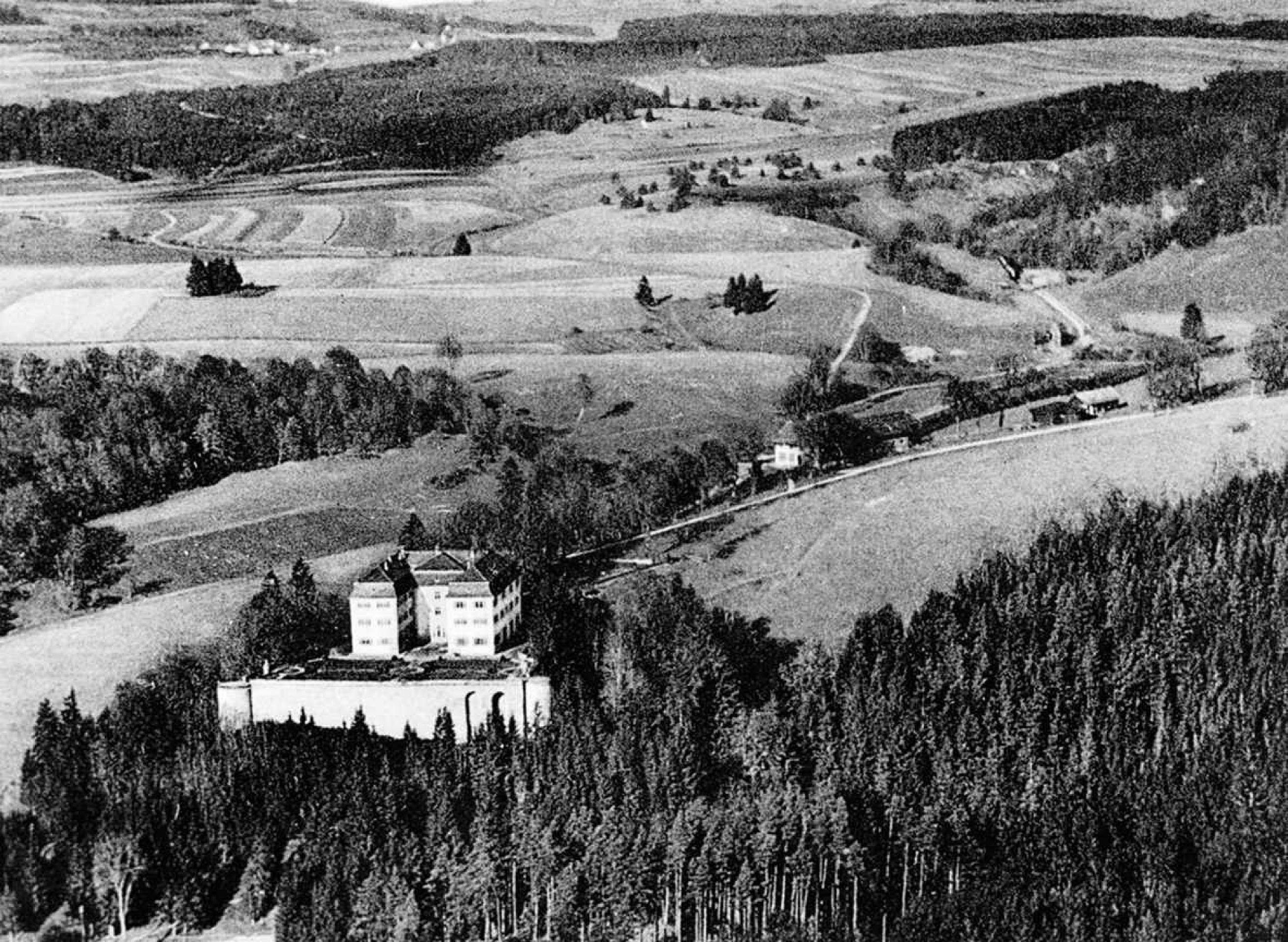
The killing of patients in Gomadingen began on January 18, 1940. The »T4« authorities had previously ordered the installation of the appropriate facilities on the premises of castle Grafeneck. The castle had been used as a home for handicapped people by the evangelical Stuttgart Samaritan Foundation since 1928/1929. Ten years later, in October 1939, the entire institution, including the plot of land on which it stood, was confiscated upon orders of the Stuttgart Ministry of Interior. Those who had been designated for killing were brought to the »T4« centre in grey buses and led onto the premises by local personnel. The complex consisted of a reception barrack, a building which housed a gas chamber disguised as a shower room, and most probably three incinerators. It was separated from the rest of the castle premises by a high fence made of wood planks. The people who were murdered here came from homes for the disabled and hospitals in the area. After almost all of the patients of these care facilities had been murdered at Grafeneck by the end of 1940, the »T4« authorities shut down the »euthanasia killing centre« and had all of the evidence removed.
Victims
Between January and December 1940, over 10,600 people were asphyxiated by poison gas at Grafeneck. They came from about 48 homes for the disabled and psychiatric wards at hospitals in south-west Germany. Some of the victims were transferred to Grafeneck from the region of Berlin. Only few were deferred by the doctors during their last medical inspection, thereby being rescued from certain death.
Remembrance
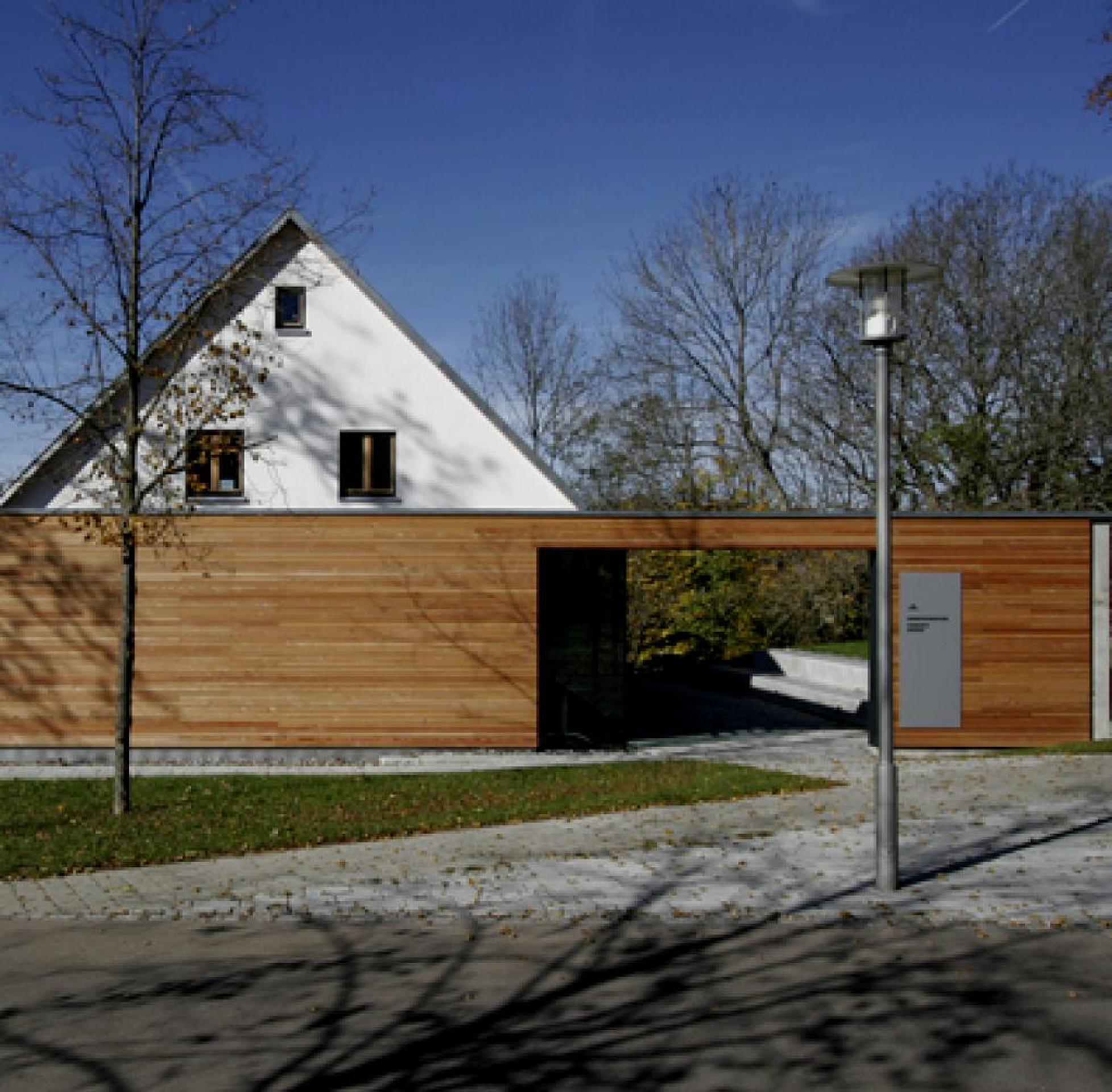
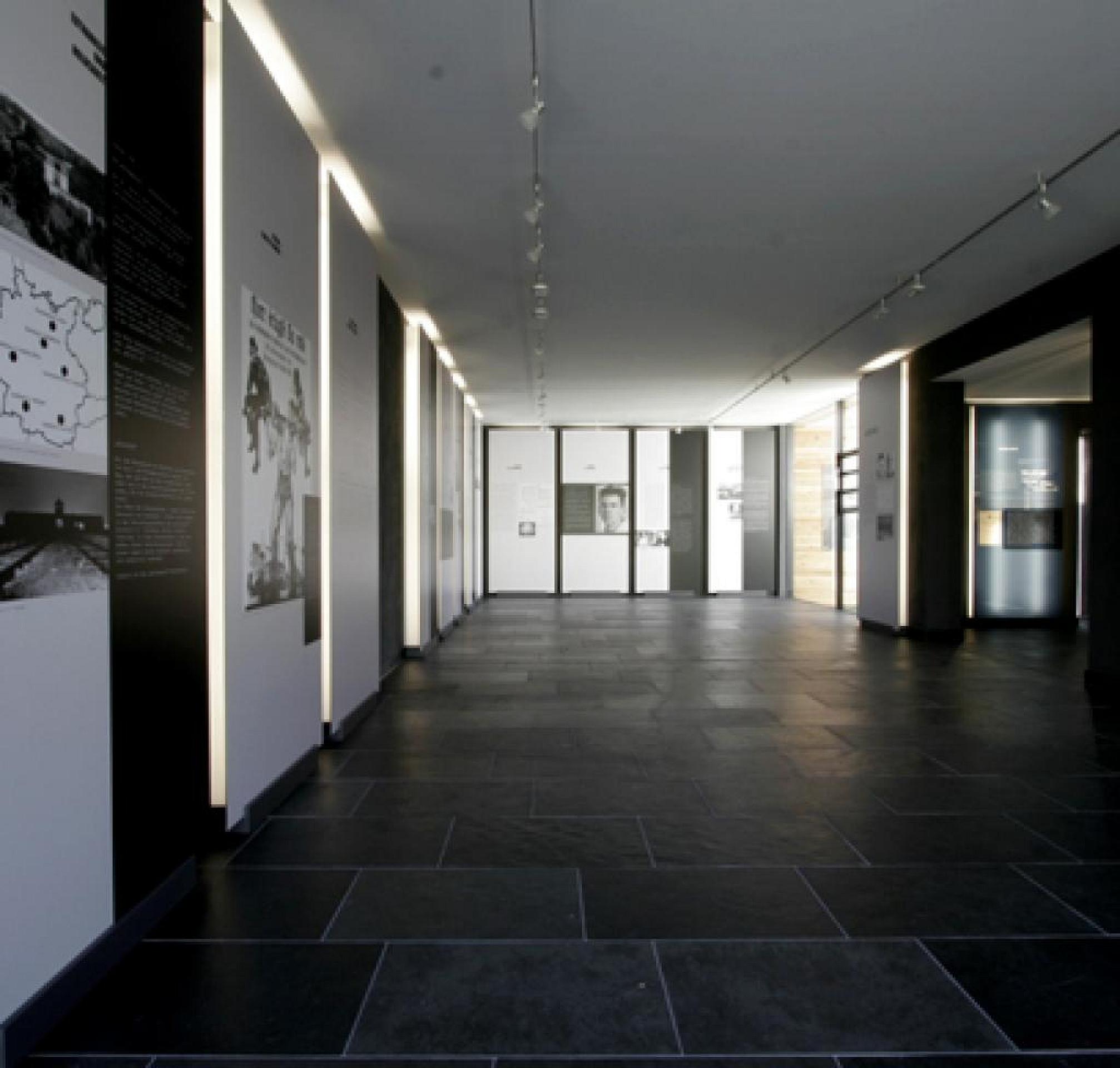
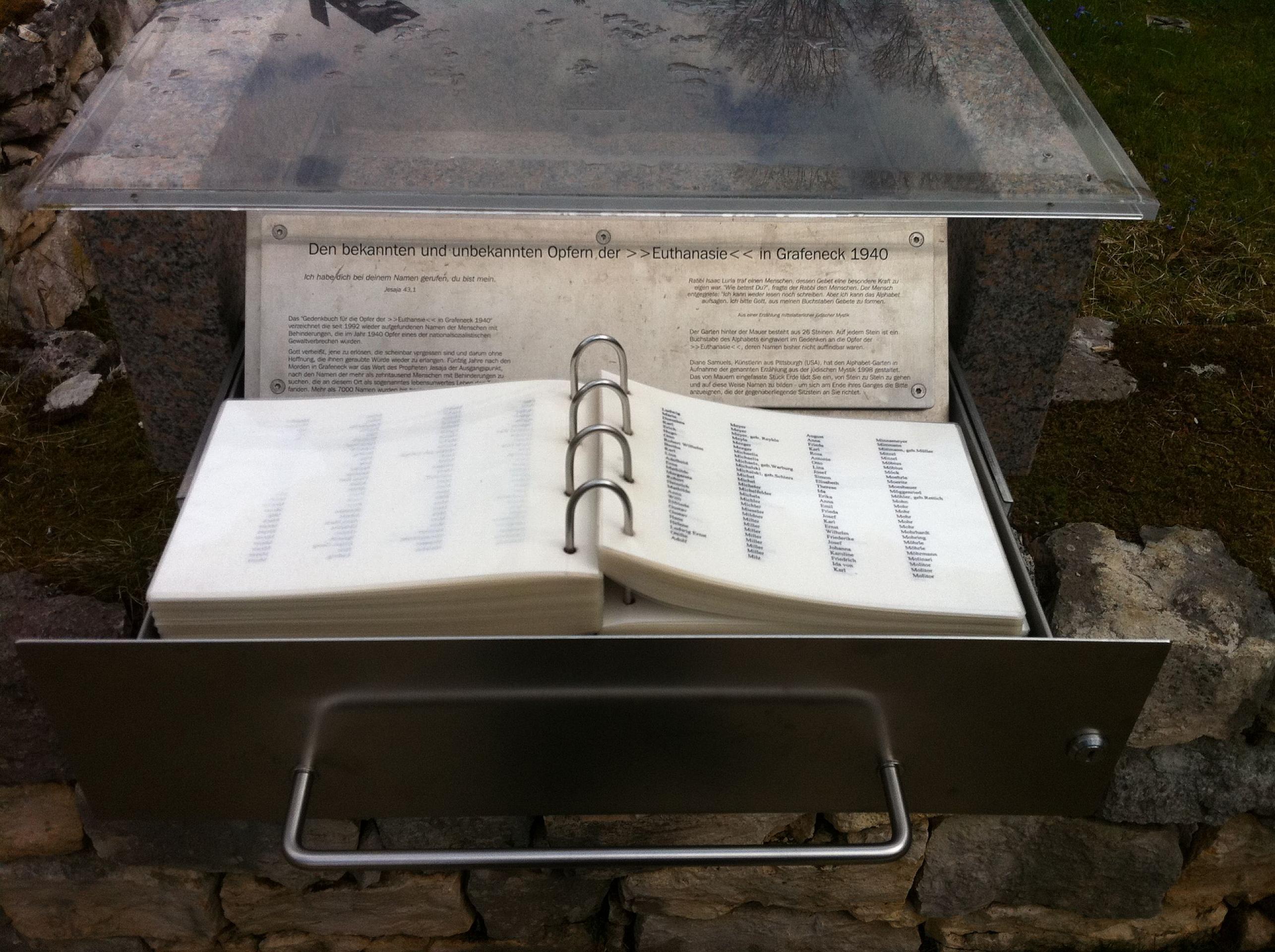
After being returned to the Samaritan Foundation after the end of the war, Grafeneck became a home for the disabled once again. In 1989/90, the Grafeneck Memorial was established under the motto »Commemoration needs a place«. A stone threshold integrated into the entrance of the memorial lists the names of the approximately 48 institutions and homes in Baden-Württemberg and Bavaria from which people were brought to their deaths at Grafeneck. The memorial has been extended by a documentation centre on the castle premises. Presented at the documentation centre is a two-part exhibition entitled »»Euthanasia« Crimes in South-West Germany/Grafeneck in 1940 – History and Remembrance«. In 1994, the »Grafeneck Memorial« association was founded; since then it has put on display a memorial book listing the names of the approximately 8,000 victims of the mass murder.
Possibilities
Guided tours, seminars, travelling exhibition, lectures
Open
Monday to Sunday 9 a.m. to 6 p.m.
Contact
http://www.gedenkstaette-grafeneck.de
info@gedenkstaette-grafeneck.de
+49 (0)7385 966 206
Samariterstift
72532 Gomadingen