The complex consisting of the Great Synagogue, the Jewish Museum and the Heroes' Memorial Temple provides insight into both the history and the present of Budapest Jewry.
History
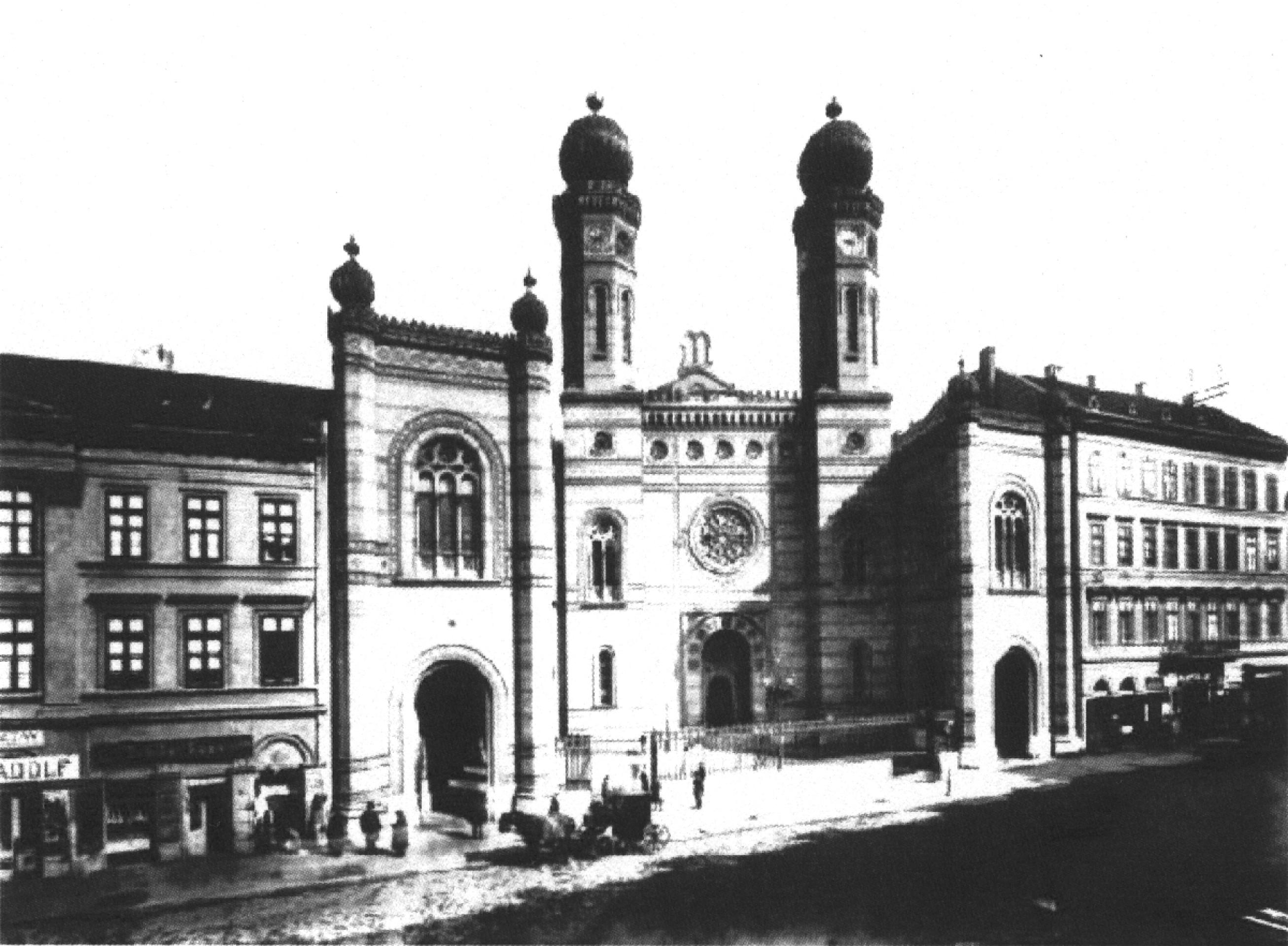
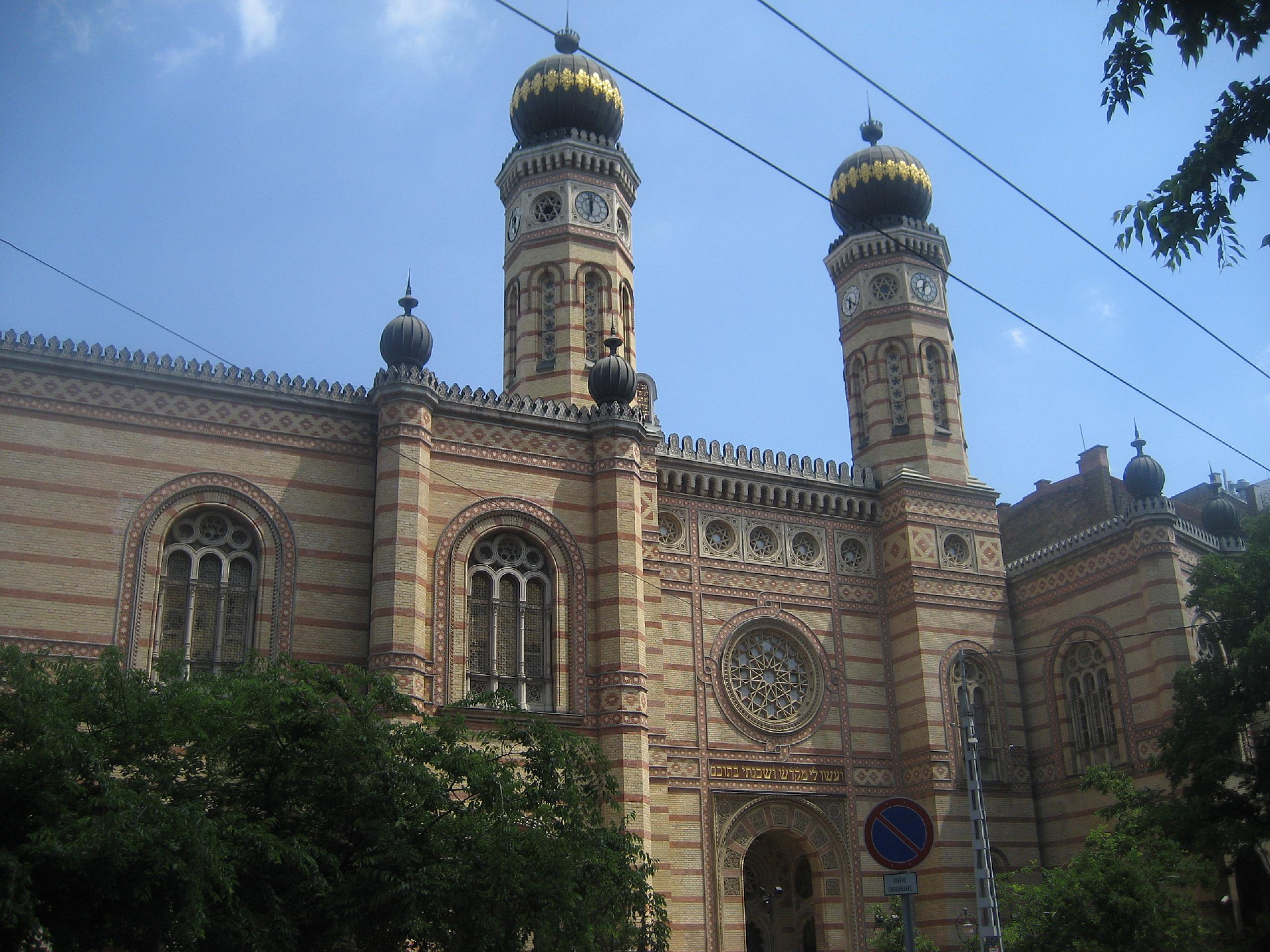
In the mid-19th century, about 40,000 Jews lived in Pest. A majority was in favour of reforming the Jewish community and opening up to mainstream society. It is in the light of this that the Great Synagogue was inaugurated in the Jewish quarter in 1859. For decades, the synagogue was to the Jews of Pest a symbol of their belonging to the Hungarian nation.
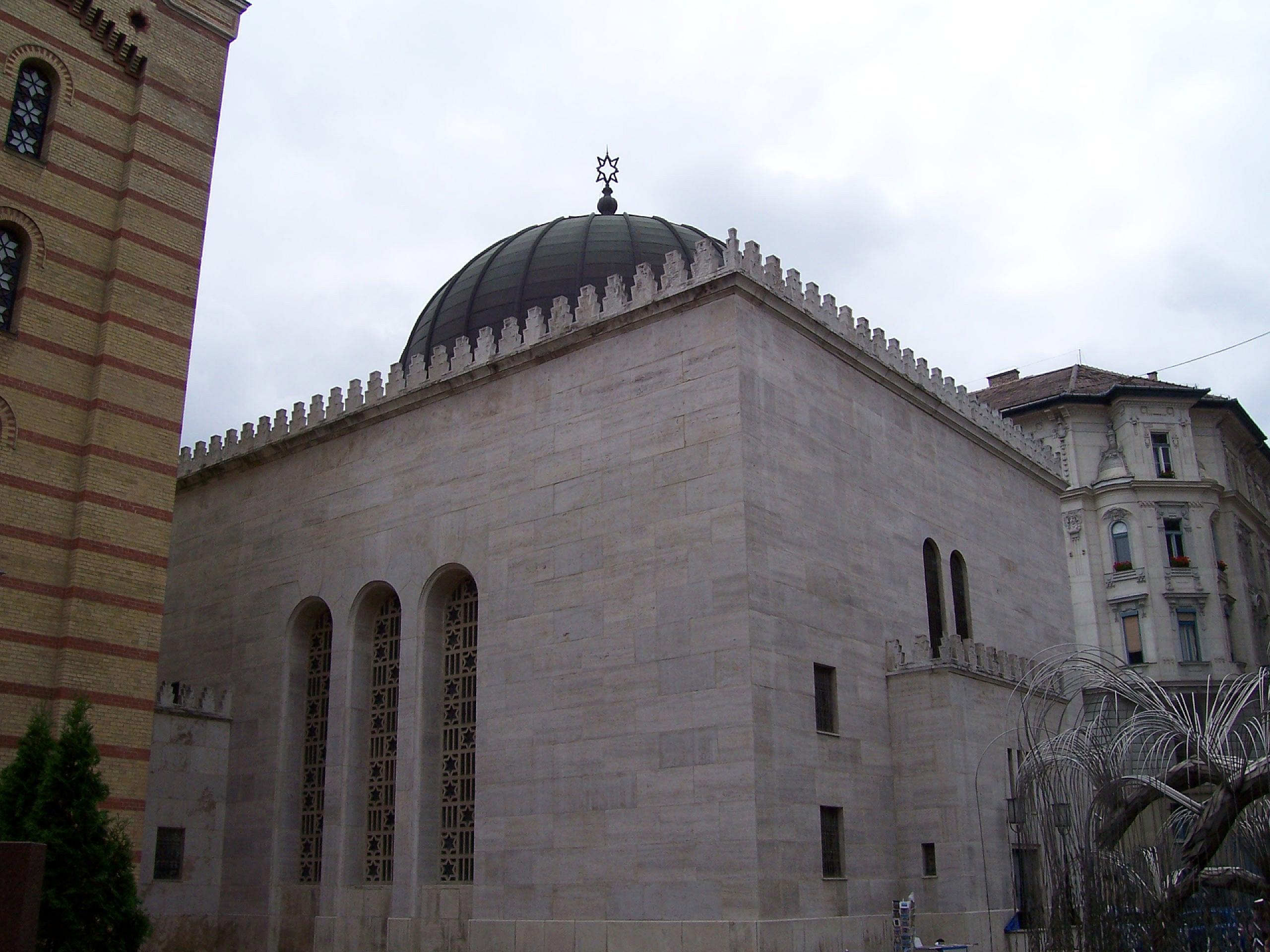
During the inter-war period - a time when Jewish life was increasingly constrained in Hungary - additional buildings around the synagogue were constructed. In 1931, the Heroes' Memorial Temple was inaugurated. This synagogue was established in memory of the approximately 10,000 Hungarian Jews who were killed in action during the First World War. In 1932, the Jewish Museum was opened in a new building in an architectural style similar to that of the Great Synagogue. The collection had previously been on display in private rooms.
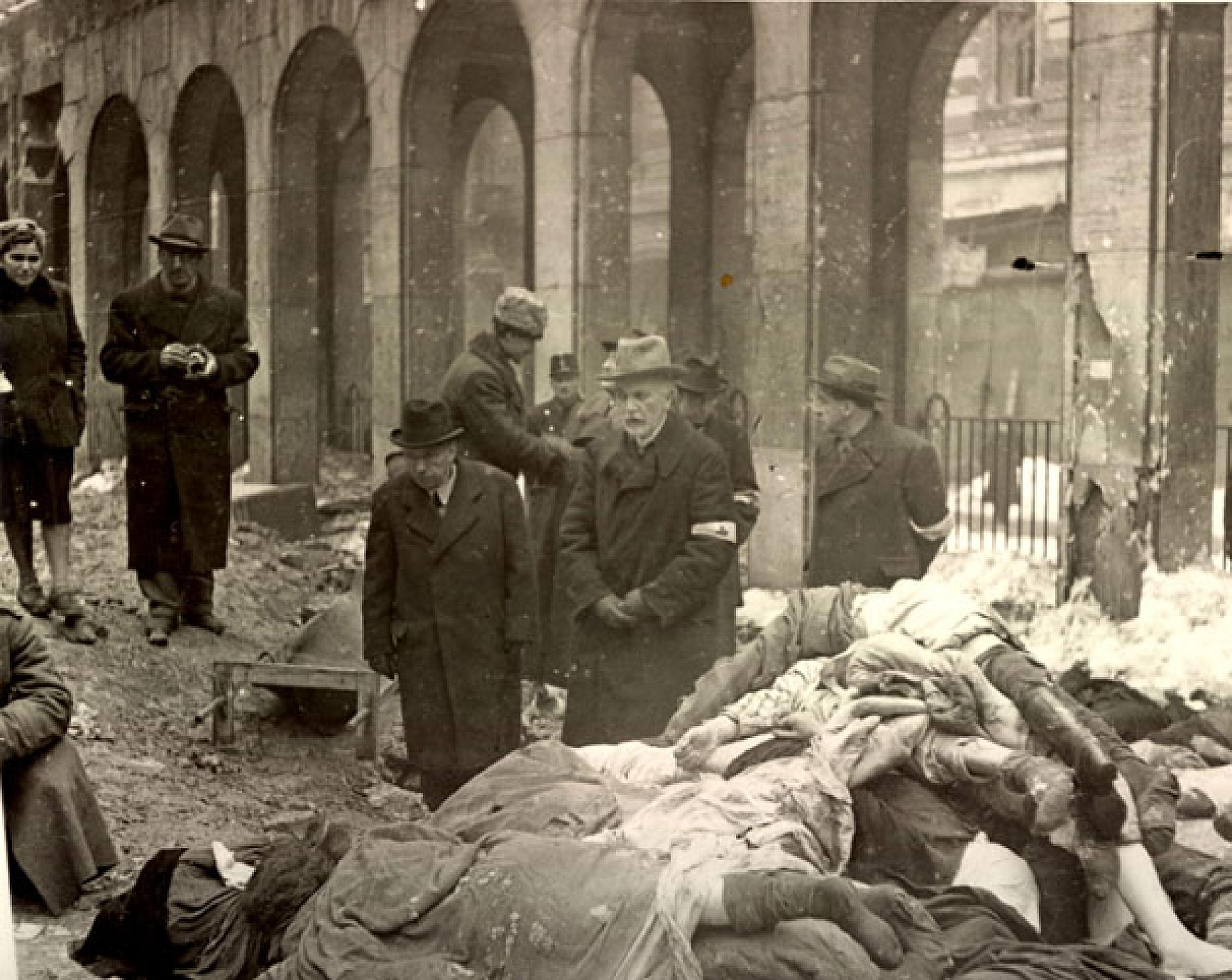
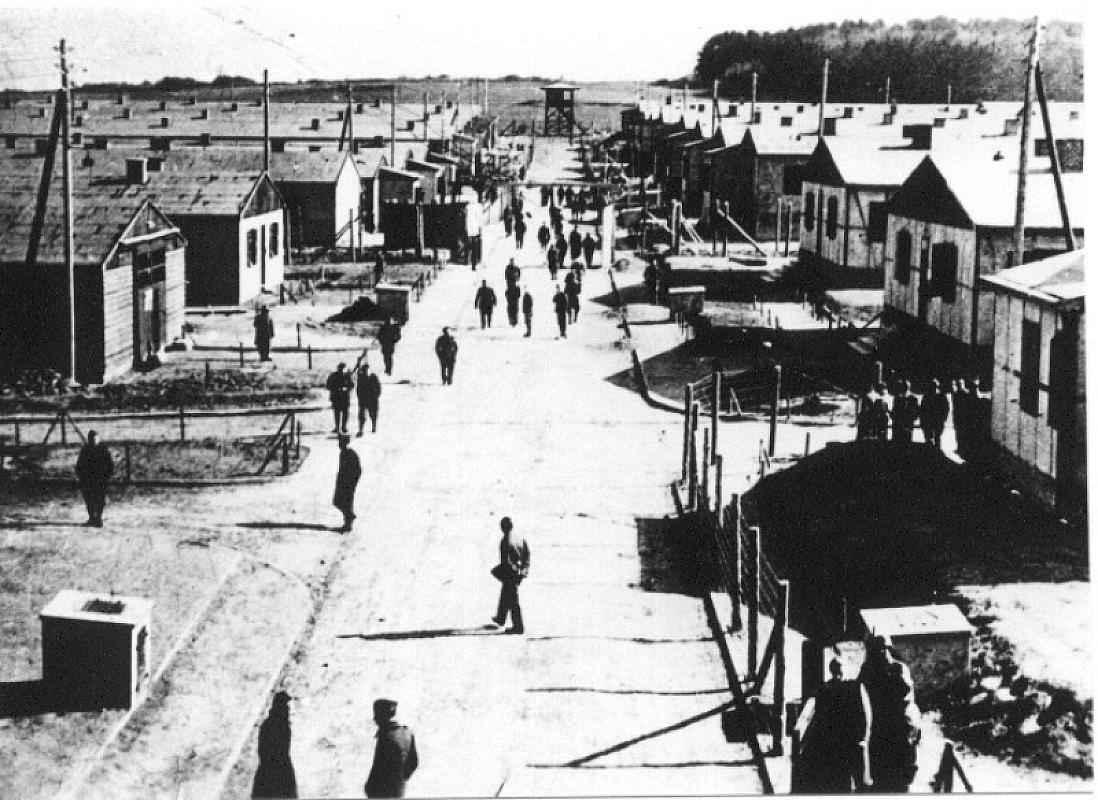
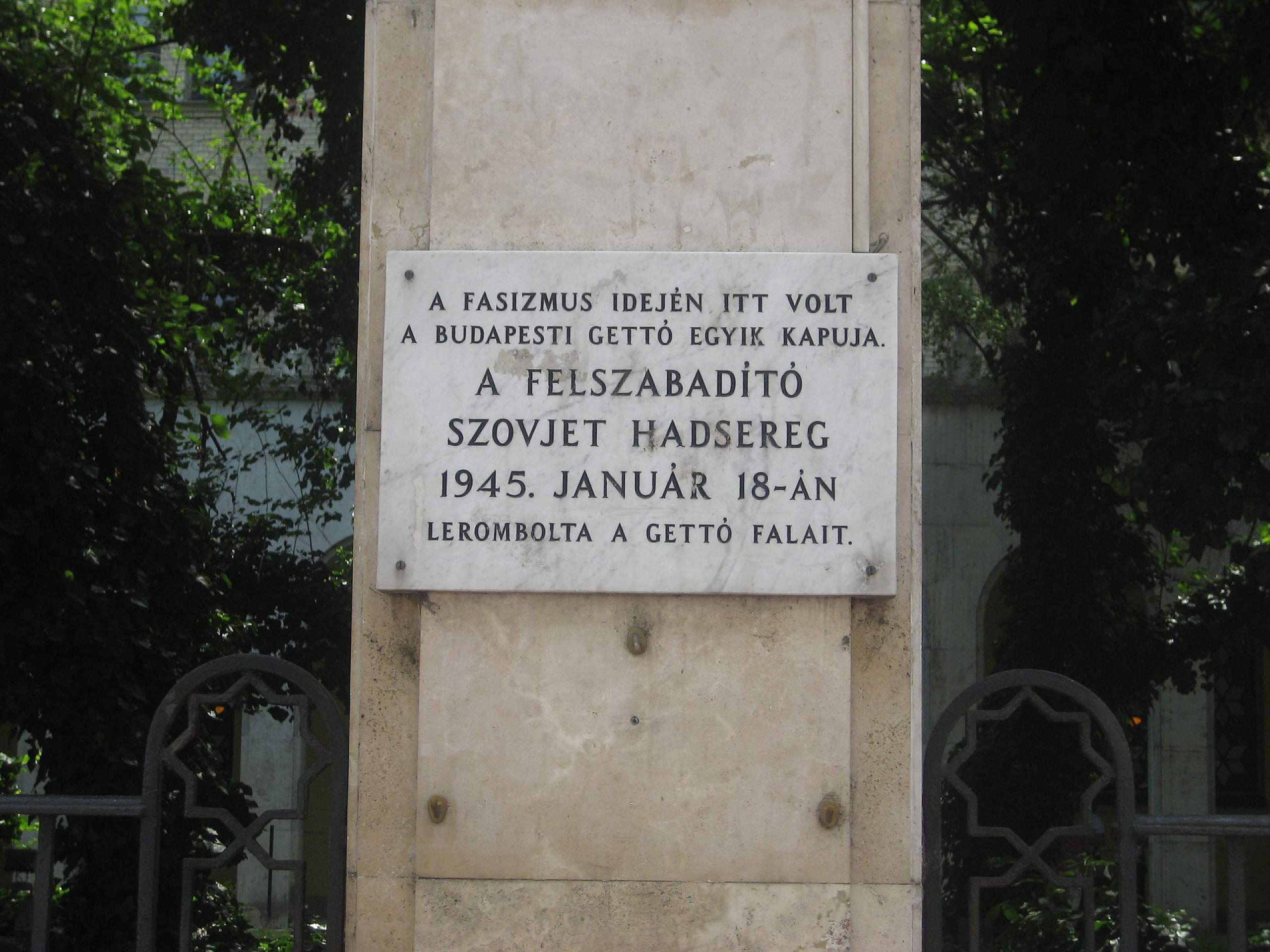
In the summer of 1944, following Hungary's occupation by the German Wehrmacht, the Great Synagogue served as a collection camp for Jews who were to be deported. At the same time, a Jewish labour detail was housed in the Jewish Museum: Jewish men who had been drafted as forced labourers by the Hungarian army. From November 1944 on, the building complex was part of the Budapest ghetto. One of the ghetto entrances was located at the blind arcade of the Jewish Museum. Thousands of ghetto residents died of hunger, cold and illnesses before the liberation by Soviet troops on January 18, 1945; others were murdered by supporters of the Hungarian Arrow Cross Party. Many of the dead who could not be buried were gathered in the courtyard of the Jewish Museum.
Victims
Before the German occupation of Budapest in March 1944, the city had over 200,000 Jewish residents. Many Budapest Jews were murdered on death marches to the German Reich for deployment in forced labour details, others were murdered in the city itself. The exact number of victims is not known.
At the time of the liberation, there were about 119,000 Jews remaining alive in Budapest. Thousands of dead lay unburied in the courtyard of the Great Synagogue.
Remembrance
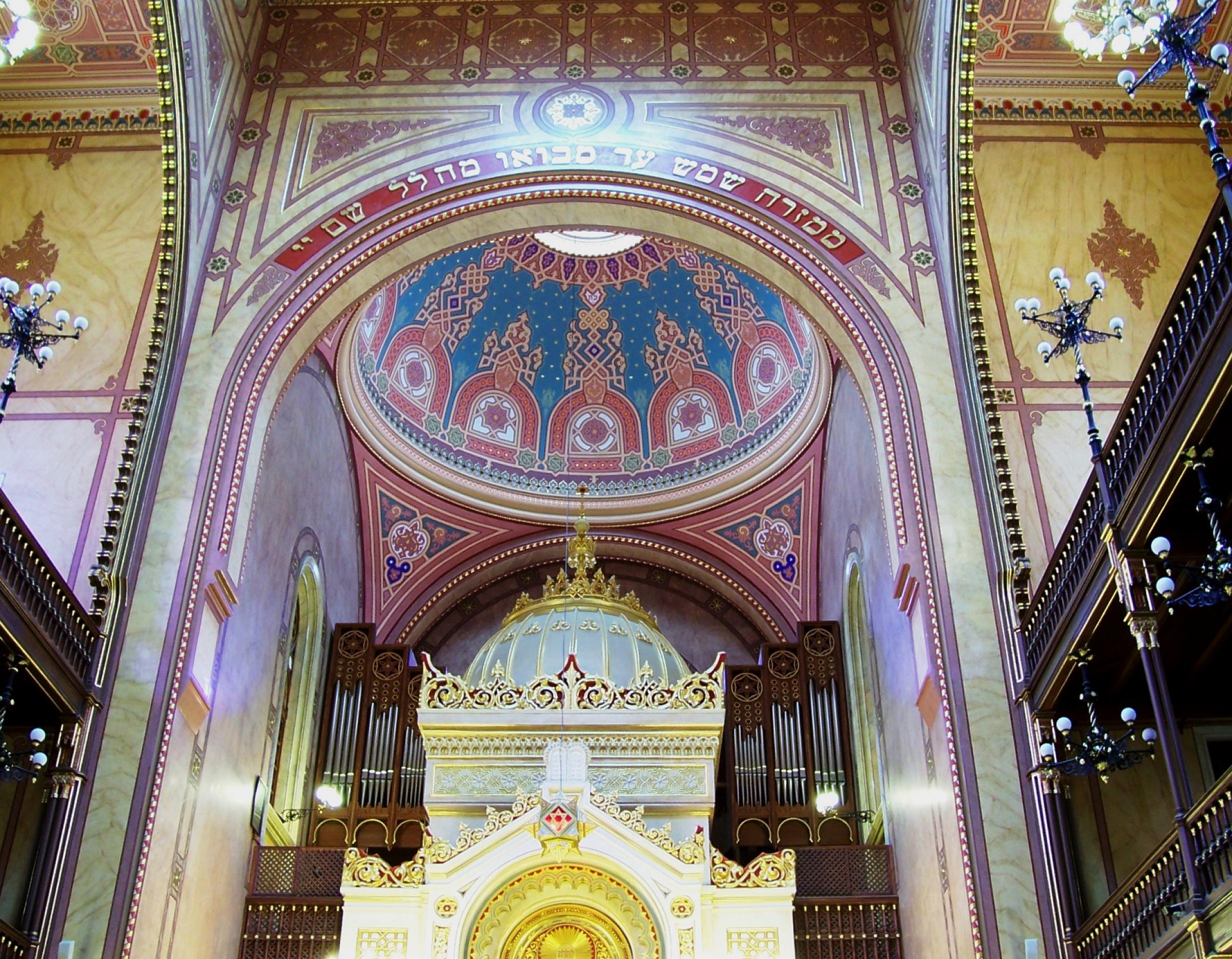
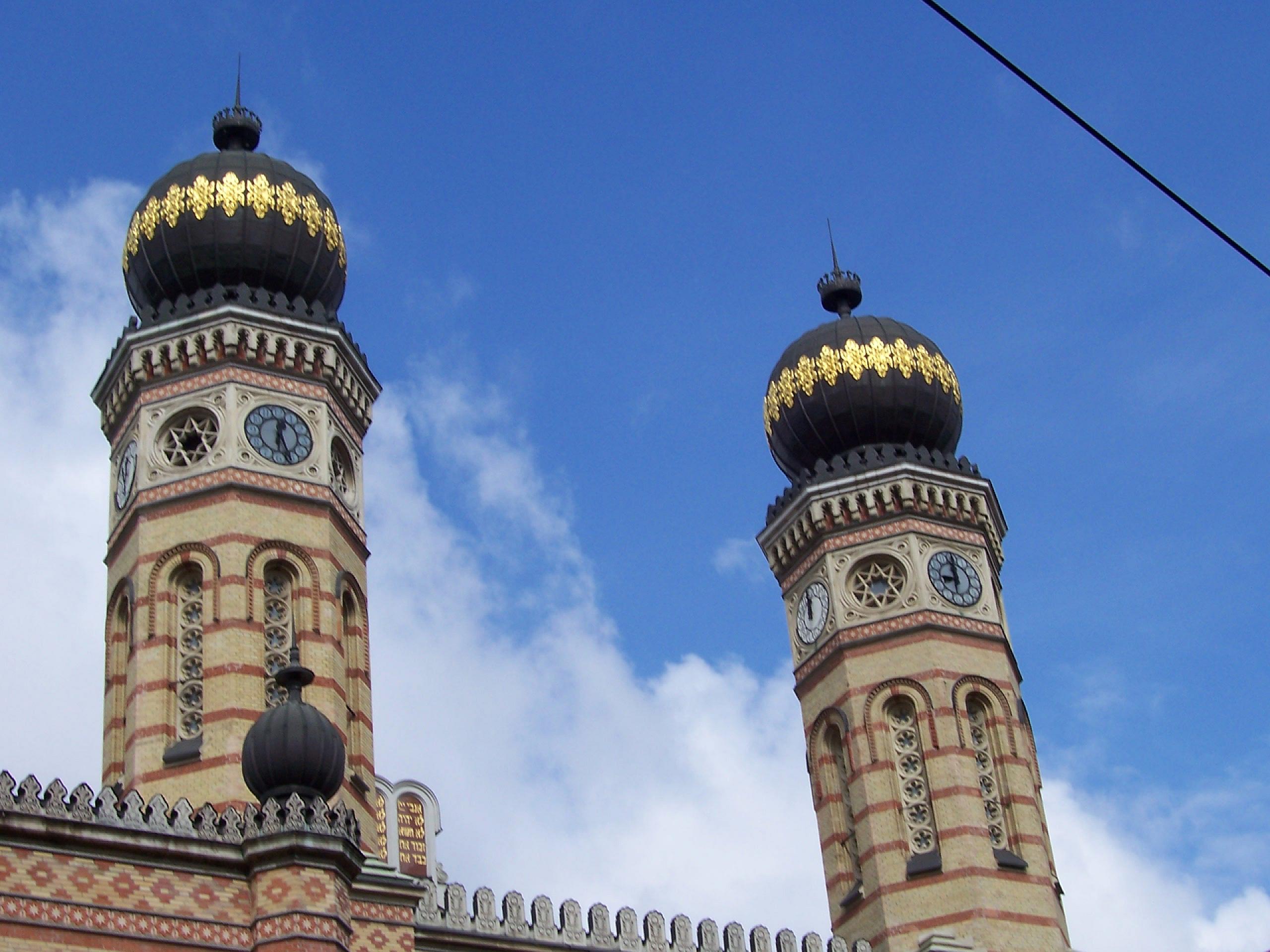
Even today, the Great Synagogue in Dohány Street, designed by Austrian architect Ludwig Förster (1797-1863) is one of the largest in Europe. Its historicist, Moorish-style elements strongly influenced Synagogue architecture in the years following its construction. The interior is large enough to hold 6,000 people. The Dohány synagogue has an organ, which is very unusual for synagogues.
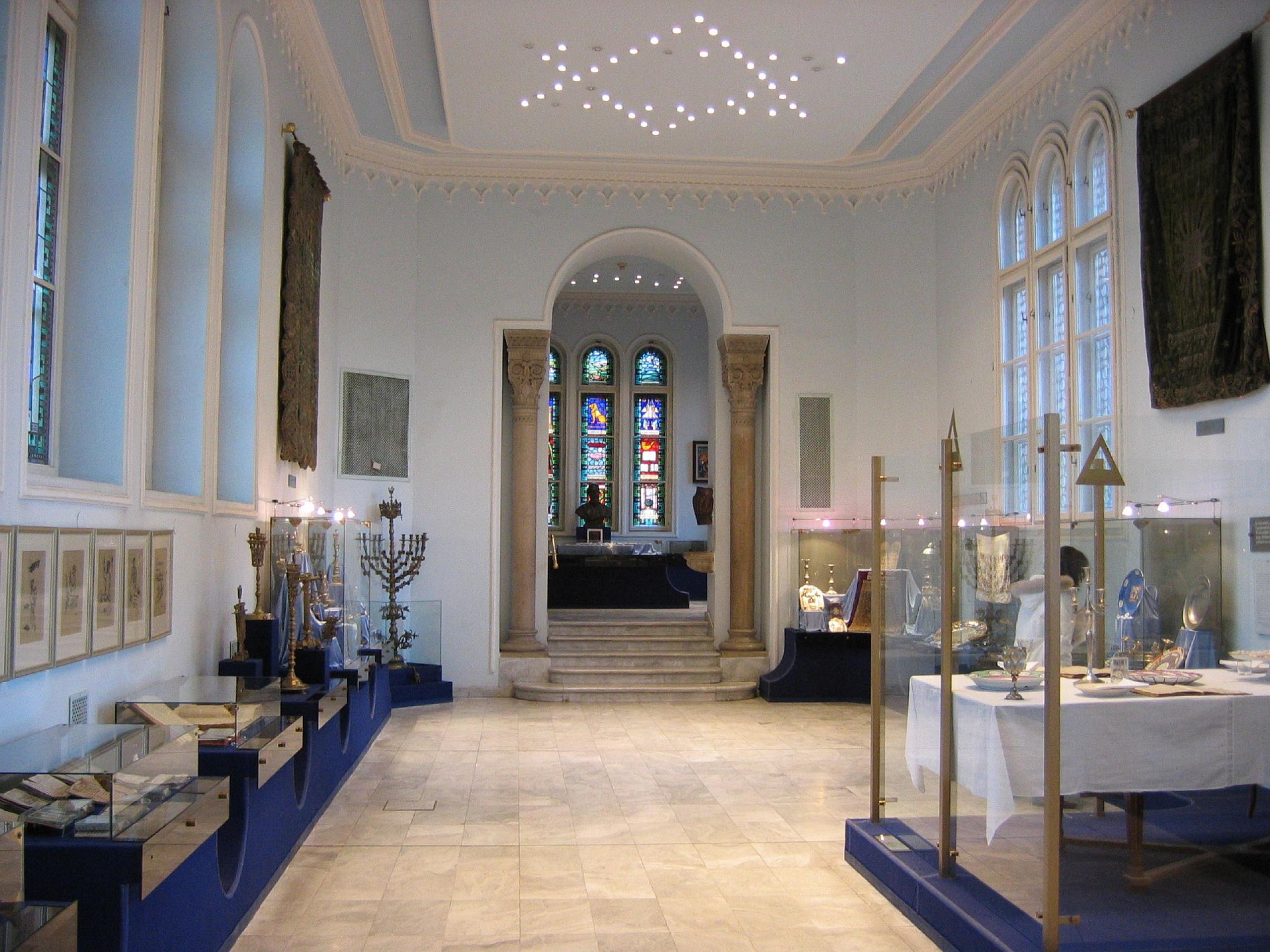
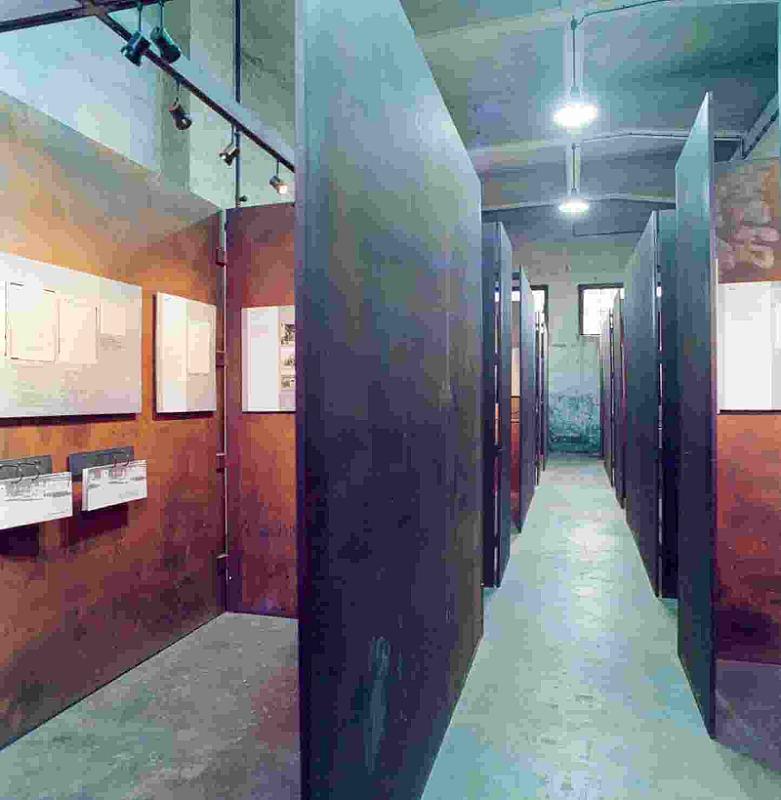
The Jewish Museum mainly displays Jewish ritual objects and artefacts. The last two rooms are dedicated to the victims of the Holocaust.
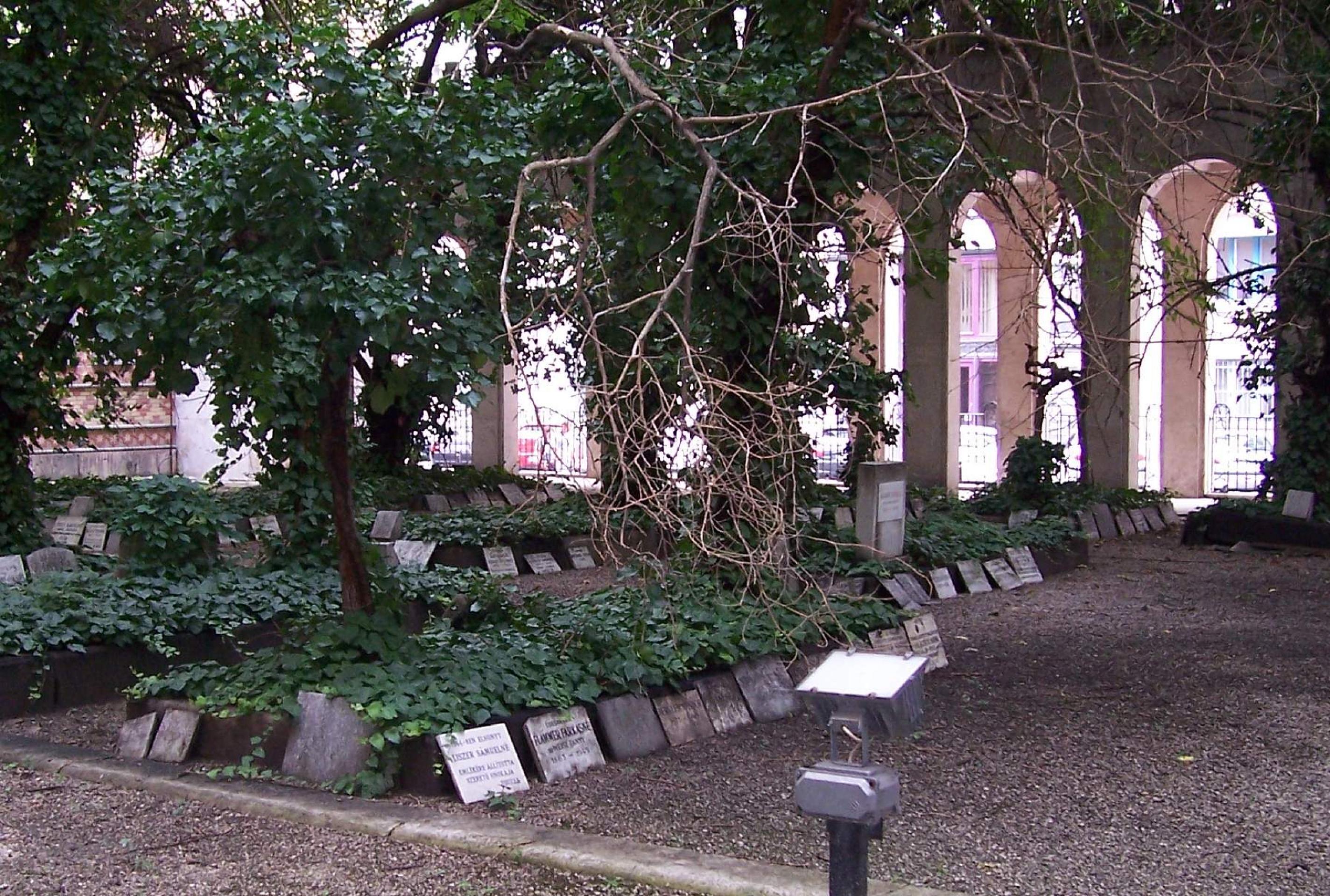
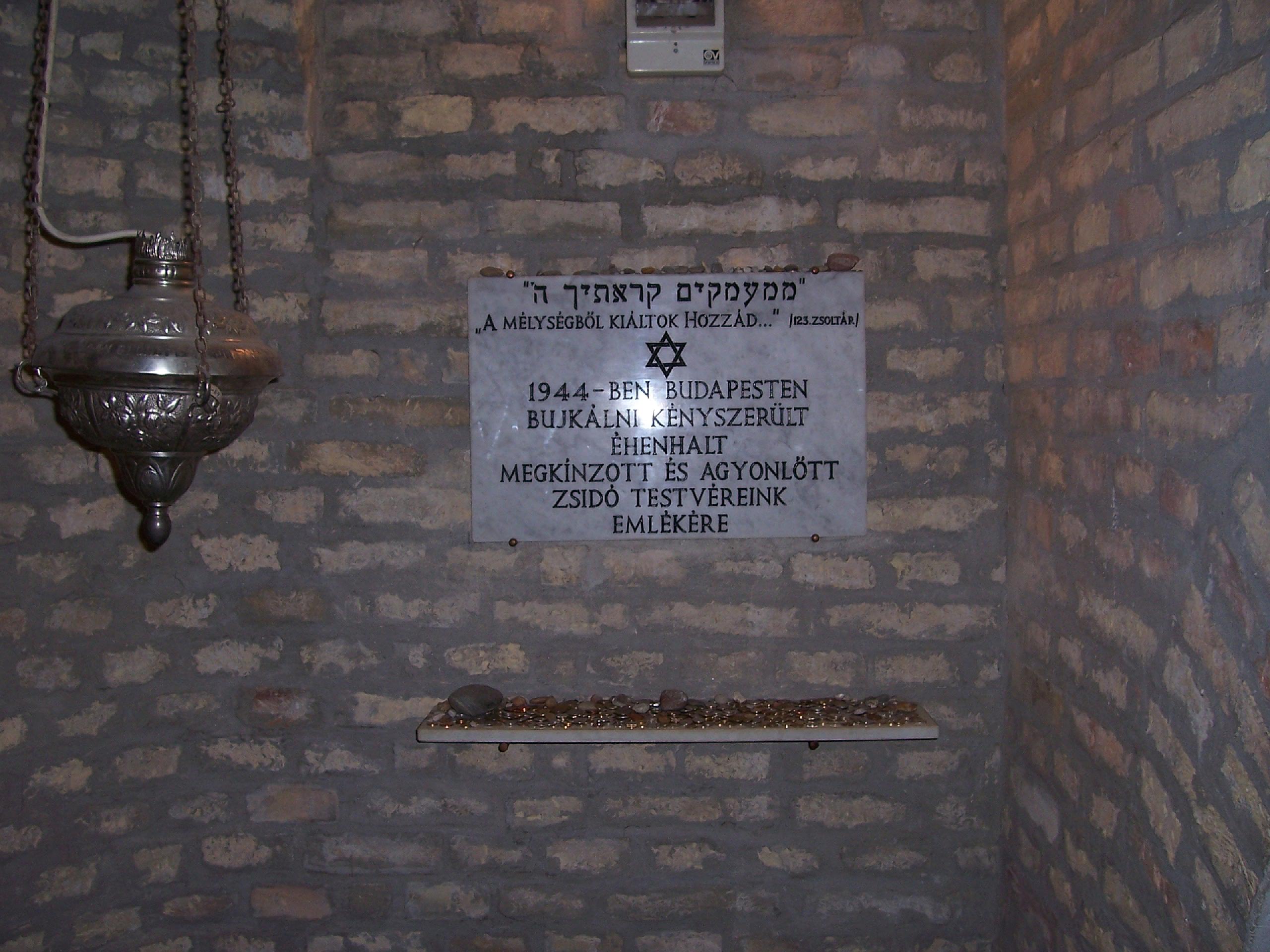
When the ghetto was liberated in January 1945, there were thousands of unburied corpses in the courtyard of the Jewish Museum. About 2,300 bodies were buried in mass graves in the courtyard out of necessity, even though according to Jewish tradition, the dead are not to be buried next to a synagogue. Later, relatives put memorial stones on the mass graves. The courtyard, which is not accessible to visitors, has not been changed since. A further courtyard holds the Raoul Wallenberg Memory Park in honour of the Swedish diplomat who rescued thousands of Budapest Jews in the years 1944-45. Numerous memorial plaques commemorate people who helped Hungarian Jews.
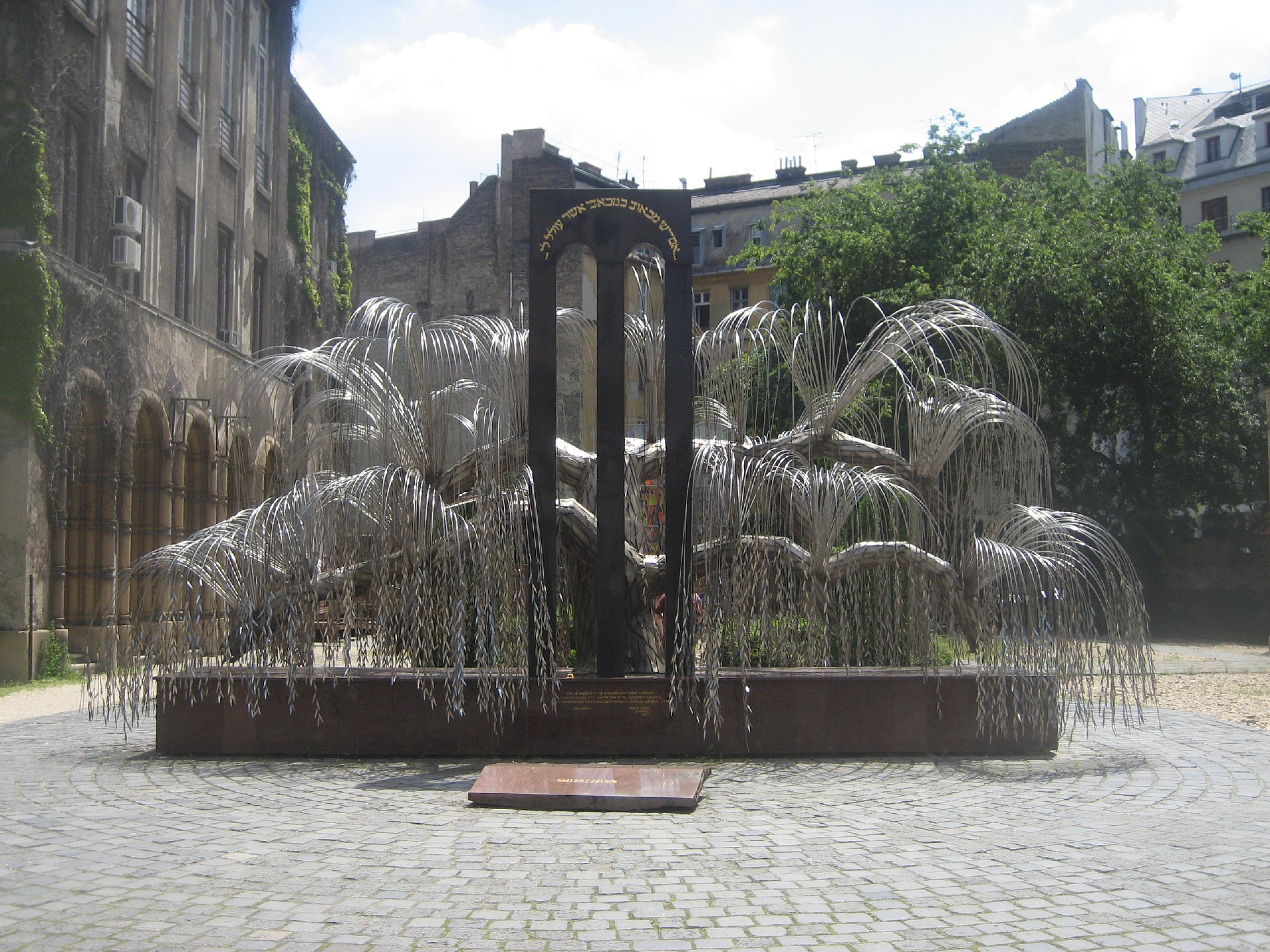
In 1991, the »Tree of Life« sculpture by Imre Varga was dedicated in the centre of the courtyard. Engraved on the tree's metal leaves are the names of about 30,000 murdered Hungarian Jews.
Possibilities
Exhibition, lectures, archive, concerts, educational programmes on pedagogical work with Holocaust-related topics as well as on Jewish life in Hungary
Open
March to October
Sunday to Thursday 10 a.m. to 6 p.m., Friday 10 a.m. to 4.30 p.m.
November to February
Sunday to Thursday 10 a.m. to 4.30 p.m., Friday 10 a.m. to 2 p.m.
Closed on Saturdays
Contact
info@milev.hu
+361 413 5514
Dohány utca 2
1077 Budapest