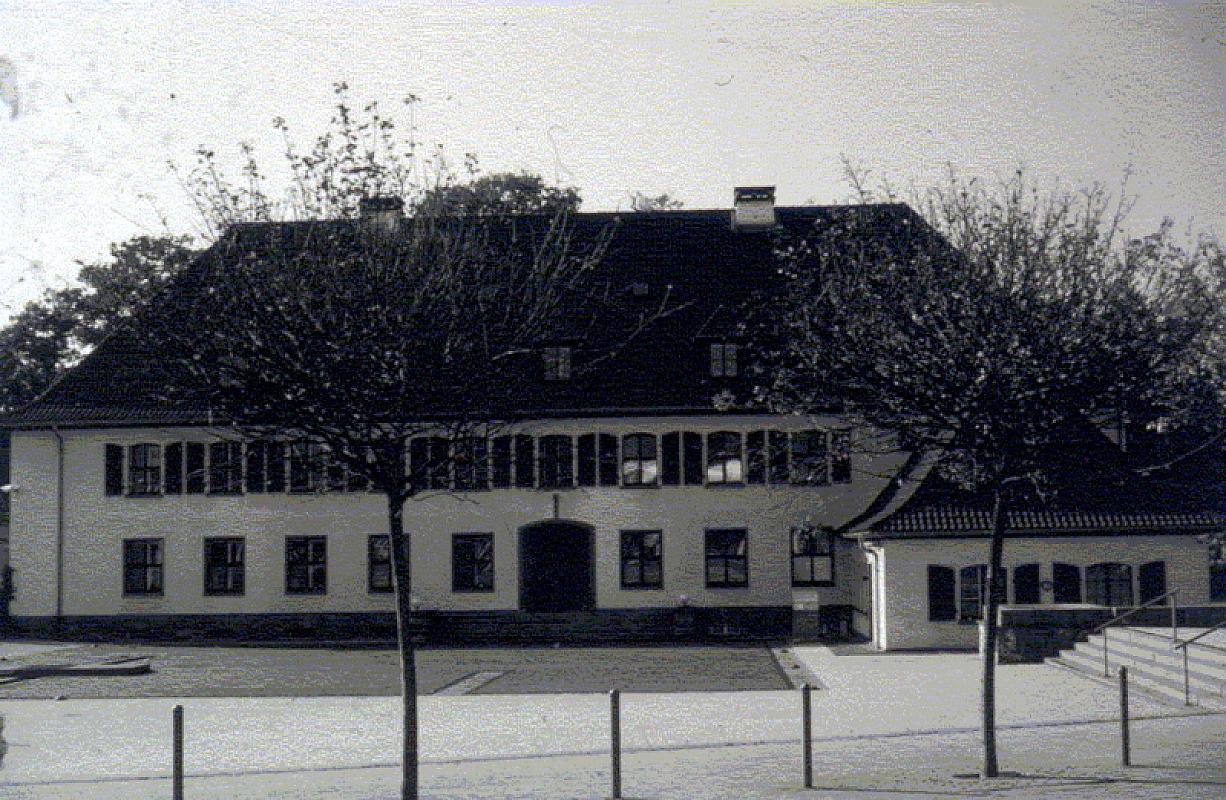
The Mémorial National de Gurs, located on the premises of the former Gurs camp at the foot of the Pyrenees, is currently one of three French sites of national remembrance to the victims of the German occupation and the French collaborationist Vichy Government. Built in the spring of 1939, the camp first served as an internment camp for refugees from Spain. From 1940 on, French authorities also held about 17,000 Jews at Gurs. Several thousands of them were deported to extermination camps from 1942 on, primarily to Auschwitz.
History
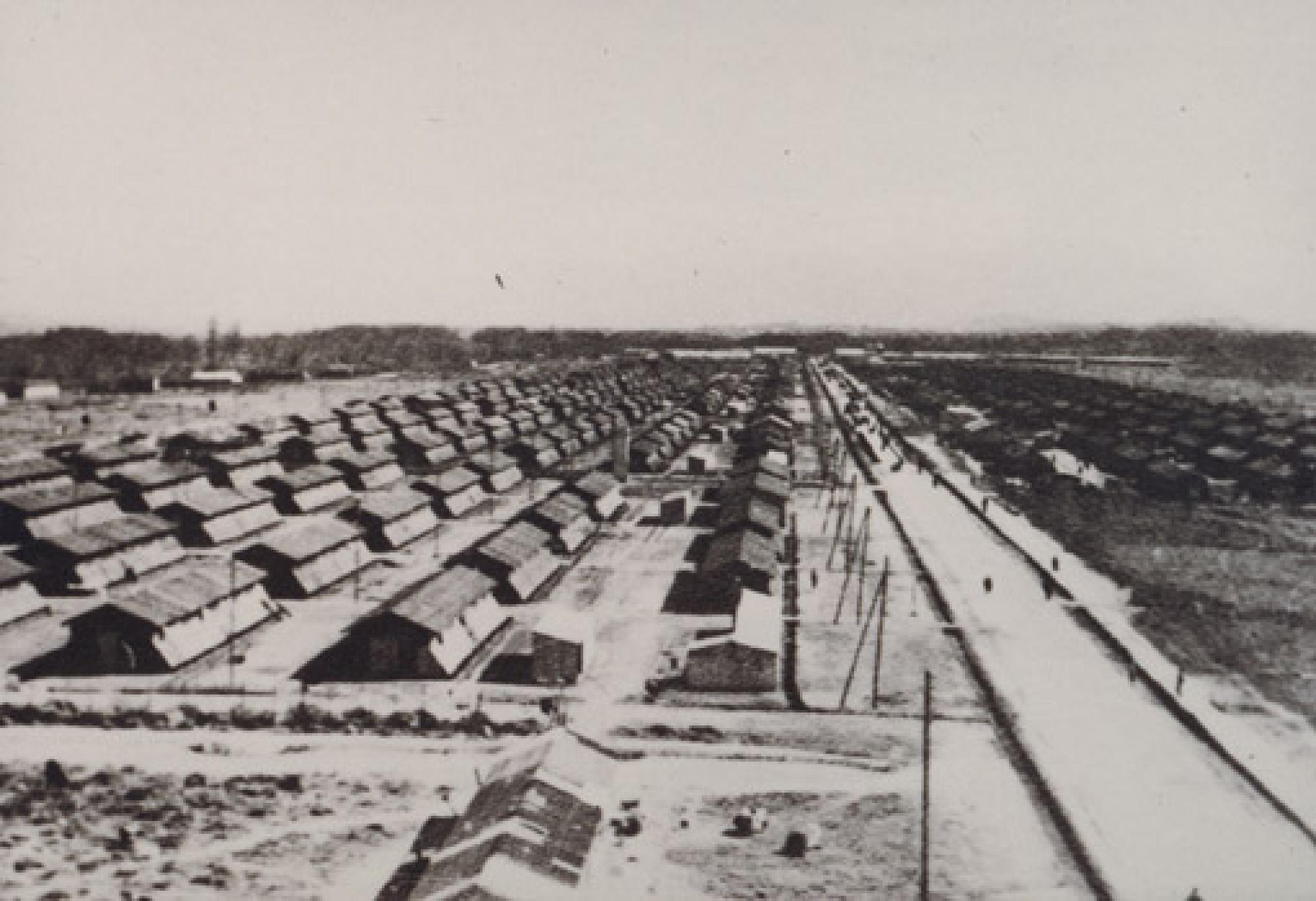
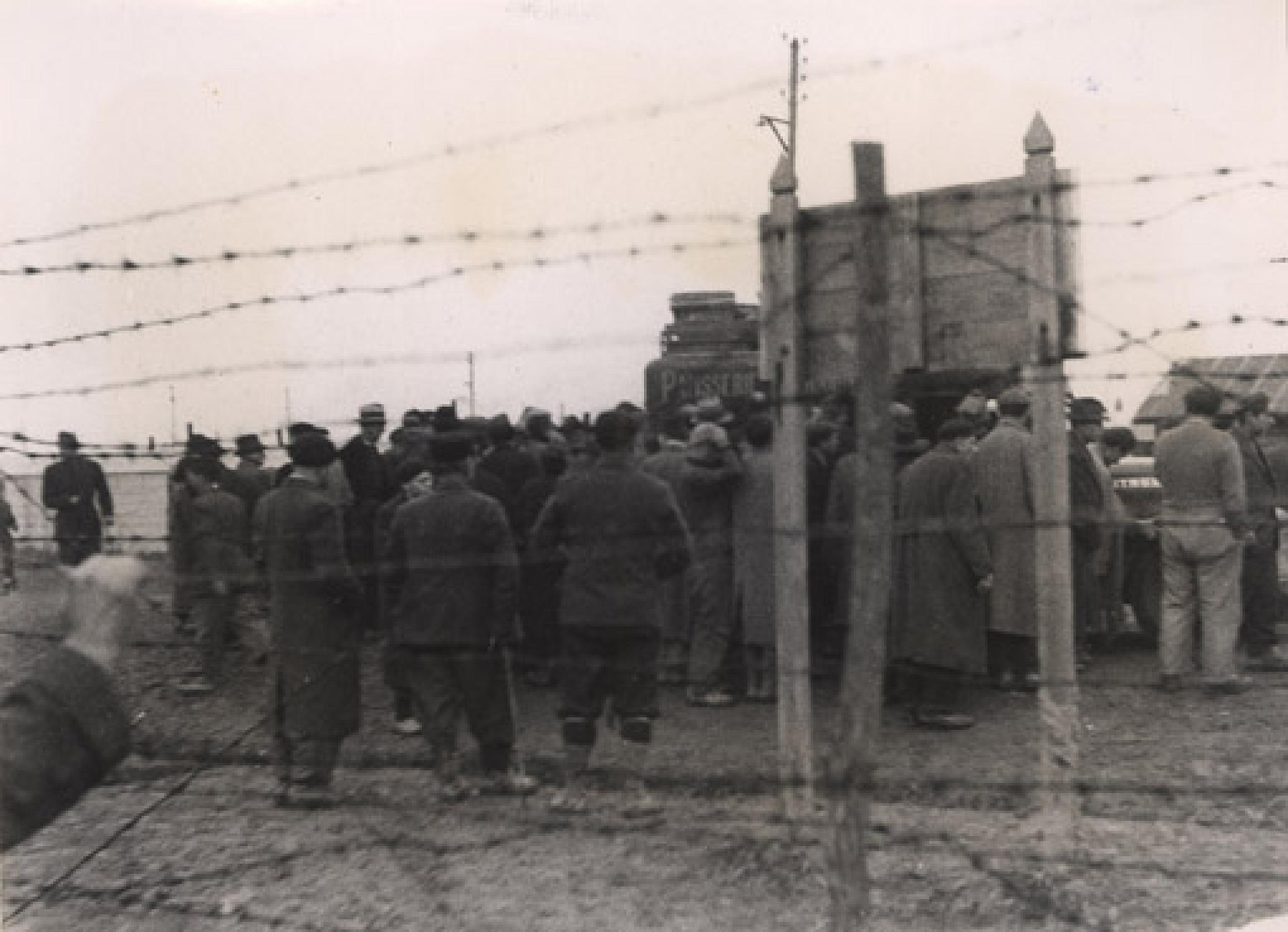
On March 15, 1939, the French Ministry of the Interior under socialist Marx Dormoy confiscated land in Gurs for the establishment of a camp for refugee combatants from the Spanish Civil War (1936–1939). The internees, socialists and Basques who had fled Franco's victorious troops, had hoped for the support of their neighbouring country. However, they found themselves behind barbed wire in Gurs. By the beginning of May 1940, almost all of the Spaniards had been released from the camp; after that, mostly members of the International Brigades who had fought in the Spanish Civil War remained at the camp. After the Wehrmacht had begun its invasion of France, new prisoners were brought to the Gurs camp. The French government now held thousands of »Undesirables« at Gurs, mainly refugees from the German Reich and from Austria. There were also numerous children at the camp. In June 1940, the German Wehrmacht forced France to capitulate. The north of France was occupied by German troops, while the south (including Gurs) was governed by the Vichy puppet regime. Supported by Vichy, the German authorities deported almost all of the Jewish residents of Baden and Palatinate to France; trains of the French national railway brought many of them to Gurs. From August 1942 on, over 3,900 prisoners of the Gurs camp, most of them Jews, were handed over to the German SS. Members of the SS brought the prisoners via Drancy near Paris to the death camps in occupied Poland.
The Gurs camp was finally dissolved on December 31, 1945, after it had served as an internment camp for German prisoners of war and French collaborators following the liberation of the south of France.
Victims
A total of about 60,000 people passed through the Gurs camp. The largest group comprised of 27,000 Spanish refugees and civil war combatants. Many of them were released in 1939, but in May 1940, 3,700 Spaniards were readmitted into the camp. Between 1940 and 1943, the French authorities also held over 17,000 Jews at Gurs. Prior to the capitulation of the French army on June 22, 1940, these prisoners were »Undesirables«, mainly Jewish women. Many of them, including philosopher Hannah Arendt, managed to come free by autumn 1940.
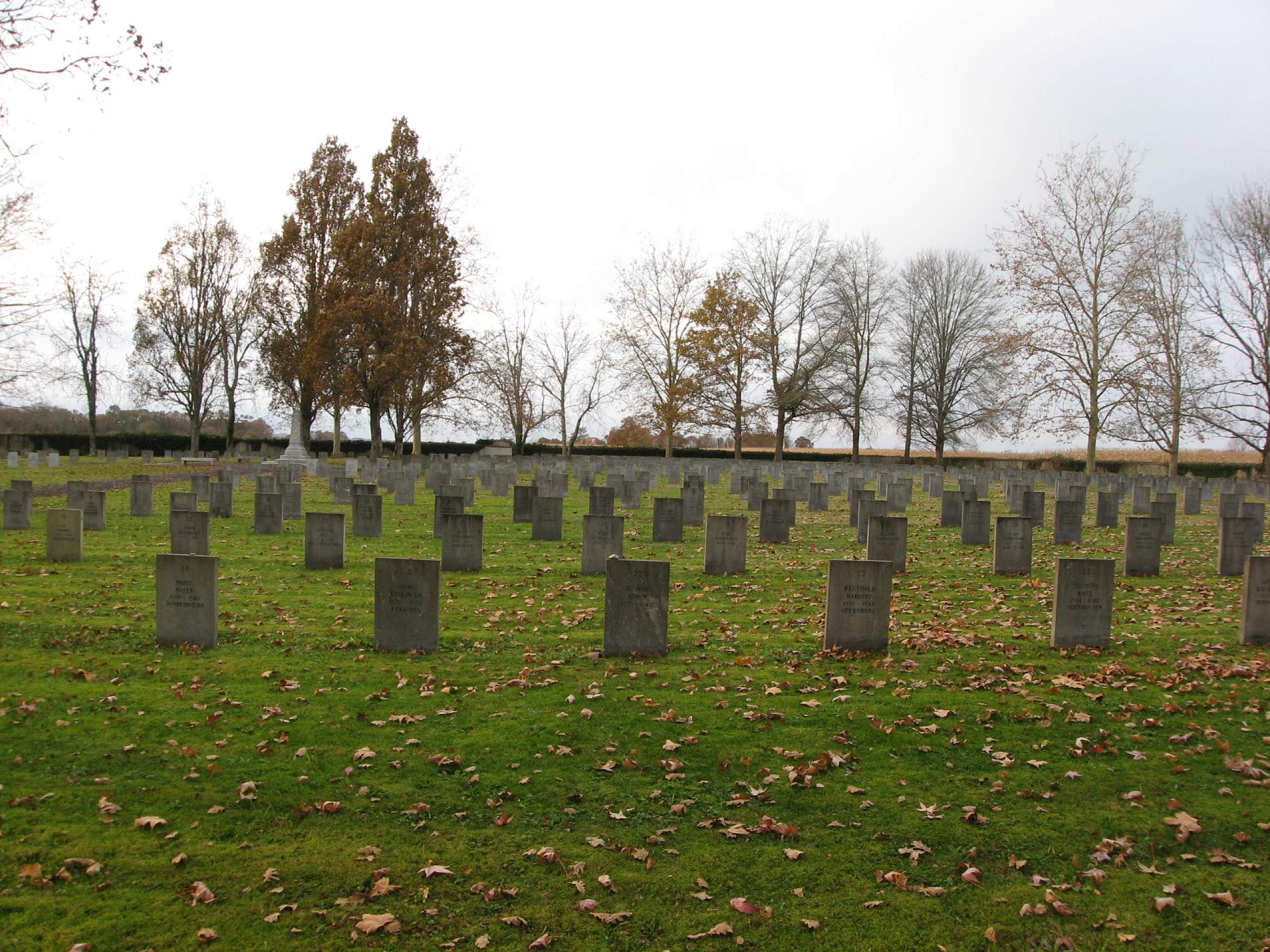
In October 1940, over 6,500 Jews from Baden and Palatinate were deported to Gurs. By summer 1942, over 1,000 of them had died due to the scarce supplies and catastrophic hygienic conditions at the camp. Between August 1942 and March 1943, six deportation trains departed from Gurs, headed for the Drancy transit camp near Paris. Almost all of the 3,900 deportees were Jews. From Drancy they were deported to extermination camps in occupied Poland, where most of them were murdered by the SS upon arrival in the camp's gas chambers. In November 1943, the French Ministry of the Interior shut down the camp, yet it was put to use once again in April 1944, when 80 »Gypsies« and a group of female prisoners from the Brens camp (Département Tarn) were interned here. When the region - which had been occupied by the German Wehrmacht since 1942 - was liberated, the camp was used to intern German prisoners of war and French collaborators.
Remembrance
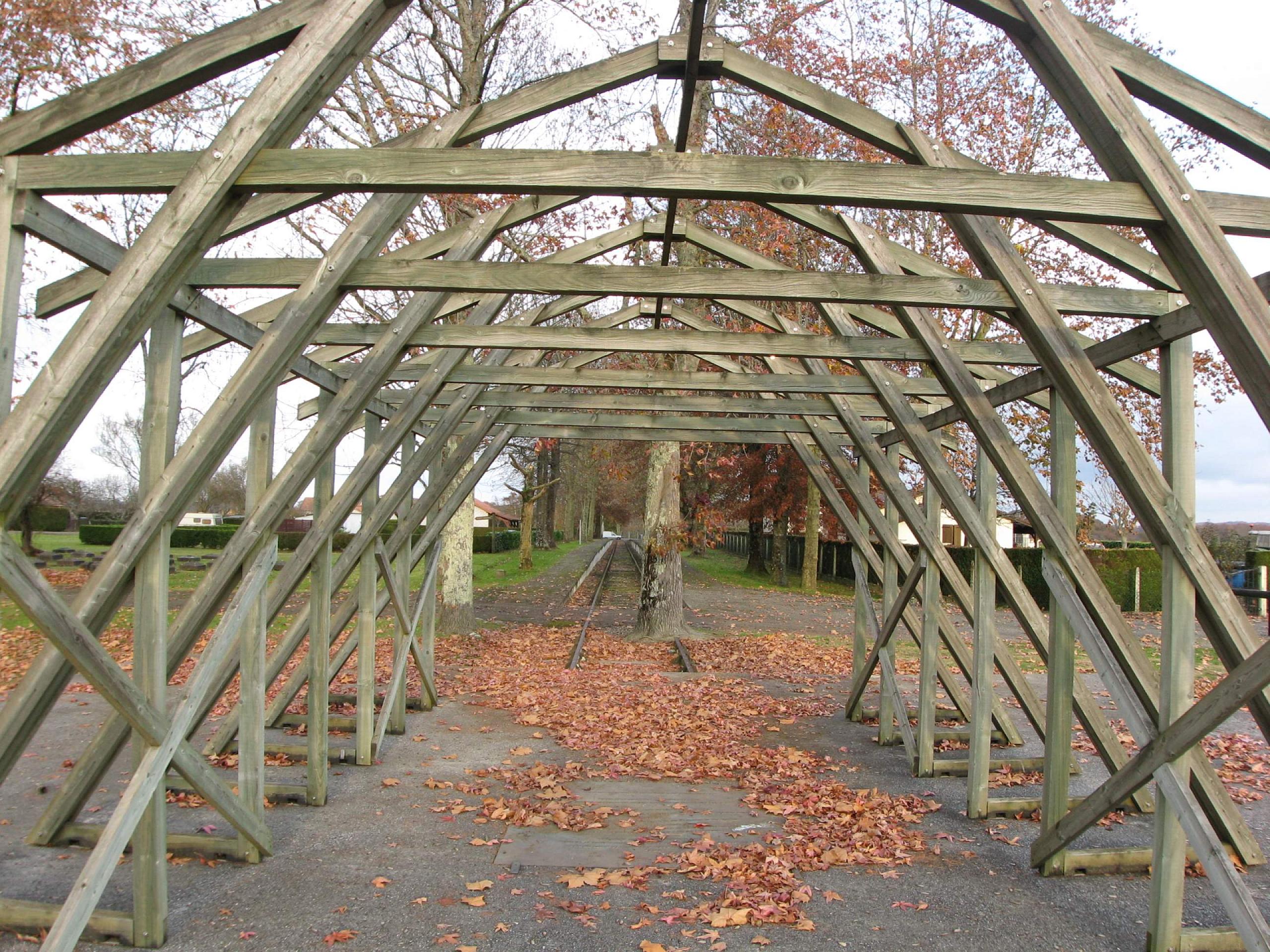
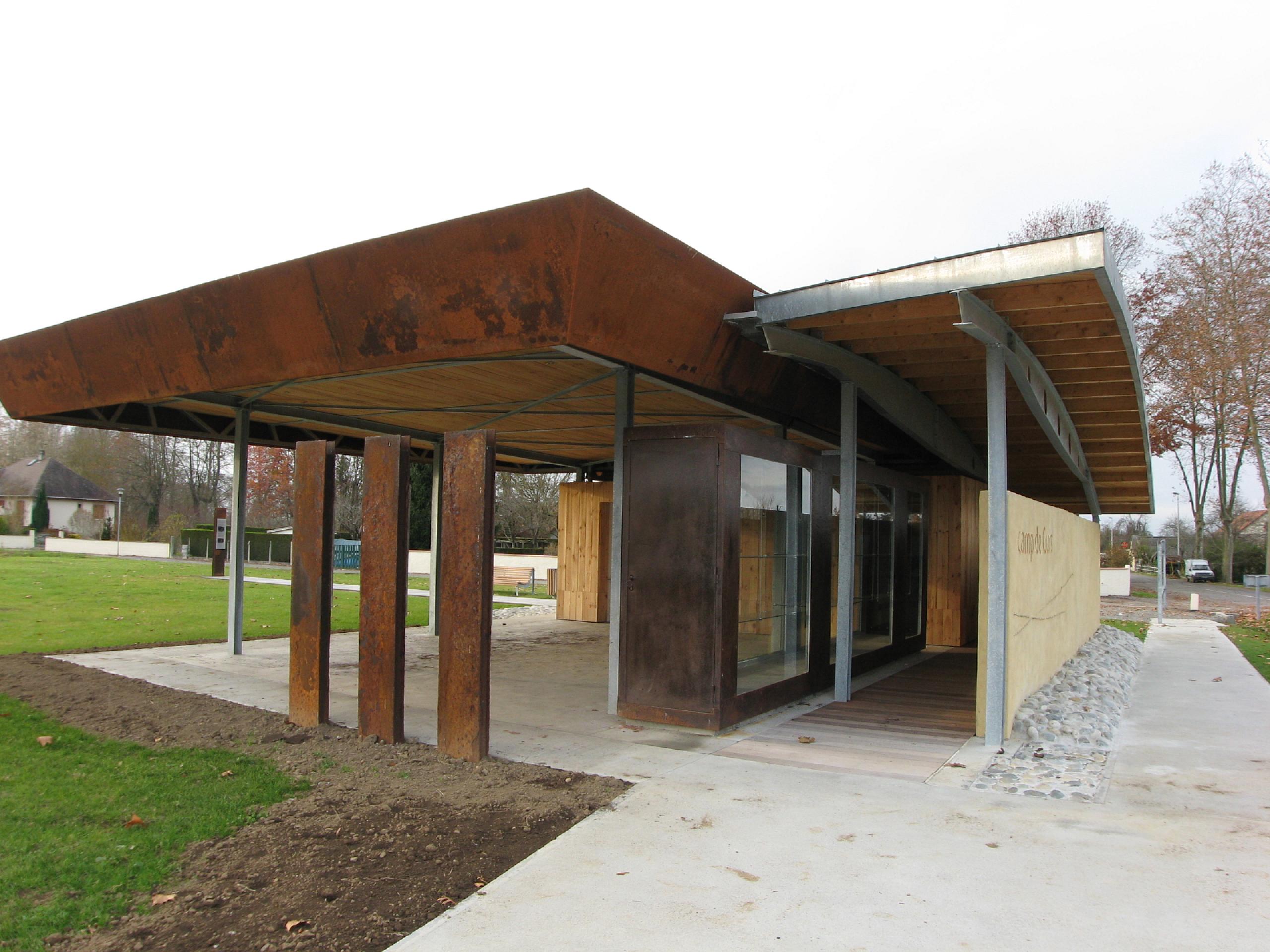
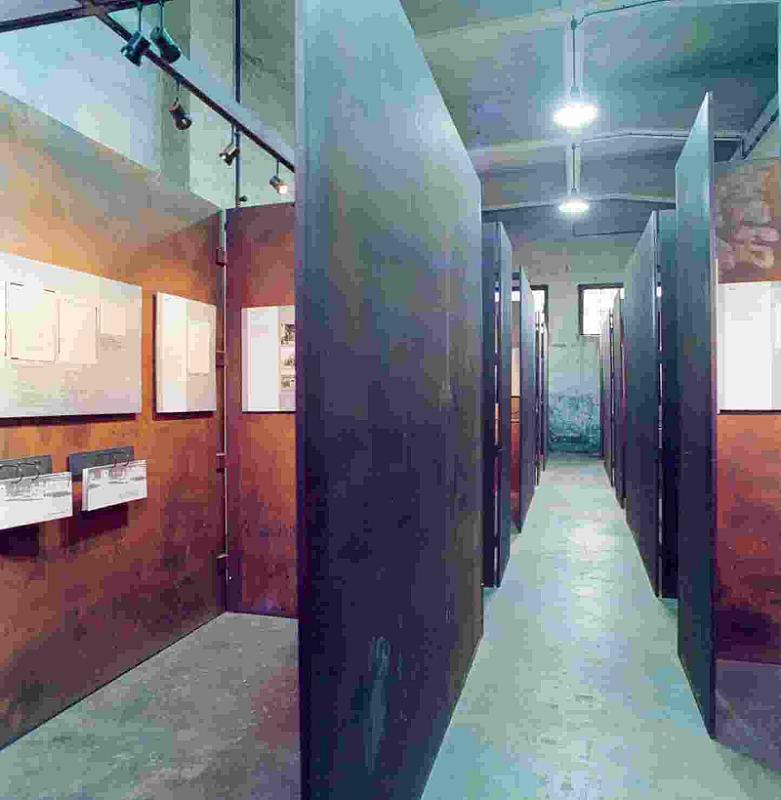
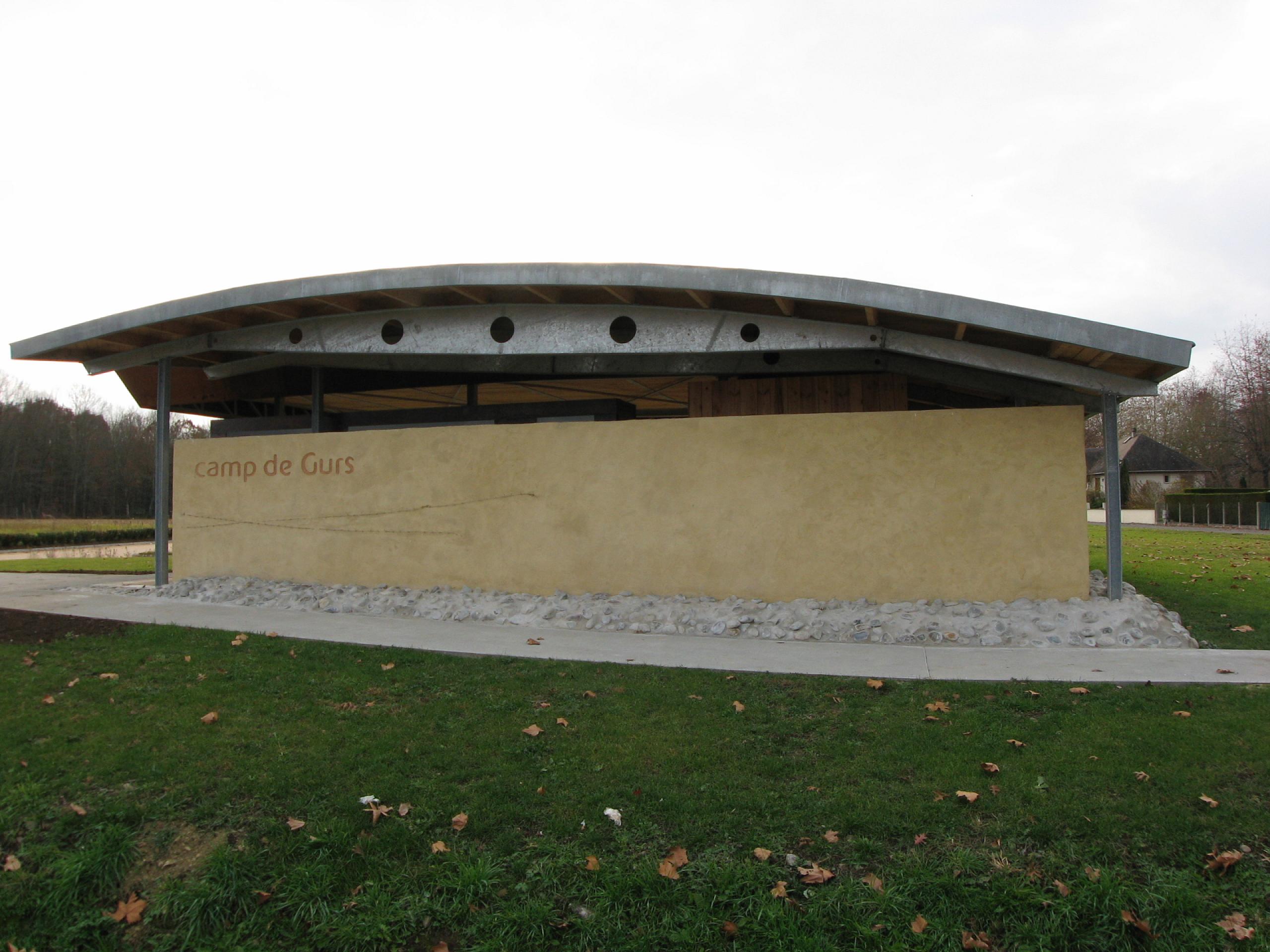
For a long time, Gurs was neglected as a memorial site. In 1957, the mayor of Karlsruhe and the leader of the Jewish community in Baden initiated the restoration of the prisoner cemetery at Gurs. Renovation work was begun in 1961 and took two years. In 1980, an association of former prisoners was founded. In 1994, Israeli artist Dani Karavan was commissioned by the French state with designing a memorial: The memorial consists of several large wood and concrete sculptures which depict the contours of the barracks and the camp area. A permanent exhibition, opened in 2004, displays documents and recollections of the camp's history. A memorial trail guides visitors across the premises.
Possibilities
Educational activities, publications
Open
The former camp premises are accessible at all times.
Contact
contact@campgurs.com
Mémorial du Camp de Gurs
64190 Gurs