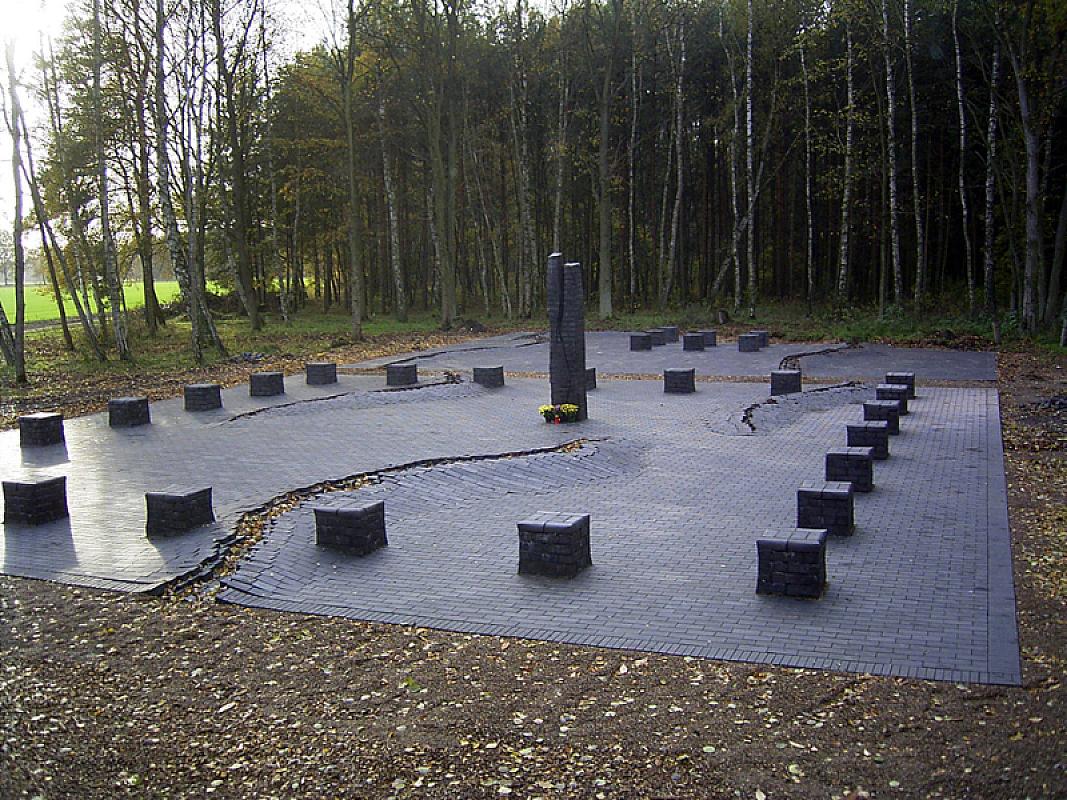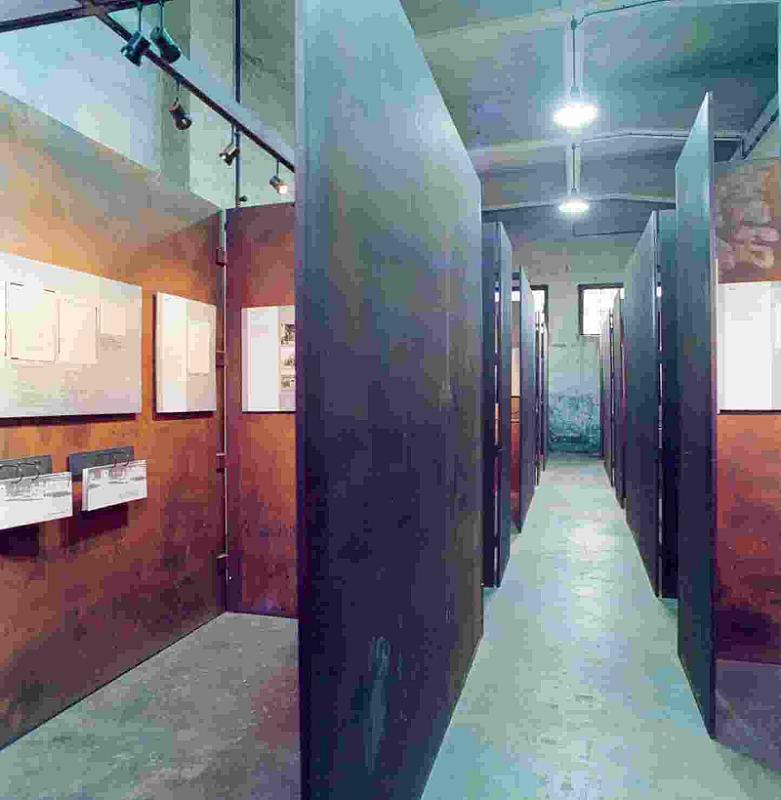
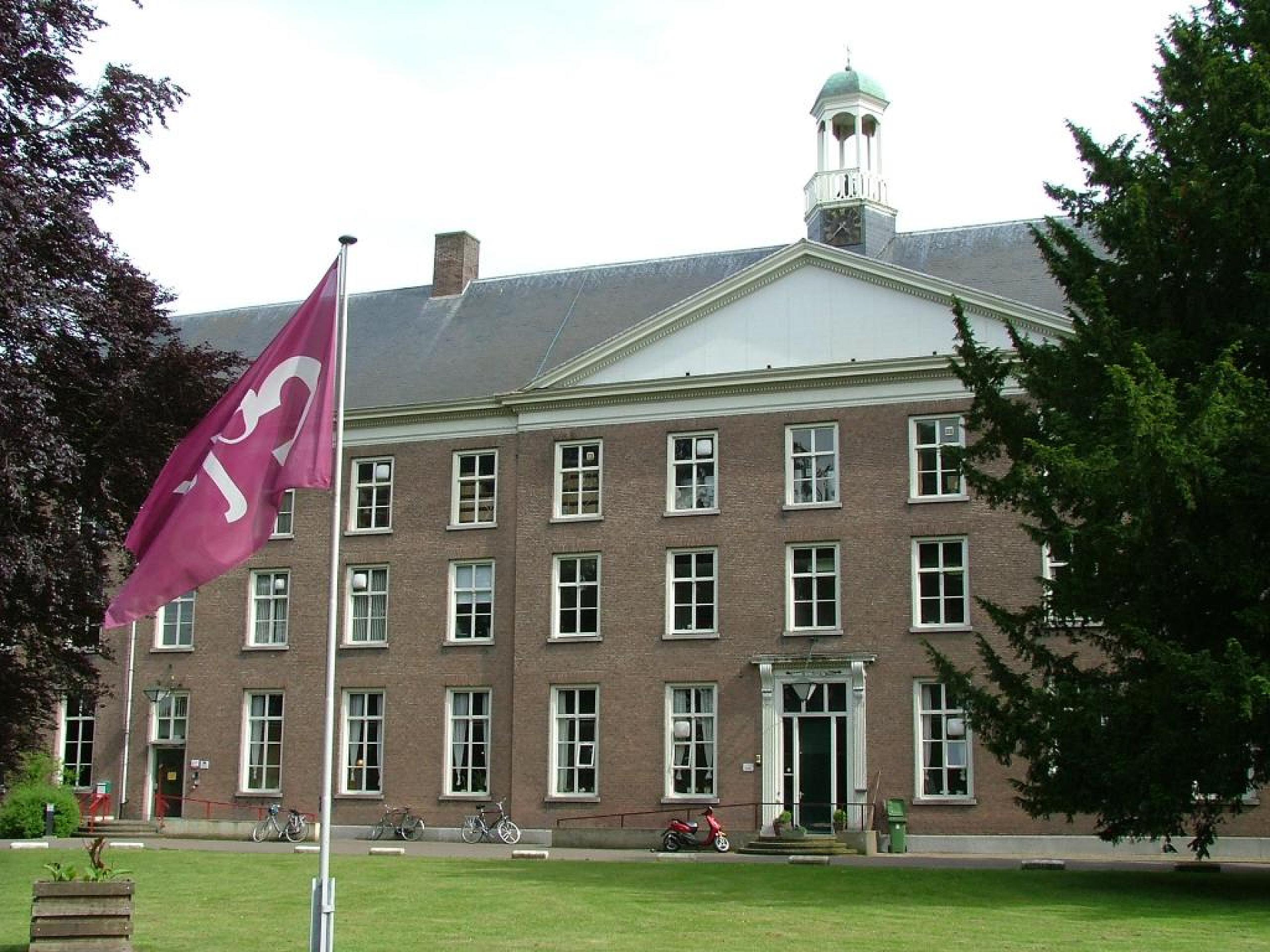
A memorial plaque and an exhibition at the former seminary in the Haaren municipality in the southern Netherlands commemorate the hostage and police prison which existed here between 1942 and 1944.
History
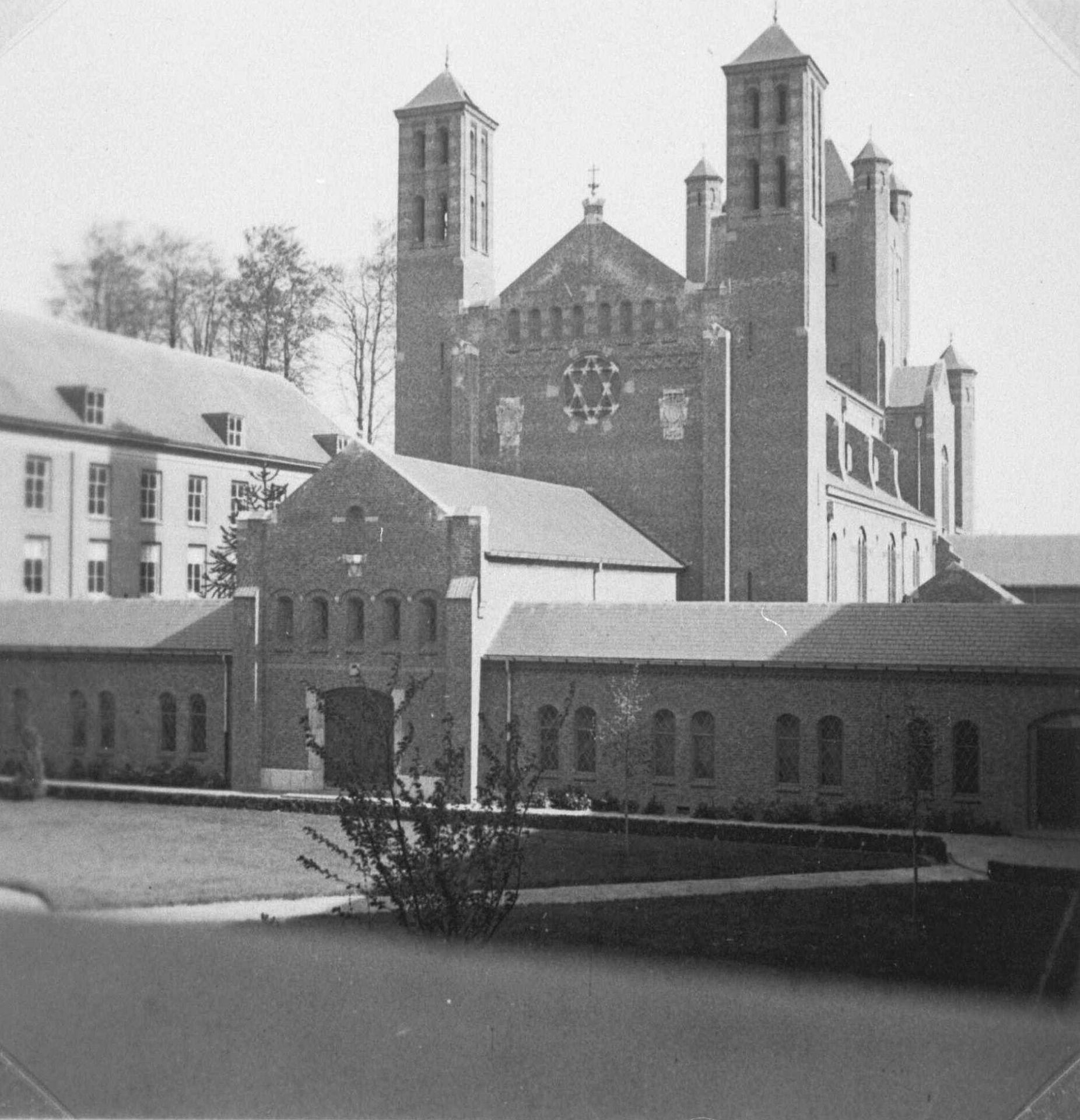
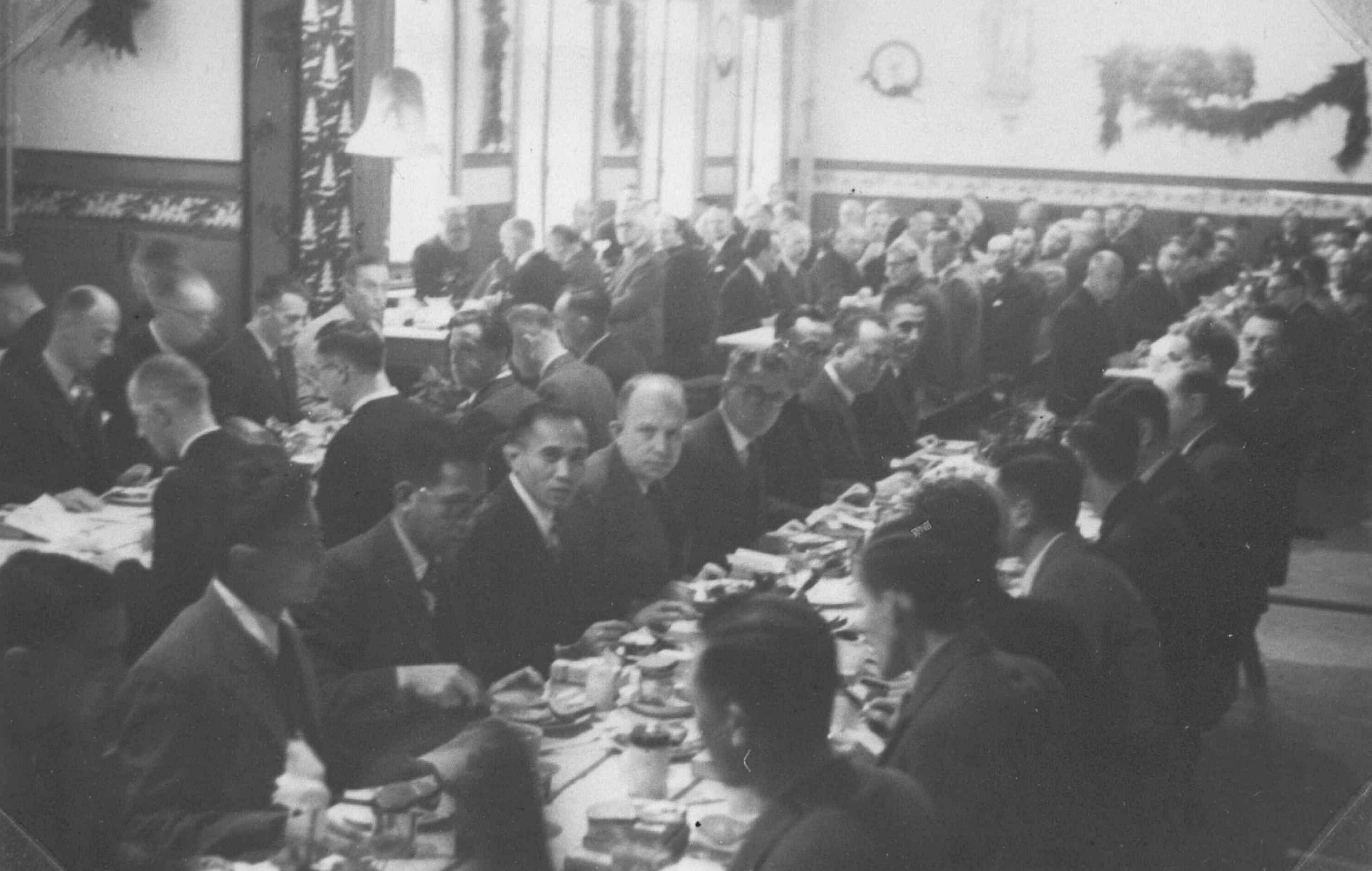
In response to the increasing number of sabotage operations in Western Europe, the German occupying authorities began taking prominent citizens hostage. In May 1942, they took 450 civilians hostage in the Netherlands, warning the public that they would be shot as a consequence of further acts of resistance. The first group of hostages was interned at Sint-Michielsgestel. A second group comprising 800 people was seized in July 1942 and incarcerated at the Catholic seminary in Haaren. Previously, 238 hostages from the Dutch East Indies (now Indonesia) had been interned at the site. Following an attack on a Wehrmacht train, the occupiers shot five hostages, members of the Dutch elite, in August 1942. In October, more hostages were shot - this time, 15 communists and socialists were executed. Three of them had been held at hostage camps, twelve had been held at the Amersfoort »police transit camp«. Dutch citizens were outraged by the executions; at the same time, the occupying regime deemed the policy of shooting hostages for the most part ineffective. Already in December 1942, the policy was abandoned and many hostages released.
A police prison was established at the Haaren seminary by Security Police and Security Service parallel to the hostage camp. Resistance fighters were held here from May 1942 on; they were subsequently either executed nearby or deported to concentration camps in Germany. The conditions at the prison were incomparably worse than at the hostage camp. On September 5, 1944, the camp was dismantled and the remaining prisoners deported to the Sachsenhausen concentration camp.
Victims
A total of about 1,050 civilians were held at the Haaren hostage camp; 450 were held at Sint-Michielsgestel. Eight hostages were shot by German Security Police as »reprisal measures«. About 3,100 inmates passed through the police prison. Many of them were shot nearby, others were deported to concentration camps in Germany. Among others, 47 agents of the British secret service SOE (»Special Operations Executive«) were transferred to the Mauthausen concentration camp and shot there in September 1944.
Remembrance
Following liberation on October 27, 1944, Canadian troops set up headquarters in the buildings of the former seminary in Haaren. Between 1946 and 1968, the buildings were once again used by seminary students, after that they served as a home for the mentally disabled.
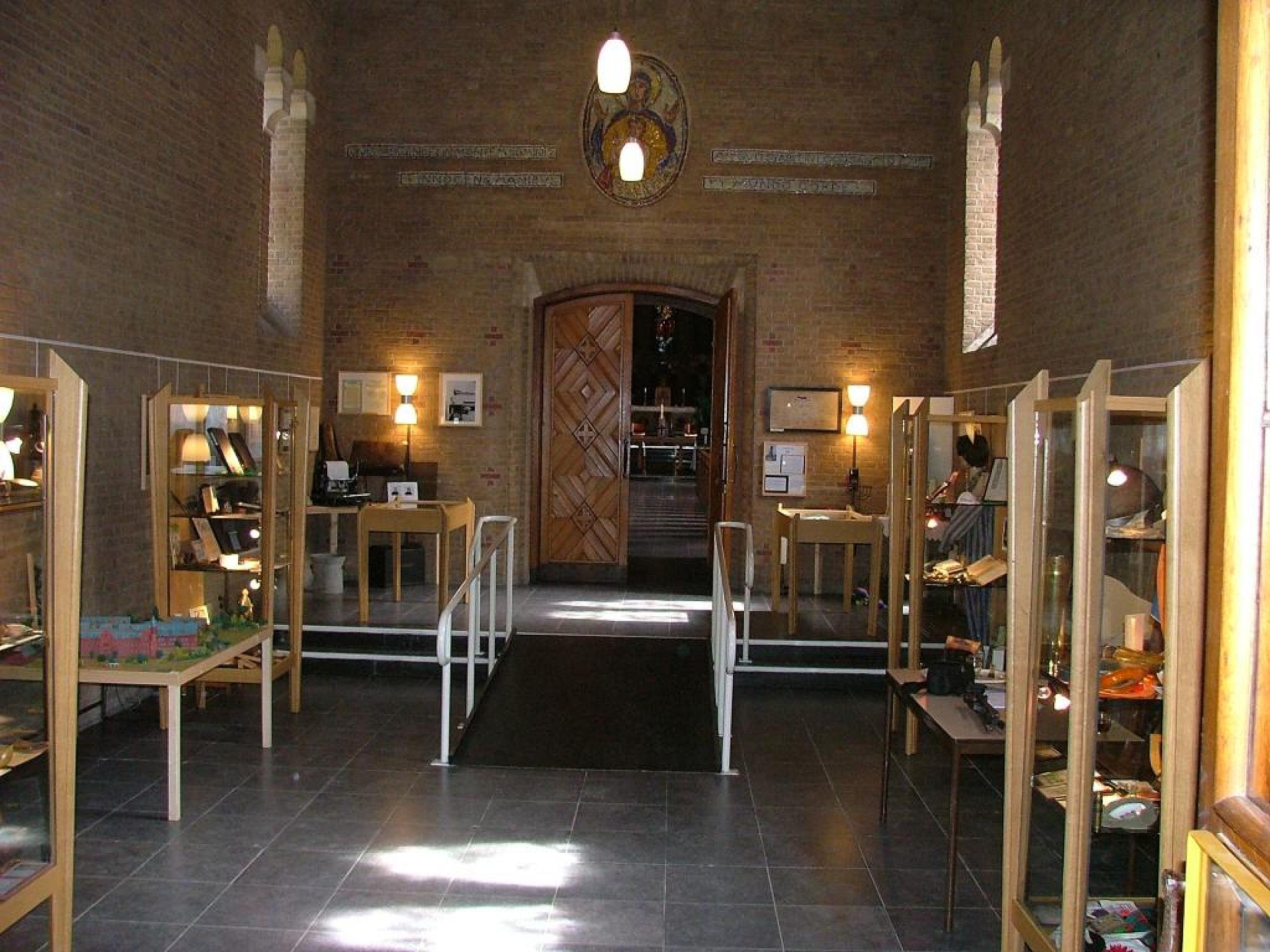
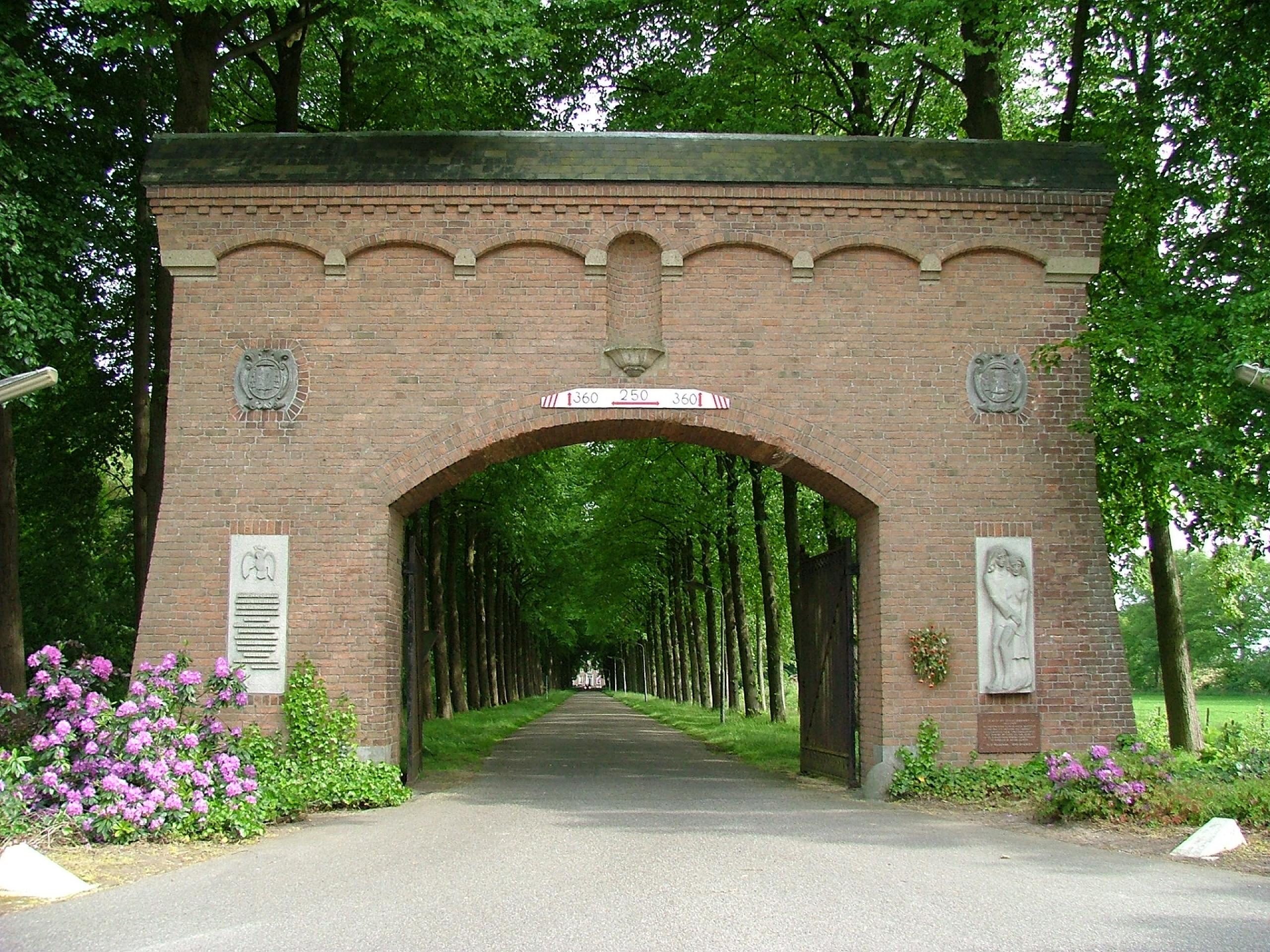
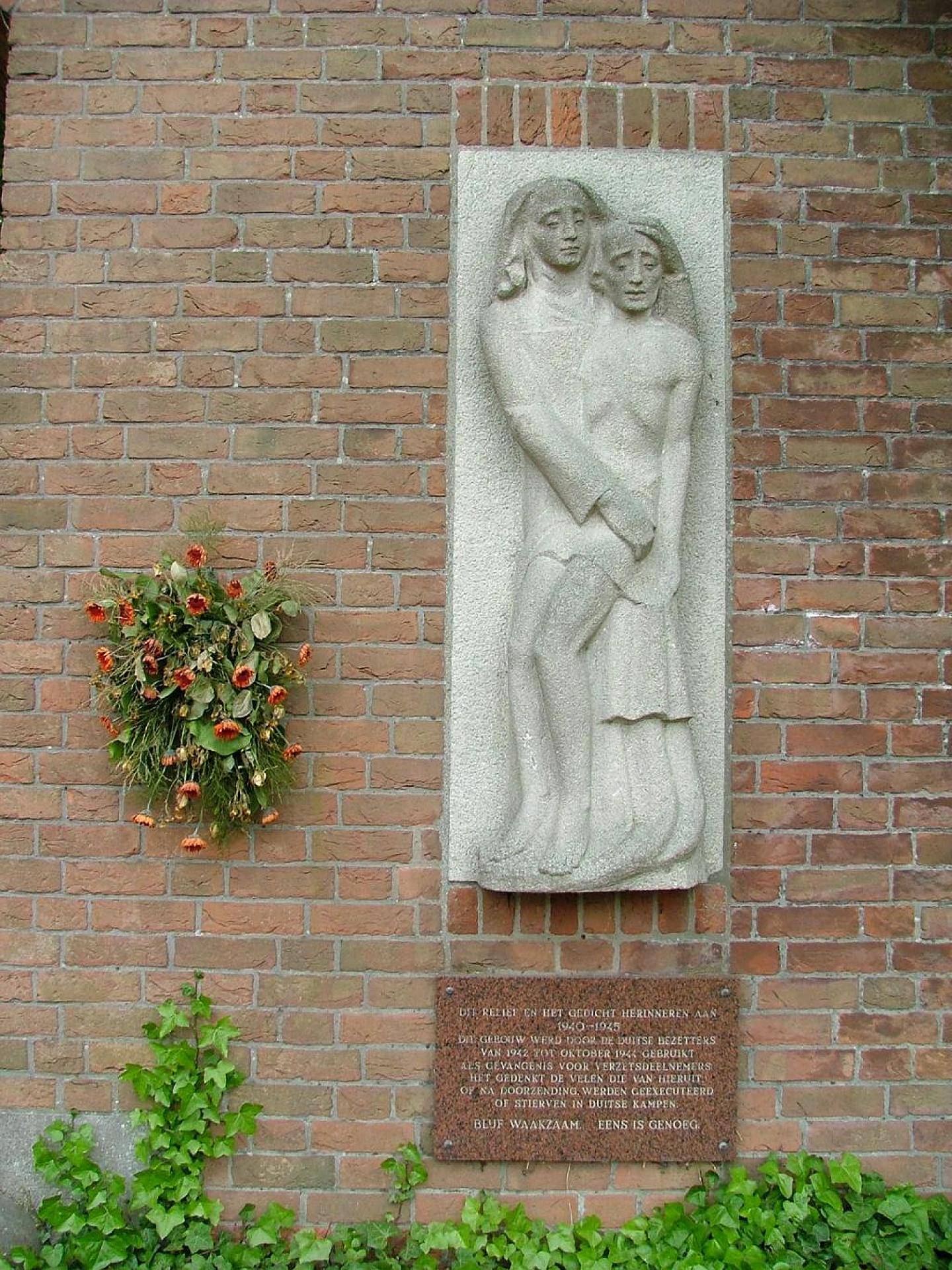
Already in 1947, a memorial plaque and a relief by Cephas Stauthamer were affixed at the main gate of the building complex in Haaren. On May 13, 2000, on a survivors' initiative, the Haaren memorial site was extended by a permanent exhibition on the history of the hostage camp and the police prison. It is located at the chapel entrance and in the chapel antechamber.
On August 14, 1948, a memorial plaque was dedicated in the foyer of the seminary building at Sint Michielsgestel.
Possibilities
Guided tours by appointment.
Open
Exhibition at the municipal museum: every first Wednesday of the month 10 a.m. to 4 p.m.
Guided tour on the site every Wednesday in July and August, 10 a.m.
Contact
http://www.gedenkplaats-haaren.nl
ceesvanroessel@planet.nl
+31 411 628 100
Raamse Akkers 15
5076 PC Haaren