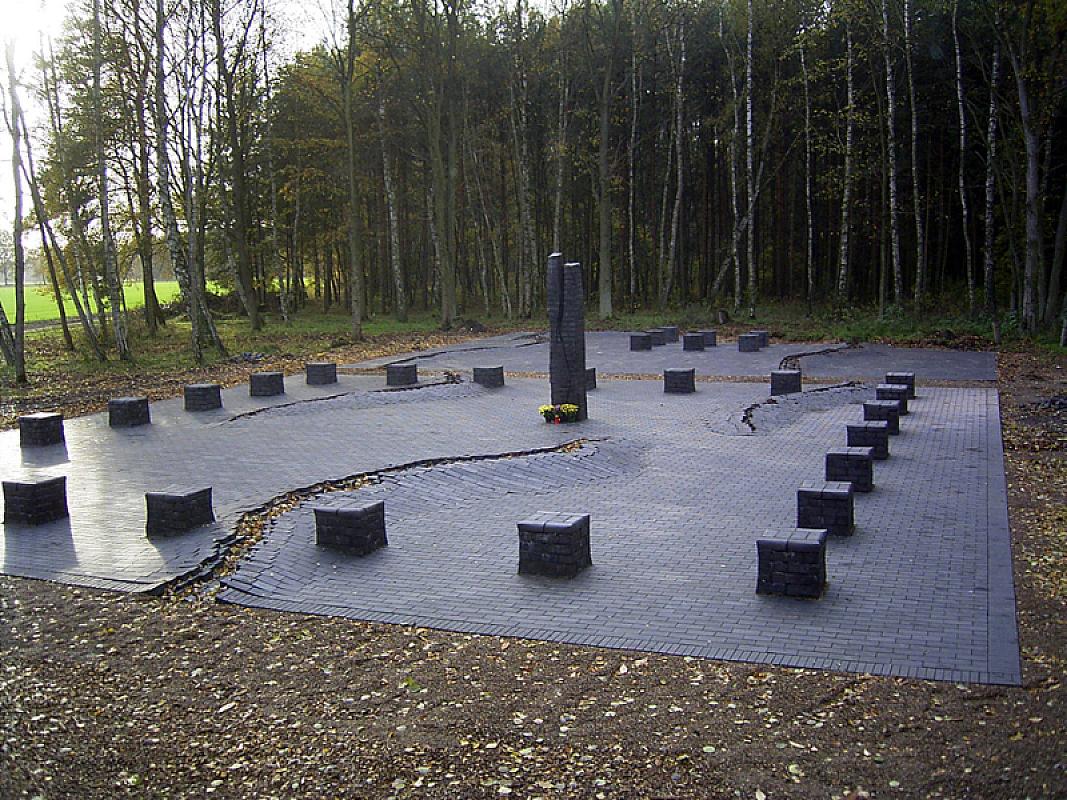
Doctors, medical staff and nurses killed about 15,000 people between 1941 and 1945 in the psychiatric hospital at Hadamar - which is east of Koblenz - in the course of the »Action T4«. There has been a memorial at the historic site since 1983.
History
Under the National Socialist regime the term »euthanasia« stood for the murder of thousands of mentally and physically handicapped people. The murder was planned and organised by a central office which directly reported to Adolf Hitler. The office was code named »T4« in reference to its postal address in Berlin's Tiergartenstraße. At first, toddlers up to the age of three fell victim to »euthanasia«, later older children and youths were affected. Beginning 1940, handicapped adults and ill people were included in the scheme under the new code »Action T4«. During the initial phase, people were killed by malnourishment, poison or medications. From January 1940, more and more »T4« killing centres began operating gas chambers.
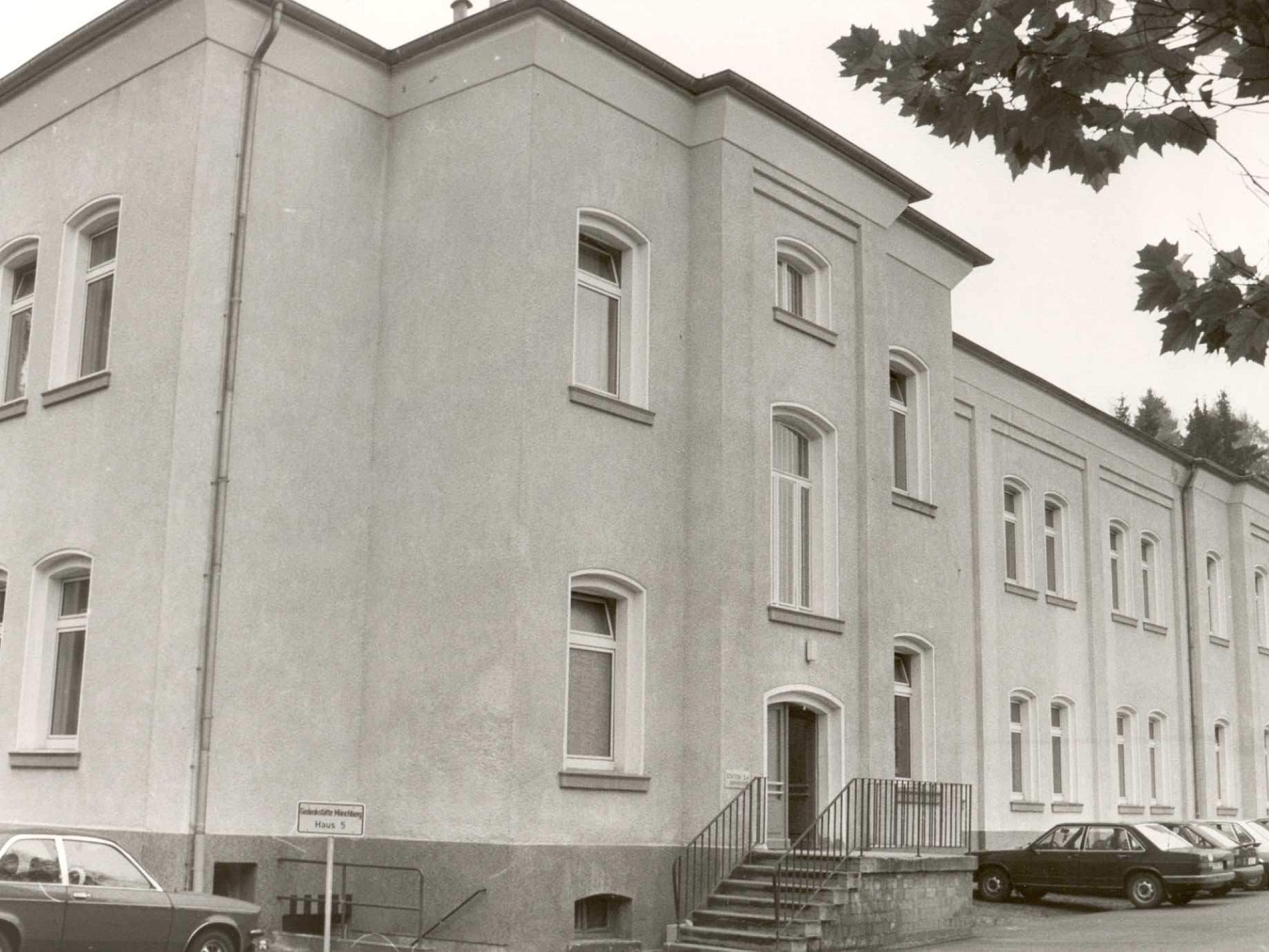
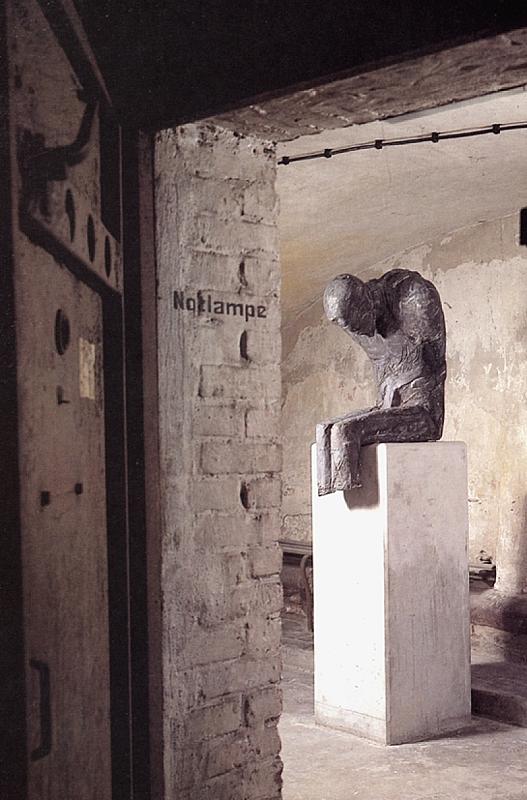
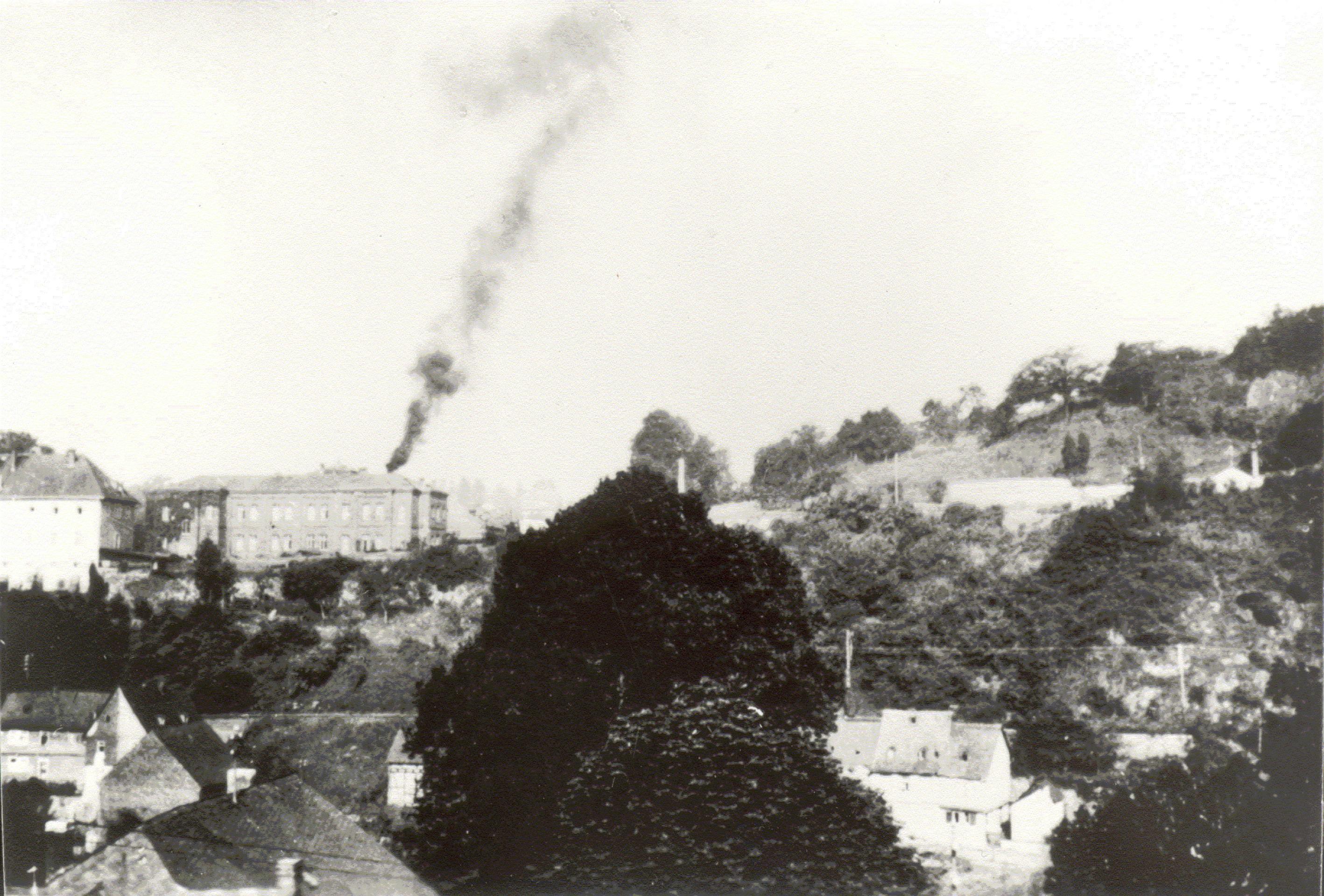
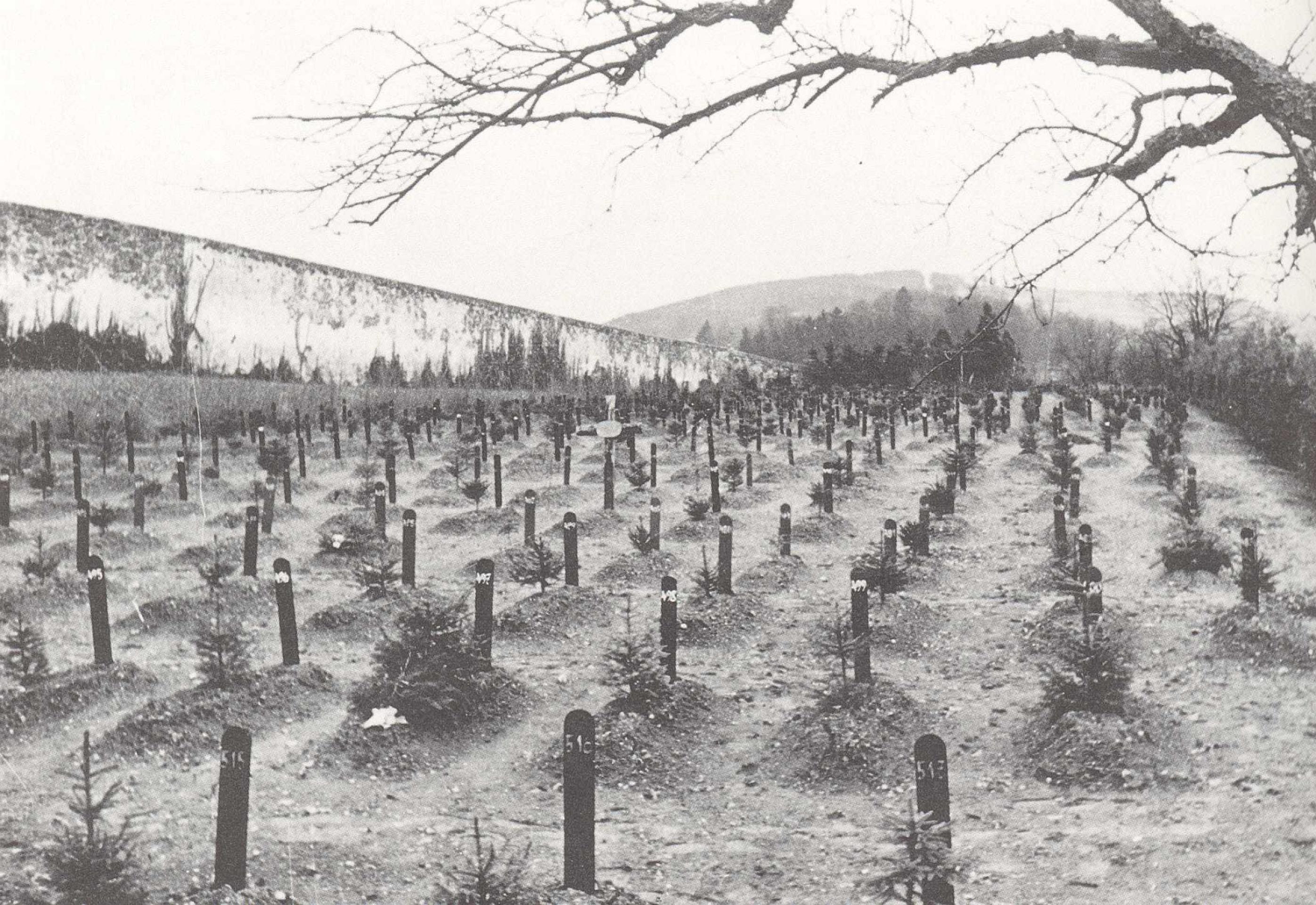
The Hadamar psychiatric hospital, which had been built in 1906, was converted to a »T4« killing centre at the end of 1940. Beginning January 13, 1941, doctors and nurses killed thousands of physically handicapped and mentally ill patients in a gas chamber, which had been installed in the hospital's basement. Their bodies were then incinerated at the crematory. The victims had come from so-called transit institutions in the region. From there they were picked up by grey buses and brought to Hadamar. Many of the Hadamar staff members had worked at the Grafeneck psychiatric hospital in the previous year. Thousands of patients had been killed by poison gas as part of the »euthanasia« campaign in 1940 in Grafeneck. The first phase of the »euthanasia« campaign in Hadamar came to an end in August 1941. A year later, the mass killings were continued. This time the victims came from all over the German Reich. The killing method also changed: they were no longer asphyxiated by poison gas, instead they were killed by an overdose of tranquillizers. The bodies of the murdered women, men and children were buried in mass graves on the hospital premises by the medical personnel.
Victims
Between January and August 1941, over 10,000 mentally ill and physically handicapped people were killed by poison gas at the Hadamar psychiatric hospital. Between August 1942 and March 1945, a further 4,400 perished at Hadamar. Among them were not only patients from various hospitals but also prisoners of war, Polish and Soviet forced labourers, old and senile people as well as people classified as »Mischlinge in the first degree« (with one Jewish parent).
Remembrance
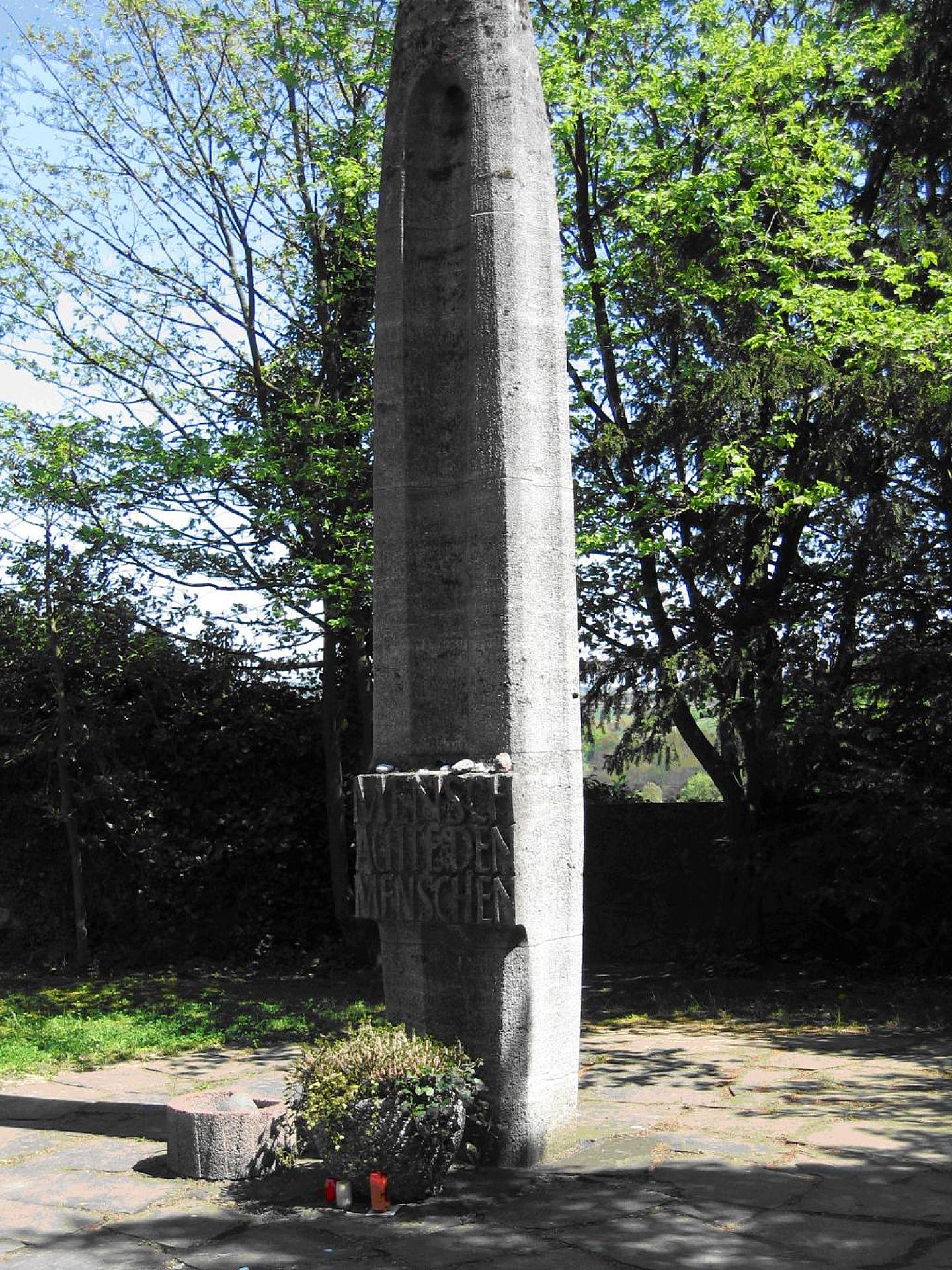
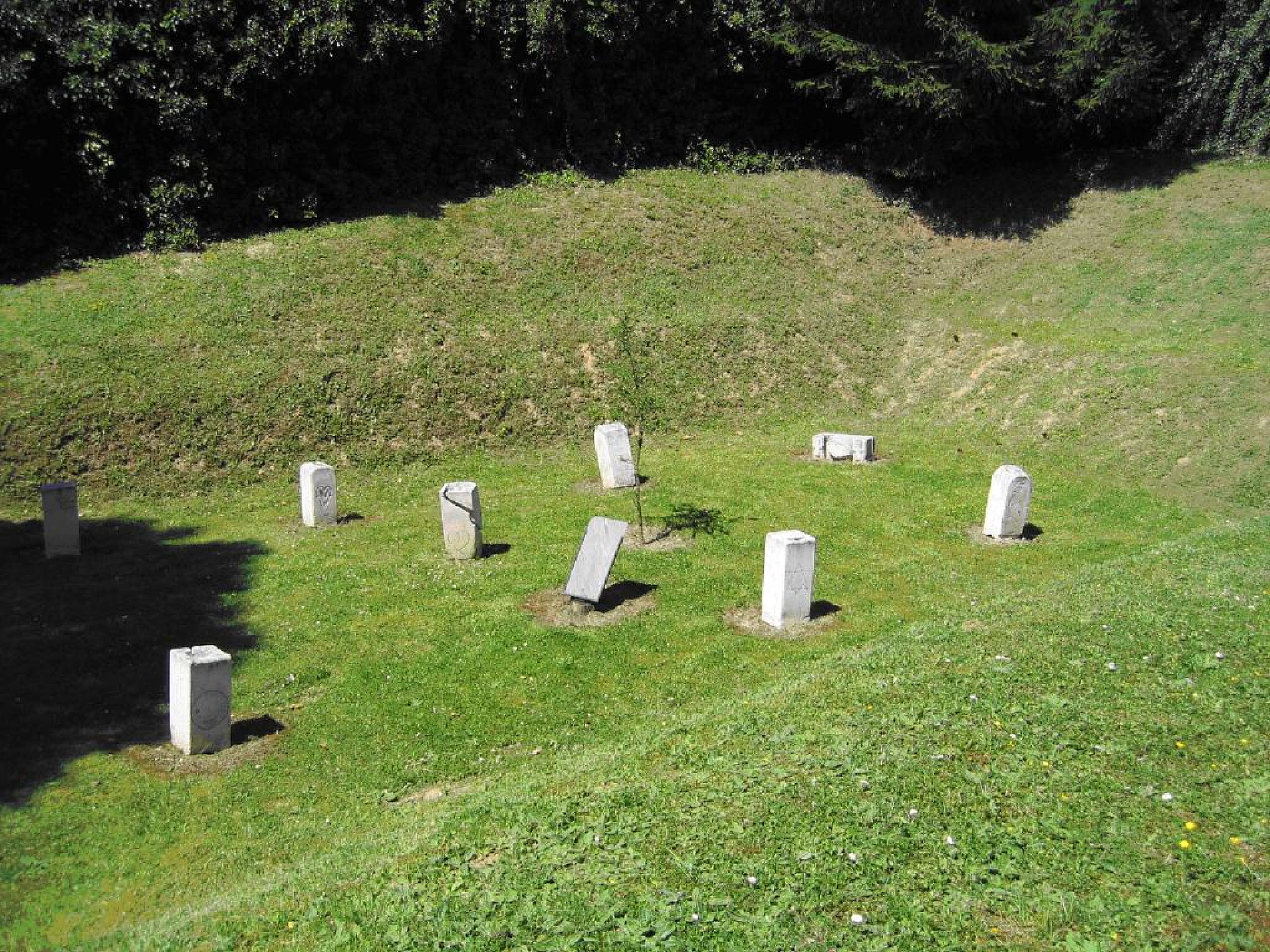
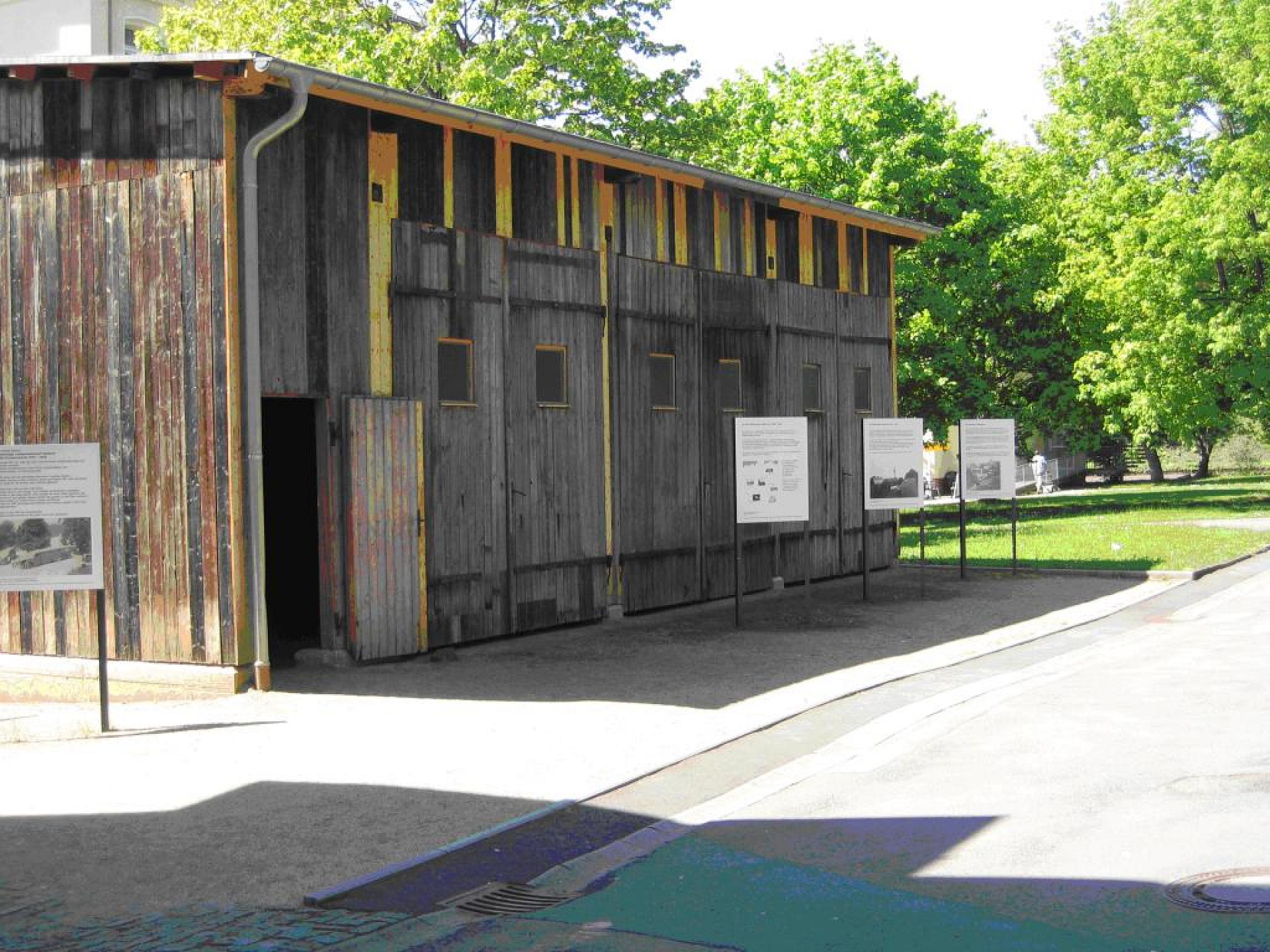
Already in 1953, a relief at the former main entrance to the Hadamar psychiatric hospital was dedicated to the victims of »euthanasia« - this was the first »euthanasia« memorial in Germany. In 1964, the former hospital cemetery was remodelled as an honorary cemetery. In 1983, the Hadamar Memorial was opened. It is administered by the State Welfare Association of Hesse. Since 1991, a permanent exhibition has been on display on the ground floor of the former hospital, dealing with the topic of »euthanasia« in Hadamar. Visitors can also see the preserved »T4« bus depot as well as the cellar rooms, in which the gas chamber, the crematoriums and the dissecting room were located. In 1998, the Hadamar Memorial Support Association was founded. Its employees have compiled the names and data of all those who were murdered at Hadamar between 1941 and 1945 in a database. Since 2006, the database has been open to the public.
Possibilities
Educational offer for school groups, special exhibitions, training for teachers and memorial educators, workshops, guided tours
Open
Tuesday to Thursday 9 a.m. to 4 p.m., Friday 9 a.m. to 1 p.m., every first and third Sunday of the month 2 a.m. to 5 p.m.
Contact
http://www.gedenkstaette-hadamar.de
gedenkstaette-hadamar@lwv-hessen.de
+49 (0)6433 917 172
Mönchberg 8
65589 Hadamar