Historic Museum of the Landing in Sicily 1943
Museo Storico dello Sbarco in Sicilia 1943
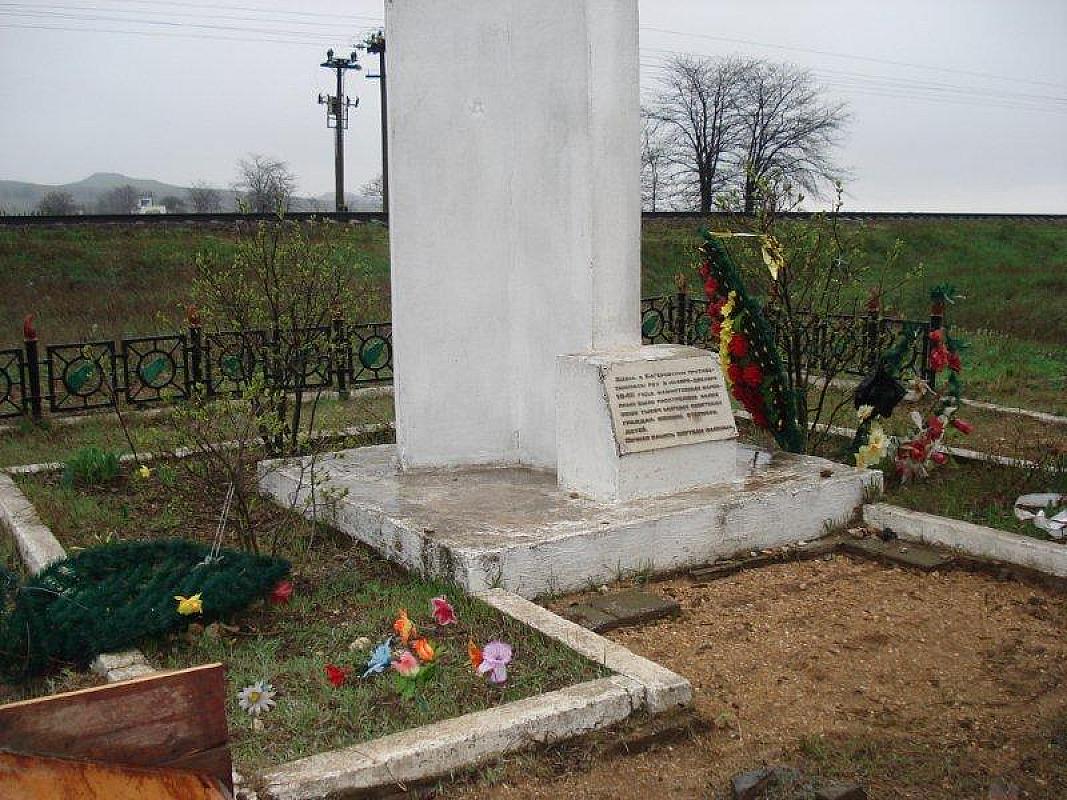
The »Historic Museum of the Landing in Sicily 1943« is dedicated to the Allied landing on the southern coast of Sicily on July 10, 1943. The invasion of Sicily is considered the beginning Italy's liberation from fascism.
History
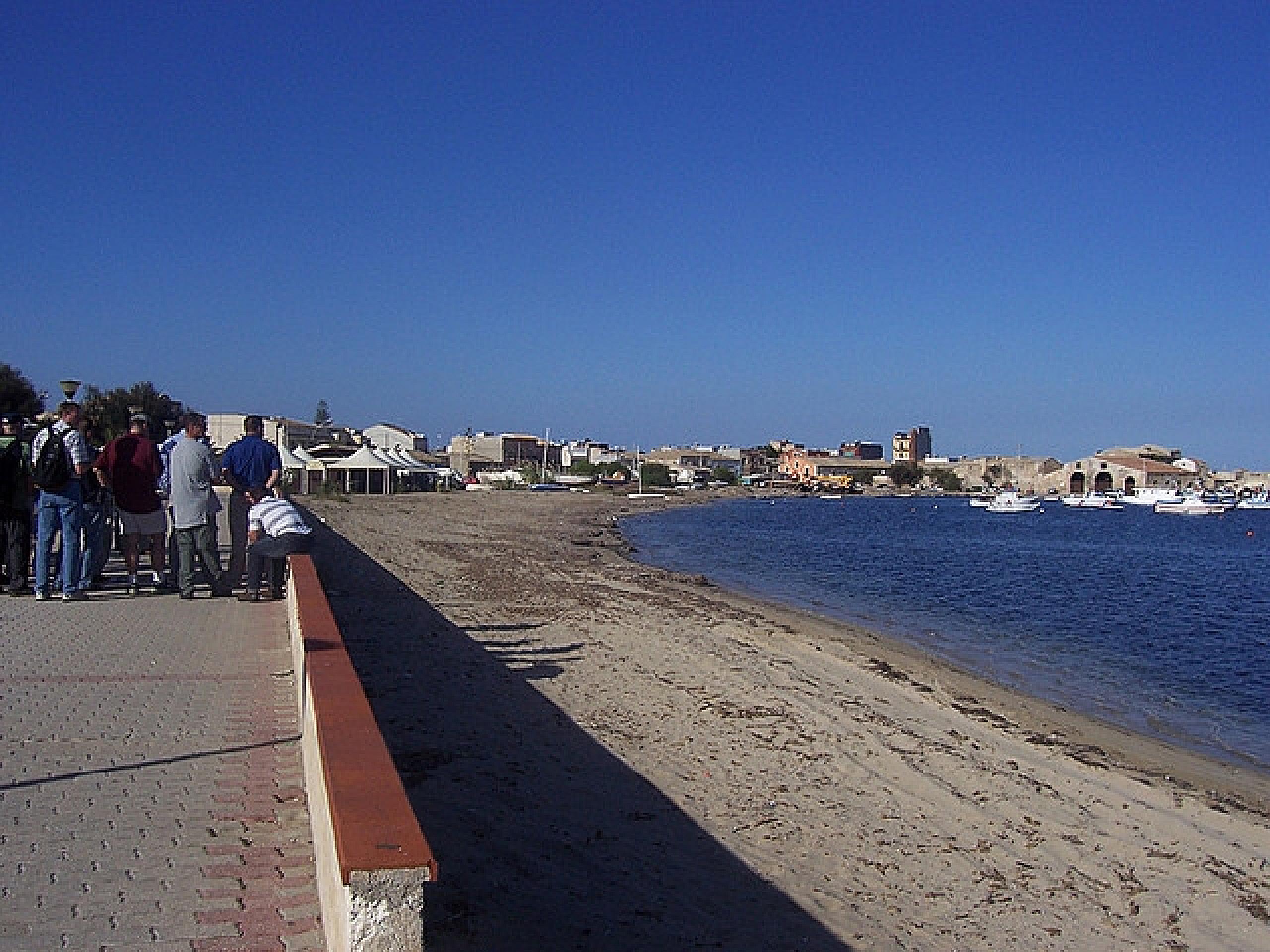
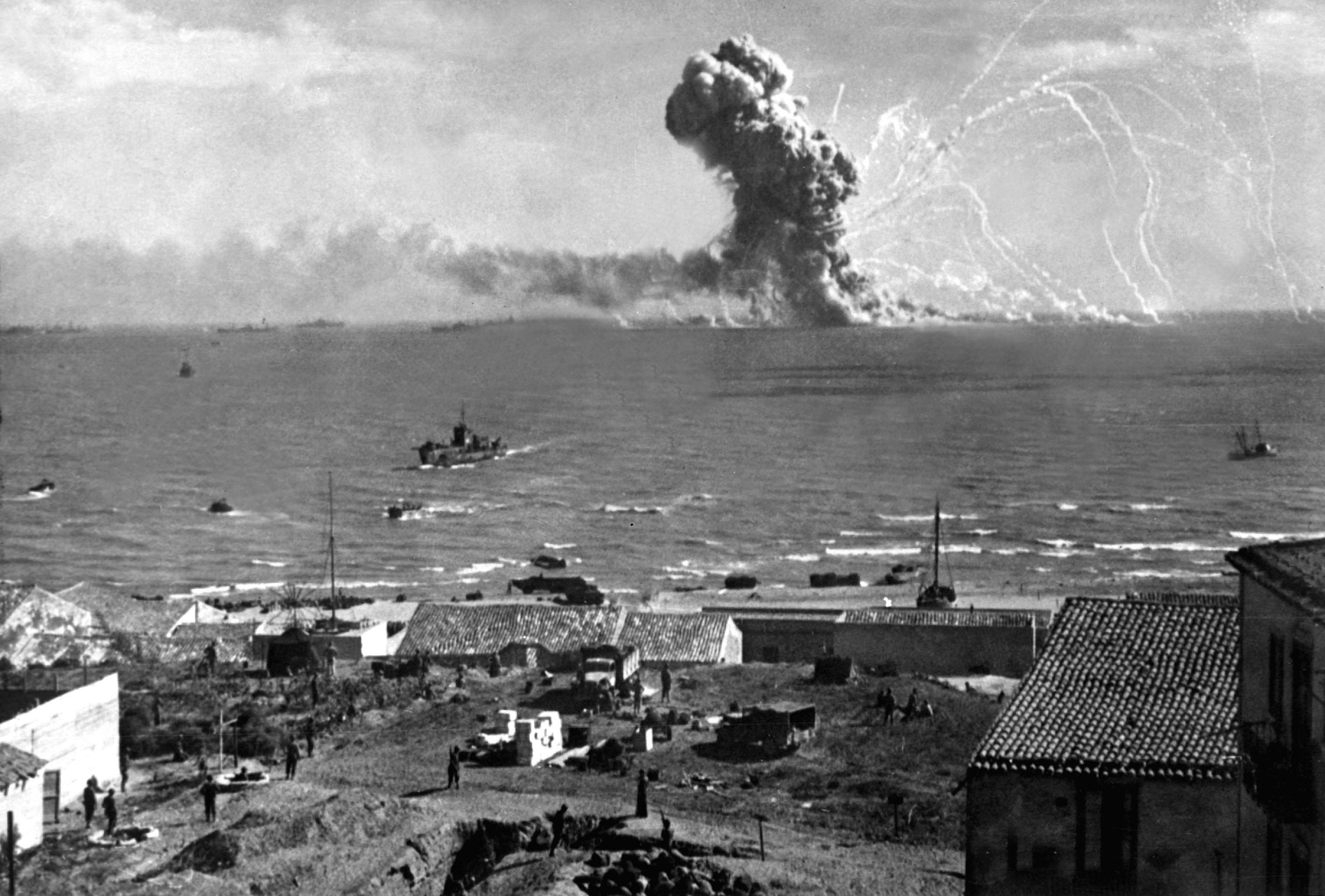
At the beginning of 1943, British prime minister Winston Churchill and US president Franklin D. Roosevelt agreed on a joint invasion of Sicily. »Operation Husky« was supposed to strike the German Reich and its ally Italy at a vulnerable spot, exerting pressure on Italy to exit the war and clearing transport routes across the Mediterranean. On July 10, 1943, at 2.45 a.m., the British 8th Army led by General Bernard Montgomery and the US 7th Army under General George S. Patton landed on Sicily's south coast. The US troops landed in the Gulf of Gela, while the British troops landed between Pachino and Syracuse on the southern tip of Sicily. The presence of German troops had been reduced because their military leadership fell for »Operation Mincemeat«, a deception operation of the British Secret Service. Nevertheless, the Allies were met with fierce resistance on Sicily, facing at least 40,000 German soldiers and difficult climactic conditions - in fact, General Patton considered retreating already 24 hours after the landing. Yet due to many factors, such as the war fatigue of the Italian soldiers and the disarray of the army following Mussolini's downfall on July 25, the Allies were able to advance to Messina - the gate to the Italian mainland - by August 17. All of Sicily had been captured. Though the German troops managed to retreat to the mainland, the success of the invasion was an important strategic step for the Allies. Italy's new head of government, Pietro Badoglio, claimed Italy would continue the war as Germany's ally, but on July 28, he agreed with King Vittorio Emanuele III on contacting the Allies in order to initiate the armistice, which was signed on September 3. On September 8, 1943, the armistice was publicly announced.
Victims
The museum is dedicated to all those who died during the battle for Sicily - both soldiers and civilians. Over 150,000 Allied soldiers took part in »Operation Husky«, one of the largest coastal operation during World War II. They were opposed by 230,000-300,000 Italian and at least 40,000 German soldiers. The battle for Sicily, which according to Allied generals was to last between 5-15 days, took over a month and cost the lives of thousands of soldiers: the British and American troops lost over 2,500 soldiers each, while over 4,000 Italian and over 4,500 German soldiers were killed in action. Around 21,000 Allied soldiers contracted malaria, which at the time was widespread in Southern Italy and frequently fatal.
Remembrance
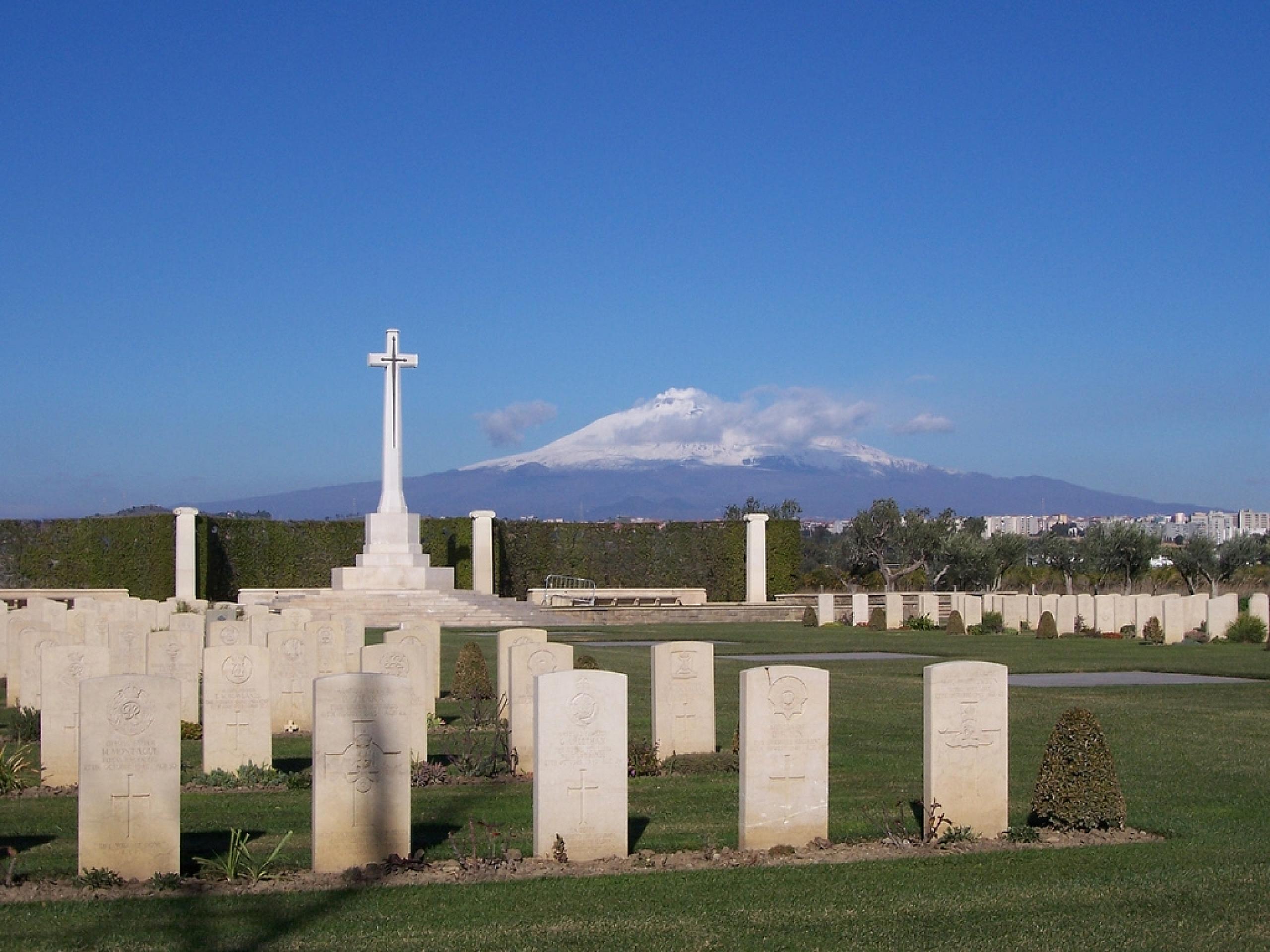
The graves of the fallen »Commonwealth« troops - British, Indian, Australian and South African soldiers - can be visited at the military cemeteries in Catania and Syracuse. 490 Canadians, who also fought with the British as members of the »Commonwealth«, were laid to rest in Agira. Over 4,500 German soldiers were buried in Motta Sant’Anastasia. American soldiers killed in action were either taken back to the US or buried on the Italian mainland.
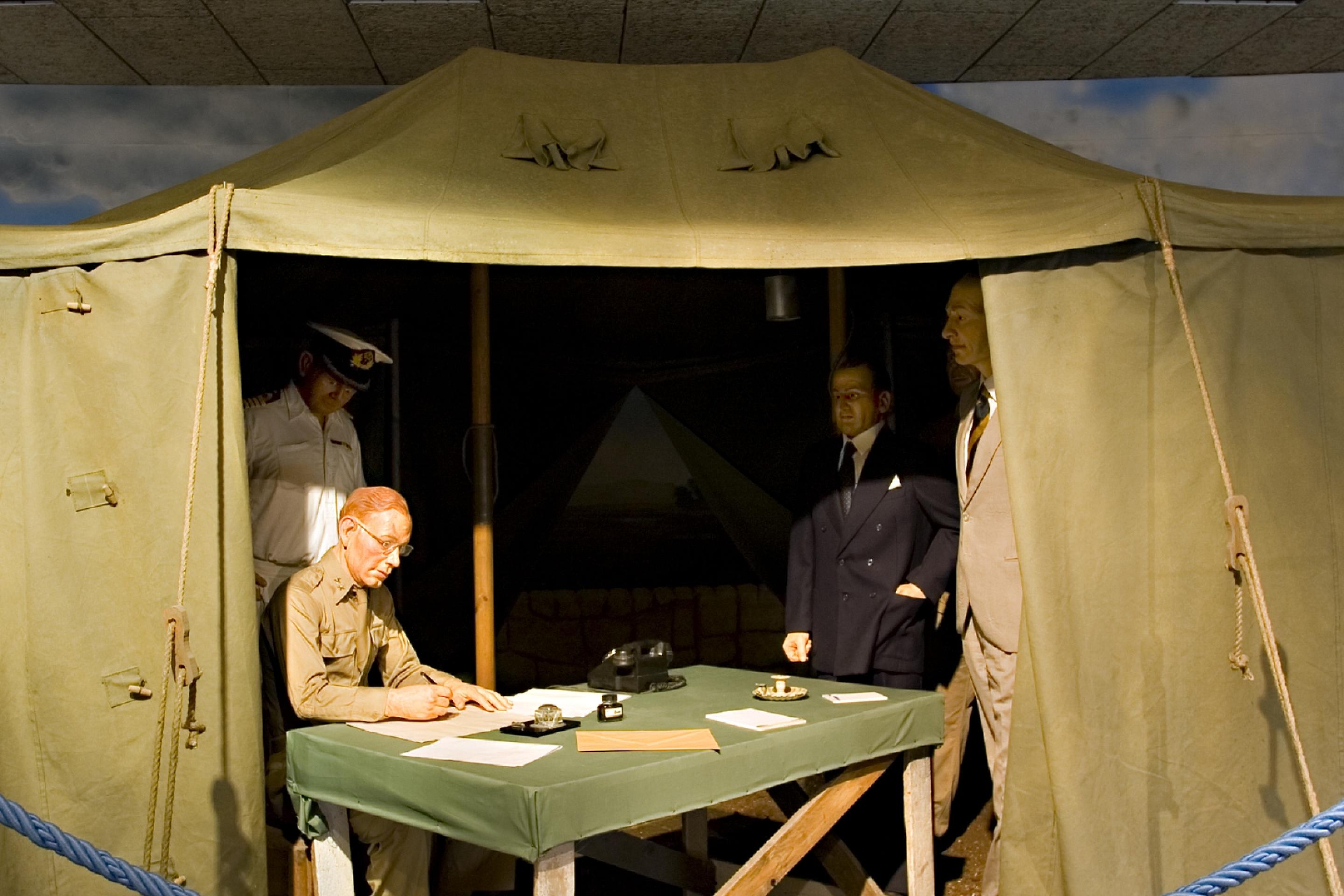
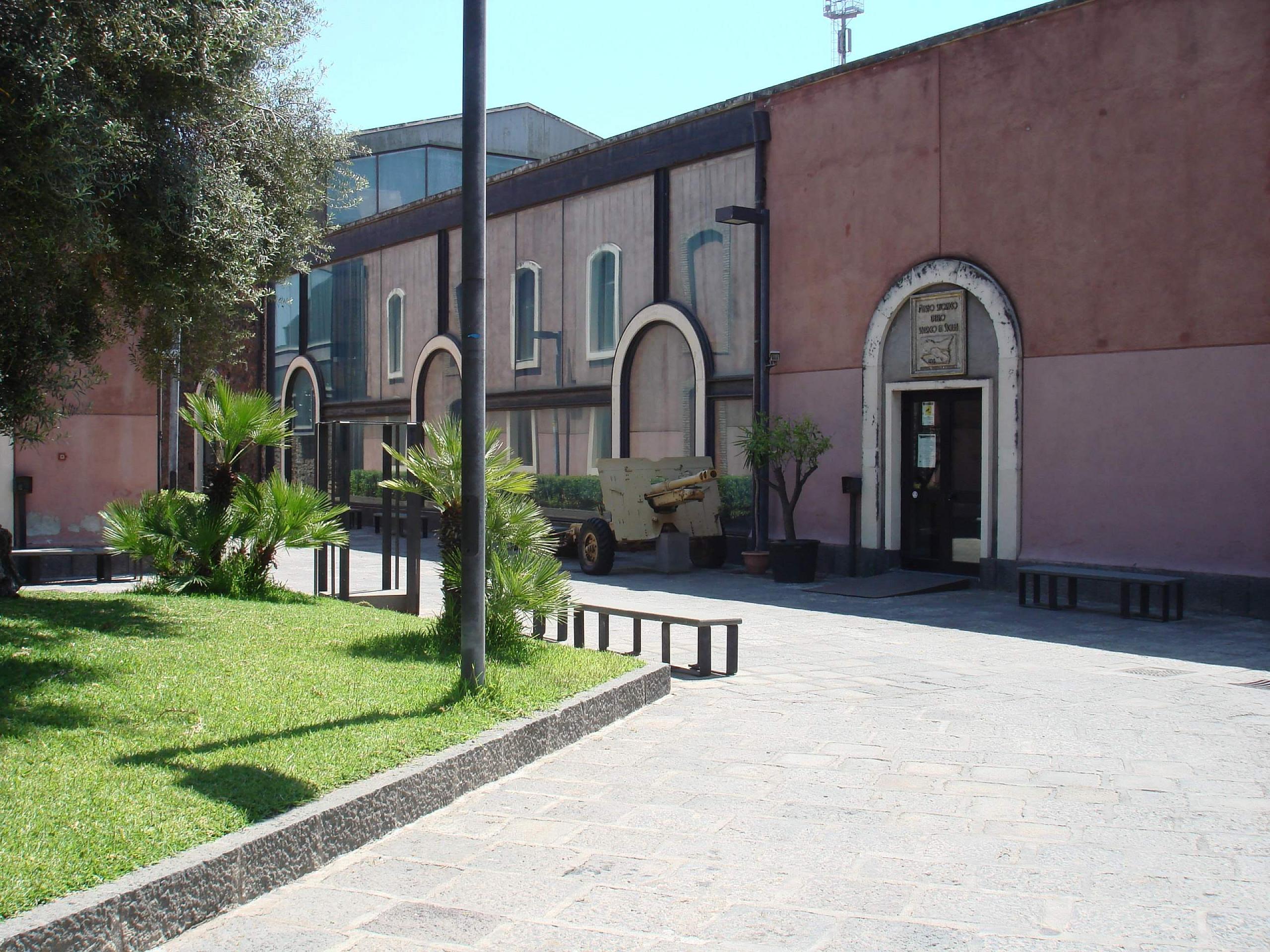
In 2003, the »Historic Museum of the Landing in Sicily 1943« was founded. With 3,000 square metres exhibition space, it is the largest World War II museum in Italy. The museum was designed by Giacomo Leone (building) and Gaspare Mannoia (interior) and it is currently run by the province of Catania. Spread out over three floors, dioramas, artefacts, testimonials and interactive elements illustrate life on Sicily before, during and after the war. Sites and objects such as bunkers, landing crafts, Red Cross tents or bombed villages and cities are portrayed in full detail. A tableau scene depicts the signing of the armistice on September 3, 1943. Wax figures of important historical persons are part of the exhibition. The last room of the exhibition is a memorial room dedicated to the victims. A picture of the »Commonwealth« military cemetery, which is located not far from the museum in the Bicocca quarter of town, is projected onto the wall and the names of fallen soldiers are read aloud.
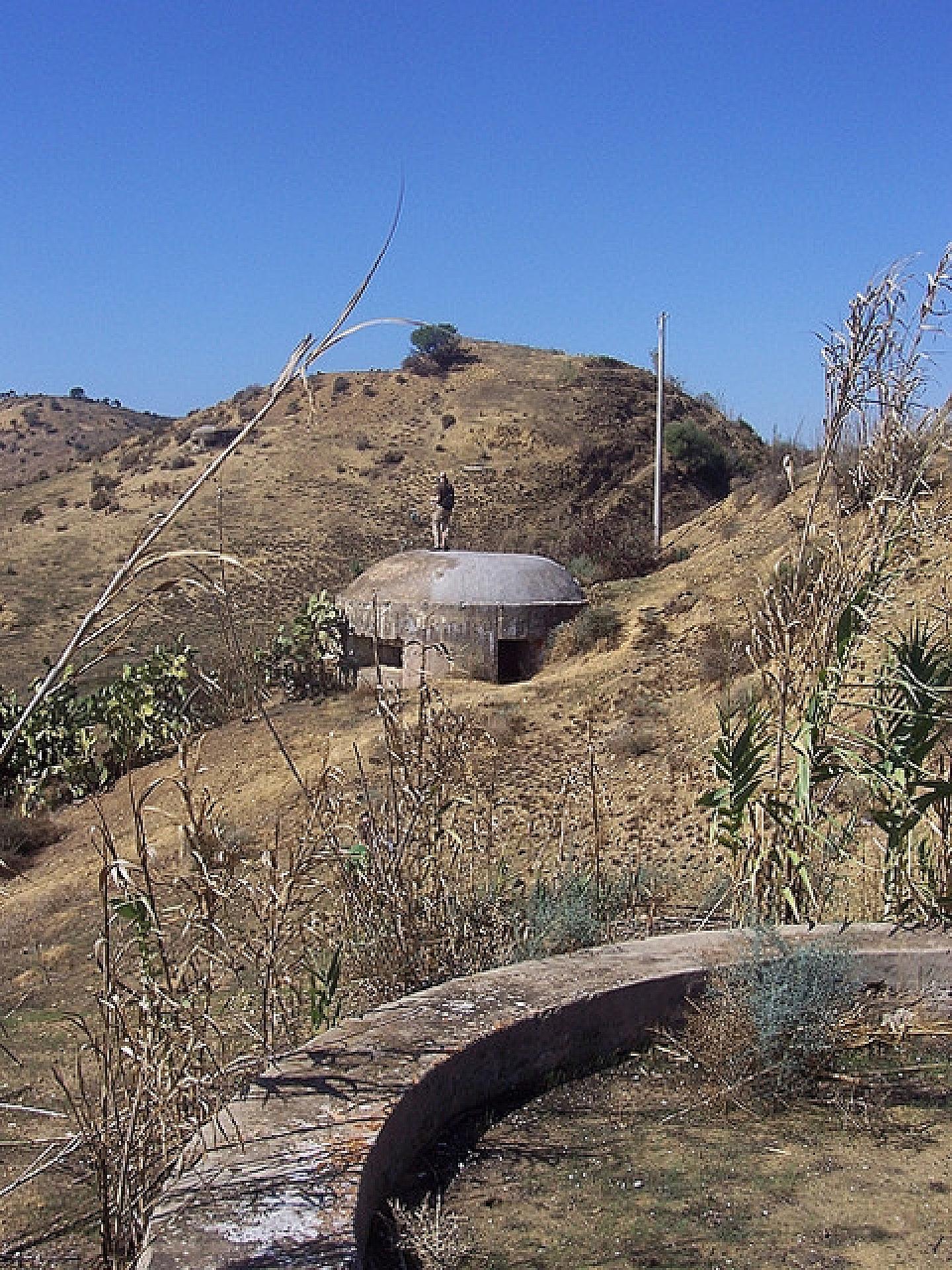
Until today, traces of the fighting which took place in the summer of 1943 remain visible all over Sicily, especially bunkers - there are 90 bunkers in and around Catania alone.
Possibilities
Guided tours for groups, events, seminars, library
Open
November 1 to May 31 Tuesday to Sunday: 9 a.m. to 4.45 p.m., last entry 3.45 p.m.
June 1 to Octobre 31 Tuesday to Sunday: 10 a.m. to 5.45 p.m., last entry 4.45 p.m.
Contact
http://www.provincia.ct.it/il_territorio/musei/museo_dello_sbarco_in_sicilia/
museosbarco@provincia.ct.it
+39 095 40 11 921