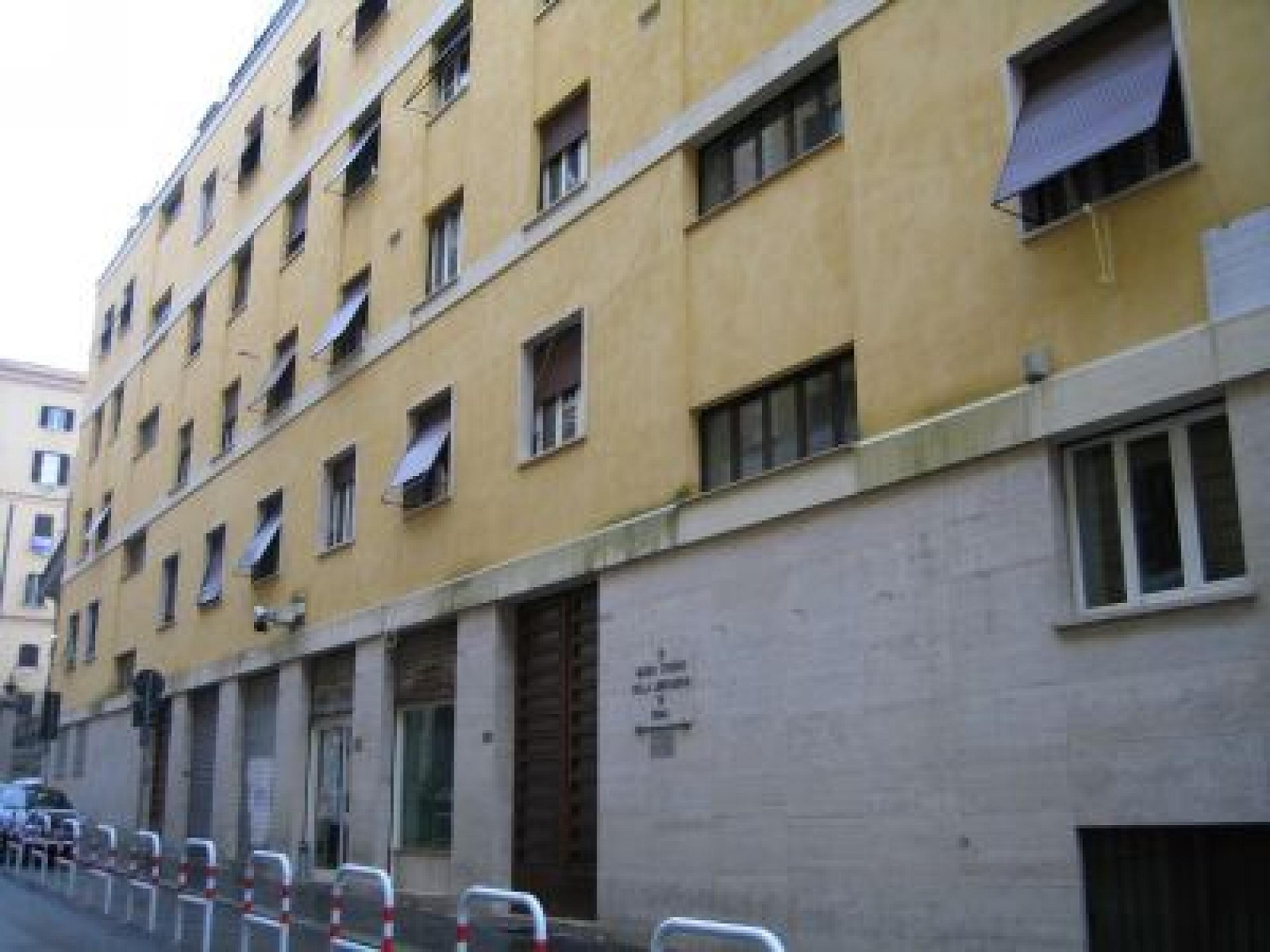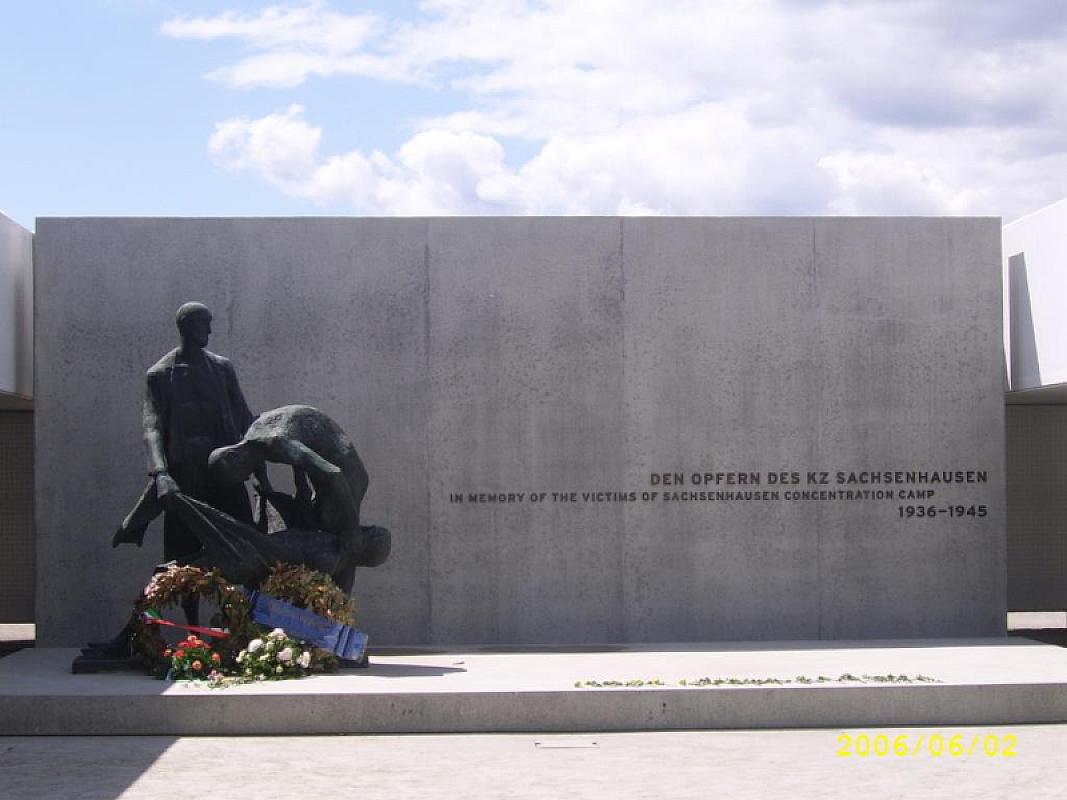
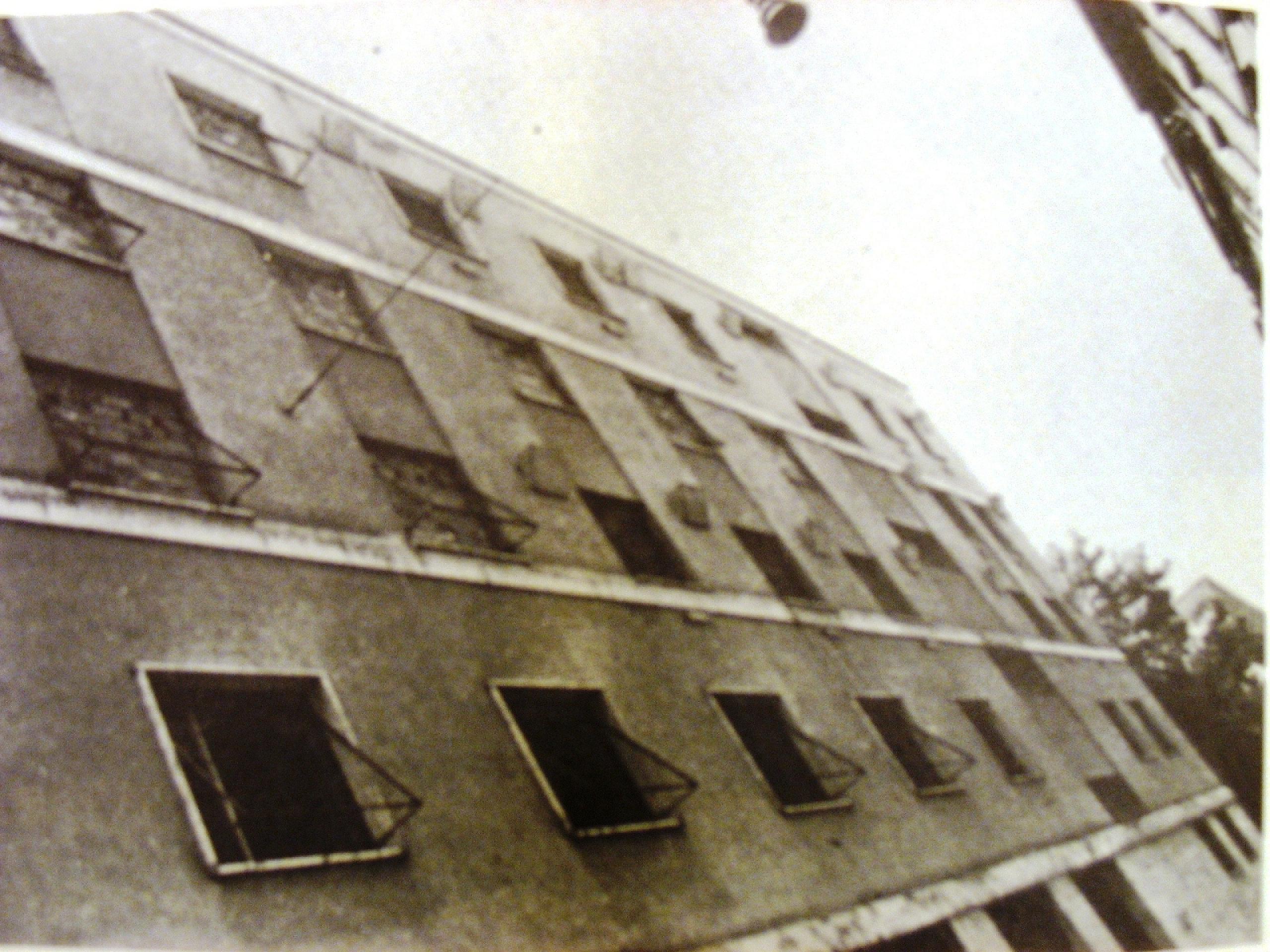
During the German occupation of Rome, the headquarters of the German terror apparatus were located in Via Tasso 145/155. The building contained a prison in which Jews and political opponents were incarcerated and tortured. The »Historical Museum of the Liberation« has been located in the building since 1957.
History
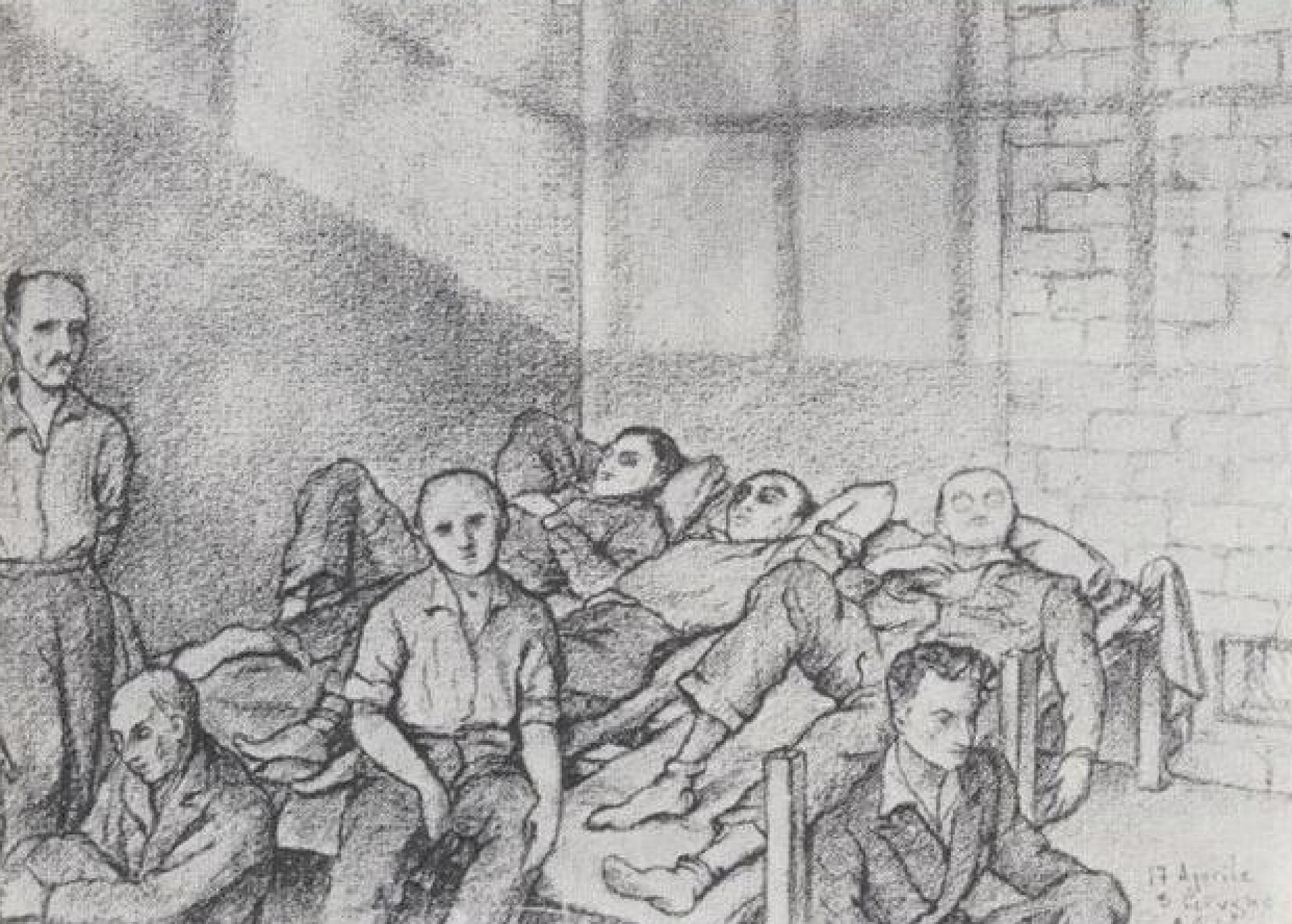
Via Tasso is in the centre of Rome, close to Piazza San Giovanni in Laterano. The house in Via Tasso 145/155 was built at the end of the 1930s by prince Franceso Ruspoli. Until September 1943, the German embassy used four floors of the building. After Italy's armistice with the Allies and the escape of the royal family and the government from Italy, Rome was occupied by German troops on September 11, 1943. Although Rome was officially declared an »open city«, the occupiers did not adhere to the according provisions of the Hague Conventions. The German security forces terrorised the civilian population, targeting Jews and political opponents in particular. Hundreds were murdered, and well over 1,000 people were deported to concentration camps. The building in Via Tasso was one of the most infamous sites of terror, as it housed the headquarters of the commander of the Security Police (SiPo) and the Security Service (SD) of the SS, SS-Obersturmbannführer Herbert Kappler. SiPo used part of the building as barracks – located in this wing were offices, storage rooms and officers' lodgings. The other half of the building served as a prison. The conditions at the prison were horrific: the inmates were incarcerated in windowless cells, brutally interrogated and tortured.
On June 4, 1944, when Rome was being liberated, the staff fled from the building and left the prisoners locked in their cells. They were later released by locals. 14 prisoners, whom the Germans loaded onto a truck and took with them on their escape, were later shot near La Storta, on the outskirts of Rome.
Victims
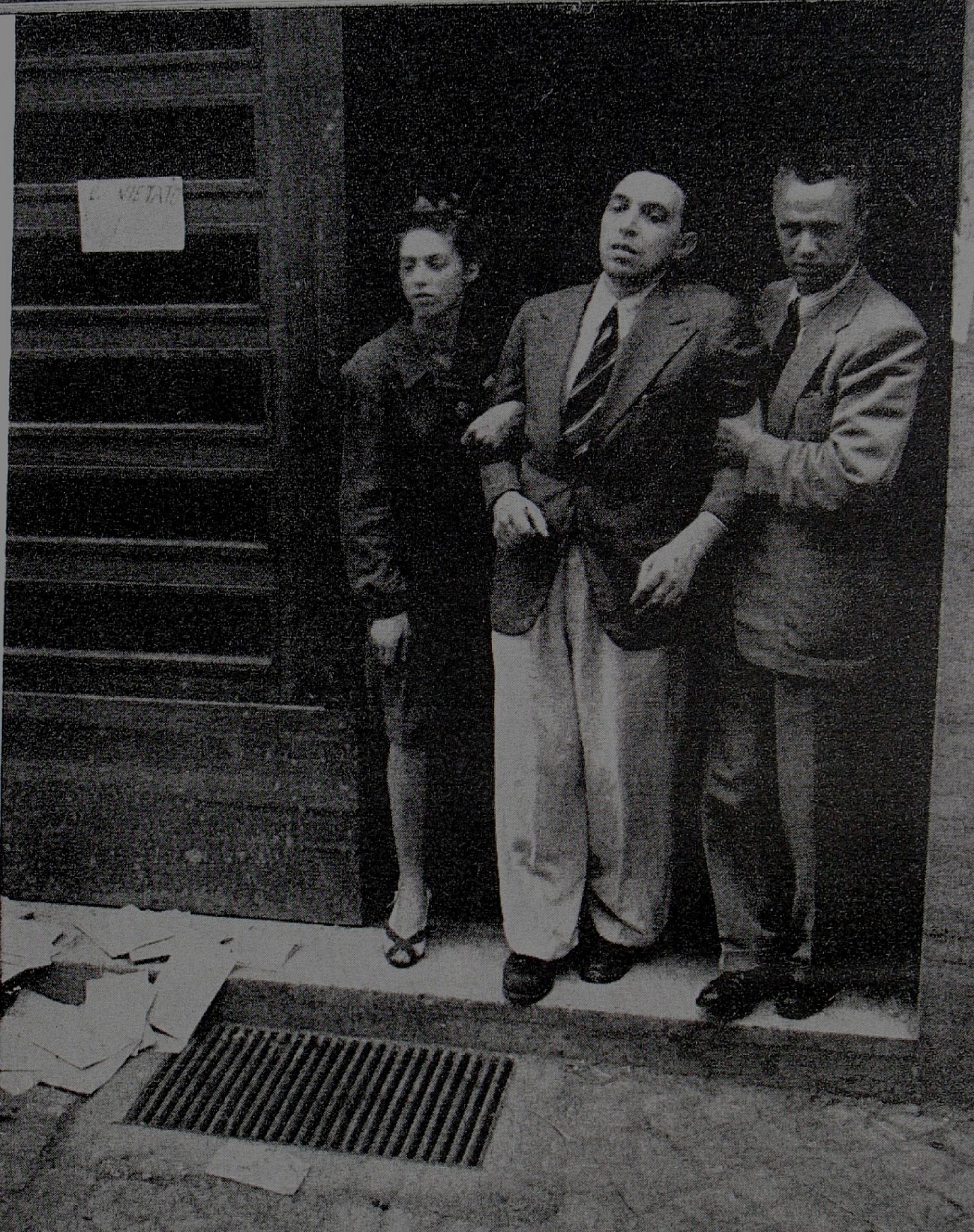
Between September 11, 1943, and June 4, 1944, about 2,000 people were incarcerated in the prison cells at Via Tasso. Most of the inmates were Jews and political prisoners, however, there were also many civilians, from whom the Germans hoped to extract information about the whereabouts of resistance fighters or Jews. Most of the prisoners were transferred to other prisons or to concentration camps from Via Tasso. During the occupation of Rome, the SS deported at least 1,600 Jews from the city. The largest and best-known wave of deportations took place on October 16, 1943, under the command of Theodor Dannecker, the official in charge of »Jewish affairs« in Italy. 1,259 Jews were arrested, mostly women and children. The SS deported over 1,000 of them from the Stazione Tiburtina freight depot on October 18, 1943, to Auschwitz, where they arrived on October 22. The SS murdered almost all of them immediately upon arrival in the gas chambers.
Several dozens of political prisoners from Via Tasso were taken to »Forte Bravetta« or murdered by the German occupiers in the Fosse Ardeatine massacre on March 24, 1944. Of the 77 people reported to have been executed at Forte Bravetta, some probably already died in prison on Via Tasso or in the »Regina Coeli« prison. 14 prisoners from Via Tasso were taken by the Germans on their escape from the Allies and shot near La Storta, a suburb of Rome. Almost all of the victims are known by name.
Remembrance
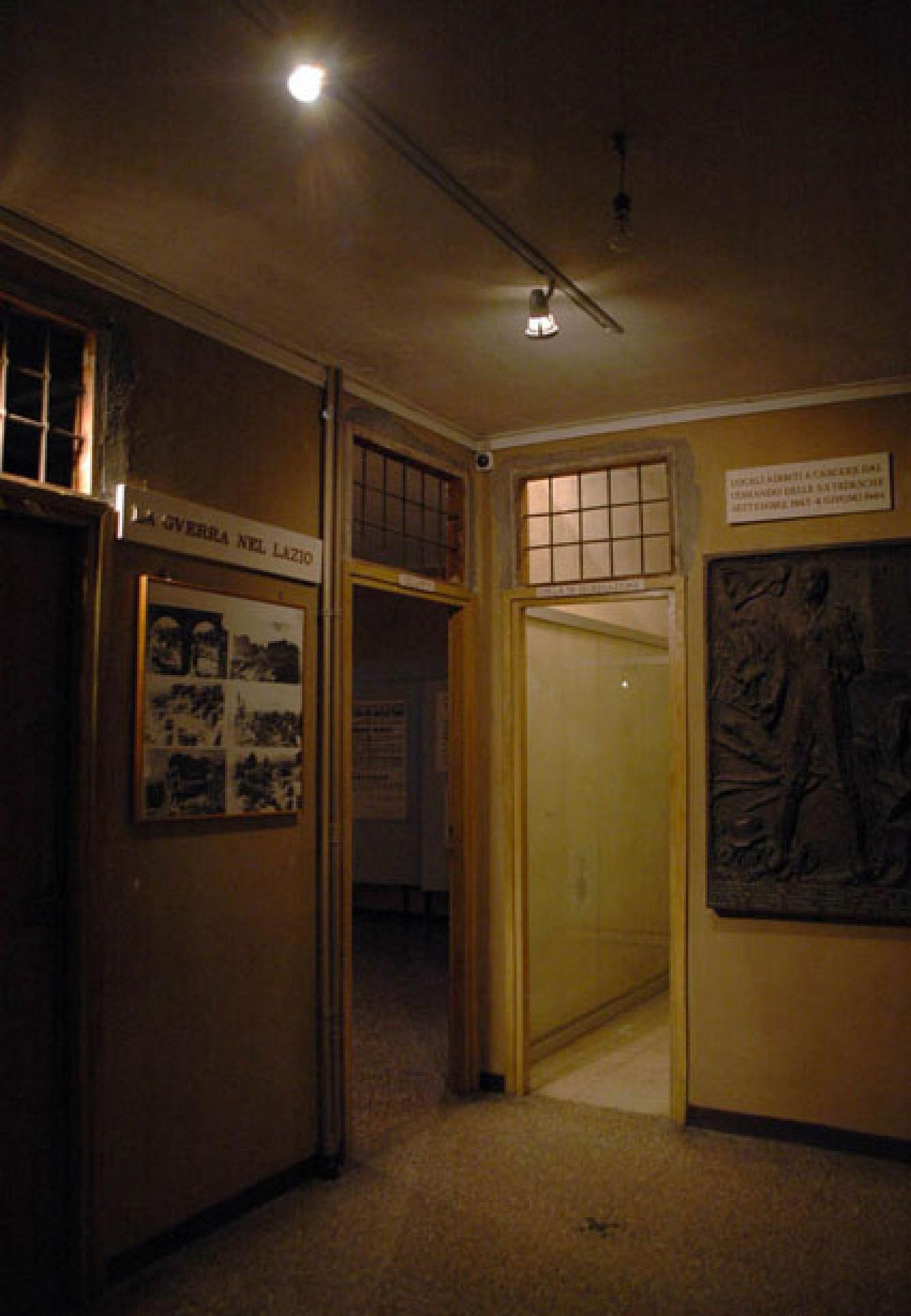
After the end of the war, the house at Via Tasso 145/155 was initially used to accommodate families whose homes had been destroyed during the war. In 1950, princess Josepha Ruspoli donated four apartments to the Italian state so that a museum on the history of the struggle for the liberation of Rome could be established there. These four apartments had used to house prison cells during German occupation. In the years that followed, the foundations for the »Historical Museum of the Liberation« was laid down, until its exhibition was finally opened in 1957. The exhibition has not been altered since. On three floors the museum commemorates resistance, the battle for Rome, the prisoners of Via Tasso and the massacre at the Ardeatine caves. In 1997, an additional exhibition on the history of Jews in Rome between 1938 and 1944 as well as anti-Semitism in Italy was opened.
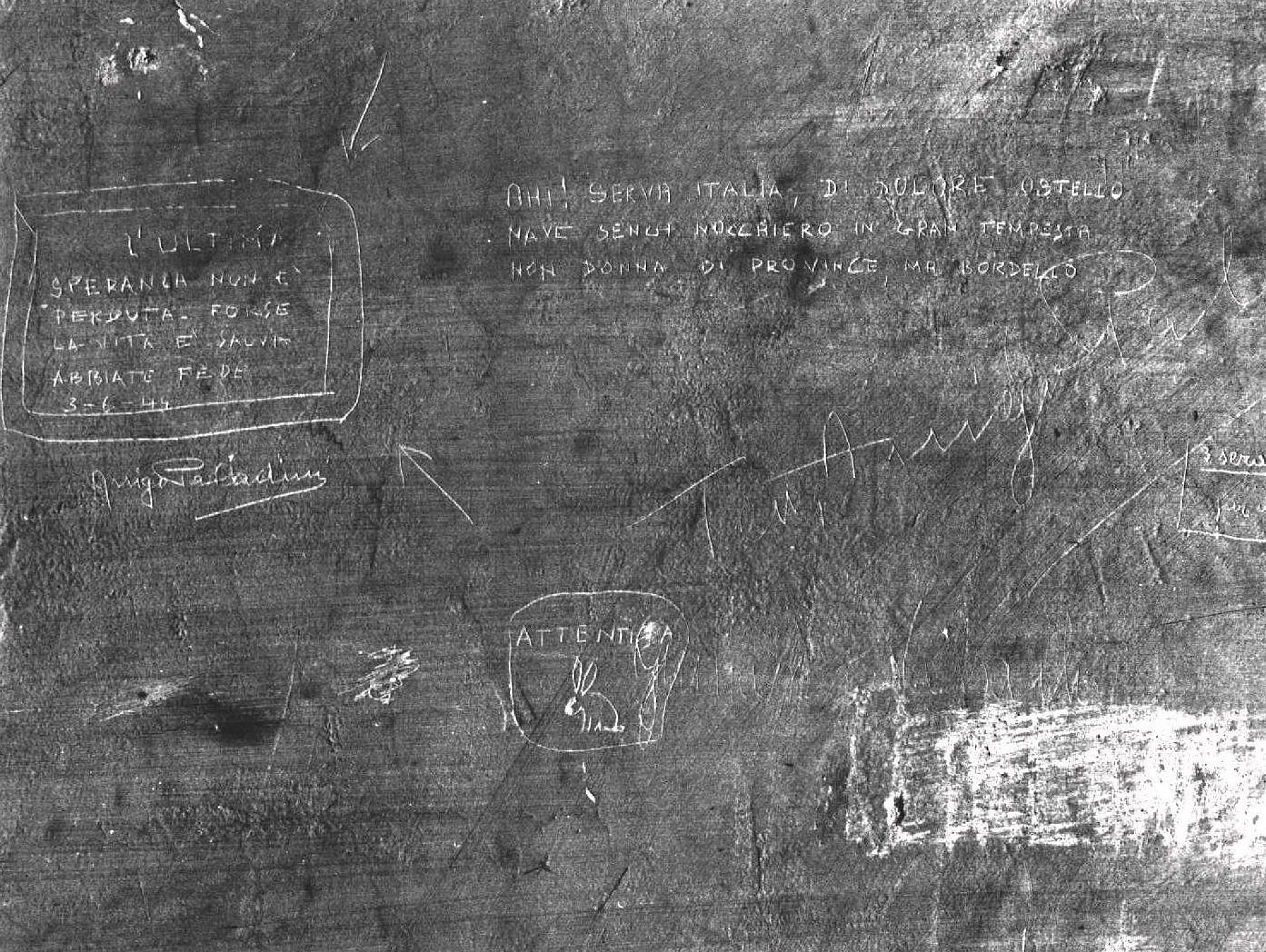
A few former prison cells have been reconstructed in minute detail. Visible on the walls, particularly in the former solitary confinement cell, are messages carved into them by the prisoners. Each year, over 15,000 people visit the museum. Several further memorials in Rome commemorate the deportation of Roman Jews, such as the memorial plaques in Via del Portico d’Ottavia 29, in Via della Lungara 83c, the memorial stones on platform 1 of the Tiburtina train station, the plaque on the façade of the synagogue (Lungotevere de’Cenci) as well as plaques on Piazza dell’Immacolata 28, on Via degli Zingari 13–14 and on the Verano cemetery.
Possibilities
Library, archive and documentation, guided tours by appointment, meetings with survivors
Open
Open daily from 9 a.m. to 7 p.m. Last admission at 6.30 p.m.
Closed in the month of August and on Christmas Day, January 1, Easter and June 29.
Contact
info@museoliberazione.it
+39 06 700 38 66
Via Tasso, 145
00185 Roma