Hohenbruch Labour Education Camp Memorial
Место концентрационного лагеря »Хохенбрух«
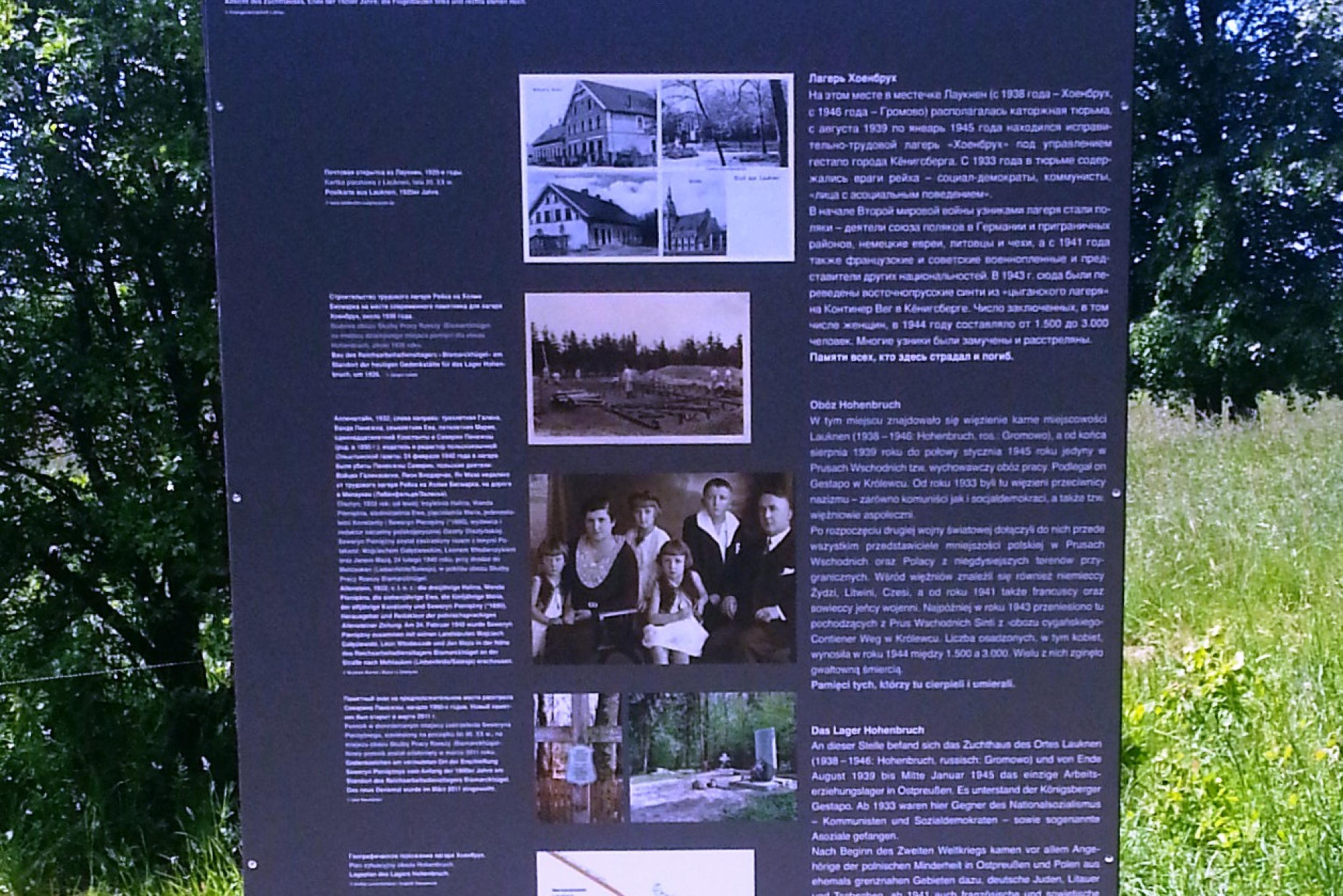
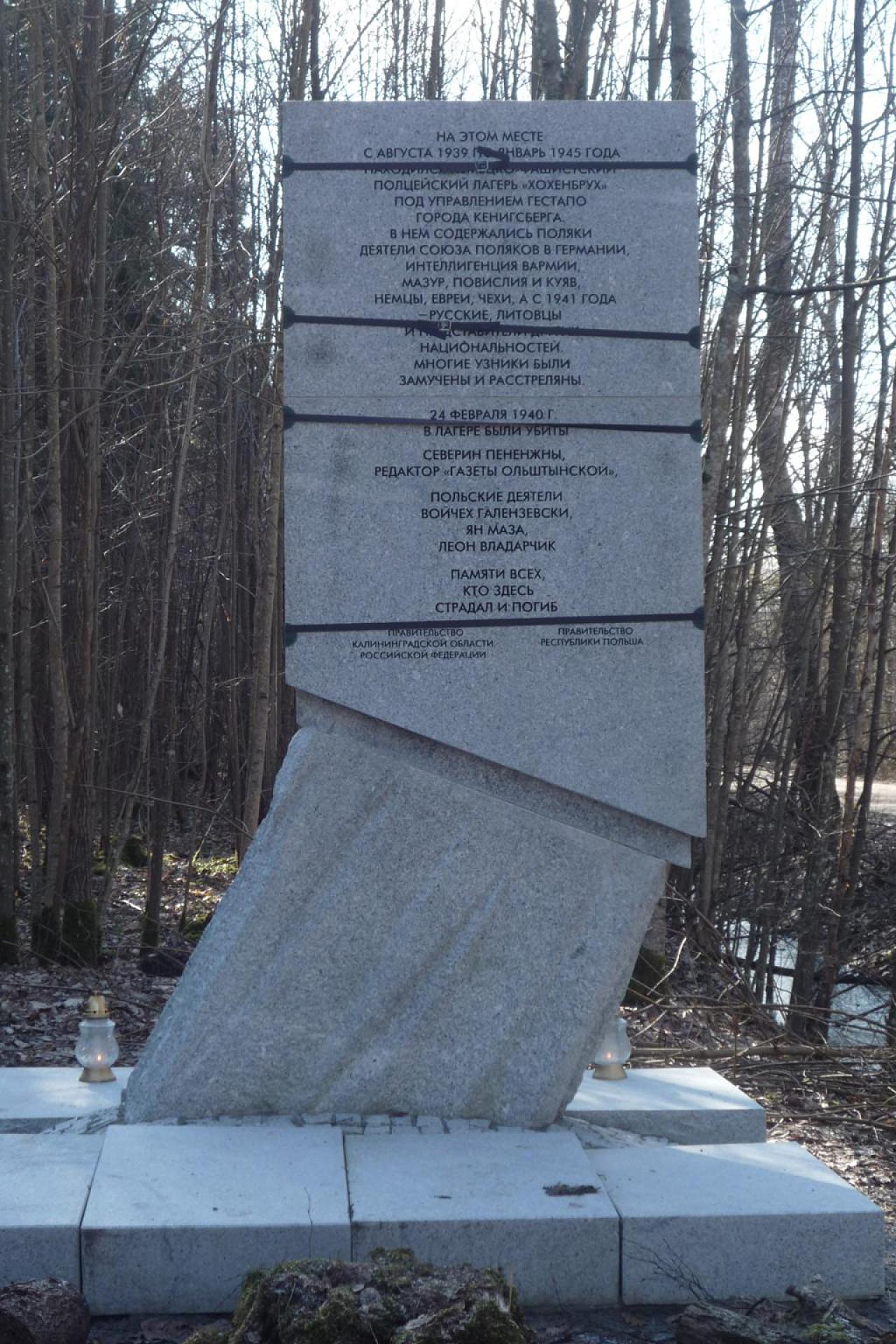
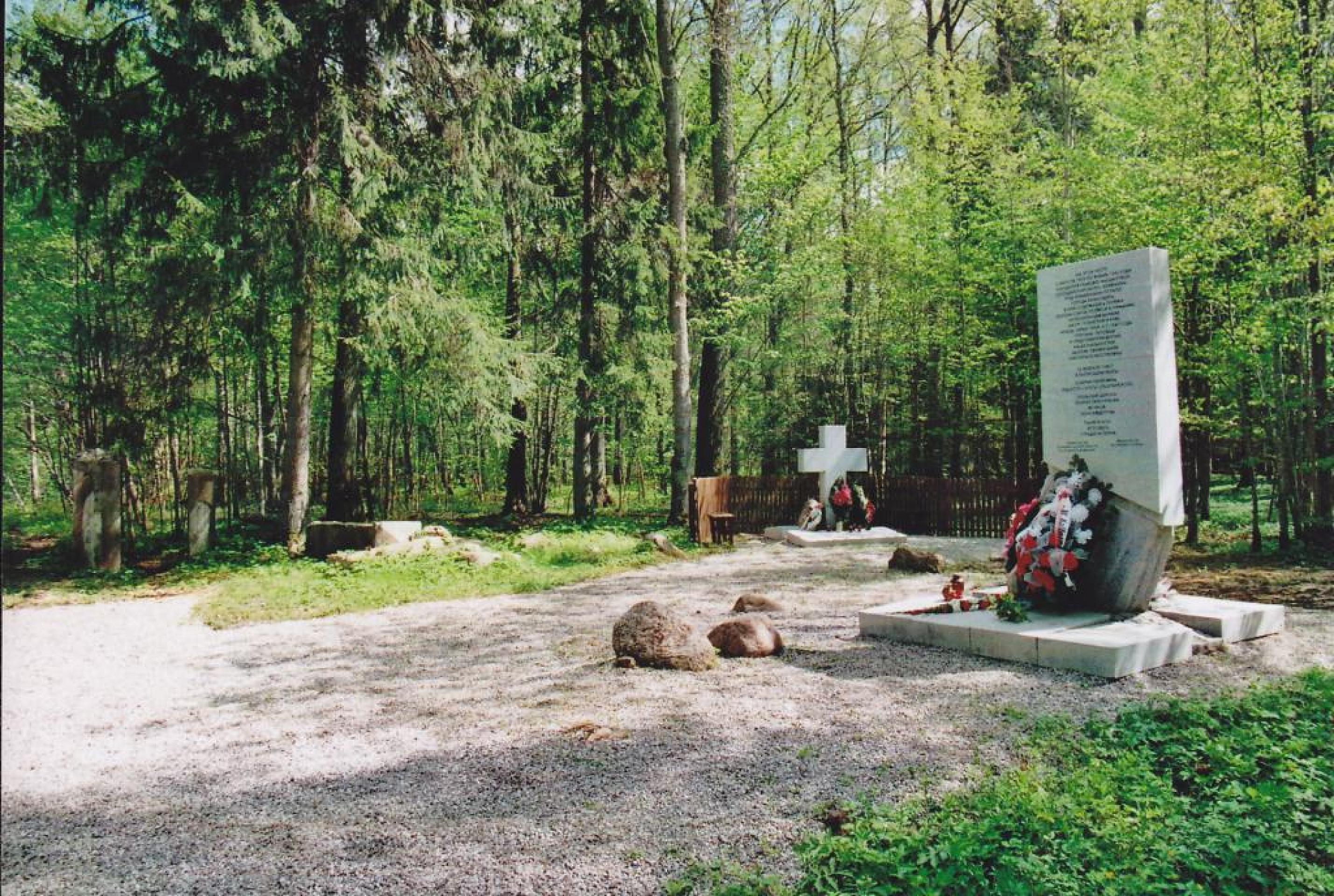
Since 1995, several memorials in the township of Gromovo (German: Lauknen, from 1938: Hohenbruch), situated at the Großer Moosbruch bog in what was once East Prussia, commemorates the shot prisoners of the Hohenbruch police internment camp, which was later the Hohenbruch »labour education camp«. The police internment camp was established here in 1939; between 1941 and 1945 the Hohenbruch »labour education camp« was located here.
History
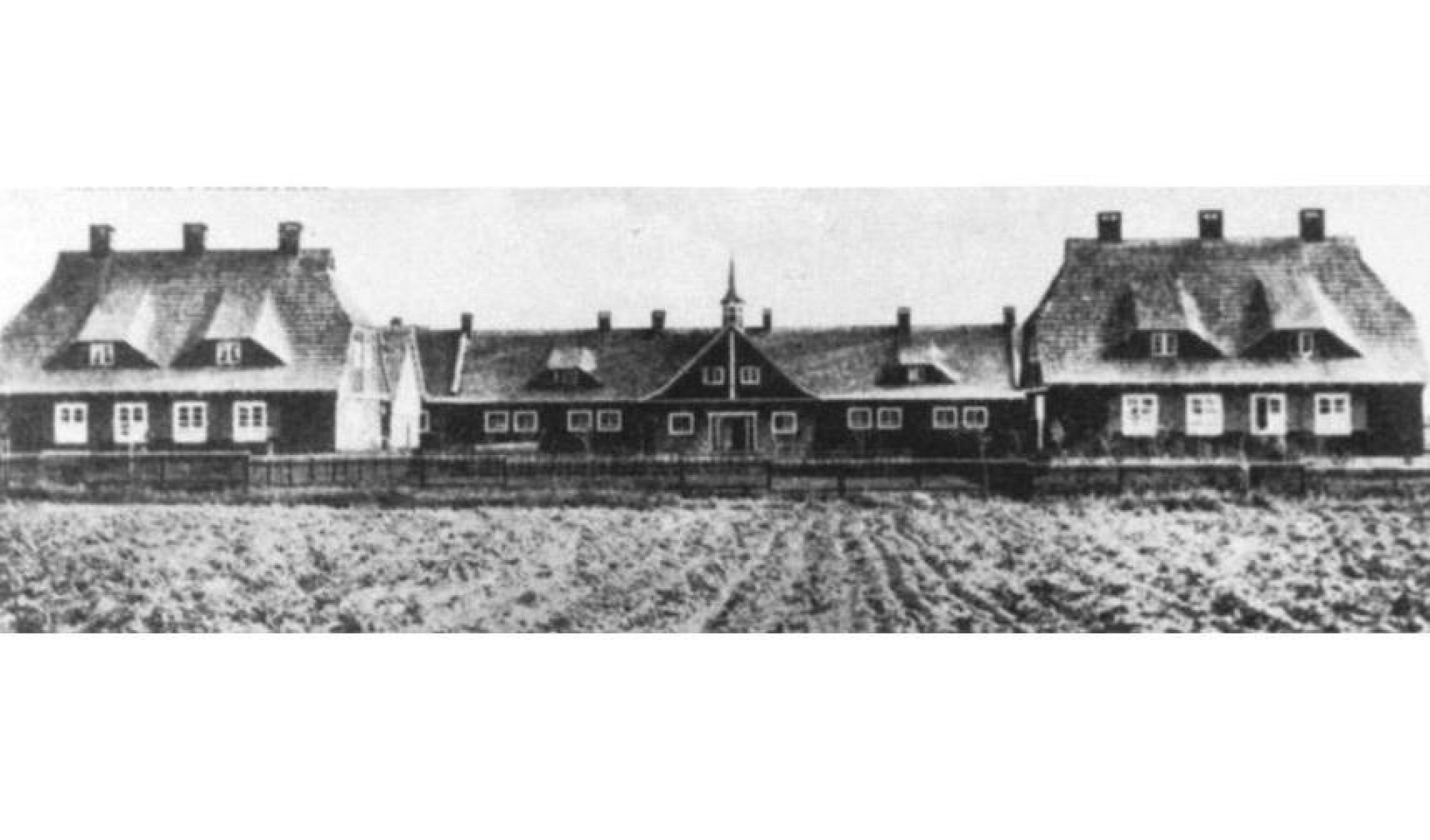
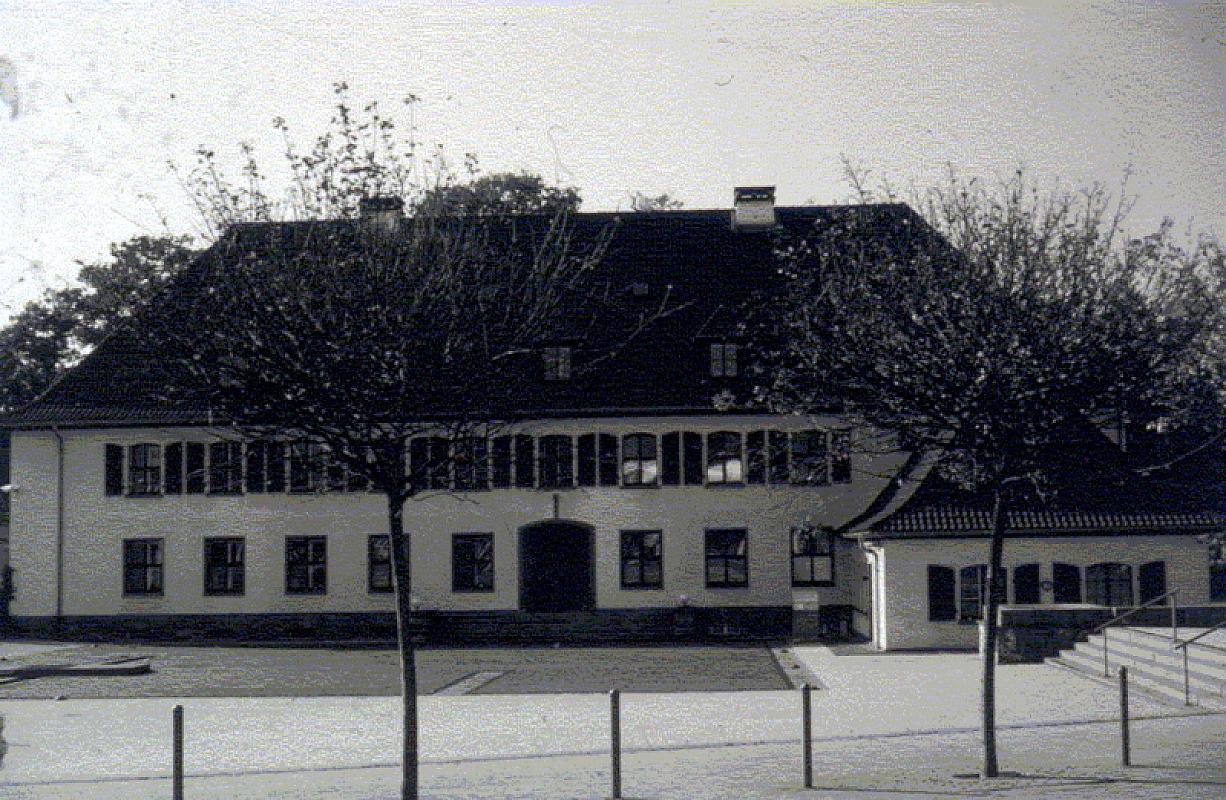
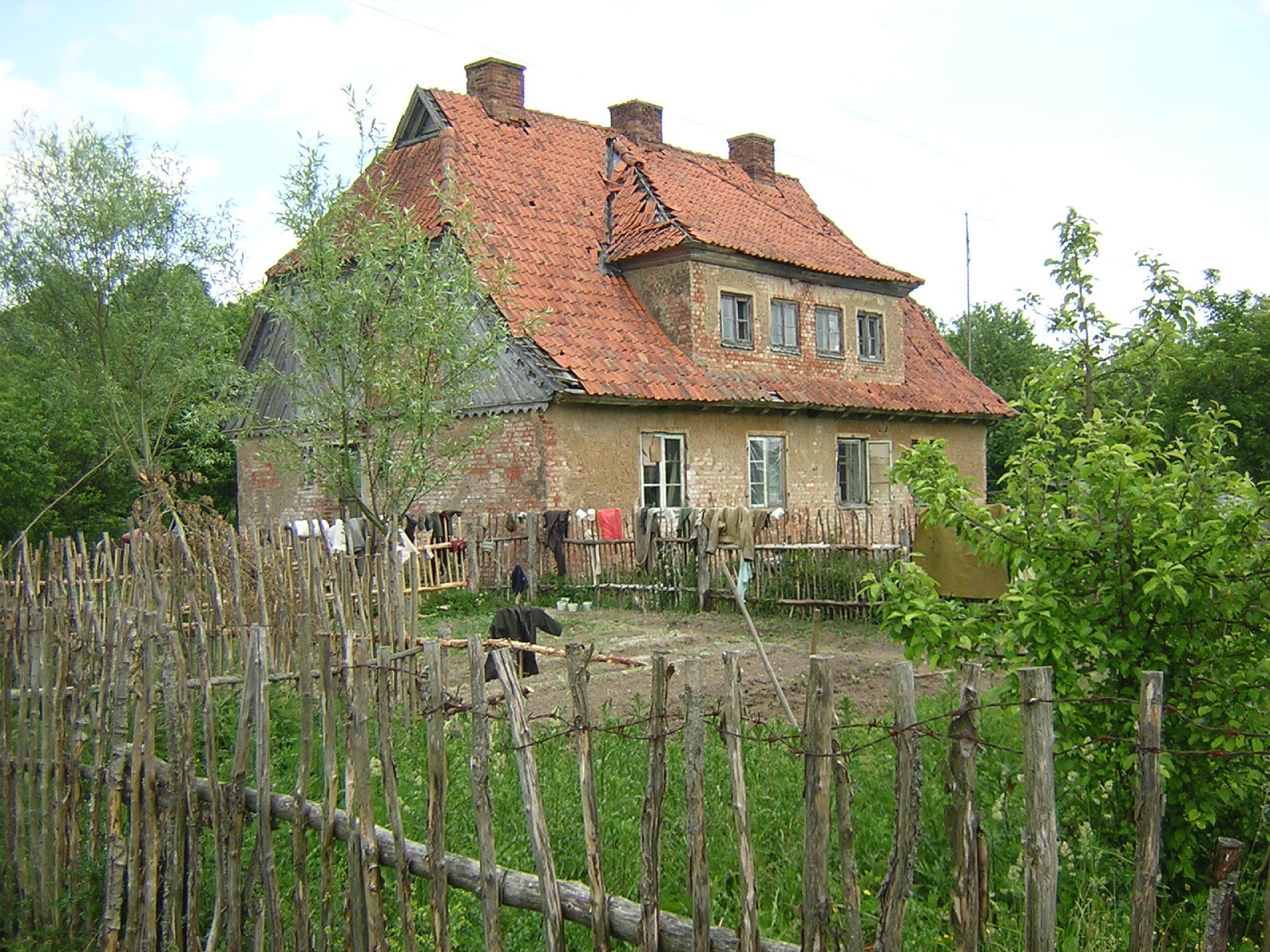
The State Police Headquarters in Königsberg, a duty station of the Gestapo, established a police internment camp in the fall of 1939, located in the Großes Moosbruch bog close to Lauknen (after 1938: Hohenbruch) in East Prussia, not far from the Lithuanian border. From the fall of 1939 onwards, the first prisoners were held captive in the building complex along the road to Mehlauken, which had until 1934 been an outpost of the Wartenburg jail. The State Police mostly brought members of the Polish intelligentsia to Hohenbruch. In the course of the so-called intelligentsia »Aktion«, people from the educated Polish upper classes were deported to camps and murdered since the National Socialists considered them dangerous after Poland's occupation. From Hohenbruch the prisoners were taken to other camps and murdered there. At least four Polish prisoners known by name were shot in the vicinity of Hohenbruch in February 1940. The camp in Hohenbruch was converted into a so-called labour education camp, most probably in 1941, in which prisoners were held captive for several weeks and deployed in forced labour. Most of these forced labourers were foreign prisoners who had been transferred from their initial camps to the labour education camp for disciplinary purposes. They had to perform forced labour in clearing forests, harvesting potatoes and constructing roads. The approximately 600 Hohenbruch prisoners were guarded by the SS at the behest of the Gestapo. The Red Army probably reached the camp on January 20, 1945.
Victims
According to estimates, there were about 600 prisoners in the Hohenbruch labour education camp; the majority of them were Poles, there were also many Czechs and Lithuanians. In the course of the war, many Soviet prisoners of war came to Hohenbruch. Presumably 50 people died in the Hohenbruch camps between 1939 and 1945. On February 24, 1940, the SS shot four Polish prisoners as part of the »Intelligenzaktion«. The victims are known by name.
Remembrance
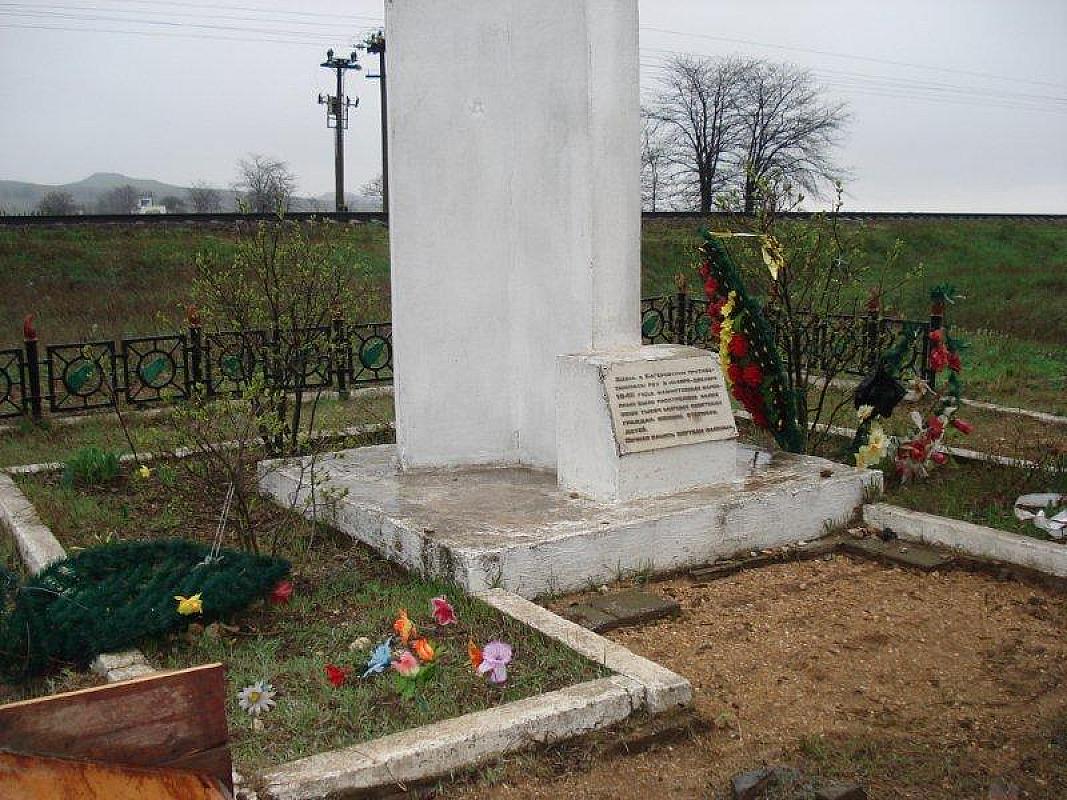
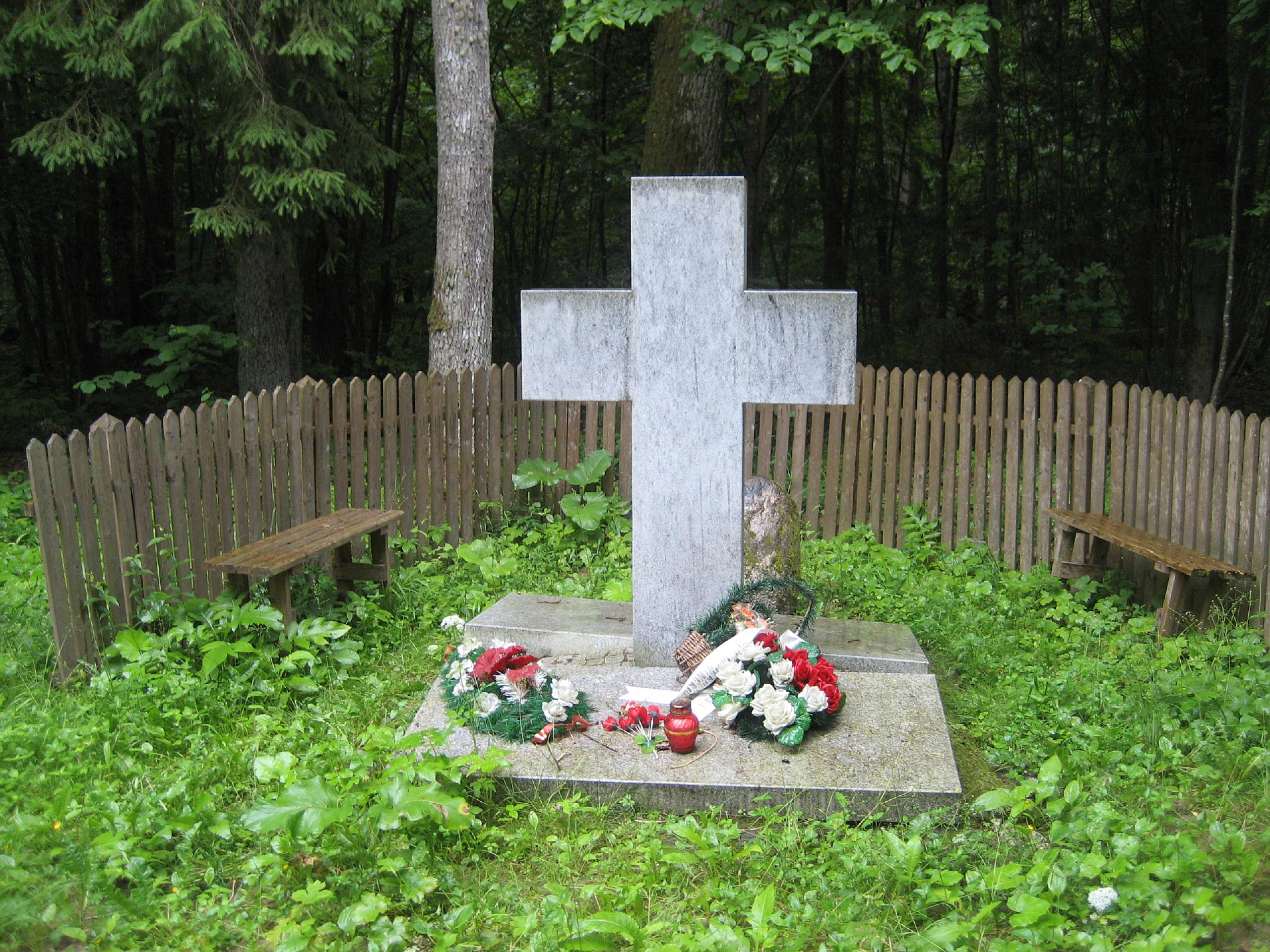
In 1995, together with the Polish government the Russian regional administration set up a wooden cross to commemorate the four Polish prisoners on the site where they were presumed to have been shot. In 2009, a concrete monument was added. In March 2011, the wooden cross was replaced by a cross made of stone.
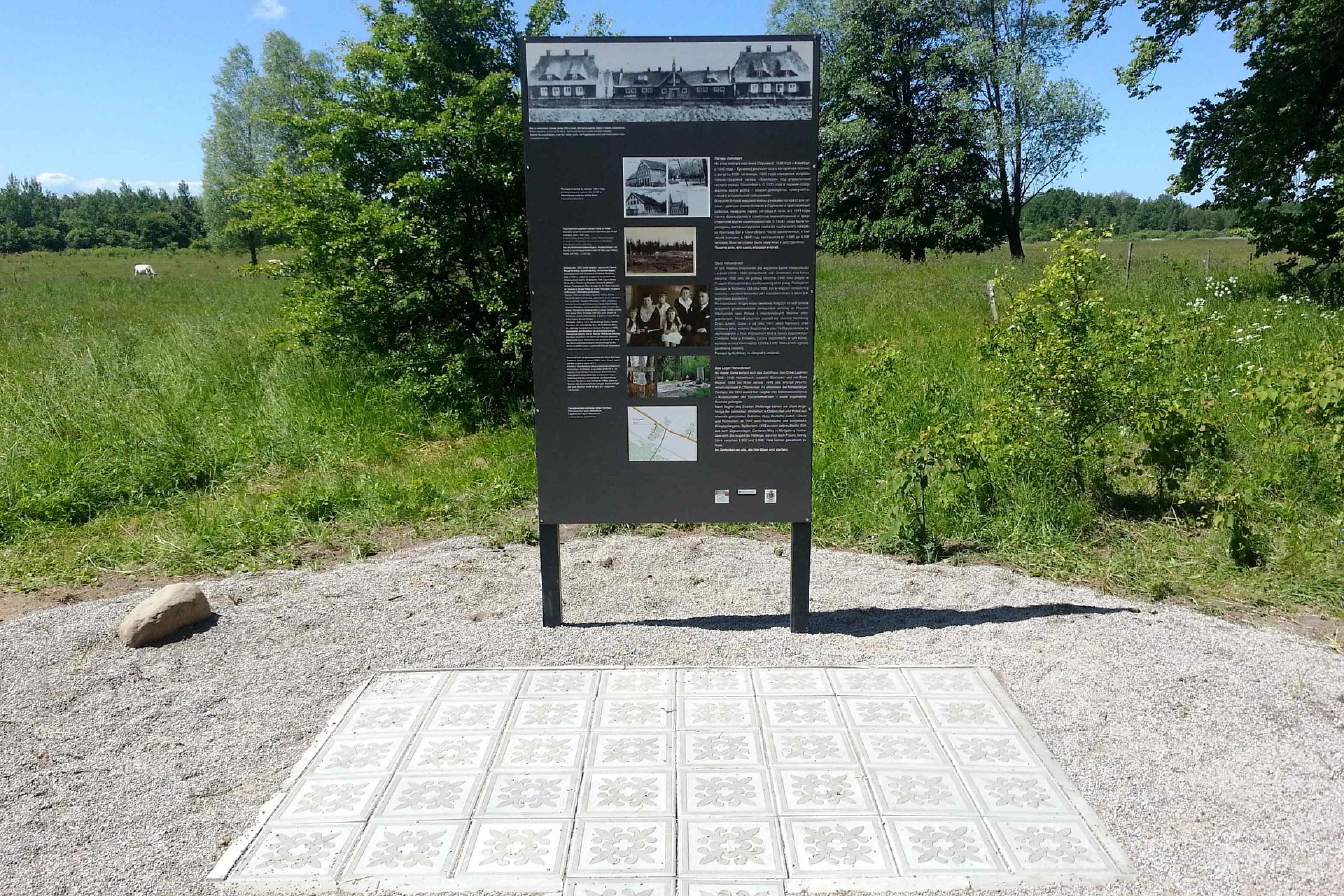
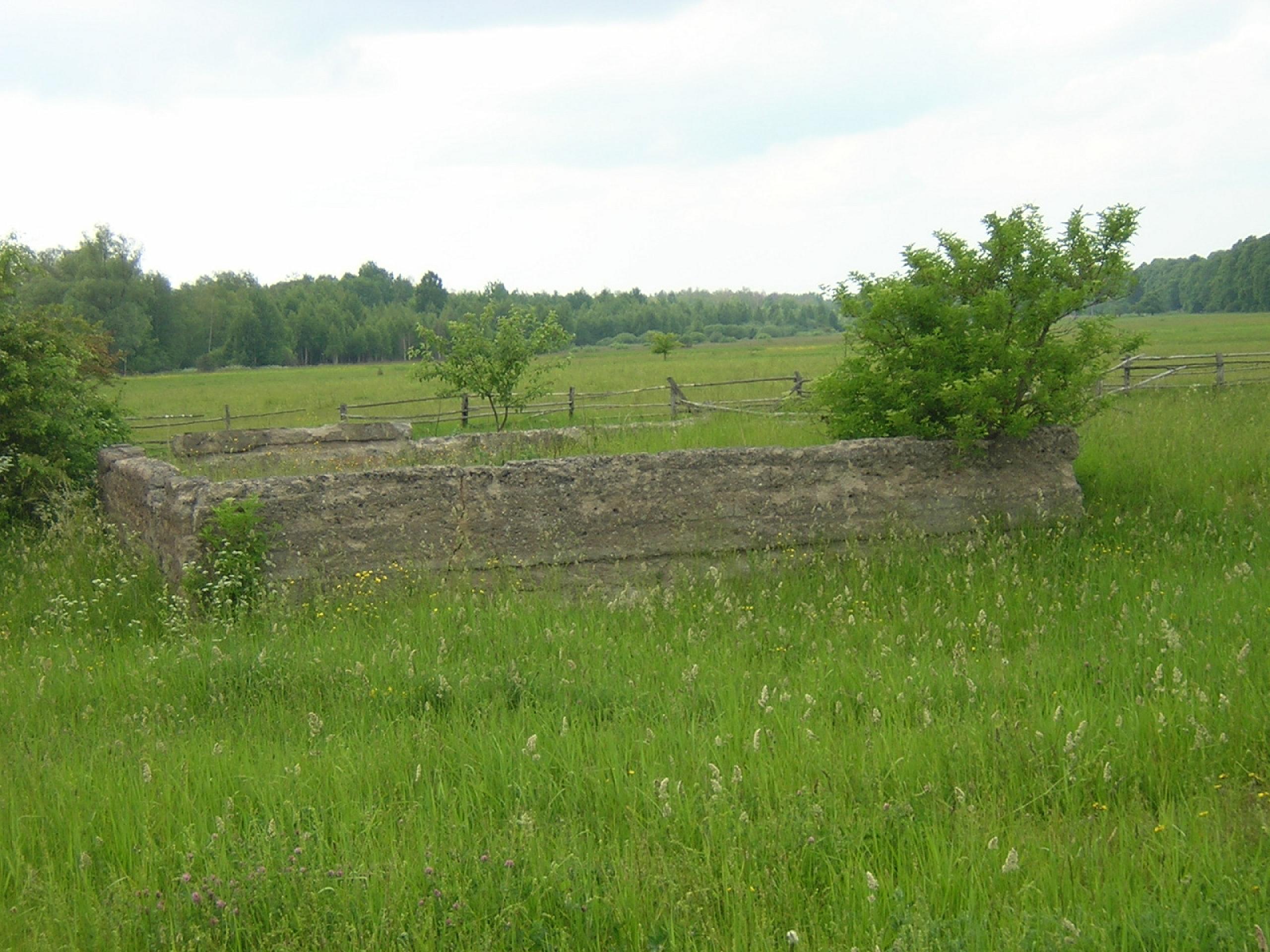
Between 2011 and 2015, the Foundation Memorial to the Murdered Jews of Europe had been co-ordinating an interdisciplinary research project with scholars from Germany, Poland and Russia in order to find out more about the history of the camp. One of the conclusions of the project was that it is very likely that when the memorials were erected, there was confusion about the exact location of the camp. The memorials are not at the site of the police internment camp, but at the site of a camp of the Reich Labour Service (German: Reichsarbeitsdienst), a National Socialist agency to reduce unemployment. At the authentic site, there are only very few traces remaining of the forced labour camp. In June 2015, a memorial plaque with a trilingual (German, Russian and Polish) inscription was erected there at the initiative of the Foundation.
In the marshland about a kilometre from the authentic site, there is a memorial stone dedicated to a murdered Lithuanian and five other, unidentified prisoners.
Possibilities
The memorials are accessible at all times.
GPS coordinates of the camp site: 54°57'56.4"N 21°26'13.4"E
Contact
Hauptstraße des Ortes Lauknen (Gromowo)