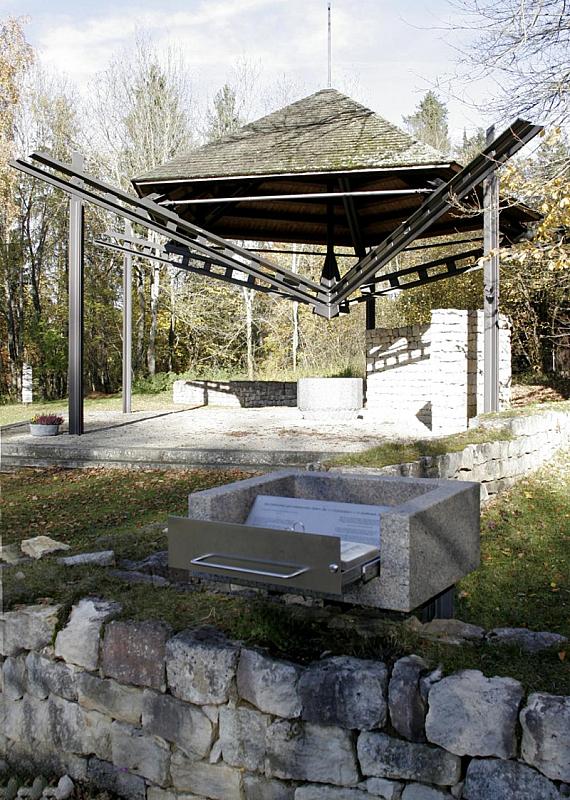
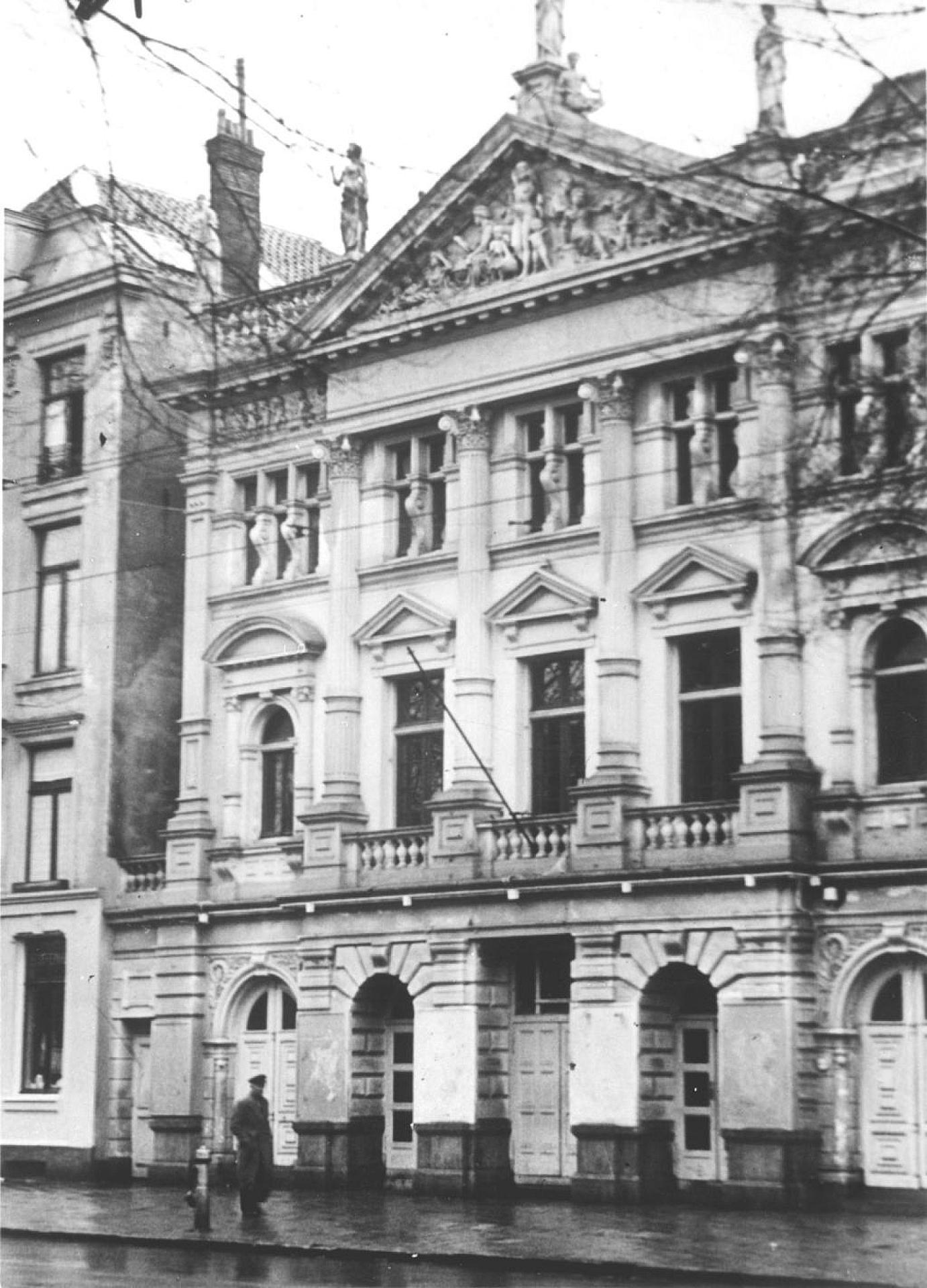
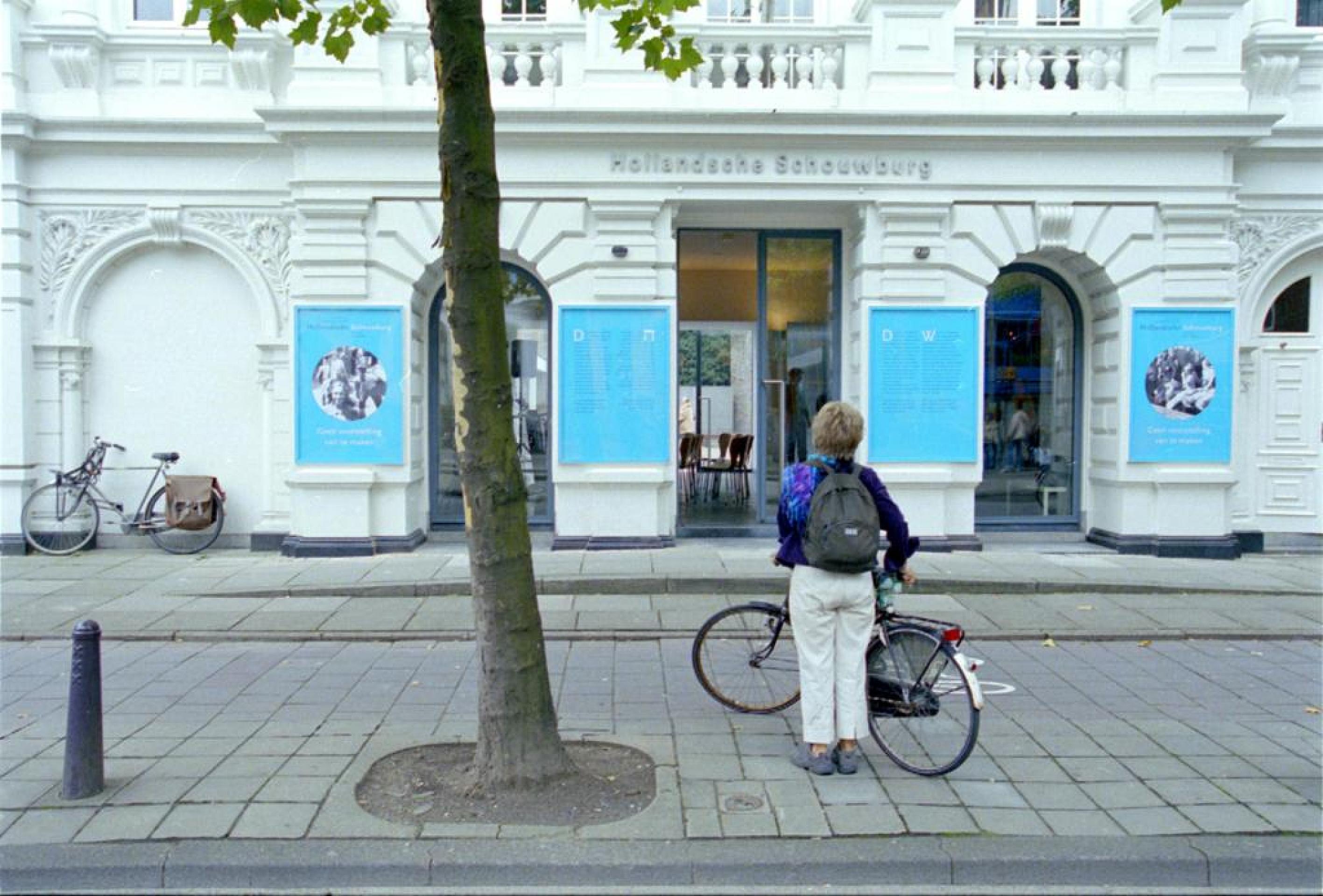
The Hollandsche Schouwburg was the only Jewish theatre in Amsterdam during the war. In 1942, it was used as a collection point for Jews who were to be deported to concentration camps by the German occupying forces.
History
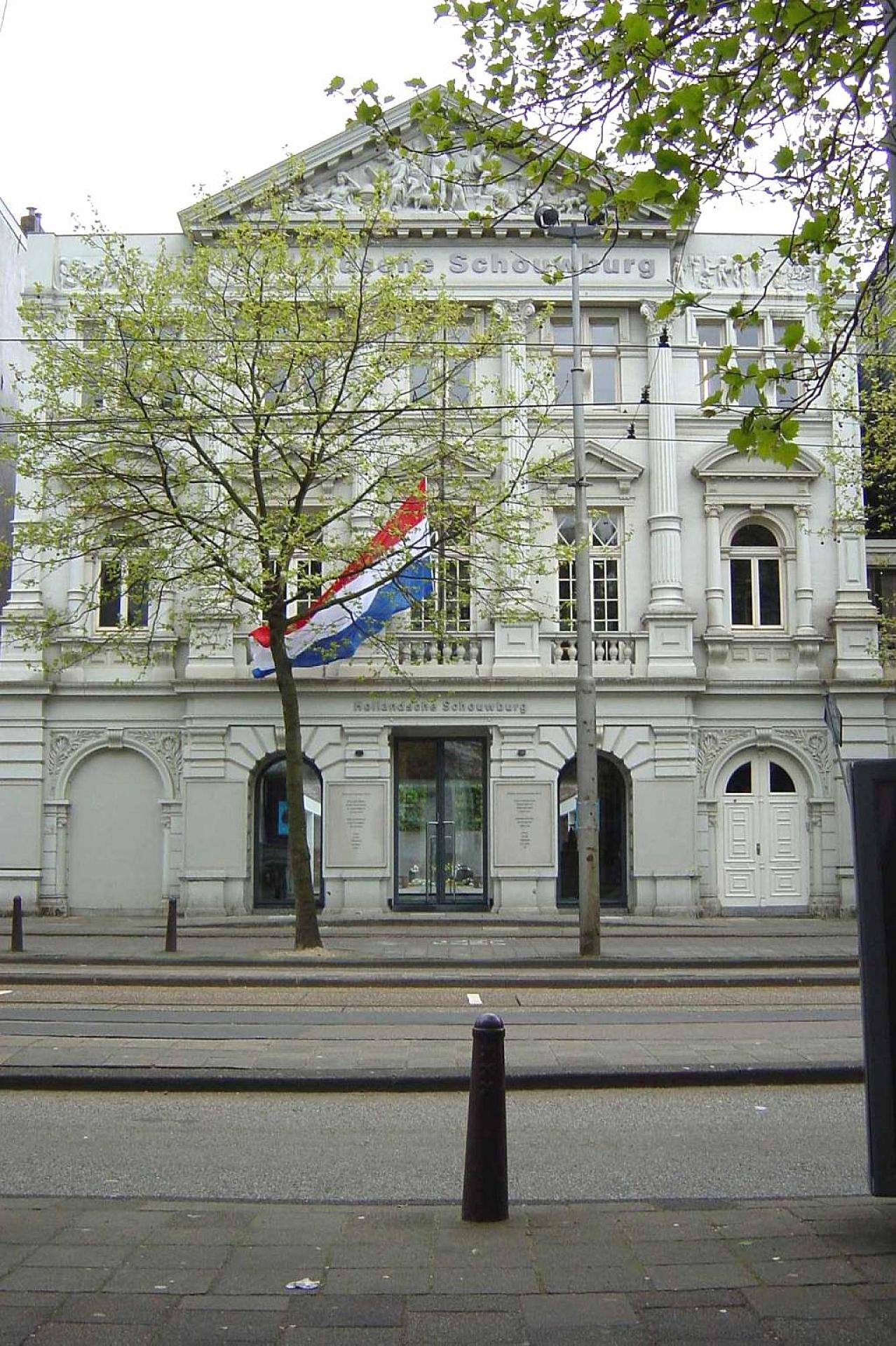
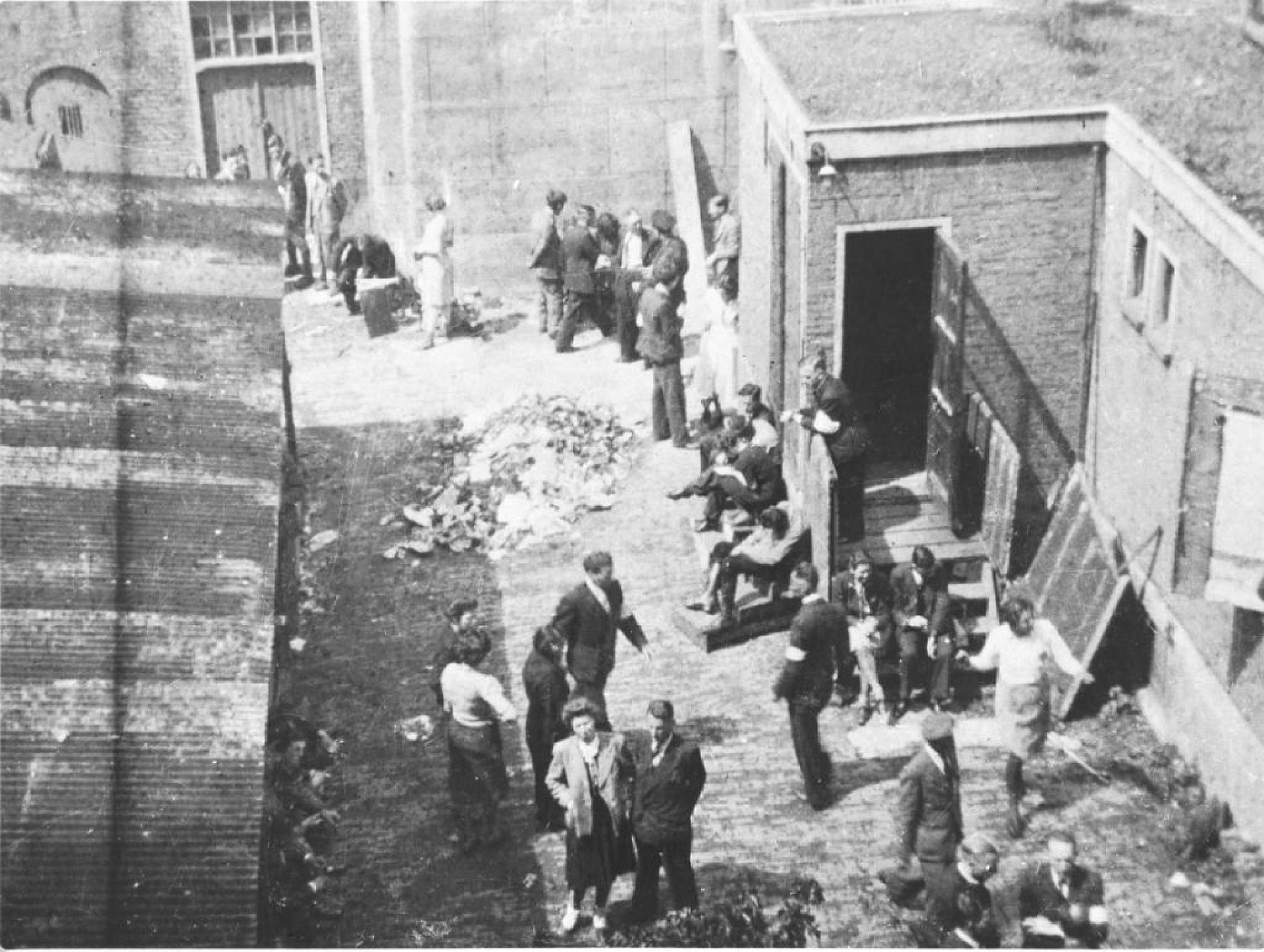
The Hollandsche Schouwburg in Amsterdam (English: Dutch Theatre) was established in 1892. The Netherlands were occupied by the German Wehrmacht in May, 1940. The occupying regime interfered in all spheres of life, including culture. In September 1941, Jews were prohibited from entering theatres. In November 1941, the Hollandsche Schouwburg was renamed »Joodsche Schouwburg« (»Jewish Theatre«) - henceforth, this was the only theatre which Jews could visit and in which Jewish artists were allowed to perform. When the German administration began preparing the planned deportations at the end of 1941, they issued an order by which most of the Dutch Jews had to move to Amsterdam. The city's Jewish population rose from about 80,000 to 100,000. From July 18, 1942, the Jewish Theatre was used as a collection point for Jews in Amsterdam prior to their deportation. The entire process was coordinated by the director of the »Central Office for Jewish Emigration« in the Netherlands, Ferdinand Aus der Fünten, in accordance with Department IV B 4 of the Reich Main Security Office under Adolf Eichmann. The Jews – who had either been arrested or had complied with orders to show at the building – were registered at the theatre and subsequently brought to the Westerbork transit camp – some immediately, others had to wait for several days. At times, there were up to 1,300 people crowded in the theatre over several days.
Opposite the theatre was a nursery for the children of the imprisoned adults. The resistance movement was able to help some 950 Jewish children escape.
Victims
The Dutch Theatre played a central role in the process of deporting Jews from Amsterdam. Many of the Amsterdam Jews were registered here and deported to the Westerbork transit camp. Of the approximately 100,000 Jews who lived in Amsterdam at the time, between 60,000 and 80,000 were deported to death camps in occupied Poland.
Remembrance
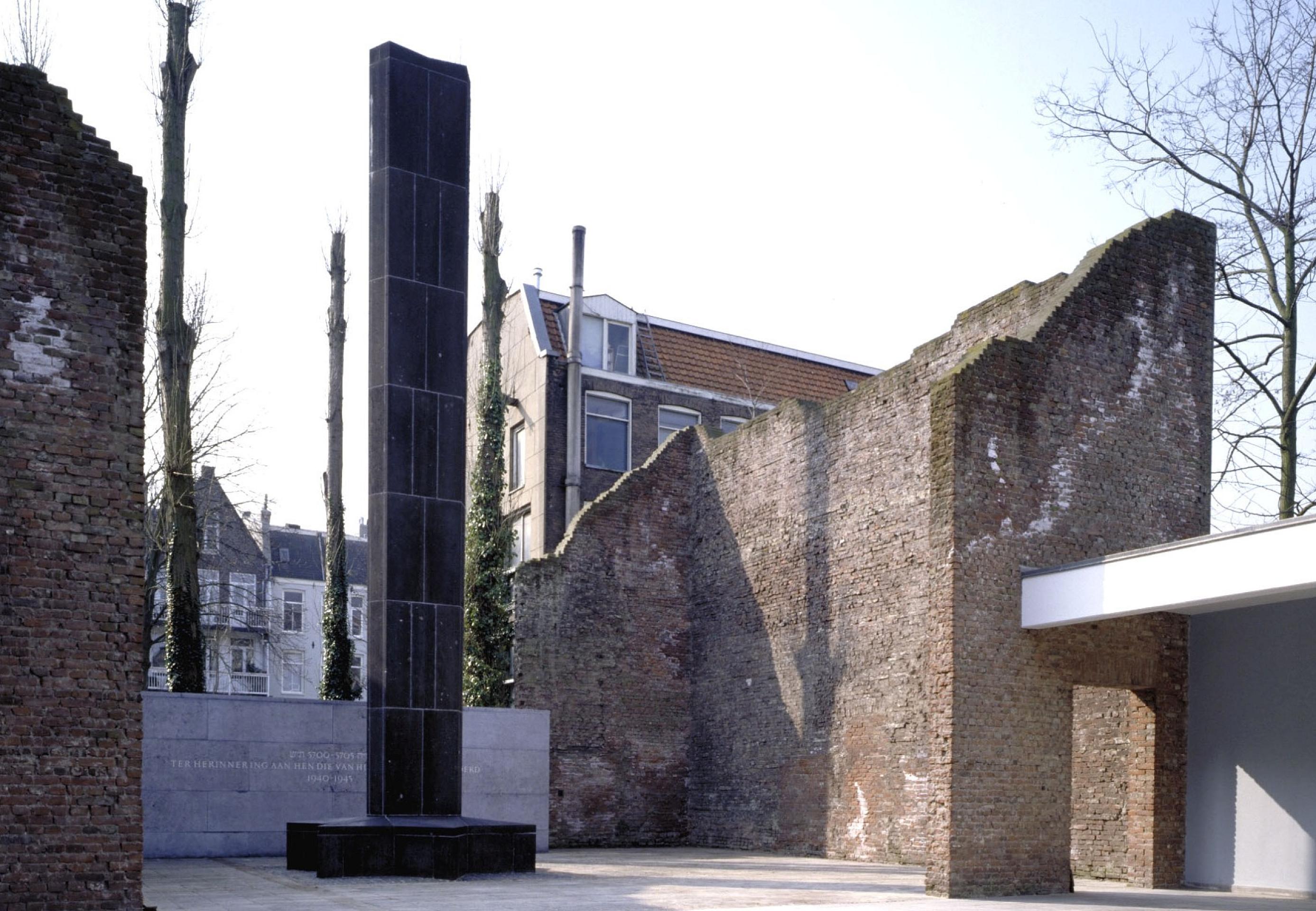
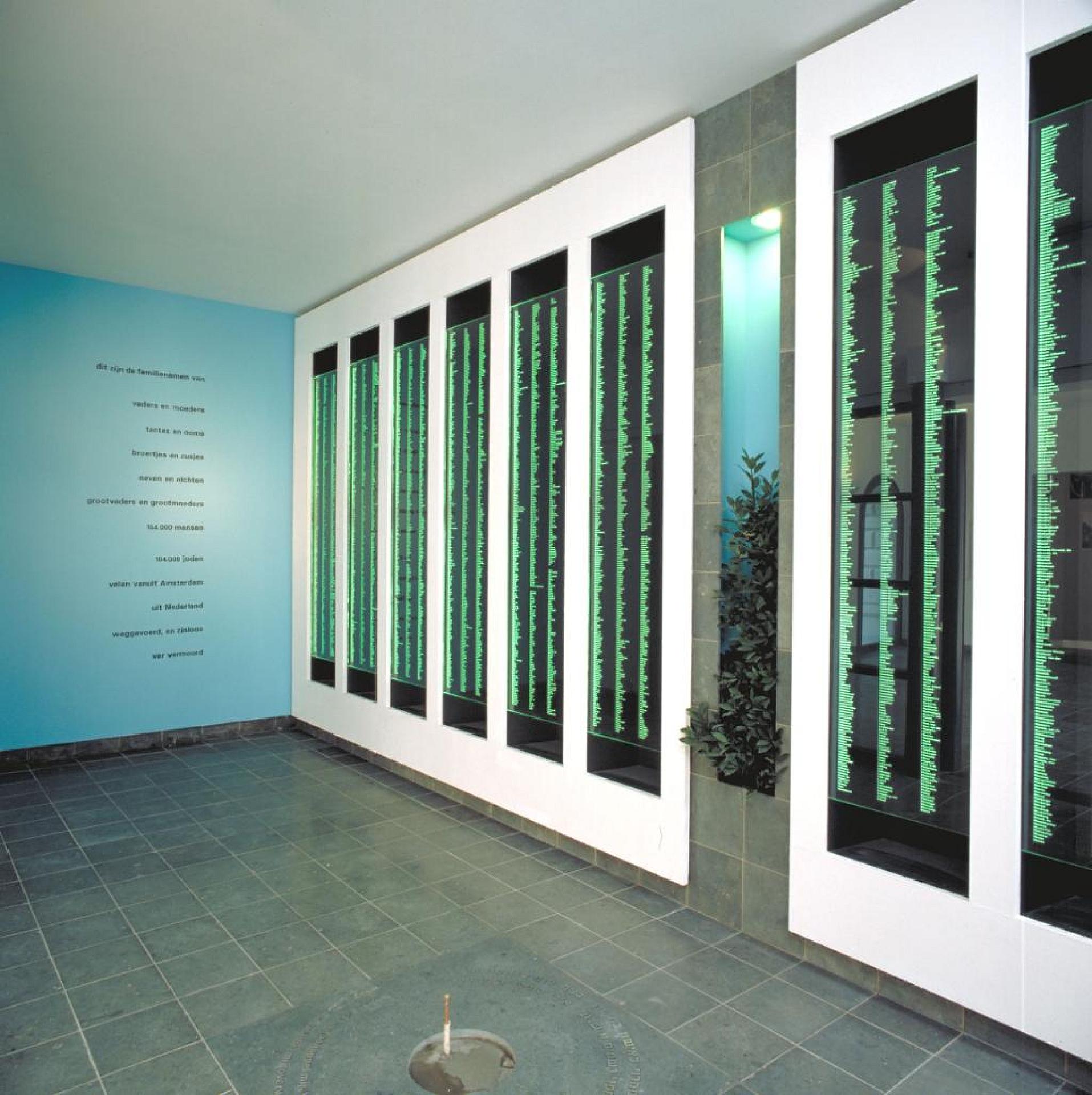
After the war, prominent citizens opposed plans to continue using the building as a theatre. The building was purchased by a committee established solely for this purpose and handed over to the city in 1950. In 1962, the theatre was opened as a memorial. A memorial to the Dutch victims of the Holocaust was established in the theatre auditorium. In 1992, the Jewish Historical Museum took over the administration of the memorial, and renovated the building in 1993. A memorial room and an exhibition were added. Engraved on a wall are about 6,700 surnames of the 104,000 Jews deported from the Netherlands.
In 1982, a memorial plaque was affixed to one of the walls of the former nursery as a reminder of the Jewish children rescued from deportation.
Possibilities
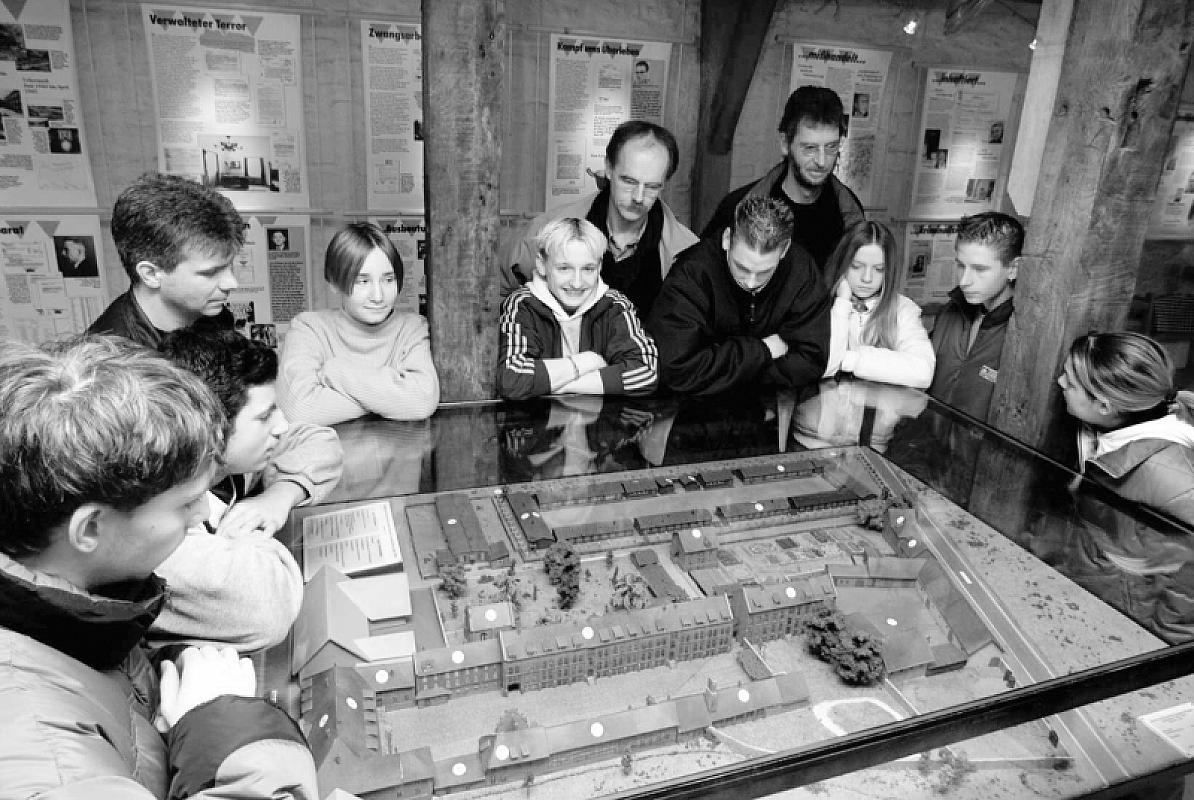
Exhibition on the persecution of Jews in the Netherlands, educational programme for children and youths, various annual memorial ceremonies
Open
Daily 9 a.m. to 4 p.m.
Contact
https://jck.nl/nl/locatie/hollandsche-schouwburg
service@jck.nl
+31(020)5 310 380
Plantage Middenlaan 24
1018 DE Amsterdam