Several monuments in the Moldovan city of Bălți (Russian: Beltsy) commemorate the city's Jews who perished between 1941 and 1944: they were expelled, died of the effects of forced labour or were murdered by German Einsatzgruppen.
History
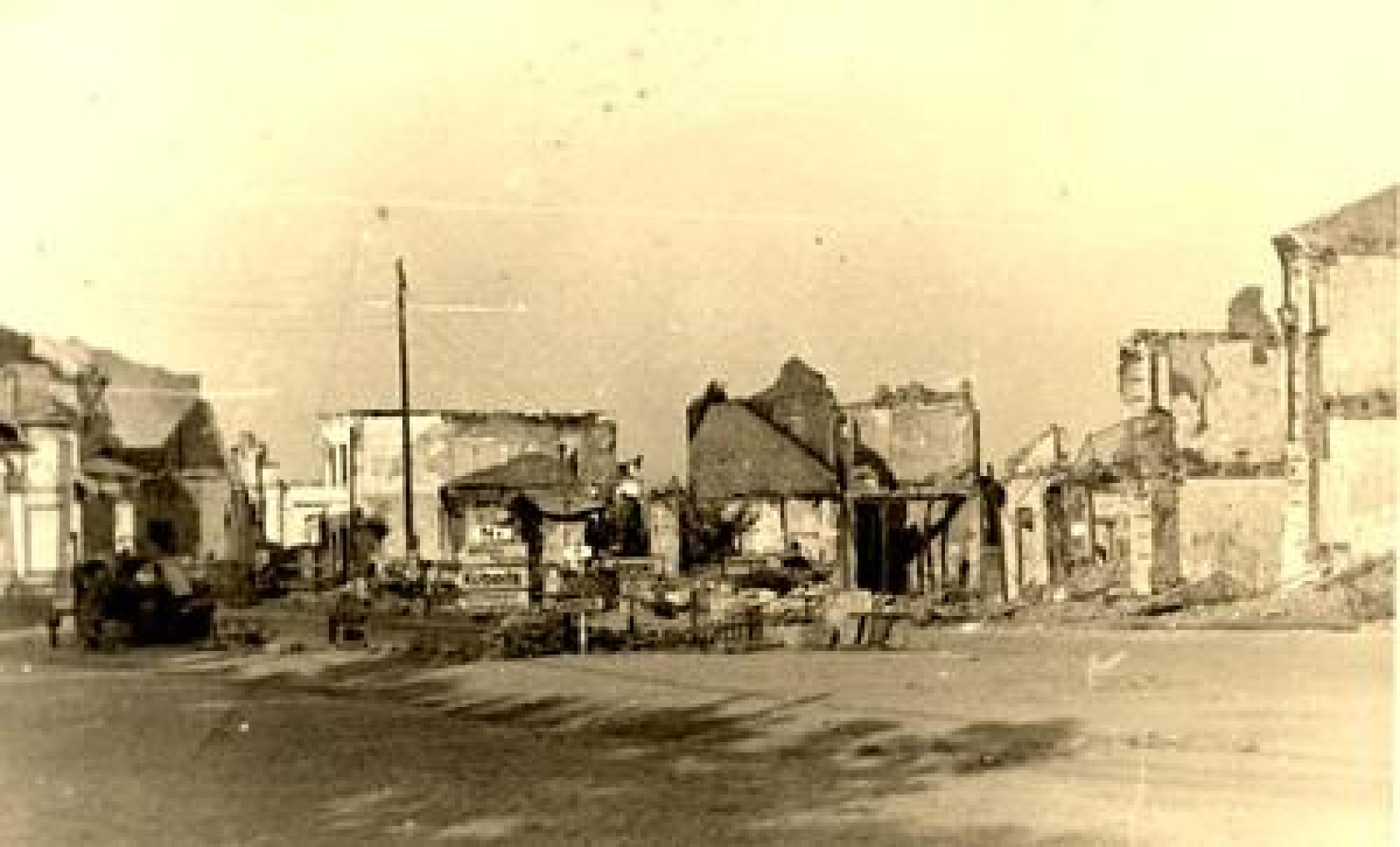
The city of Bălți lies in the north of the historical region of Bessarabia. It is the most important urban centre in the North of the Republic of Moldova. In 1930, there were about 14,000 Jews living in Bălți, just under half of the total population. In 1940, the Soviet Union annexed Bessarabia, which had since 1918 been part of Romania - including the city of Bălți. German and Romanian troops occupied Bălți on July 9, 1941, following the invasion of the Soviet Union in June. Together with the regular army, the Sonderkommando 10a under command of Heinrich Seetzen arrived in Bălți. Many of the locals, including a majority of the Jews, had fled the approaching troops inland to the Soviet Union. Already in the first days of occupation, the Romanian soldiers indiscriminately abused Jews, killing several hundred. Romanian soldiers and members of Sonderkommando 10a took turns in shooting Jews in the following days, claiming the killings were in reprisal for attacks on their own soldiers. Shortly before withdrawing from Bălți at the end of July 1941, the members of Sonderkommando 10a shot another 45 Jews, including leaders of the Jewish community. The Sonderkommando moved on with the front, while Bălți stayed under Romanian occupation. The remaining Jews of Bălți as well as Jews from the entire district were gathered in the nearby camps at Limbenii, Râșcani and Răuţel. The Romanian authorities deported almost all of them across the river Dniester to the Transnistria region. There, many Jews did not survive the ghettos, forced labour, abuse and sicknesses they were subjected to.
Victims
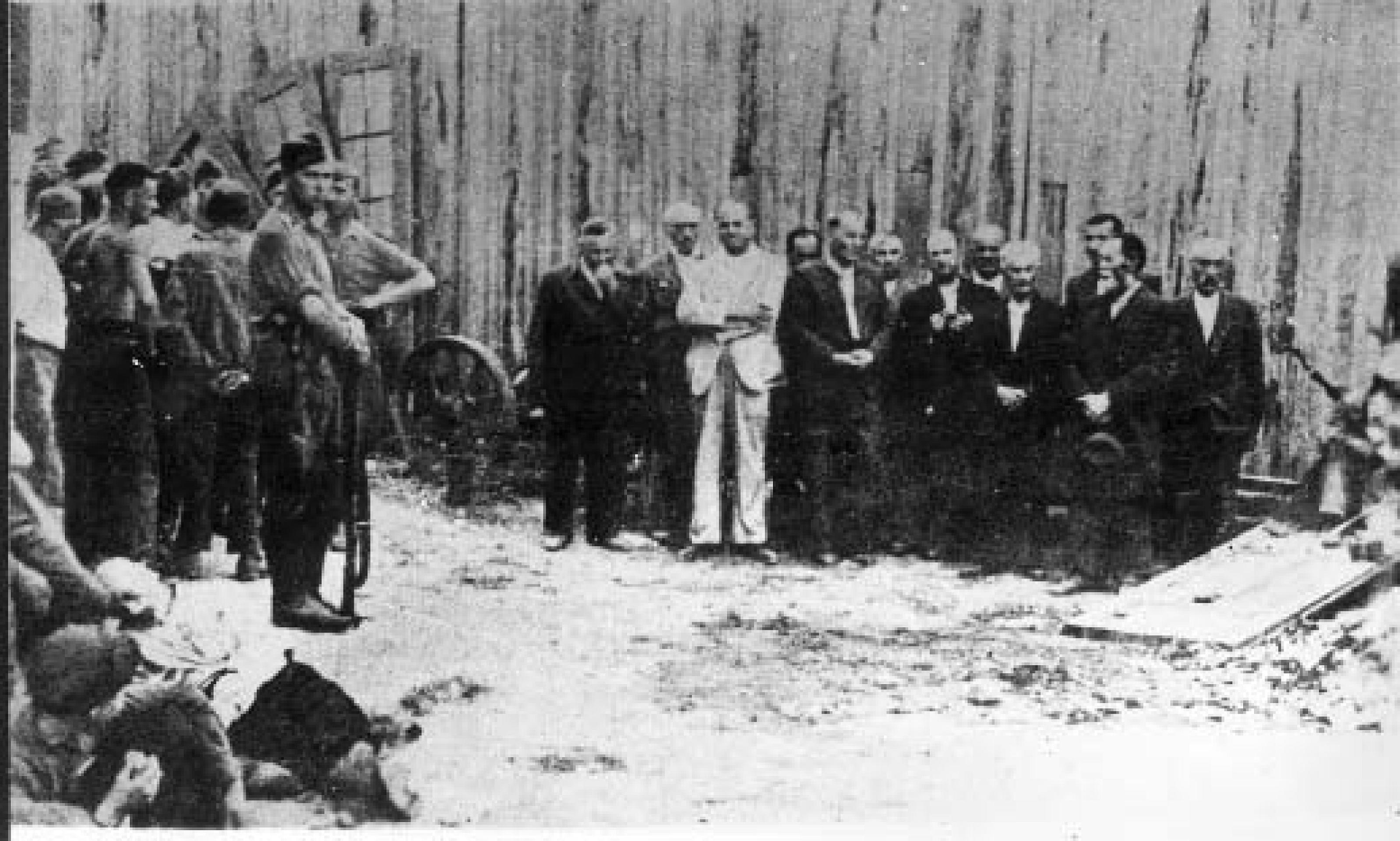
It is not exactly known how many Jews from Bălți perished in the Holocaust. Up to several hundred Jews were murdered during the violent riots of the Romanian units. The Romanian commander ordered his men to shoot a further 15 Jews. In the night of July 11/12, 1941, Sonderkommando 10a shot ten Jewish hostages; three days later, a further twenty Jewish hostages were shot. At the end of July 1941, shortly before their withdrawal from Bălți, members of Sonderkommando 10a shot 45 Jews, including leaders of the Jewish community.
Remembrance
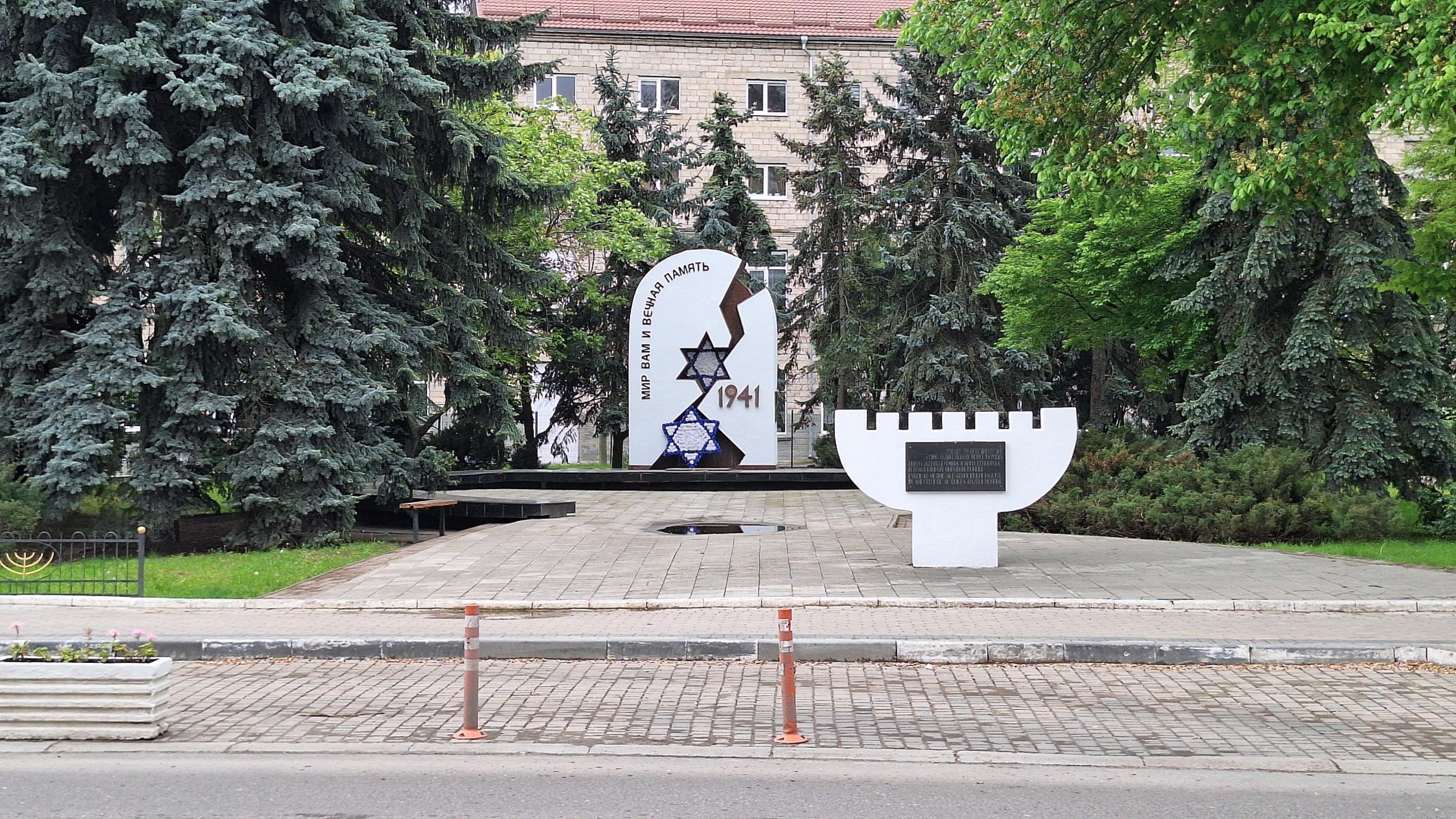
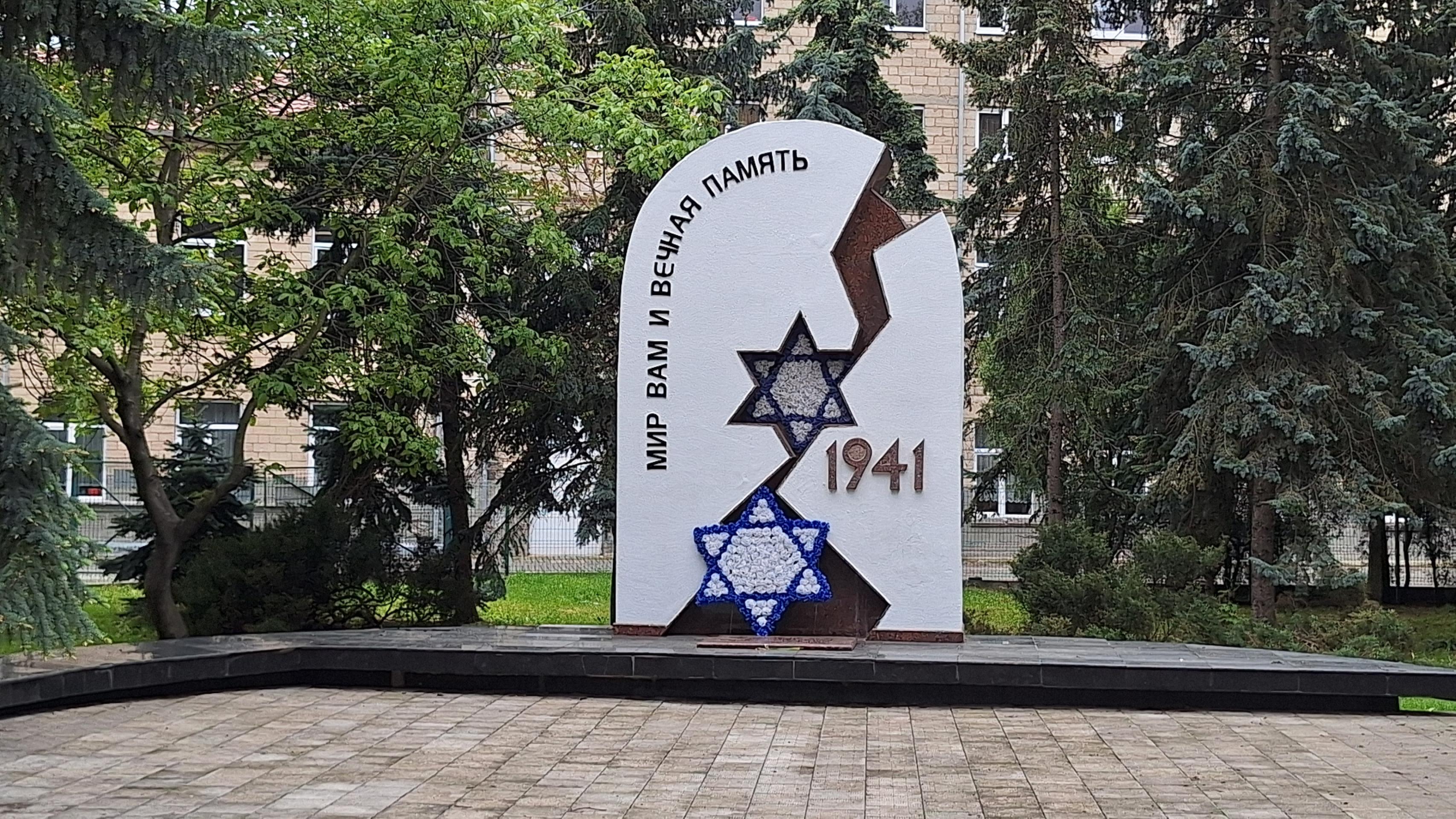
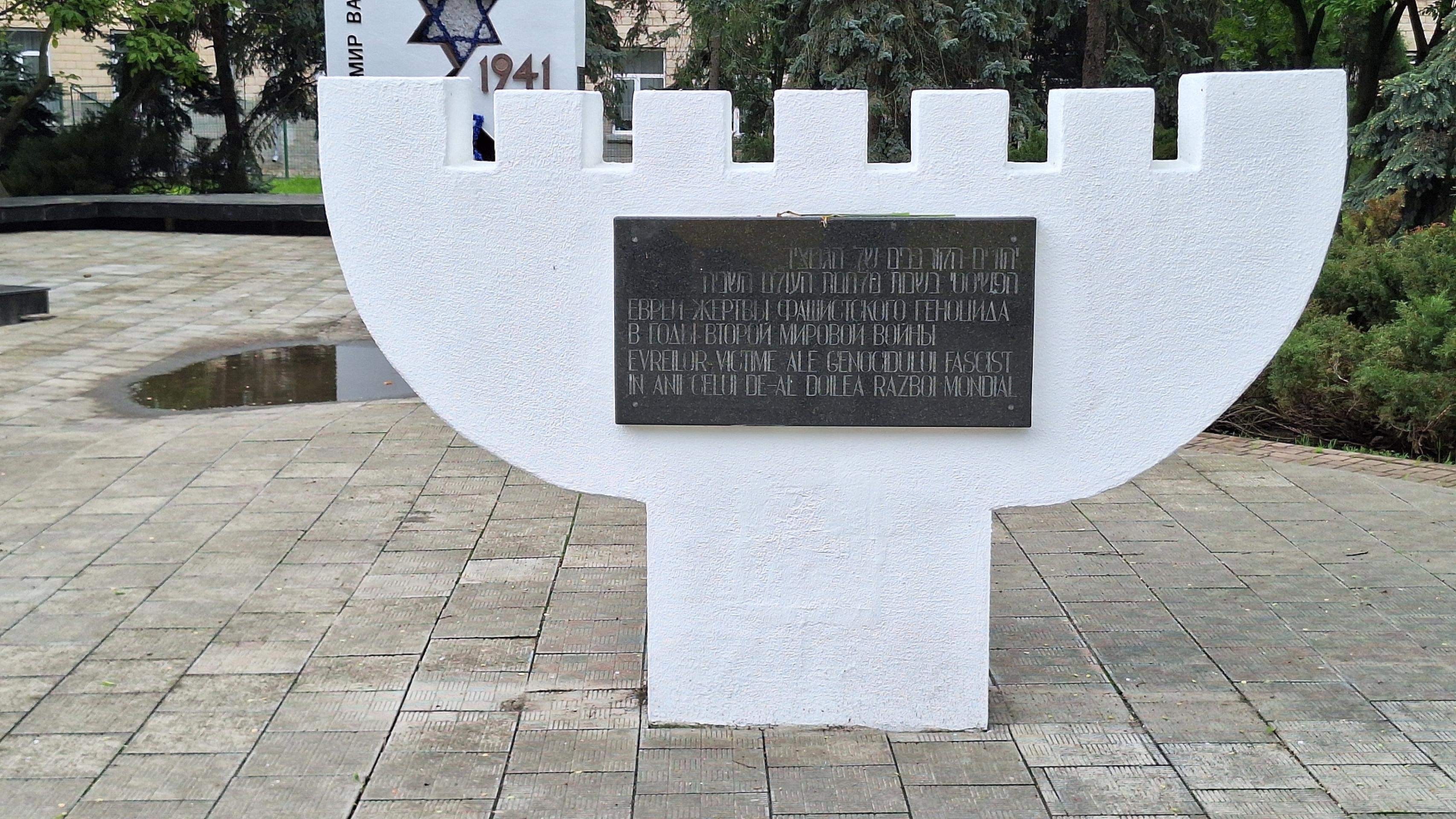
In 1997, a memorial to the Jews who perished in the Holocaust was erected in the city centre of Bălți on the site of a mass shootig. The menorah at the front bears the following inscription in Hebrew, Russian and Romanian: »To the Jewish victims of the Fascist genocide during the years of World War II«. The memorial stele reads in Russian: »May you have peace, in eternal memory«.
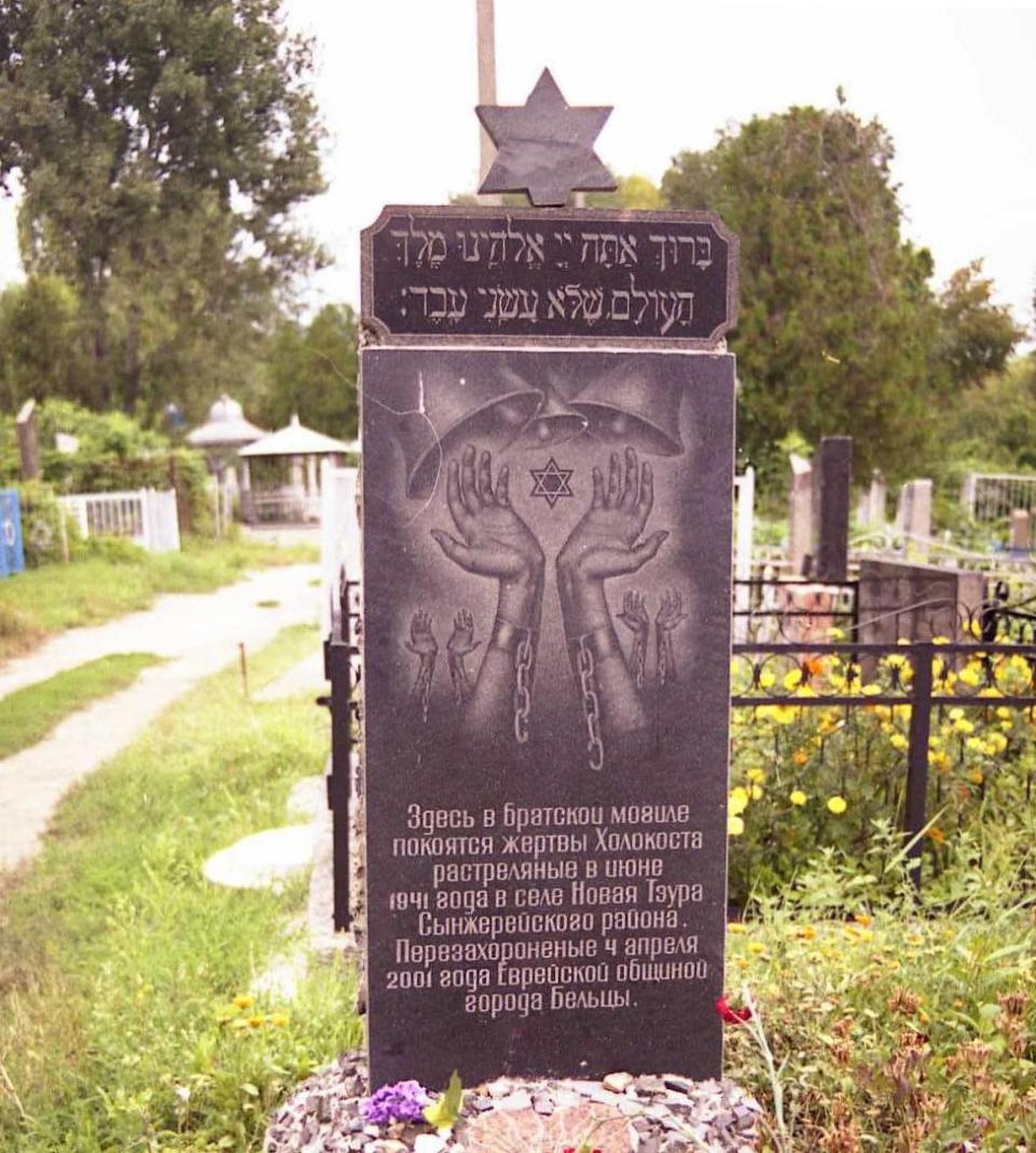
The Jewish cemetery in Balti is the second-largest Jewish cemetery in the Republic of Moldova after Chișinău. There is another memorial there commemorating the murdered Jews from the region. In 2001, the remains of murdered Jews from the village of Tăura Nouă (Russian: Novaya Tsura), situated 25 kilometres to the south, were exhumed and reburied here. The local Jewish community erected a stele by the mass grave.
Open
Accessible at all times.
Contact
https://www.jcm.md/ru/communities/beltsy
aoe_beltsy@mail.ru
+373 (231) 28299
str. Ştefan cel Mare 43
3112 Balti