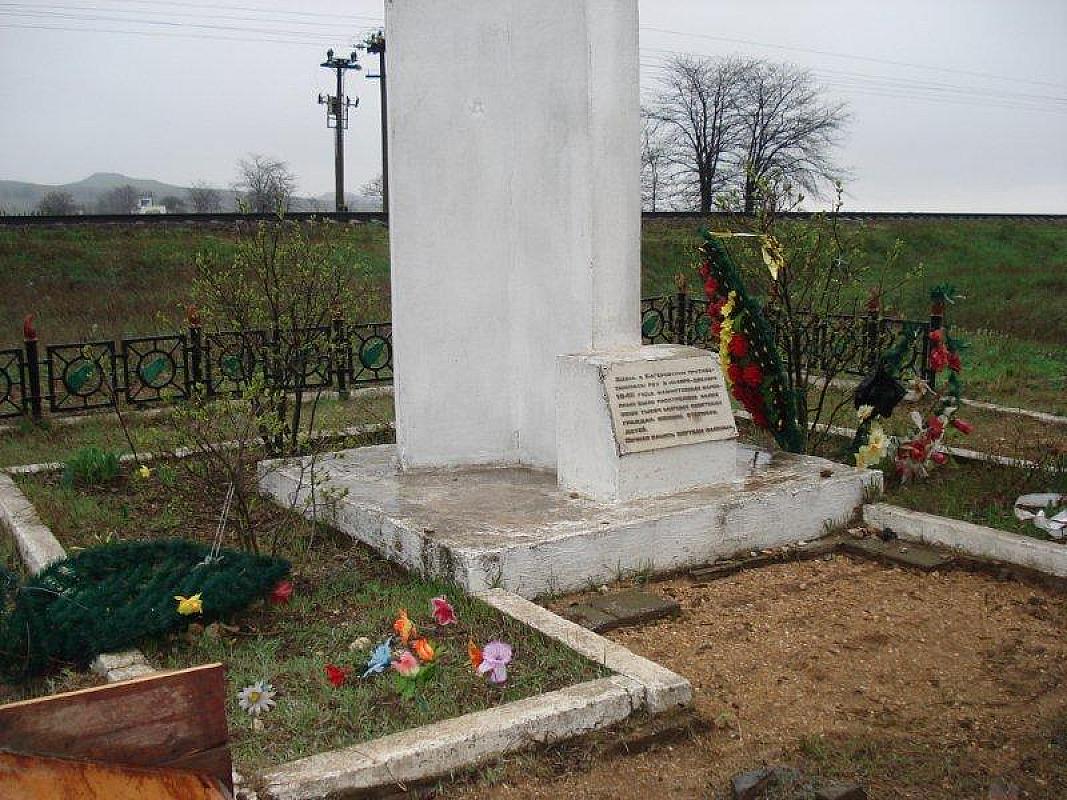
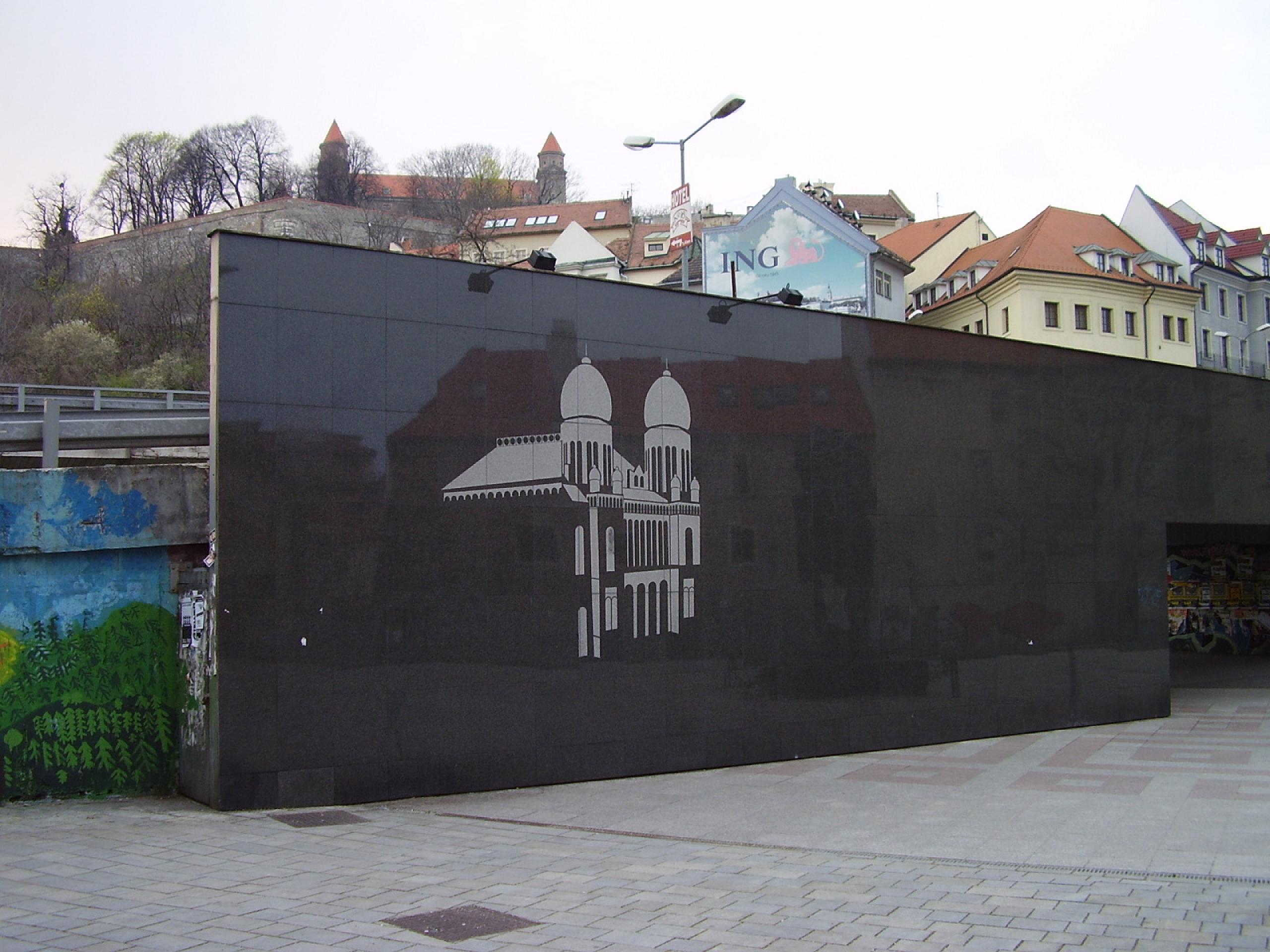
In Bratislava (German: Pressburg) a Holocaust memorial on the former site of the neologian synagogue remembers since 1996 the murdered Jews of the city as well as the overall 105,000 Jews from Slovakia who perished during the Holocaust.
History
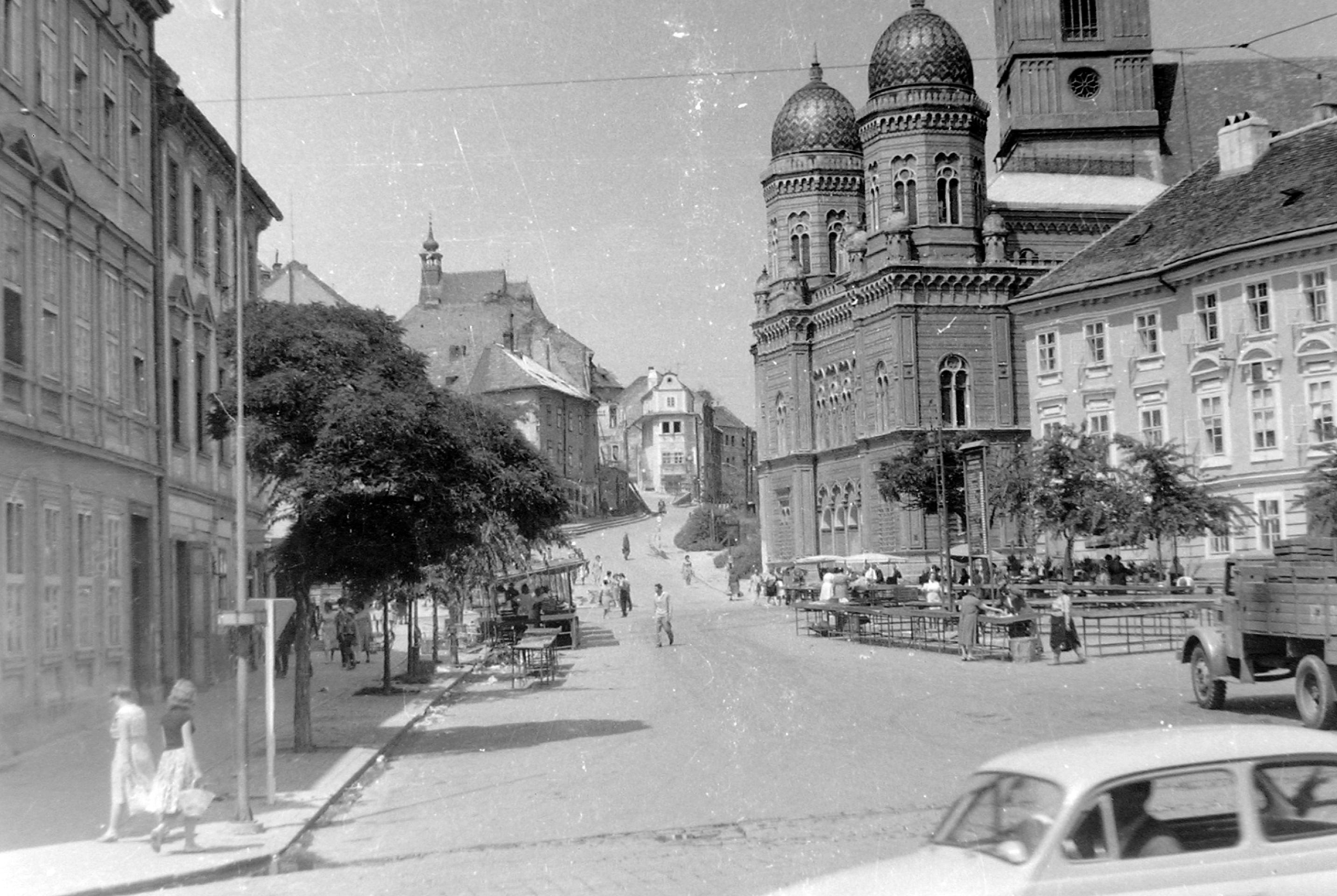
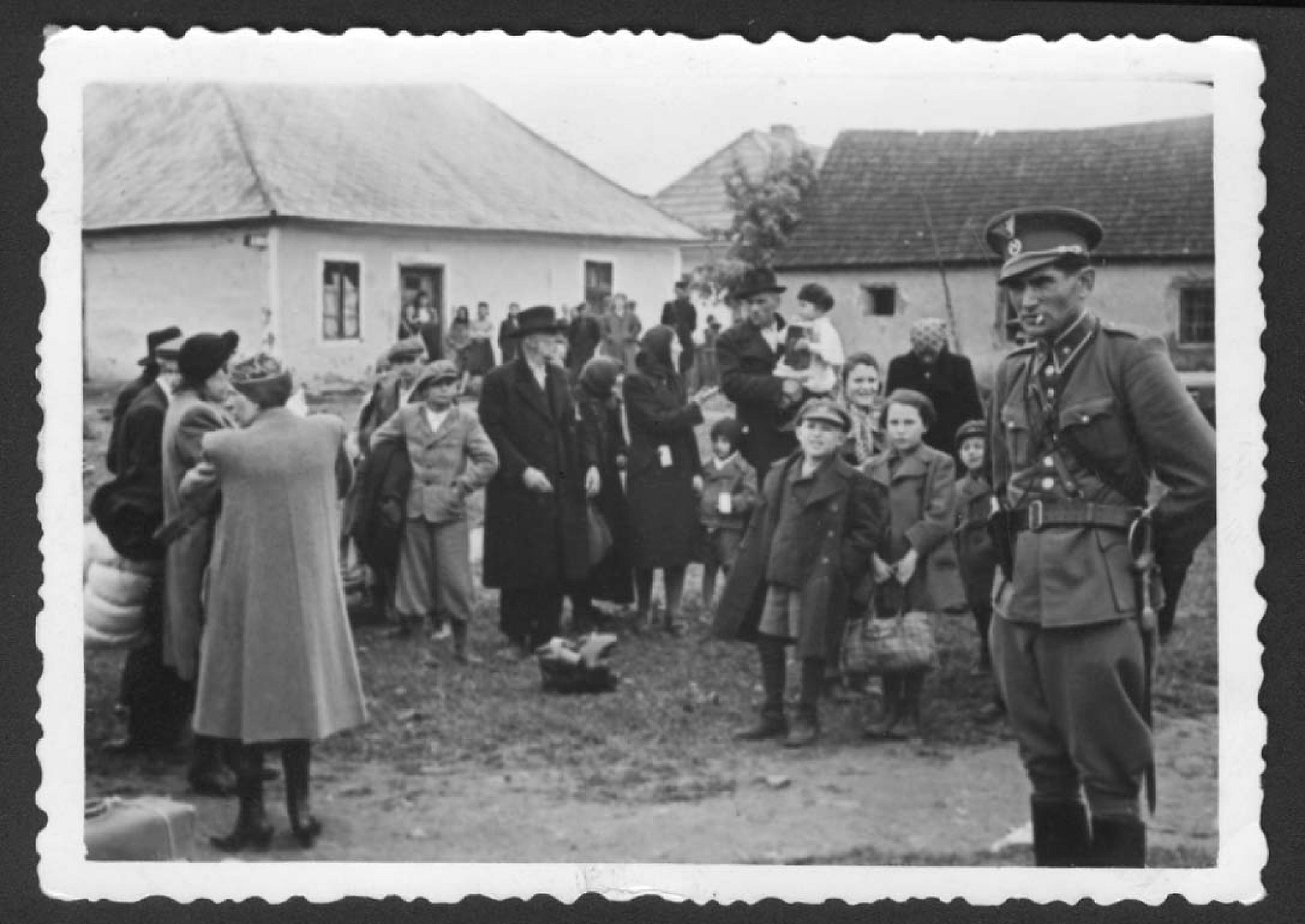
Until World War I Bratislava (German: Pressburg, Hungarian: Pozsony) belonged to the Hungarian part of Austria-Hungary. Jews lived in the city already since the middle ages. In the 19th century the community grew rapidly. Like in the rest of the country a reform-oriented movement within the Hungarian Jewry founded a neologian community in 1872. In 1895 the neologian synagogue at the Fish Market Square (Rybné námestie) in the city centre was completed. In the 19th and 20th century the city became an important centre of Jewish culture, around the turn of the century more than 7,000 Jews lived there. After World War I the city, which was mainly populated by Hungarians and Germans, became part of the newly formed state of Czechoslovakia and renamed in Bratislava. In 1939, after the Axis Powers had dismembered Czechoslovakia bit by bit, Bratislava became capital of an independent Slovakia, a vassal state of the German Reich. In 1940 about 18,000 Jews lived in Bratislava. From 1938 the Slovak government persecuted Jews: Synagogues were closed or damaged, Jewish businesses were expropriated. In 1941 more than 6,000 Jews from Bratislava were deported to provincial towns. Between March and July 1942 Slovak authorities deported more than 3,100 Jews from Bratislava to the occupied Poland. The Slovak government paid 500 Reichsmark for every deported Jew to the Reich Security Main Office (RSHA) in Berlin, which co-ordinated the transports with the railways. Most of the Jews from Bratislava were murdered on their arrival in the extermination camps. After the Slovak National Uprising in 1944 the Wehrmacht occupied Slovakia. The remaining approximately 2,000 Jews from Bratislava were deported by the SS to Auschwitz-Birkenau in autumn 1944.
Victims
In total about 13,000 Jews from Bratislava perished during the Holocaust.
Remembrance
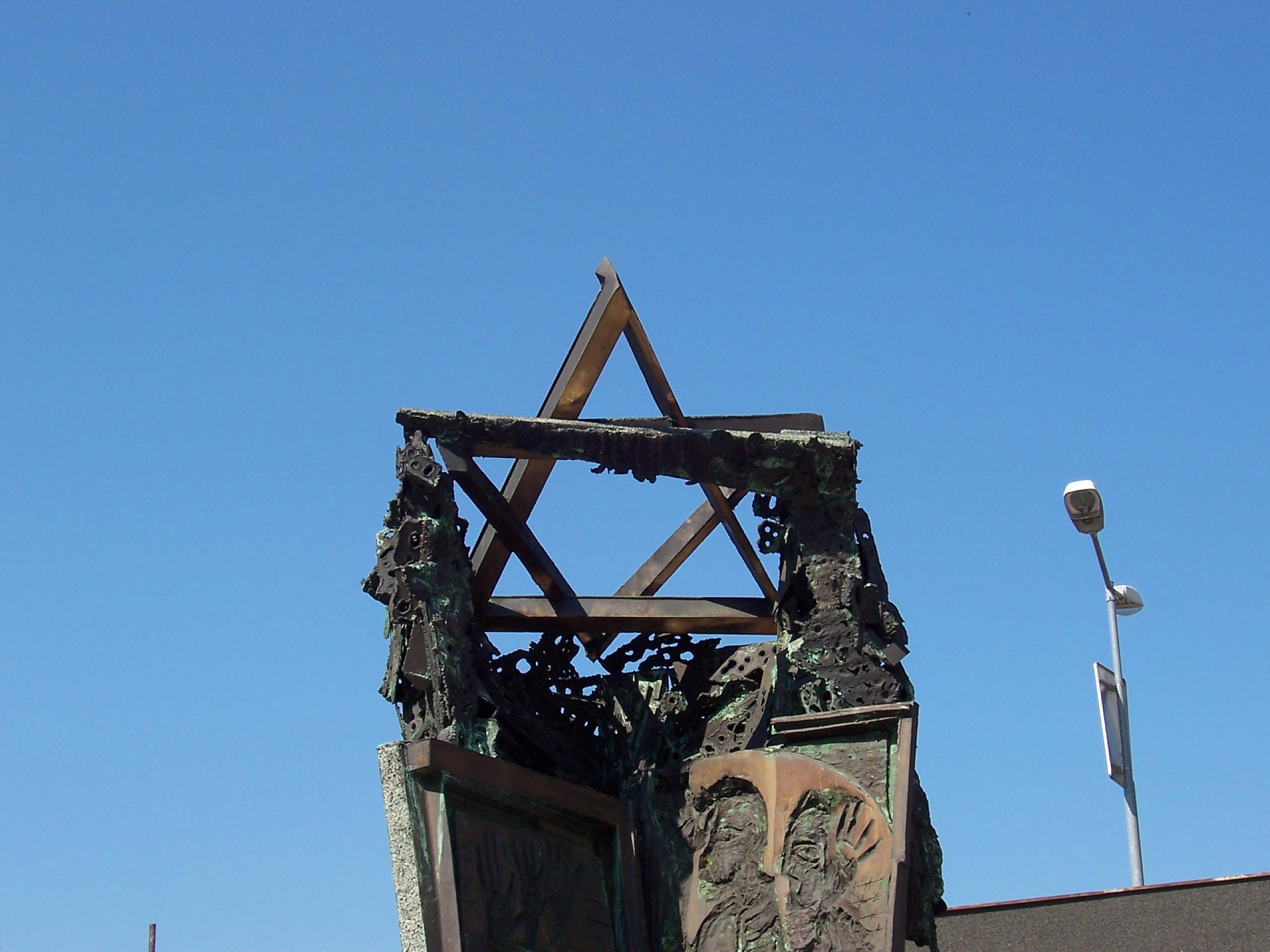
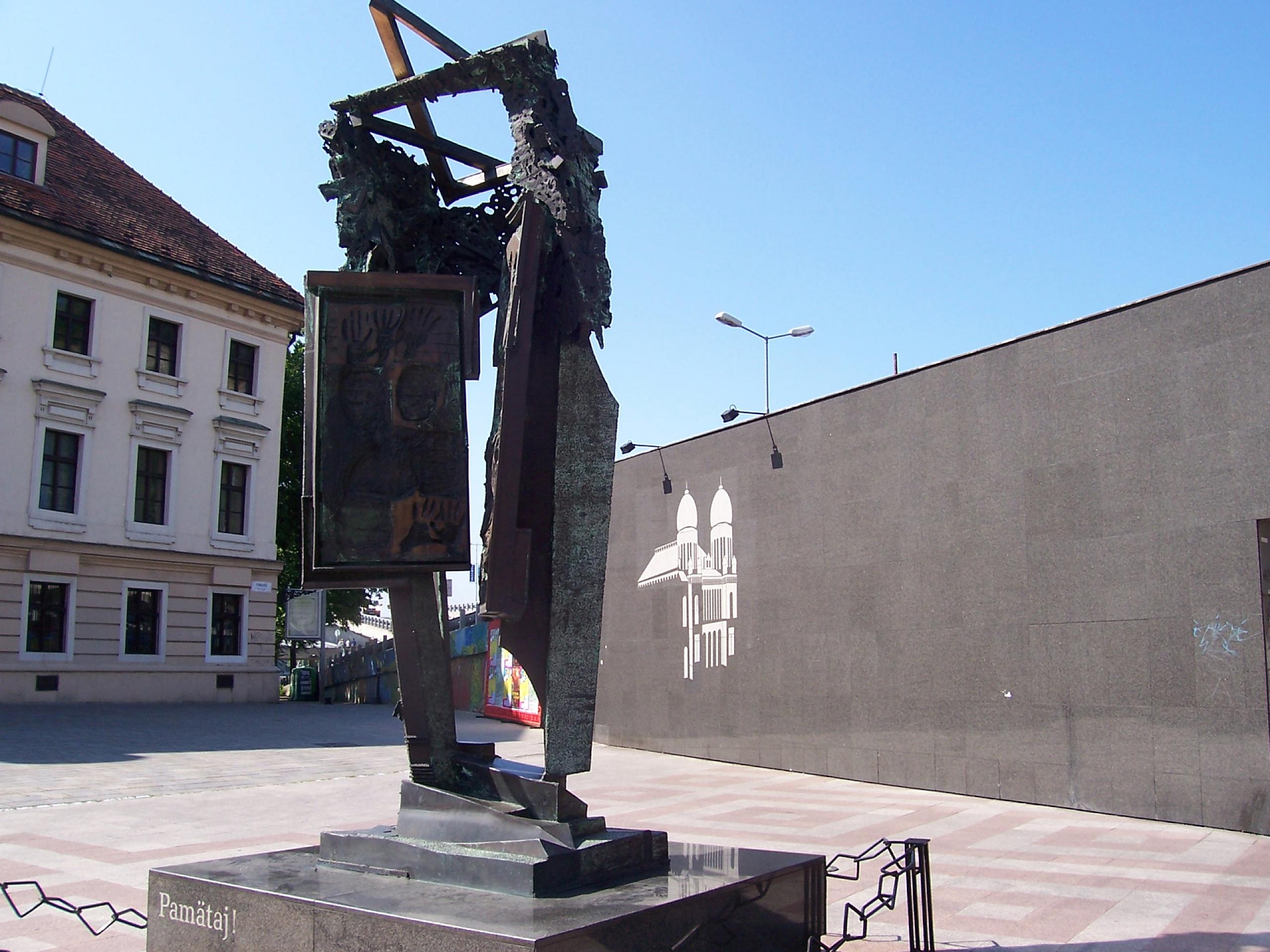
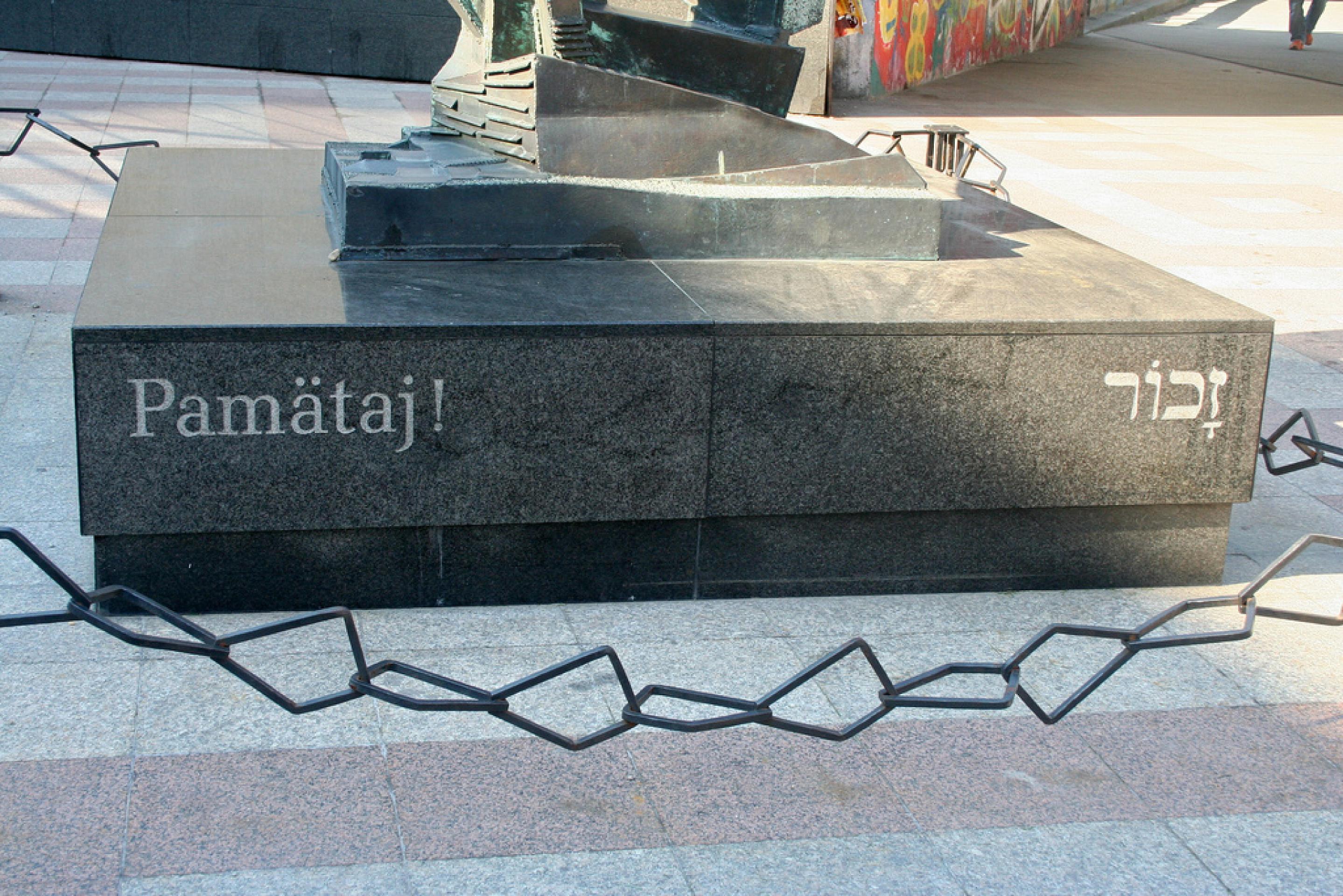
After World War II about 7,000 Jews lived in Bratislava, most of them members of the pre-war community. 1948/49 approximately 4,000 of them left Czechoslovakia which by this time had become a Stalinist country. Many of them emigrated to Israel. Jewish life was impeded by the Communist regime and gradually more and more Jews left the city. In 1967 the authorities decided to demolish the neologian synagogue, which had survived the war unscathed and many other buildings of the borough to make room for the construction of a motorway bridge. Only in 1996 a memorial to the Murdered Jews of Slovakia was erected on the site of the former synagogue. It consists of a black wall showing the silhouette of the synagogue. Within close proximity is an abstract metal sculpture. The work of sculptor Milan Lukáč symbolises the violent deportation of the Jews and the decay of their abandoned houses. That way, the memorial remembers the Jewish community of Bratislava as well as the more than 100,000 Jewish victims from Slovakia. On the site itself there are no information panels or texts. Today there is only one functioning synagogue in Bratislava.
Open
The memorial is accessible at all times.
Contact
Rybné námestie
811 02 Bratislava