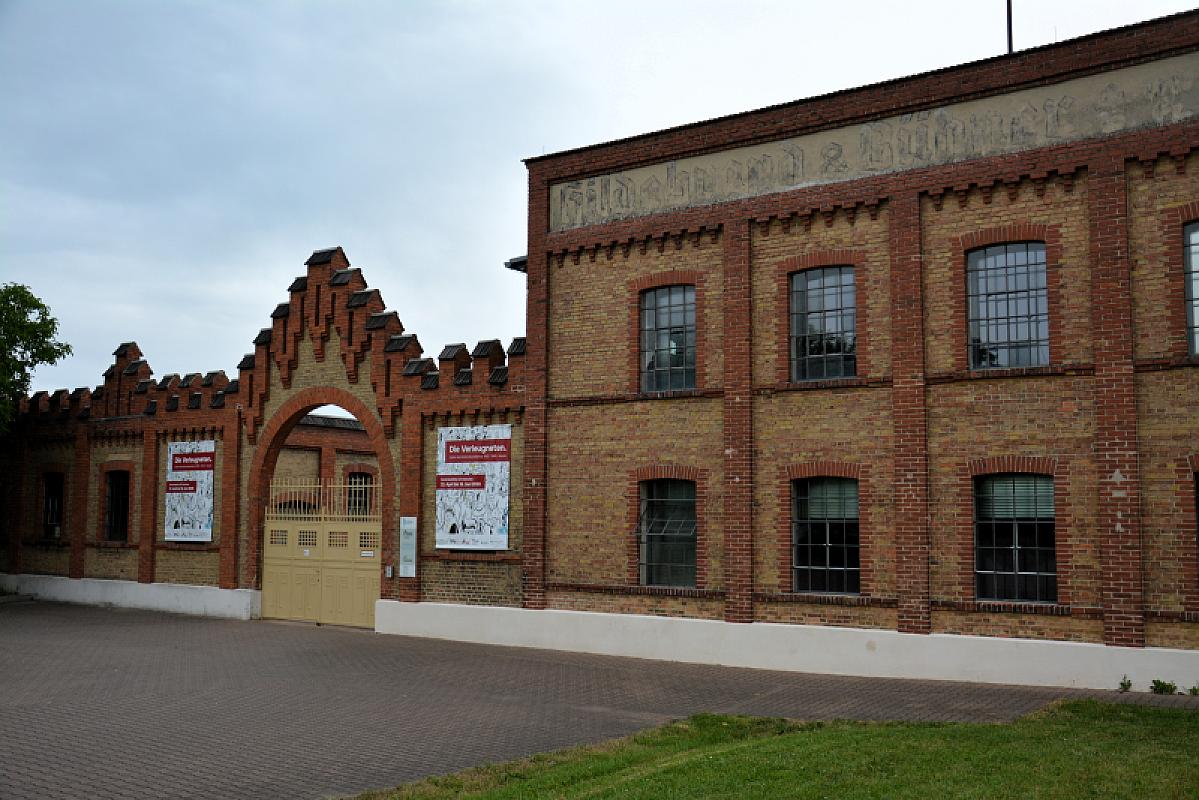
Since its opening in 2004, the state-run Holocaust Memorial Center has been the central Hungarian memorial site to the victims of the Holocaust.
History
Hungary – a country traumatised by its defeat in the First World War – was ruled by a national-conservative regime under Miklós Horthy after 1919. Although Hungarian Jewry had for decades been well integrated, anti-Semitic sentiments were soaring. Already in 1920 the number of Jewish students permitted to enrol at universities was restricted by law.
At the end of the 1930s, Hungary increasingly aligned itself with National Socialist Germany in the hope of reclaiming lost territories. Between 1938 and 1941, three anti-Jewish bills were passed, excluding Jews from economic and public life, and eventually defining them according to racial criteria.
In 1941, Hungary took part in the invasions of Yugoslavia and the Soviet Union. The army drafted Jewish men for labour service: they had to conduct forced labour, were marked as Jews and were mostly deployed in life-threatening conditions. In the summer of 1941, Hungarian authorities forcibly resettled Jews without Hungarian citizenship to Ukraine across the Carpathian Mountains, where the SS shot 16,000 of them at Kamianets-Podilskyi. In January 1942, Hungarian units murdered several hundred Jews in a massacre in Novi Sad, a town which had been annexed to Hungary in 1941. Nevertheless, a majority of the Hungarian Jews believed themselves safe, since the government in Budapest refused to deport them, despite its alliance with Germany.
On March 19, 1944, the German Wehrmacht occupied Hungary. Within a few months, Adolf Eichmann, responsible for »Jewish affairs« at the Reich Main Security Office, organised the ghettoization, disappropriation and finally deportation of the Jews - all with the support of the Hungarian authorities. At the beginning of July 1944, Horthy halted the deportations, but the murders continued on numerous death marches and in the Budapest ghetto until the end of the war.
Victims
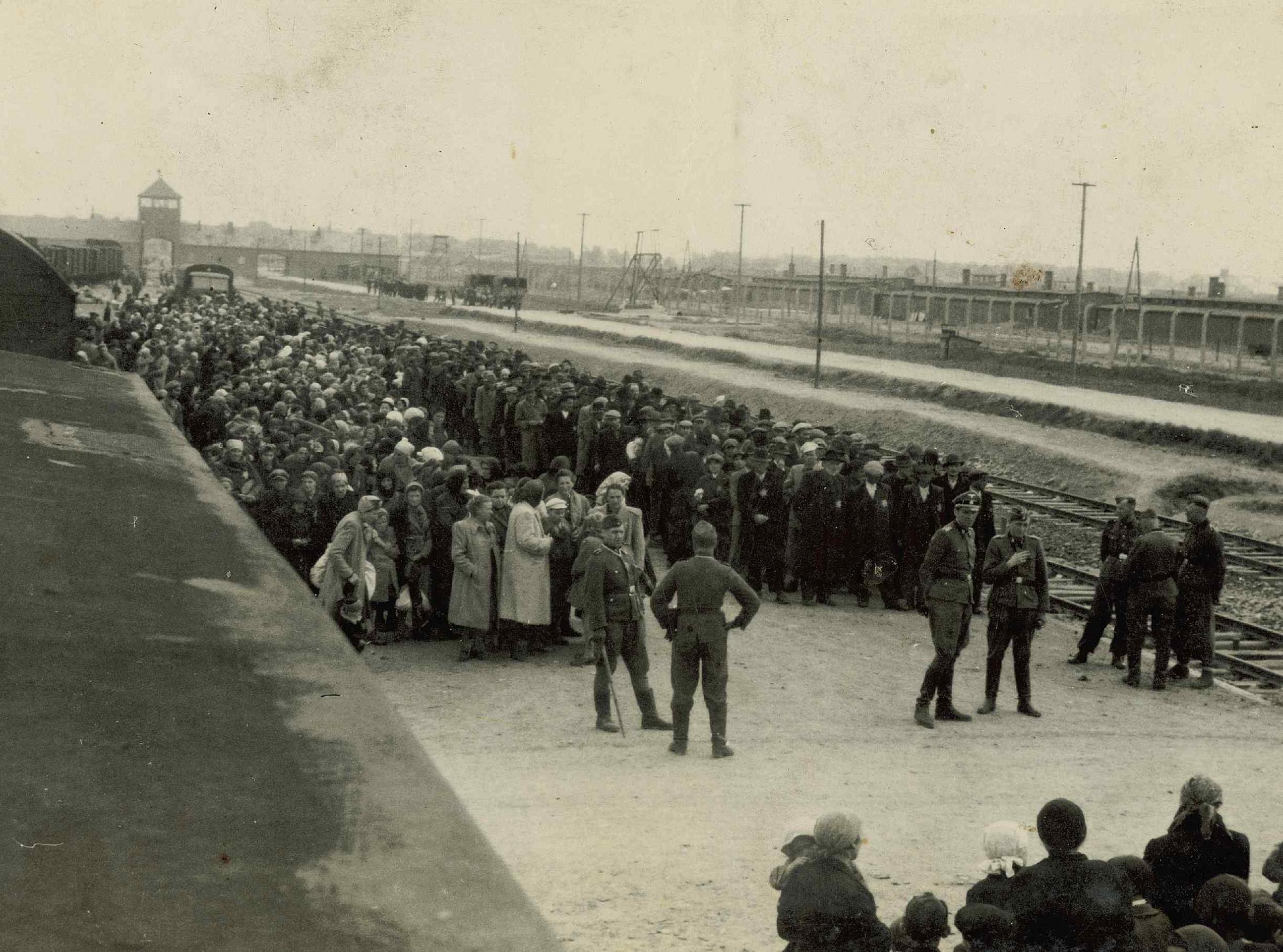
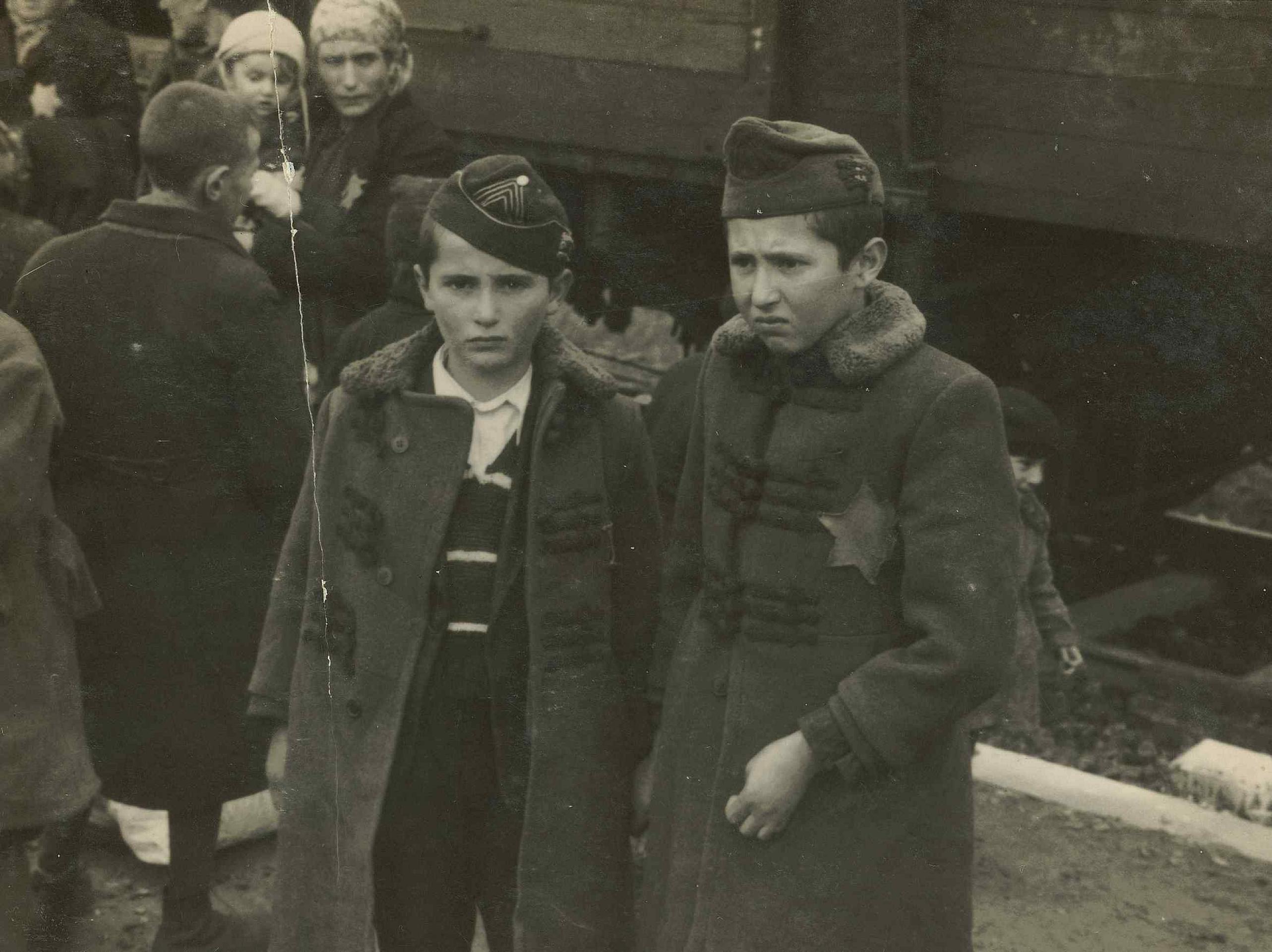
There were about 490,000 Jews in Hungary before the war, of those about 250,000 lived in the capital Budapest. With the territories annexed in the years 1938 to 1941, the number of Jews residing in Hungary grew to 825,000. About 570,000 of them perished during the Holocaust: the SS murdered almost half a million by poison gas in the Auschwitz-Birkenau extermination camp, where they were deported to in the spring and summer of 1944. Tens of thousands died in army labour service, others were murdered on death marches or in the Budapest ghetto at the end of the war. Thousands more died of the inhumane conditions in the Budapest ghetto in the winter of 1944/45.
With Hungary's 1937 borders as the basis for calculation, the number of Jewish victims in this territory comes to a total of 270,000.
Remembrance
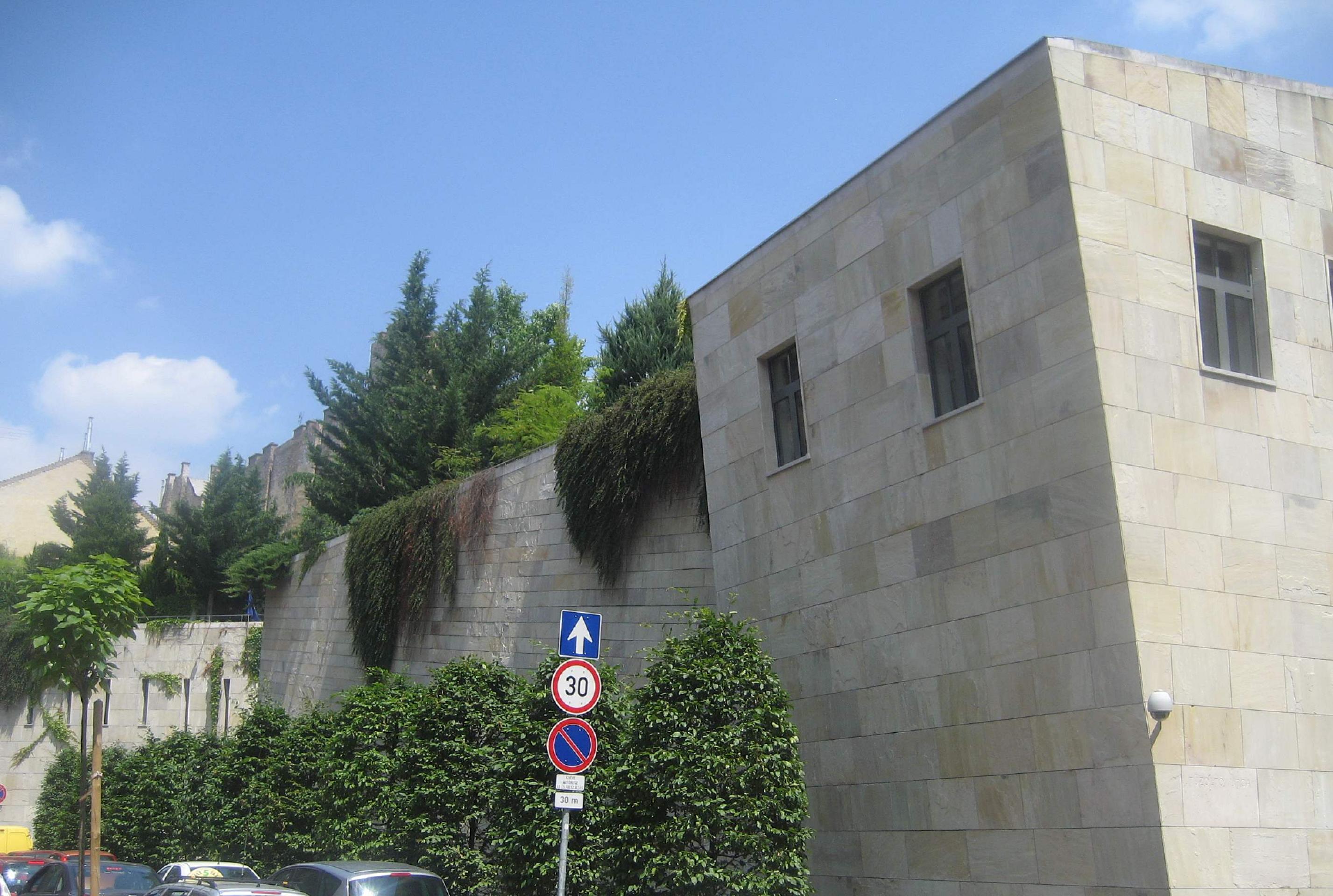
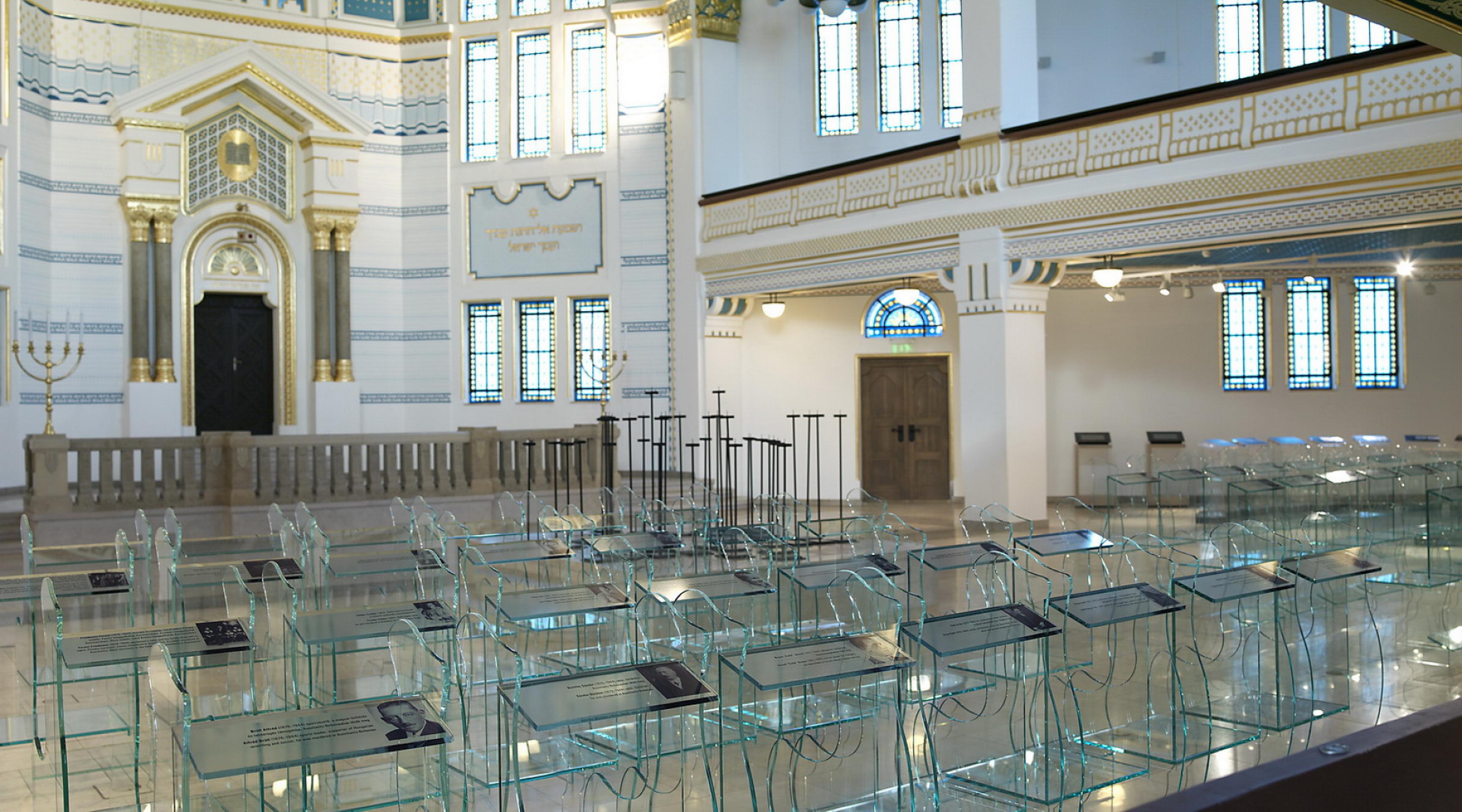
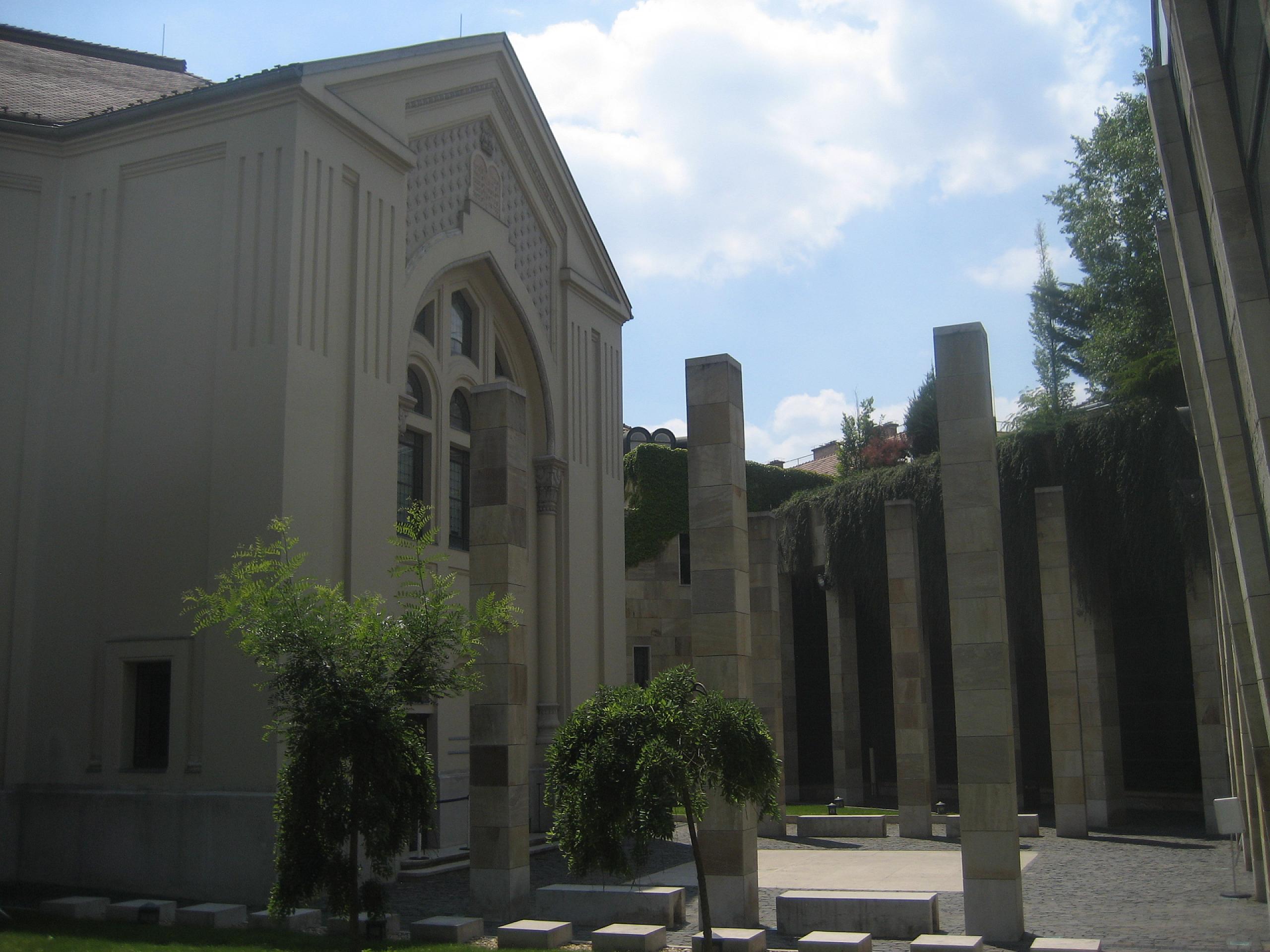
The Hungarian Auschwitz Foundation was set up as a private initiative in 1990 with the aim of documenting the Holocaust and commemorating its Hungarian victims. In 1999, the Hungarian government made a decision to establish such a memorial centre. In 2002, the Auschwitz Foundation became the »Holocaust Documentation Center and Memorial Collection Public Foundation«. Construction work was begun that same year, and in 2004, the Memorial Center was opened. It is not located in the traditional Jewish quarter of Budapest where the ghetto had been, but a little outside of the city centre. The ensemble consists of a restored synagogue originally built in 1923 and a modern new building.
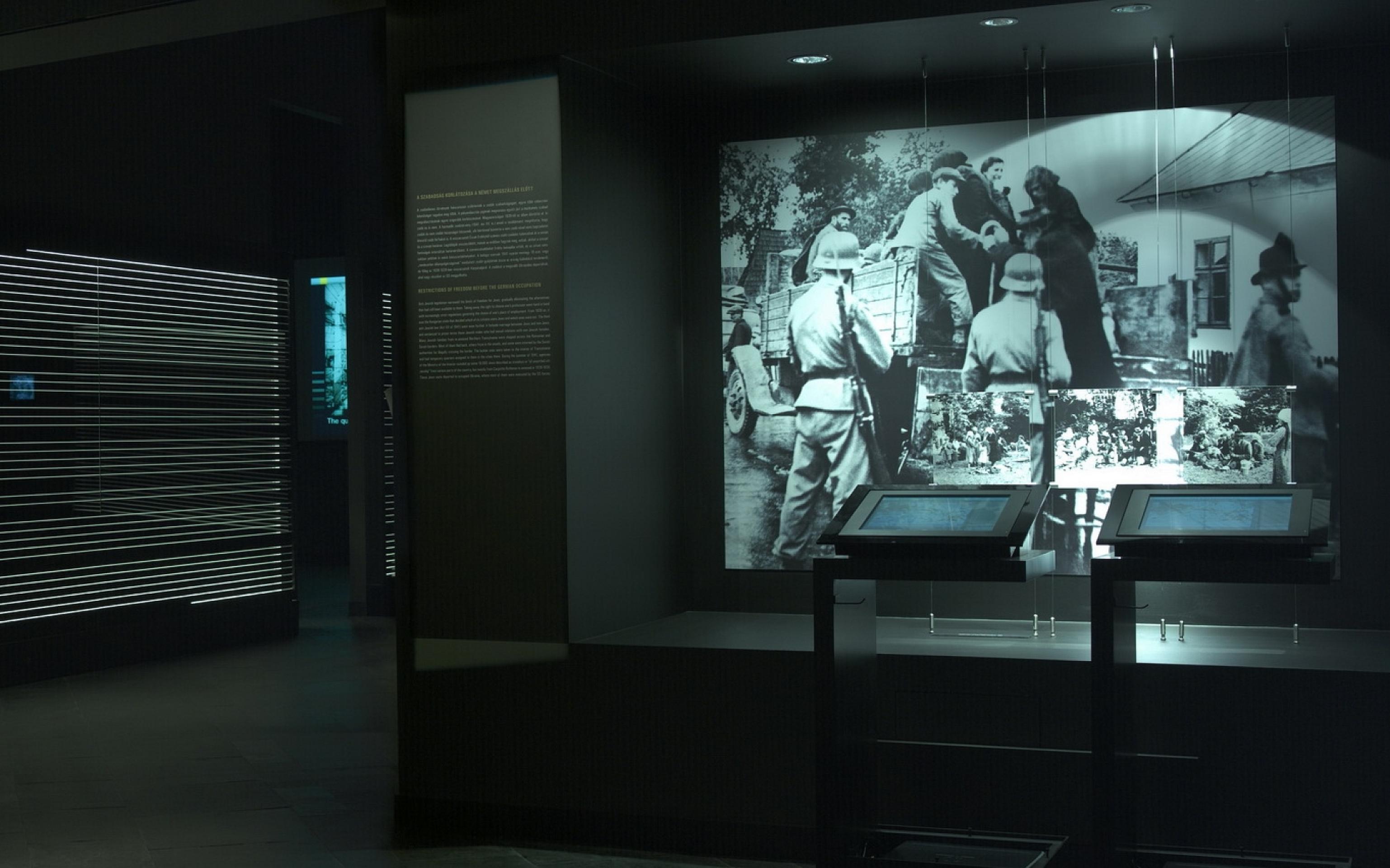
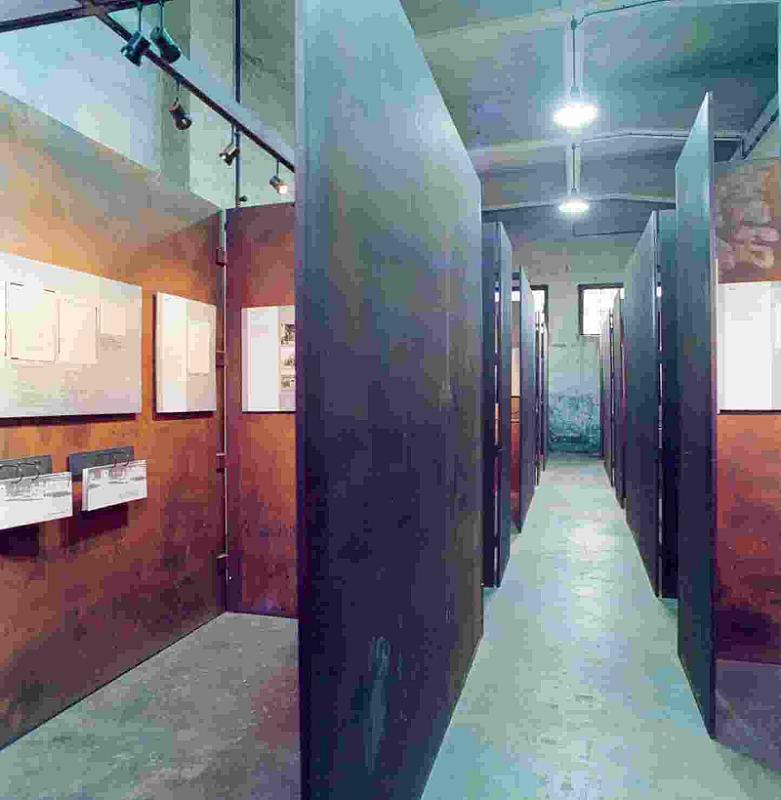
At the core of the memorial site is the permanent exhibition. It uses many multimedia elements and informs about the Holocaust in Hungary and the developments that led up to it. The persecution of Roma is also addressed in the exhibition. The interior of the synagogue is a place of commemoration - empty chairs symbolise the Hungarian victims of the Holocaust. Located in the courtyard is a memorial wall, on which the names of over 140,000 victims have been engraved. Apart from being a research and educational facility, the Memorial Center continues to search for names of Hungarian victims of the Holocaust.
Possibilities
Permanent exhibition about the Holocaust in Hungary, data base with the names of Hungarian victims, events, guided tours, workshops for pupils, training for teachers
Open
Tuesdays to Sundays 10 a.m. to 6 p.m.
Contact
info@hdke.hu
+36 (0)1 455 33 33
Páva utca 39
H-1094 Budapest