Holocaust Memorial Centre for the Jews of Macedonia
Memorijalniot Zentar na Holokaustot na Evreite od Makedonija
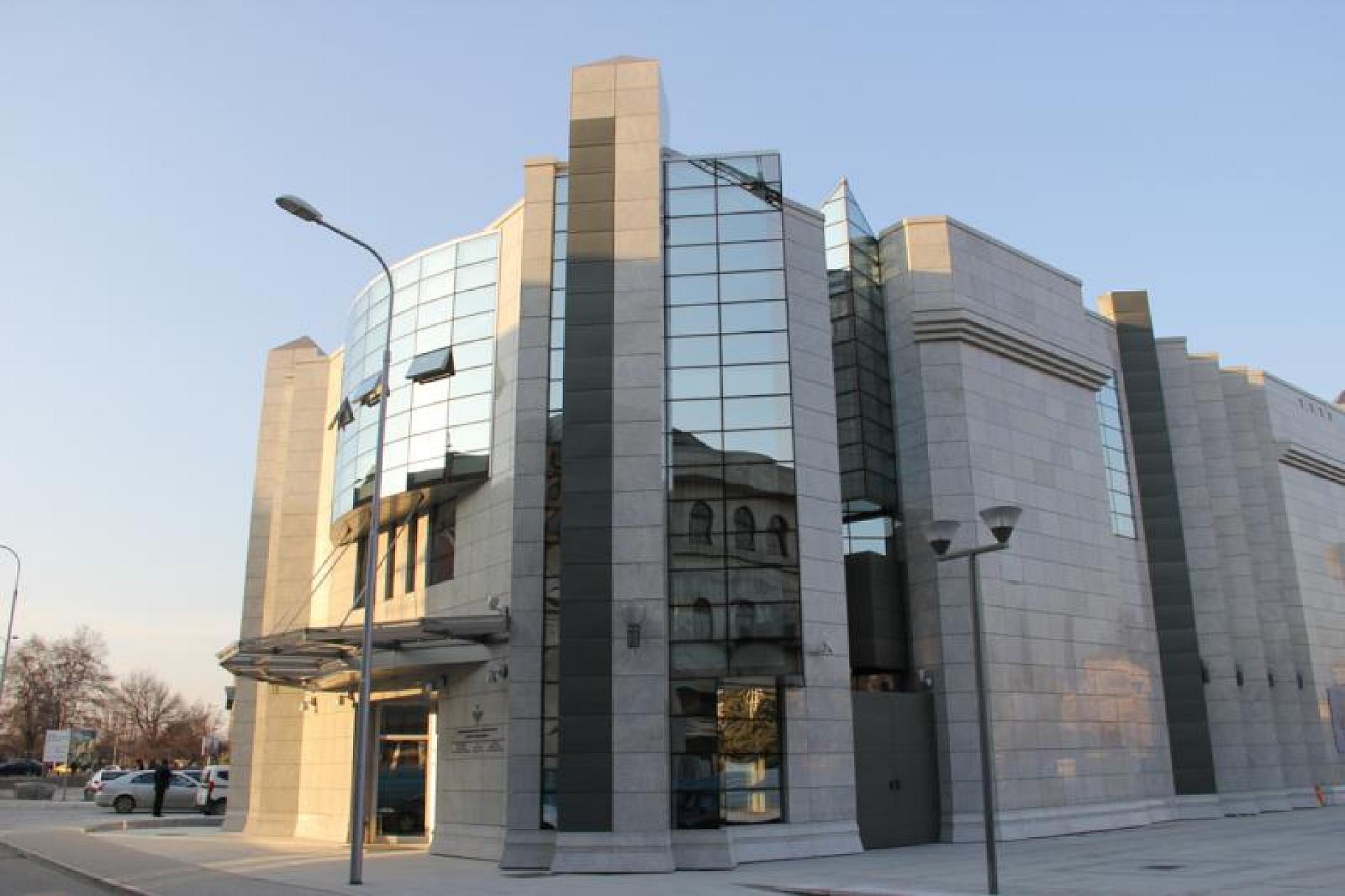
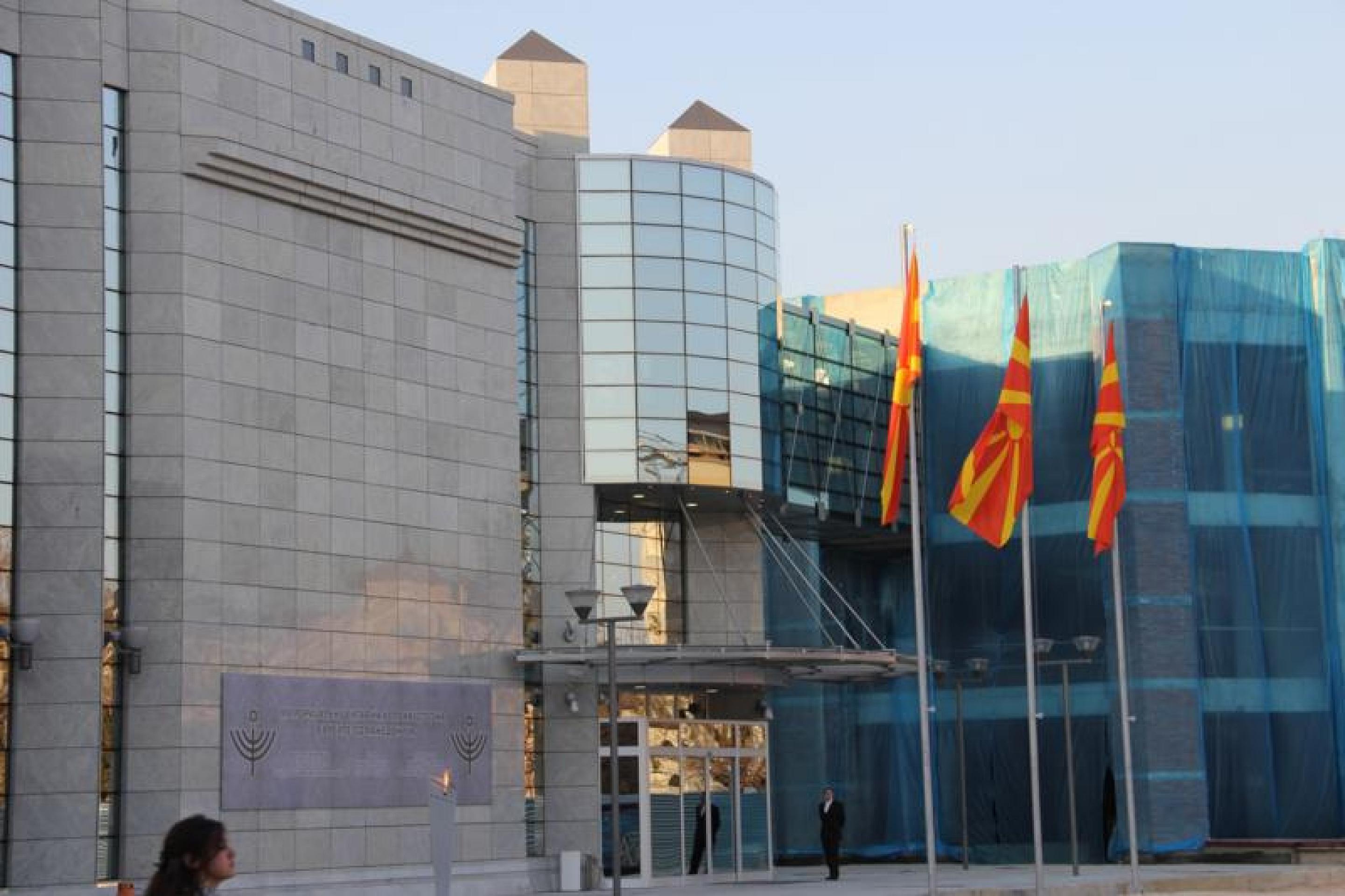
On March 10, 2011 - 68 years after the Jews of Macedonia were arrested and deported by the Bulgarian occupying forces - a national Holocaust Memorial Centre was dedicated in the Macedonian capital of Skopje.
History
Most of the Macedonian Jews were Sephardic; they descended from Jewish refugees who had fled from the Iberian Peninsula to the Balkans around 1500. The majority lived in the country's three largest cities: Skopje, Štip and Bitola. In 1918, Macedonia became part of the newly established south-Slavic state which later became Yugoslavia. During the inter-war period, Jews enjoyed full civil rights.
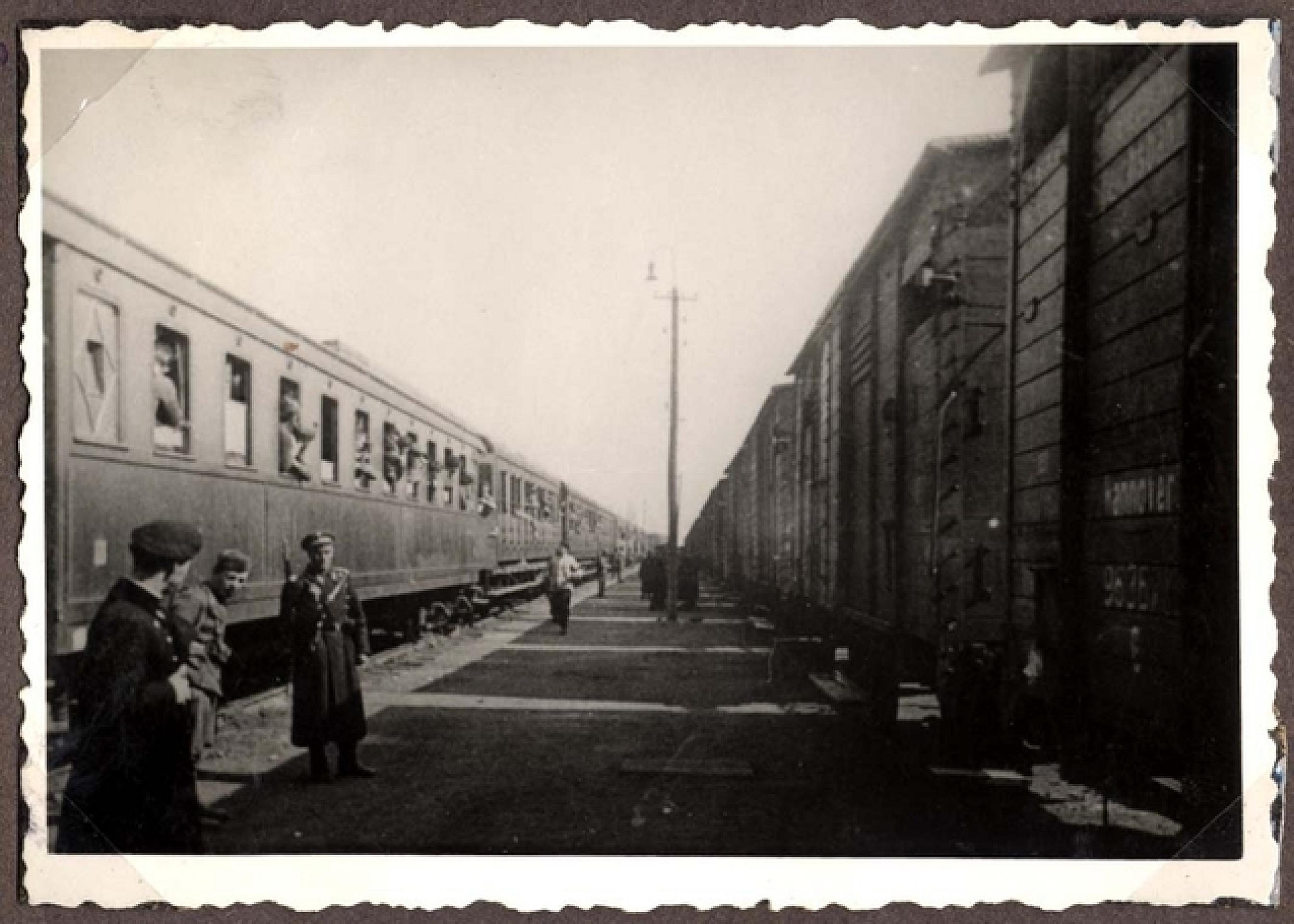
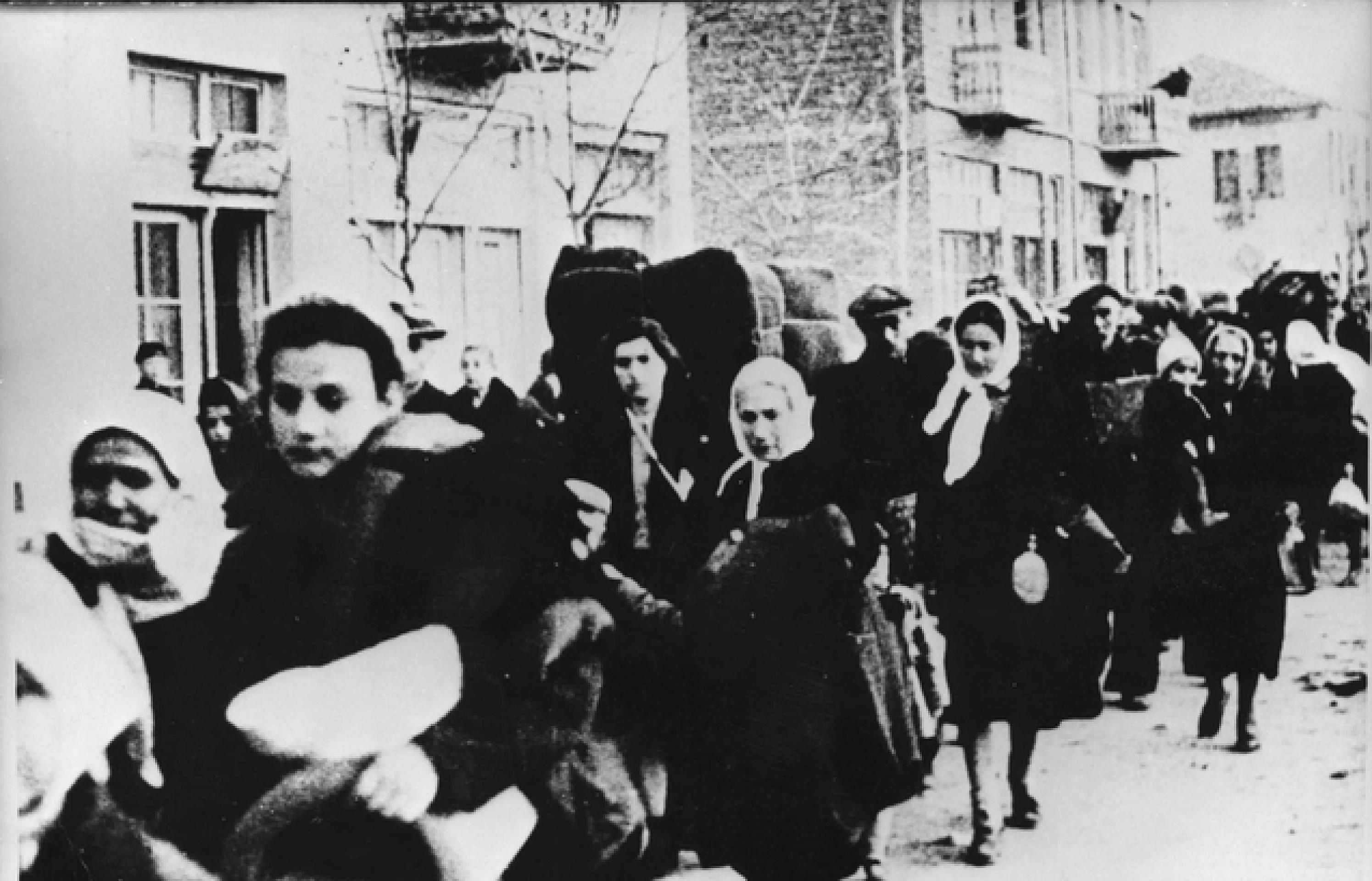
In April 1941, German and Italian forces invaded Yugoslavia and the country was subsequently dismembered. Macedonia was first occupied and eventually annexed by Germany's ally Bulgaria. At the beginning of 1943, the Bulgarian government was pressured into agreeing to deliver the Jewish population from the territories under Bulgarian occupation to the German SS. On March 11, 1943, the Bulgarian police arrested just short of 7,400 Jews in all of Macedonia and interned them in a tobacco factory in Skopje. 11 days later, 155 prisoners were released - mainly foreign citizens as well as doctors and pharmacists, whose expert knowledge was deemed crucial to the Bulgarian authorities. At the end of the month, the remaining inmates were deported to occupied Poland in three transports of the Bulgarian state railway. There, they were murdered by members of the SS at the Treblinka extermination camp.
Victims
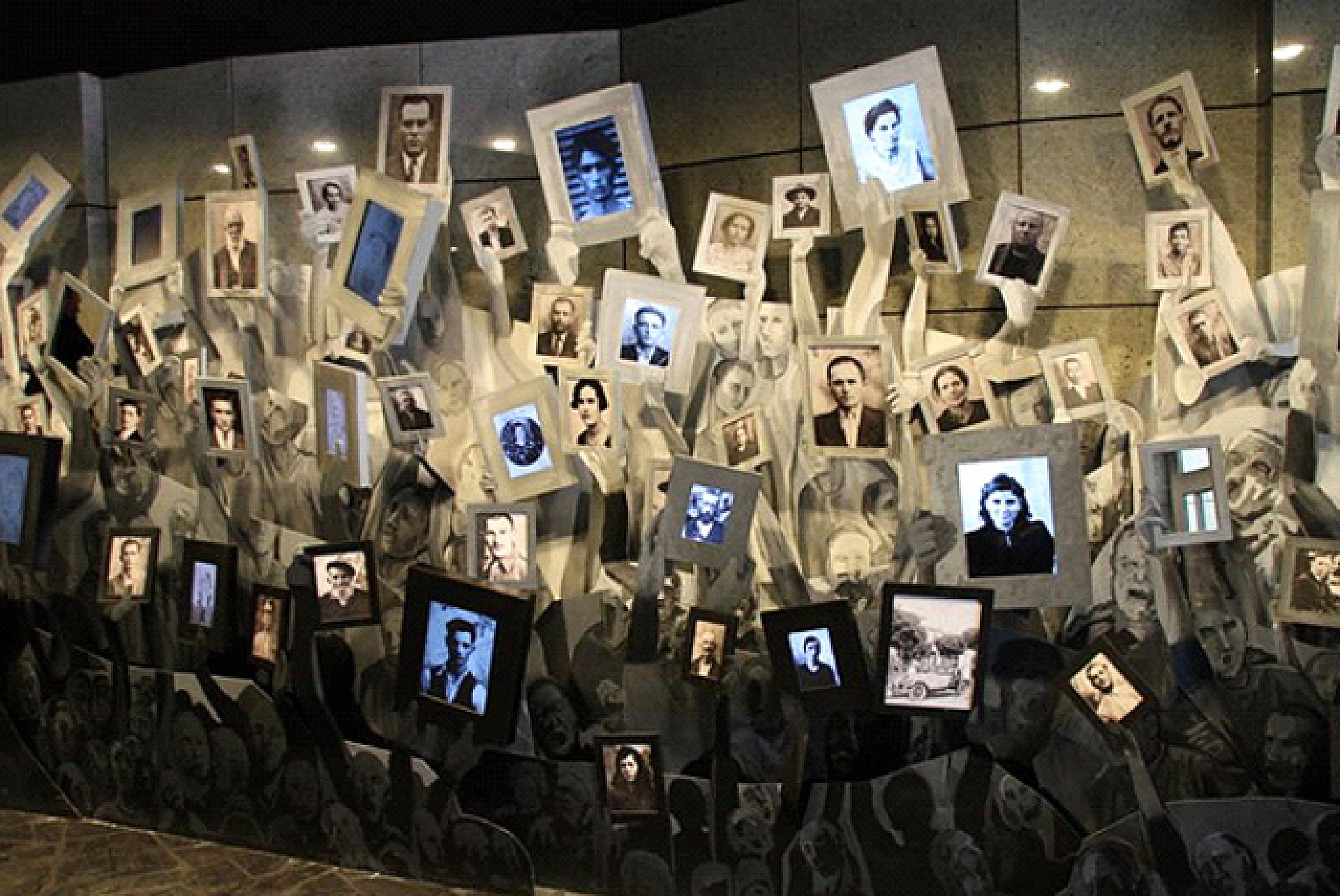
Over 7,100 Macedonian Jews, including 2,300 children, were deported by the Bulgarian authorities to occupied Poland at the end of 1943, where SS units murdered them by exhaust fumes at the Treblinka death camp. Only about two percent of the Jews of Macedonia escaped this fate.
Remembrance
Today, there are about 200 Jews in Macedonia, most of whom live in the capital Skopje.
In 2002, a national Holocaust fund was established, which laid the foundation stone for a memorial centre to the Macedonian Jews in the former Jewish quarter of Skopje in 2005. The institution aims to »preserve the memory of the Macedonian Jews and not only honour the dead, but call into memory their fates and the cultural environment that was annihilated«. The construction, which cost 16 million euros, was dedicated on March 10, 2011, the eve of the 68th anniversary of the arrest of the Macedonian Jews by the Bulgarian occupying forces. In a symbolic act, three urns containing the ashes of Jews murdered at Treblinka were interred at the centre during the inauguration ceremony. The complex comprises a museum, a centre of arts and a hotel.
Open
Tuesday to Friday 9 a.m. to 7 p.m.
Saturday and Sunday 9 a.m. to 3 p.m.
Contact
http://www.holocaustfund.org.mk
info@holocaustfund.org.mk
+389 (0)2 329 8025
11ti Mart
1000 Skopje