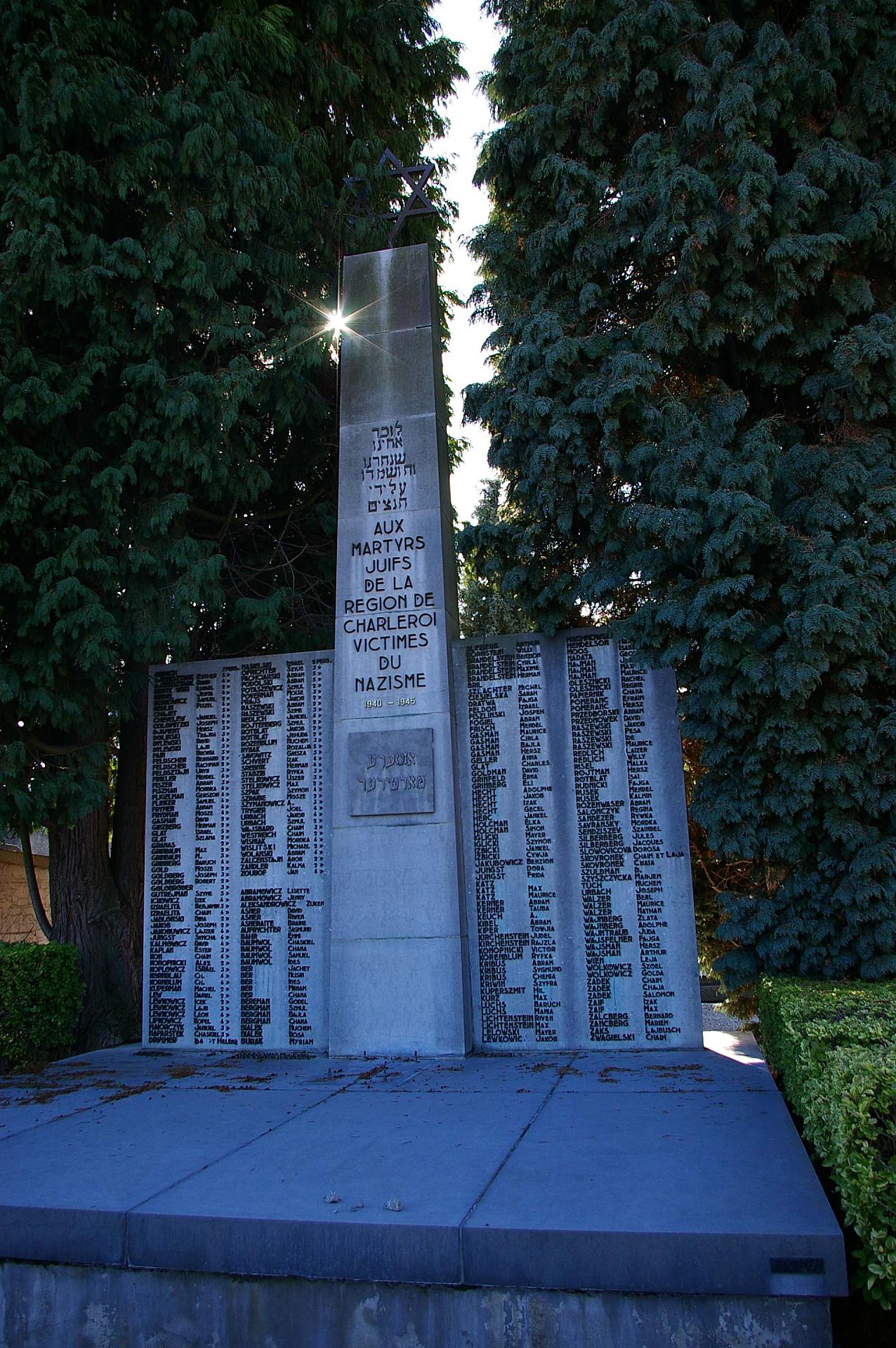
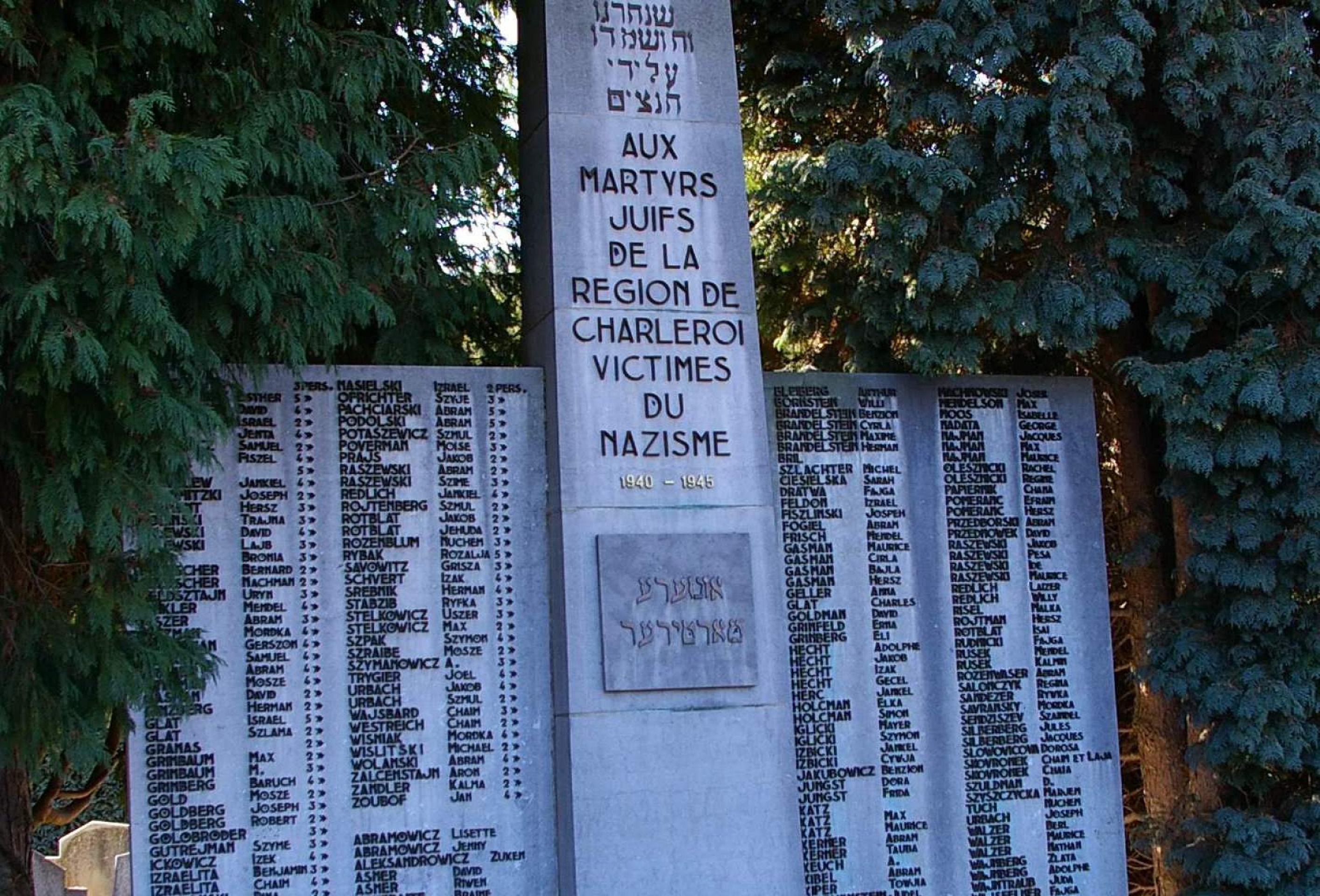
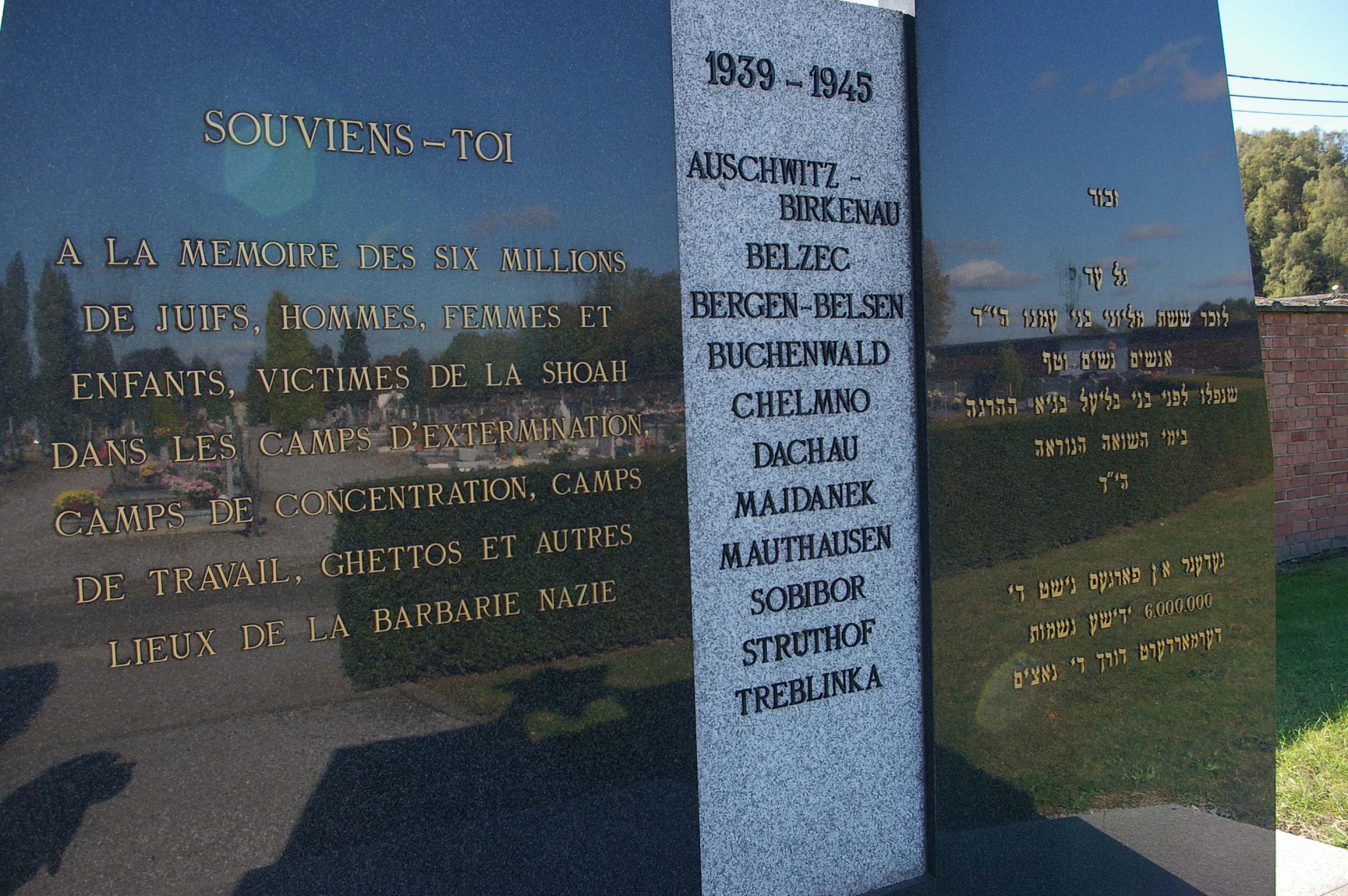
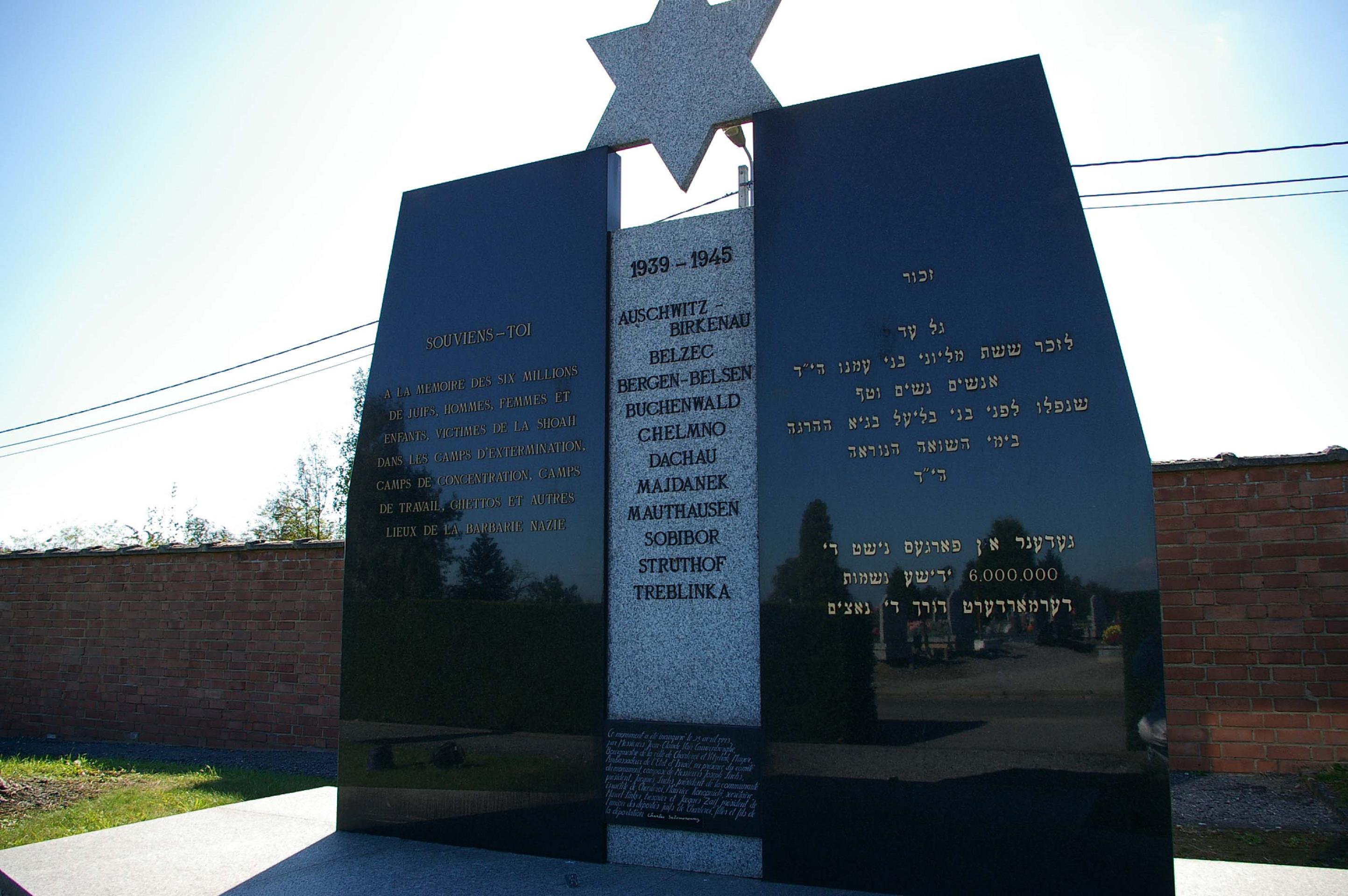
Located in the Jewish section of the Marcinelle district cemetery in Charleroi are two memorials, dedicated to the Jews murdered in the Holocaust.
History
Charleroi is the largest city in the region of Wallonia and it is located in the heart of the »Pays Noir« (English: black country), the Belgian coal pan. Prior to World War II, there were about 600 Jewish families living in Charleroi, making it home to Belgium's fourth largest Jewish community - after Brussels, Antwerp and Liège. Most of them had immigrated to Belgium from Eastern Europe following World War I. After the German invasion of Belgium, anti-Jewish decrees aimed at suppressing the Jewish population and excluding it from society were issued by the military administration - this also affected the Jews of Charleroi. Between October 1940 and September 1943, the occupying forces issued a total of 18 anti-Jewish decrees which entailed an exclusion of Jews from public life, expropriation of their belongings and prepared their impending deportation and extermination. Charleroi was one of the four cities in Belgium in which Jews were allowed to live during the occupation. In August 1942, the SS began deporting Jews from the Mechelen collection camp to Auschwitz and other concentration camps in the east. In all, 446 Jews from the region of Charleroi fell victim to the National Socialist policy of extermination. Today, only about 40 Jews live in Charleroi.
Victims
Presumably 446 Jews from the region of Charleroi perished in the Holocaust.
Neutral Belgium was attacked in May 1940 and was subsequently governed by a German military administration. The German-speaking districts of Eupen and Malmedy in the east of the country were incorporated into the Third Reich. At the time, there were around 66,000 Jews in Belgium, including many refugees. The first anti-Jewish laws were enacted in October 1940. In 1942, the occupying power’s policy of persecution and expropriation culminated in preparations for systematic deportation. As only a few of the Jews reported for their alleged forced labour deployment the SS and police carried out raids to capture them. Those arrested were sent to the Mechelen transit camp before being deported to the Auschwitz extermination camp, where they were murdered on arrival. A total of around 25,000 Jews and over 350 Roma from Belgium died as a result of deportation.
From September 1940, the Breendonk fort near Antwerp served as a prison and an assembly and transit camp. Above all political opponents of the Nazi occupation were transported from here to the German concentration camps. At the end of 1944 the Ardennes Offensive, also known as the Battle of the Bulge, resulted in widespread destruction and many civilian casualties as German troops tried in vain to hold back the Allies in south-east Belgium (around Liège and Malmedy), who had already reached Aachen. Around 90,000 Belgians fell victim to the war and occupation. The majority of the Jewish population survived thanks to the help of non-Jewish Belgians.
The culture of remembrance in Belgium was and continues to be divided in line with the political structure of the country. In French-speaking Wallonia, exaggerated accounts of the resistance prevailed for a long time, along with the one-sided view that people in Flanders had been collaborators. By contrast, in Flanders many glossed over the issue of collaboration under the German occupation, viewing this in terms of a fight for the Flemish nation in the face of persecution from the Belgian state.
The persecution of the Jews was repressed and the victims only commemorated by the Jewish community. Since the 1980s, however, Belgian sites of memory have begun to acknowledge the collaboration on the part of both Flanders and Wallonia and to document the oppression as well as the resistance during the war. With the inauguration of the Jewish Museum of Deportation and Resistance in Mechelen (Flanders) in 1995 it became clear that the experiences of both Jewish and non-Jewish Belgians in the camps could provide a bridge between different memories. In today’s Belgium the range of distinct memorial sites such as the Breedonk Fort National Memorial to the Belgian resistance and the museum at Mechelen are all considered legitimate aspects of the culture of remembrance.
Remembrance
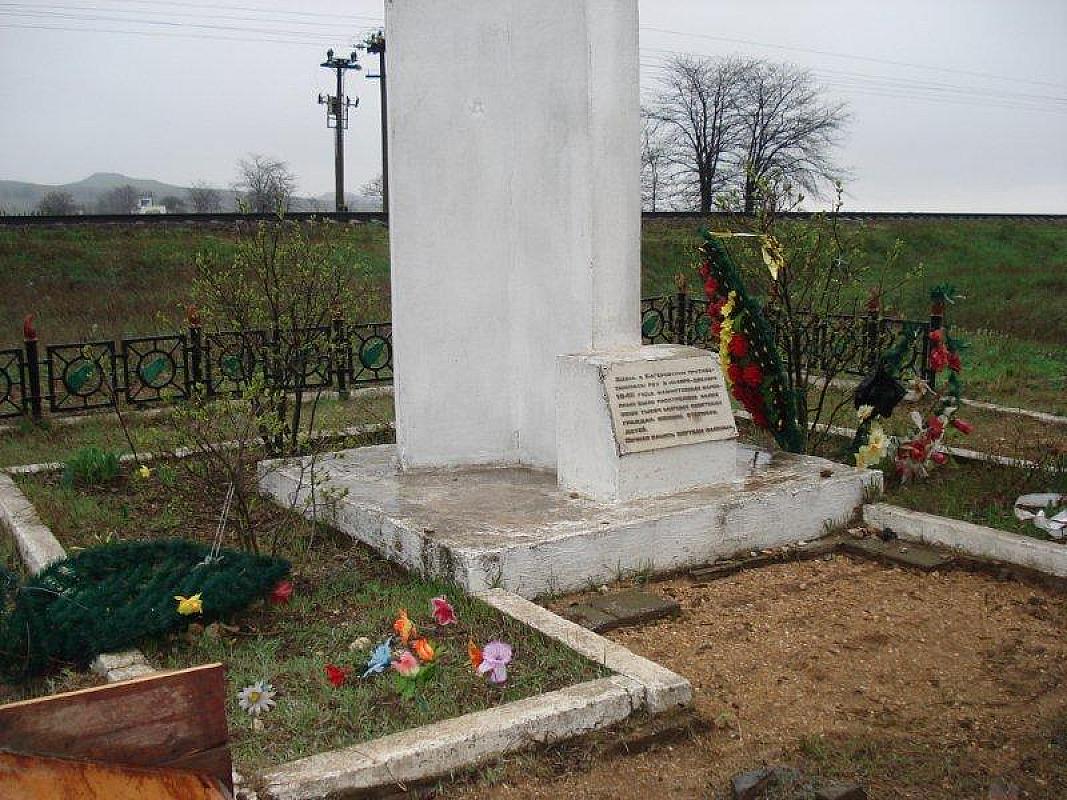
There are two memorials in the Jewish section of the Marcinelle cemetery in Charleroi. The first was set up on initiative of the Jewish community of Charleroi and the »Union des déportés et résistants juifs de Charleroi« (English: Association of Jewish Deportees and Resistance Fighters of Charleroi) and unveiled on April 19, 1964. It honours the 446 Jews from the region of Charleroi who were deported to concentration camps in the east and murdered there. The second memorial - dedicated to all six million victims of the Holocaust - was erected in 1993.