Holocaust memorials in Chernivtsi
Меморіали жертвам Голокосту в Чернівцях
Several monuments in Chernivtsi (German: Czernowitz, Romanian: Cernăuţi), which lies in the historic region of Bukovina, commemorate the Jews of Czernowitz who were murdered during the German and Romanian occupation of the city from 1941 to 1944 or fell victim to the inhumane conditions in the ghetto.
History
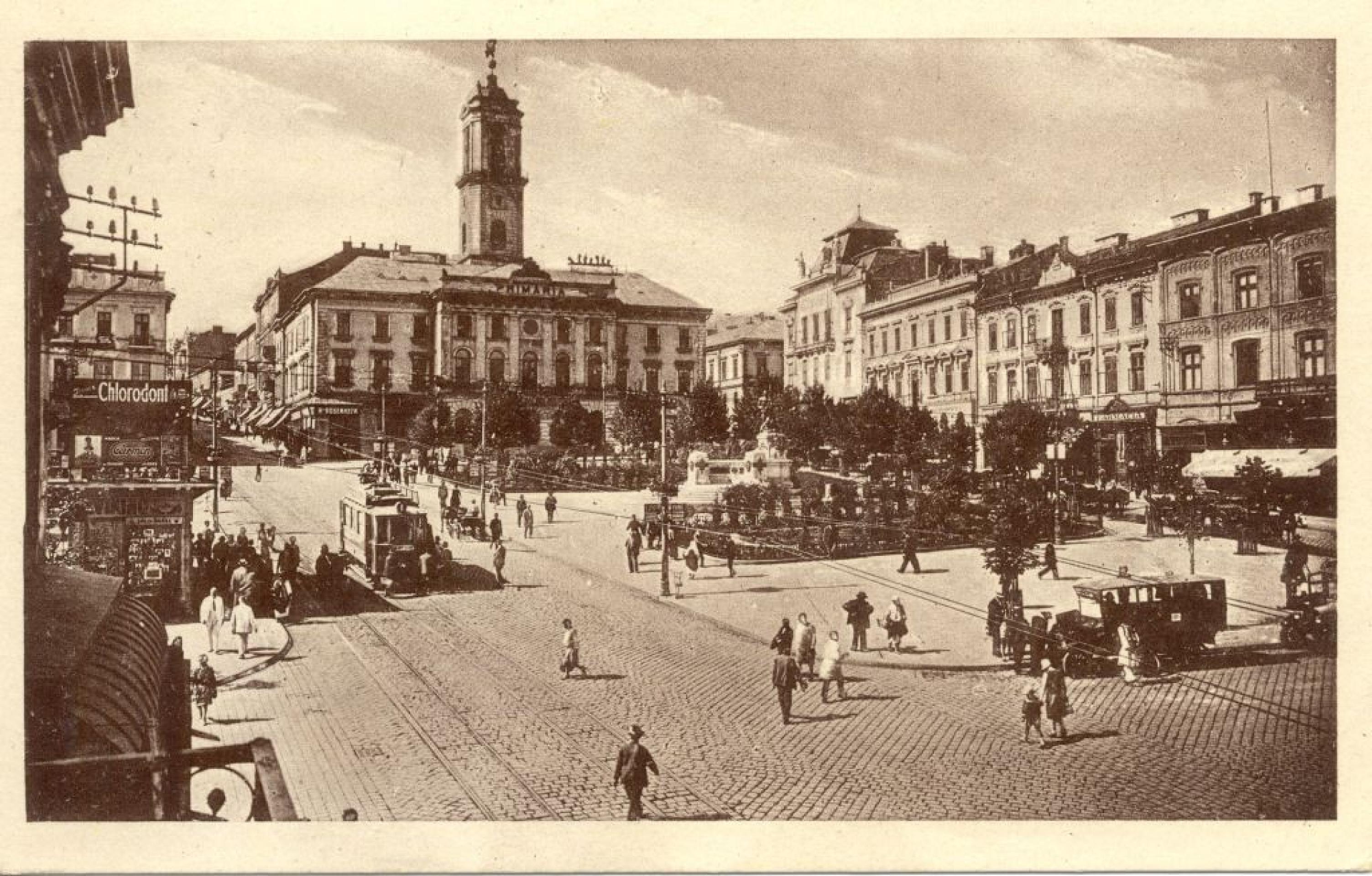
Czernowitz, capital of the historic region of Bukovina, was part of Austria-Hungary until 1918. Bukovina was the epitome of multi-ethnicity in the Austro-Hungarian Empire; during this period, Jewish life in the city flourished, a prime example of this being the completion of the magnificent synagogue of the reformed community in 1877. After World War I, the Bukovina region became part of Romania. In 1940, the Soviet Union occupied the northern part of Bukovina, including Czernowitz, in accordance with the Molotov-Ribbentrop Pact, and Romania was forced to cede these territories under diplomatic pressure exerted by the German Reich. At the time, Czernowitz was home to nearly 50,000 Jews representing over a third of the total population. During the Soviet occupation of the city, the Soviet secret service NKVD deported many inhabitants of Czernowitz to Siberia, among them thousands of Jews.
After the German invasion of the Soviet Union in 1941, during which Romania fought alongside the Germans, the region came under Romanian rule. The invading armies marching into Czernowitz were closely followed by SS-Einsatzkommando 10b (mobile killing squad). By August 1941, the SS mobile killing unit and Romanian troops shot over 600 Jews, while many more were taken hostage. In October 1941, Romanian dictator Ion Antonescu deported the Jews of Bukovina to Transnistria, a region in the Ukraine under Romanian occupation, as agreed upon with the German military. By November 1941, over 28,000 Jews were deported from Czernowitz across the river Dniester. Further transports carrying several thousand Jews from Czernowitz followed in 1942. Only few survived the forced labour, terror and inhumane conditions in the camps and ghettos of Transnistria. Those who remained in Czernowitz had to conduct forced labour under dire conditions. When the Red Army reached Czernowitz in April 1944, it liberated about 14,500 Jews.
Victims
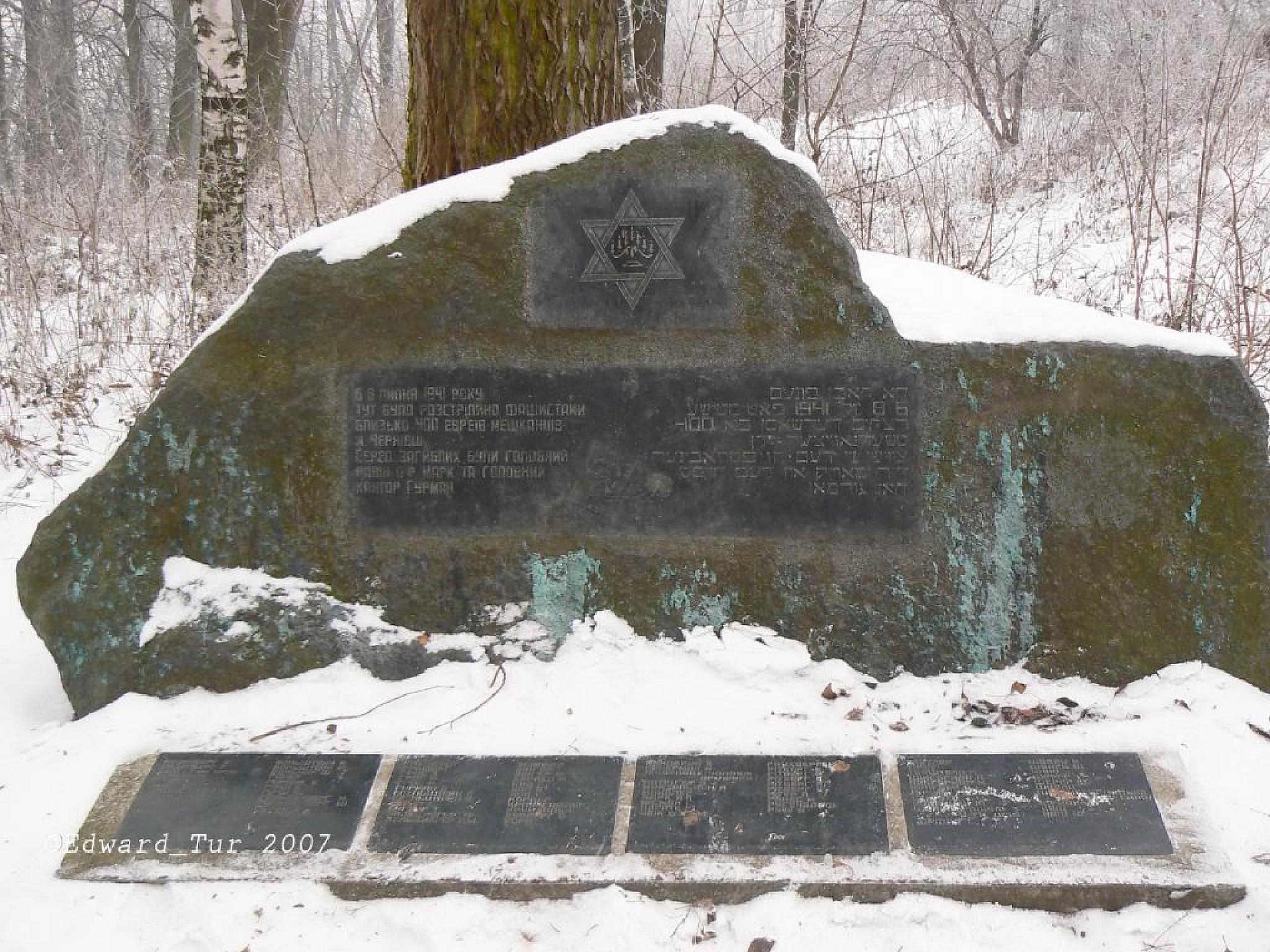
The monument, which is located on the bank of the river Prut, is dedicated to the approximately 600 Jews from Czernowitz who were murdered by the German SS mobile killing squad 10b in July 1941. In all, the Romanian authorities deported about 90,000 Jews from Bukovina to Transnistria; only about half of them survived.
Remembrance
After World War II, Czernowitz once again became part of the Soviet Union. A majority of the Jewish survivors emigrated, most of them to Israel. The Romanian population too diminished after the war - today, the city is to a large degree inhabited by Ukrainians. There are about 1,500 Jews in the city which is now called Chernivtsi. The former synagogue was severely damaged shortly after the German and Romanian invasion in 1941; the building now houses a cinema, having been deprived of its former splendour. Other synagogue buildings and Jewish institutions too presently no longer serve their initial purposes.
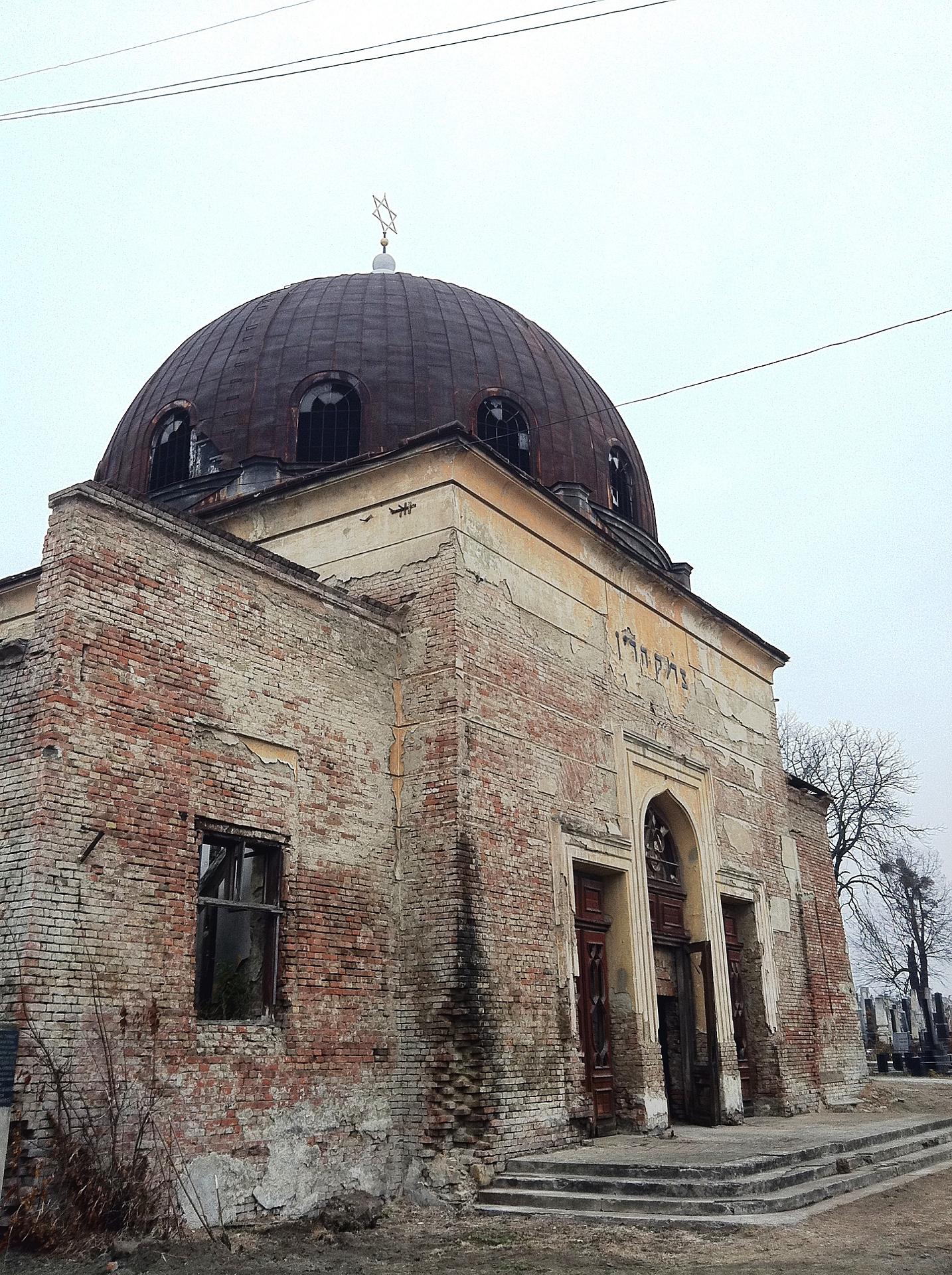
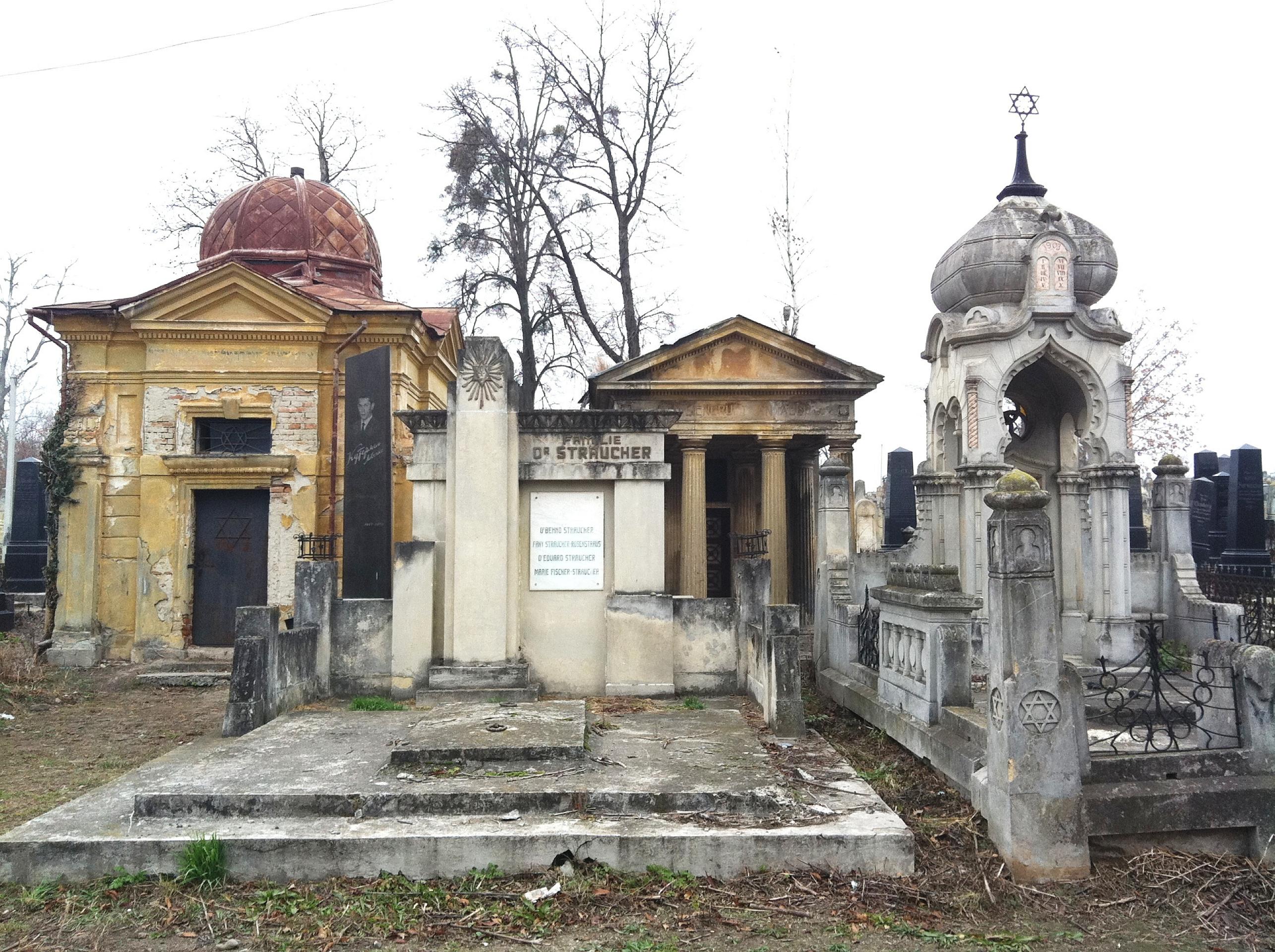
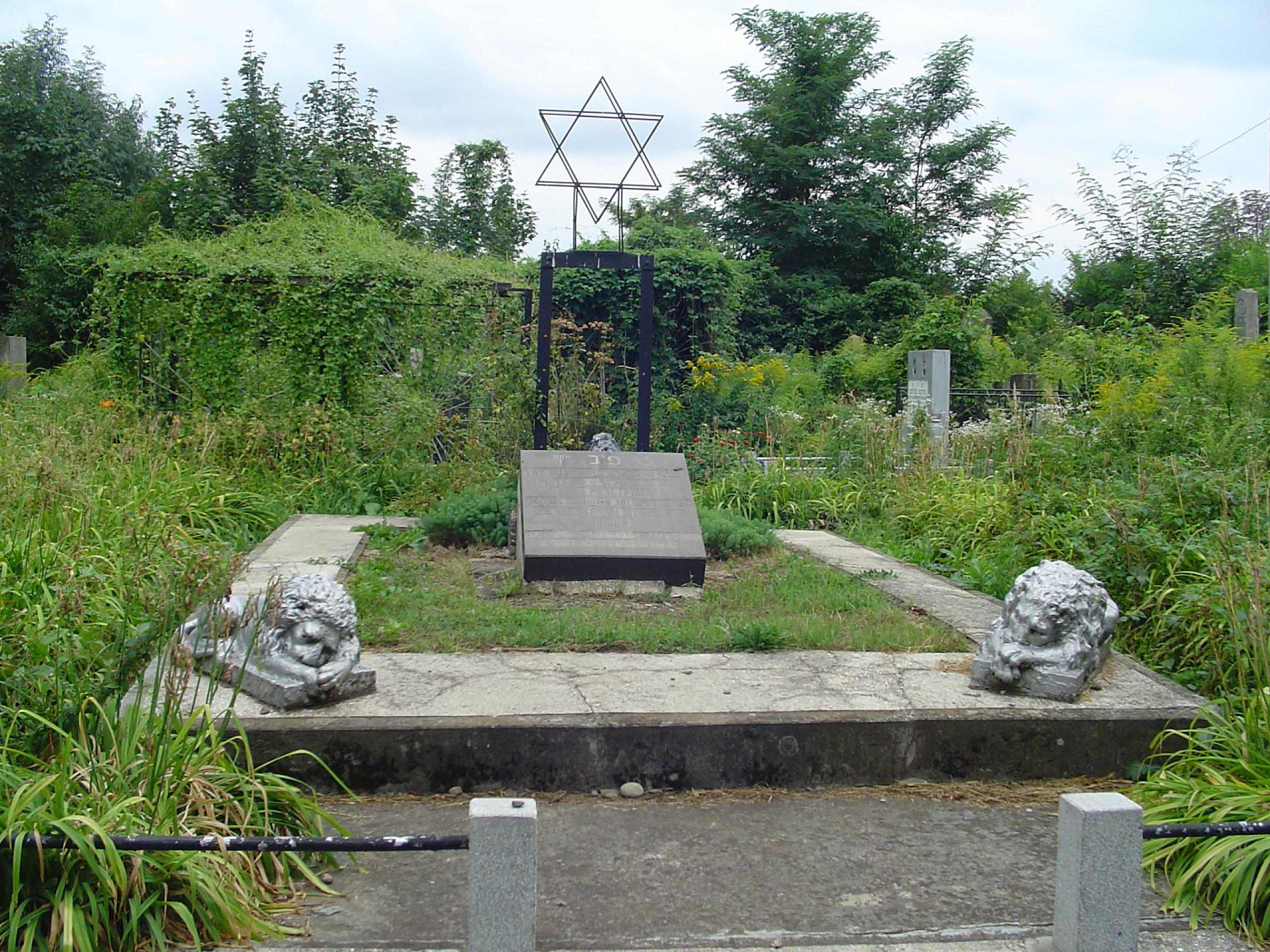
The most significant reminder of the once great Jewish community of Czernowitz is the Jewish cemetery. With over 50,000 graves, it is one of the largest surviving Jewish cemeteries in Europe. It is maintained by volunteers. Located on the cemetery is a mass grave for Jews murdered by pillaging Romanian soldiers during the first days of the occupation. Due to the summer heat, the victims had to be buried in great haste.
A memorial to the victims of the mass shootings carried out by the SS killing squads lies on Pidhaetska street, close to the bridge across the river Prut.
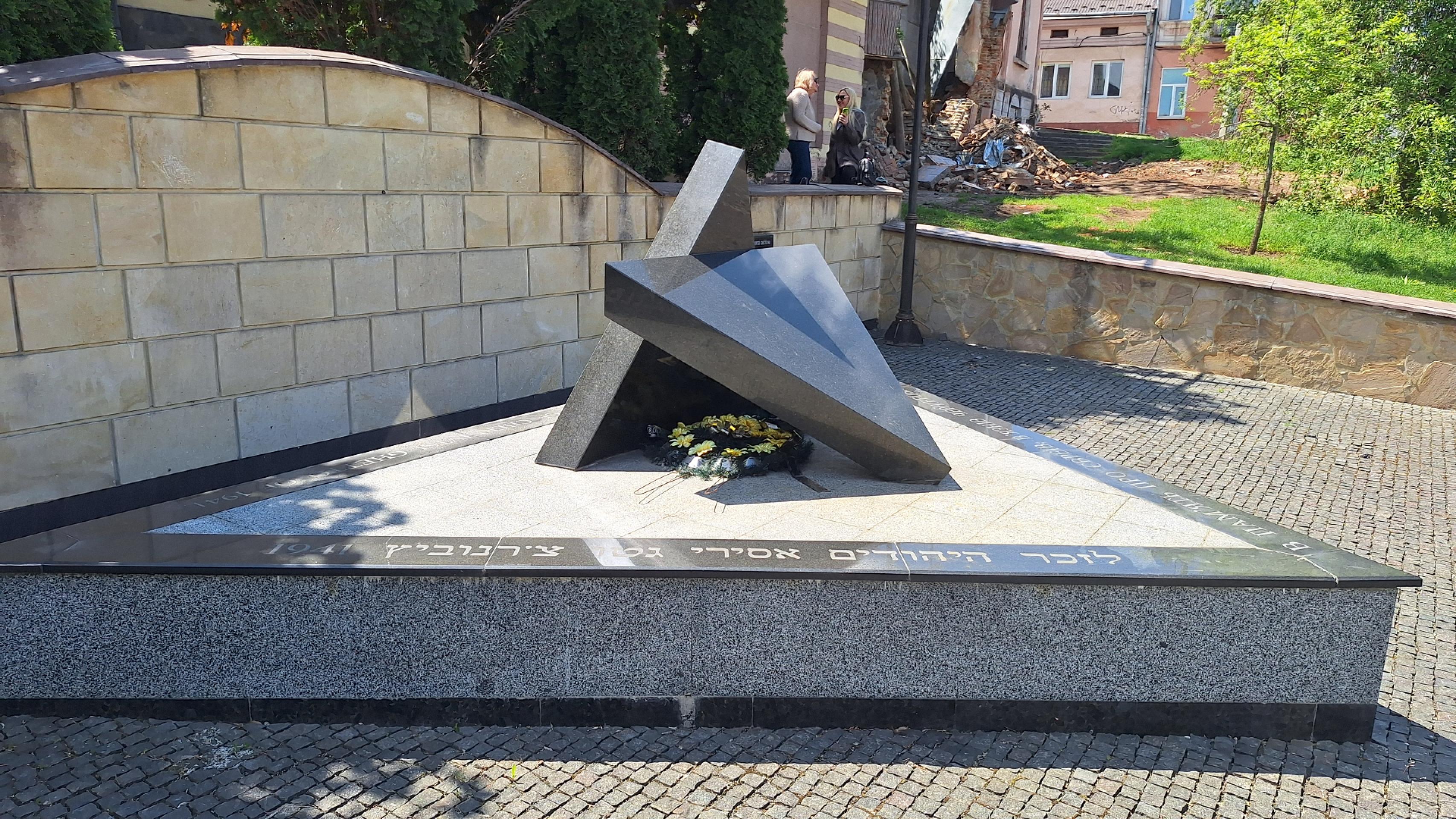
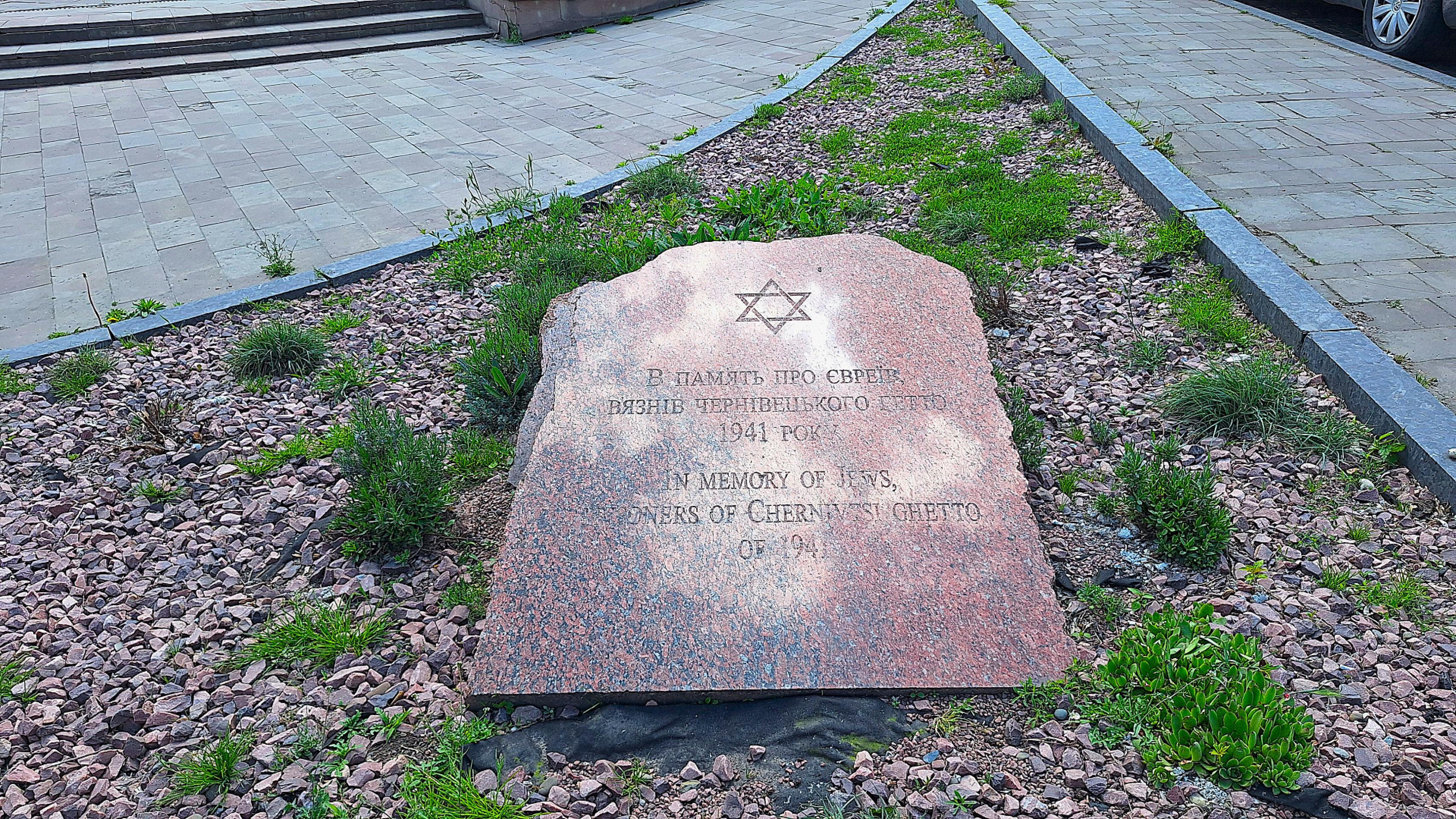
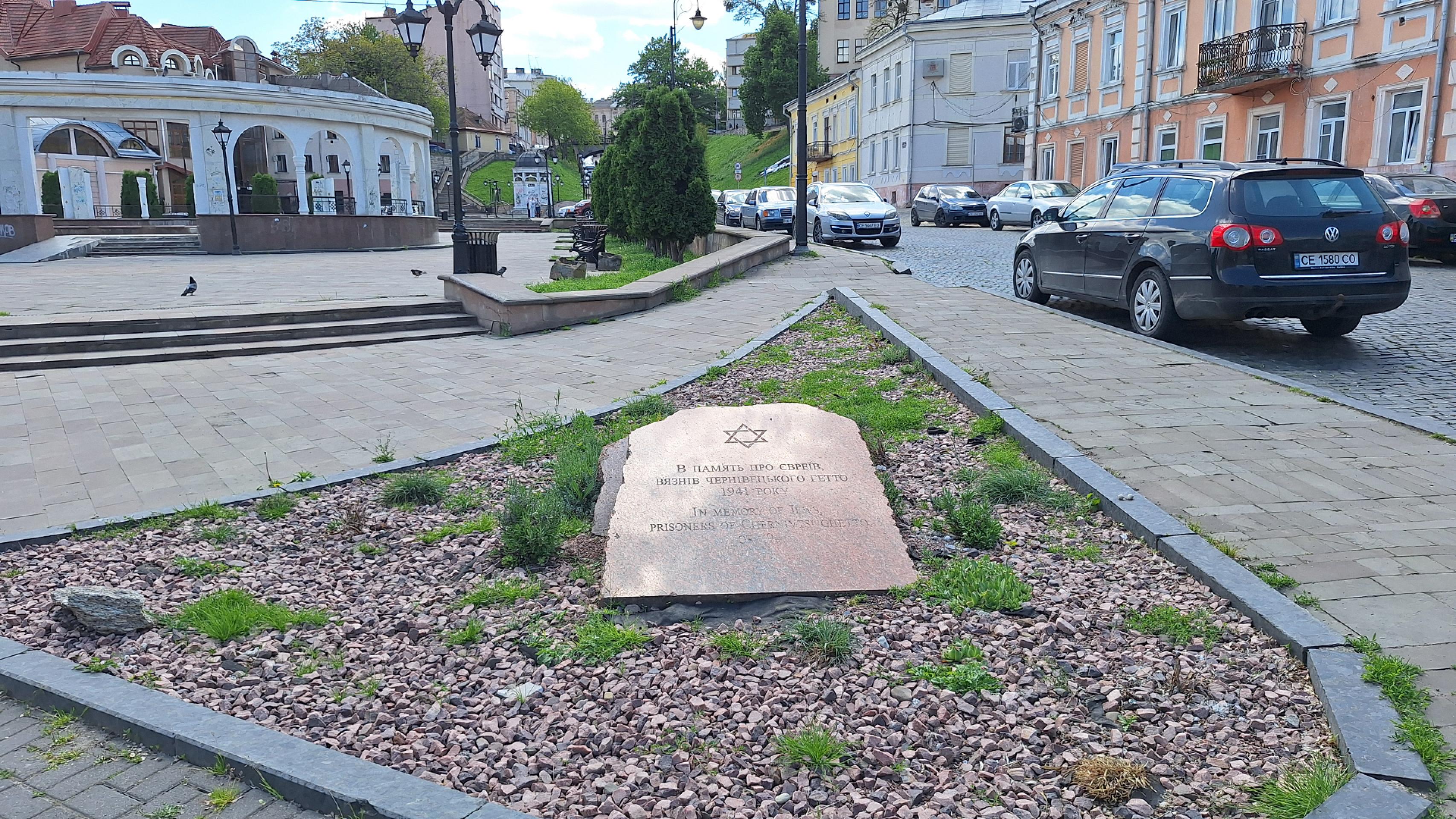
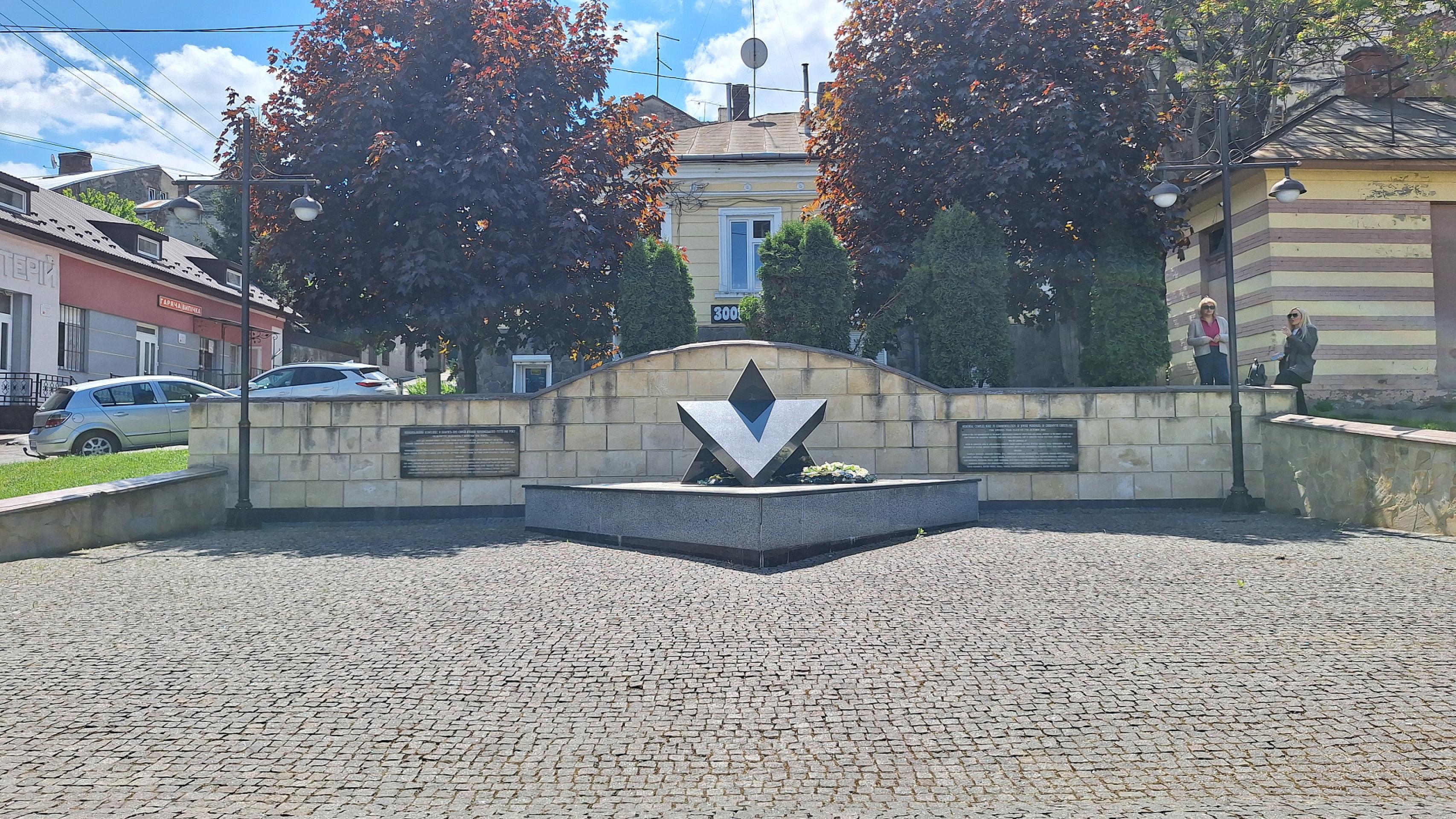
For a long time, the only reminder of the ghetto and its victims was a memorial stone at the so-called Turkish Fountain (»Turetsʹka Krynytsya«) on what was once the ghetto’s main square. In October 2016, to mark the 75th anniversary of the establishment of the ghetto by the Romanian occupying forces, a new memorial »to the Jewish prisoners of the ghetto« was inaugurated. The main element of the monument consists of two triangular granite stones which, when placed together, form a Star of David. The inscriptions on the monument’s plinth are in Ukrainian, English and Hebrew.
In Chernivtsi, the legacy of the city’s Jewish culture is visibly preserved, particularly through commemorative plaques and monuments to poets and writers. For example, there are monuments to the two poets Rose Ausländer (1901–1988) and Selma Meerbaum-Eisinger (1924–1942), who died in the Mychailiwka camp in Transnistria following her deportation, as well as a monument to the poet Paul Celan (1920–1970), author of the Todesfuge (»Death Fugue«), one of the most emblematic poems about the Holocaust.
Open
The monuments are always accessible. The mass grave can be visited during the opening hours of the Jewish Cemetery.
Contact
Zelenaja ul.
Czernowitz