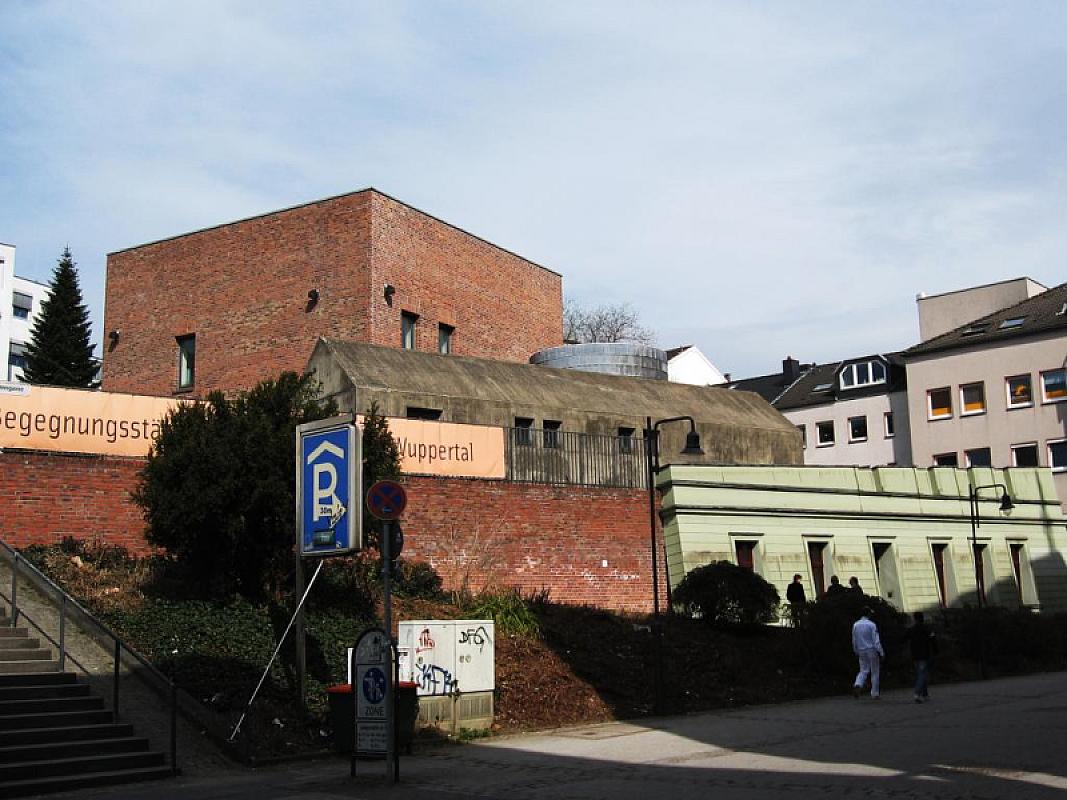
Holocaust Memorials on Prohorovskij Skver
Пам'ятники жертвам холокоста в Прохорівському сквері
Several memorials commemorate the Jews murdered by the Romanian occupiers and German Einsatzgruppen (SS mobile killing squads) in the Ukrainian port city of Odessa.
History
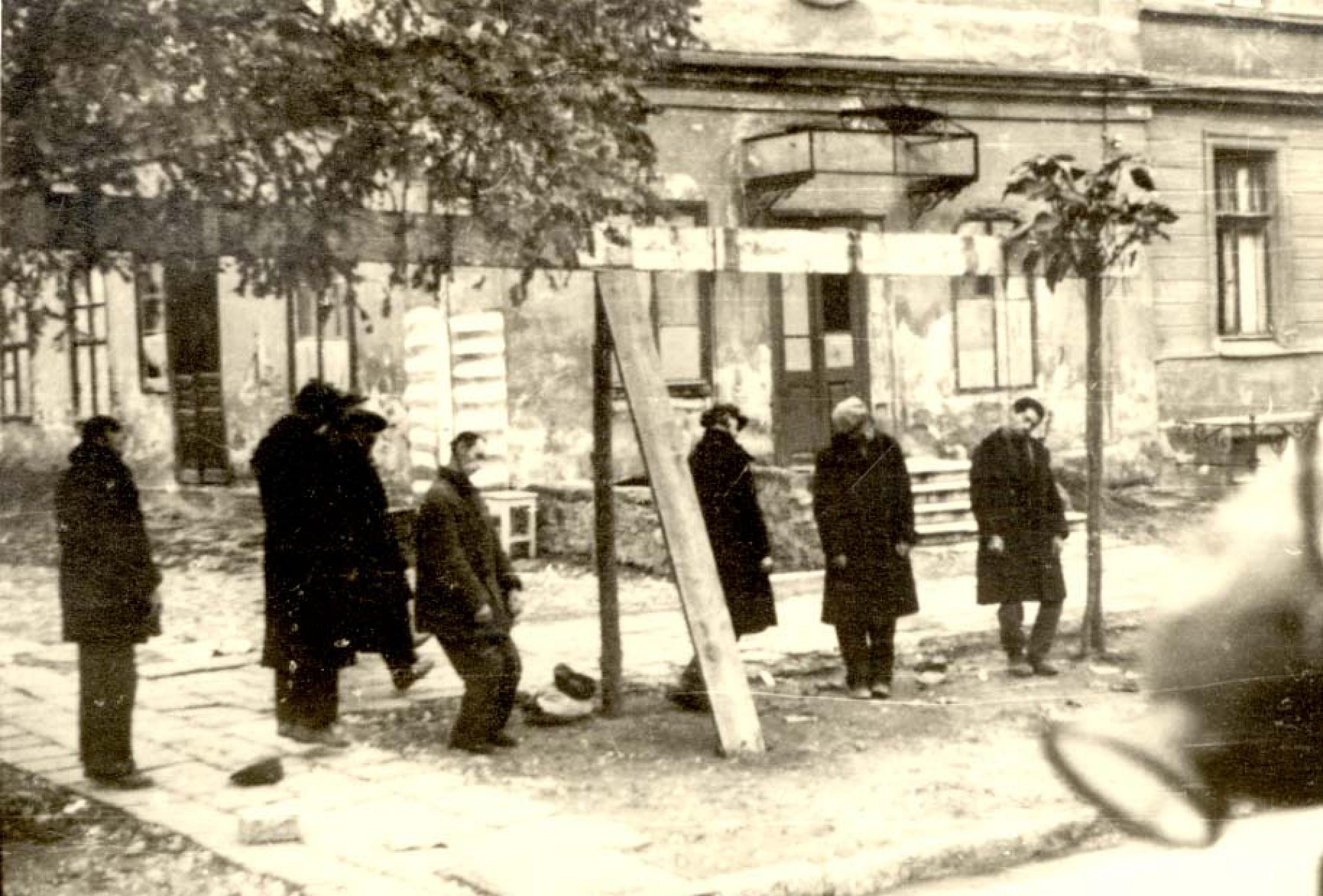
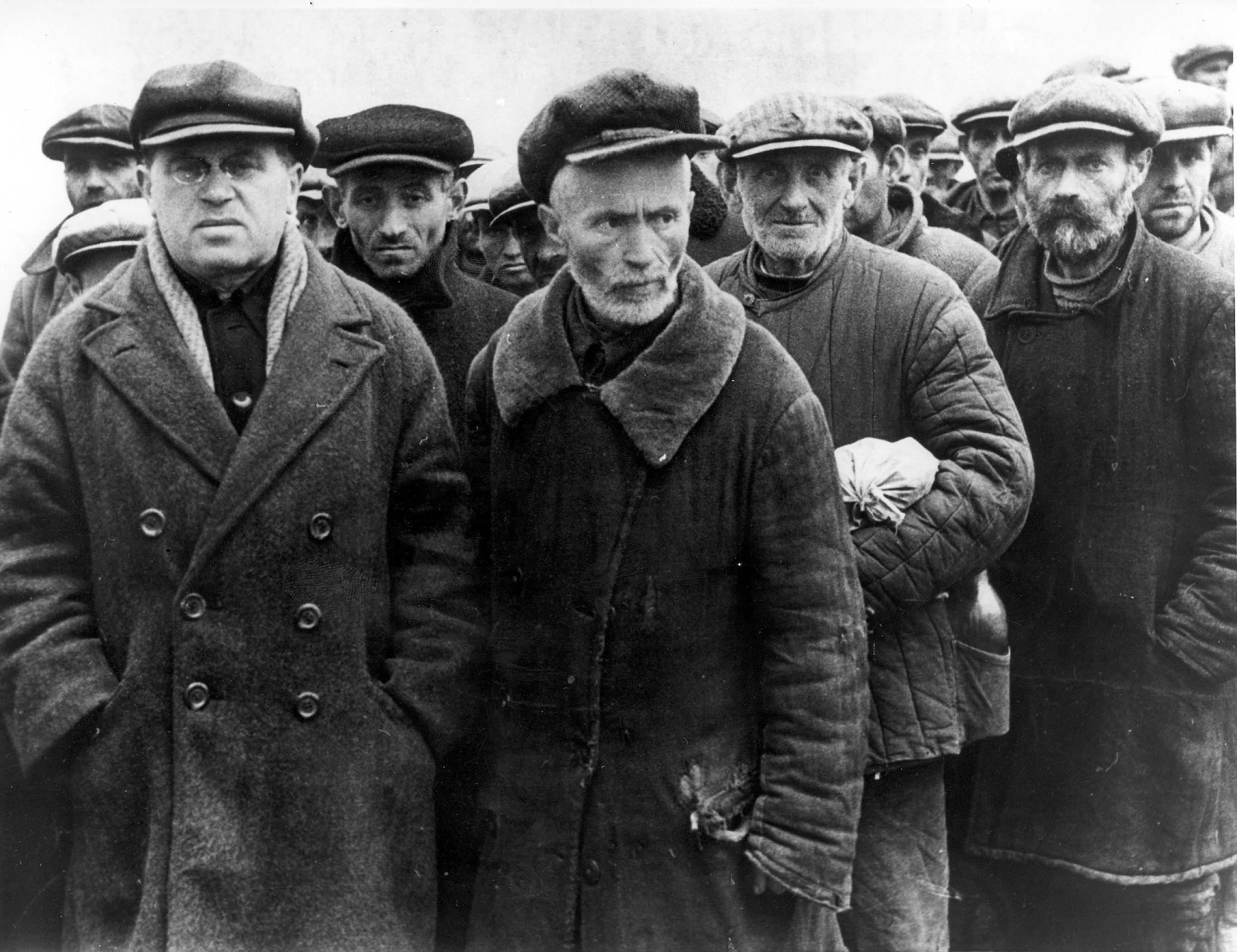
Prior to the Second World War, about 180,000 Jews lived in Odessa making up around one third of the population. After several weeks of besiegement, German and their allied Romanian troops took the city on October 16, 1941. From now on Odessa was under Romanian occupation - the city became the capital of the Romanian-controlled Transnistria region. A part of the Jewish population had been able to flee before the besiegement; there were probably between 80,000 and 100,000 Jews in Odessa on the day of its occupation. Together with the Romanian troops, the Sonderkommando 11b (mobile killing unit) under the command of Bruno Müller marched into Odessa. On the following day, the Romanians ordered the registered of all Jews. Many were arrested, and Jewish intellectuals were immediately executed. On October 22, 1941, a bomb went off in an administration building, killing 67 people, amongst them several Romanian and German officers. The response of the occupying forces was brutal: shortly afterwards, Romanian troops tracked down Jews in the whole city and shot or hanged them. Romanian soldiers shot between 10,000 and 23,000 Jews in a closed off part of the port. The Sonderkommando 11b also took part in the massacres on October 23. Romanian constabulary brought about 2000 arrested Jews to an out of order well shaft. The Sonderkommando shot all the Jews there, the bodies falling into the well shaft. At the end of October 1941, the Romanians continued their murders outside the city: between 16,000 and 20,000 Jews from Odessa were herded into the town of Dalnik and murdered there. At the beginning of November, the remaining 35,000 were forced into two ghettos, where many of them died. At the end of 1941, all of the ghetto residents were deported to Transnistria, the Romanian-controlled part of the Ukraine, and murdered in the Bogdanovka camp. Around 20,000 Jews made it to German areas of settlement, where many were murdered by German paramilitary units.
Victims
Romanian soldiers and units of the Einsatzgruppe D (mobile killing squad) murdered at least 70,000 Jews. Around 20,000 Jews were deported from the ghetto and murdered in Transnistria.
Remembrance
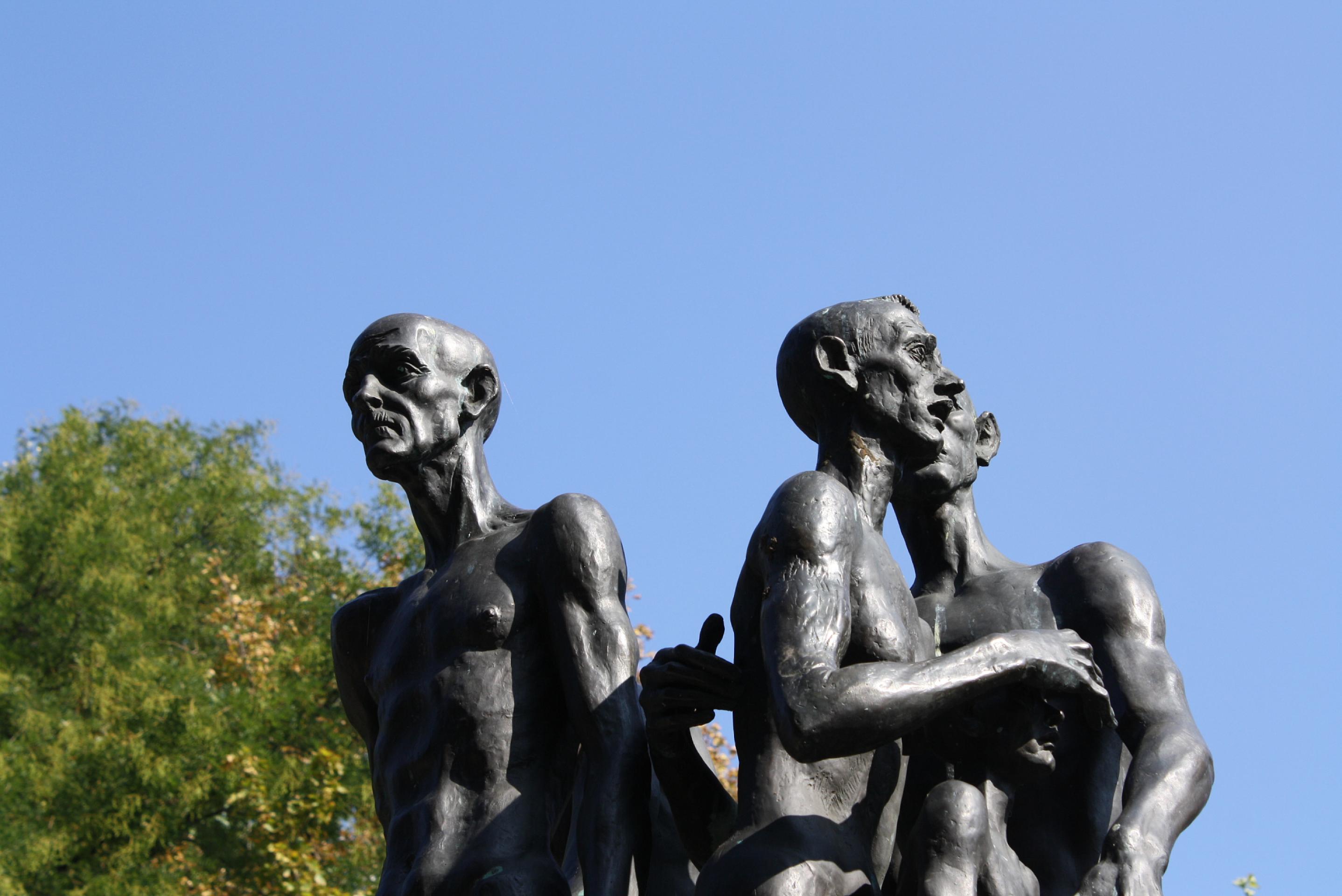
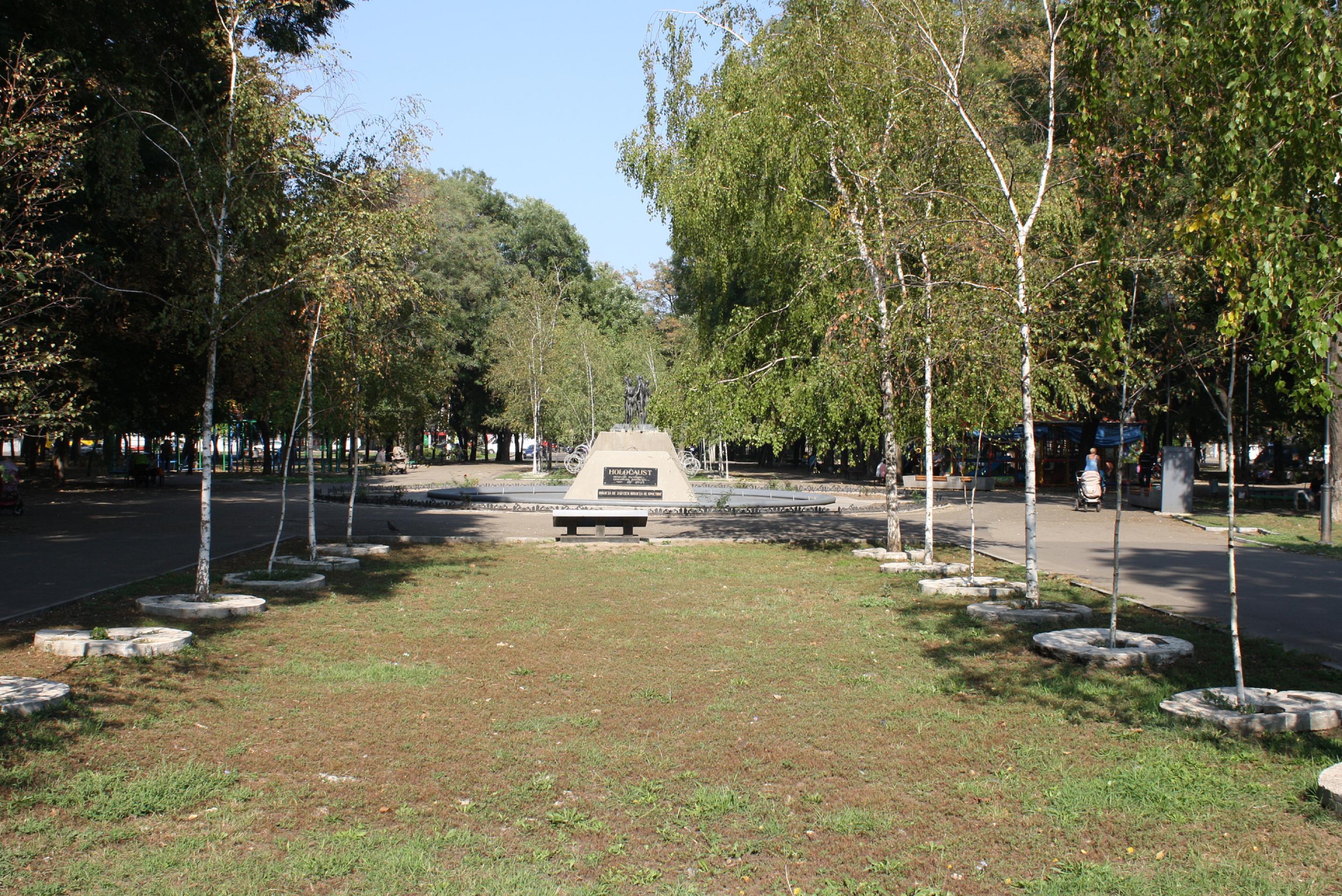
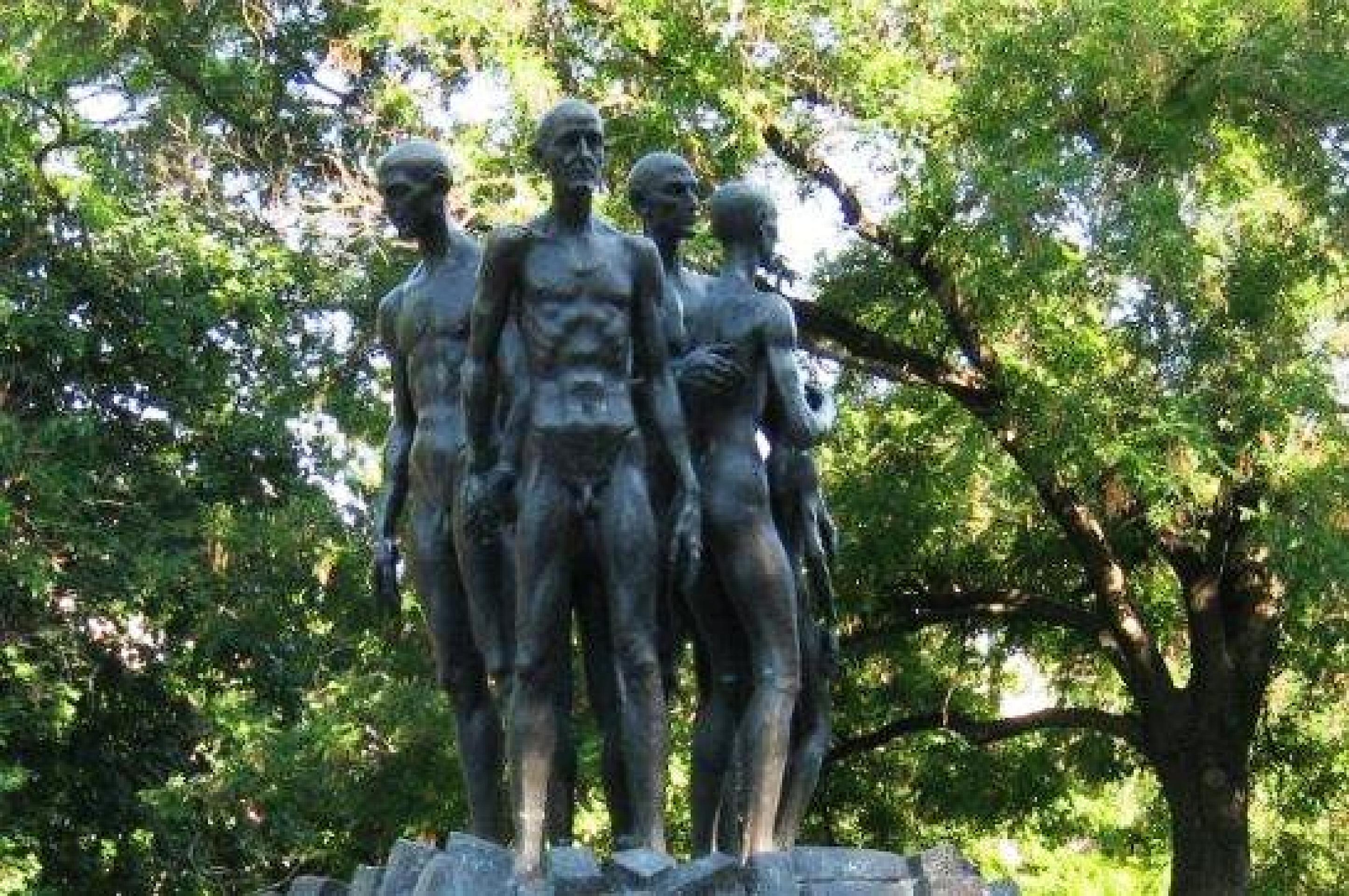
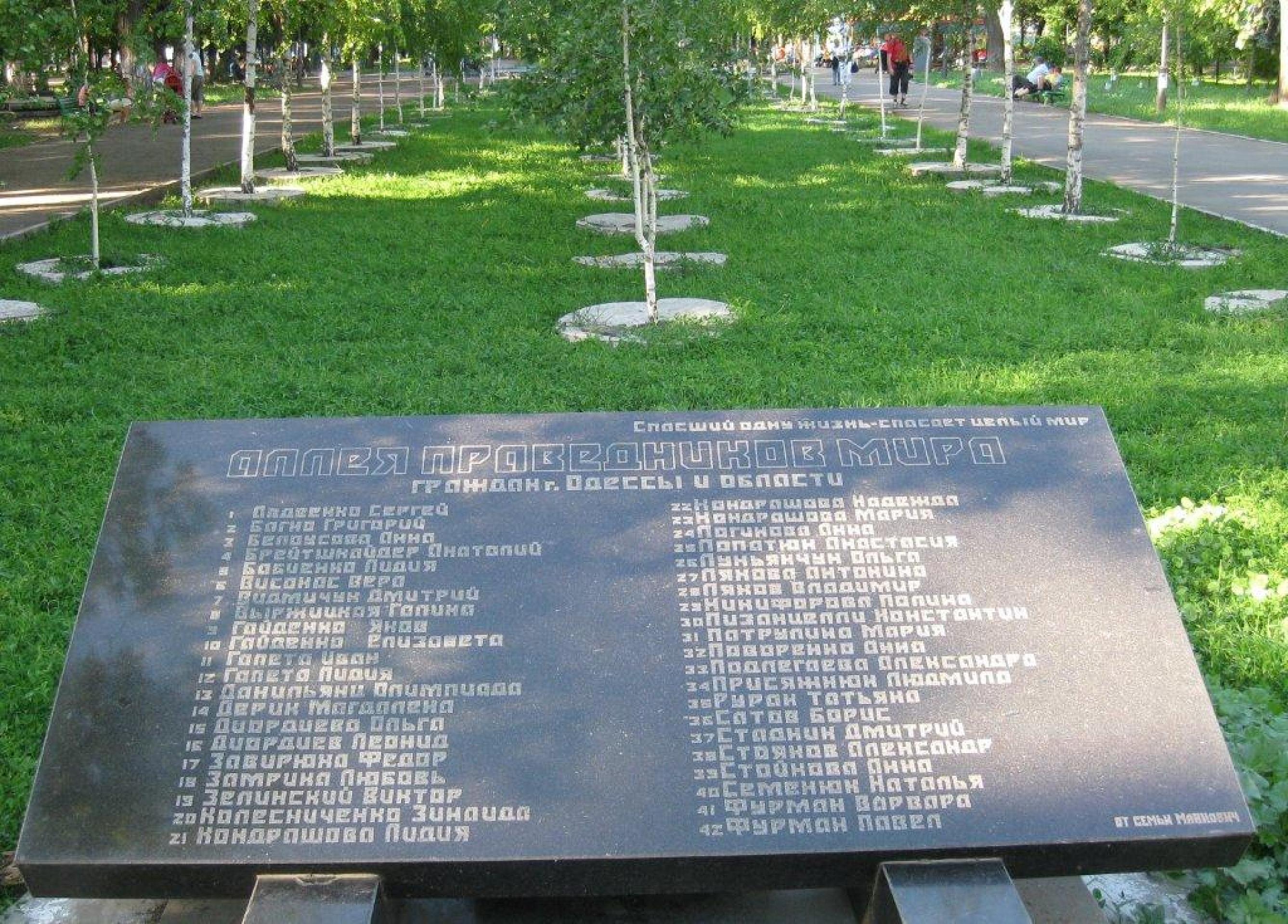
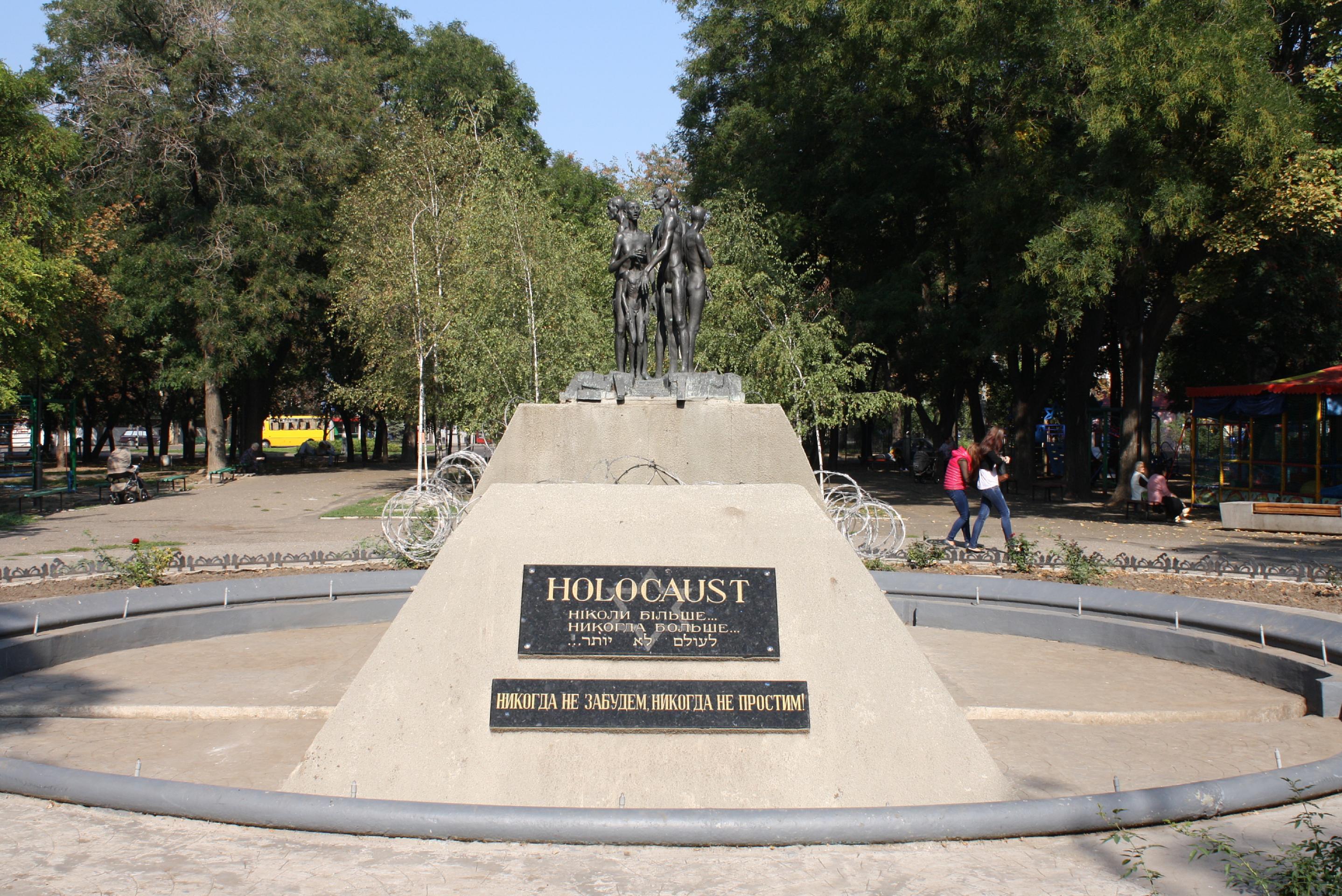
There are several memorials on Prohorovskij Skver commemorating the murdered Jews of Odessa. An »Avenue of the Righteous of the World« is dedicated to people who saved Odessa Jews. On a memorial stone names of 48 helpers are inscribed under the slogan: »Whoever saves one life saves the world entire«. In close vicinity stands a sculpture by the Russian-Georgian artist Surab Zereteli, bearing the inscription »Holocaust«. It was erected in 2004.
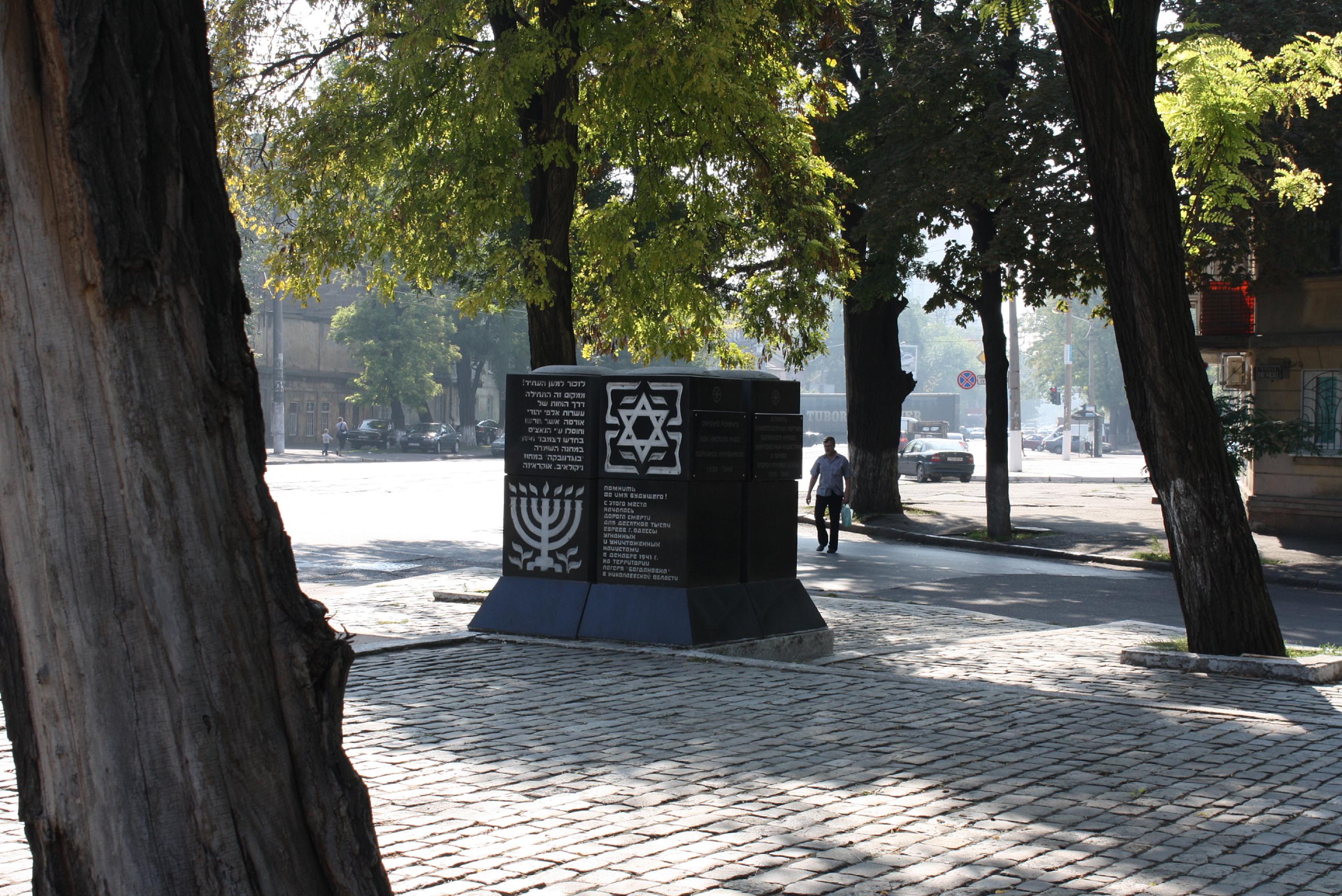
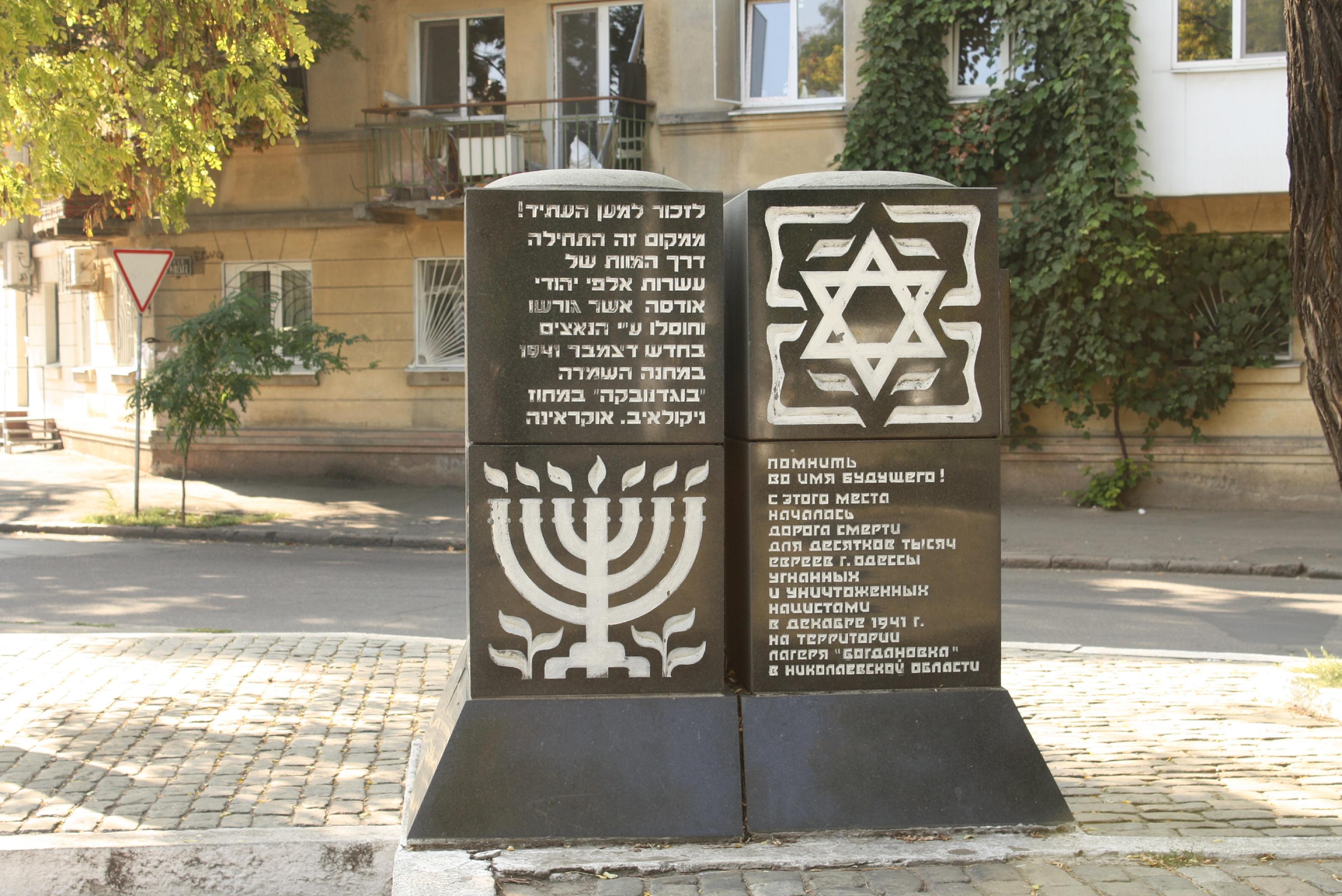
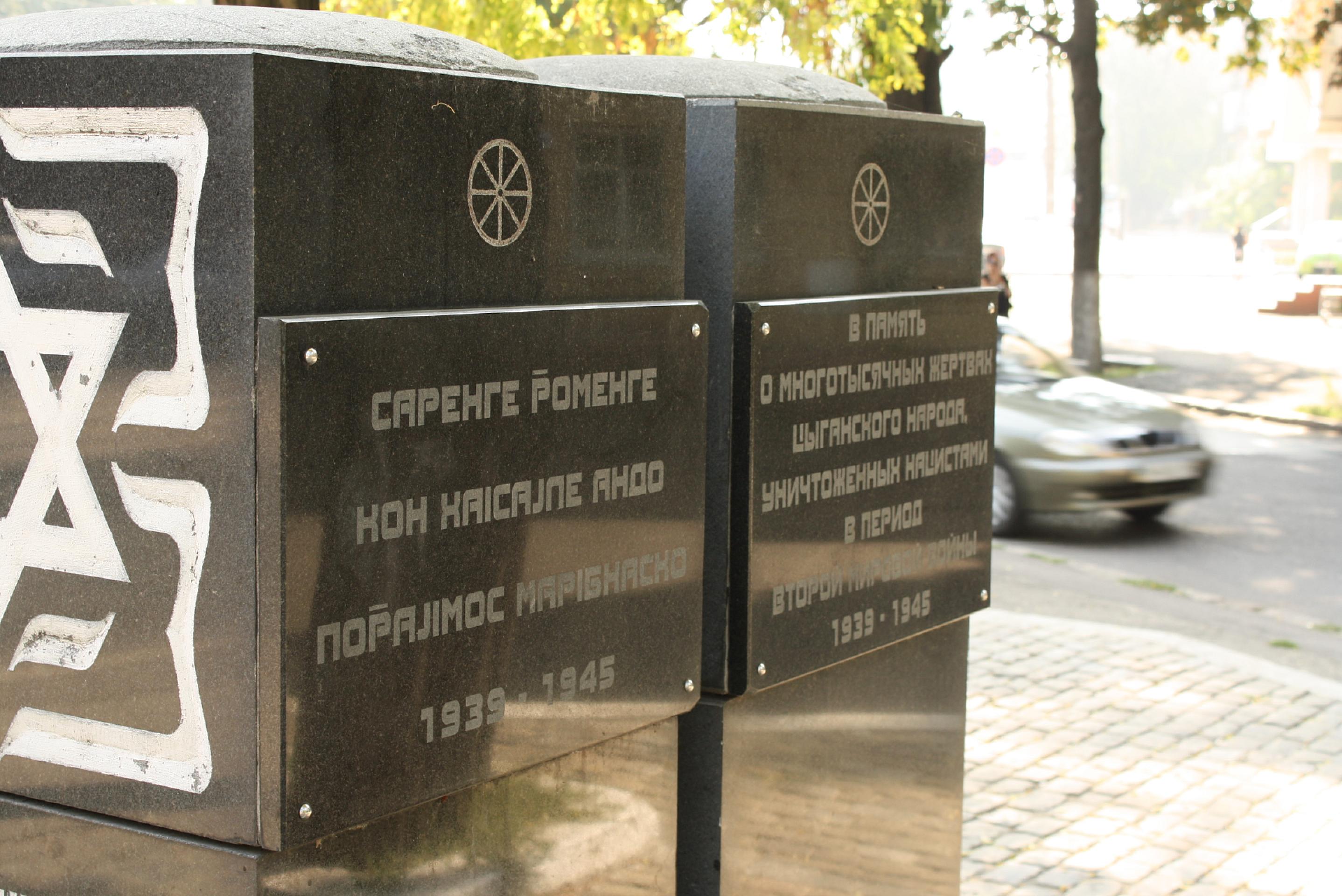
A memorial stone marking the departure point for the deportations to Bogdanovka camp is also the first station on the »Road of Death« (Russian: doroga smerti), an array of monuments along the route to the former extermination site in then Romanian-controlled Transnistria. On one side of the memorial, romani people are also identified as victims of the deportations.
Open
The memorials are accessible at all times.
Contact
https://ujew.com.ua/objects/odesskaya-oblast/odessa/muzej-holokosta3
museum-holocaust@mail.ru
+380 (0)487 226 097
Prokhorovska vulytsia/Mechnykova vulytsia
Odesa