Skip to content

Holocaust Museum

Музей Голокосту


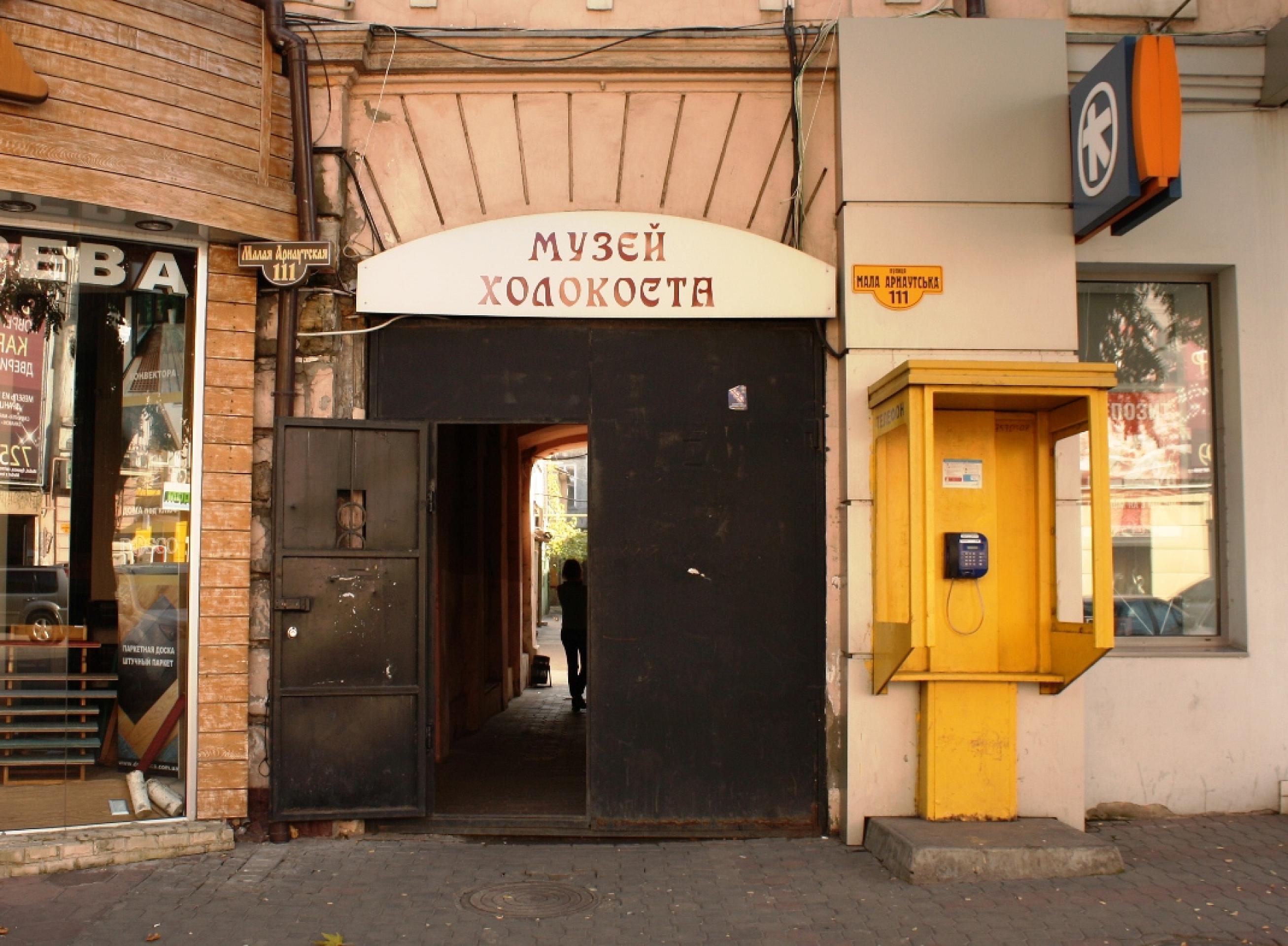
The Holocaust Museum in the Ukrainian port city of Odessa displays the fate of the Odessa Jews during World War II. At least half of the 180,000 Odessa Jews perished during the Holocaust.

History

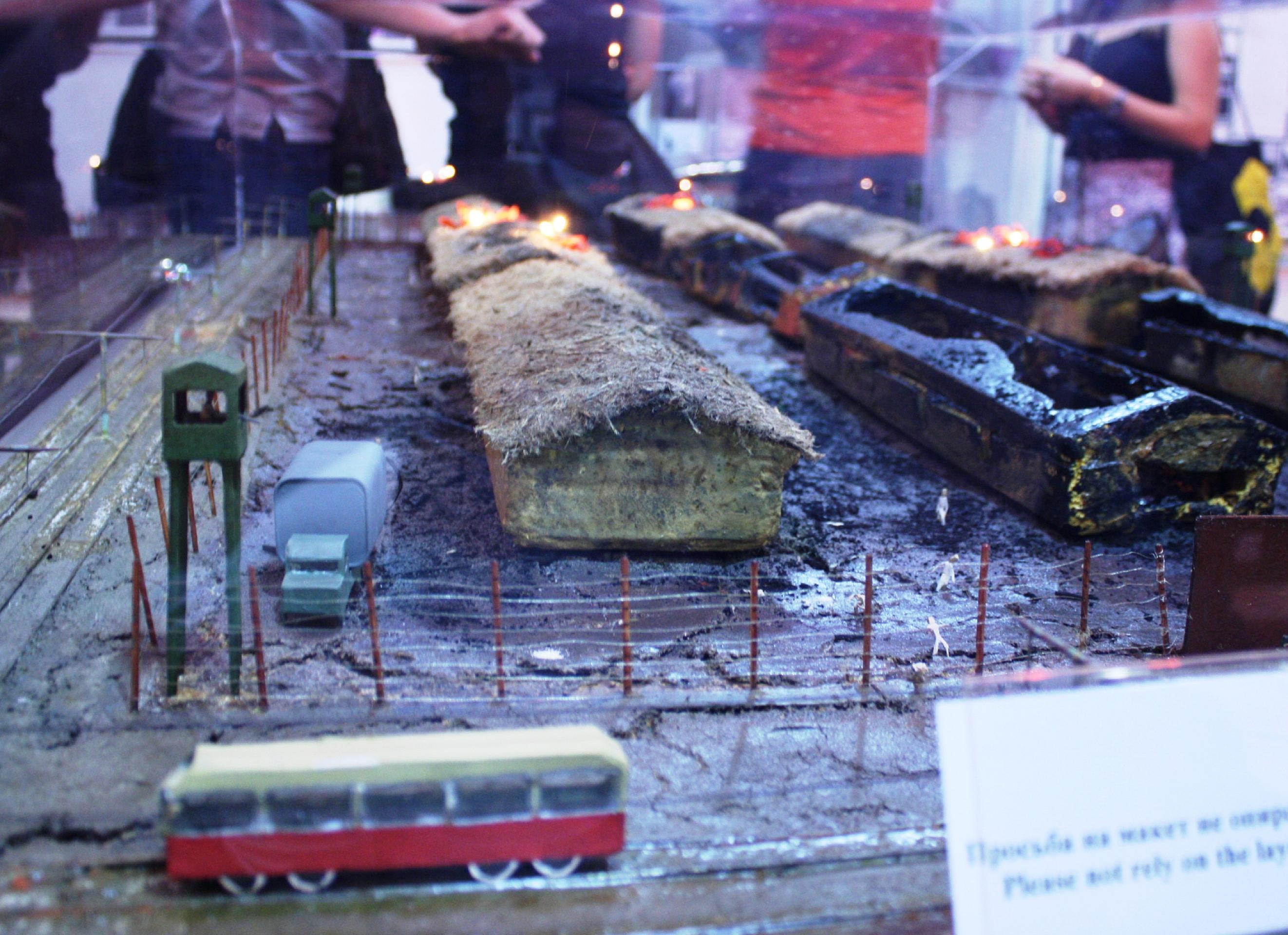
During the 19th century the port city of Odessa developed into one of the most important centre of Russian Judaism, being the home to many Jewish intellectuals and writers. Prior to the Second World War, about 180,000 Jews lived in Odessa making up around one third of the population. After several weeks of siege, German and their allied Romanian troops took the city on October 16, 1941. From now on Odessa was under Romanian occupation - the city became the capital of the romanian-occupied region called Transnistria. A part of the Jewish population had been able to flee before the arrival of the German and Romanian armies; there were probably between 80,000 and 100,000 Jews in Odessa on the day of its occupation. Together with the Romanian troops, the Sonderkommando 11b (mobile killing unit) marched into Odessa. On the following day, the Romanians ordered the registration of all Jews. Many were arrested, and Jewish intellectuals were immediately executed. On October 22, 1941, a bomb went off in an administration building, killing 67 people, amongst them several Romanian and German officers. The response of the occupying forces was brutal: shortly afterwards, Romanian troops tracked down Jews in the whole city and shot or hanged them. Romanian soldiers shot between 10,000 and 23,000 Jews in a closed off part of the port. The Sonderkommando 11b also took part in the massacre that lasted for days. Romanian constabulary brought about 2,000 arrested Jews to an out of order well shaft. The Sonderkommando shot all the Jews there, the bodies falling into the well shaft. At the end of October 1941, the Romanians continued their murders outside the city: between 16,000 and 20,000 Jews from Odessa were herded into the town of Dalnik and murdered there. At the beginning of November, the remaining 35,000 were forced into two ghettos, where many of them died. At the end of 1941, all of the ghetto residents were deported to Transnistria, the Romanian-controlled part of the Ukraine, and murdered in the Bogdanovka camp.
Victims

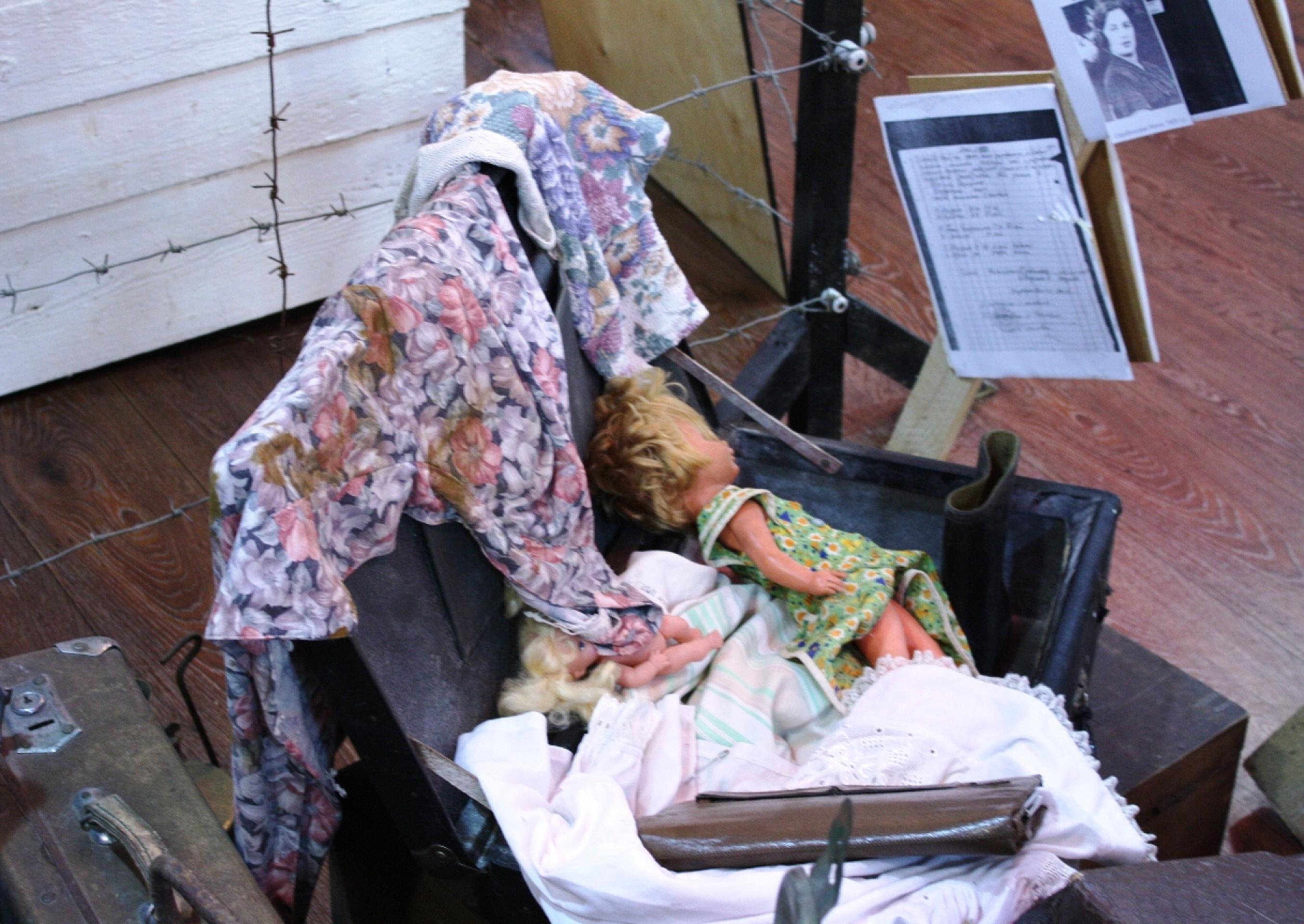
Romanian soldiers and units of the SS-Einsatzgruppe D (mobile killing squad) murdered at least 70,000 Jews. Around 20,000 Jews were deported from the ghettos of Odessa and perished in Transnistria.

Ukraine, the second-largest Republic in the European part of the former Soviet Union, was at the centre of the Second World War and the Holocaust. It is estimated that five to six million Ukrainians died during the war, including around 630,000 Jews. In mid-September 1939, following the Soviet occupation of eastern Poland in accordance with the Hitler-Stalin Pact – a secret German-Soviet agreement –, the south-east of Poland became part of the Soviet Ukraine. The oppression of the local population was now an everyday occurrence. In summer 1941, the German attack on the Soviet Union initially affected these very regions. Right from the start of the invasion the Jewish population was accused of supporting the Soviet powers and became the target of brutal attacks. These attacks were often the work of nationalist Ukrainians, who initially welcomed the advance of the Wehrmacht. German SS Einsatzgruppen and allied Rumanian units soon began to carry out mass shootings of Jews. The Babyn Yar ravine near Kiev, where German units and Ukrainian militia murdered over 33,700 Jews over two days in September 1941, has since become a global symbol of the genocide of Jews. The non-Jewish population was also a target for persecution. National Socialist racist ideology classed Ukrainians, as all »Slavs«, as »subhuman«. The occupiers looted the country, deported way over one million civilians to carry out forced labour and publicly executed hostages. By 1943 a partisan war against the Wehrmacht was raging along with the campaign of the nationalist »Ukrayinska Povstanska Armiya« (Ukrainian Rebel Army or UPA) against the Soviets and the Polish population in western Ukraine. The number of Poles to die in the process lies way over 100,000. From 1944 the Ukraine was again part of the Soviet Union and also encompassed former territories in eastern Poland. The UPA continued its campaign until the mid-1950s. The Soviet authorities deported around 300,000 Ukrainians to Siberia to counter the resistance. The Ukrainian culture of memory was aligned with the symbolic forms of remembrance found in the Soviet Union. Monumental sites of memory were constructed to celebrate the »victory« in the Great Patriotic War. It is only recently that victims have been remembered alongside the venerated heroes. In addition, a culture of memory centred on the campaign of the UPA has emerged in western Ukraine, with the UPA’s legacy being interpreted as a struggle for independence. Confrontation with anti-semitism and the collaboration with the German occupiers has only begun around 2000. With just a few exceptions, the mass shootings of Jews were ignored until the 1980s. It was not until 1991 that the government of independent Ukraine acknowledged Babyn Yar as a »symbol of Jewish martyrdom«. Long after gaining independence, Ukraine was still on the search for its national identity. The documentation of Soviet crimes – for example the state’s responsibility for the Great Famine (Holodomor) in 1922-23 that led to millions of deaths – has more significance in the establishment of a Ukrainian identity than learning about the Holocaust. Nevertheless, new memorial sites for the murdered Jews were established throughout the country, such as Drobitskiy Yar in Kharkiv or the Holocaust Museum in Odessa. On many mass grave sites new memorials were created, partially with German support. In Kiev, a new grand memorial site with global relevance was planned at Babyn Yar. These plans were put on hold with the beginning of the full-scale Russian invasion of Ukraine on February 24, 2022. What impact the current defensive war will have on Holocaust remembrance in the future remains to be seen.

Remembrance

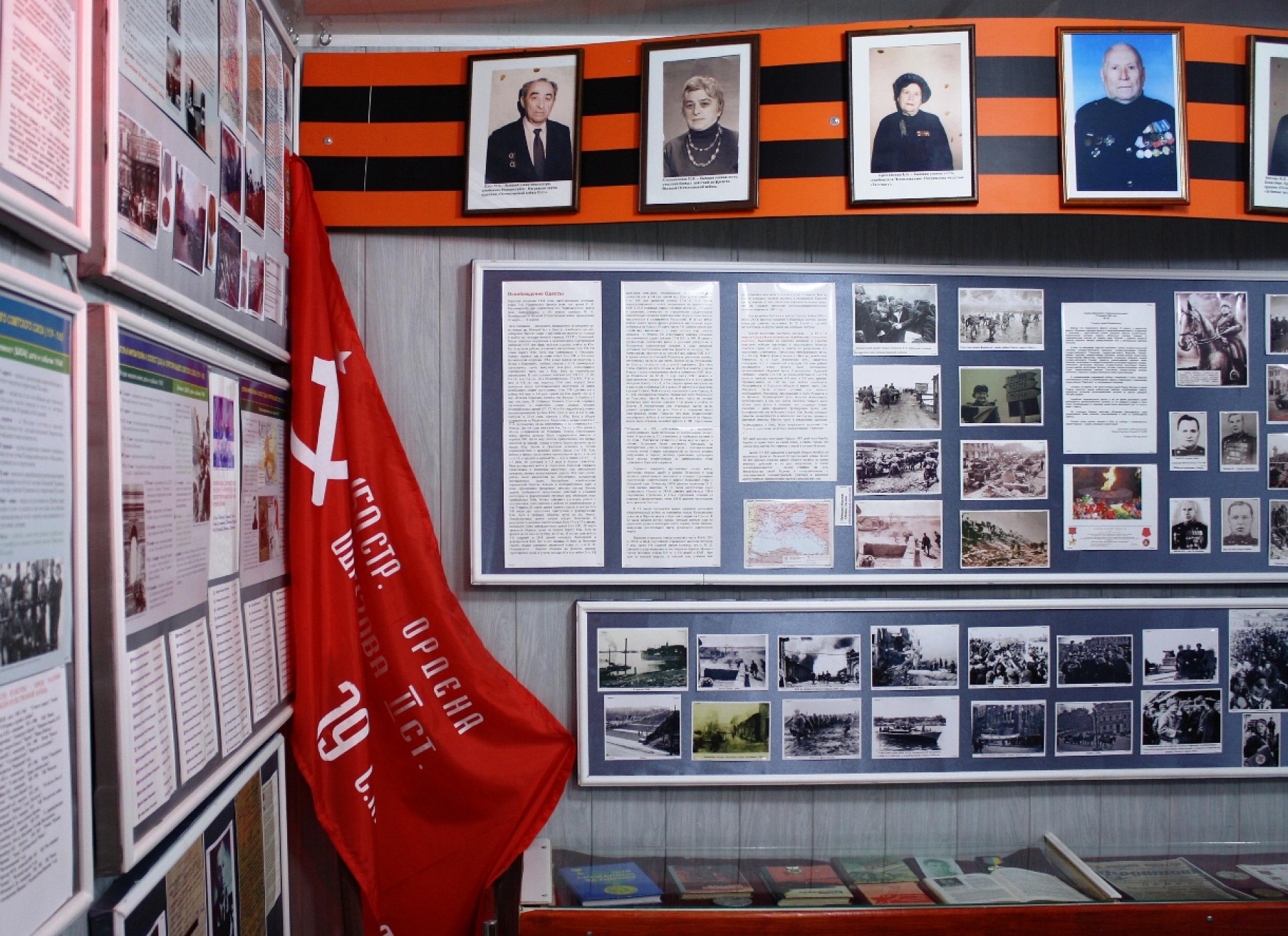
Several memorials in Odessa commemorate the fate of the port city's Jews. The Holocaust Museum was opened on June 22, 2009 and was established at the initiative of various Jewish organisations as well as former prisoners of ghettos and camps.
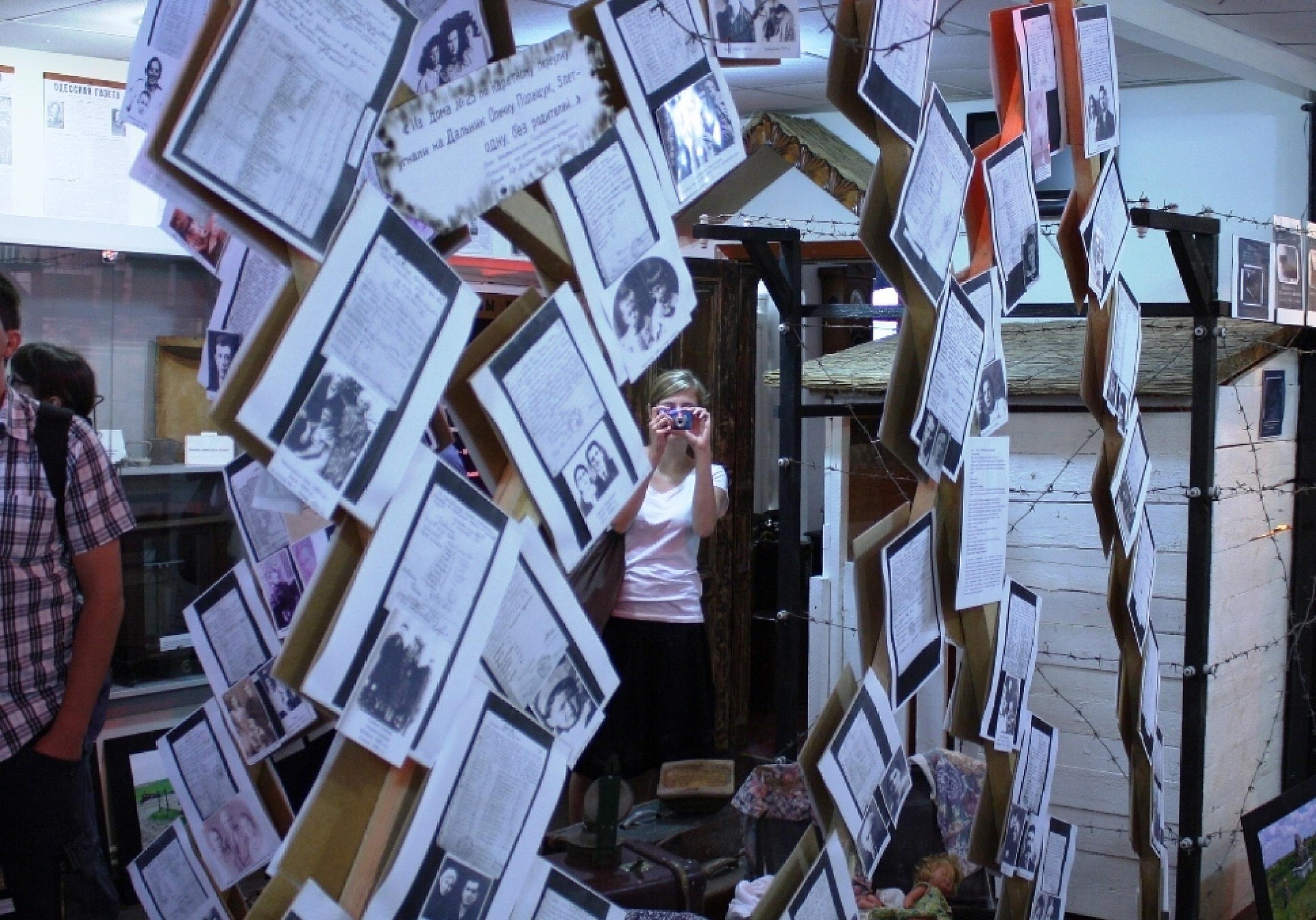
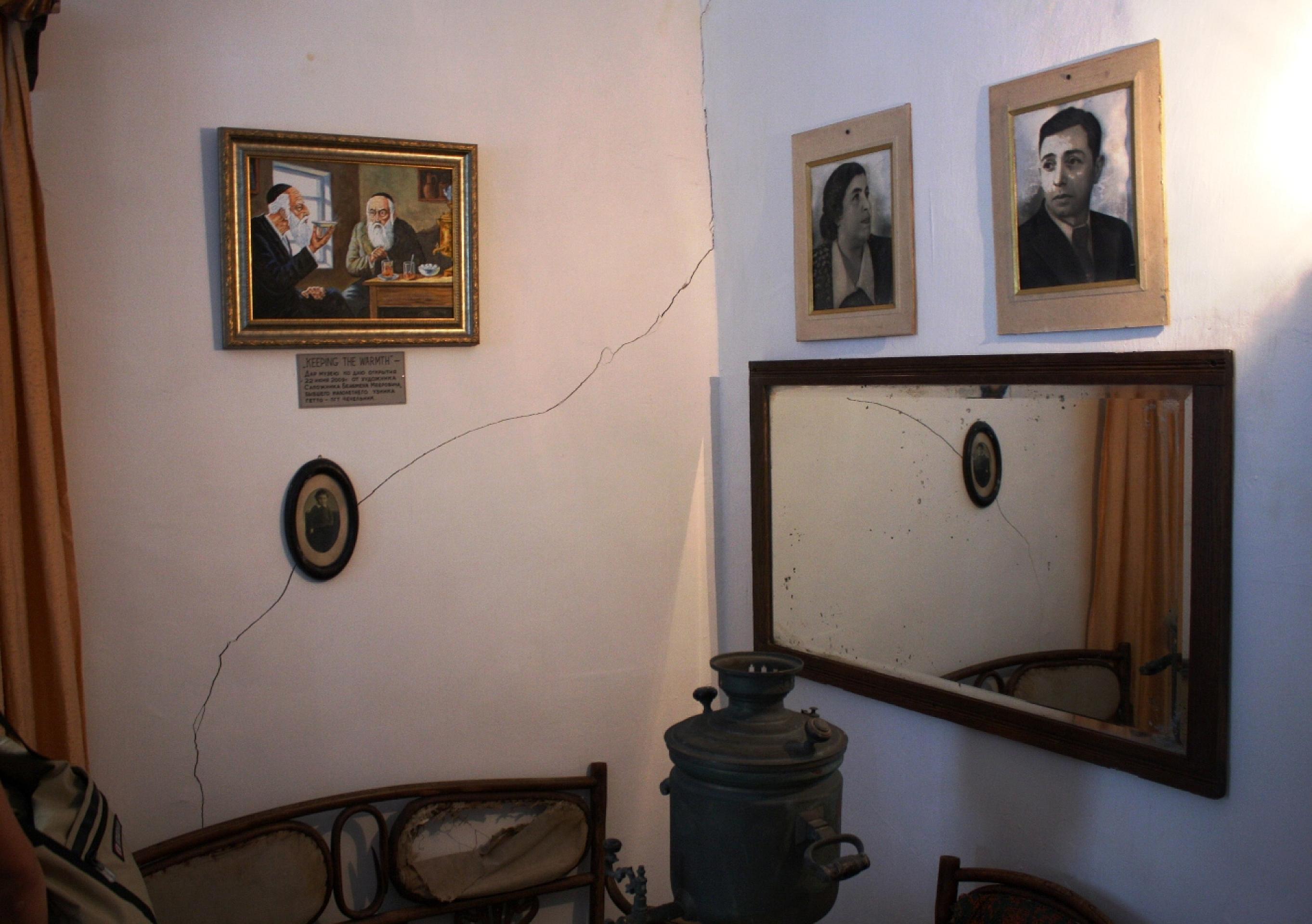
At first the permanent exhibition provides a general introduction on the Holocaust, then concentrating on the fate of the Jews of Odessa and Transnistria. Further topics of the exhibition include Jewish life before the Holocaust, Jewish soldiers in the Red Army and »Righteous among the Nations«, i.e. gentiles who saved Jews. In addition to the permanent exhibition the Museum offers audio- and video-interviews, a library and a memorial room.
Possibilities

Guided tours, educational offers, events, library

Open

Tuesday to Friday 11 a.m. to 6 p.m., Sunday 10 a.m. to 2 p.m., closed on Saturdays and Mondays.

Contact

https://ujew.com.ua/objects/odesskaya-oblast/odessa/muzej-holokosta3

museum-holocaust@mail.ru

+38(048)722 60 97

Malaja Arnautskaja ul, 111
65007 Odesa