Skip to content

House of Remembrance – Maillé massacre

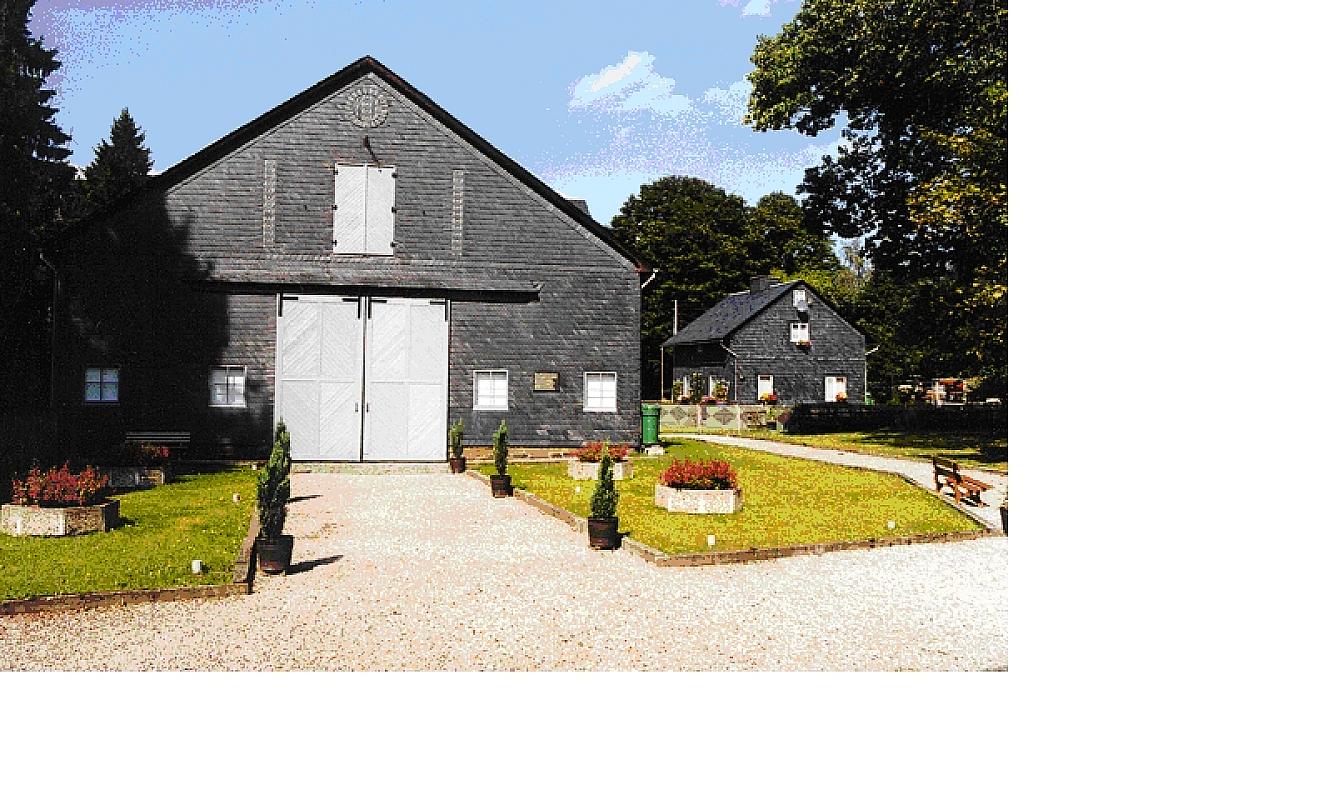
Maison du Souvenir de Maillé


On August 25, 1944 German soldiers committed a massacre among the population of the French village of Maillé. Today several memorials and a House of Remembrance commemorate the crime and its victims.

History

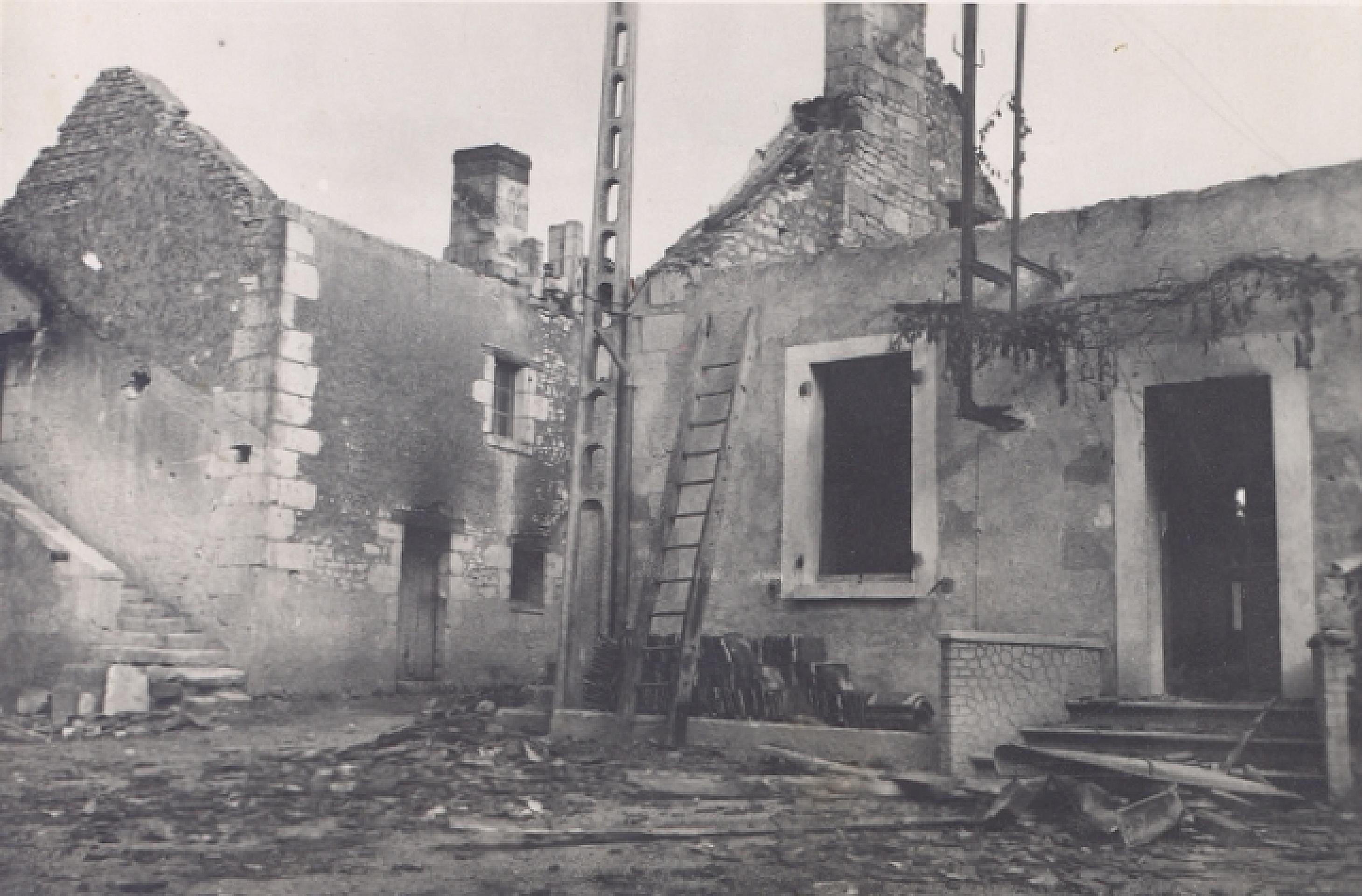
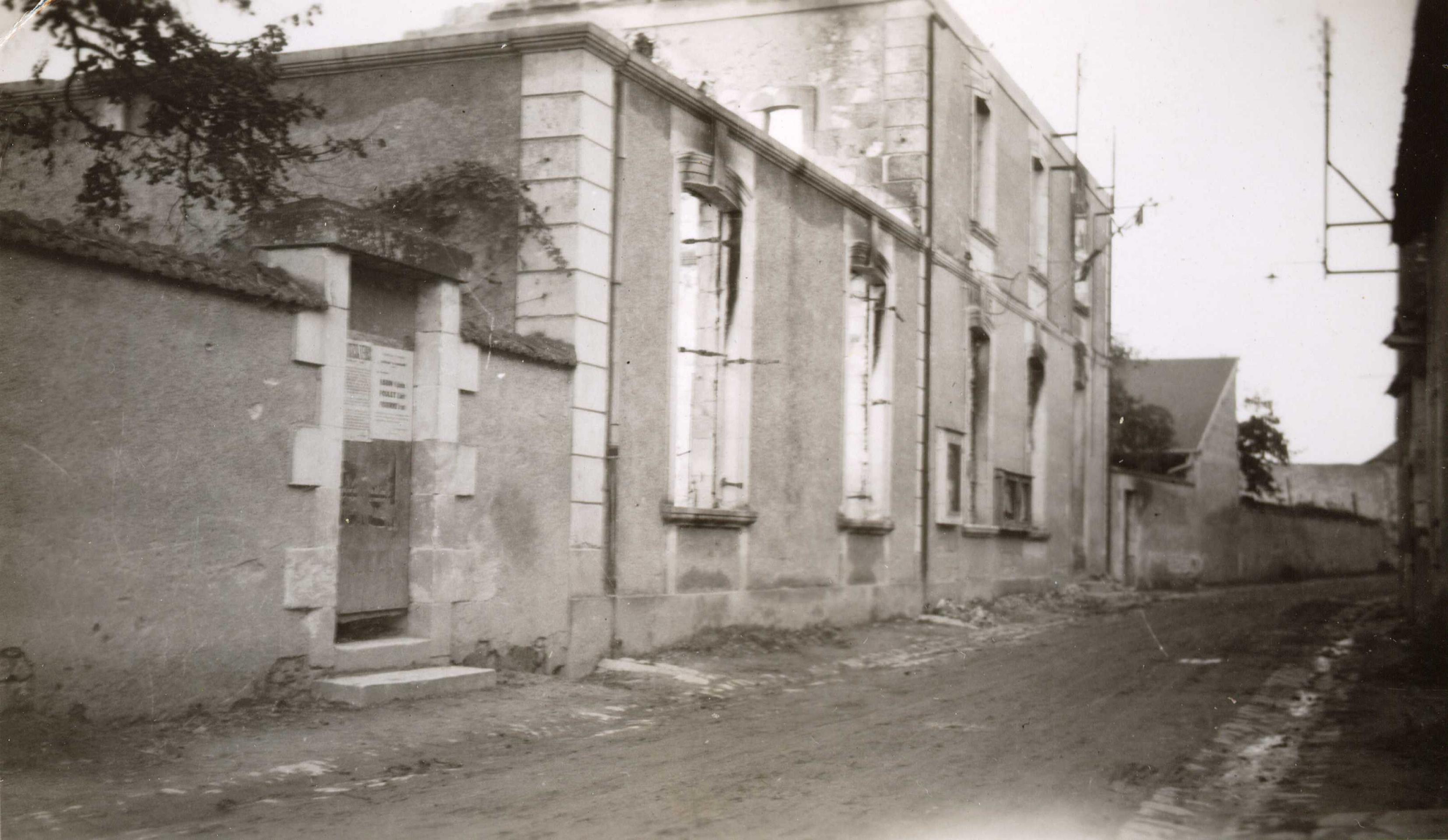
Maillé, about 40 kilometres south-west of Tours, was a municipality with approximately 500 inhabitants at the time of the Second World War. Its geographical location was significant from a military point of view: the municipality was located on an important road and on the railway link between the port of Bordeaux and Paris. In June 1944 the Allies landed in Normandy. Towards the end of August 1944, it became clear that the end of the German occupation was imminent. Armed French resistance groups were active in the region and repeatedly attacked German soldiers and transport routes. On August 24th, on the outskirts of Maillé, there was a skirmish between French resistance fighters and soldiers of the Wehrmacht, in which the Germans presumably suffered losses. The next morning, on August 25, 1944 about 50 German soldiers attacked the village. They murdered a total of 124 children, women and men and systematically set fire to the houses. They left the village around noon. In the afternoon, German artillery fired about 80 shells at Maillé causing further destruction. Of 60 residential buildings only 8 remained standing. The same day Paris was liberated by the Allies. Soon afterwards, the Wehrmacht troops withdrew from the Maillé region.
Victims

Among the 124 victims of the massacre were 35 men, 41 women and 48 children under the age of 14. The victims were shot, stabbed with a bayonet or killed in the flames. 52 of the 60 residential houses were destroyed.

With the defeat of the French army in June 1940 the country came under German control. Northern France was governed by the German military administration, whilst the south was initially unoccupied. A government under German influence was established in the spa town of Vichy in the south of France. At the beginning of the Second World War, there were around 300,000 Jews living in France. The exact number is not known as there were no records of religious affiliation in France. The first anti-Jewish laws were passed in northern France at the end of 1940. The Jews were forced to register with the authorities, excluded from society and stripped of their possessions. These policies were followed by systematic arrests by the French police. Jews without a French passport were the main targets of the German SS and police as well as the French authorities. In an attempt to deter growing French resistance, the German military commander General Otto von Stülpnagel (1878–1948) started to have those not involved in the resistance shot and to have Jews in particular arrested. Those arrested were among the first to be deported to the death camps in occupied Poland from March 1942 onwards. A total of 75,000 people were deported to their deaths in the course of over seventy deportation operations. Most of the French Jews survived, mainly in hiding in the south of the country. Around 600,000 people died in France as a result of war and persecution, including 270,000 civilians. There continues to be little distinction drawn between the different groups of victims. However, since the late 1980s there has been increased research into the murder of patients of care homes and clinics. It is now estimated that around 50,000 people fell victim to these operations. Both northern and southern France experienced persecution, collaboration and resistance during the occupation. After the war, remembrance of both the campaign of the »Résistance« as an expression of French patriotism and the suffering associated with the »Déportation« provided a way of bridging the differences between the Gaullist conservatives and the Communists affiliated with Moscow. Consequently, many museums and memorial sites are dedicated to the resistance or remember the deportations, for example the »Mémorial des Martyrs de la Déportation« (Memorial to the Martyrs of the Deportation) in Paris, inaugurated in 1956, and the »Centre Européen du Résistant Déporté« (European Centre for Deported Resistance Fighters), which opened in 2005 at the memorial site at the former Natzweiler concentration camp. Since the early 1990s a number of sites of memory have been established, such as the Maison d’Izieu (Izieu Home) memorial near Lyon, which remembers the deportation of 44 Jewish children, the national memorial site at the former camp at Gurs as well as a memorial centre in Oradour sur Glane – a village destroyed by the SS in 1944. The central memorial site dedicated to the victims of the Holocaust is the »Mémorial de la Shoah« in the centre of Paris, which was opened in 2005. French presidents have since then acknowledged shared French responsibility for the Holocaust in France. The memorial site in Caen,commemorating the Normandy landings of 1944, was opened in 1988 and extended in 2002, is the most-visited memorial site outside Paris. The annual national commemorations marking the victory over Nazi Germany take place here. In addition, there are numerous regional museums in France, where the exhibitions focus on the themes of persecution, resistance and deportation.

Remembrance

For decades the Maillé massacre was largely forgotten in France. On the one hand, the event was overshadowed by the liberation of Paris on the same day while on the other hand much more attention had been paid to the destruction of the village of Oradour-sur Glane, which was committed by Wehrmacht and SS units on June 10, 1944. In contrast to Oradour, which was transformed into a place of remembrance as a whole, Maillé was quickly rebuilt after the war.
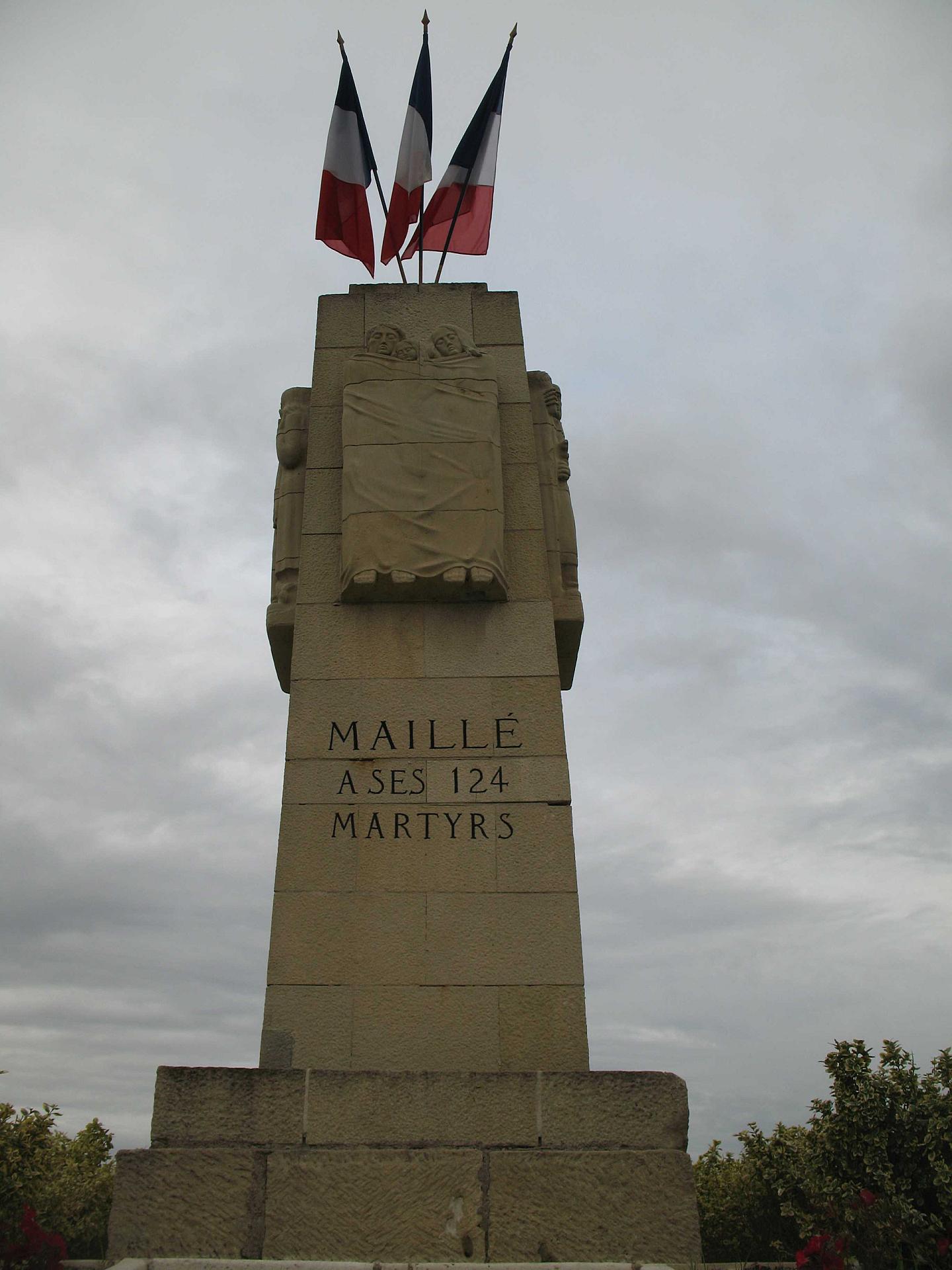
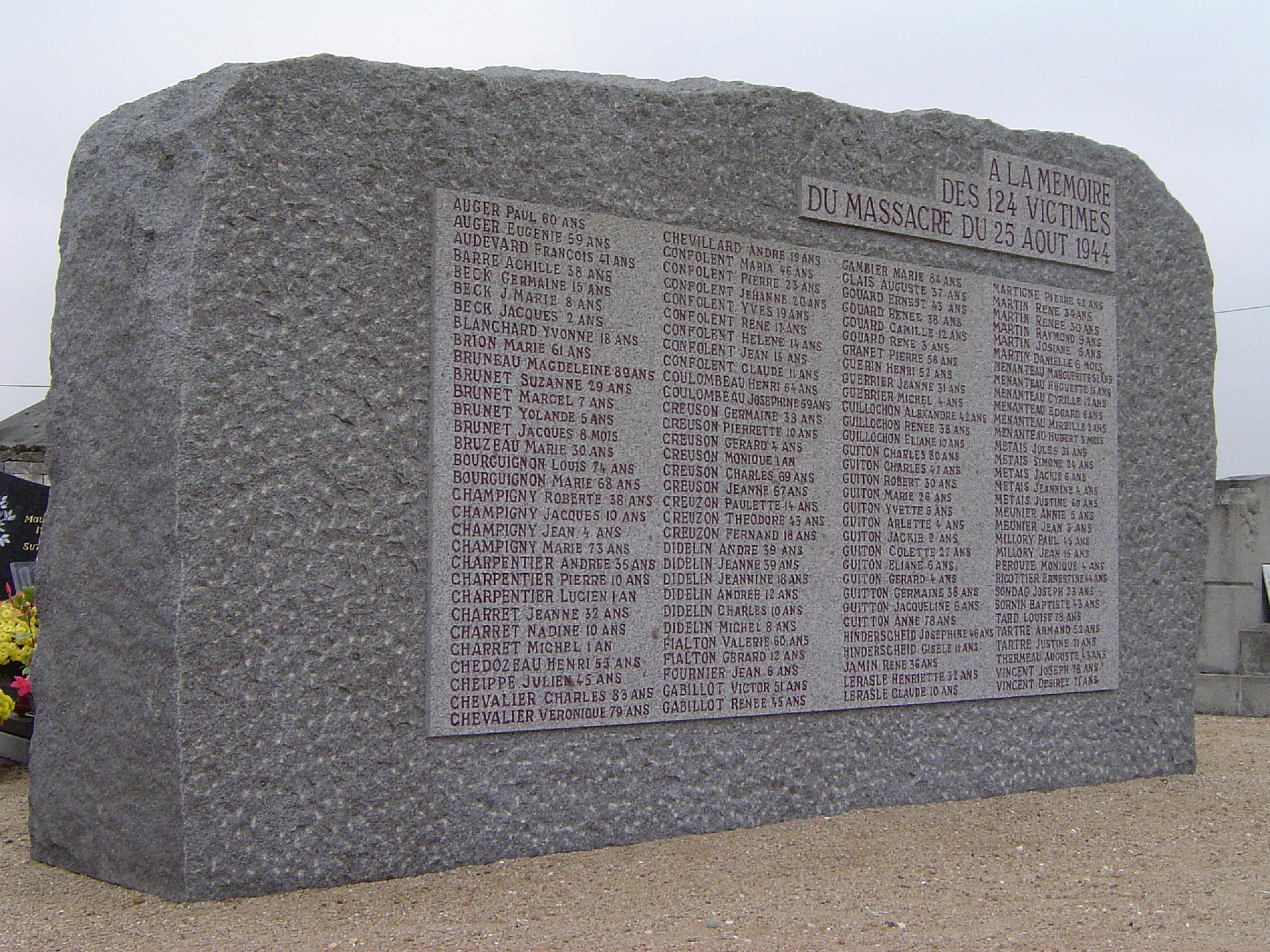
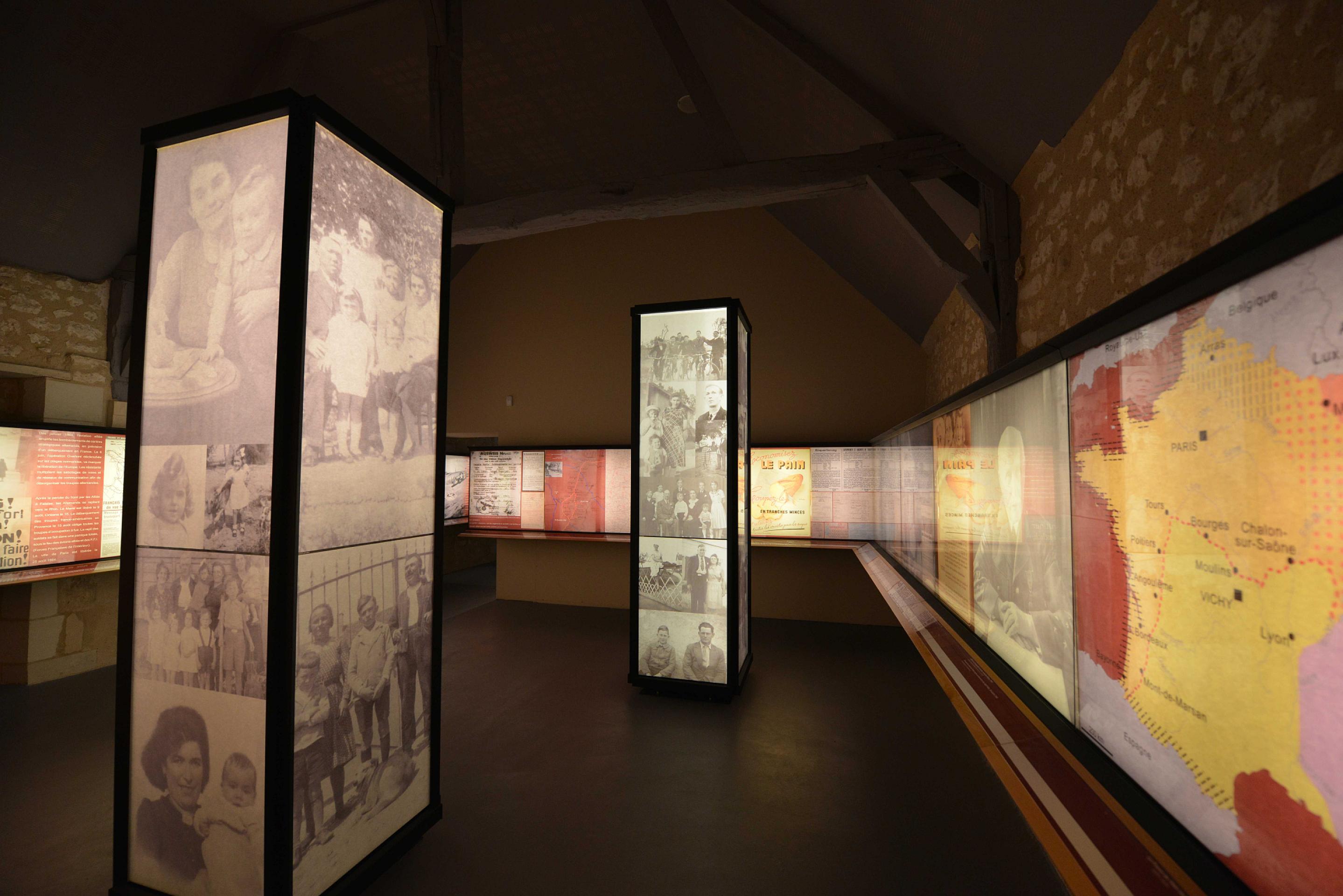
For a long time, there were only a few memorials: A commemorative plaque at the town hall and a monument on the country road towards Daphé east of the village. In 1984 a large memorial stone with the names of the victims was inaugurated in the cemetery. In 1994 there was for the first time an exhibition on the events of August 25, 1944. In 2006 the House of Remembrance was opened, dedicated to the memory of the massacre and its victims.
It is still unclear exactly which German units were responsible for the massacre and who gave the order. From a legal point of view, the crime remains unpunished: The German judiciary closed the investigation at the beginning of 2017 due to lack of evidence.
Possibilities

Permanent exhibition, archive, temporary exhibitions, conferences, colloquia, audio guides

Open

Wednesday to Saturday: 10.30 am to 1.00 pm and 2.00 pm to 6.00 pm
Sunday and Monday: 2.00 pm to 6.00 pm and by appointment

Contact

http://www.maisondusouvenir.fr/

maison-du-souvenir@maille.fr

+33 (0)247 652 489

1 rue de la Paix
37800 Maillé