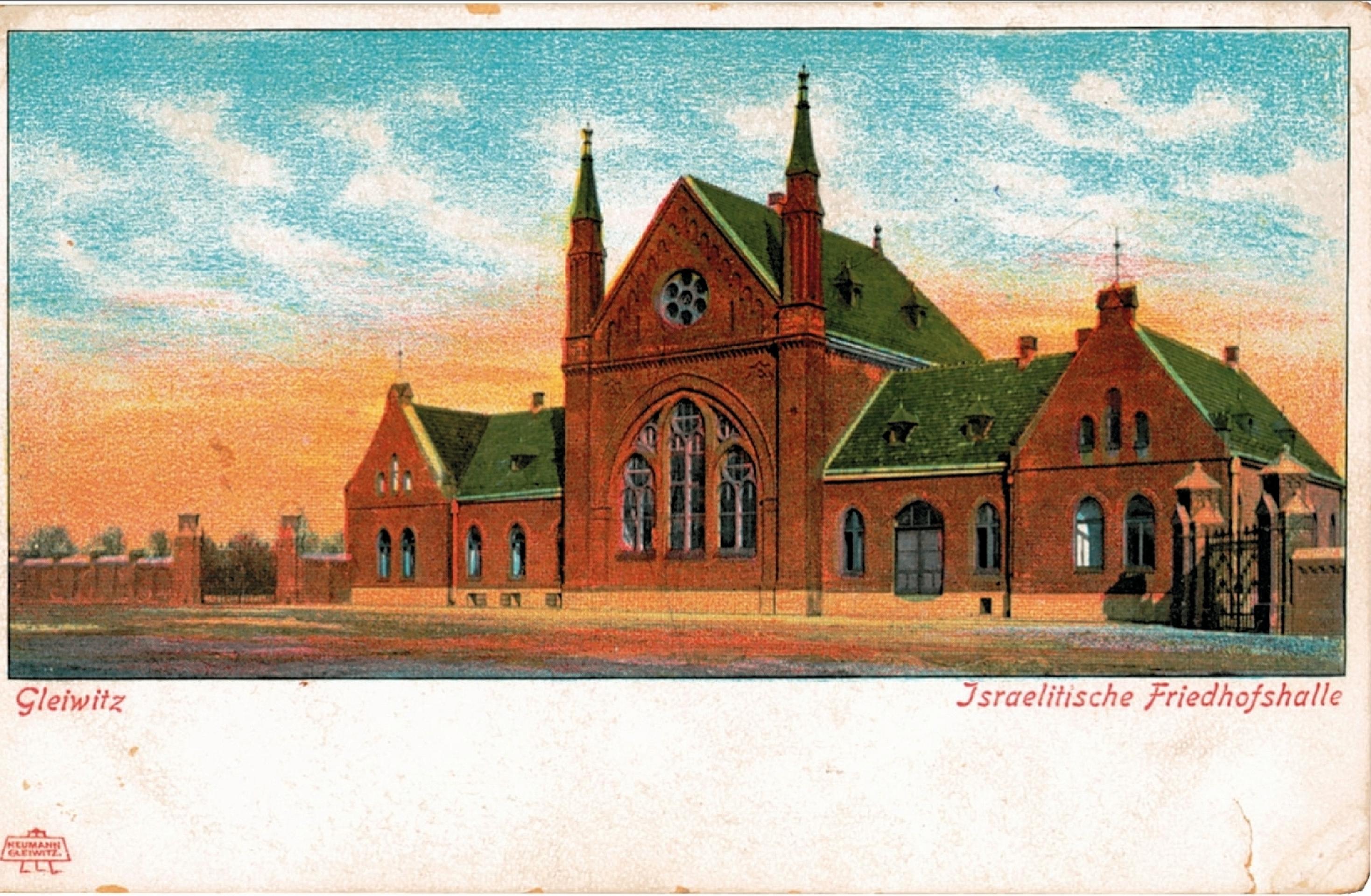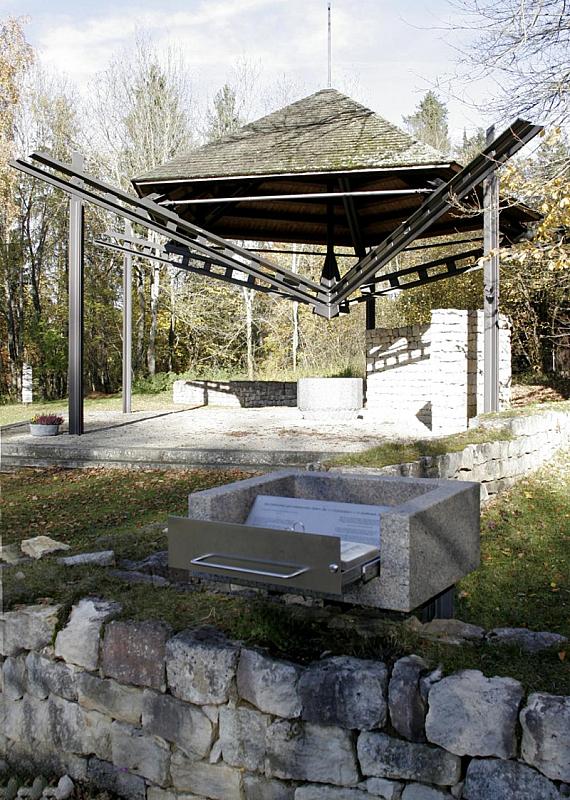
In Gliwice (German: Gleiwitz) a small museum commemorates the history of the Jews of Upper Silesia since 2019. The former ceremonial hall of the Jewish cemetery in which it is located is itself an outstanding testimony to the history of Jewish culture in the region.
History
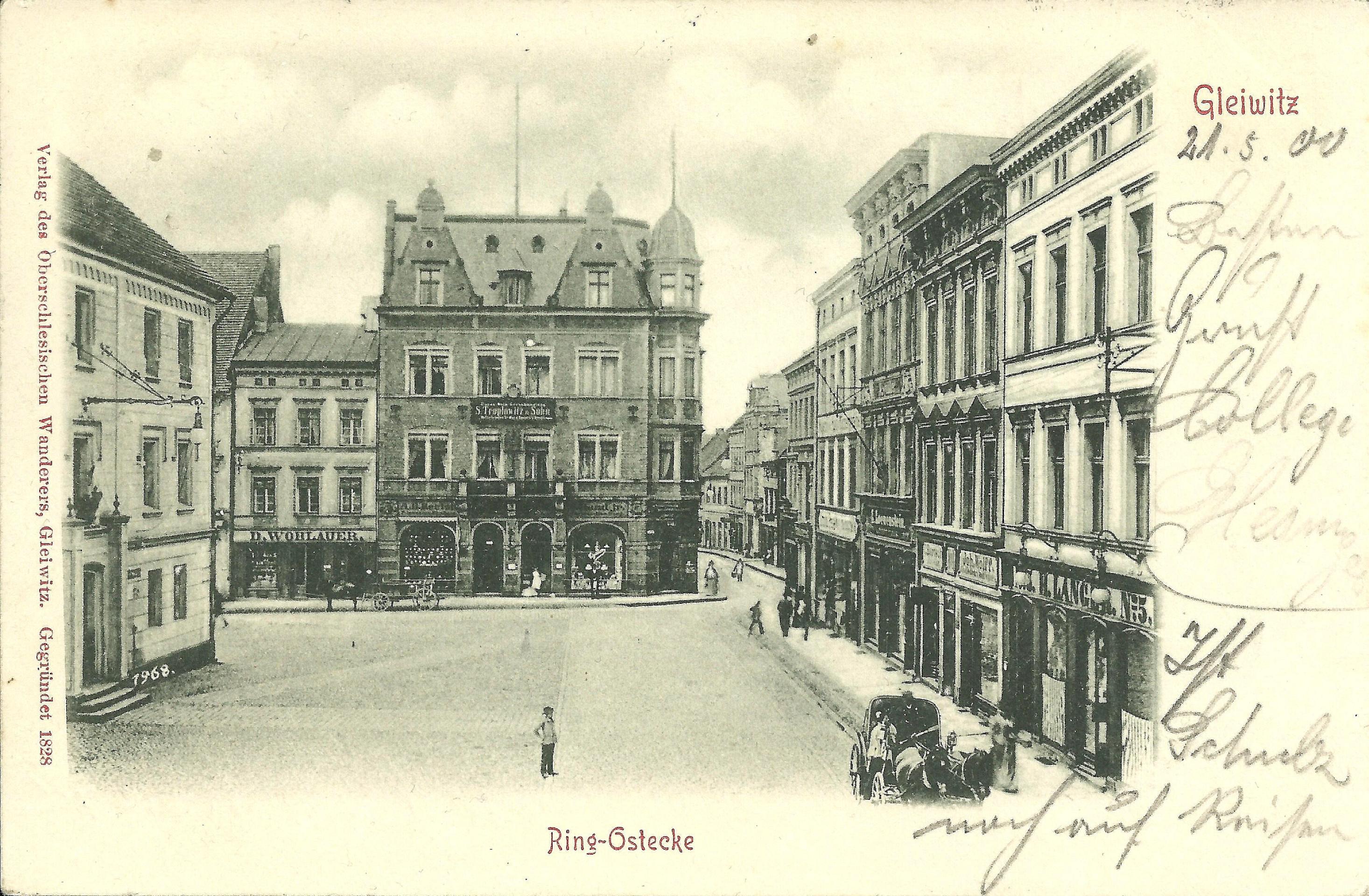
The Upper Silesian town of Gliwice (German: Gleiwitz) was first mentioned in the 13th century. Between 1526 and 1742 Gliwice belonged to Habsburg, then to Prussia. The first small Jewish community was founded in 1750. After Jews were granted the right to settle in Silesian towns in 1808, the first synagogue in Gliwice was inaugurated around 1811. The full political equality of the Jews was achieved in 1847. The period up to the First World War was marked by strong economic growth throughout Upper Silesia. At the same time, it was also the heyday of Jewish life in the region. Among the Gliwice Jews there were numerous civil servants, city councillors and entrepreneurs. During the First World War, 57 Gliwice Jews in German uniforms died on the front. After the war Upper Silesia was divided between Germany and Poland. After a referendum in 1921, in which also the majority of Jews voted for Germany, Gleiwitz stayed with the German Reich and from then on was in the immediate vicinity of the Polish border. The following years proved economically difficult and many Jews moved away from Gliwice.
After their accession to power, as in many other places, National Socialists carried out boycotts against Jewish businesses in Gliwice on April 1, 1933. Jews were gradually forced out of public life and their professions. At the end of the 1930s, many of them emigrated. In November 1938, Nazis burned down the synagogue, destroyed all Jewish businesses, and arrested about 230 Jewish men, who were then deported to concentration camps.
In 1939 approximately 900 Jews still lived in Gliwice. With the exception of those who lived in so-called »Mischehen« (mixed marriages), the Gliwice Jews were deported to Auschwitz-Birkenau in 1942/43, where most of them were murdered upon arrival. In 1944 several satellite camps of the Auschwitz camp complex were set up in and around Gliwice. Most of the prisoners who had to conduct forced labour in these camps were murdered in January 1945.
Victims
When the National Socialists came to power in 1933, about 1,800 Jews lived in Gliwice, which at that time had about 110,000 inhabitants in total. Until 1939 about half of the Jewish inhabitants emigrated. At the end of 1940, when the emigration routes were already blocked, 692 Jews were statistically recorded in Gliwice. Most of them were deported in 1942/43 in various transports to the Auschwitz-Birkenau extermination camp and murdered there. Only 25 Jewish persons living in so-called »Mischehen« (mixed marriages) survived the Holocaust in Gliwice.
Remembrance
Since 1945 Gliwice is a Polish city. Most Germans who had lived there fled or were expelled. In the immediate post-war period about 1,000 Jews lived in Gliwice, most of them Holocaust survivors from formerly Polish territories. Until 1950, most of them left the city again but a small Jewish community with its own house of prayer continued to exist.
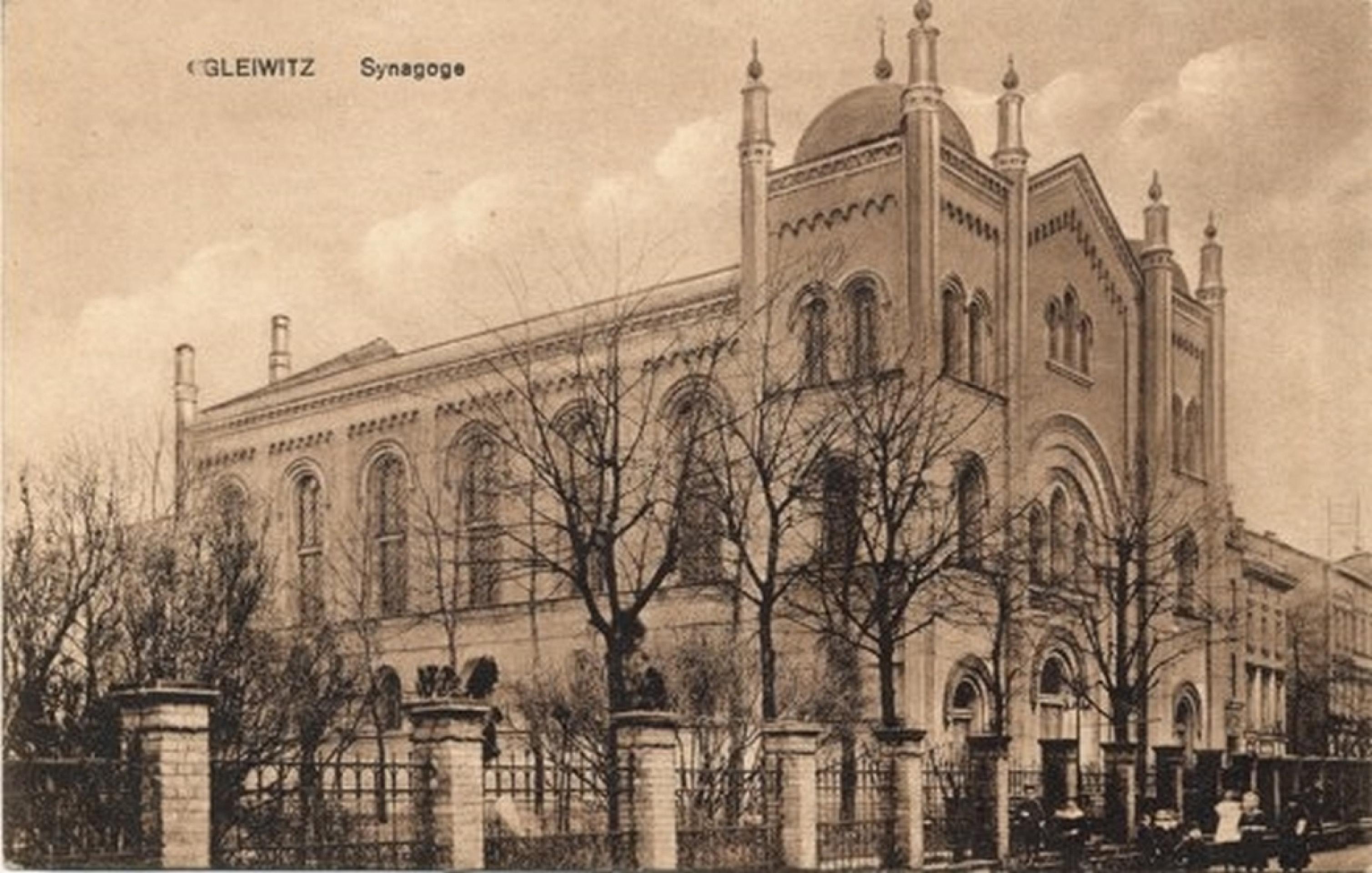
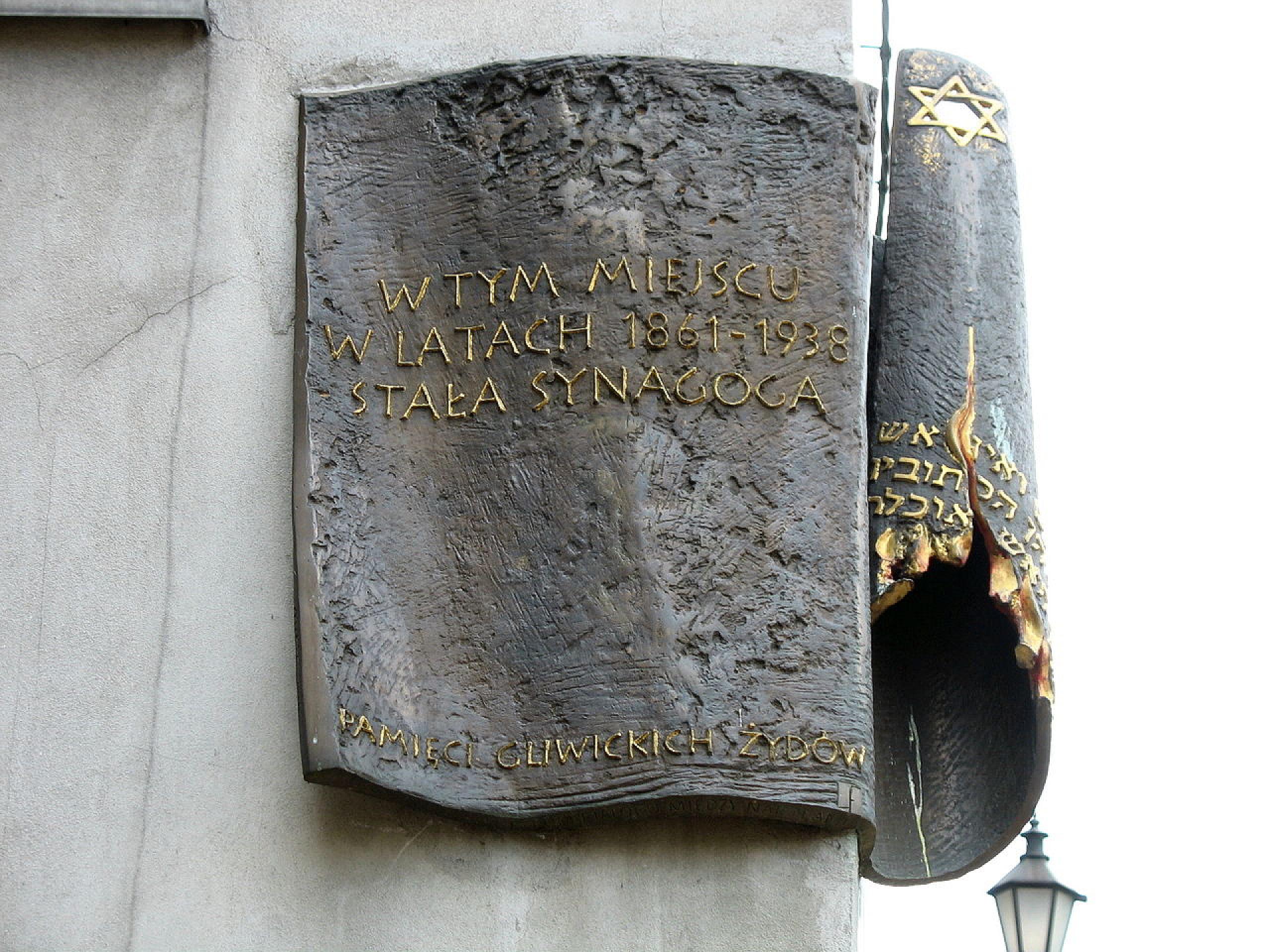
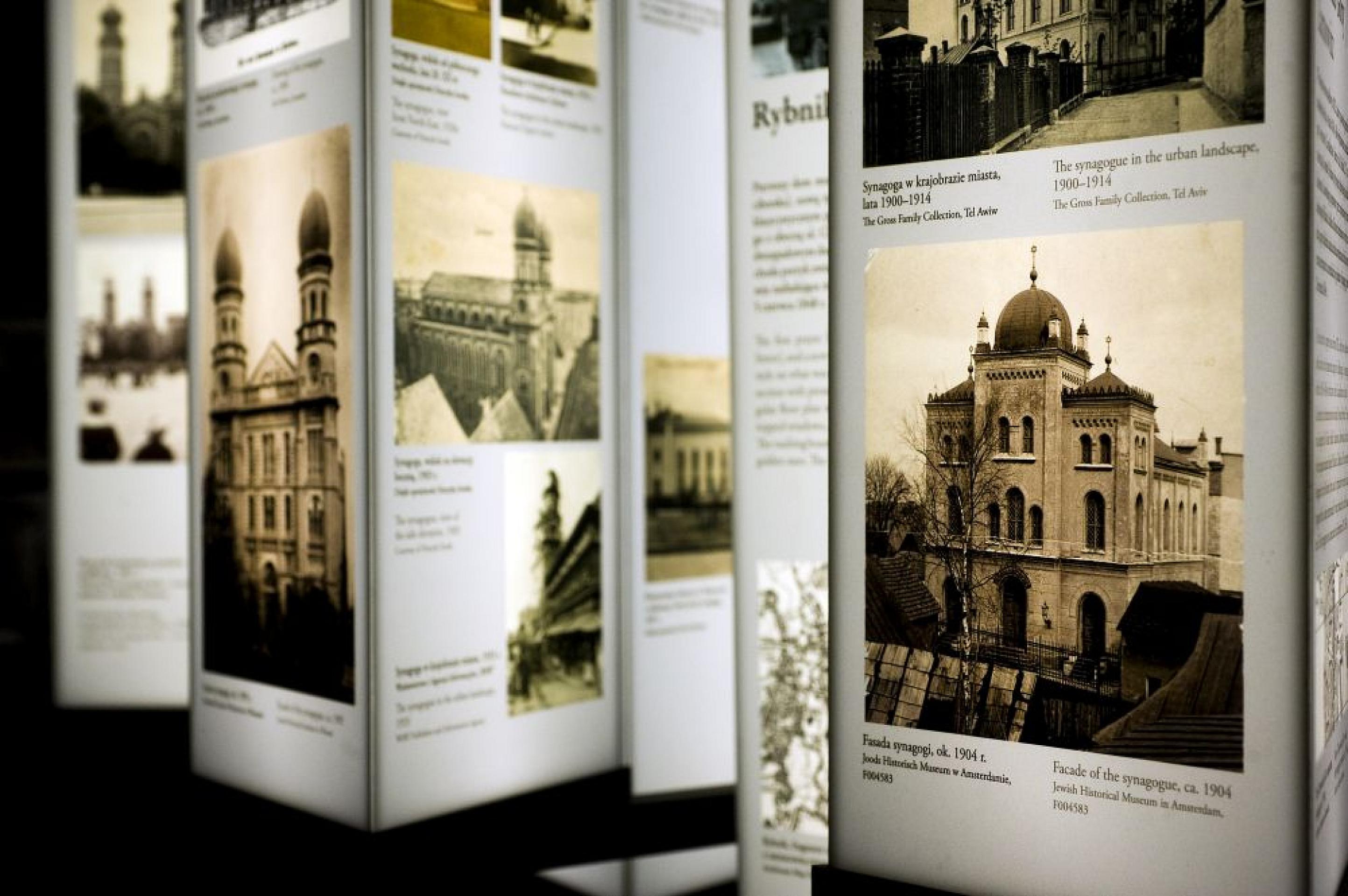
Inaugurated in 1861, the New Synagogue was destroyed by the Nazis on November 9, 1938. On its former site, two commemorative plaques were unveiled in 2003.
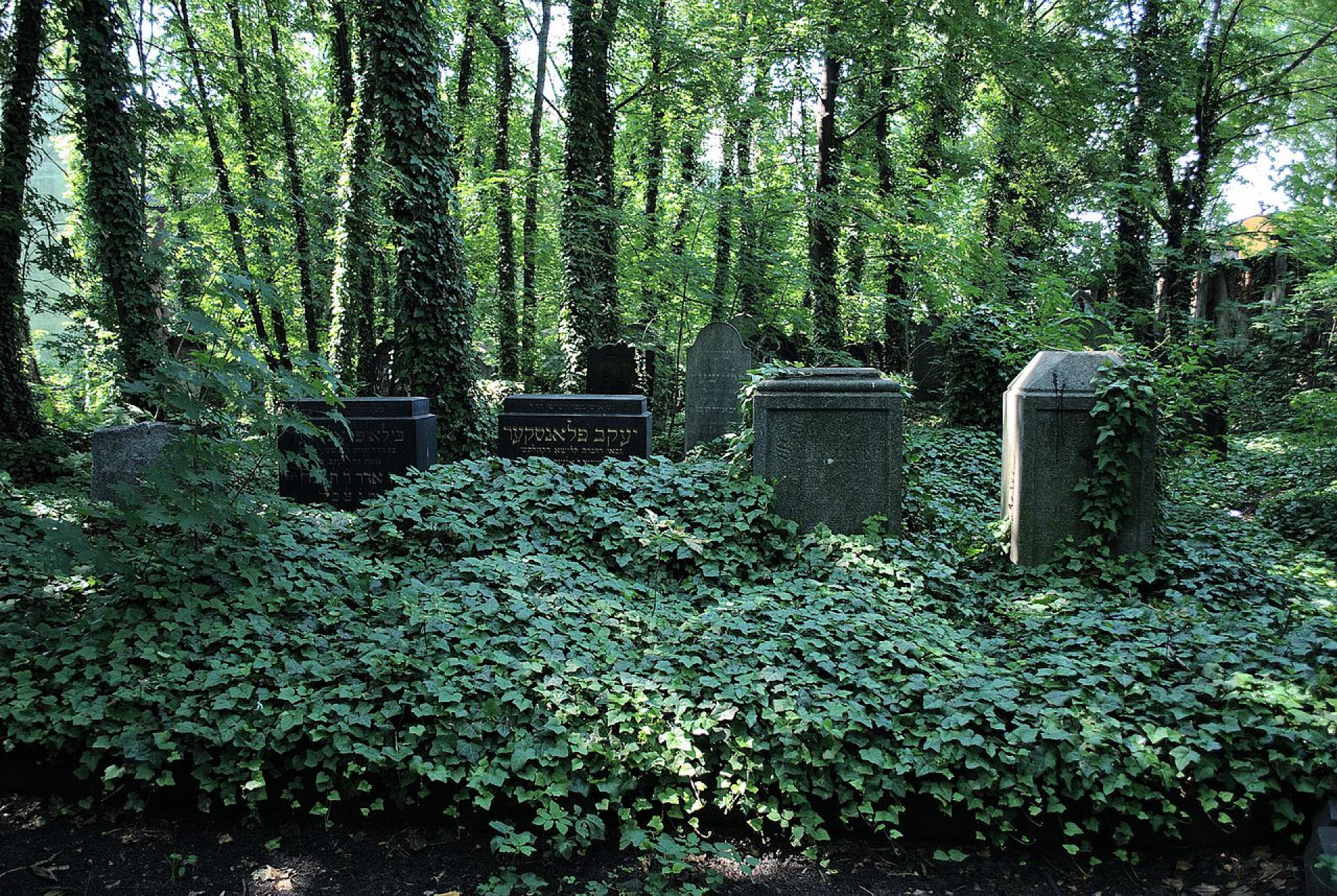
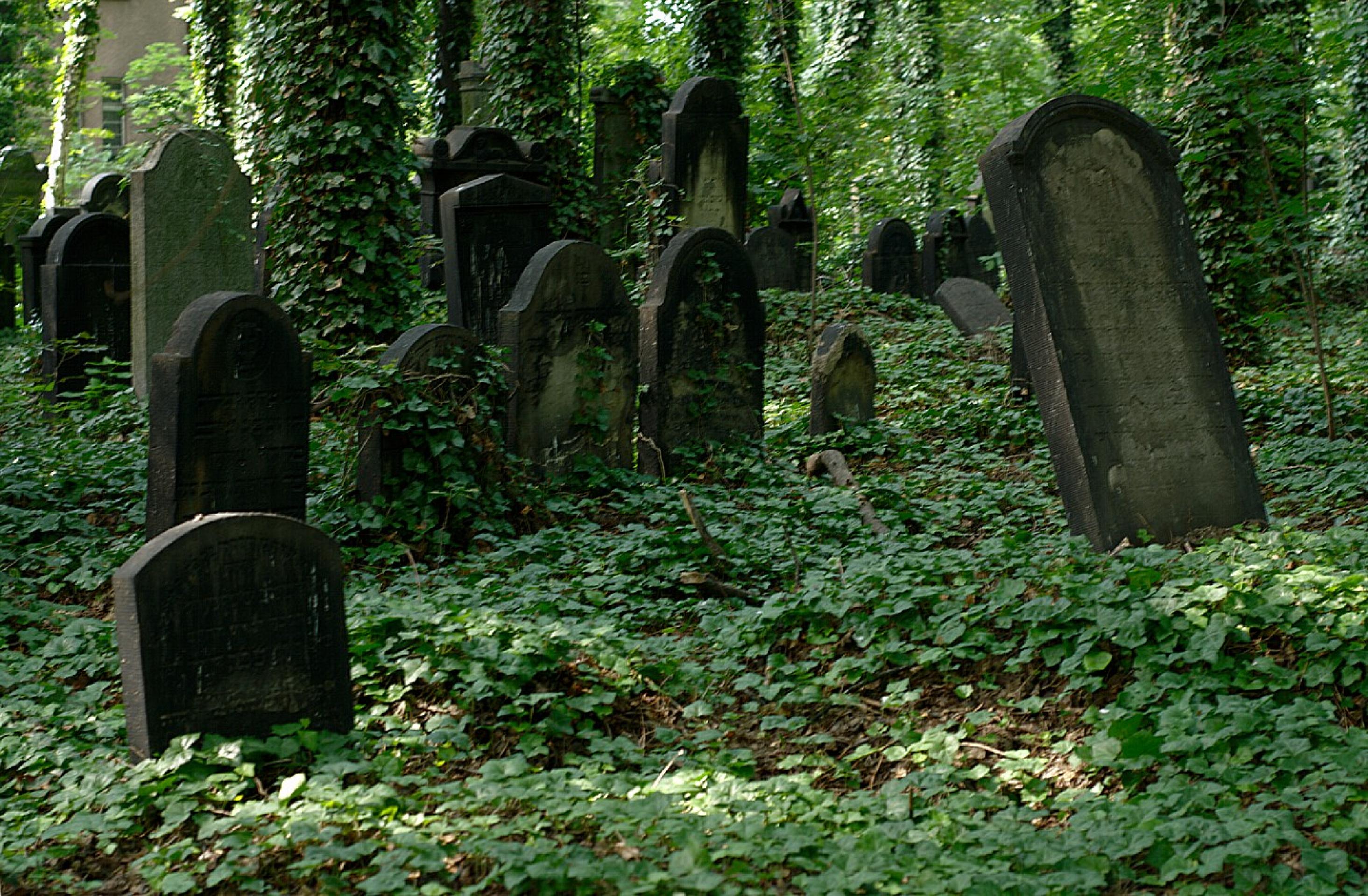
The Jewish cemetery still exists today, despite plans in the 1970s to release the site for new housing projects. Also many old gravestones are still preserved. Immediately after the Second World War all German inscriptions were to be destroyed but this eventually was prevented by the Jewish community.
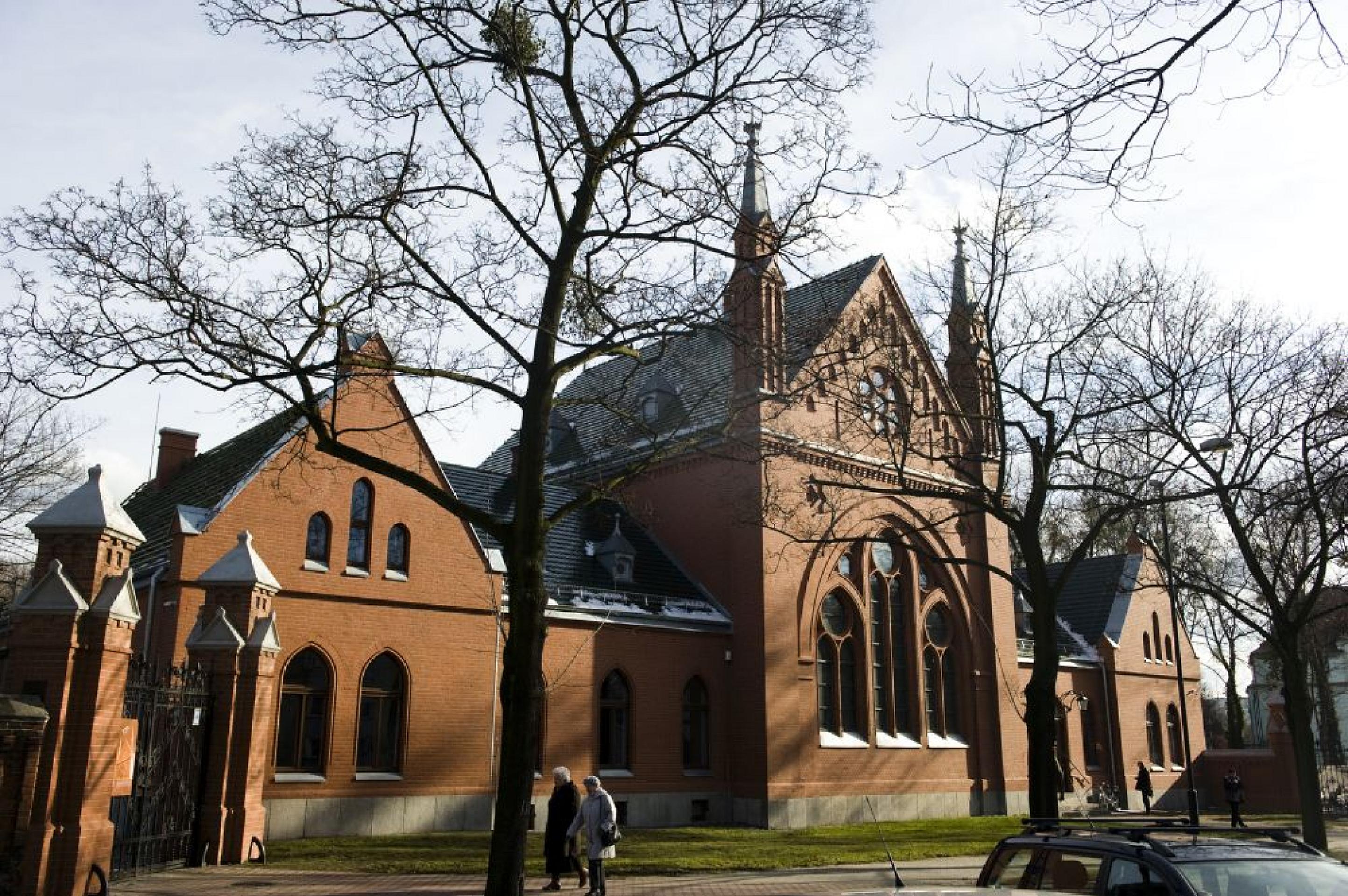
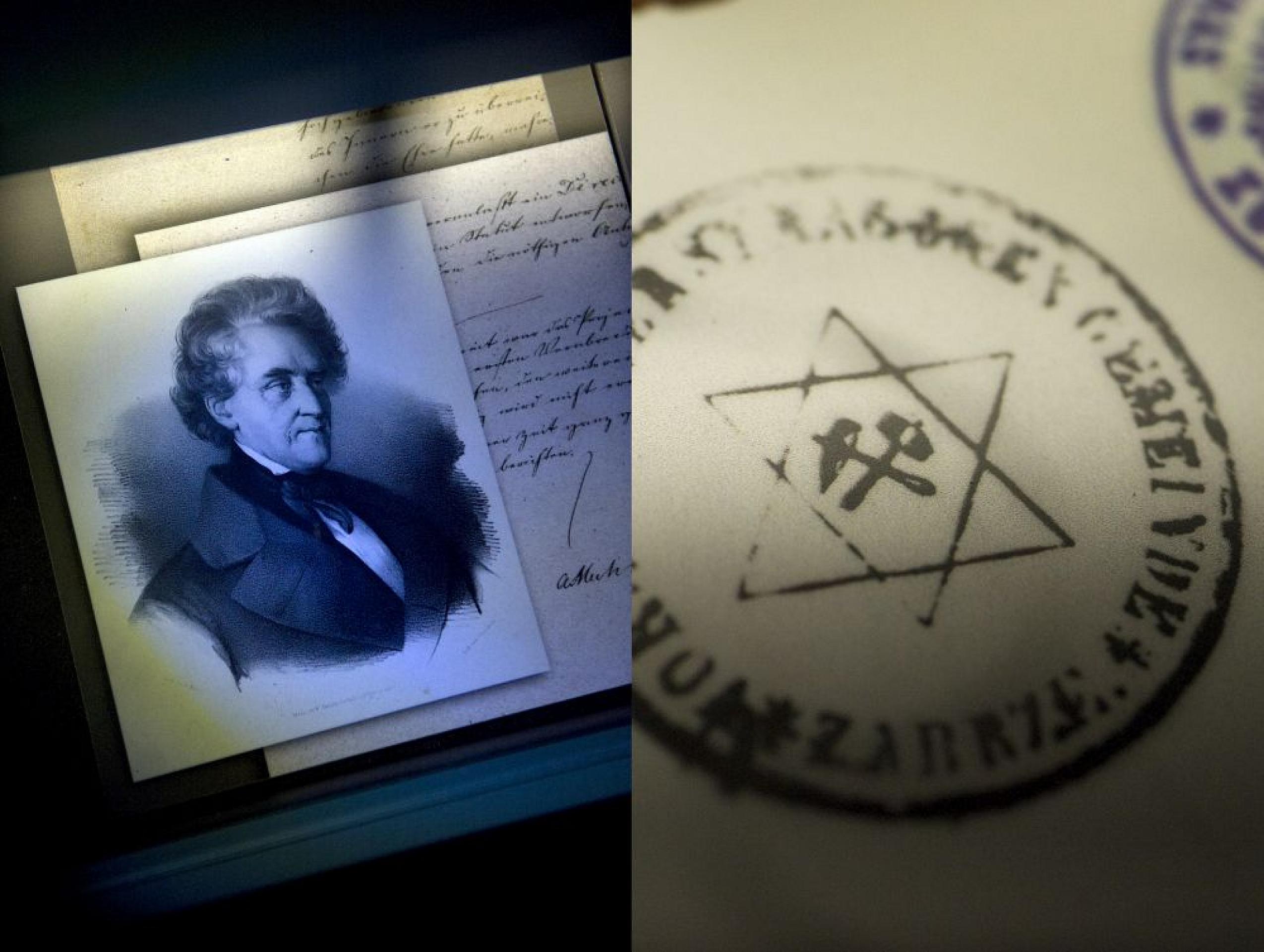
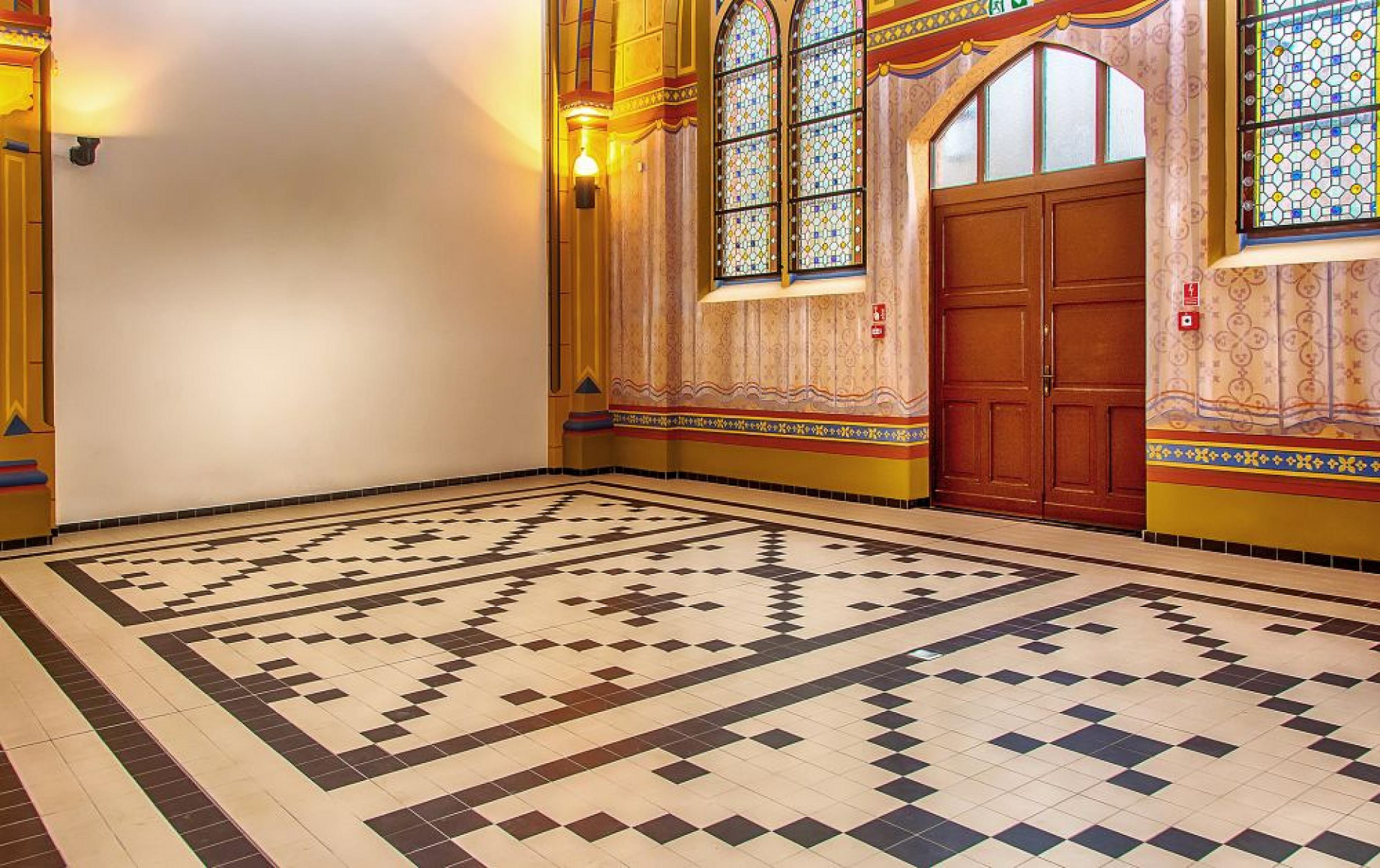
In the burial hall of the Jewish cemetery, built in 1903, the House of Remembrance of the Jews of Upper Silesia opened in 2019 as a branch of the Gliwice Museum. The neo-Gothic building designed by the Viennese architect Max Fleischer (1841-1905) had previously been restored at the initiative of the city officials. On 150 square metres, the permanent exhibition tells the story of the Jews of Upper Silesia, especially in the period between 1800 and 1945.
Possibilities
Permanent exhibition, changing exhibitions, seminar room
Open
Tuesday to Friday 10.00 am to 4.00 pm, Saturday 11.00 am to 5.00 pm, Sunday 10.00 am to 3.00 pm
Contact
info@muzeum.gliwice.pl
+48 (0) 32 428 16 09
ul. Księcia Józefa Poniatowskiego 14
44–100 Gliwice