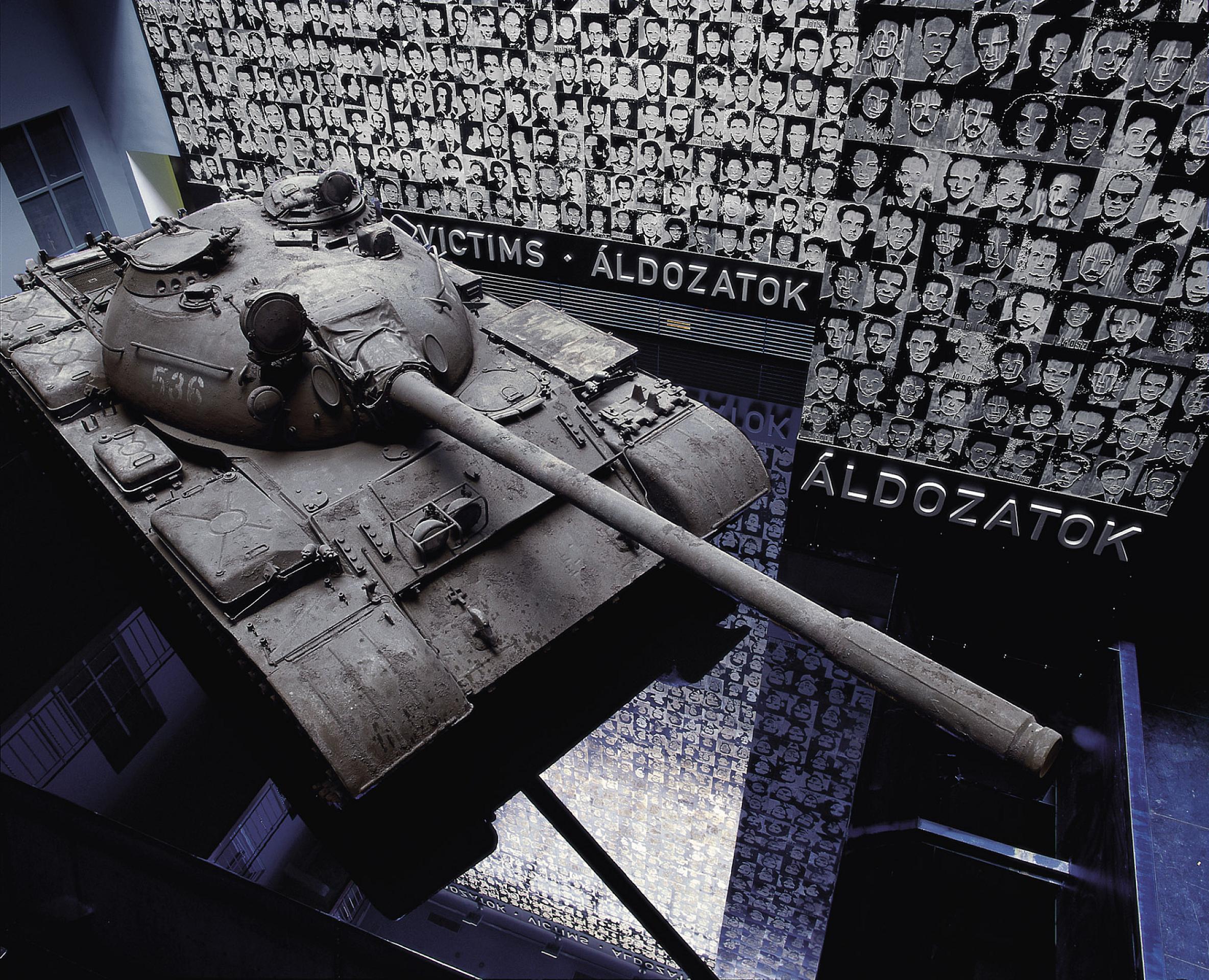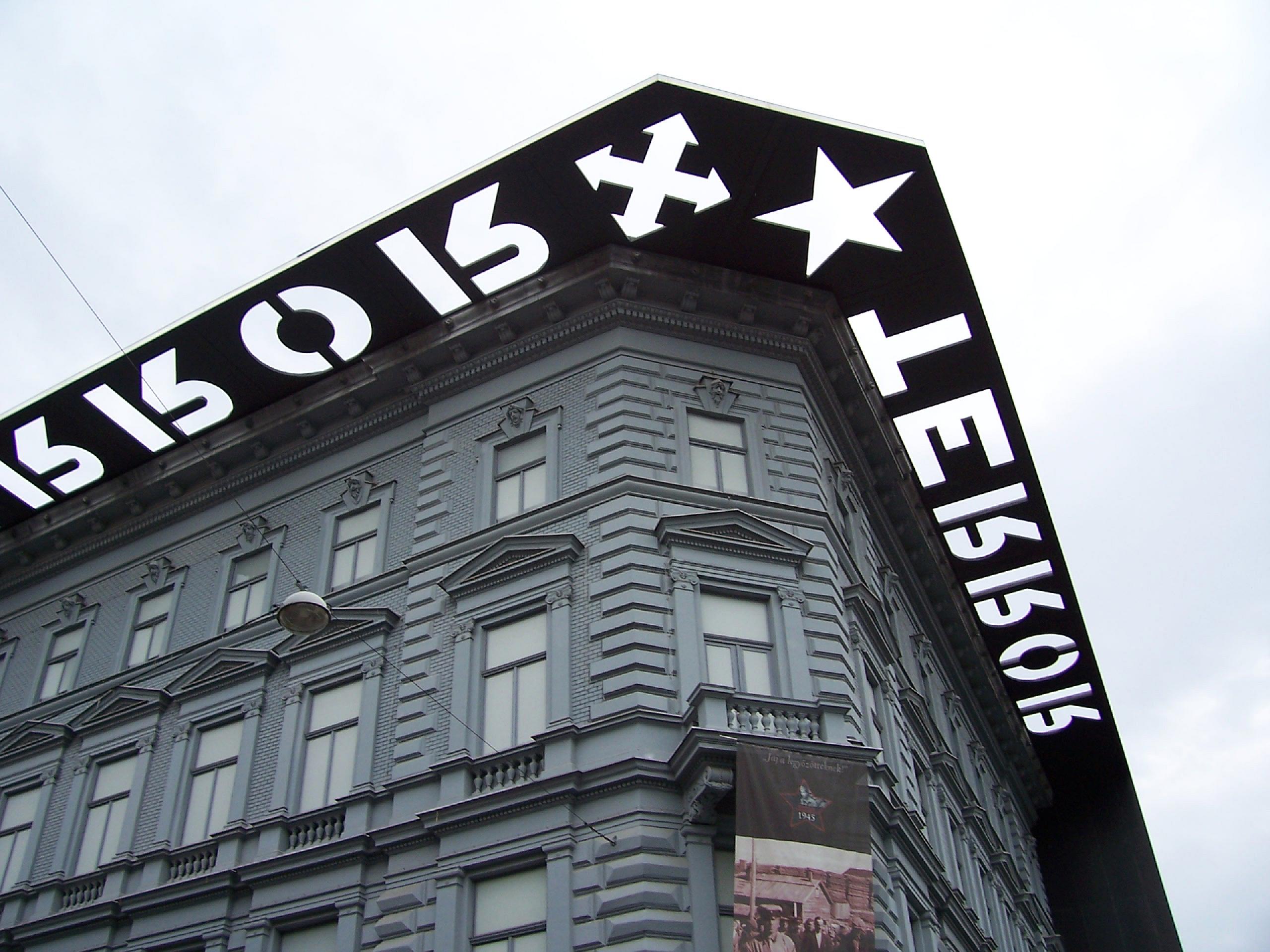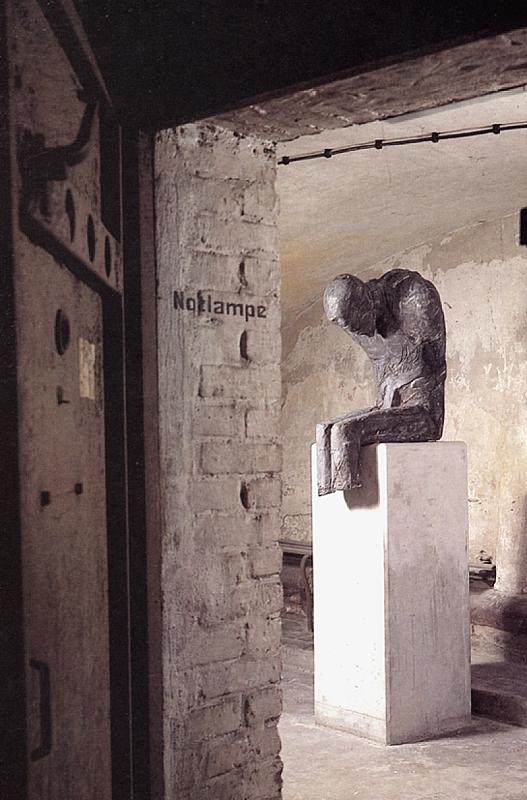
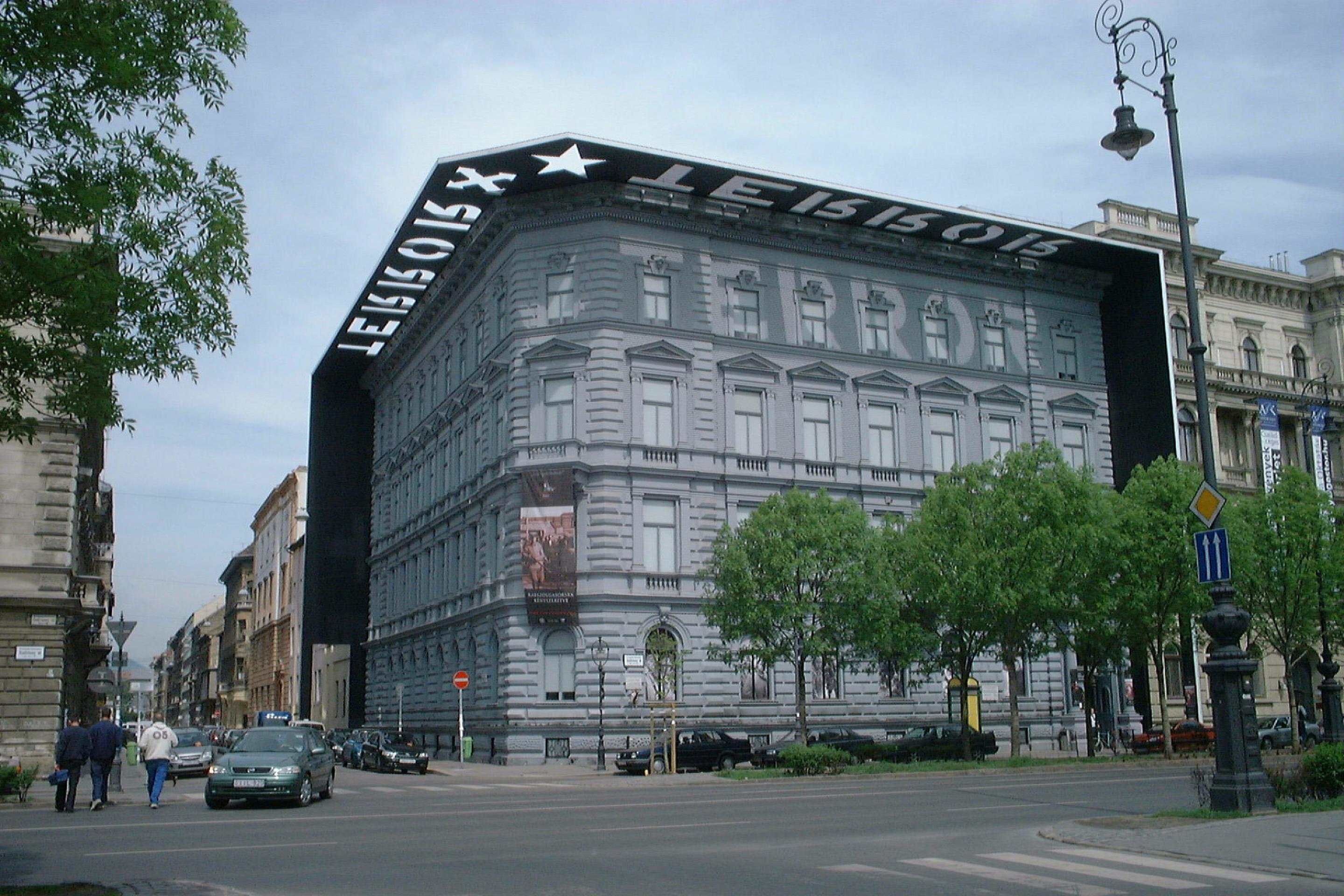
The state memorial »House of Terror«, located on Budapest's Andrássy út boulevard - in a building that first housed the headquarters of the National Socialist Arrow Cross Party and later the Stalinist secret service - commemorates the victims of both these dictatorships.
History
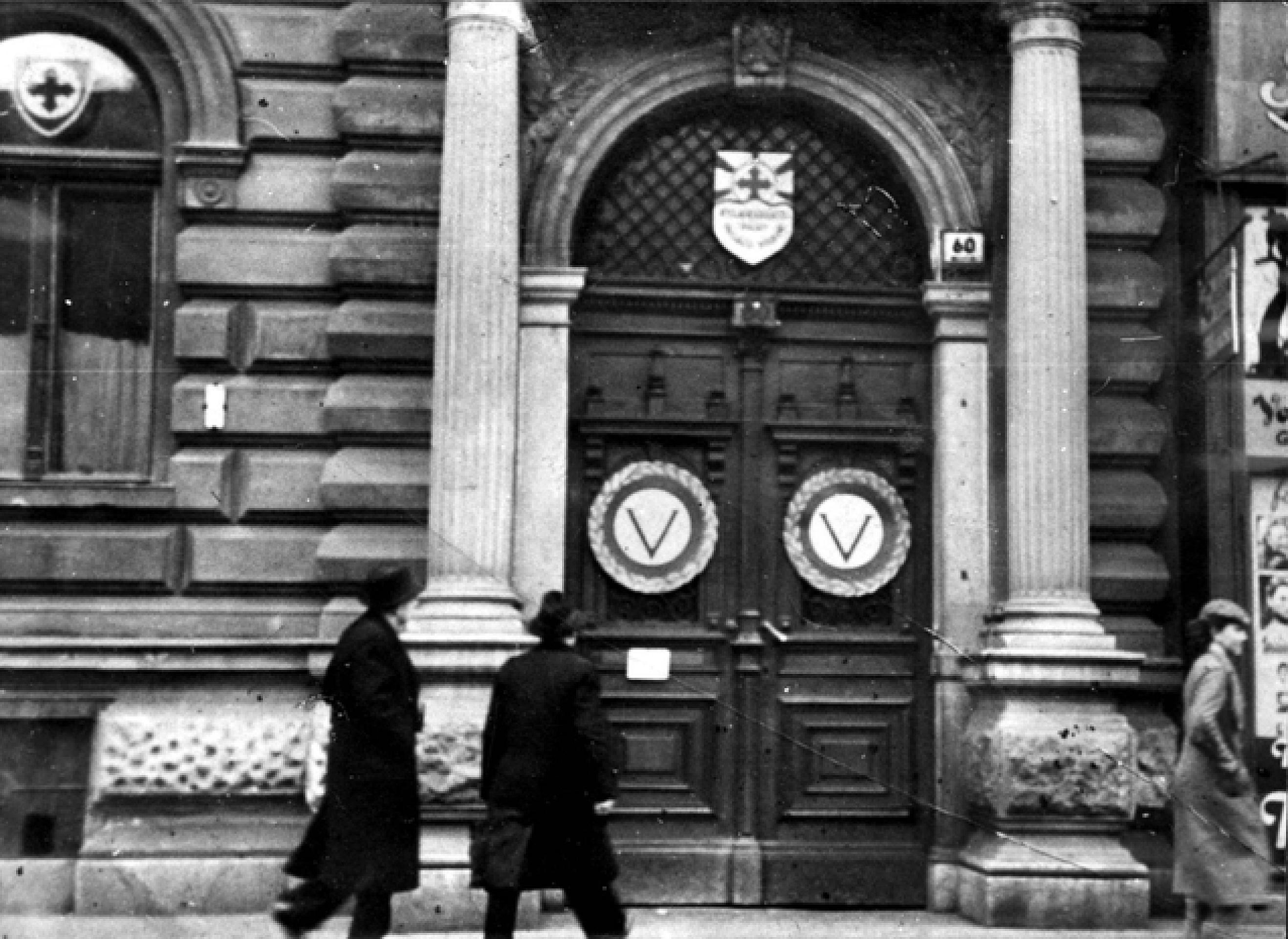
On March 19, 1944, the German Wehrmacht occupied its ally Hungary. In the following months, the SS, assisted by Hungarian authorities, deported almost all of the Jews in Hungary – except the Jews of Budapest. Open terror gripped the country particularly after October 1944, when the National Socialist Arrow Cross Party came to power with the support of the German authorities. Members of the Arrow Cross Party incarcerated many political opponents in their headquarters in Andrássy út 60, in the »House of Loyalty«, locking them in the basement and subjecting them to severe abuse.
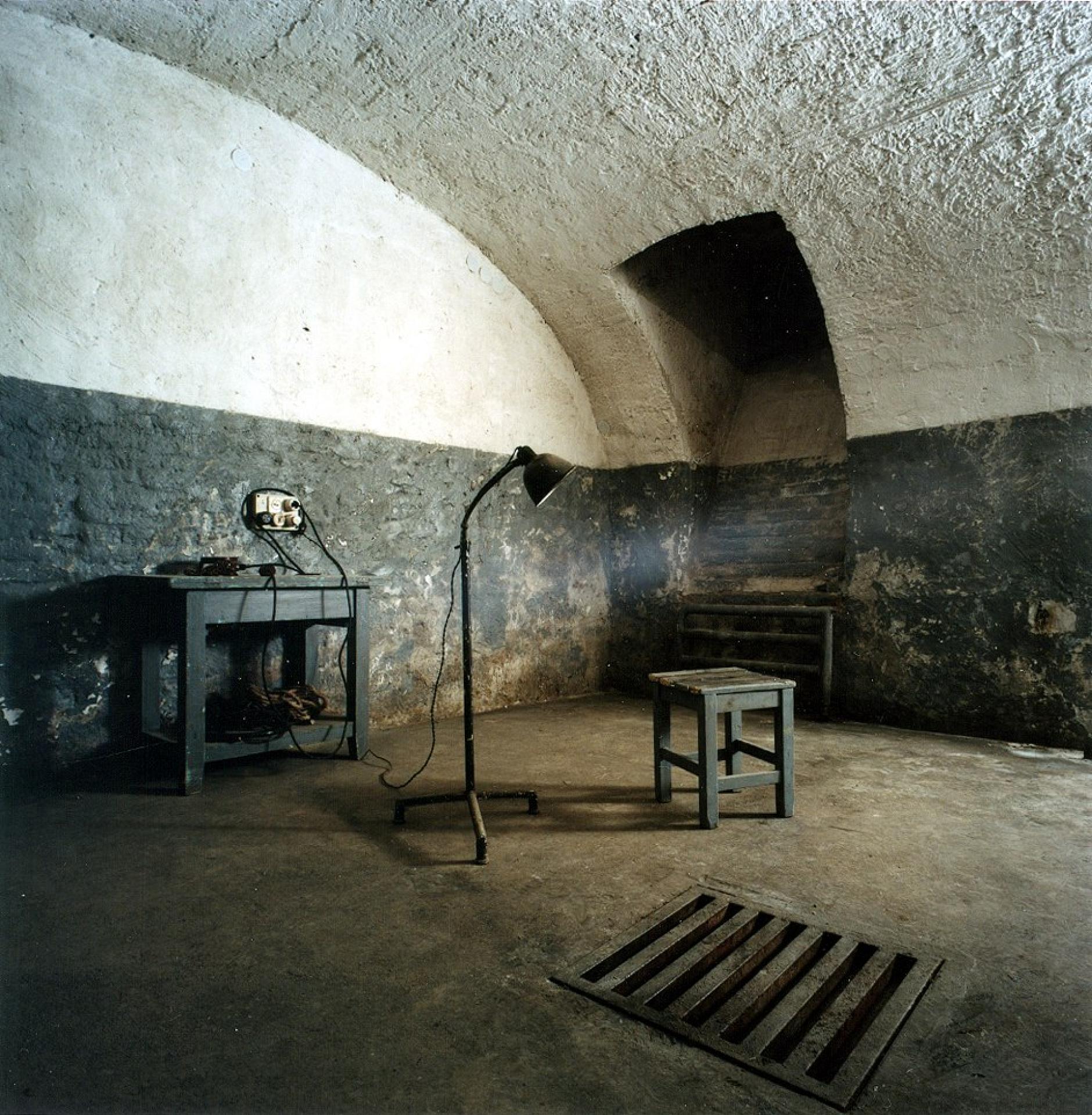
At the beginning of 1945, the Red Army occupied Hungary. The Soviets established a transitional government consisting of several parties, with the communists taking hold of the Ministry of the Interior. Over time they set up an armed secret service, which played a key role in the fight against and the suppression of other parties in the post-war years. The service set up headquarters in the former house of the Arrow Cross Party and extended the existing basement prison facilities. The communists succeeded in establishing a Stalinist regime by 1948/49. Until the Hungarian revolution of 1956, the secret service spread fear among the population, and no-one was safe from possible imprisonment. Tens of thousands were incarcerated, forcibly resettled or deported to forced labour camps. Political opponents, the clergy, »bourgeois« people and aristocrats as well as peasants abusively called »Kulaks« were among the victims. Many communists, who had fallen out of grace with the authorities, met a similar fate: they were incarcerated and put on show trials. The secret service changed its name several times, the best-known abbreviations were AVO (»Államvédelmi Osztály«, State Security Department) and AVH (»Államvédelmi Hivatal«, State Security Office). The AVH was dismantled in the course of the 1956 revolution, yet many of its staff took part in suppressing the uprising and in reprisal measures.
Victims
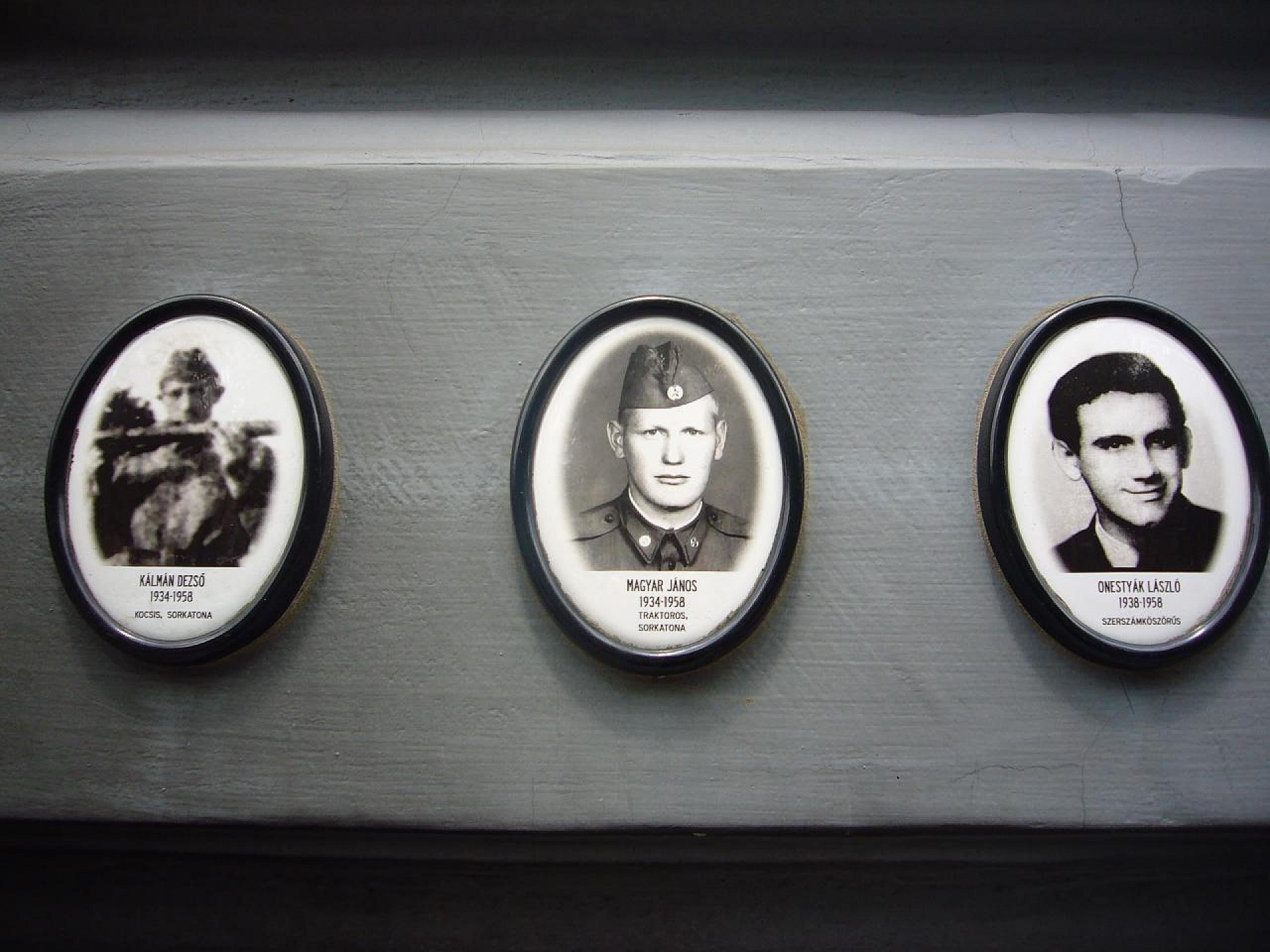
The House of Terror memorial site is dedicated to the victims of totalitarian regimes in Hungary. The exhibition deals with the period between the German invasion in March 1944 and 1961, when the suppression following the 1956 revolution subsided and the communist leadership launched a phase of consolidation. No executions were carried out in the building itself, yet many of the prisoners died. The exact number is not known.
Remembrance
After 1956, the house was used as an office building and all traces of the basement prison were removed. Nevertheless, to the public »Andrássy út 60« was a symbol of the crimes committed by the two dictatorships. From the 1960s on, the communist authorities tried to distance themselves from the crimes committed before 1956, yet the history was never dealt with in depth, nor were any of the perpetrators prosecuted. Only after the political transformation of 1989/90 could themes such as the Recsk forced labour camp, which existed between 1950 and 1953, or the brutal persecution of revolutionaries after 1956, openly be discussed. The extent of human rights' abuse was yet unknown to the public.
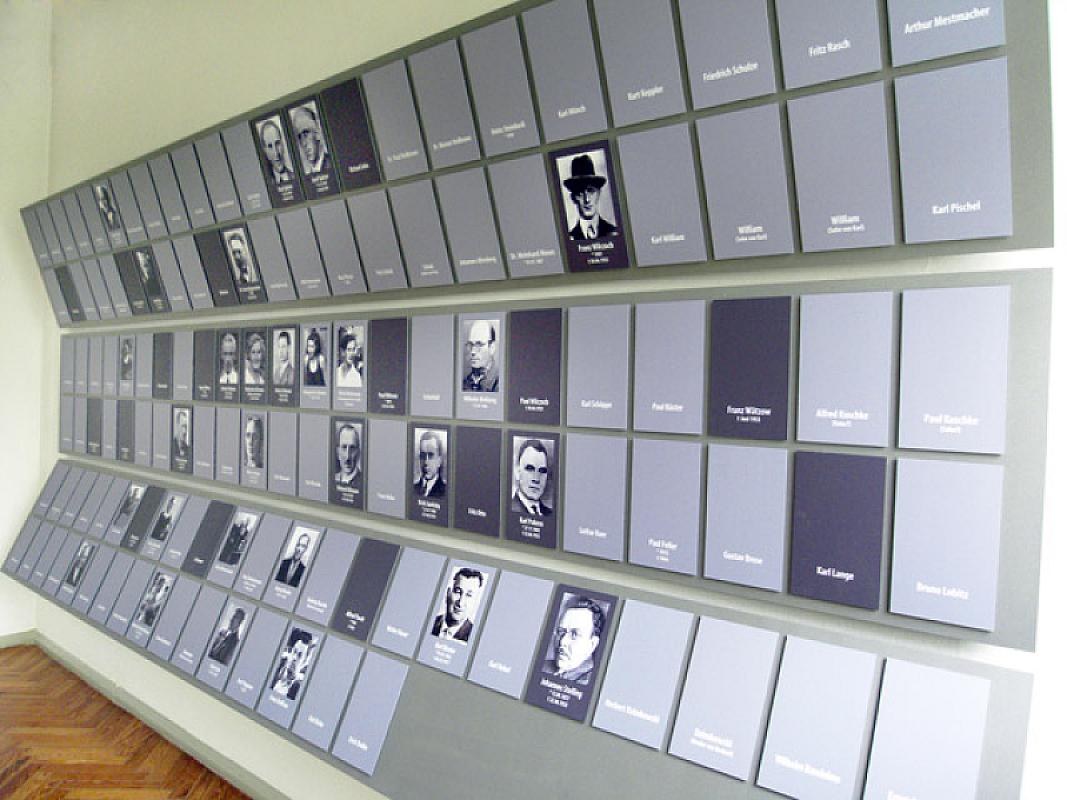
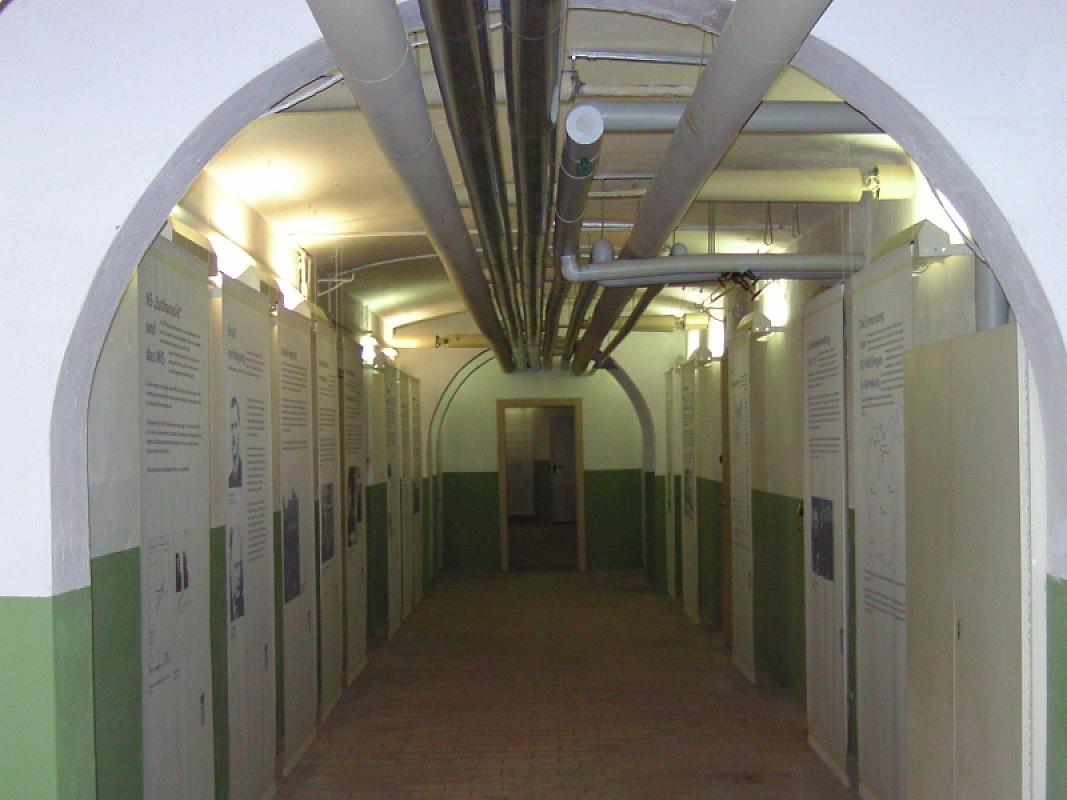
At the turn of the millennium, when the Hungarian government decided on establishing a national Holocaust memorial centre, it also initiated setting up a memorial site dedicated to the victims of both totalitarian dictatorships. A state foundation purchased the highly symbolic building at Andrássy út and remodelled it to a memorial. The underlying idea of the memorial is that totalitarianism was at the core of all evil in the history of the 20th century, regardless of the ideological colouring of the particular system. Hungary is portrayed as a country that lost its sovereignty after March 1944 and became a pawn in the hands of global powers. Parallels are drawn between the two dictatorships; the political symbols and uniforms are shown to be interchangeable. Biographies of perpetrators who served both regimes are presented. The exhibition's narrative is not chronological, instead it relies on dramatic effects and emotions: for example, music is used in the exhibition and the prison was reconstructed in the cellar.
Possibilities
Permanent exhibition, guided tours, audioguides
Open
Tuesday to Sunday 10 a.m. to 6 p.m.
Contact
muzeum@terrorhaza.hu
+36 (0)1 374 26 00
Andrássy út 60
H-1062 Budapest