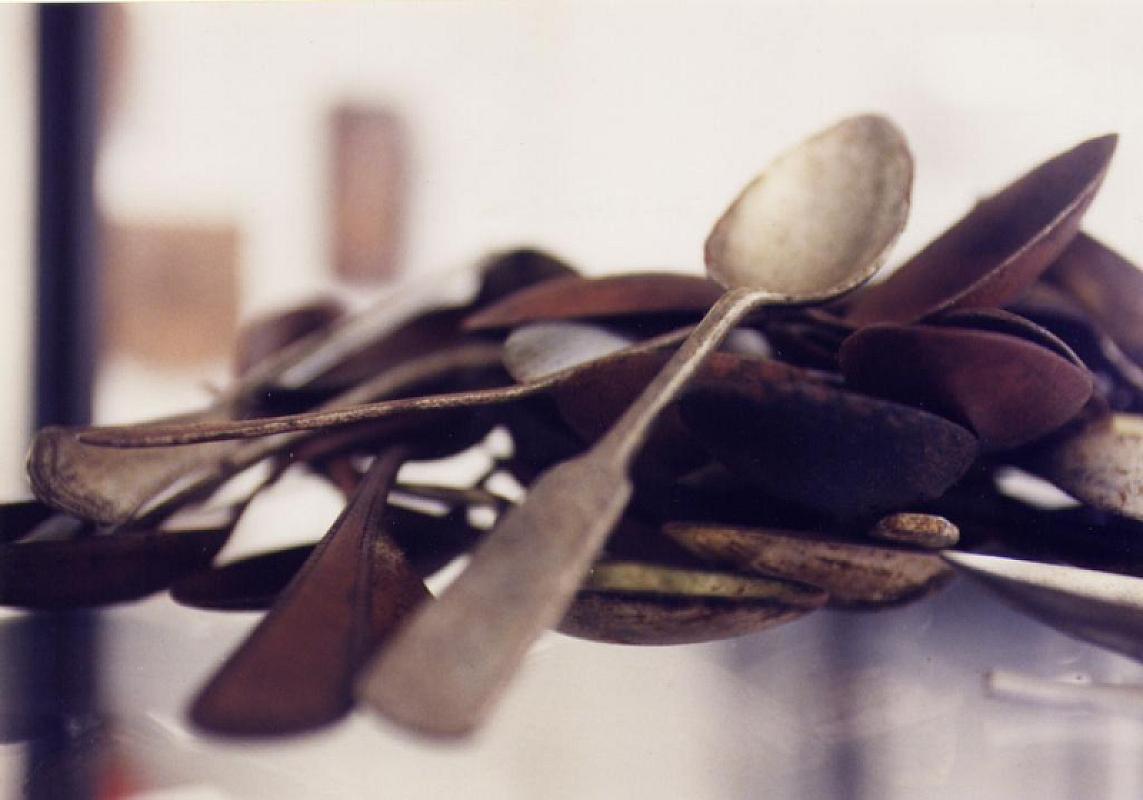
House of the Wannsee Conference Memorial and Educational Site
Gedenk- und Bildungsstätte Haus der Wannsee-Konferenz
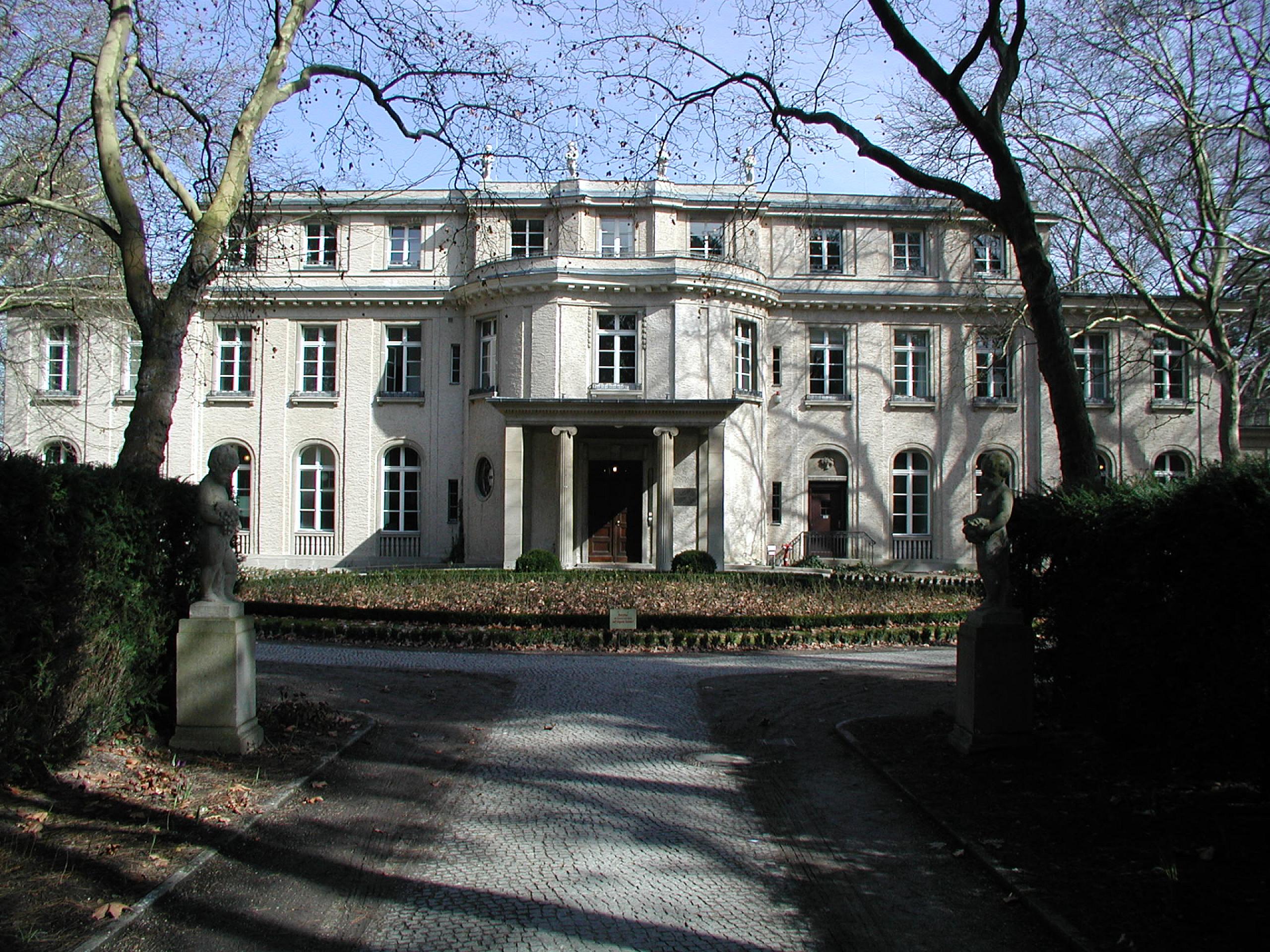
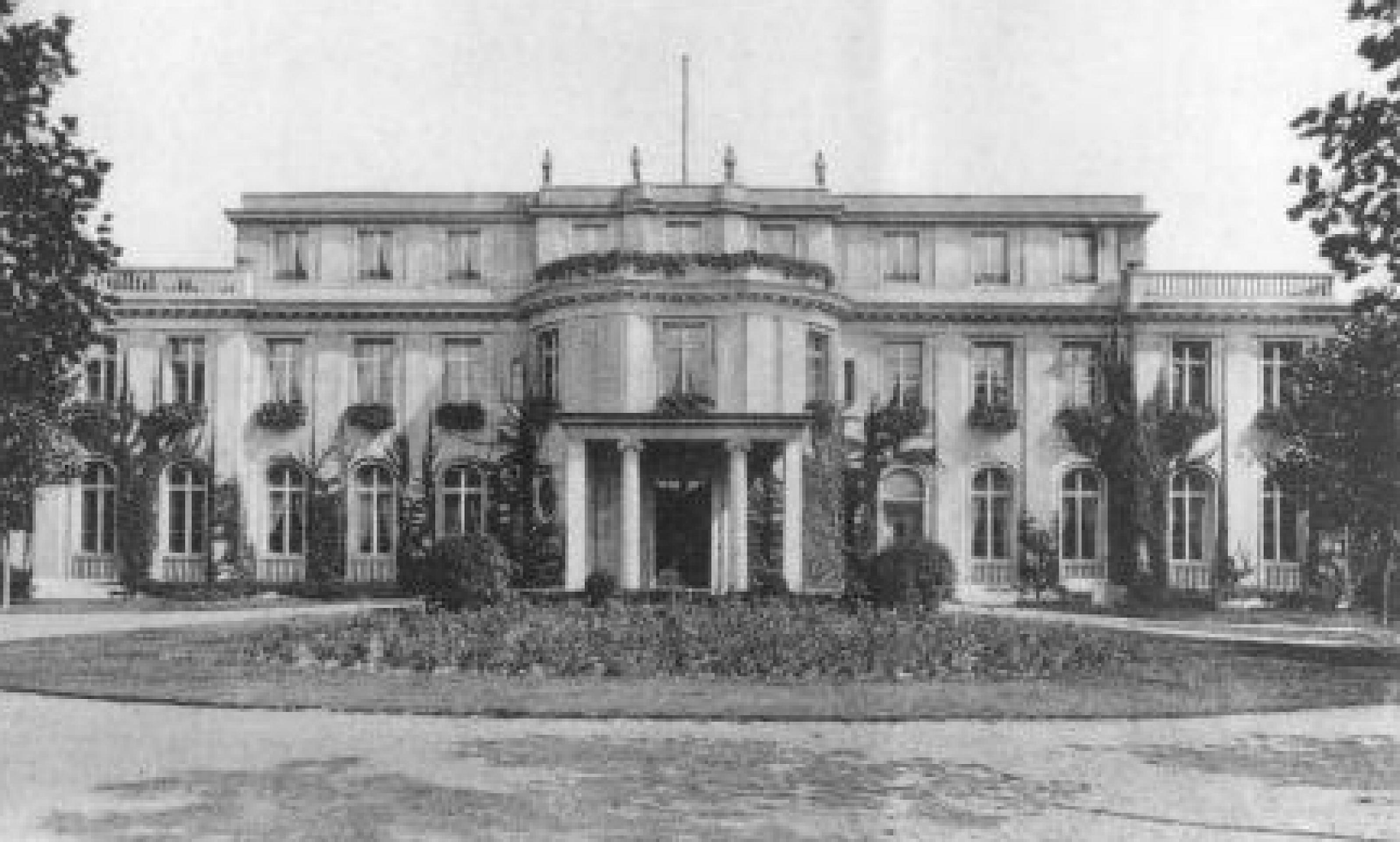
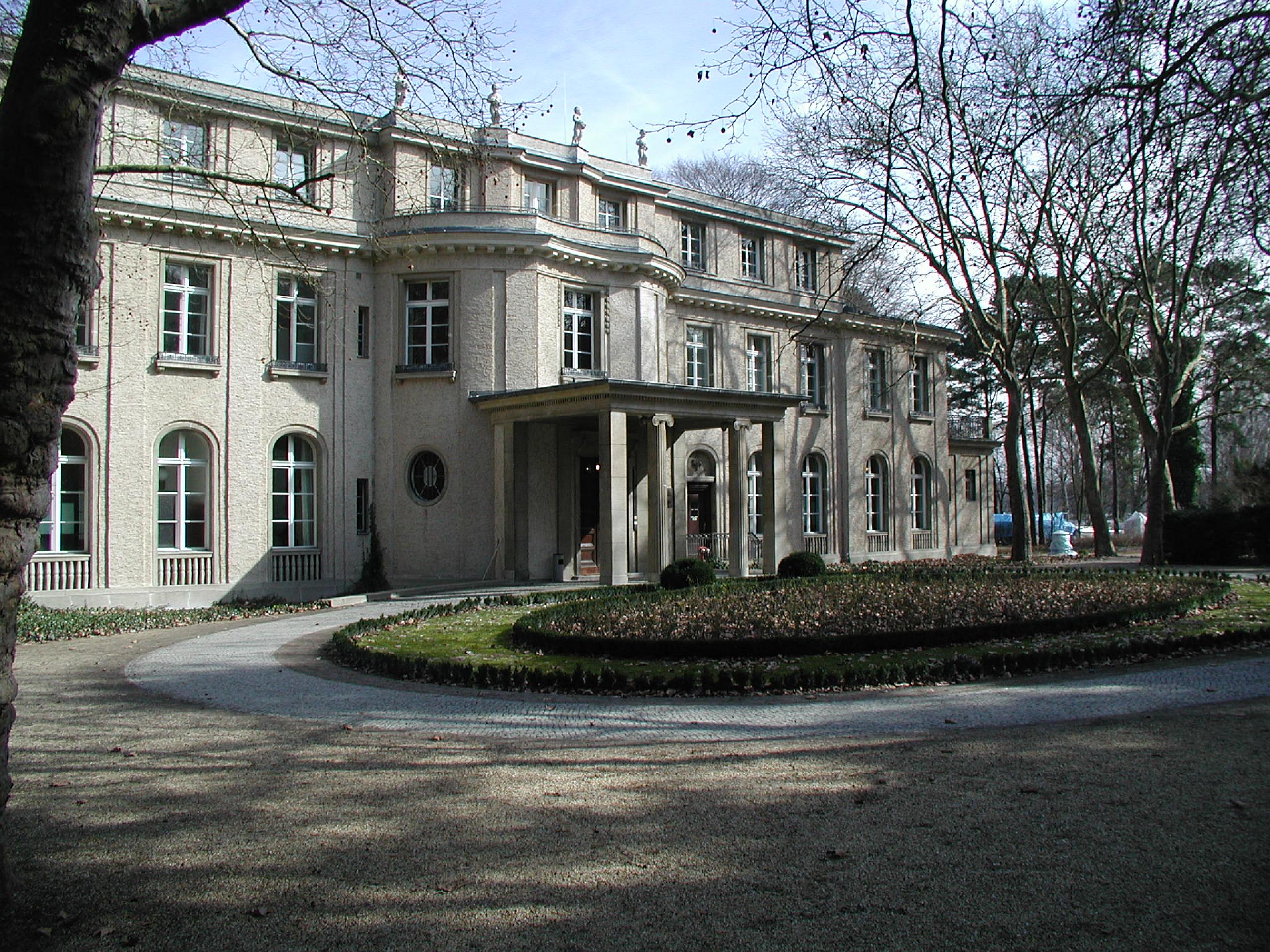
On January 20, 1942, a conference of high-ranking SS functionaries and representatives of the Reich leadership took place on the topic of »the Final Solution of the Jewish question« in a villa in Berlin's Wannsee district. The »House of the Wannsee Conference« memorial presents information about the conference at its historic site and the genocide of the European Jews.
History
On January 20, 1942, high-ranking members of the SS, police as well as representatives of all important ministries met in a villa at the banks of the Großer Wannsee lake for a conference upon invitation by the head of the Reich Main Security Office Reinhard Heydrich. The aim of this conference was to coordinate among leading state institutions the murder of the European Jews. Historians also assume that Reinhard Heydrich hoped to strengthen his position as the organiser of the »Final Solution«. Heydrich's colleague Adolf Eichmann drew up a protocol of the points of order: it speaks of a »natural reduction« of Jewish labourers who are to be deployed in road construction in the east. The remaining part of these Jews was to be »treated accordingly«. For a long time, historical scholars considered January 20, 1942 – based on Eichmann's protocol – the date on which the National Socialists made the decision on the annihilation of European Jews. However, at the time, the »Final Solution« was already being implemented and the decision had been made at an earlier point. Hundreds of thousands of Jews had been shot by SS mobile killing squads and local collaborators in the territories occupied by the German Wehrmacht in Poland and the Soviet Union since the summer of 1941. Countless Jewish families from the »German Reich« had been deported by the SS to camps and ghettos in the east prior to the »Wannsee Conference«. Many of them were asphyxiated in gas chambers and gas vans. The conference of January 20, 1942 was initiated to coordinate the extermination efforts undertaken by various state authorities.
Victims
It is estimated that between 5.4 and 6 million European Jews were murdered during the Holocaust. According to the protocol of the Wannsee Conference, the annihilation of up to 11 million Jews all over Europe was planned.
Remembrance
Following temporary usage for different purposes, the Villa served as a state boarding school for the Berlin district of Neukölln between 1952 and 1988. Already in the 1980s, plans were formulated concerning converting the former SS guest house into a memorial site. The cooperation of various institutions made the opening of a memorial site possible in 1992, on the fiftieth anniversary of the Wannsee Conference. Among the members of the memorial's support association are: the state of Berlin, the federal state, the Central Council of Jews in Germany, the two leading churches, the workgroup of various associations of people who fell victim to persecution, and the German Historical Museum.
The institution is best known for its diverse educational programme. The open spaces on the premises have been integrated into the memorial's concept and can be used to display temporary open-air exhibitions.
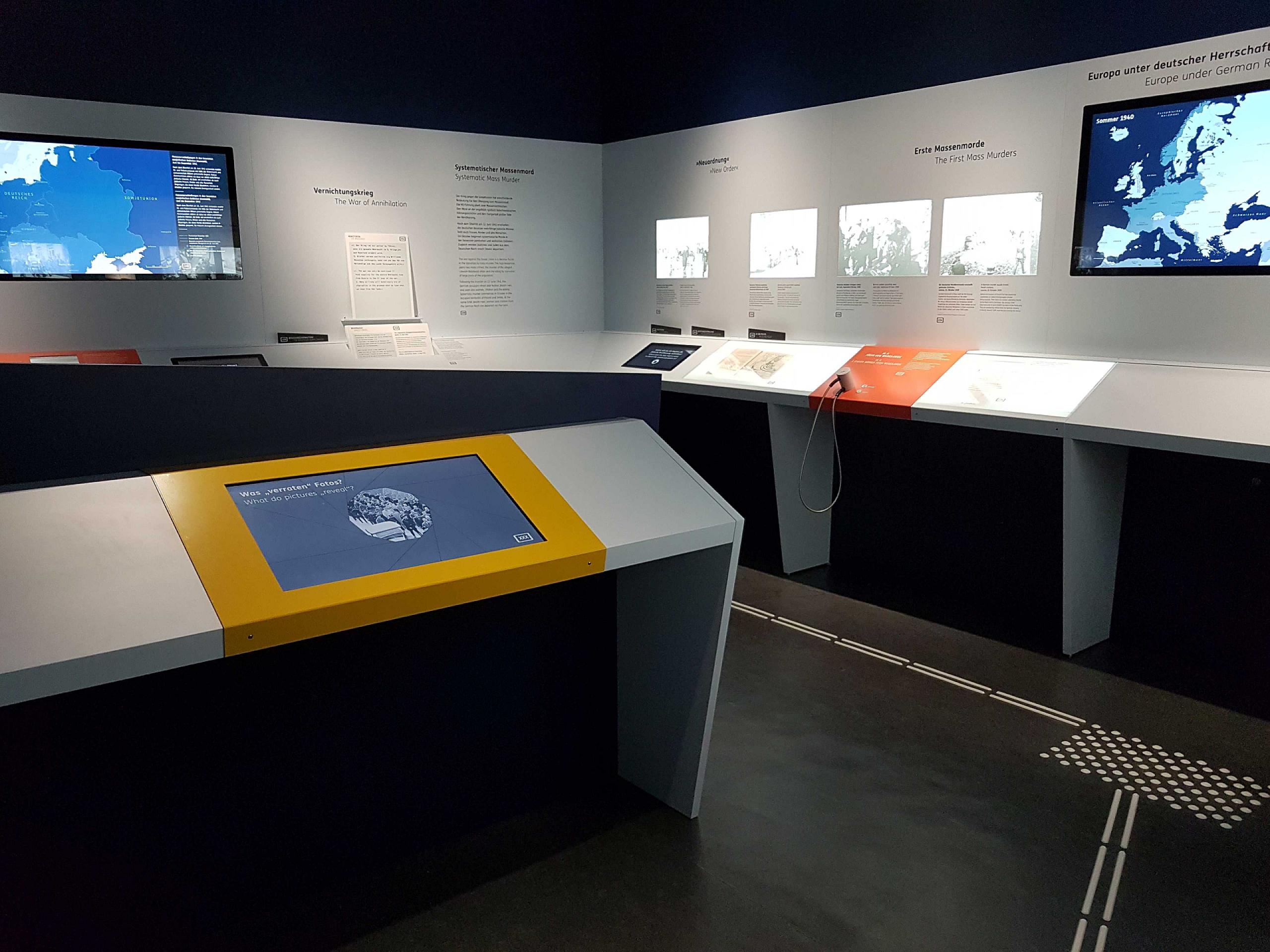
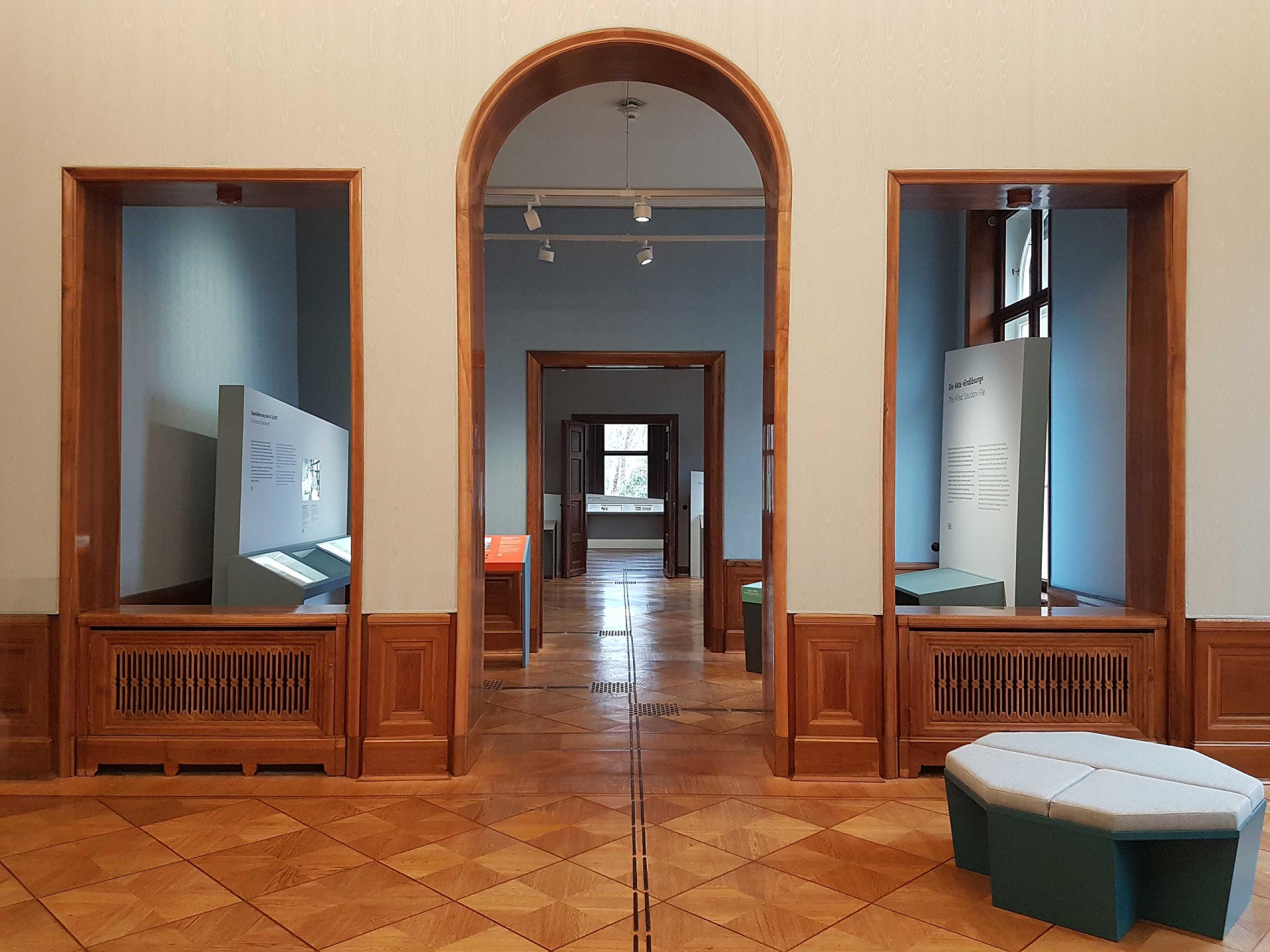
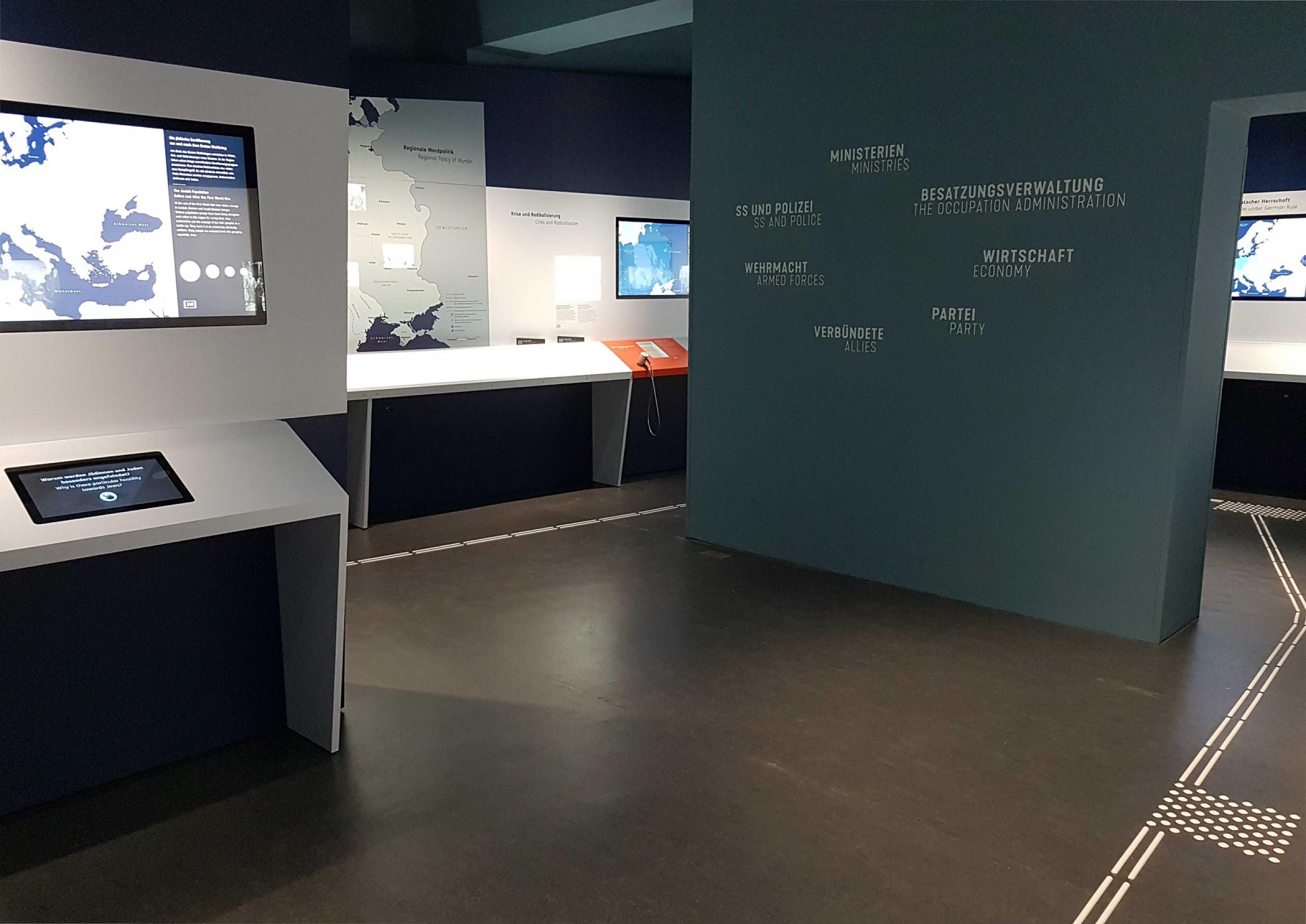
In January 2020 a new temporary exhibition entitled »The Conference at Wannsee and the Murder of the European Jews« was presented to the public. In contrast to the earlier temporary exhibition it is designed in a more inclusive and easily accessible way. It is focused above all on the role of the 15 officials who took place at the Wannsee Conference, offering at the same time a general overview of the history of the Holocaust while also touching upon subjects such as anti-semitism and discrimination.
Possibilities
Lectures series on ideological, political and social aspects of the history of National Socialism, archive, reference and media library, seminars and all-day workshops for school groups and adults
Open
Daily 10 a.m. to 6 p.m., reference and media library Monday to Friday 10 a.m. to 6 p.m., closed on holidays
Contact
info@ghwk.de
+49 (0)30 805 001 0
Am Großen Wannsee 56-58
14109 Berlin