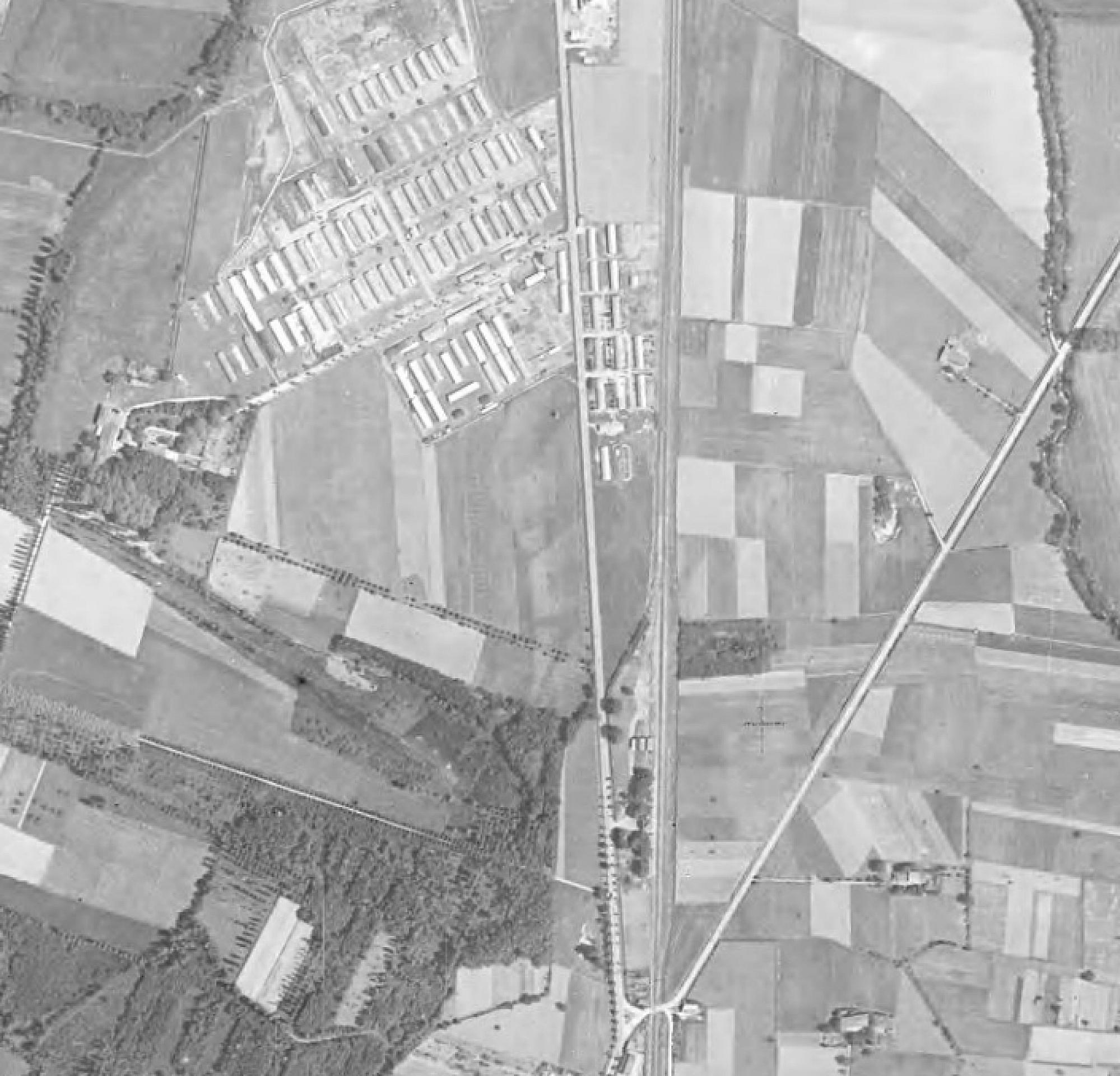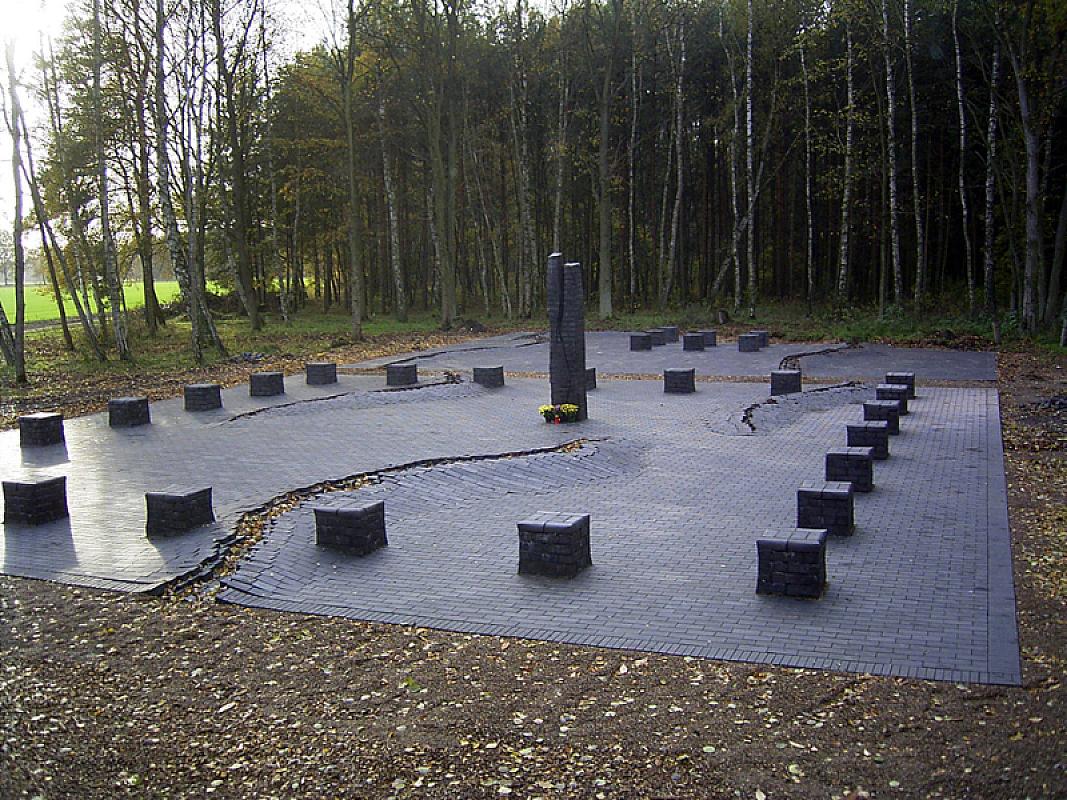
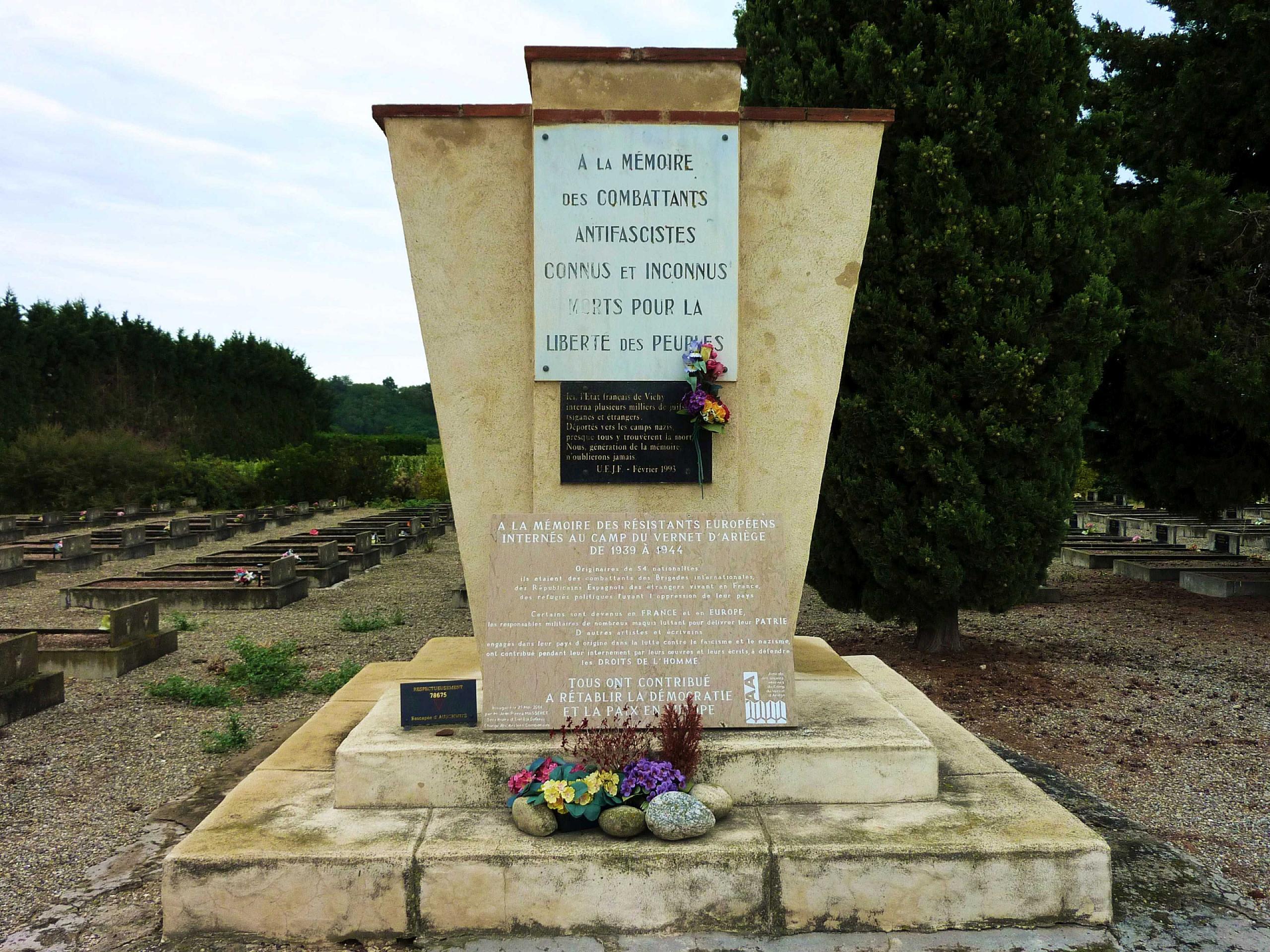
In the Occitan community of Le Vernet (Ariège), a small memorial site commemorates the internment camp that existed there between 1939 and 1944, in which the French authorities of the Vichy government imprisoned political opponents and Jews under appalling conditions. Hundreds of Jews were deported from Le Vernet to German concentration camps.
History
Le Vernet is a small community about 40 km south of Toulouse in the region of Occitania. Here in 1918 the French army set up a camp for soldiers from Senegal. For a short time after the end of the First World War it was used as a camp for prisoners of war from Germany and Austria-Hungary.
As the Republicans slipped more and more into the defensive in the Spanish civil war, thousands of fighters fled over the Pyrenees to France, including many members of the so-called International Brigades. The French government detained the refugees in internment camps, mainly because it feared a strengthening of the Left in the country. One of the largest of these camps was set up in Le Vernet in February 1939. From September 1939, France was at war with Germany. The government arrested »undesirable« aliens and Frenchmen classified as »suspicious« and sent them to camps, including Le Vernet. Among them were many Communists and Leftists, but also right-wing radicals and hundreds of foreign Jews. In February 1940 the camp had 2,000 inmates, including 800 Jews. After France's surrender in the summer of 1940, the number of prisoners doubled. Among the new prisoners were also many German communists. The camp was located in the unoccupied part of France and was managed by the authorities of the collaboration government in Vichy. The conditions in the overcrowded camp were catastrophic. The prisoners, who had to do futile and often humiliating work suffered from hunger, violence and cold.
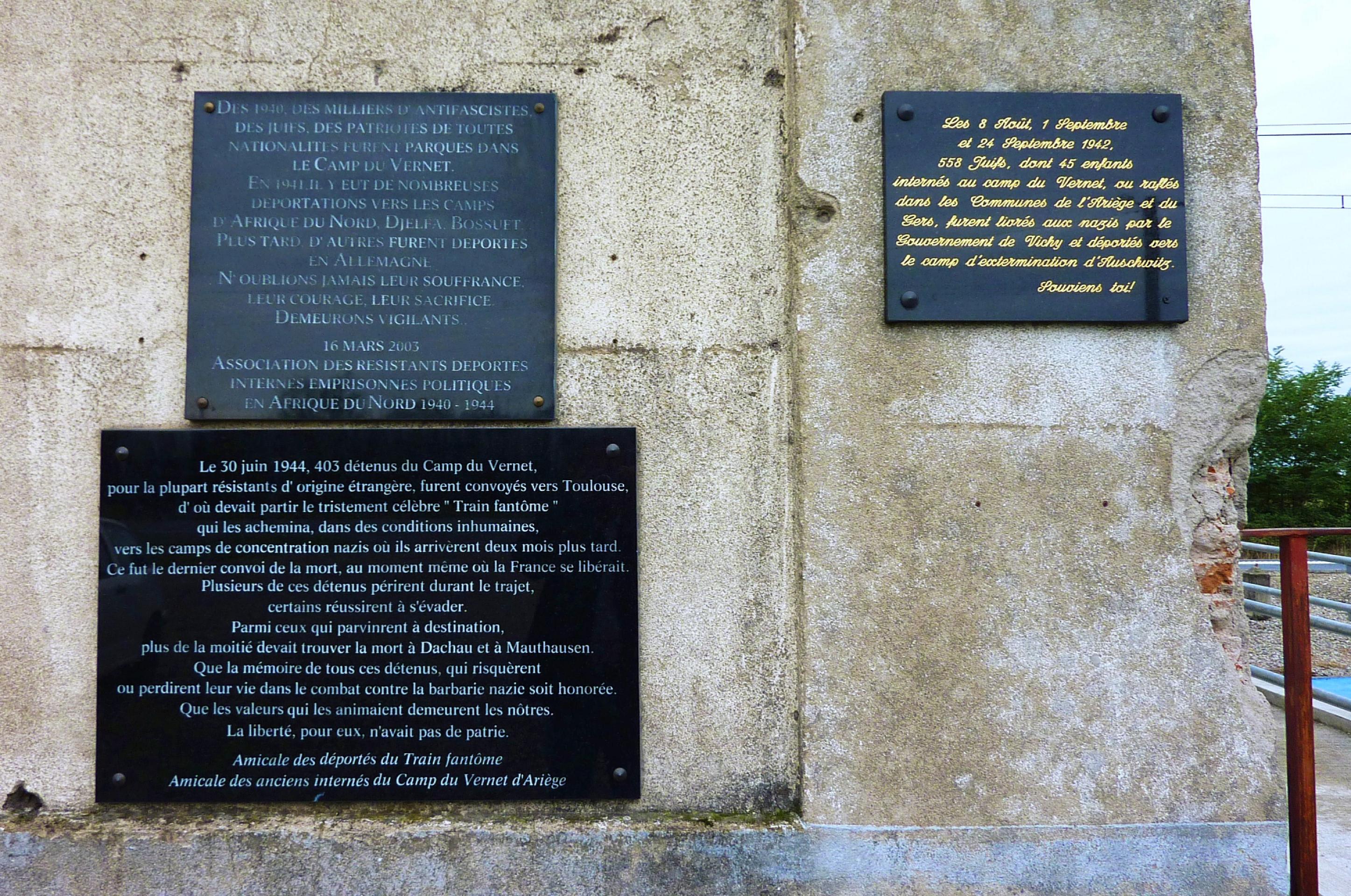
From September 1942 to May 1944 Jews were deported from Le Vernet to Dachau and Auschwitz. Jewish women and children from the region were also passed through the camp. On June 15, 1944 the Germans took over the camp and dissolved it. On June, 30 1944, the last 400 prisoners were crammed into a train and sent to Dachau, where it arrived on August 28 with only 291 people on board.
Victims
All in all approximately 40,000 people from more than 50 countries passed through the camp between February 1939 and June 1944. Among the prisoners were numerous well-known Communists, anti-fascists and artists, such as the German Communist Friedrich Wolf (1888-1953), the writer Arthur Koestler (1905-1983) or the Hungarian Communist László Rajk (1909-1949), who was later executed in his homeland after a Stalinist show trial. Between summer 1942 and May 1944, a total of 1,200 Jewish children, women and men were deported from Le Vernet to the Dachau and Auschwitz concentration camps. The deportees included not only political prisoners, but also Jews from the region who were collected before their deportation in Le Vernet.
Remembrance
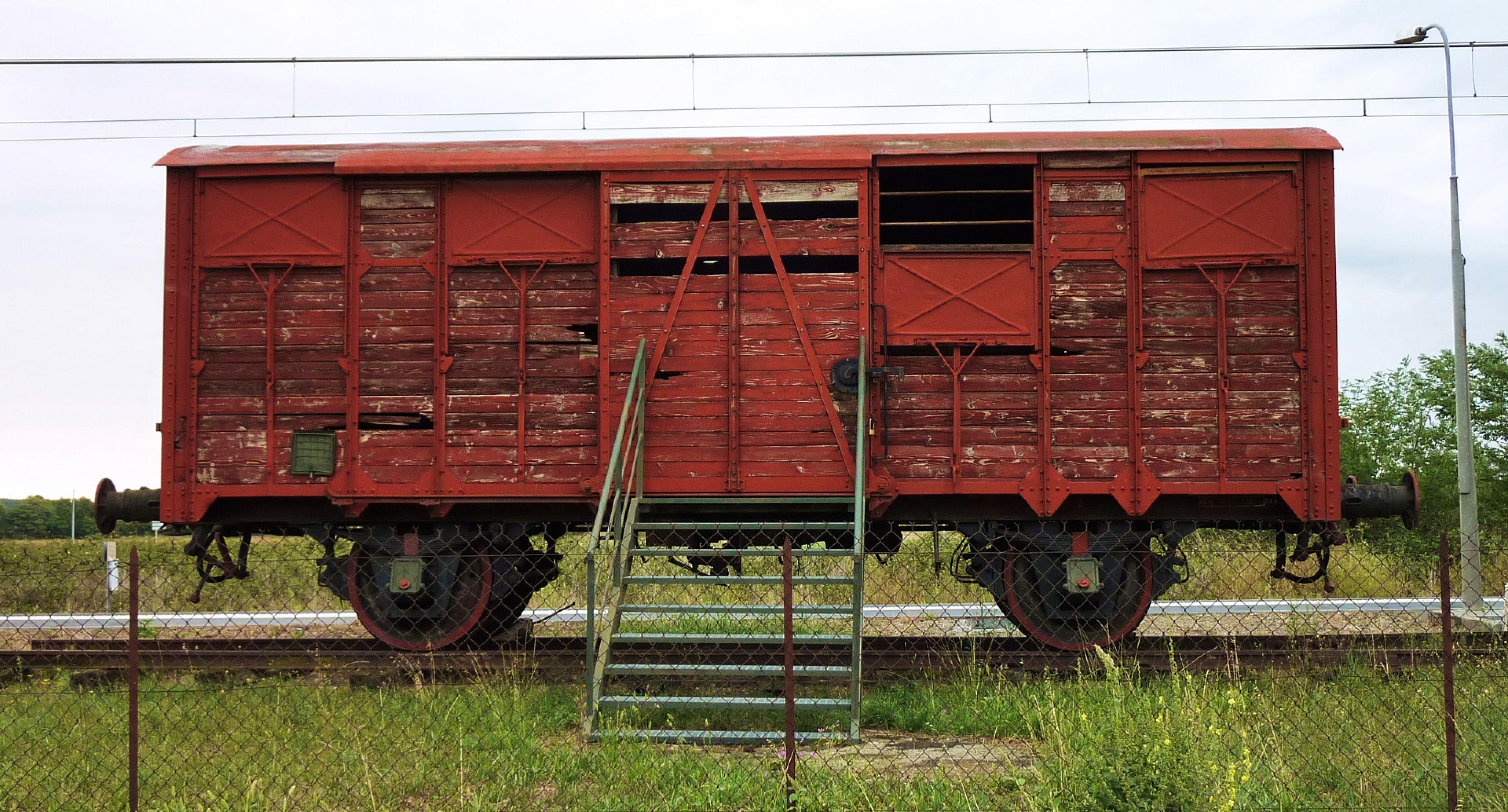
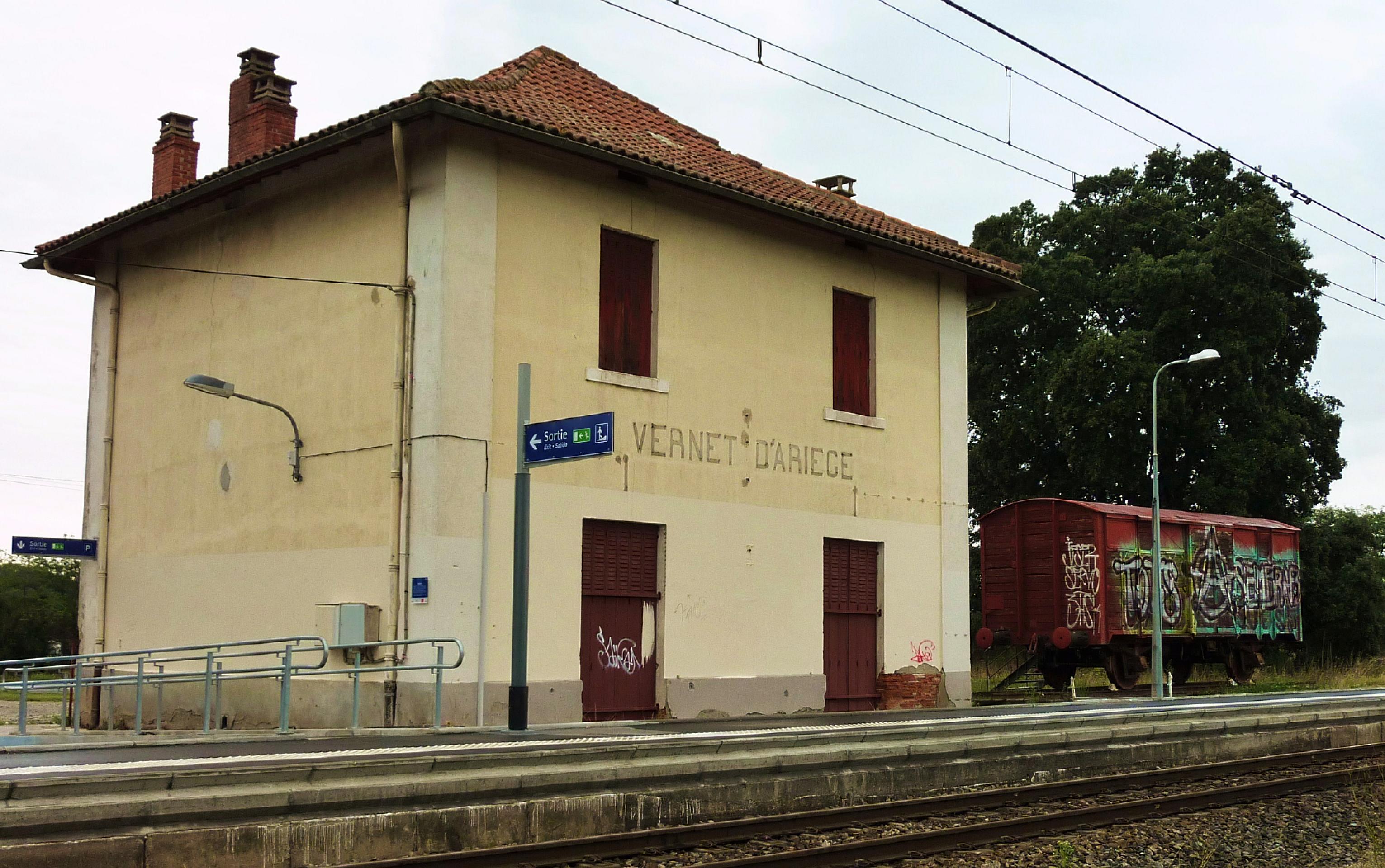
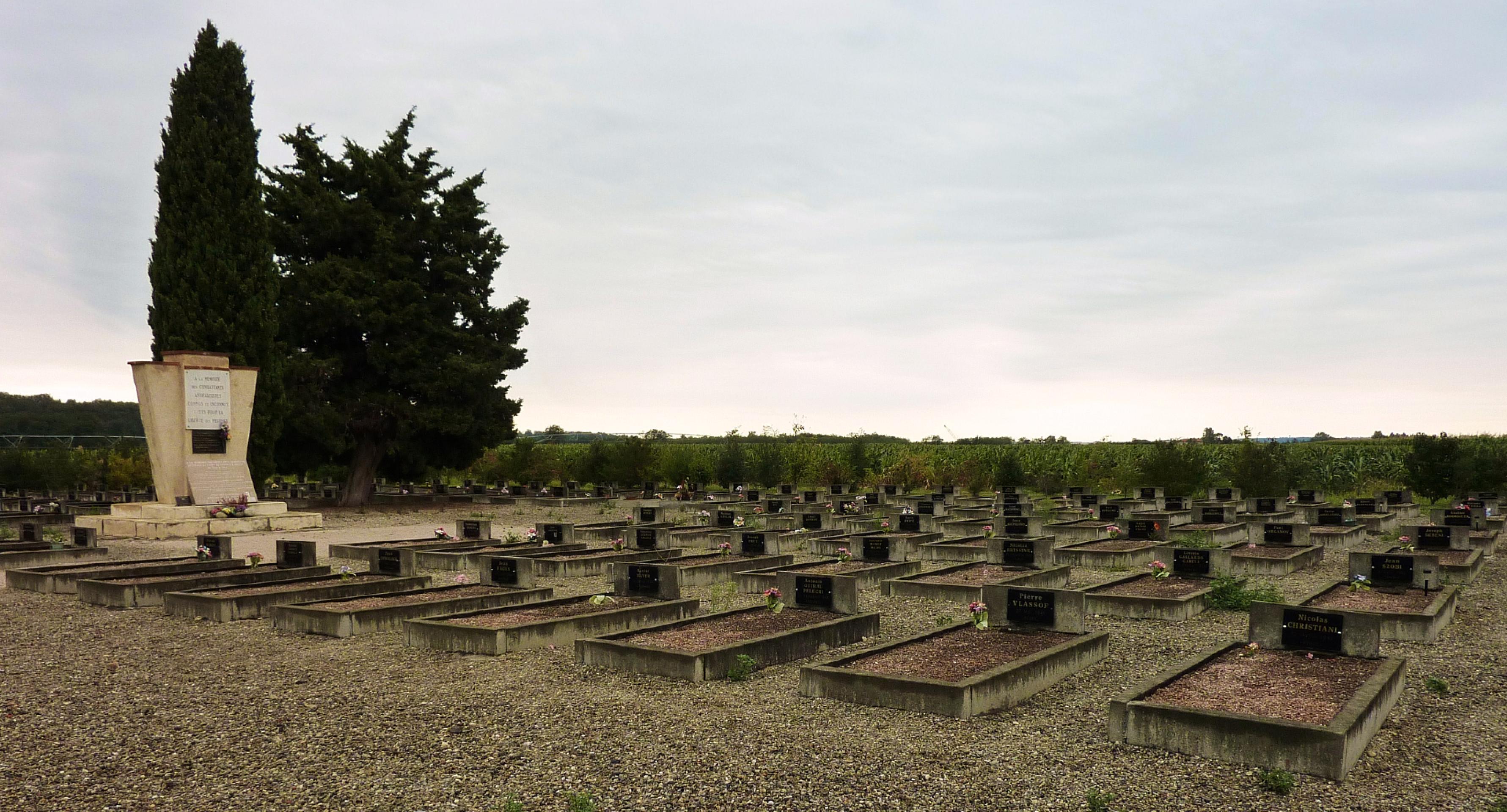
After the war for a long time little was reminiscent of the former internment camp, which in French was officially called a concentration camp (»camp de concentration«). Only a few remnants of the buildings remained, including the two supporting pillars of the former camp gate. The camp cemetery was preserved, as was the former station of the camp. In the parish of Le Vernet, a small museum on the history of the camp was established. In 1973 former detainees founded an association (»Amicale«) to preserve the memory of the camp. The association is still active today and organizes, amongst other things, an annual commemoration ceremony on November 1. In 1996 the association bought a train carriage of the same type in which the prisoners were deported to German concentration camps. This carriage stands next to the former railway station.
The writer Arthur Koestler described his term of imprisonment in Le Vernet in his book »Scum of the Earth«, which first appeared in England in 1941.
Possibilities
Exhibition, annual commemoration on November 1
Open
The former site of the camp, the installation of the train carriage and the camp cemetery are accessible at all times. The museum is only accessible on request in the town hall.
Contact
amicale@campduvernet.eu