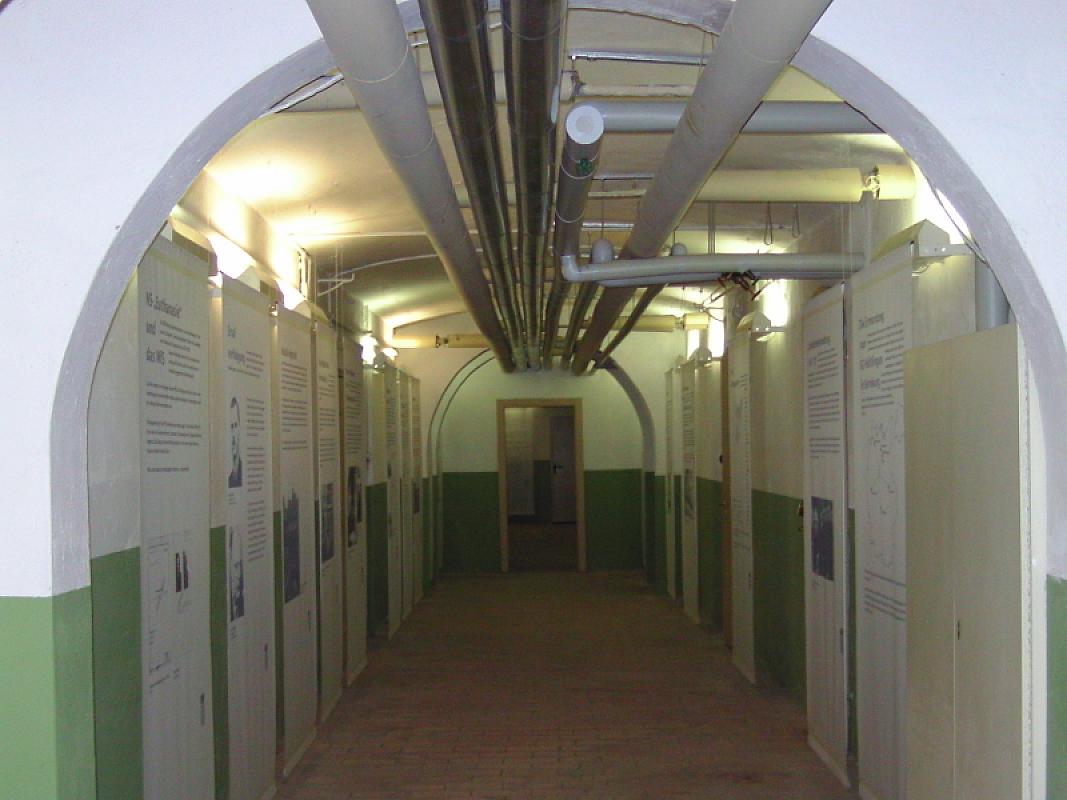
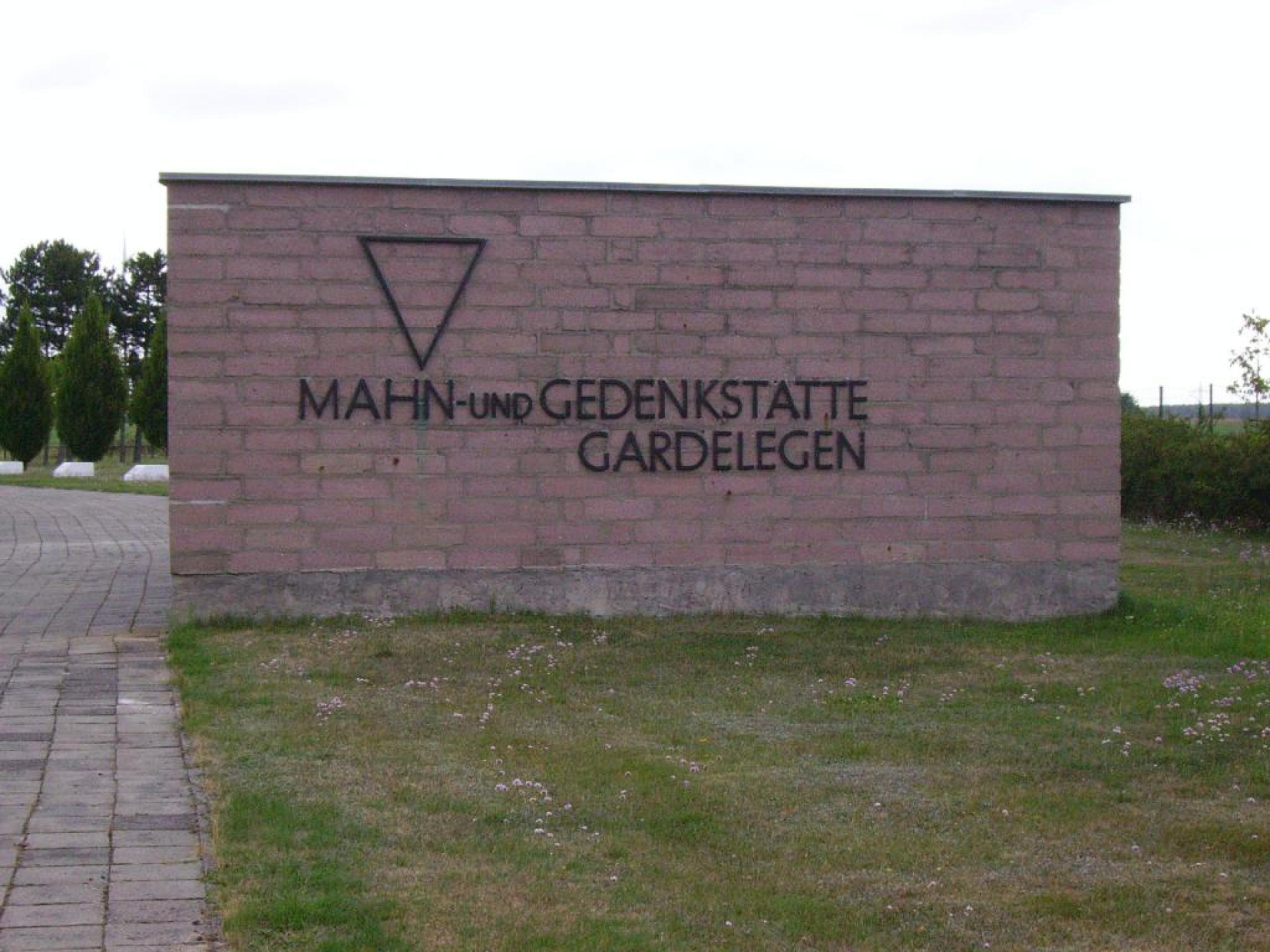
»Isenschnibbe Barn« Memorial
Mahn- und Gedenkstätte »Isenschnibber Feldscheune«
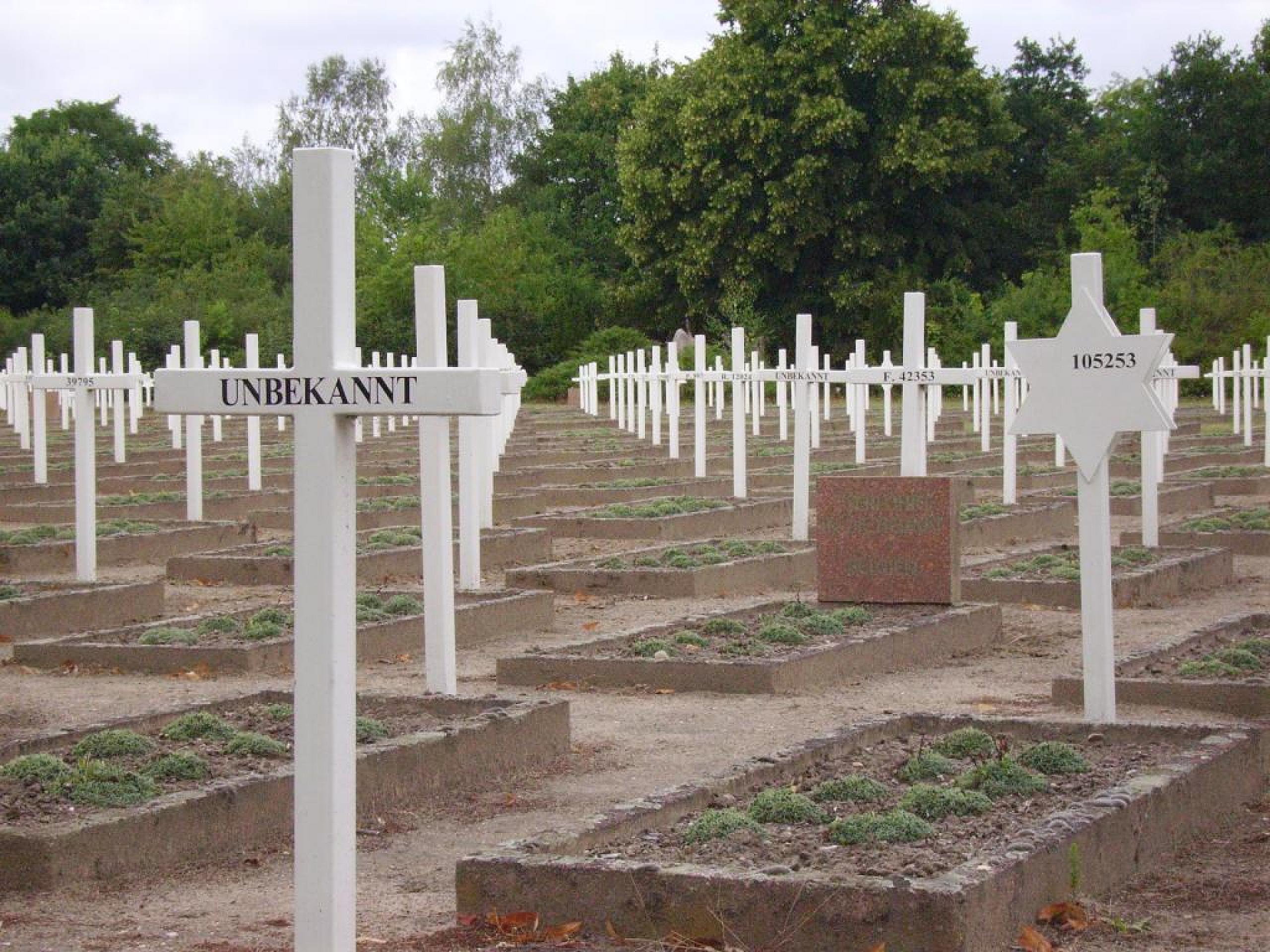
On April 13, 1945, members of the SS, the Luftwaffe and the Volkssturm murdered about 1,000 concentration camp inmates in a barn close to Gardelegen – one day before the town was taken by the US Army. The »Isenschnibbe Barn« Memorial and the cemetery, on which the dead were buried, commemorate the massacre.
History
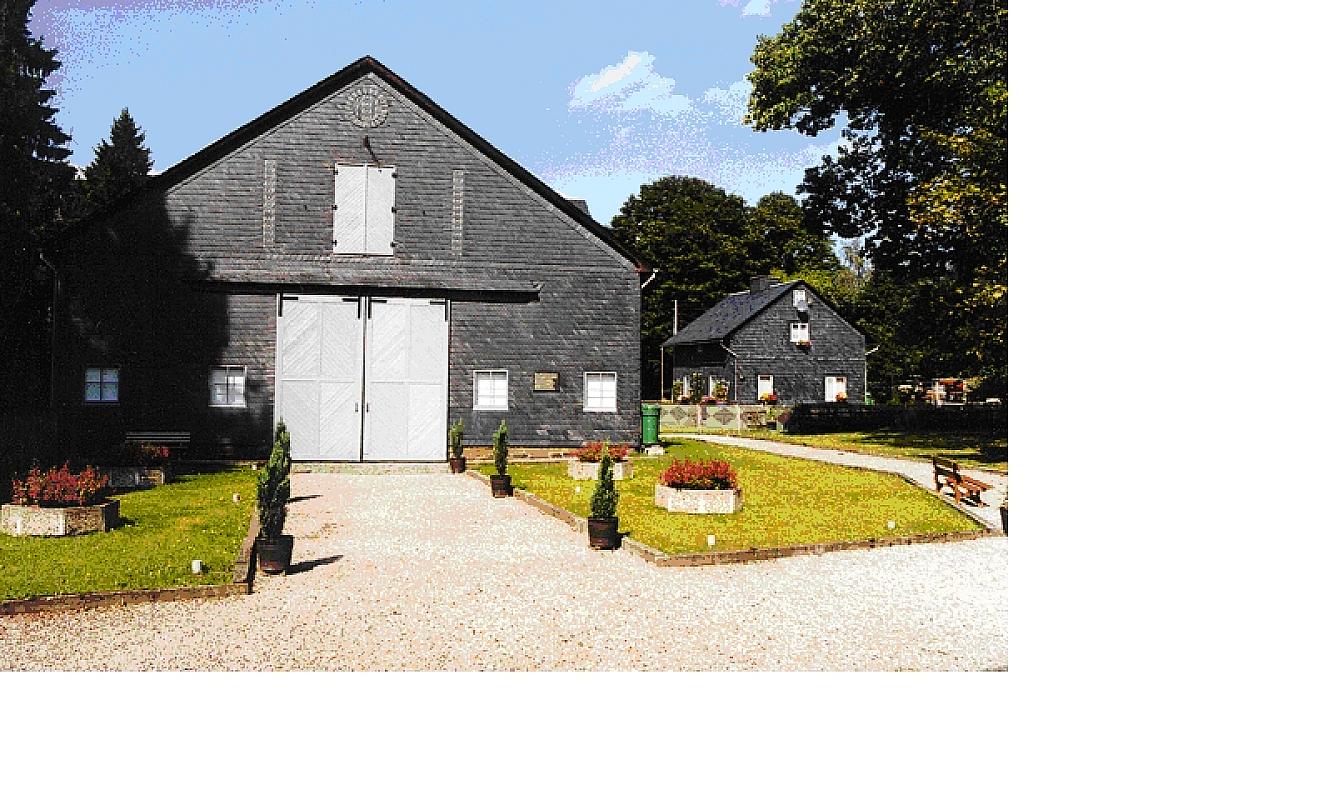
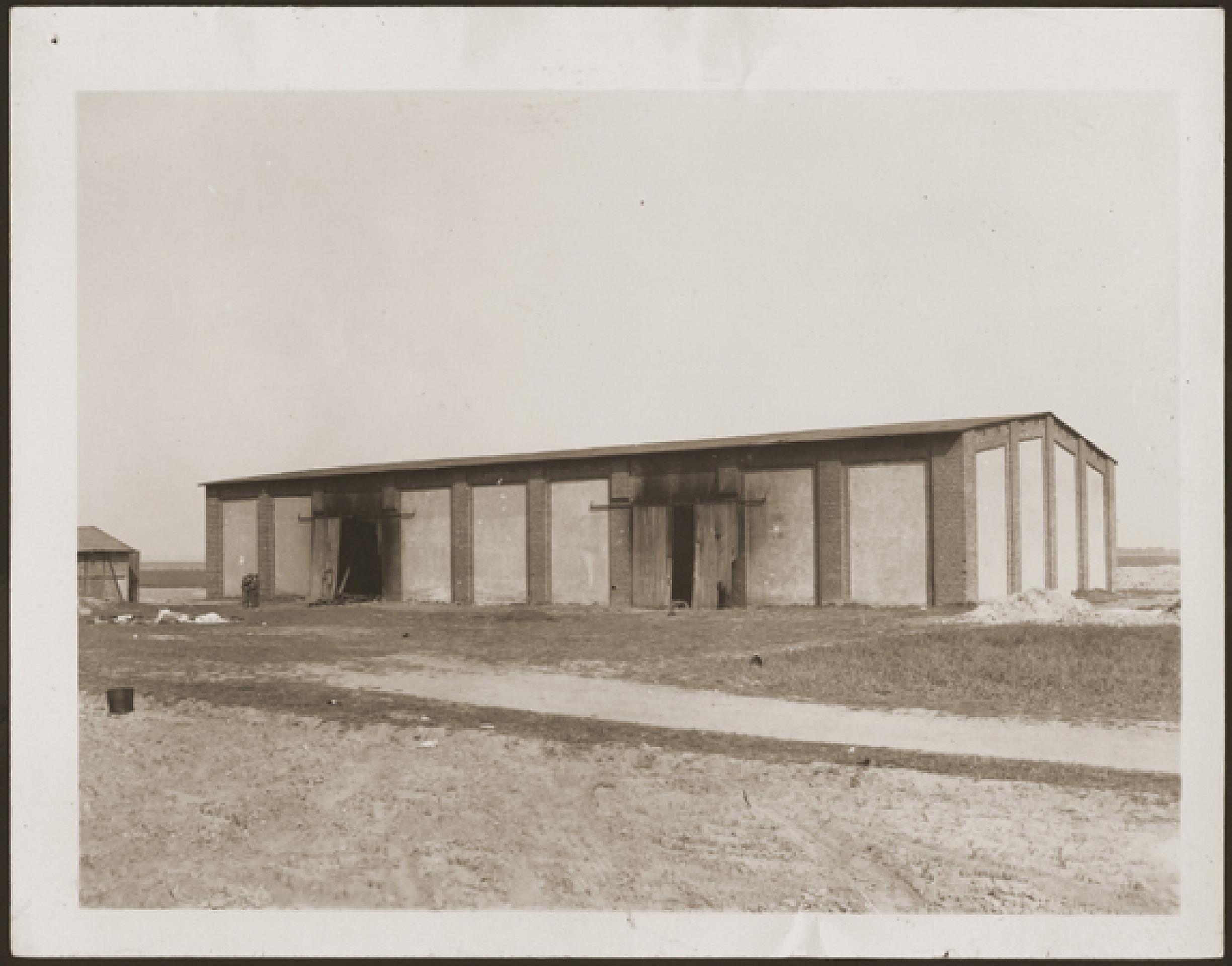
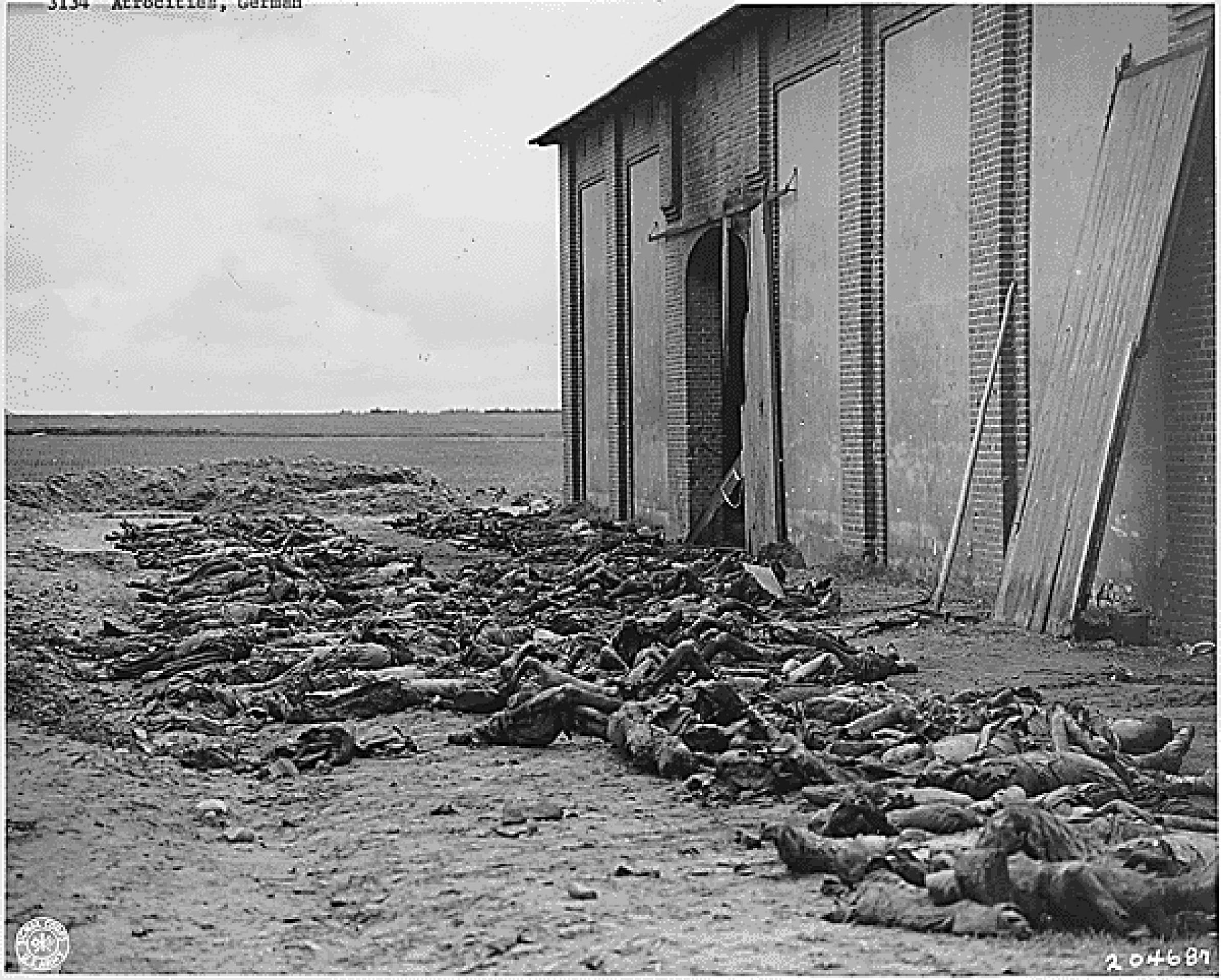
Between April 9 and 11, 1945, several transports carrying a total of about 3,000 prisoners from the various satellite camps of the Mittelbau-Dora concentration camp as well as from the Hannover-Stöcken camp arrived in the district of Gardelegen in the historical region Altmark. The trains were forced to halt at the Mieste and Letzlingen stations as the rail line was severely damaged and the Allies were approaching from all directions. At least 25 prisoners were shot upon arrival at Mieste; they were buried with a further 60 dead at the side of the railway tracks. On April 11 and 12, 1945, the SS guard unit led by the local NSDAP forced the weakened prisoners to march to the town of Gardelegen, convoyed by members of the SS, the Volkssturm and Wehrmacht soldiers. Prisoners who tried to flee were chased and shot. The inmates were accommodated in a riding and driving school of the Wehrmacht. On the evening of April 12, local NSDAP leader Thiele and his staff, members of the SS and Wehrmacht officers, decided to murder the concentration camp inmates. In the afternoon of April 13, members of the SS, Wehrmacht and Reich Labour Service led the prisoners to a large barn on the Isenschnibbe estate. They locked them in the barn and set fire to it. The prisoners managed to put out the fire again and again, yet the guards lit it anew, while shooting into the barn with guns and panzerfausts and throwing in hand grenades. The massacre went on long after nightfall. In the morning, members of the Volkssturm, the fire brigade and technical support set out to dispose of all evidence of the mass murder. They buried about half of the 1,000 victims. On the evening of April 14, American troops took Gardelegen. The next day, they discovered the charred remains of about 440 people in the barn. They made local residents unearth the remains of over 570 victims from the mass graves.
Victims
In all, National Socialists, members of the SS and the Wehrmacht murdered about 1,700 people between April 9 and 14, 1945, in the area of Gardelegen. Many died on inhumane transports, several hundred prisoners were killed by soldiers and SS men for having attempted to flee. Members of the SS, Wehrmacht and Volkssturm murdered about 1,016 people in the Isenschnibbe barn. Only twelve survived the massacre. All of the victims had been inmates of satellite concentration camps. Their countries of origin are not known exactly.
Remembrance
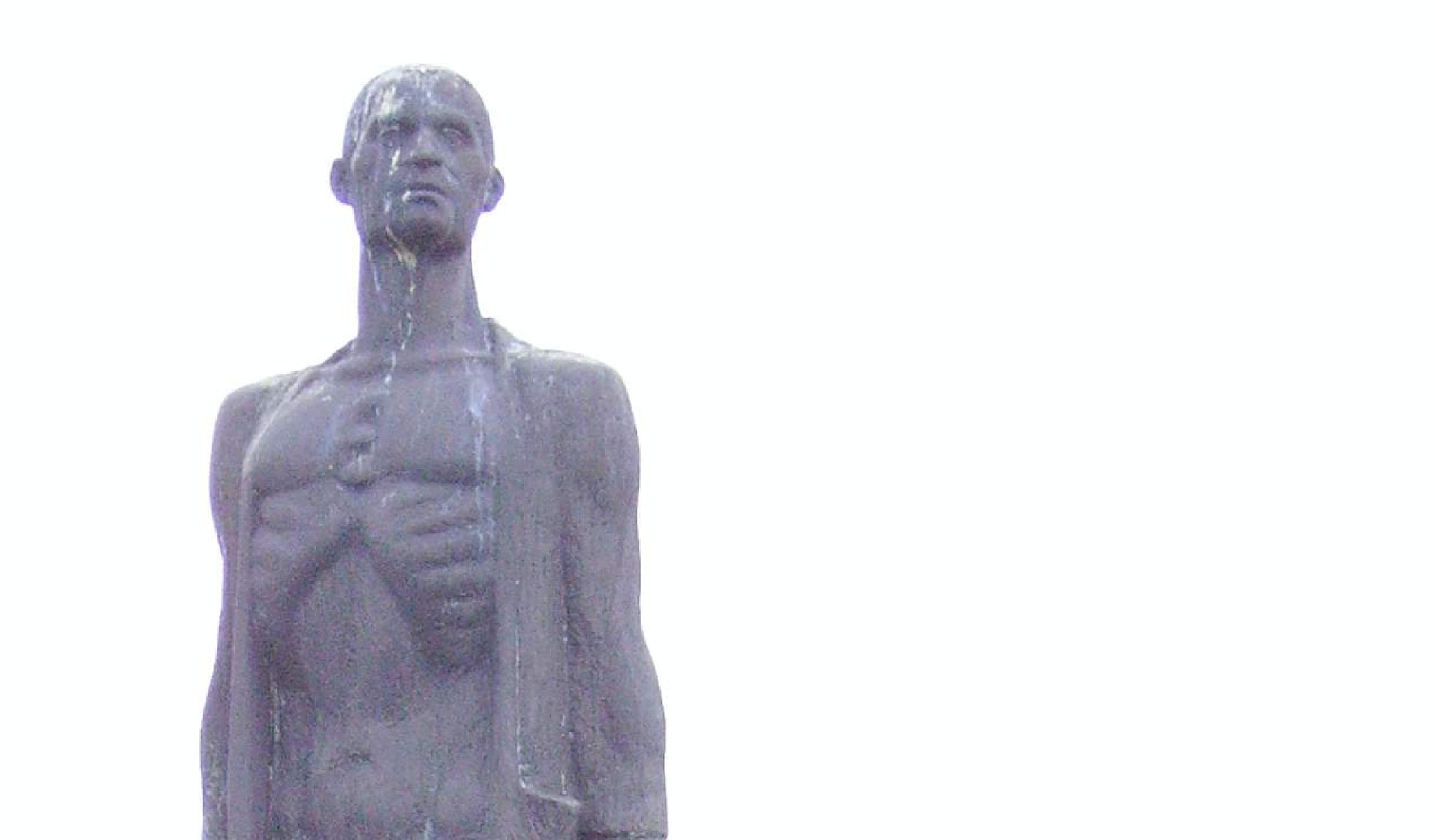
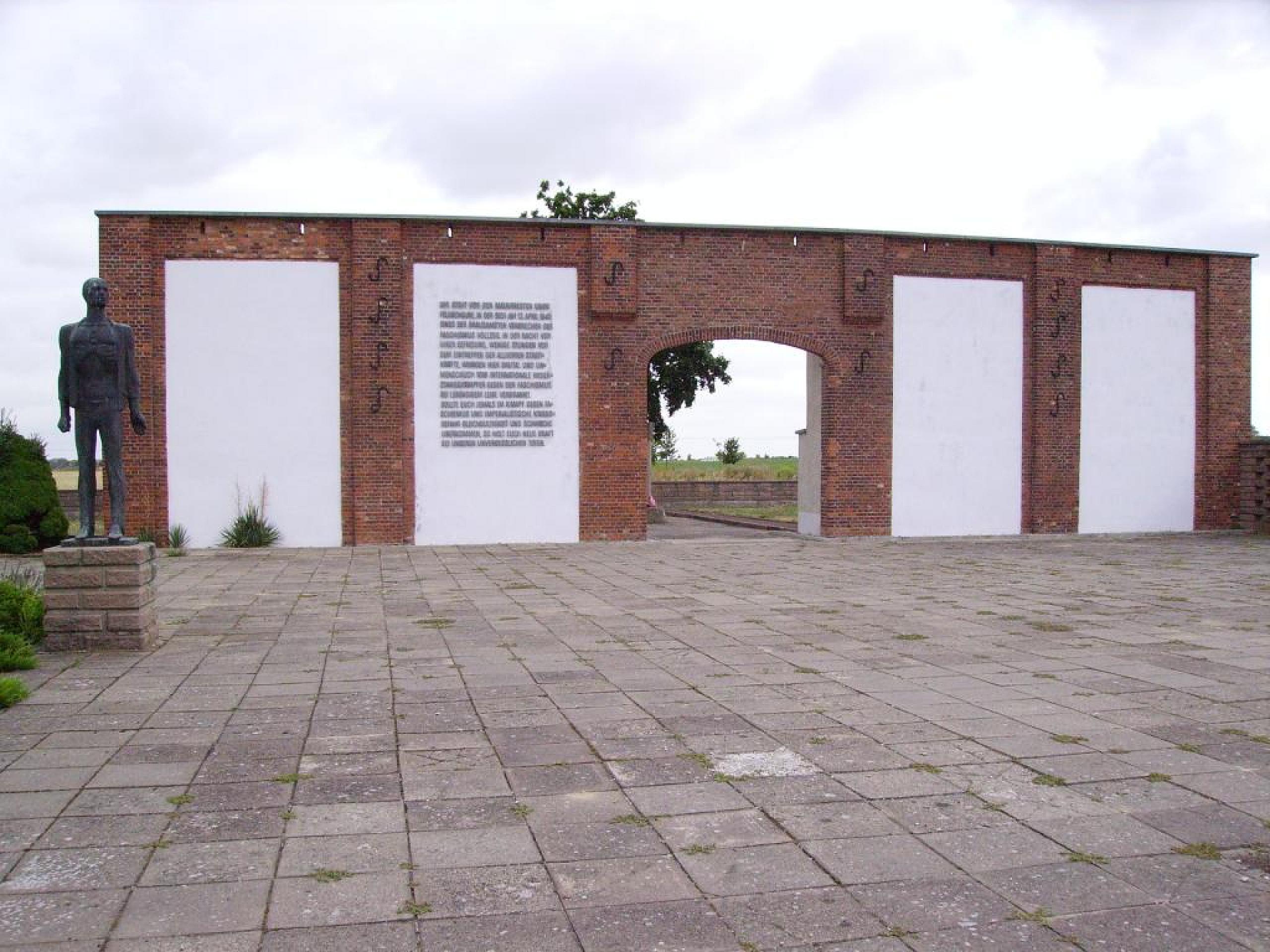
When US troops took Gardelegen on April 14, 1945, about 24 hours after the massacre had begun, they discovered several hundred bodies in the smouldering barn. LIFE magazine published photos of the crime scene on May 7, 1945, in a piece entitled »The Holocaust of Gardelegen«. Guarded by the US Army, men from Gardelegen were forced to exhume over 570 bodies from mass graves. The dead were then buried in 1,016 individual graves on a special cemetery. The cemetery was consecrated as a military cemetery by the US Army on April 25, 1945. The commander of the troops stationing in Gardelegen arranged for a commemorative plaque to be affixed, bearing an inscription in both German and English. On July 1, 1945, Gardelegen became part of the Soviet occupation zone, and the American plaque was subsequently taken down. In 1950, construction work on a memorial was begun; in 1953, the remains of the barn were dedicated as a memorial wall. An exhibition in the municipal museum of Gardelegen was opened in 1963. The »Isenschnibbe Barn« Memorial was extended in 1973 to include a bronze sculpture of an inmate by Jochen Sendler. In 1990, the town of Gardelegen had a copy of the American plaque reinstated. The 1963 exhibition was closed.
Possibilities
Guided tours may be booked via the Gardelegen municipal museum
Open
Accessible at all times
Contact
https://gedenkstaette-gardelegen.sachsen-anhalt.de/
info-isenschnibbe@erinnern.org
+49 (0)3907 775 908 12
An der Gedenkstätte 1
39638 Gardelegen