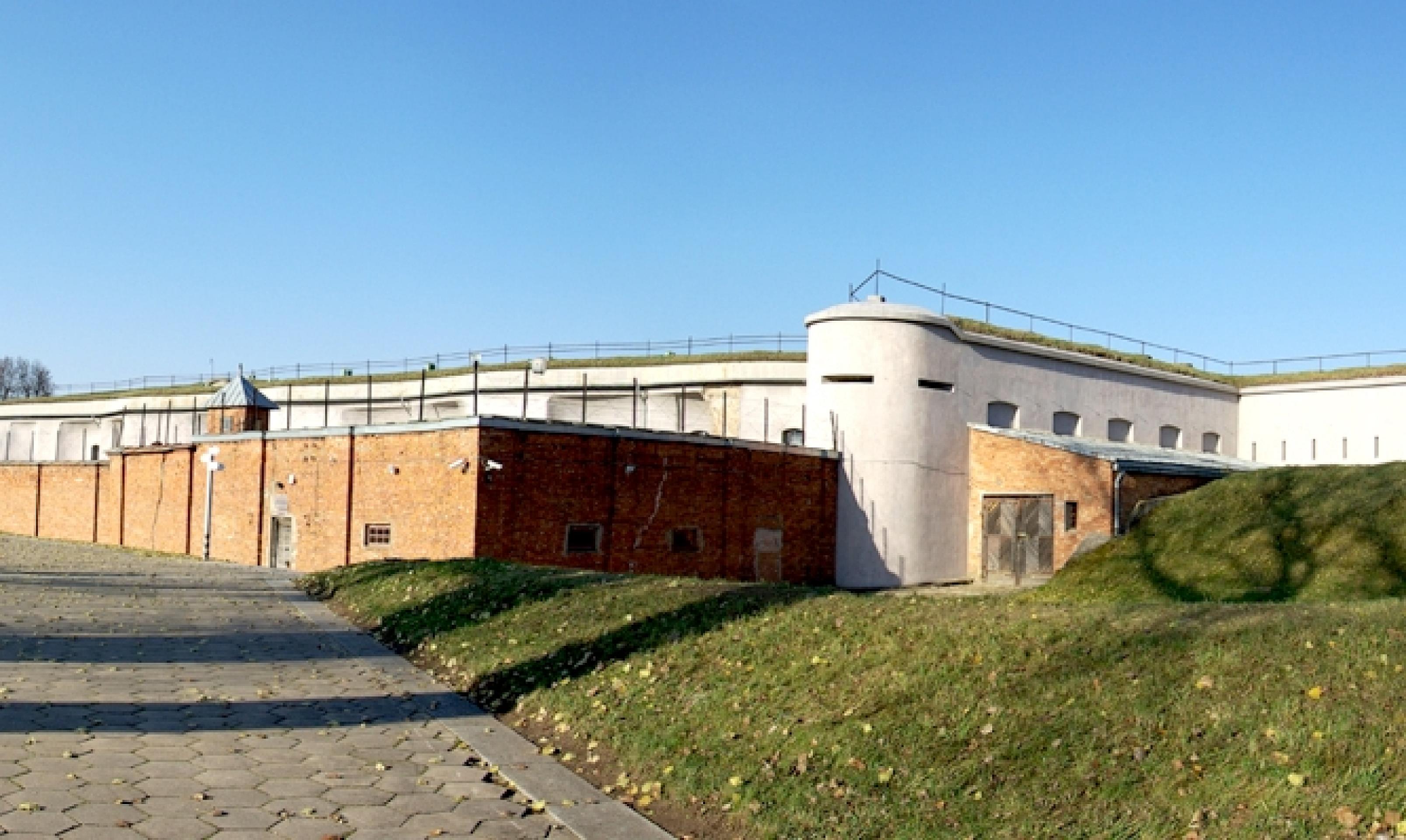
Located in Kaunas (Russian: Kovno), in the IX Fort, a former stronghold, was a site of mass shootings conducted by the SS. Tens of thousands of Jews from the Kaunas ghetto, but also Jews deported from the German Reich were murdered here. A memorial site has been in place here since 1958.
History
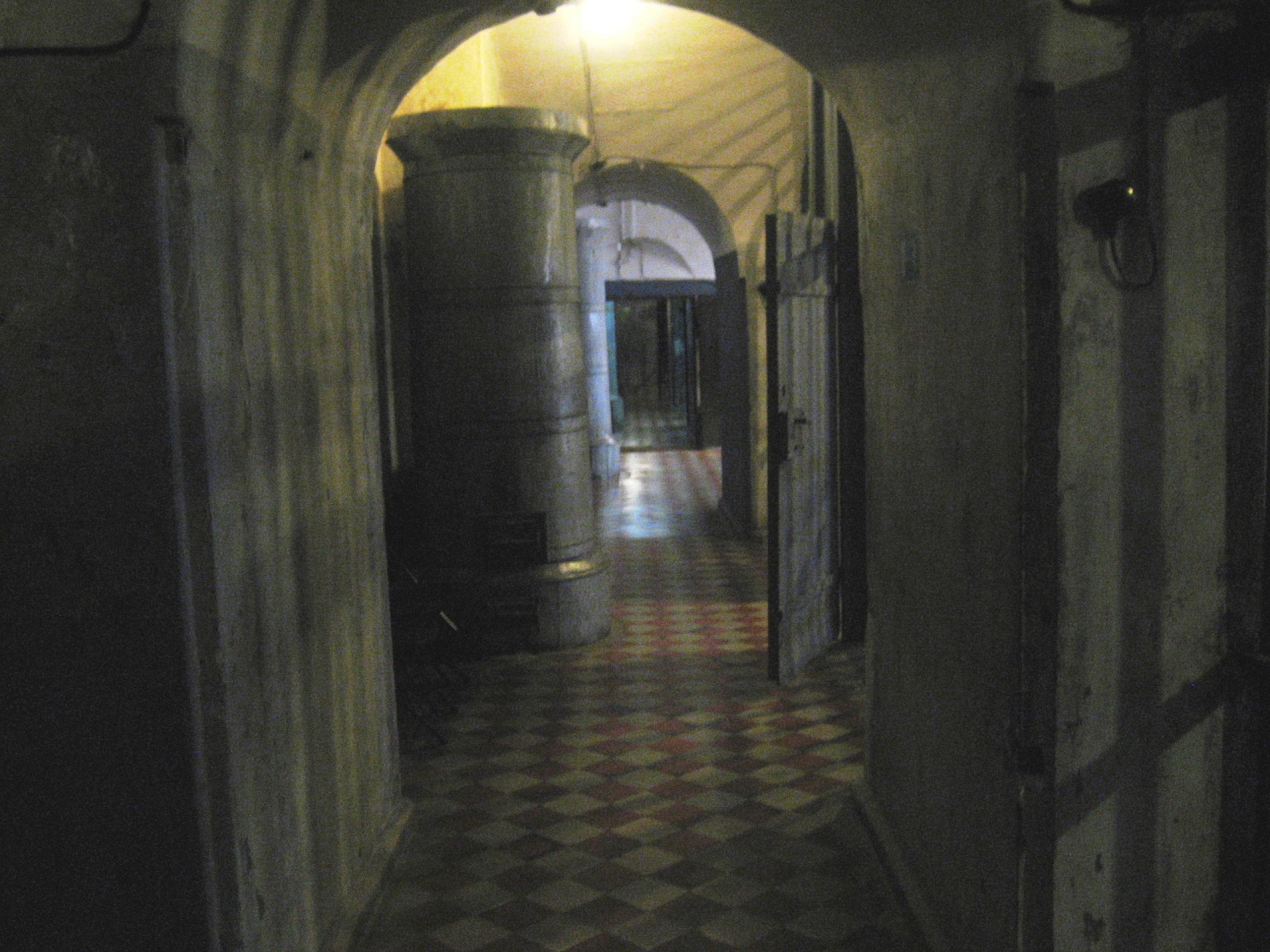
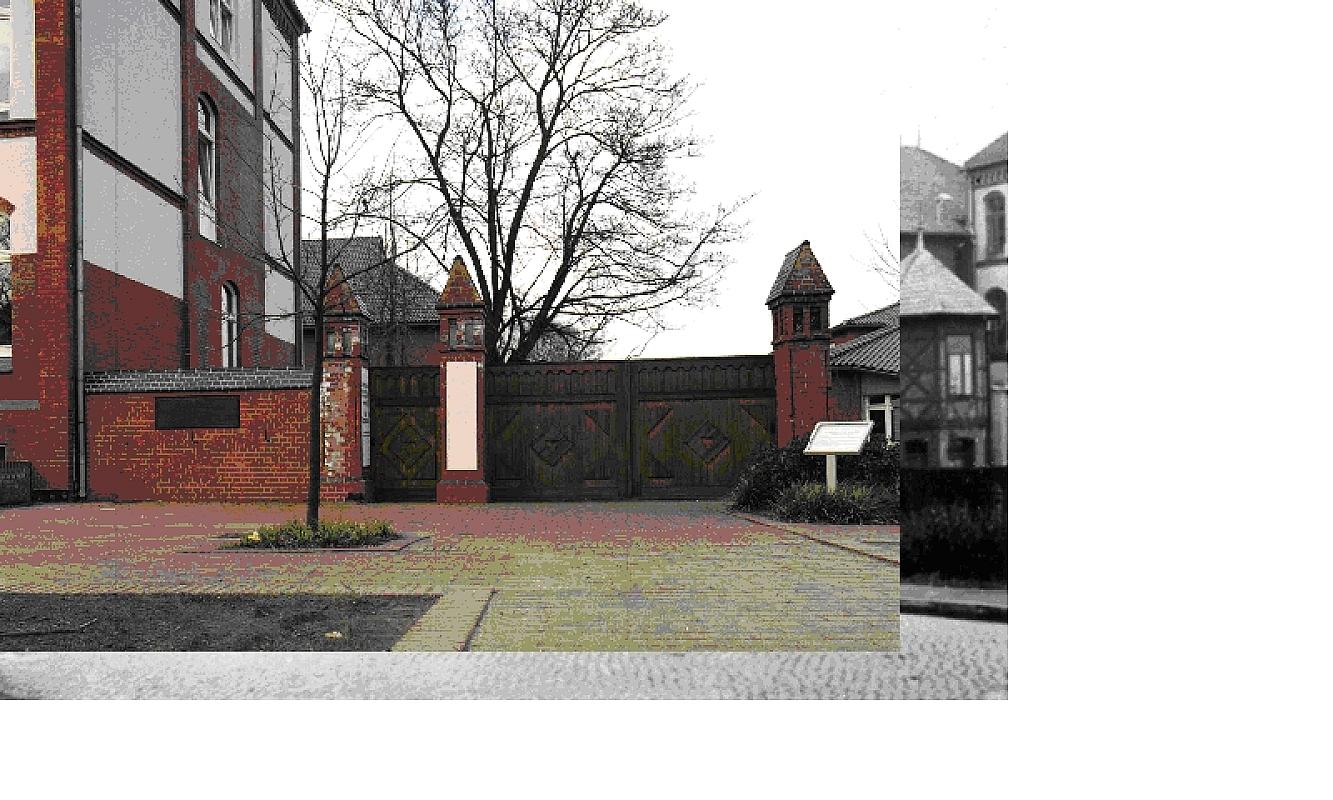
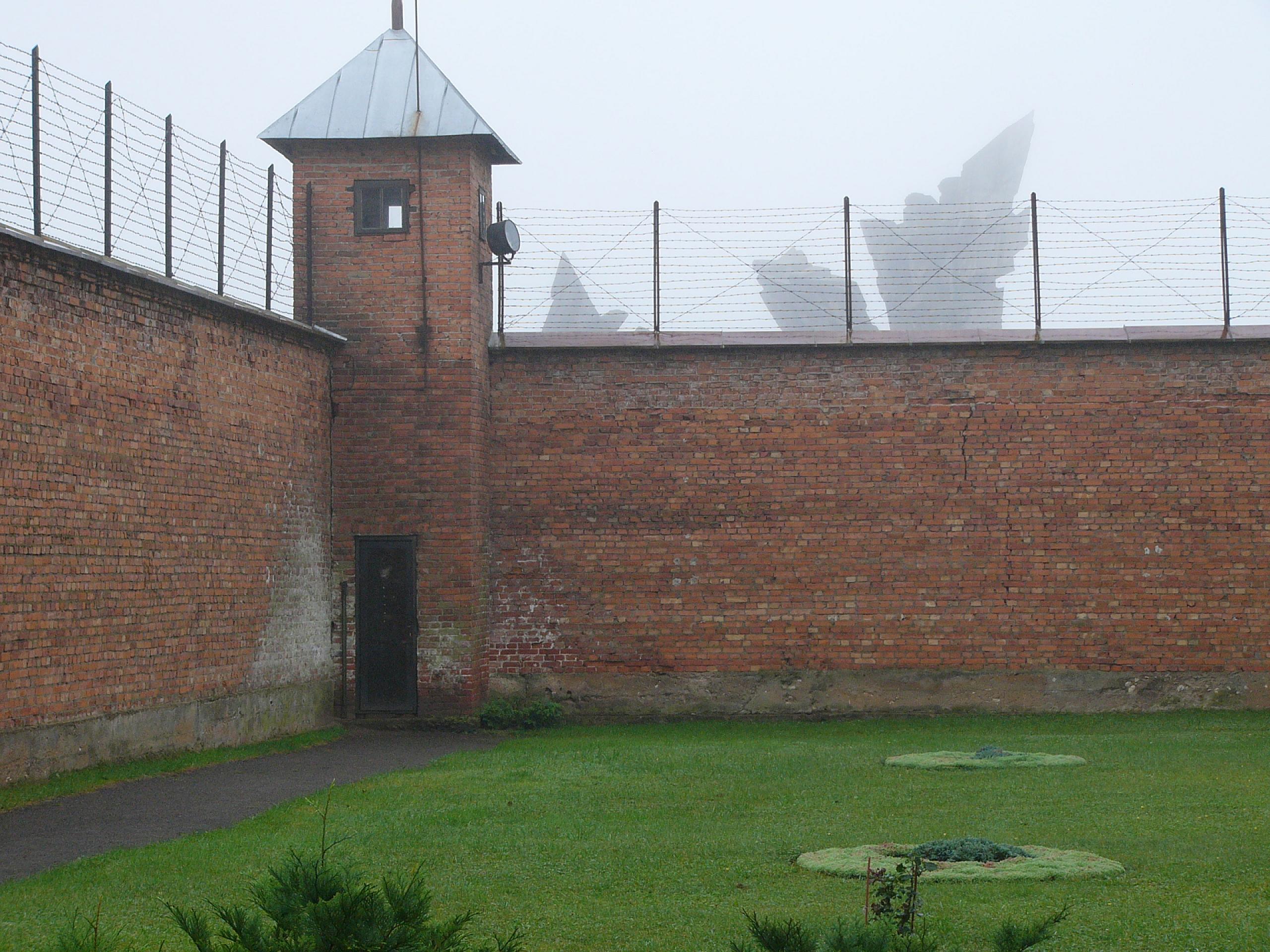
Since the Third Partition of Poland (1795), Kaunas belonged to the Russian Empire. The IX Fort, finished shortly before the outbreak of the First World War, is one of several fortifications built by the Russian tsars in the 19th century around Kaunas in order to defend the western borders of the Russian empire. Between the two world wars, when Lithuania was independent, Kaunas was the temporary capital of the country. During this time, the IX Fort was used as a prison. In 1940, the USSR occupied Lithuania. In the months after that, the Soviet secret service NKVD deported many political prisoners from Lithuania to Siberia via the IX Fort.
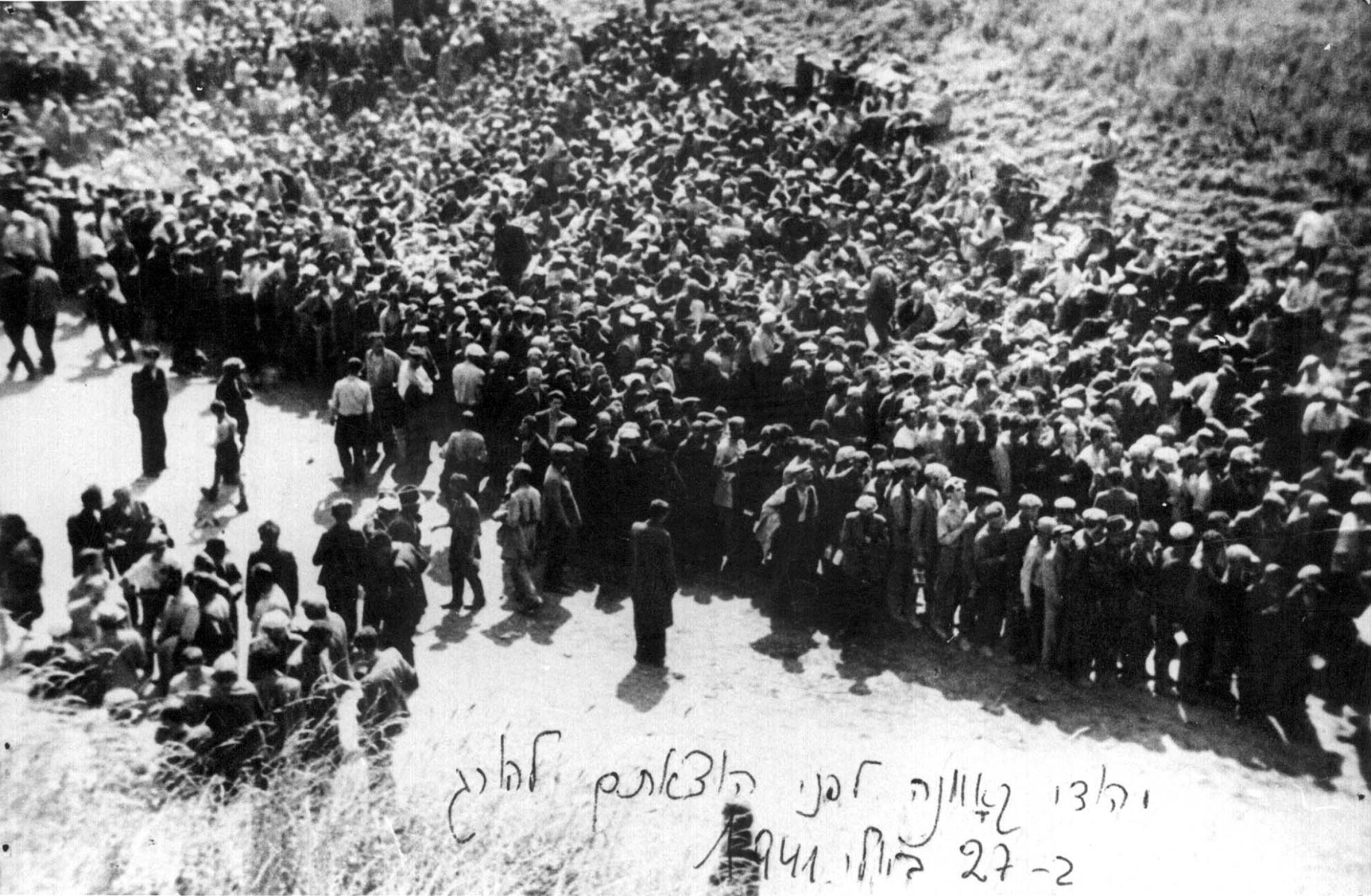
With the occupation of Lithuania by the German Wehrmacht, some of the Forts became assembly camps for Jews and sites of mass shootings. Already before the middle of August 1941, the SS shot up to 5.000 Jewish men in the VII Fort. Afterwards, the IX Fort became one of the central sites of larger massacres: between June 1941 and summer 1944, members of the SS assisted by Lithuanian and later also Ukrainian collaborators shot over 50,000 people in the IX Fort. The majority of the victims were Jews from the Kaunas ghetto.
Victims
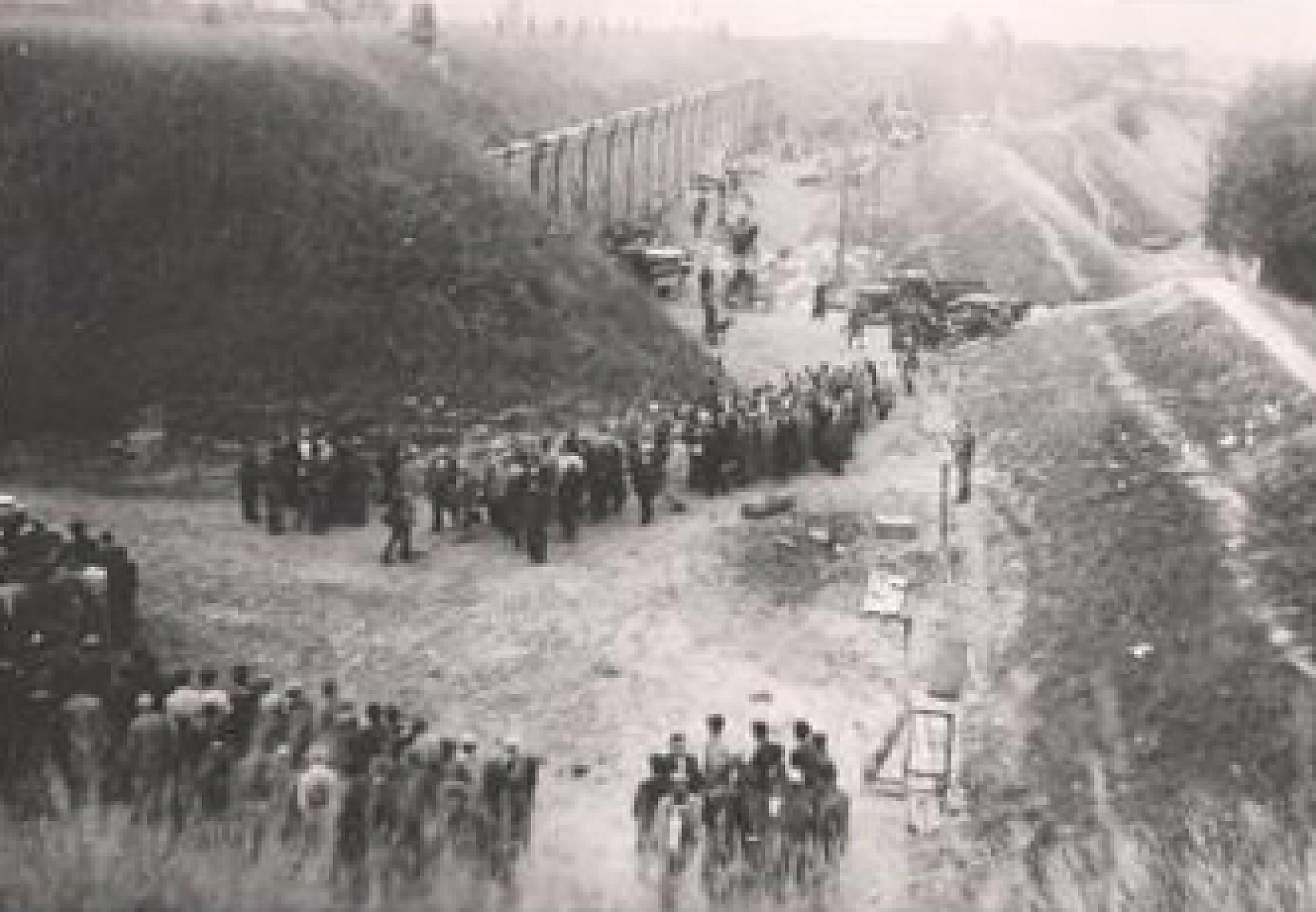
From June 1941 until the summer of 1944, German members of the SS and their Lithuanian and Ukrainian helpers shot between 20,000 and 30,000 Jewish children, women and men from Kaunas, but also from Germany and France in the IX Fort. The shooting of nearly 5,000 Jews from Berlin, Munich, Frankfurt am Main, Breslau and Vienna on November 25 and 29, 1941, was the first mass murder of Jews from Germany. Among the victims of the IX Fort were also numerous communists, Roma and Soviet prisoners of war.
Remembrance
After the war, the IX Fort was not in use until 1958 when a first exhibition was opened on the site. Research and excavation work was carried out on the execution sites from 1960.
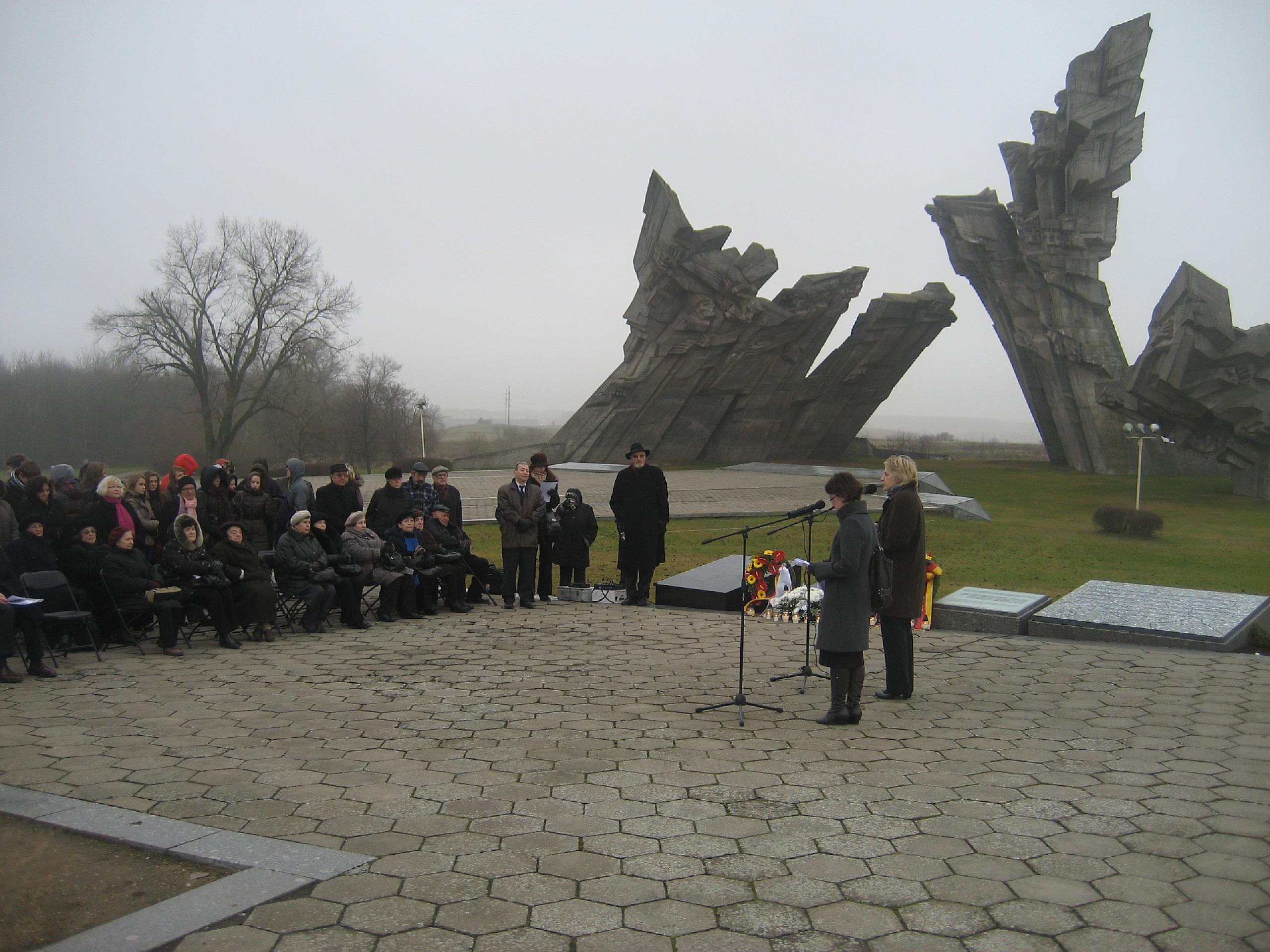
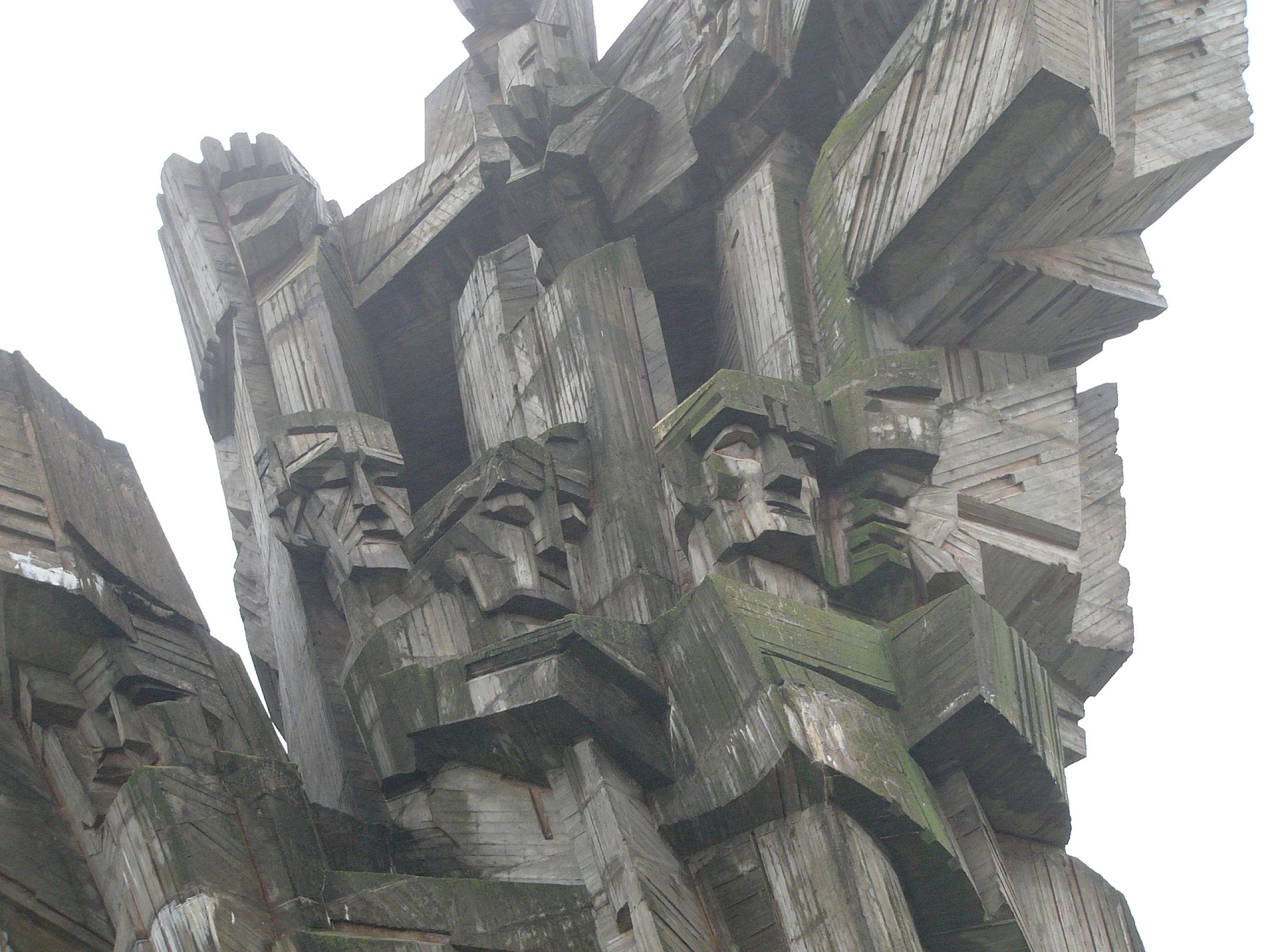
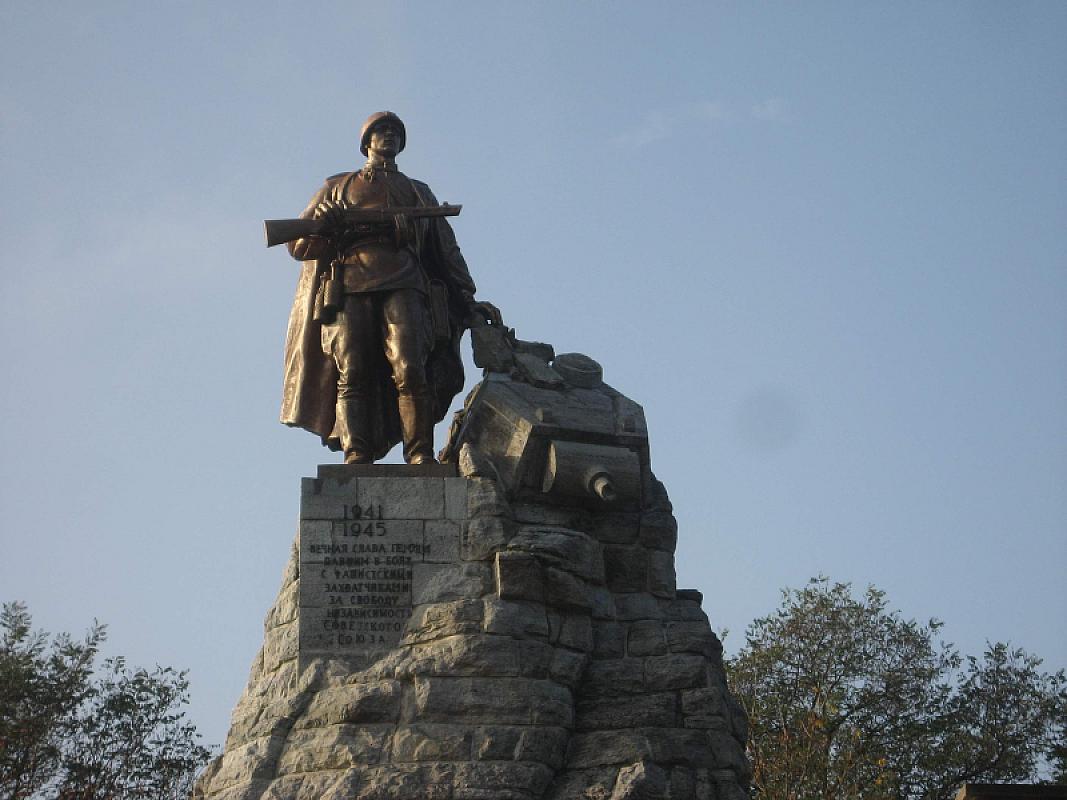
In 1984, the inauguration of a 32 metre large statue by the sculptor Alfonsas Ambraziūnas, dedicated to the »victims of fascism«, took place. The three sculpture groups symbolize Death, Hope and Liberation. In 1991, a first stele was unveiled by the Jewish community of Kaunas to commemorate murdered Jews.
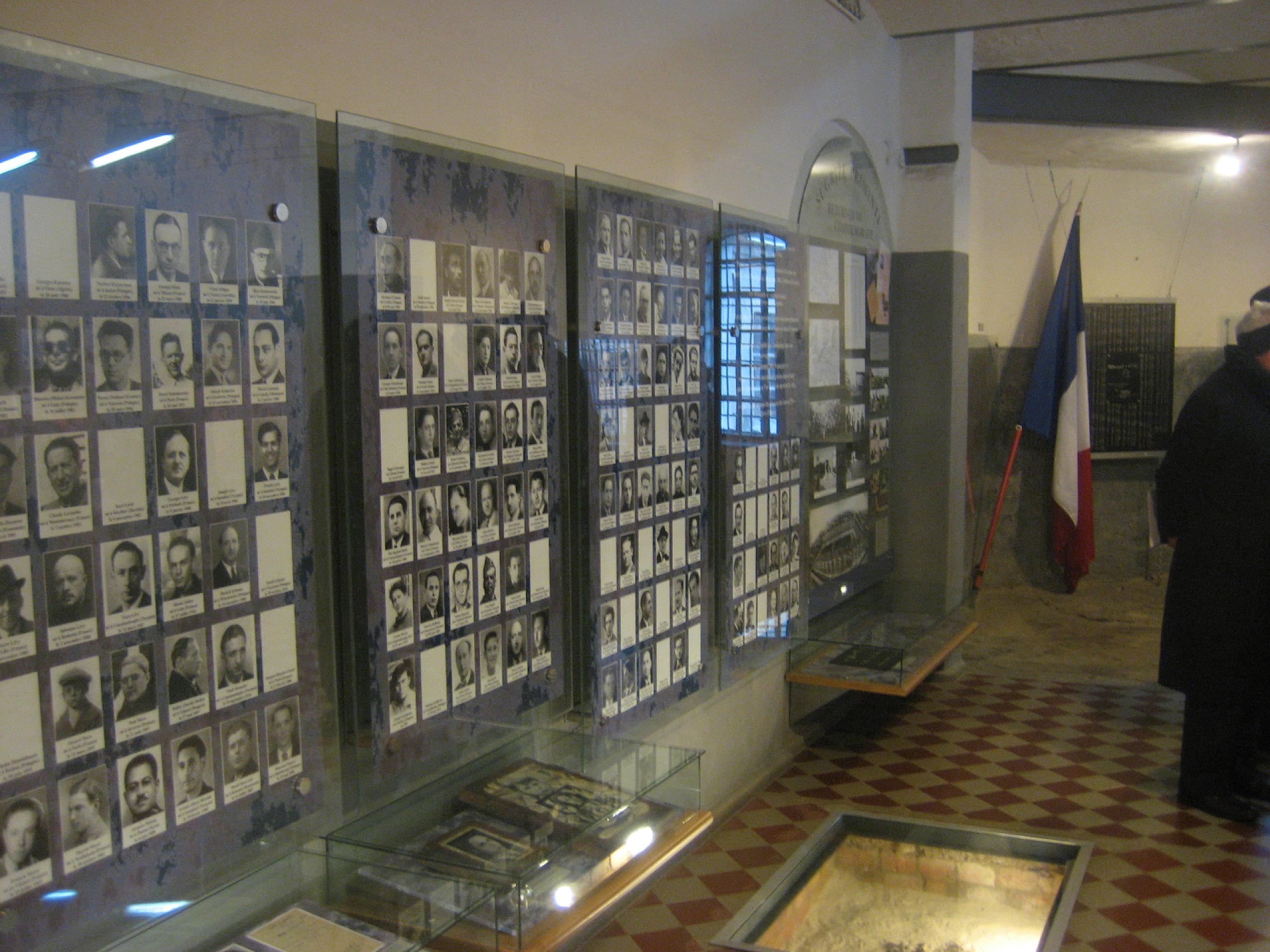
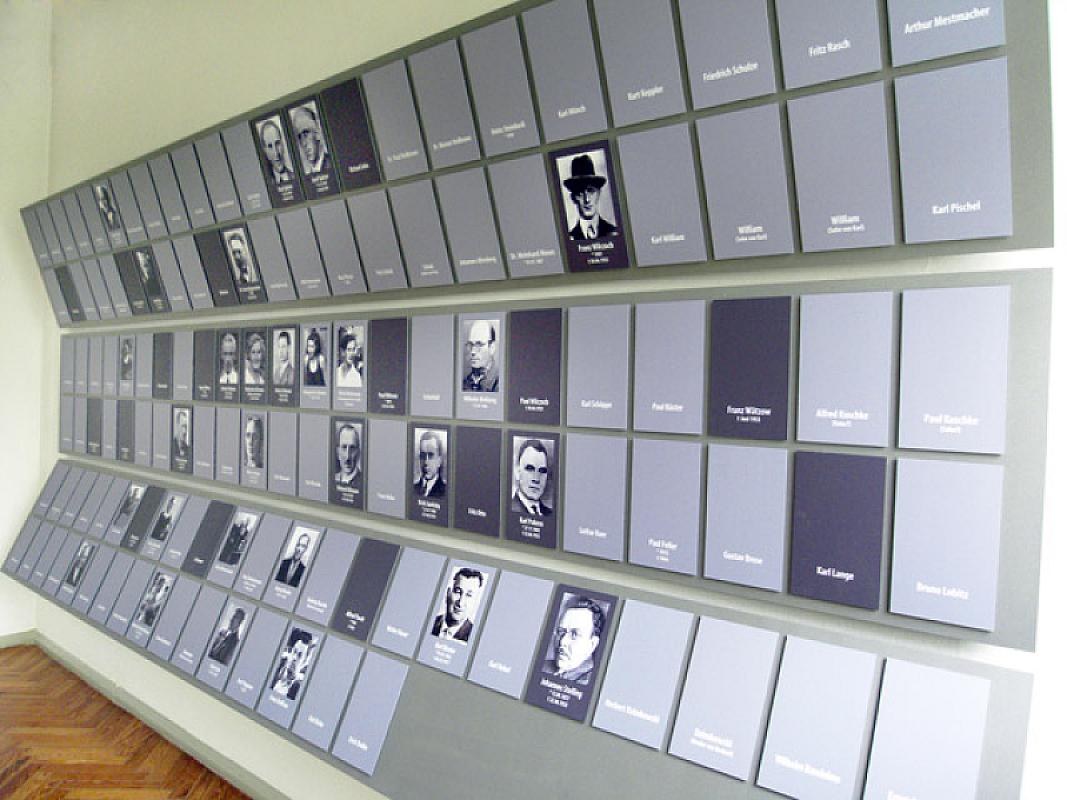
The permanent exhibition in the IX Fort contains information about the history of the stronghold. The persecution of Lithuanians during the Stalin era and the terror of the National Socialists are presented separately, but to a similar extent.
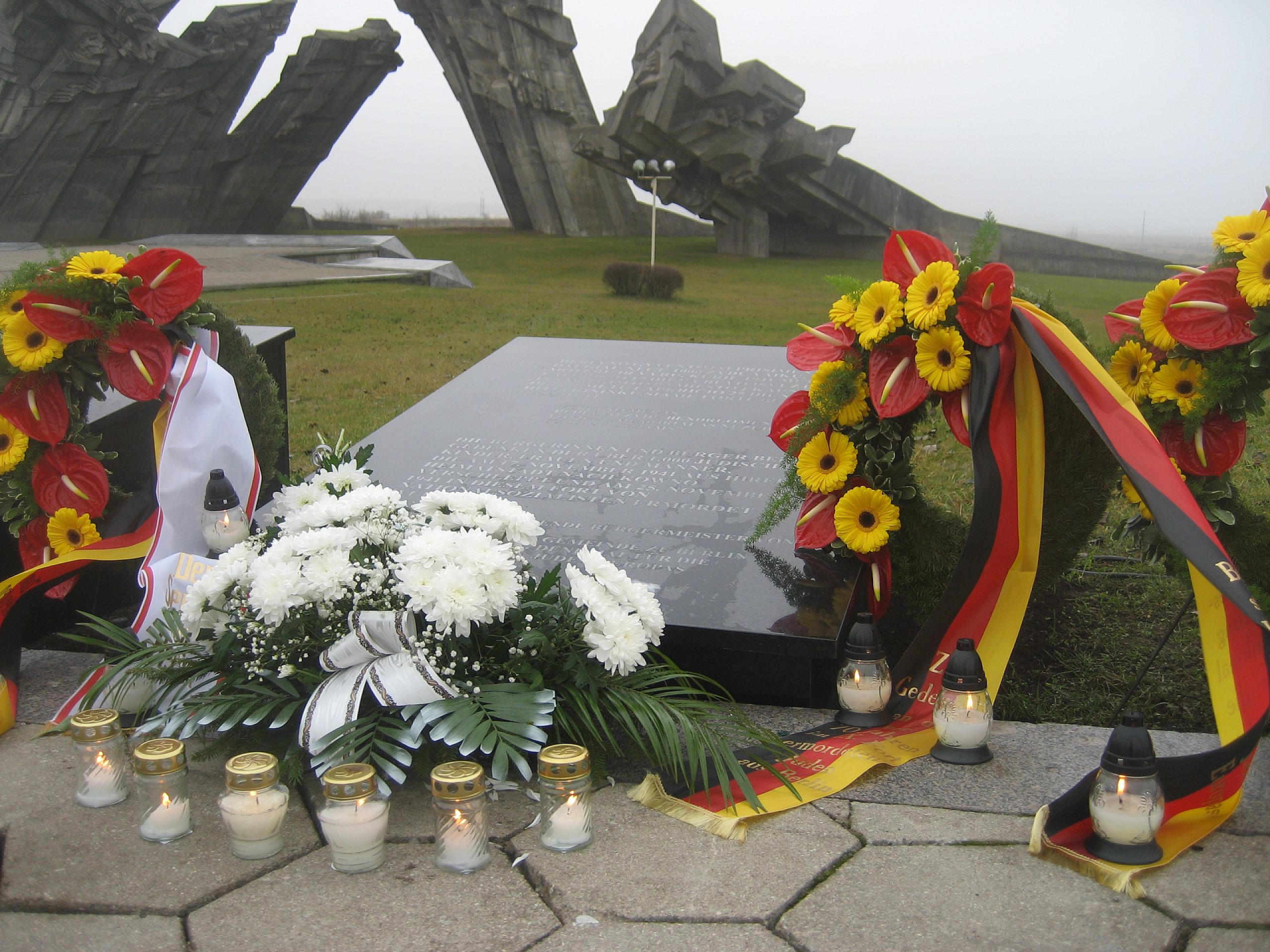
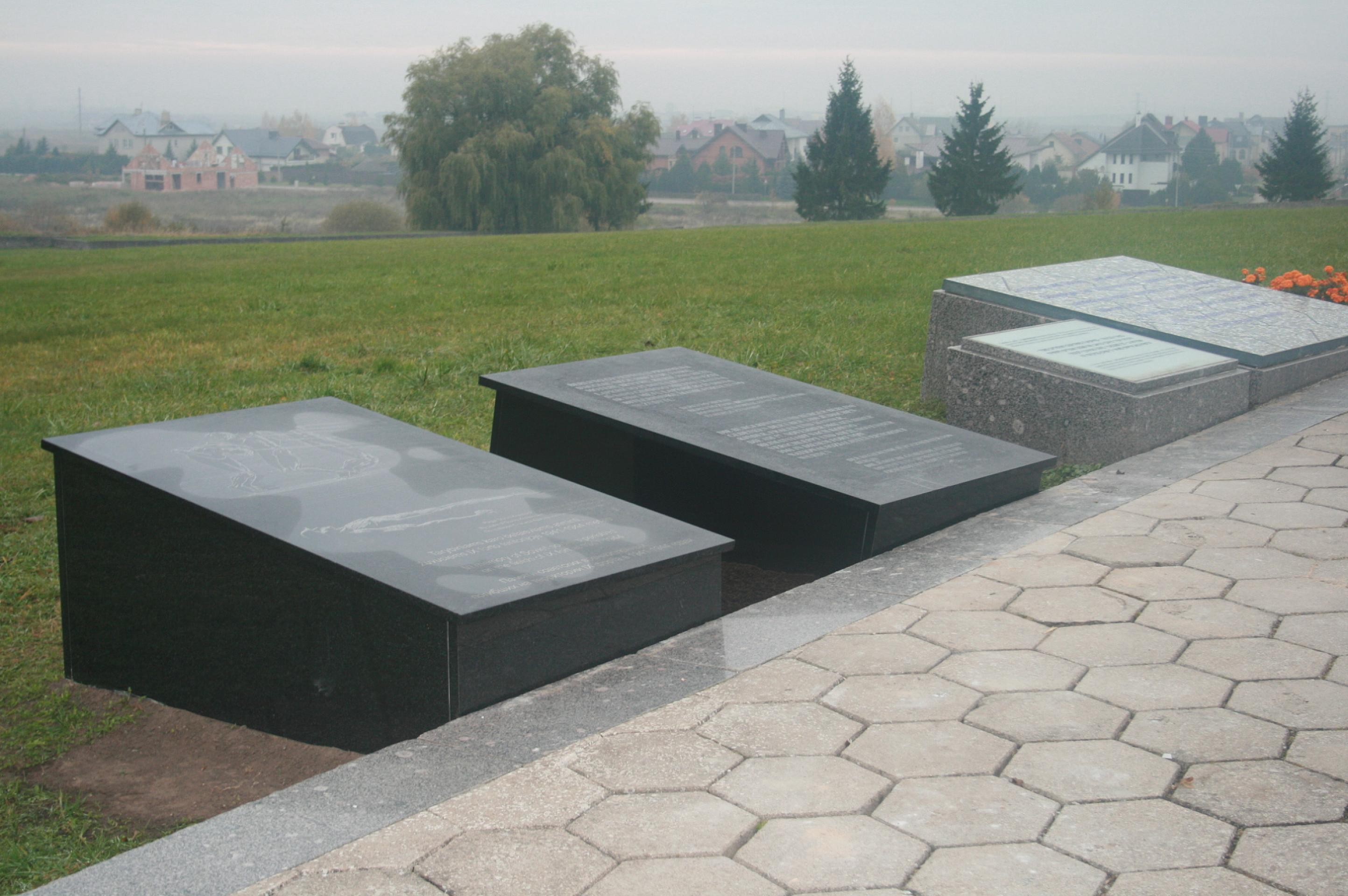
In front of the statue, several memorial stones have been placed to commemorate different groups of victims, among them Soviet prisoners of war and murdered Jews from France and Munich. On November 25, 2011, a further memorial plaque has been unveiled to honour the 1006 Jews from Berlin who were murdered in the IX Fort 70 years earlier. The plaque was initiated jointly by the City of Berlin, the Jewish Community of Berlin and the Berlin-based Foundation Memorial to the Murdered Jews of Europe.
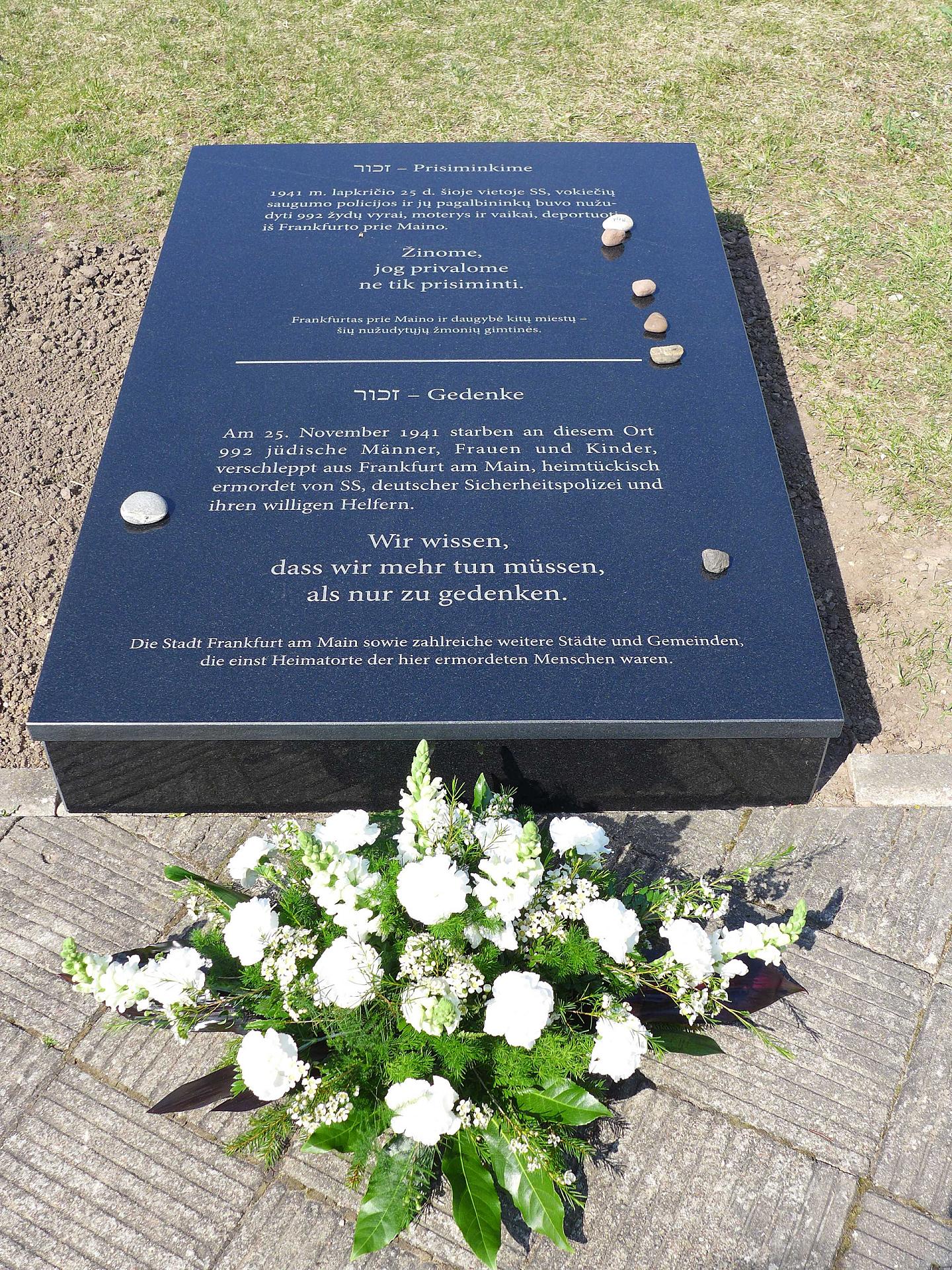
A further memorial plaque was unveiled in April 2018 in memory of 992 Jews from Frankfurt and surroundings who were deported to Kaunas and murdered in the IX. Fort in November 1941.
Possibilities
Guided tours by appointment, audio guide in Lithuanian, English, German and Russian
Open
April to October Wednesday to Monday 10.00 a.m. to 6.00 p.m., November to March 10 a.m. to 4 p.m.
Contact
muziejus@9fortomuziejus.lt
+370 (8) 373 777 50
Žemaičių pl. 73
47435 Kaunas