The Emanuel Ringelblum Jewish Historical Institute
Żydowski Instytut Historyczny im. Emanuela Ringelbuma
The Jewish Historical Institute in Warsaw is a research institute, archive, library and museum all in one. Founded in 1947, the institute houses the Ringelblum Archive, the underground archive of the Warsaw Ghetto, which was added to UNESCO's World Documentary Heritage in 1999.
History
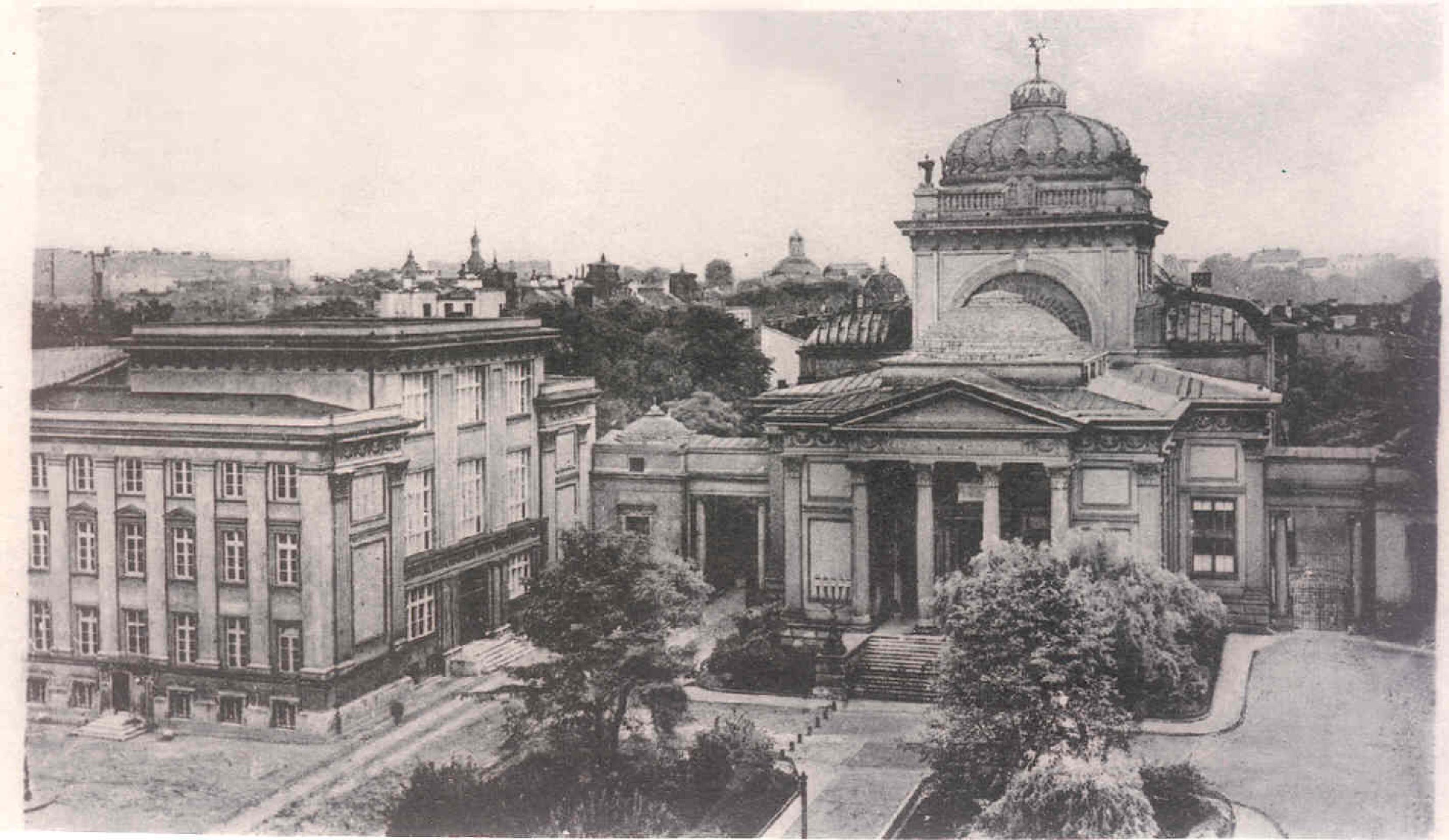
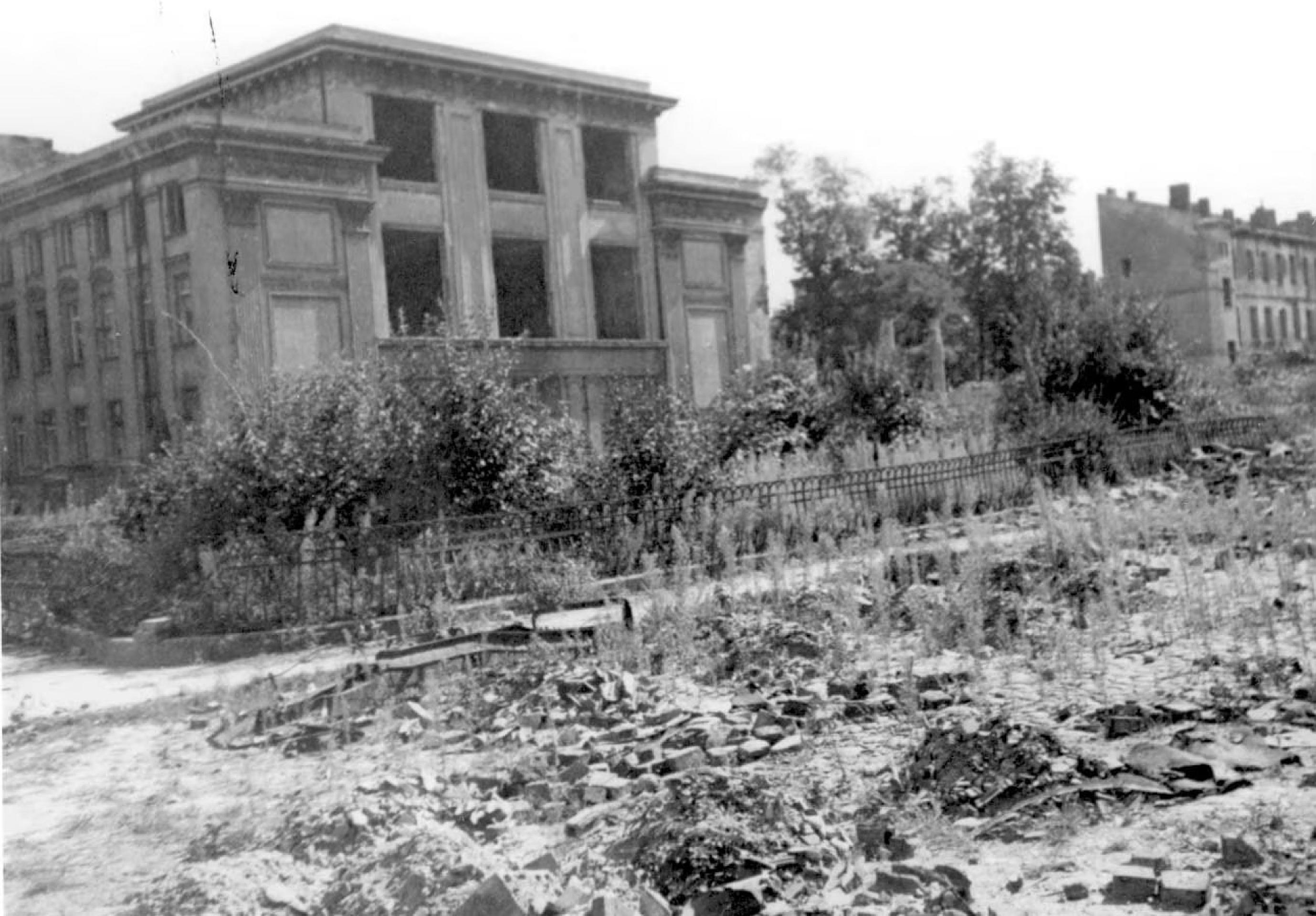
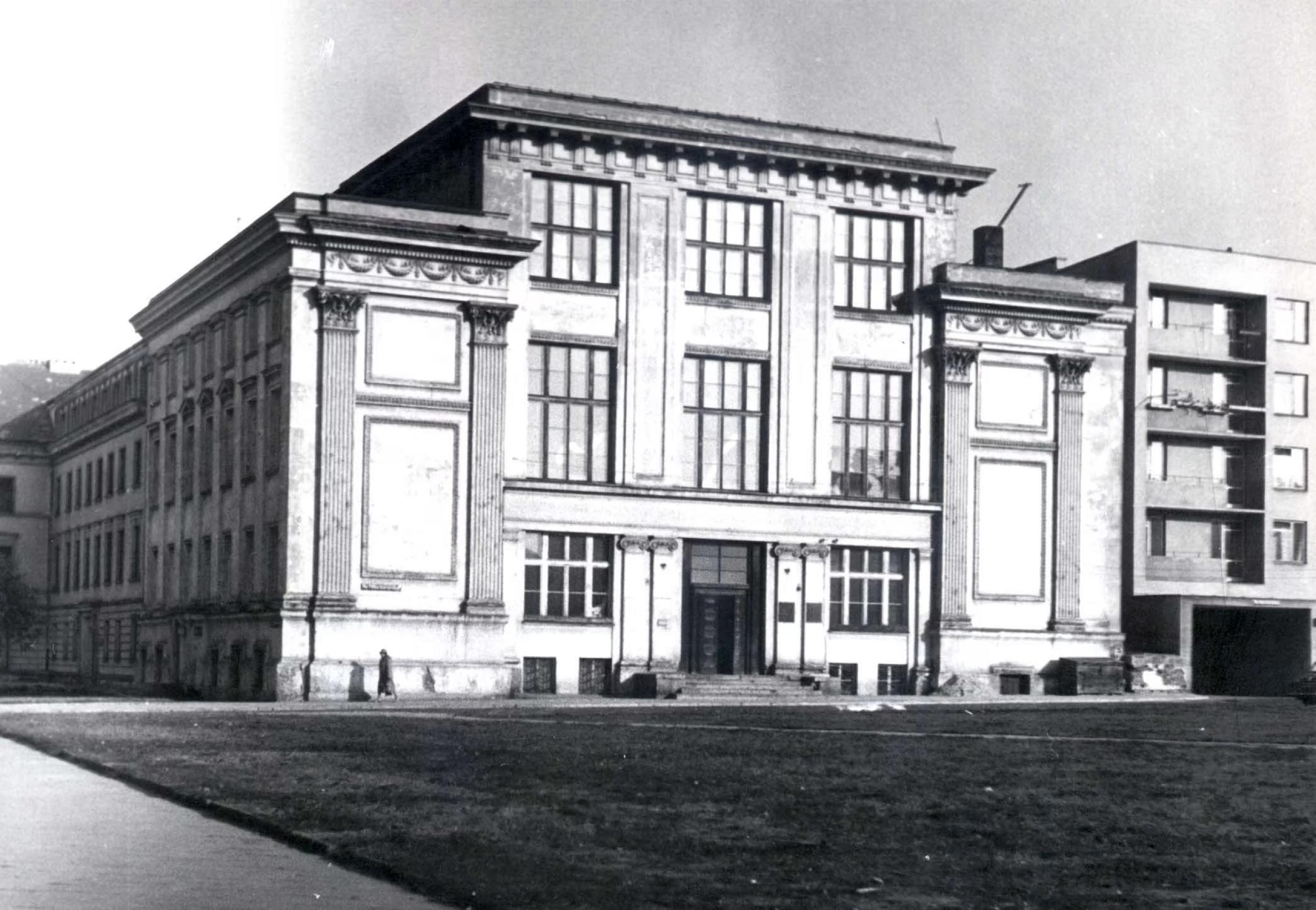
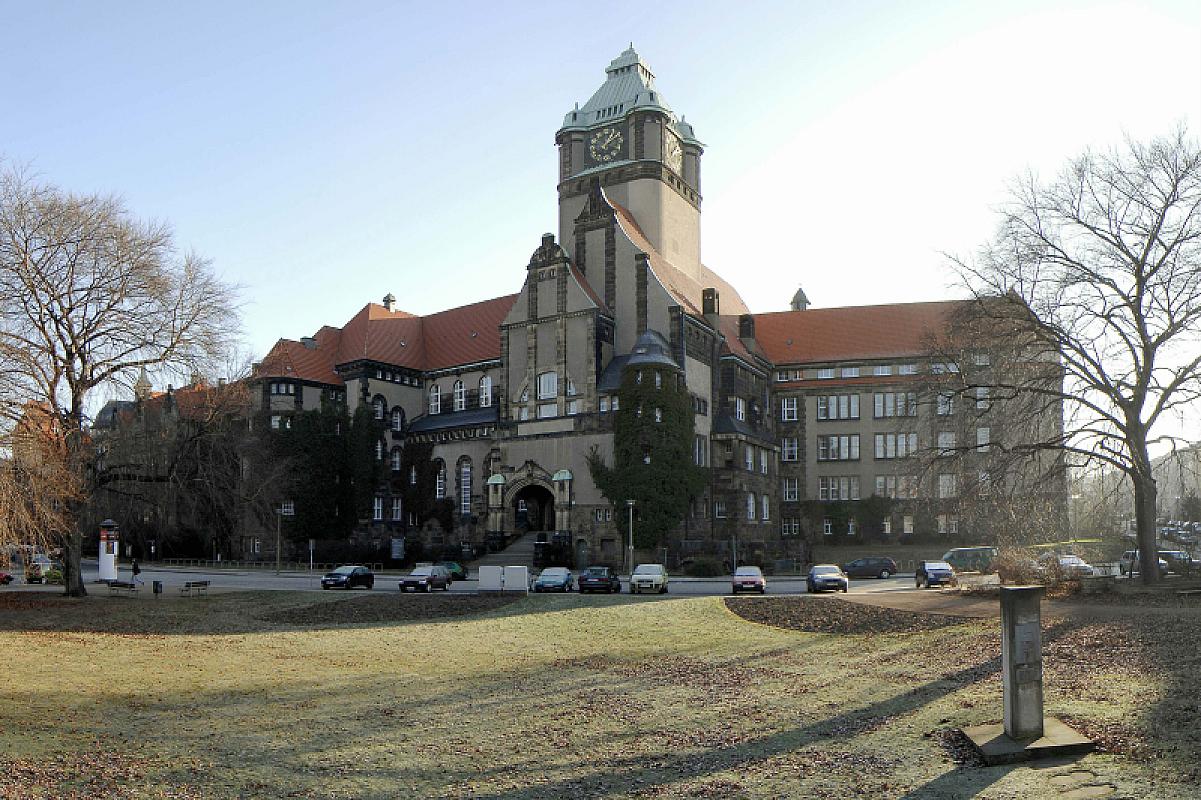
In the nineteenth century, Warsaw developed into the most important Jewish metropolis in Central and Eastern Europe. In the capital of the then Kingdom of Poland, a vassal state of Russia, the Jews increasingly established themselves not only as a numerically significant population group, but also as an economically, culturally and socially relevant one. This was accompanied by the founding of civic institutions such as the Institute of Jewish Studies and the Main Library of Jewish Studies. Their headquarters were located in today's Jewish Historical Institute building right next to the Great Synagogue in Tłomackie Street, which was destroyed in 1943.
The wartime years under German occupation were decisive for the significance of the Jewish Historical Institute. After the Wehrmacht invaded Poland, the National Socialists began to set up the Warsaw Ghetto in 1940. The Jewish population was imprisoned in an area covering only 2.4 per cent of the city. Around a quarter of the inhabitants died directly in the ghetto, while most of the Jews were deported to the Treblinka extermination camp and murdered from 1942 onwards. In order to document life in the ghetto and the crimes of the National Socialists, the historian Emanuel Ringelblum (1900-1944) began collecting material for a ghetto archive as early as 1939. In the years leading up to 1943, he was joined by around 60 fellow campaigners. They worked together on the archive under the code name Oneg Shabbat (Yiddish also: Oyneg Shabbes; »Joy of Shabbat«). In view of the mass deportations in the summer of 1942, Oneg Shabbat decided to hide the material collected up to that point.
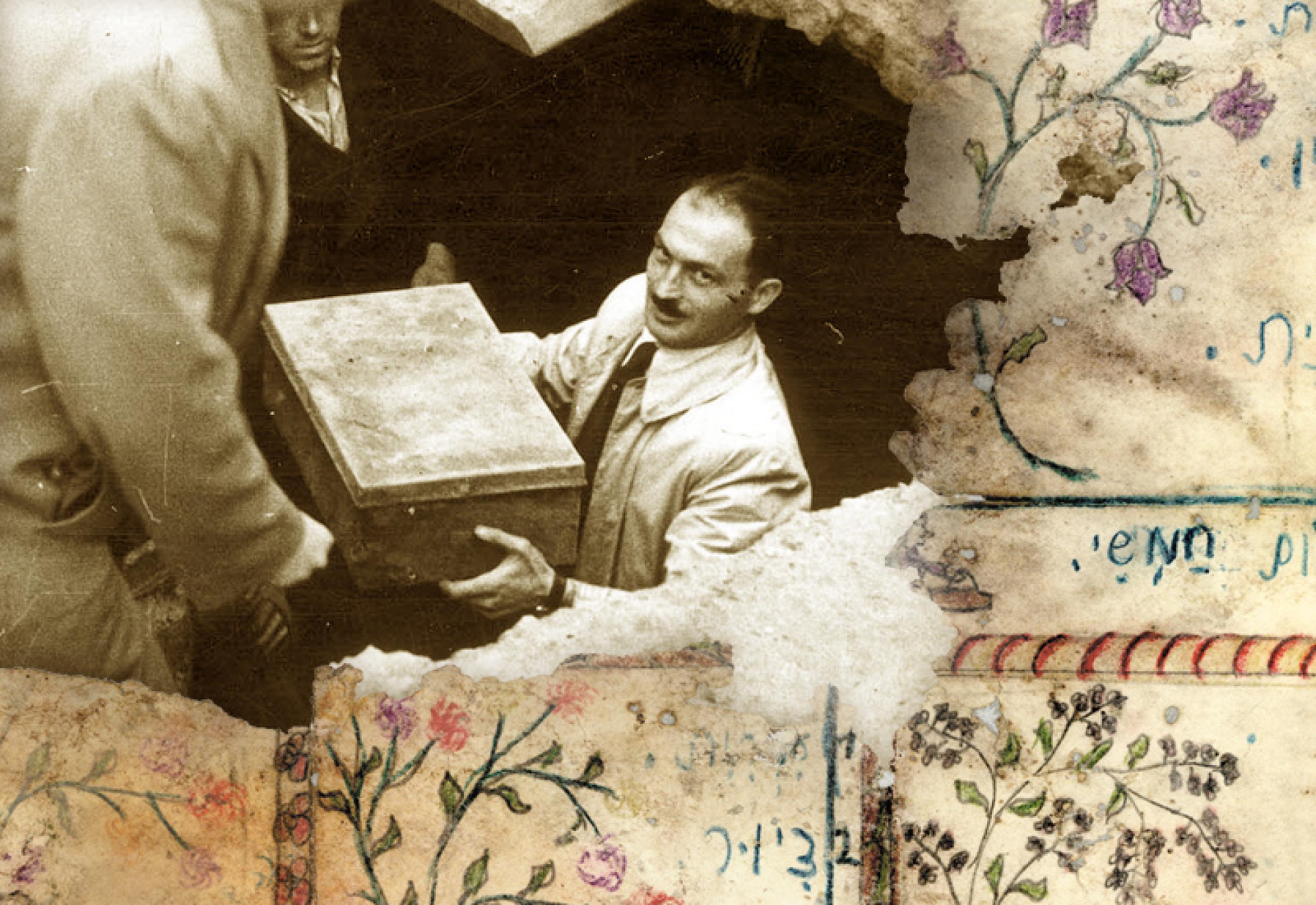
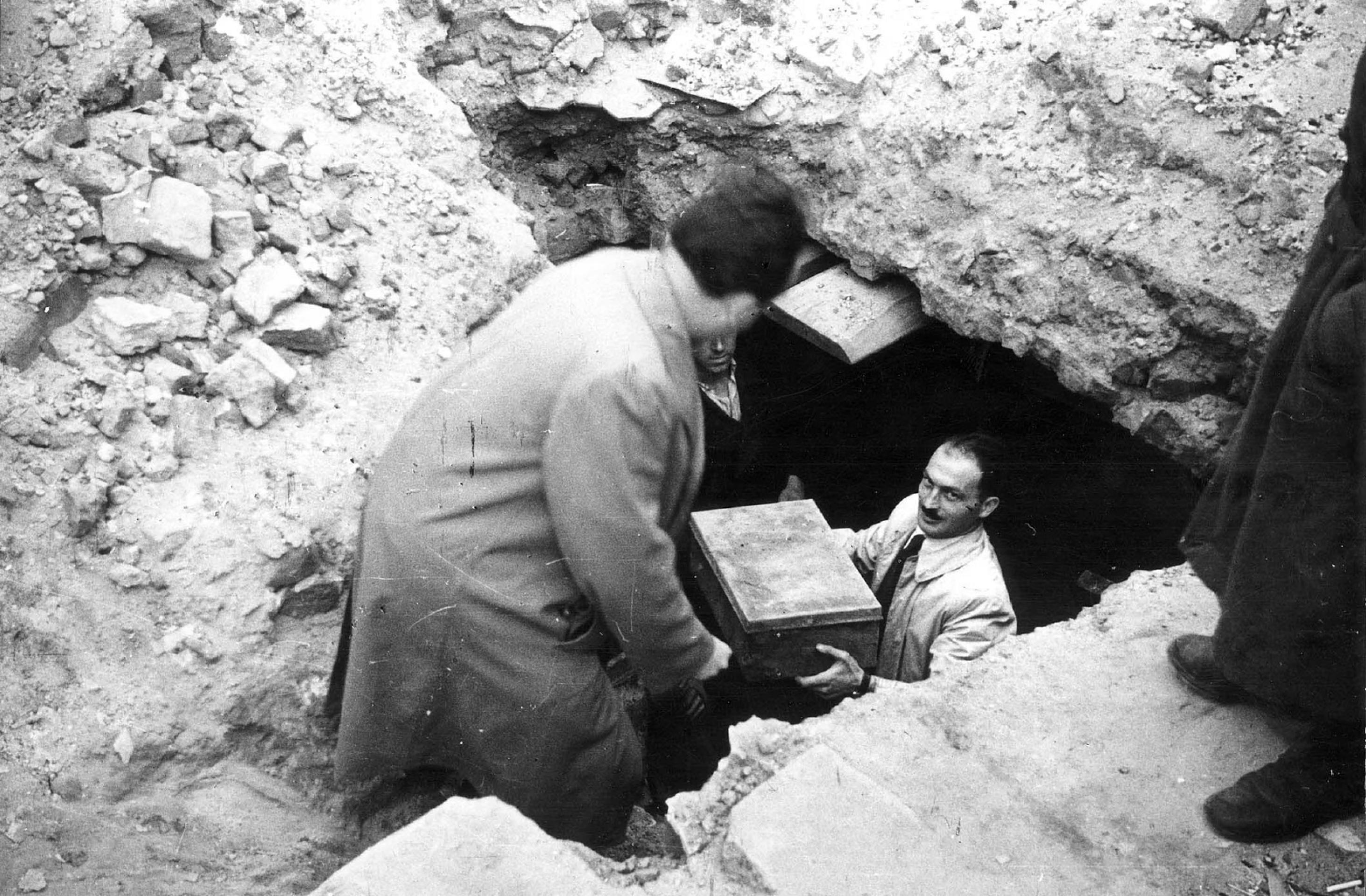
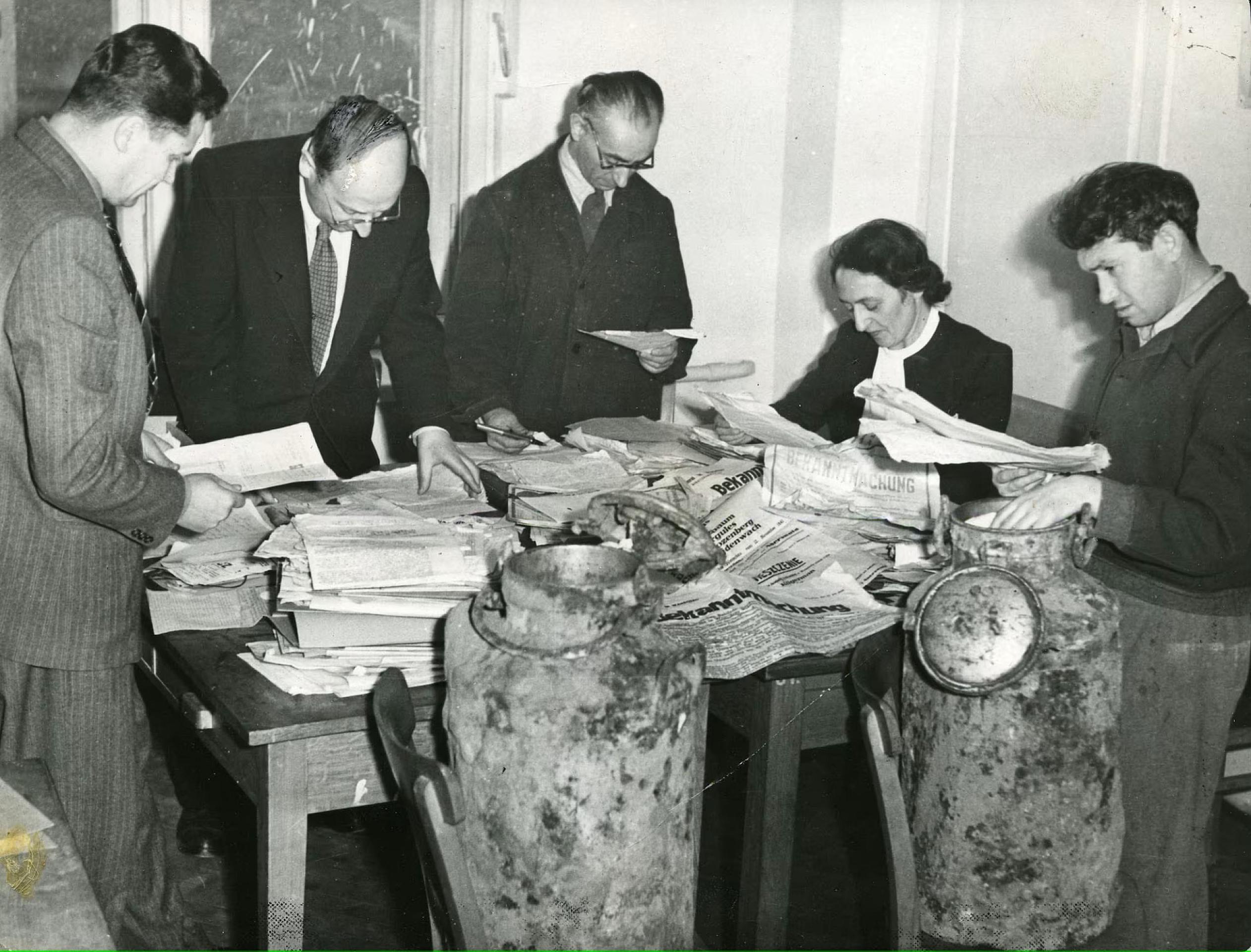
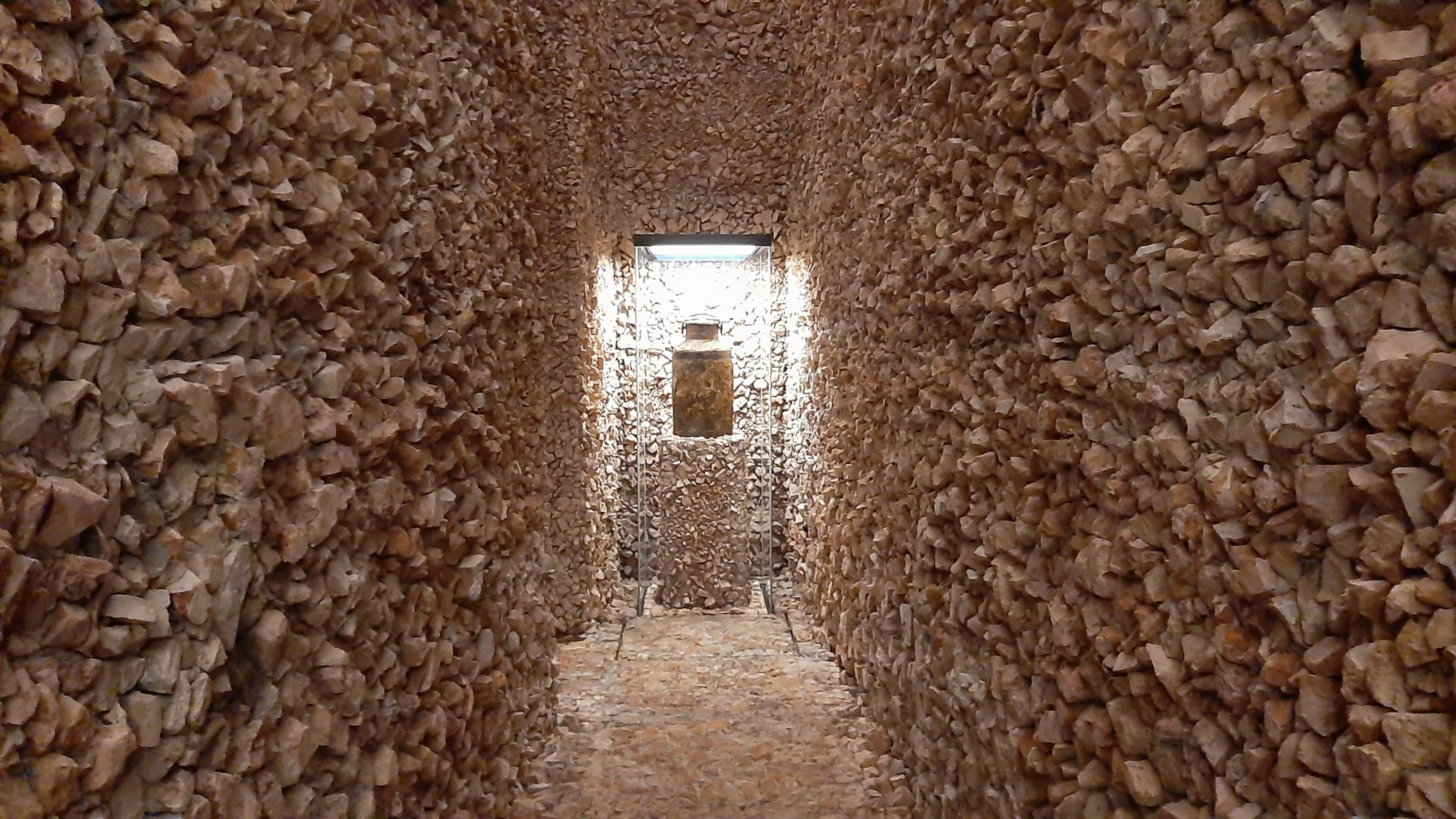
After the end of the war, Rokhl Auerbach, one of the only three survivors of Oneg Shabbat, initiated the search for the archive's hidden holdings. In 1946 two milk cans were found and in 1950 ten metal boxes containing thousands of documents. This formed the basis for the Central Jewish Historical Commission, which was renamed the Jewish Historical Institute in 1947.
Victims
In addition to Warsaw Jews, around 50,000 Jews from the surrounding area were forced to move to the Ghetto. German authorities also transferred thousands of Jews from Bohemia and the German Reich territory and several groups of Sinti and Roma from Romania, Bulgaria and Hungary to the Warsaw Ghetto. Around 100,000 Jews died of starvation or disease in the Ghetto as a result of the deliberate lack of supplies.
During the systematic deportations of the »Great Action« from 22 July to 12 September 1942, around 254,000 Jews were deported to the Treblinka extermination camp and murdered in the gas chambers.
Around 12,000 Jews died in the fighting of the Warsaw Ghetto Uprising, including almost all of the insurgents. Many were murdered by SS, police and Wehrmacht units in targeted house demolitions or on the streets that were systematically set on fire. In addition, German units shot Jews who surrendered or fled from the burning houses. Around 7,000 survivors of the uprising were deported to Treblinka and over 40,000 to various labour camps in the Lublin district.
Only a few Jewish fighters escaped after the uprising, many of whom joined partisan groups or the Polish resistance.
Of the approximately 500,000 Jews who had been in the Warsaw ghetto, only a few thousand lived to see the end of the war.
Emanuel Ringelblum was found in hiding with his wife, young son and others on 7 March 1944. A few days later, they were all shot by the Germans in Warsaw's Pawiak Prison, together with their Polish protectors.
Remembrance
In the post-war period, many of the surviving Jews left Poland. Anti-Jewish attitudes remained widespread and there was anti-Jewish violence in many places in the country in the immediate post-war years, such as the Kielce Pogrom in July 1946. Two decades later, in the course of an anti-Semitic campaign instigated by the communist leadership in 1968, the majority of Jews living in Poland faced being forced to leave the country. After that, only very few Jews remained in Poland, so that organised Jewish life came to an almost complete standstill until the end of the communist dictatorship. This makes the Jewish Historical Institute in Warsaw all the more important for the remembrance of the Holocaust and the preservation of the cultural heritage of Polish Jews. Despite great resistance in the three decades after 1968, the Institute managed to survive and secure the Ringelblum Archive - Oneg Shabbat. Today, the Emanuel Ringelblum Jewish Historical Institute is under the authority of the Ministry of Culture and National Heritage and its activities are financed from the state budget as well as through grants from foundations and private donors.
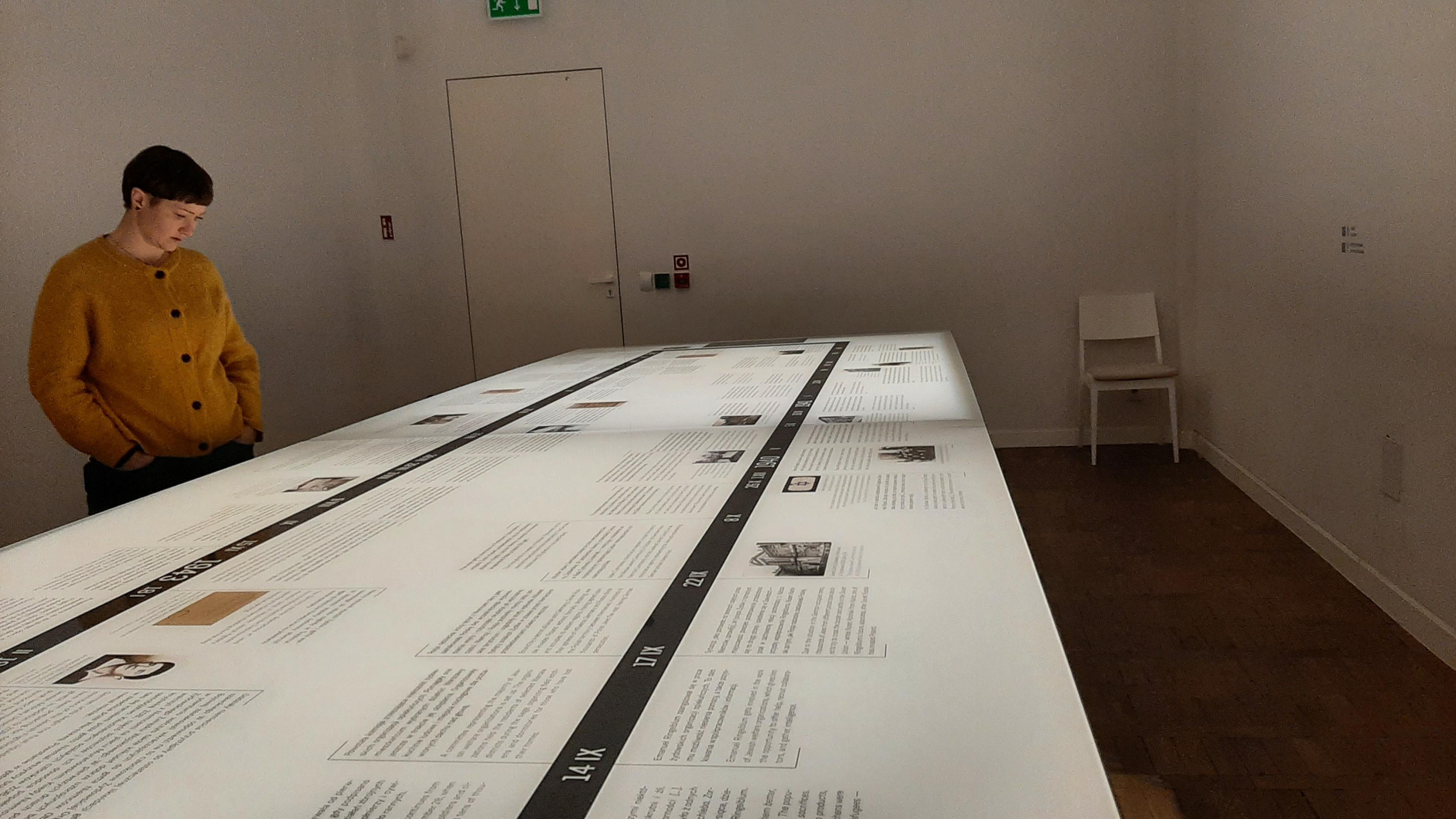
The Jewish Historical Institute has succeeded in publishing the Ringelblum Archive in its entirety. This makes it one of the world's most important sources for Holocaust research. The Institute also houses a permanent exhibition as well as temporary exhibitions on the Warsaw Ghetto and Jewish life in Poland. The name of the main exhibition »What we've been unable to shout out to the world« is based on the words of the then 19-year-old member of the Oneg Shabbat group, Dawid Graber, who wrote this sentence in his will. Today, the Jewish Historical Institute's library contains more than 70,000 volumes and several thousand manuscripts. The oldest ones date back to the early Middle Ages.
Possibilities
Permanent exhibition and temporary exhibitions, guided tours through the exhibitions and themed city tours, educational programmes for all age groups, archive, online library, bookshop, publications
Open
Monday to Thursday 9 a.m. to 6 p.m.
Friday 9 a.m. to 4 p.m
Saturday closed
Sunday 10 a.m. to 6 p.m.
Contact
secretary@jhi.pl
+48 22 827 92 21
Ul. Tłomackie 3/5
00–090 Warszawa