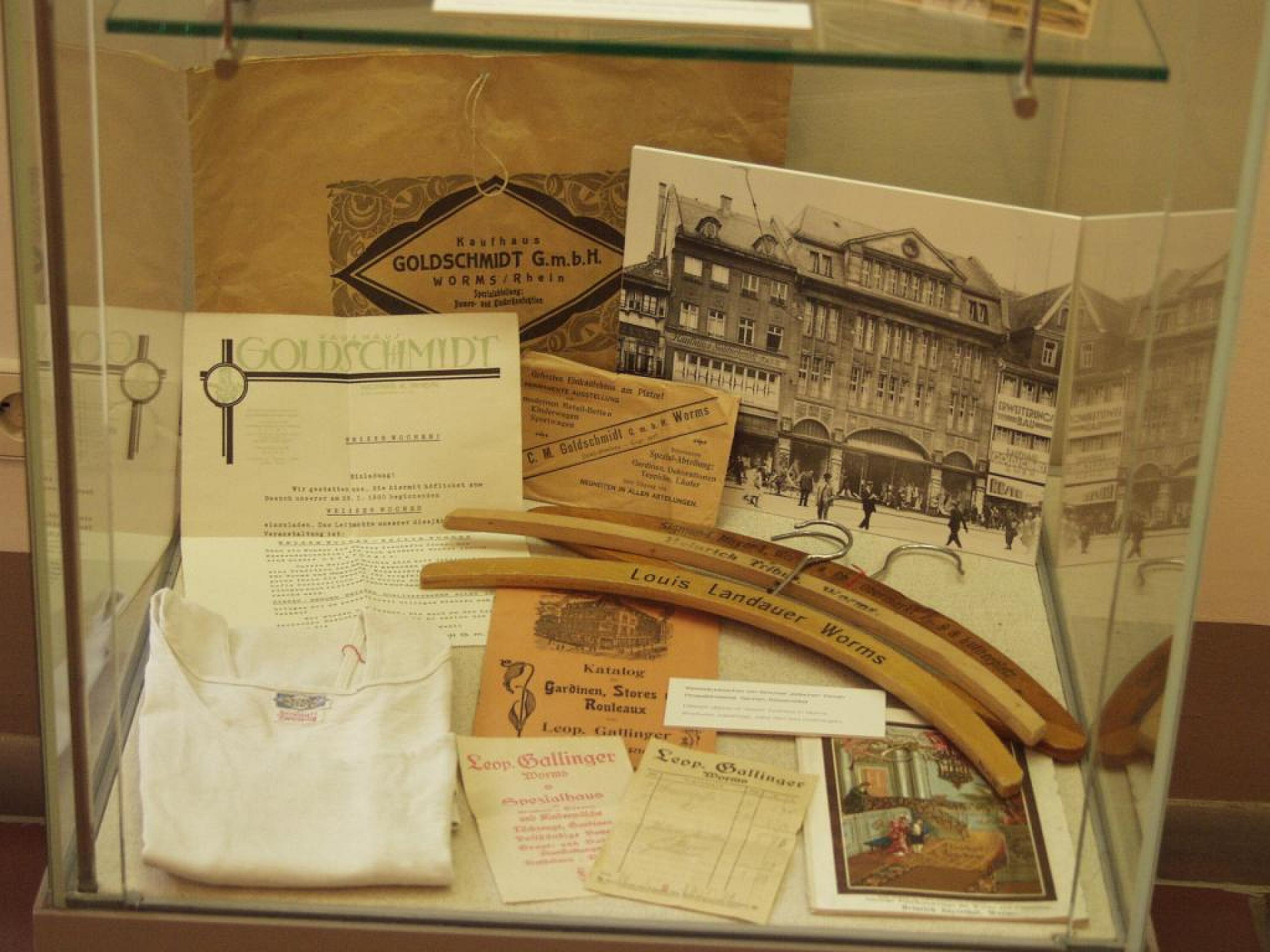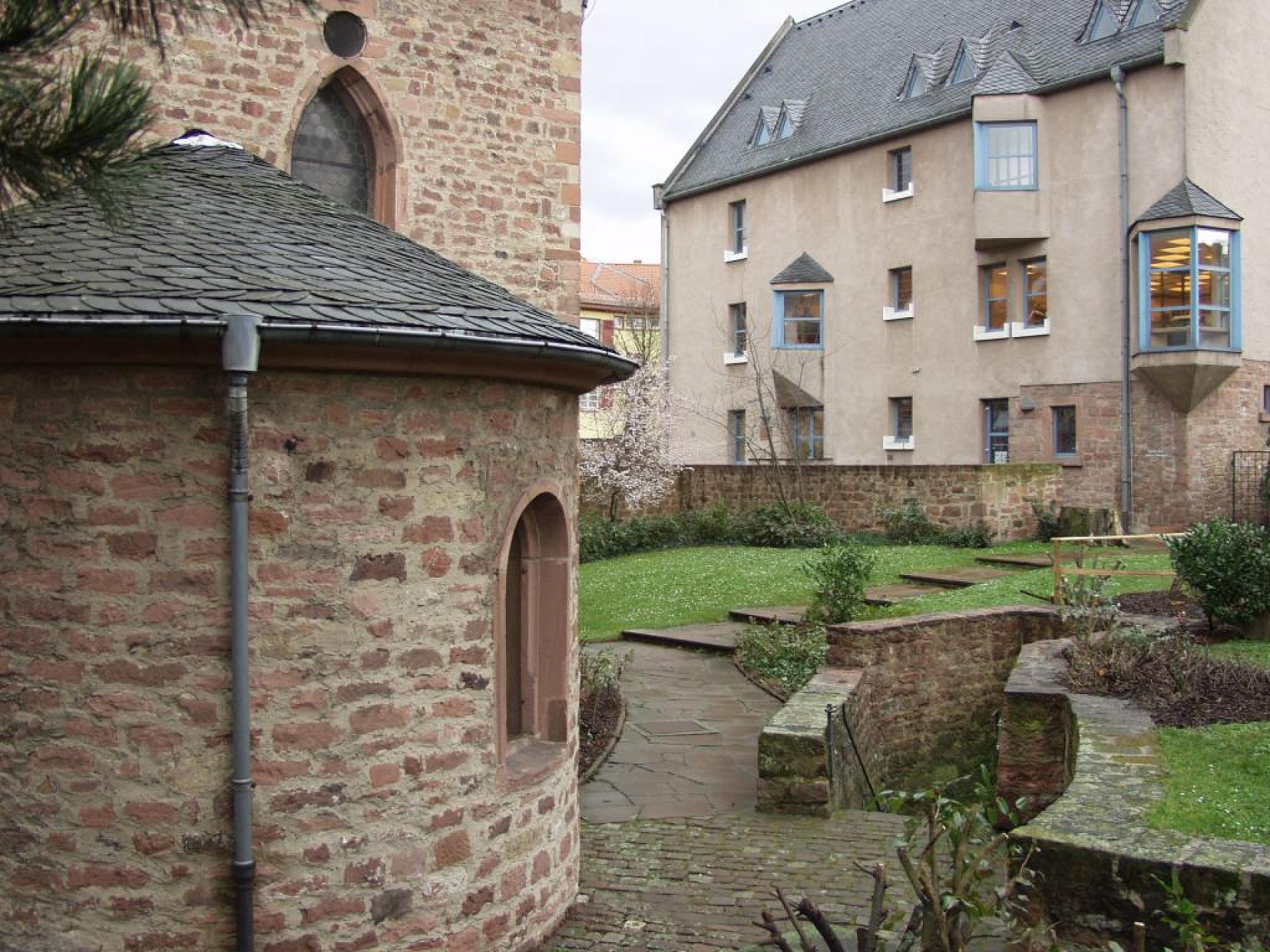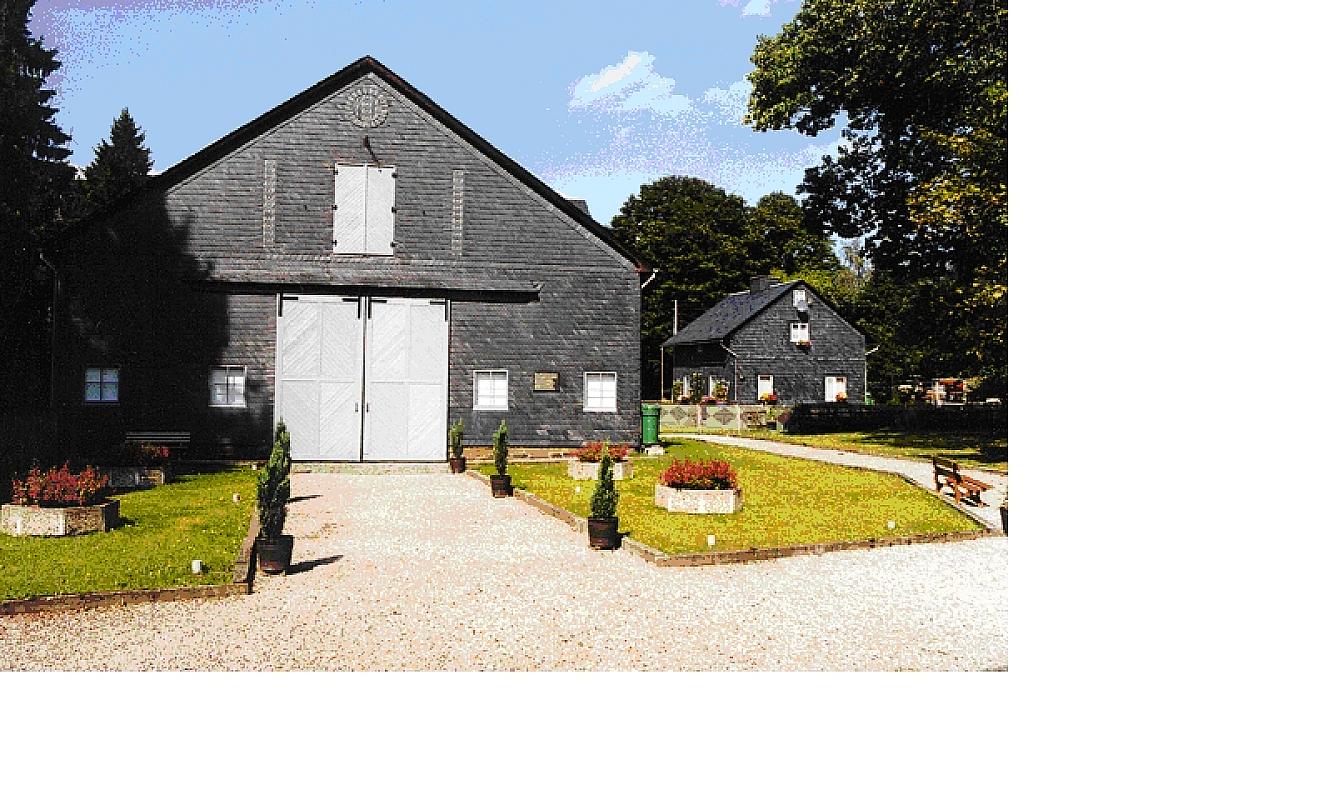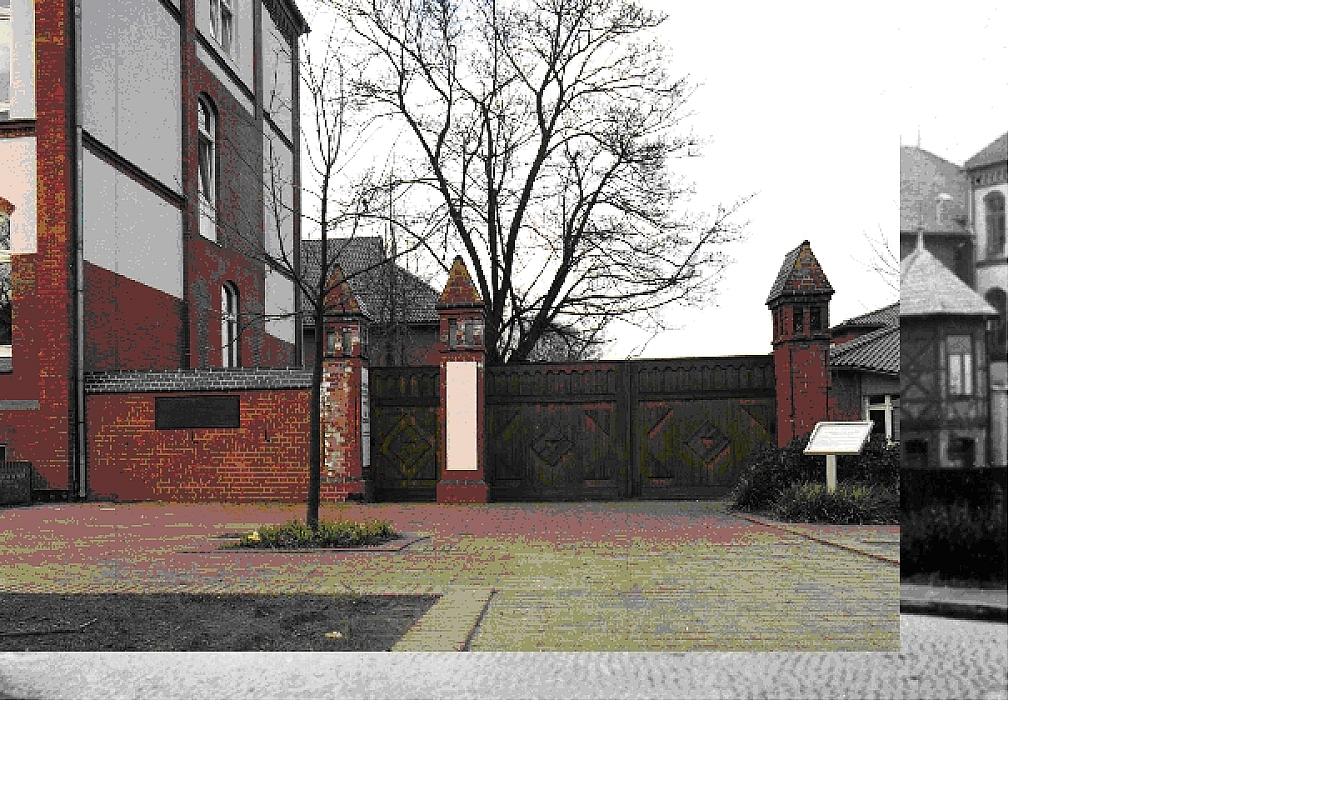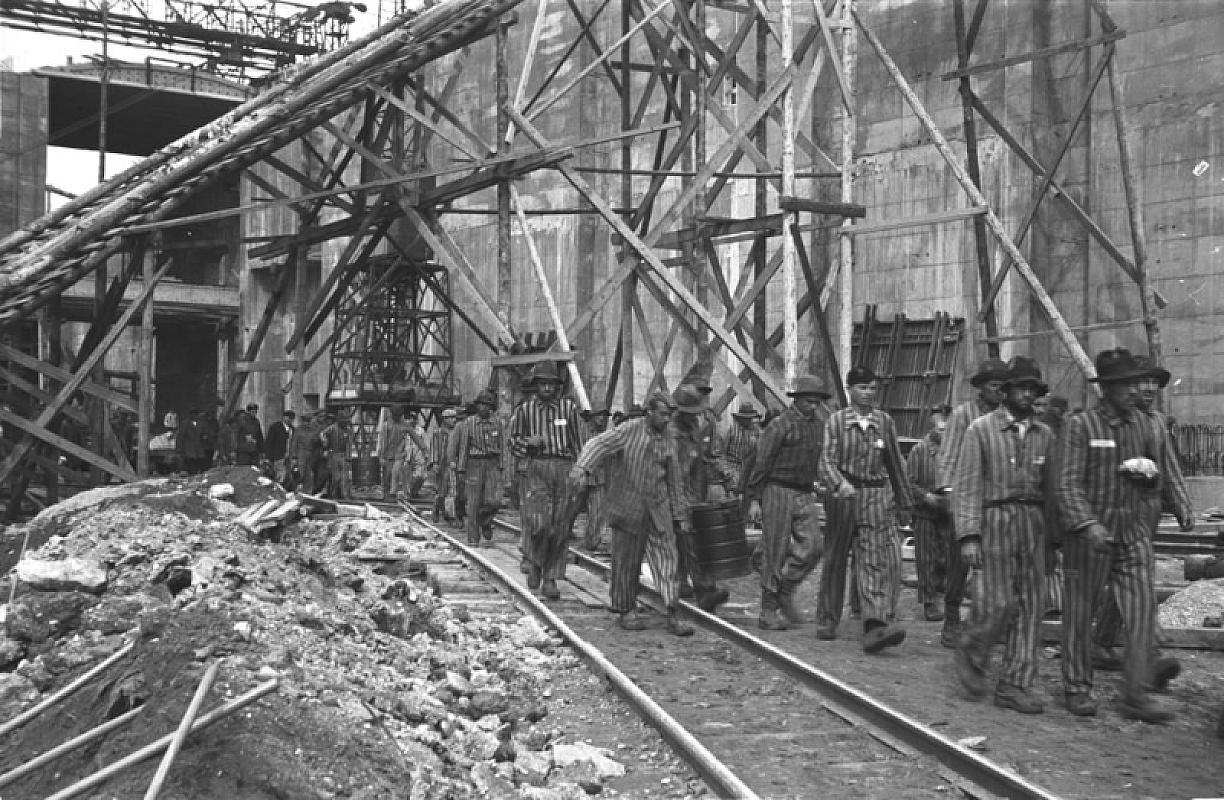
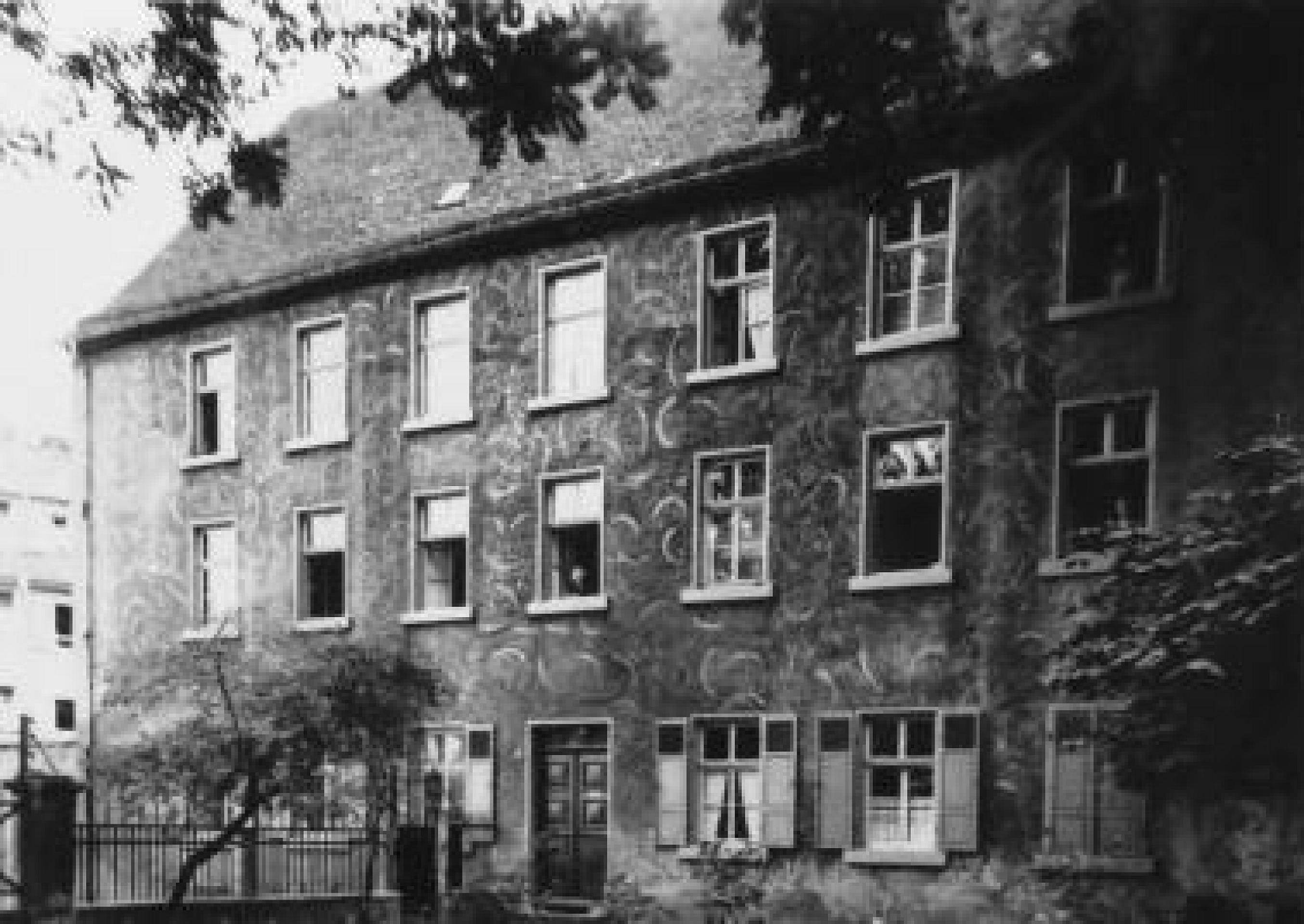
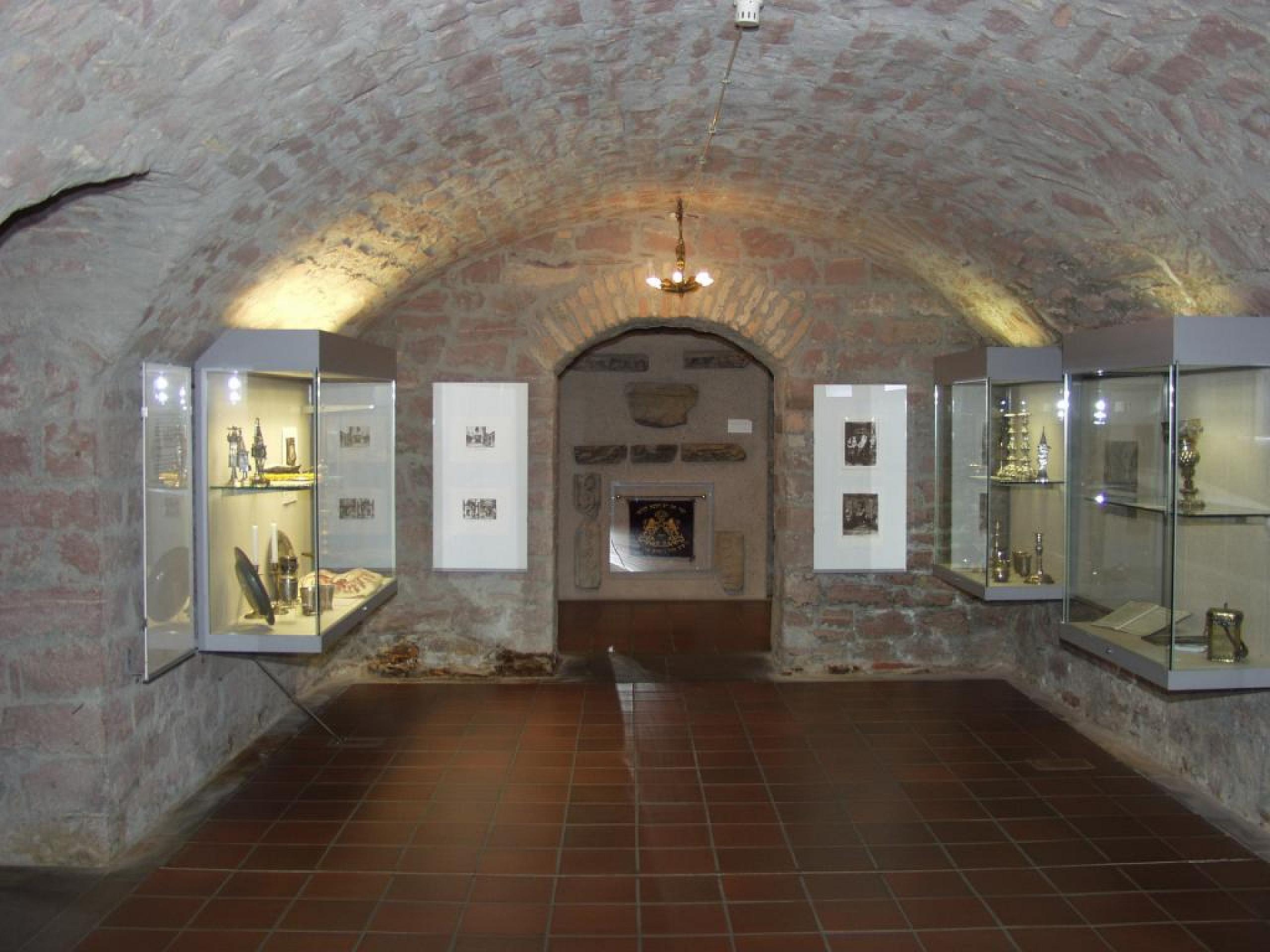
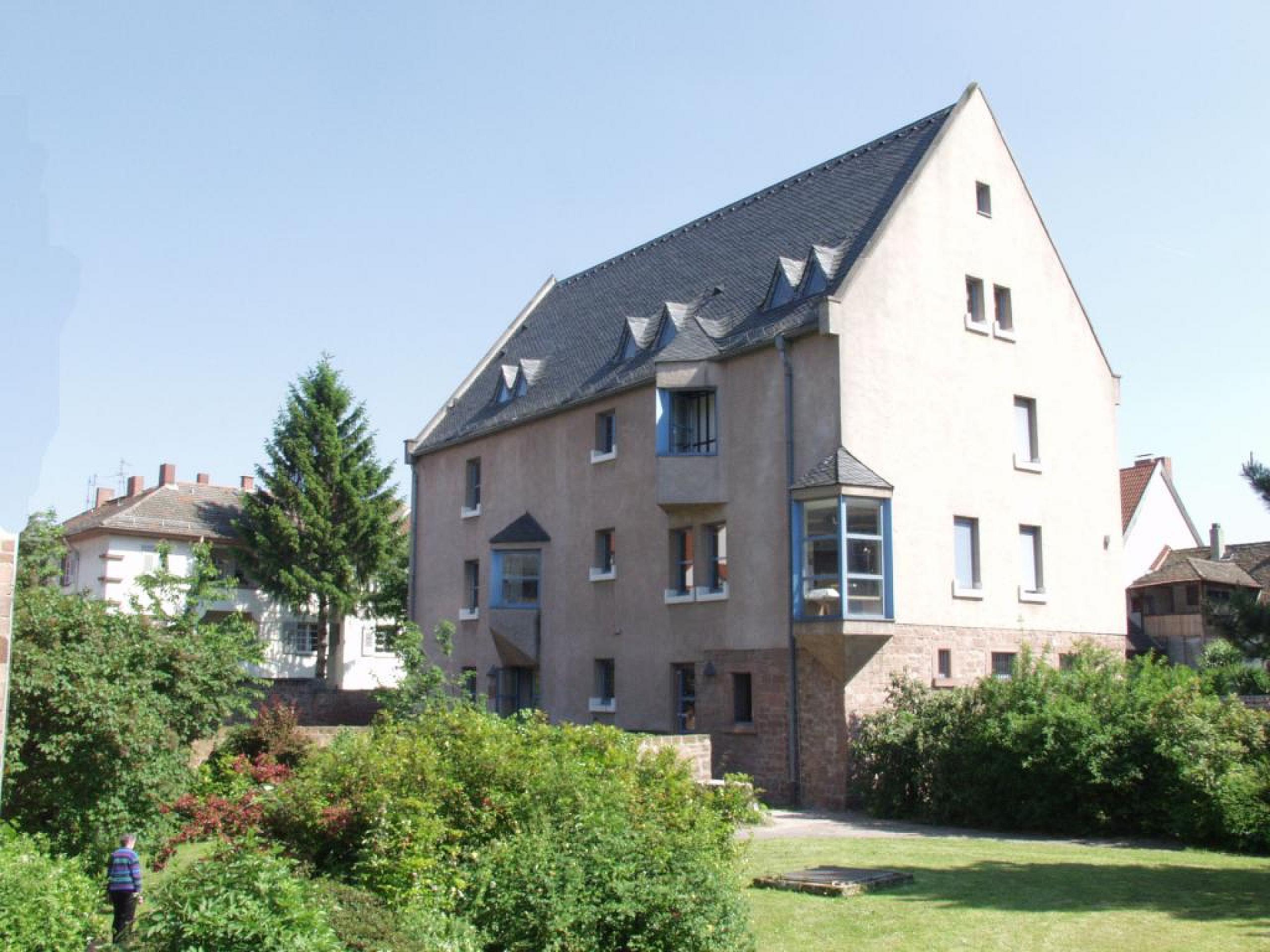
Between 1938 and 1942, the building that is today the Rashi House in Worms was used as a collection point for elderly and sick Jews from Worms and surrounding areas. In 1942, the last deportations from Worms departed from here. The Jewish Museum is located in the reconstructed building. In its exhibition, it commemorates Jewish life in Worms and the fates of those who were deported.
History
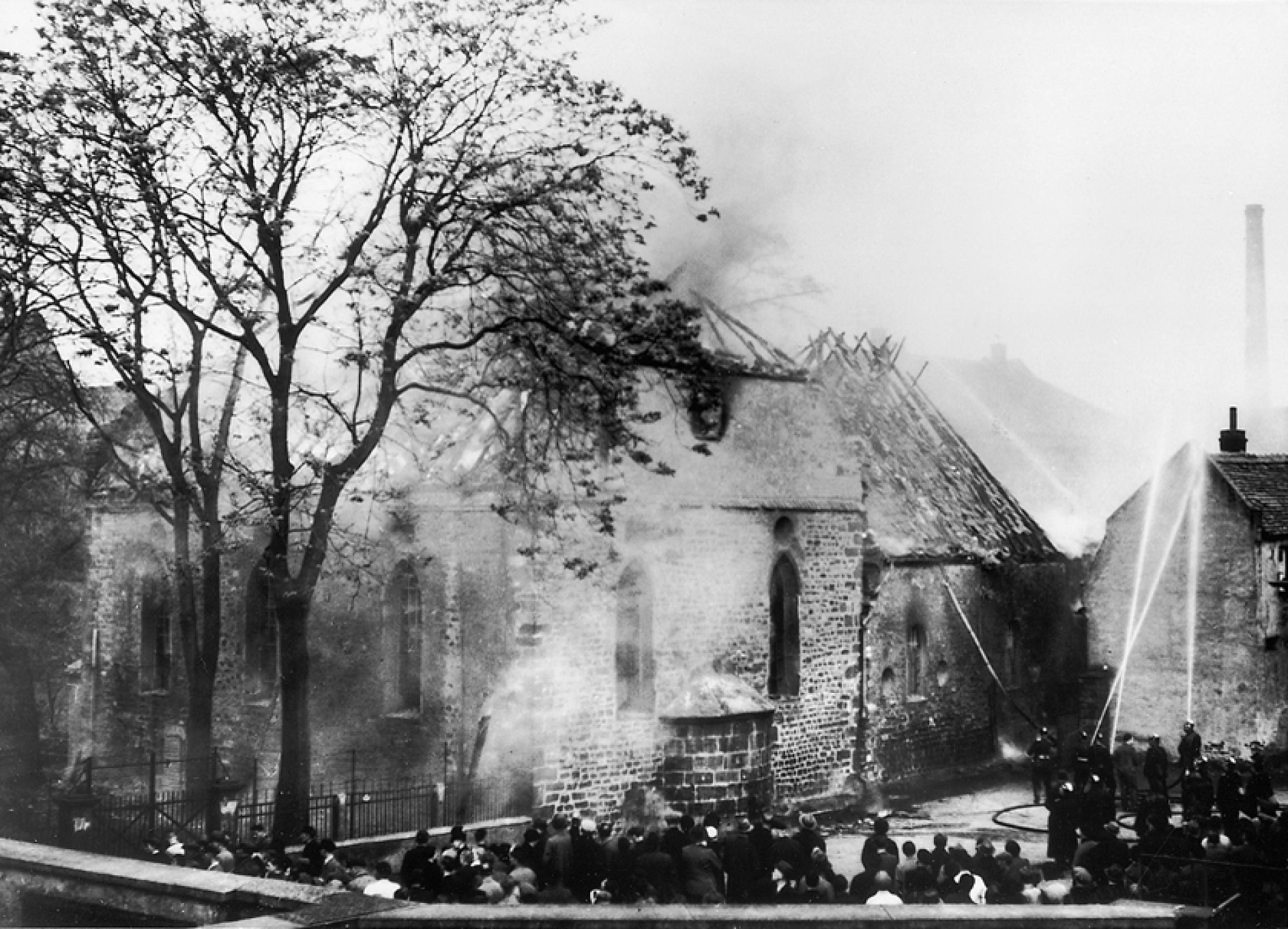
Worms was one of the most important centres of Jewish life in Central Europe during the Middle Ages. Already in 1034, a synagogue was built in the city. It is said that around 1060, the renowned Talmud scholar Rashi studied in Worms for a few years. In 1096, during the crusades, one of the bloodiest pogroms of the Middle Ages against Jews took place in Worms. In 1623, the Jewish community built an extension to the synagogue, and a small Yeshiva was established in it; the extension was referred to as the Rashi Chapel. About 1860, the growing Jewish community had 985 members. Many were highly respected citizens, holding important positions in politics, culture and business. In 1849, Worms was the first city in Germany with a Jewish mayor. When the National Socialists took power, there were about 1,100 Jews living in Worms. Like in the rest of Germany, the Jews were increasingly excluded from all spheres of public life. National Socialists in Worms forced Jews to abandon their public offices, to leave associations they had for years been members of, and Jewish businesses were boycotted. Already in 1933, several Jews were arrested by the SA and taken to the nearby Osthofen concentration camp. Due to the limitations to their personal freedom and the increasingly frequent and brutal anti-Semitic attacks taking place in Worms, many Jews left the city. By December 1937, the number of Jewish residents in Worms had decreased to 525. During the »Kristallnacht« in November 1938, members and supporters of the National Socialist party burned down the over 900-year old synagogue and the Rashi Chapel. Beginning 1938, the SS turned the former Jewish hospital into a collecting point primarily for elderly Jews from Worms and vicinity. In 1942, deportations trains left from here, bringing the last of the Worms Jews to extermination camps in the east.
Victims
Of the approximately 1,100 Jews who lived in Worms in 1933, about 430 men, women and children perished in the Holocaust.
Remembrance
The partly preserved early medieval building which is today the Rashi House was used by the Jewish community of Worms for centuries. Located here was the Jewish hospital and between 1938 and 1942, the building also housed a home for the elderly. The Rashi House was in direct vicinity of the synagogue which was destroyed in 1938. In 1971, the city council had parts of the increasingly derelict building torn down. Only the cellar ceilings and parts of the ground floor remained. Many years of efforts to rebuild the house to its original state finally succeeded. In 1982, what was once the Jewish community building was inaugurated as the Rashi House. It is most probably located at the site where the Yeshiva, at which Rashi studied around 1060, stood. The Jewish Museum is situated in the historic cellar rooms and the ground floor of the Rashi House; located in the upper floor is the municipal archive. The exhibition at the museum deals with the history of Worms Jews from the beginnings of the Jewish community's existence up to the end of the National Socialist regime. In 1961, the Worms synagogue and Rashi Chapel were inaugurated anew. The initiators of the reconstruction conducted their work in reference to the building's state prior to its destruction in 1938.
Possibilities
Shared location and administration with the municipal archive, which is home to a large Judaica collection, a reference library, user workplaces, photo archive
Open
April to October Tuesday to Sunday 10 a.m. to 12.30 p.m. and 1.30 p.m. to 5 p.m., November to March Tuesday to Sunday 10 a.m. to 12.30 p.m. and 1.30 p.m. to 4.30 p.m.
Contact
https://www.worms.de/juedisches-museum/
stadtarchiv@worms.de
+49(0) 6241 853 470 1
Hintere Judengasse 6
67547 Worms