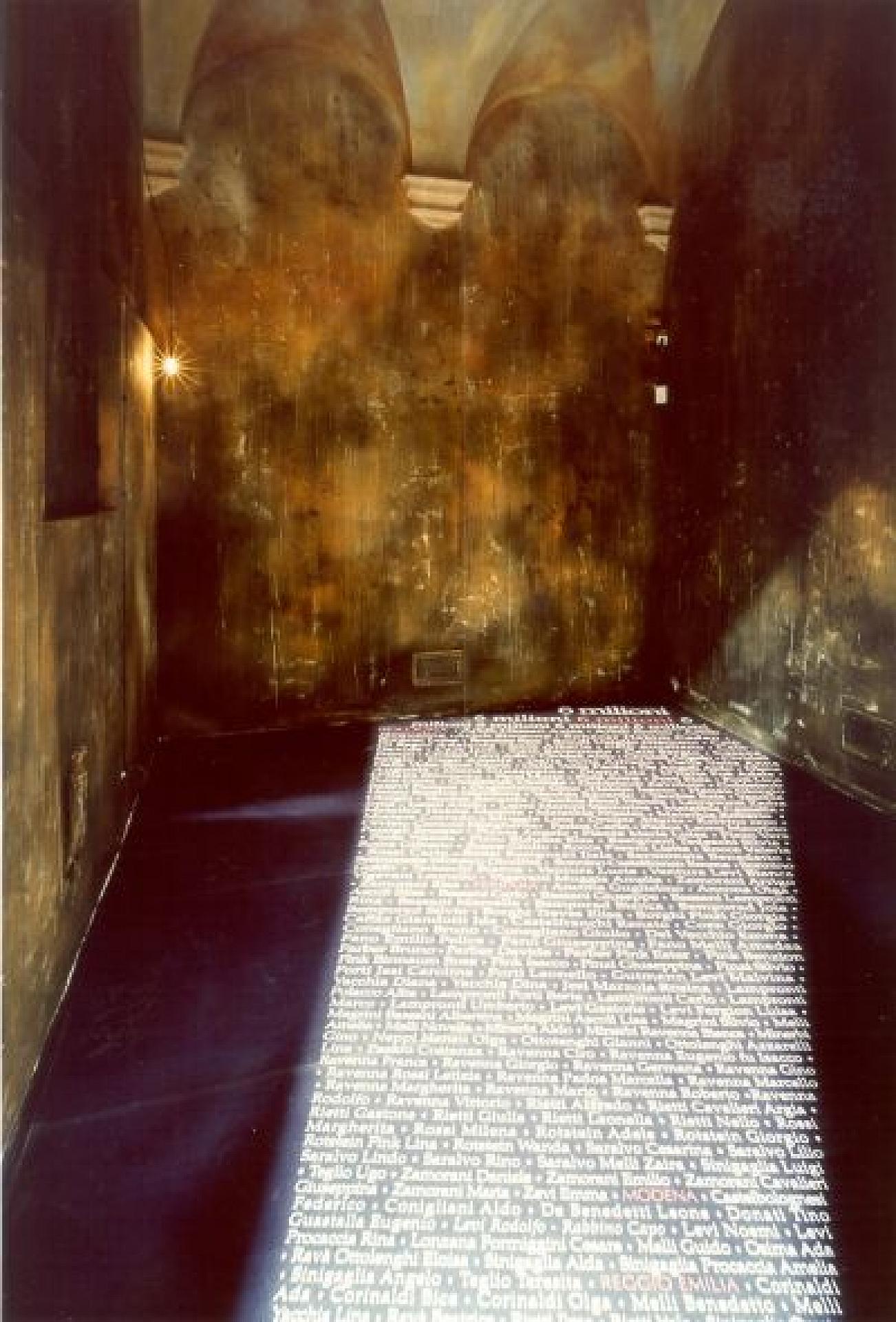
The Jewish Museum of Bologna was opened in 1999. It focuses on the history of Jews in Italy. Part of the exhibition is dedicated to the Holocaust and anti-Semitism in Italy, commemorating the approximately 200 Jews from the Emilia-Romagna region who were deported to extermination camps and murdered.
History
The history of the Jewish community of Bologna dates back to the late Roman era. In 1859, Jews in Italy were granted full civil rights. In 1938, the Mussolini regime introduced discriminatory »race laws« - as a result, many Jews chose to emigrate. In 1943, the Jewish community of Bologna had 864 members left. Shortly after Italy turned its back on the alliance with Germany and signed an armistice with the Allies on September 8, 1943, German troops occupied northern and central Italy, installing a puppet state on those territories, the »Italian Social Republic«. The founding charter of the puppet state declared Jews an »enemy nation«. At the same time, the occupiers began arresting and deporting Italian Jews. Theodor Dannecker, who was responsible for »Jewish affairs«, organised the deportations. The occupying forces and their Italian helpers followed the same pattern all over Italy in the persecution of the Jews: In the first phase, November 1943 to January 30, 1944, the Jews were arrested and concentrated in prisons in the largest cities - until the numbers were high enough to deploy a deportation transport to the death camps.
In Bologna, Jews were held at the San Giovanni in Monte prison, set up in a former convent. The arrests began in Bologna on November 7, 1943. At least 84 members of the Jewish community were seized, including rabbi Alberto Orvieto. Later, from February 1944 on, the prisoners were transferred to the Fossoli transit camp, from where they were deported across the Alps to the death camps in occupied Poland.
Victims
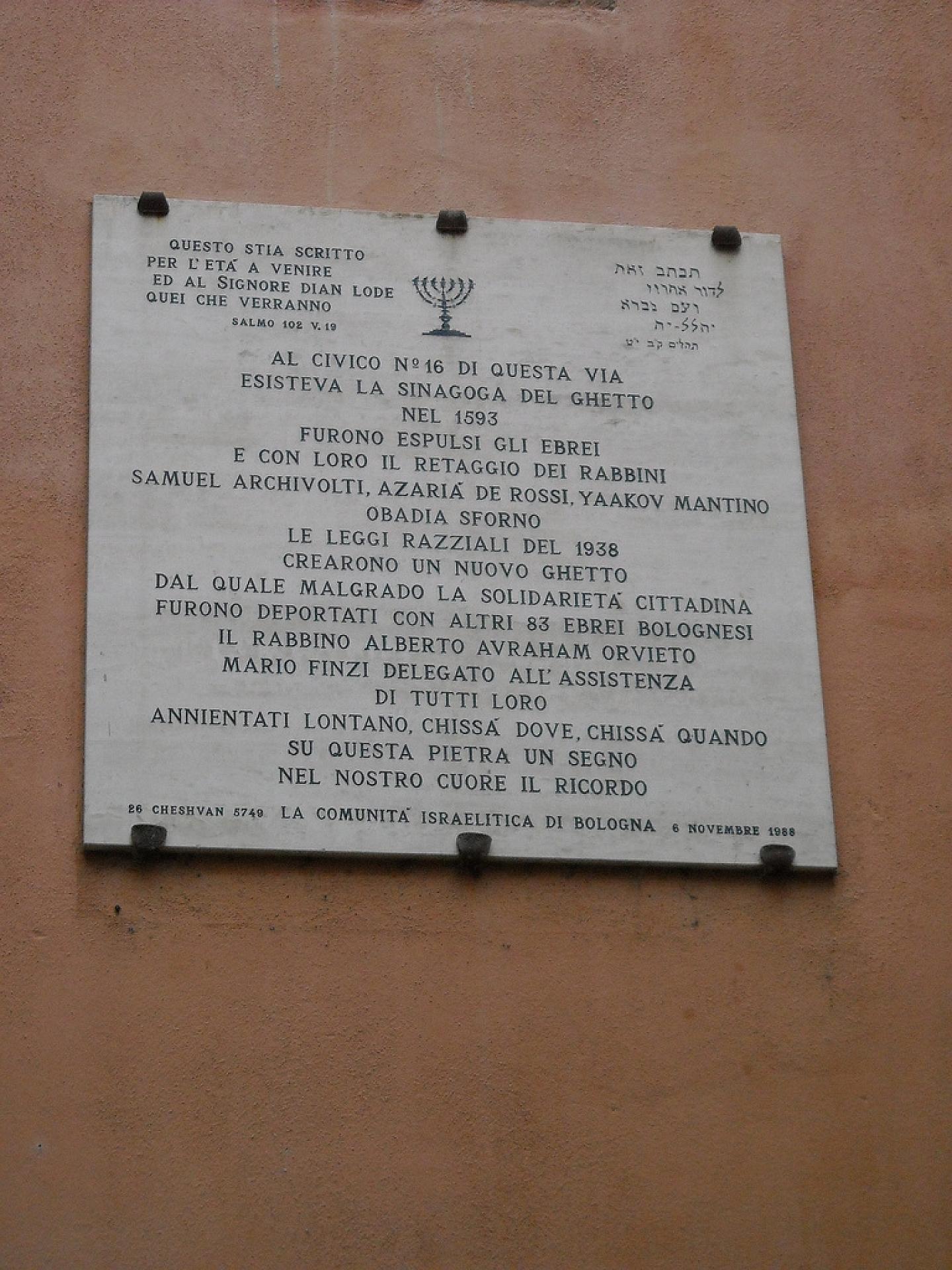
Up to 7,000 Italian Jews were murdered between 1943 and 1945. The Jewish Museum of Bologna particularly commemorates the 200 murdered members of Jewish communities in Emilia-Romagna - all of their names are listed. Some of them were held at the Fossoli transit camp near Modena prior to being deported to the death camps. At least 84 members of the Bologna Jewish community were deported to Auschwitz-Birkenau. Among them was Alberto Orvieto, rabbi of Bologna for 44 years - between 1899 and 1943 with only few interruptions. Only one of the 84 deportees returned. Their names have been engraved on a memorial plaque in the rebuilt synagogue on Via Mario Finzi. Mario Finzi was the local leader of the DELASEM, the Delegation for the Assistance of Jewish Emigrants (Italian: Delegazione assistenza emigrati) in Bologna. He helped dozens of Italian and foreign Jews escape with false papers. Finzi was deported to Auschwitz in May 1944 and murdered there.
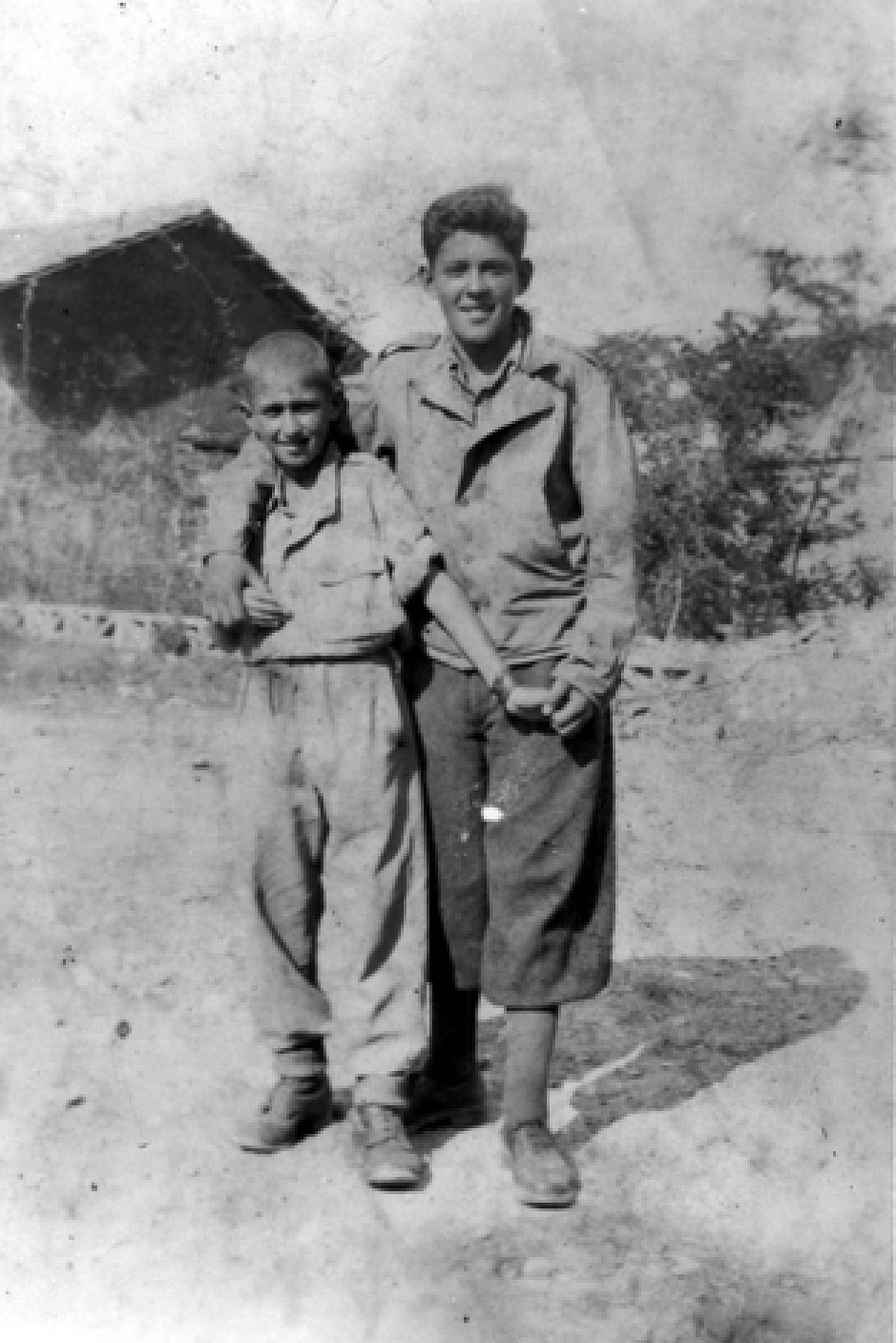
About 20 Jews from Bologna joined the partisan movement and died in combat, including Franco Cesana, at age 13 one of the youngest partisans in Italy. A further 30 people were deported to Auschwitz - although not actually members of the Jewish community, they were deemed Jewish by legislation. All others were able to flee, either with the help of DELASEM or aided by resistance groups, or they hid in hospitals, rectories or at individual homes.
Remembrance
The Jewish community of Bologna was founded anew in 1945. The synagogue, which had been destroyed in an air raid in 1943, was rebuilt and consecrated in 1954. In the 1980s, the Bologna Jewish community, which today comprises about 200 members, began restoring Jewish sites in the region together with other Jewish communities. A state sponsored programme was born out of this initiative, which aims at preserving sites of Jewish history in Emilia-Romagna.
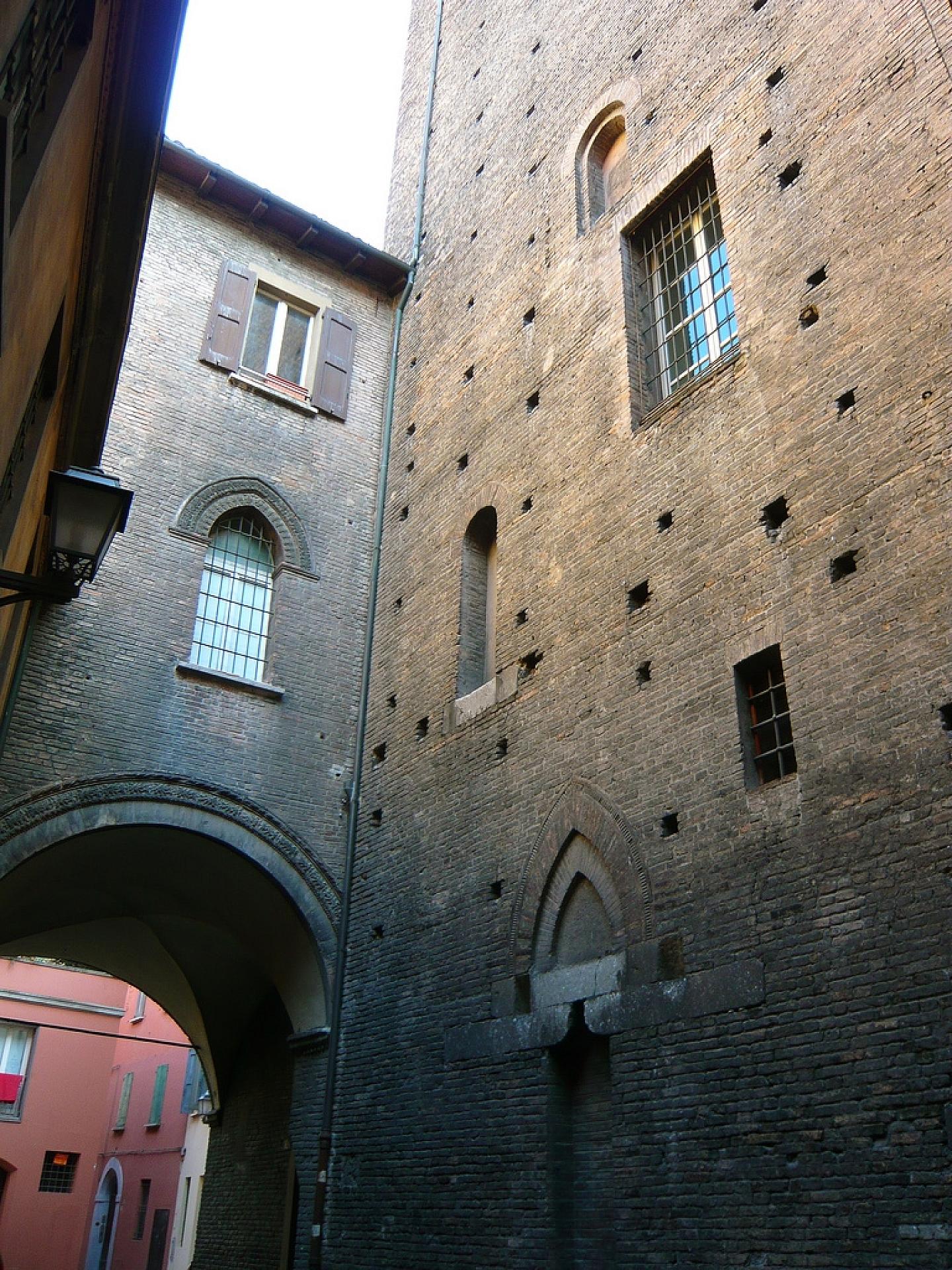
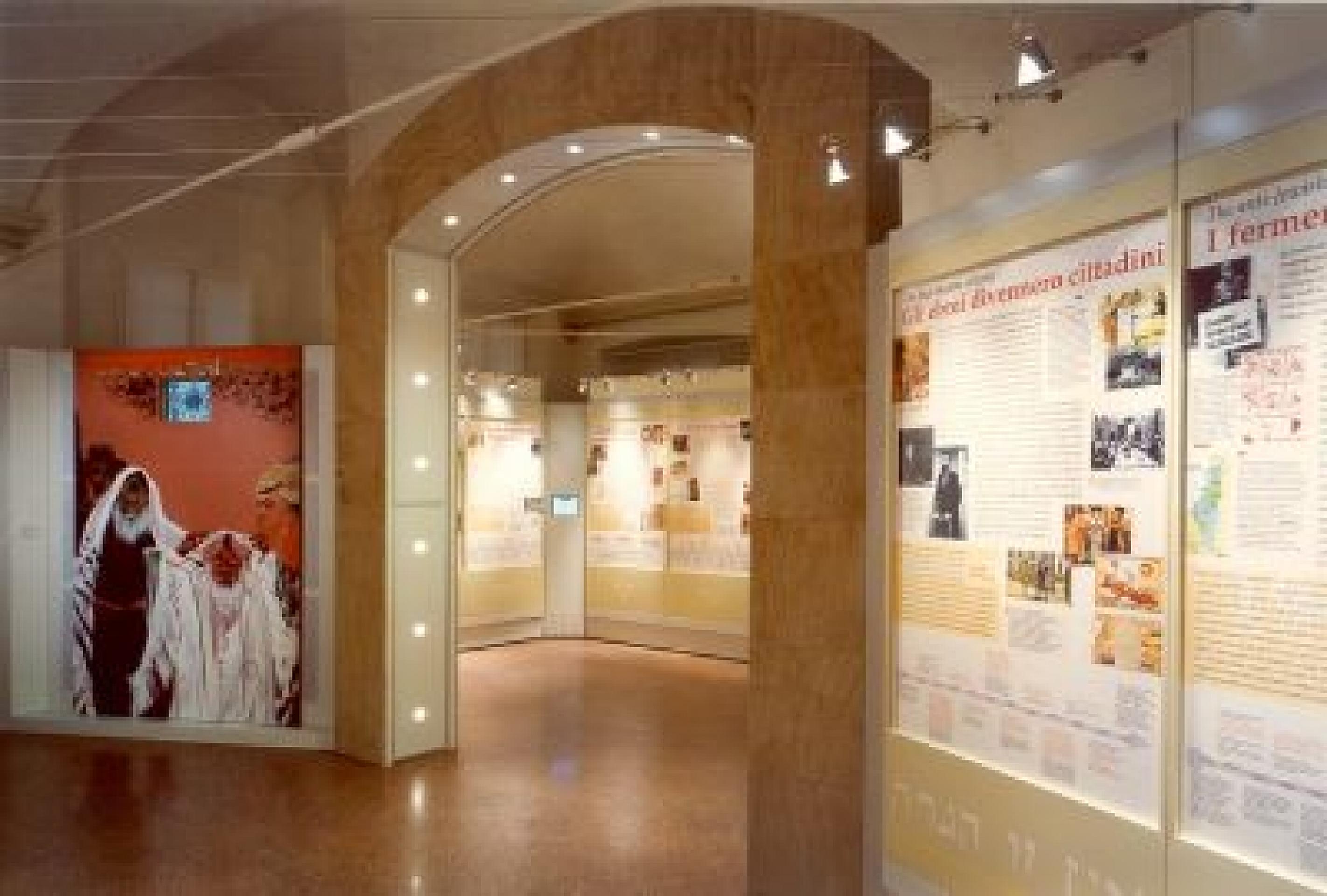
The Jewish Museum of Bologna was opened in the former medieval ghetto in 1999. It is run by a public foundation which is supported by the province of Bologna, the Emilia-Romagna region as well as the municipality of Bologna, the Jewish community and the »Friends of the Museum« association. The multimedia exhibition deals with 4,000 years of Jewish history, focusing on the history of Jewish life in Bologna and Emilia-Romagna from the Middle Ages until today. The museum also refers to other sites of Jewish heritage, such as the former ghetto, the synagogue or the Museum for Medieval History in Bologna. In the Emilia-Romagna region, sites of Jewish heritage include the Jewish Museum in Ferrara and the ancient synagogue of Reggio Emilia. The exhibition also presents information about the Memorial Museum to the Persecution in Carpi and the former Fossoli transit camp.
Possibilities
Educational programme on anti-Semitism, deportations and the Holocaust, introductory workshops on Jewish history and culture, Hebrew language courses, guided tours of the museum and to Jewish sites in the city
Open
Tuesday, Thursday and Sunday: 10.00 a.m. to 6.00 p.m.
Closed on Jewish holidays.
Contact
info@museoebraicobo.it
+39 051 291 12 80
Via Valdonica, 1/5
40126 Bologna