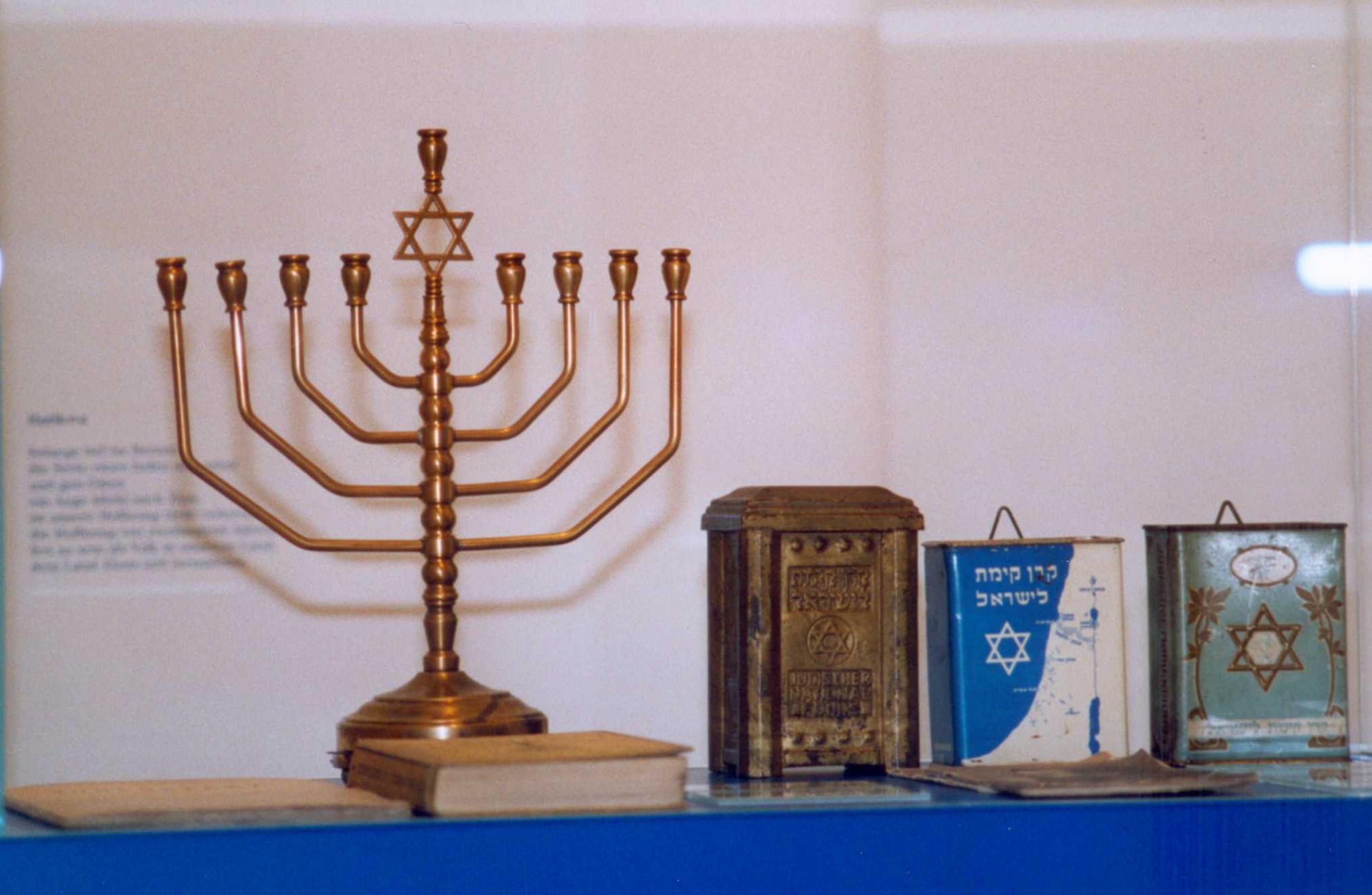
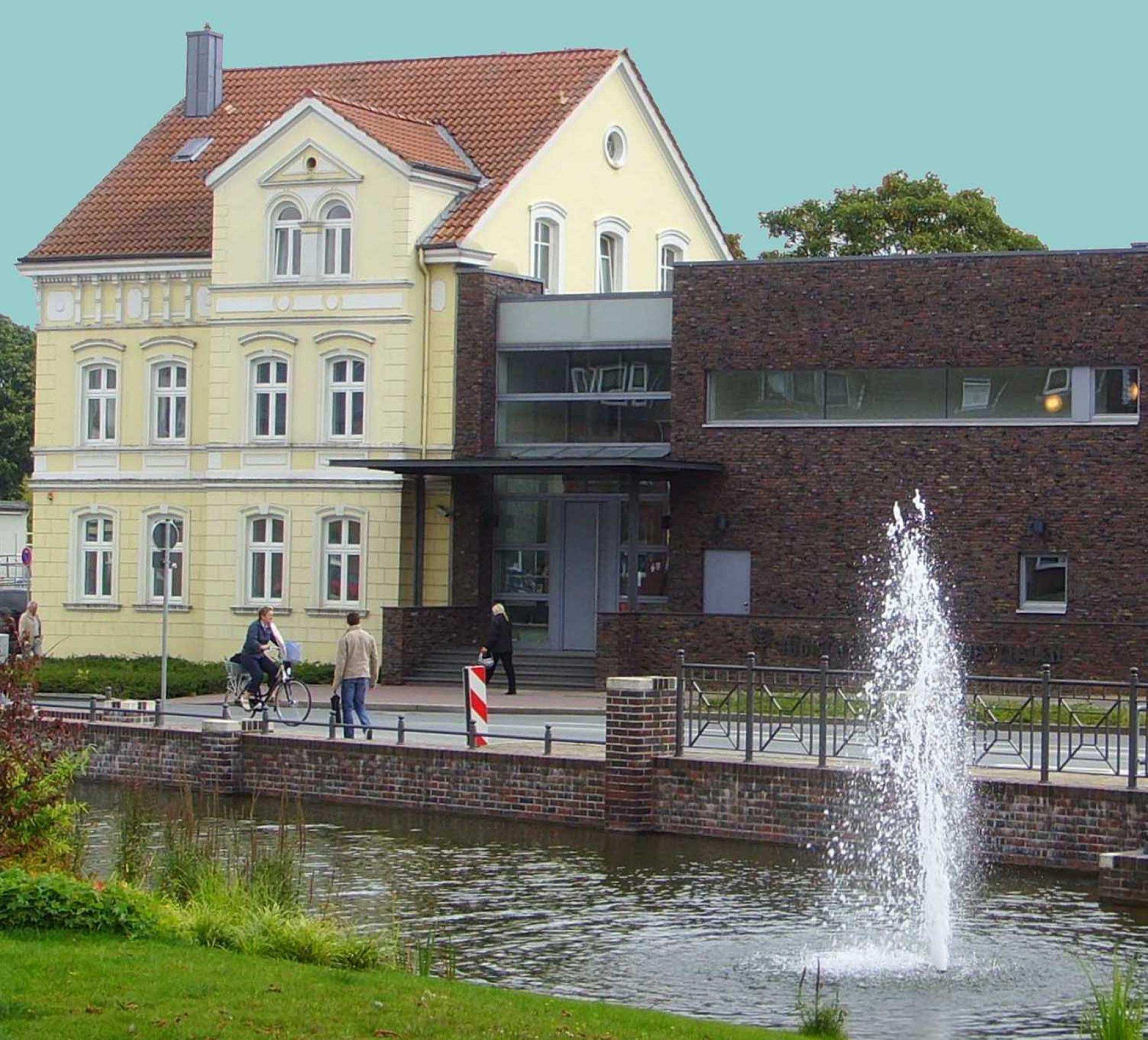
The Jewish Museum of Westphalia, which opened in 1992, aims to provide visitors an insight into Jewish history and culture in Westphalia. The small Jewish community of Dorsten existed until January 1942, when the National Socialists deported the 12 Jews who remained in Dorsten until then.
History
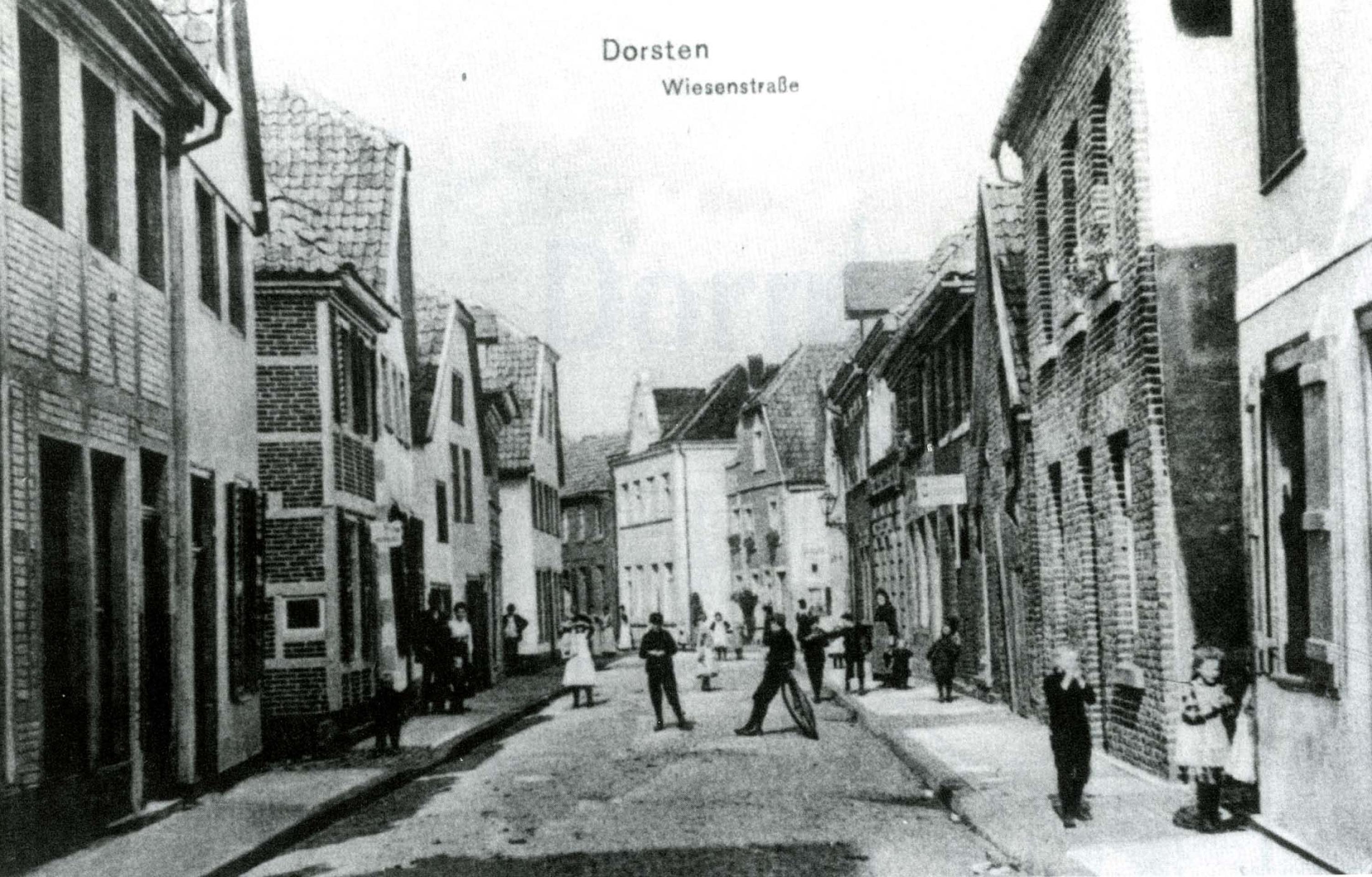
In 1808, the Duke of Arenberg first permitted two Jewish families to settle in the Westphalian town of Dorsten. By 1816, a Jewish community counting 29 members had been established. At the time, the community had two prayer rooms. The community grew to comprise 100 members in 1858, and in 1869, it purchased a synagogue building in the Wiesenstraße. The synagogue community Dorsten had three sub-communities from 1910 on: Buer, Gladbeck and Bottrop; later, they all became independent. In 1933, there were about 48 Jews living in Dorsten. During the »Kristallnacht« on November 9 and 10, 1938, members of the SA and the SS and supporters of the National Socialists destroyed the synagogue's interior. They did not set fire to the synagogue due to its close vicinity to other buildings. All objects from the synagogue's interior, however, were brought to the market square and burned in front of the old town hall. Later, several Jewish families were interned in the synagogue until their deportation. The SS and the Gestapo deported about 12 Dorsten Jews in January 1942. In February 1943, the city of Dorsten purchased the synagogue building. In August 1943, the building caved in and was then completely destroyed during an air raid on March 23, 1945.
Victims
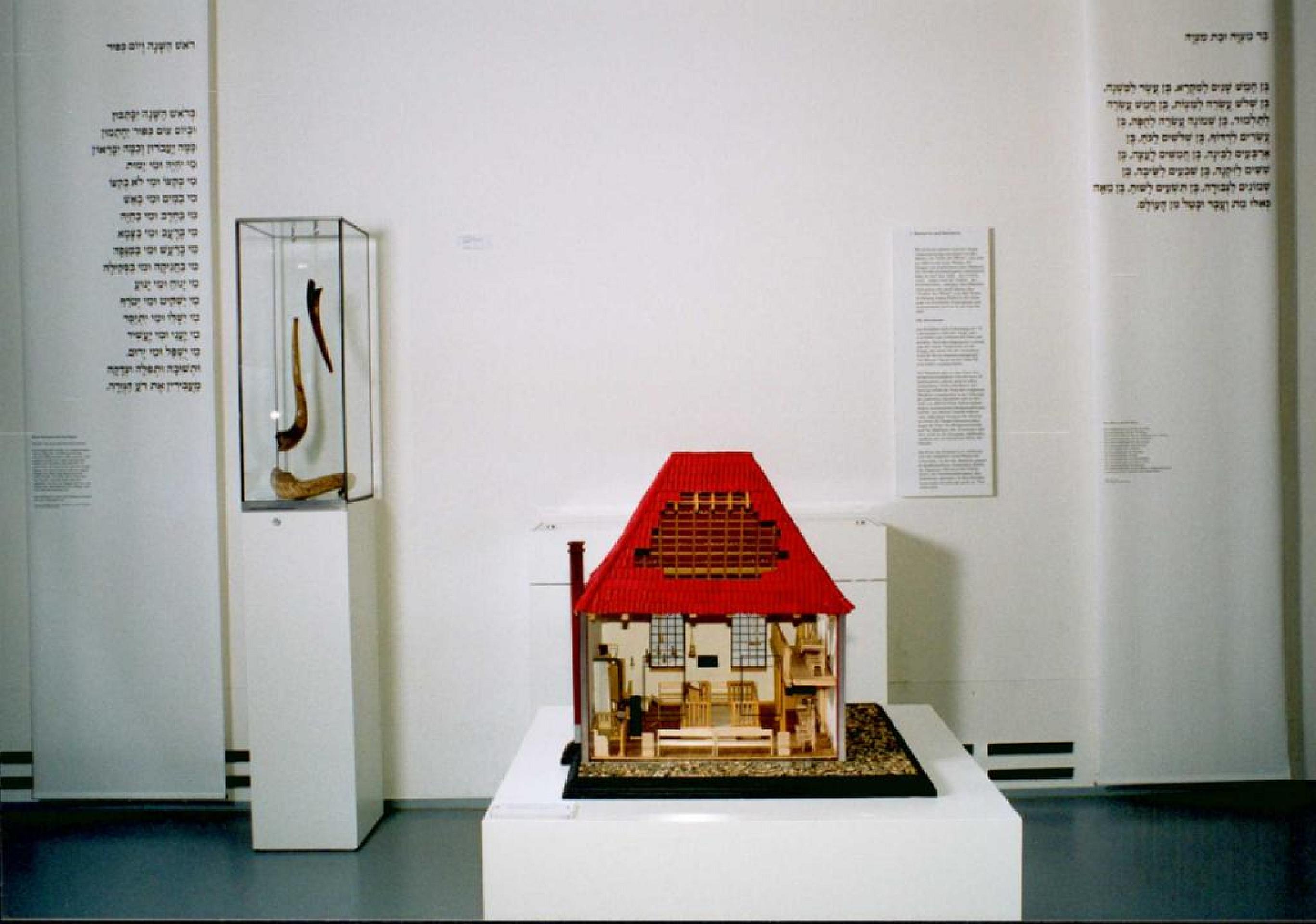
Most of the 48 Jews residing in Dorsten in 1933 emigrated from Germany under National Socialism in order to escape the increasingly harsh anti-Jewish measures. At least 12 Jews who had stayed in Dorsten were deported in 1942 by the SS and the Gestapo. Their fate remains unknown. The Dorsten Jewish Museum tries to exemplify traces of Jewish life and convey information about Jewish culture and traditions.
The entry to power of the National Socialists in 1933 heralded the state persecution of opponents of the regime, Jews, Roma – who were classed as »gypsies« -, the sick and many other groups. For the first time, anti-semitism became part of the government policy of a modern state and the persecution of all groups was progressively heightened. The process was characterised by the interplay between state regulation, violence from supporters of the regime and rabble-rousing propaganda from the press. The acts of terror against the Jews in November 1938 (»The Night of the Broken Glass«), culminating in around one hundred deaths, marked the prelude to the complete exclusion and murder of the Jewish minority.
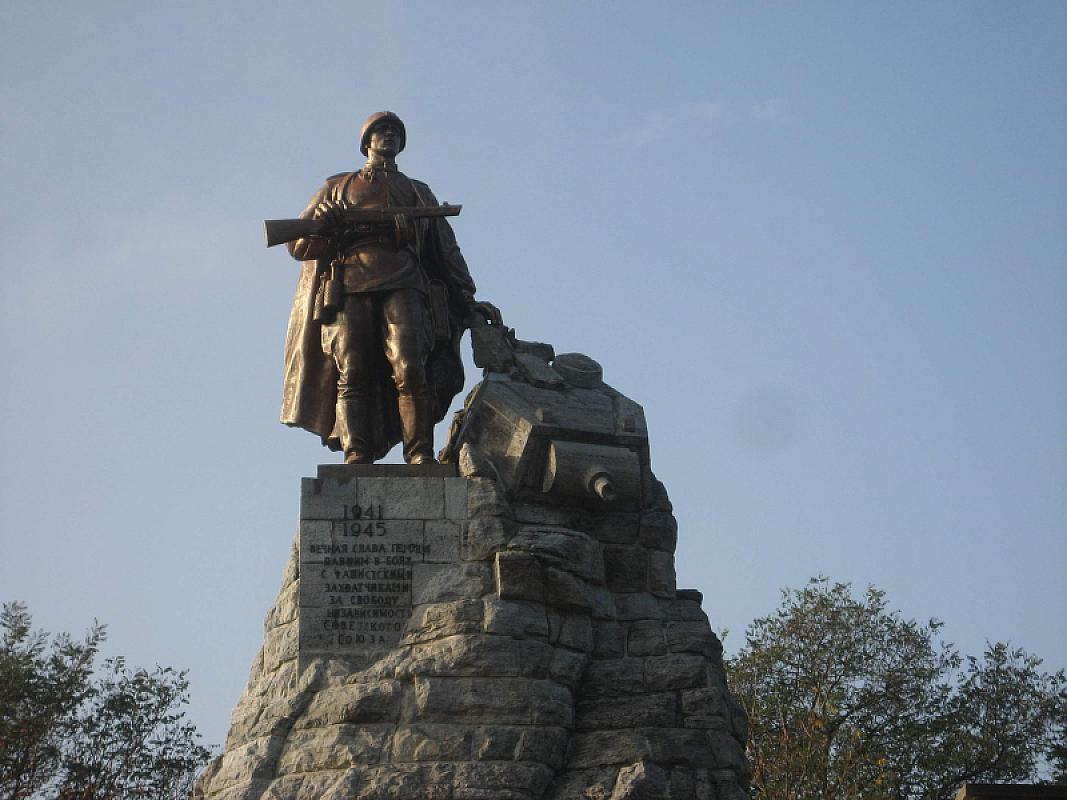
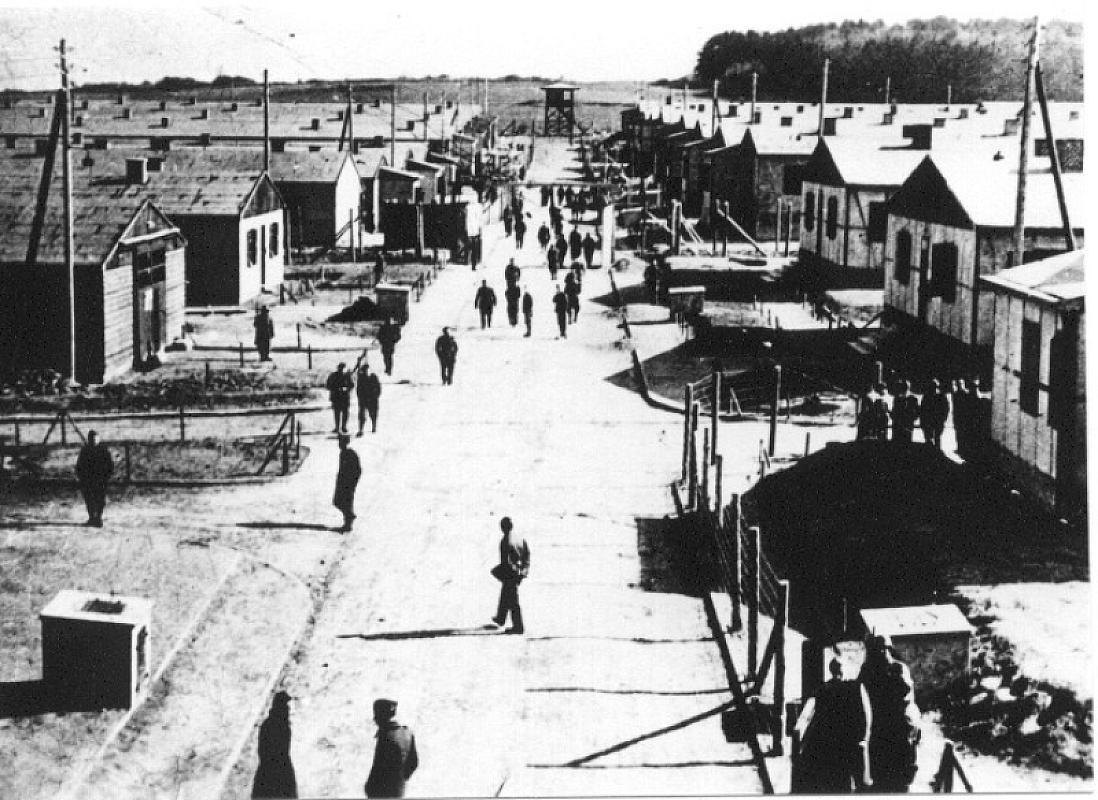
With the outbreak of the Second World War in September 1939, large parts of Europe fell under German control. In Eastern Europe in particular a multi-tiered system of camps and extermination sites was established, in which the SS murdered up to six million Jews, among them around 165,000 German Jews. It is estimated that around seven million Germans lost their lives in the war, including almost 3.5 million civilians. Around 28 million residents of the occupied Soviet Union (both soldiers and civilians) and three million non-Jewish Poles met a violent death. These groups are still barely commemorated in Germany.
Germany came under Allied occupation in 1945 and 1949 saw the foundation of the German Democratic Republic (GDR) and the Federal Republic of Germany (FRG), who had very different cultures of remembrance. The GDR profiled itself as an »antifascist« state. The former concentration camps at Buchenwald, Ravensbrück and Sachsenhausen became »National Memorials« and primarily documented the communist resistance during the war.
In the Federal Republic, the dominant memory was initially of the victims of Allied bombing raids and those who had fled or been expelled from their homes in the former territory of the Third Reich. It was left to specific groups to remember Nazi persecution, the Holocaust or the resistance. With the exception of the war crimes trials, there was no public discussion of perpetrators or involvement in crimes. However, the situation was to change in the mid-1960s, when the statute of limitations for murder was lifted following a lengthy debate. Also during this period, memorial sites were established at former concentration camps (1965: Dachau and Neuengamme; 1966: Bergen-Belsen) and the German Resistance Memorial Centre was opened in 1968 in West Berlin. However, it was not until the 1980s that a diverse and often small-scale landscape of memory developed as the result of local initiatives.
Following German unification in 1990, a national memorial site concept was developed and there was a major review of German sites of memory. The Memorial to the Murdered Jews of Europe in Berlin was inaugurated in 2005. The Topography of Terror, a comprehensive documentation of National Socialist crimes and perpetrators, has opened with a new centre in May 2010; the documentation centre »Flight, Expulsion, Reconciliation« followed suit in 2021. In the meantime, central memorials in Berlin have been erected to commemorate further groups of Nazi victims as well: the murdered Sinti and Roma, the patients murdered in the context of the Nazi’s »Euthanasia« killings and the persecuted homosexuals.
The German victims of National Socialist terror in the former Eastern territories of the Third Reich were forgotten by both German states after the end of the war. For decades, memory of these victims was only preserved by West German associations for Germans born in these territories and it mainly excluded the period from 1933 to 1945.
Remembrance
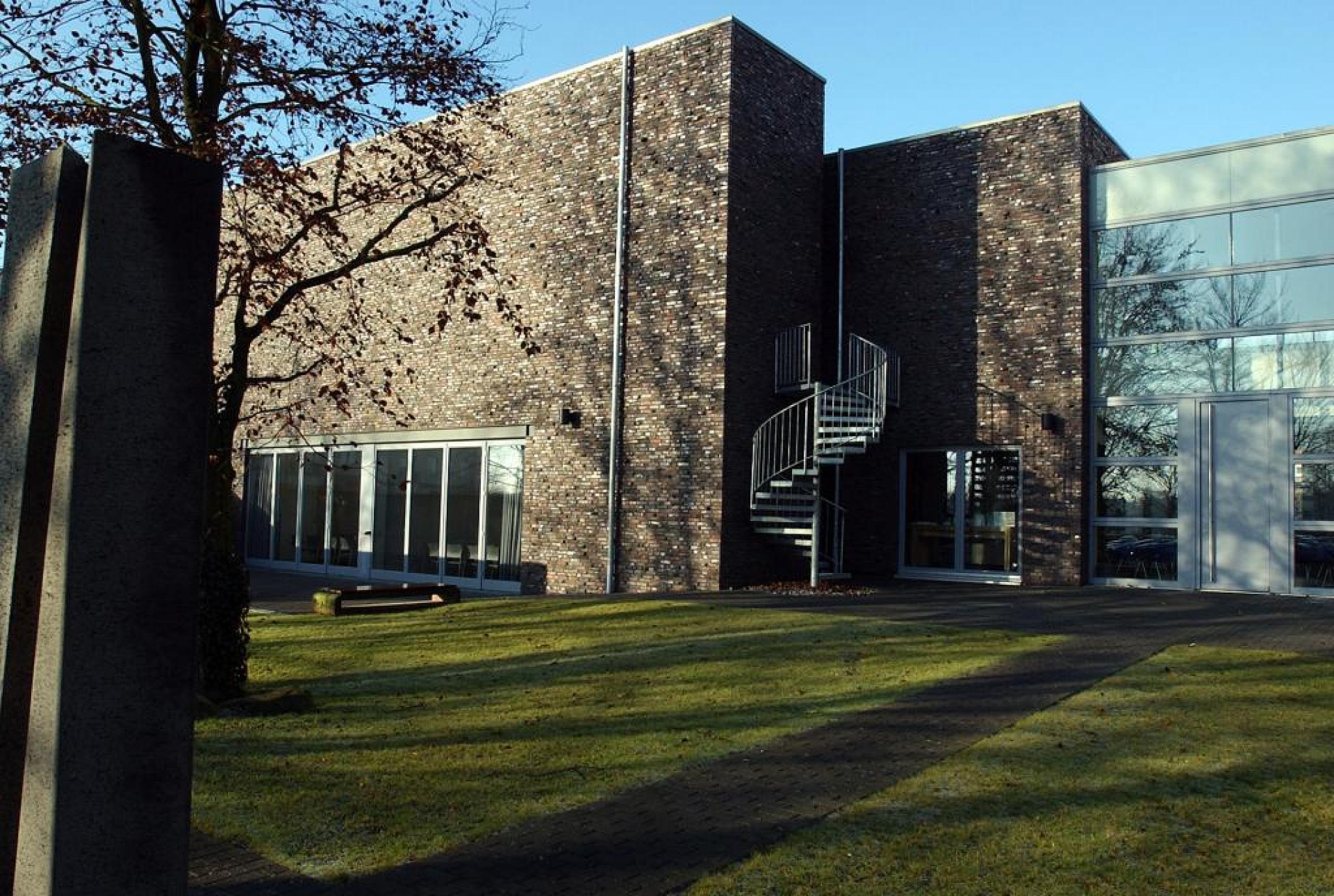
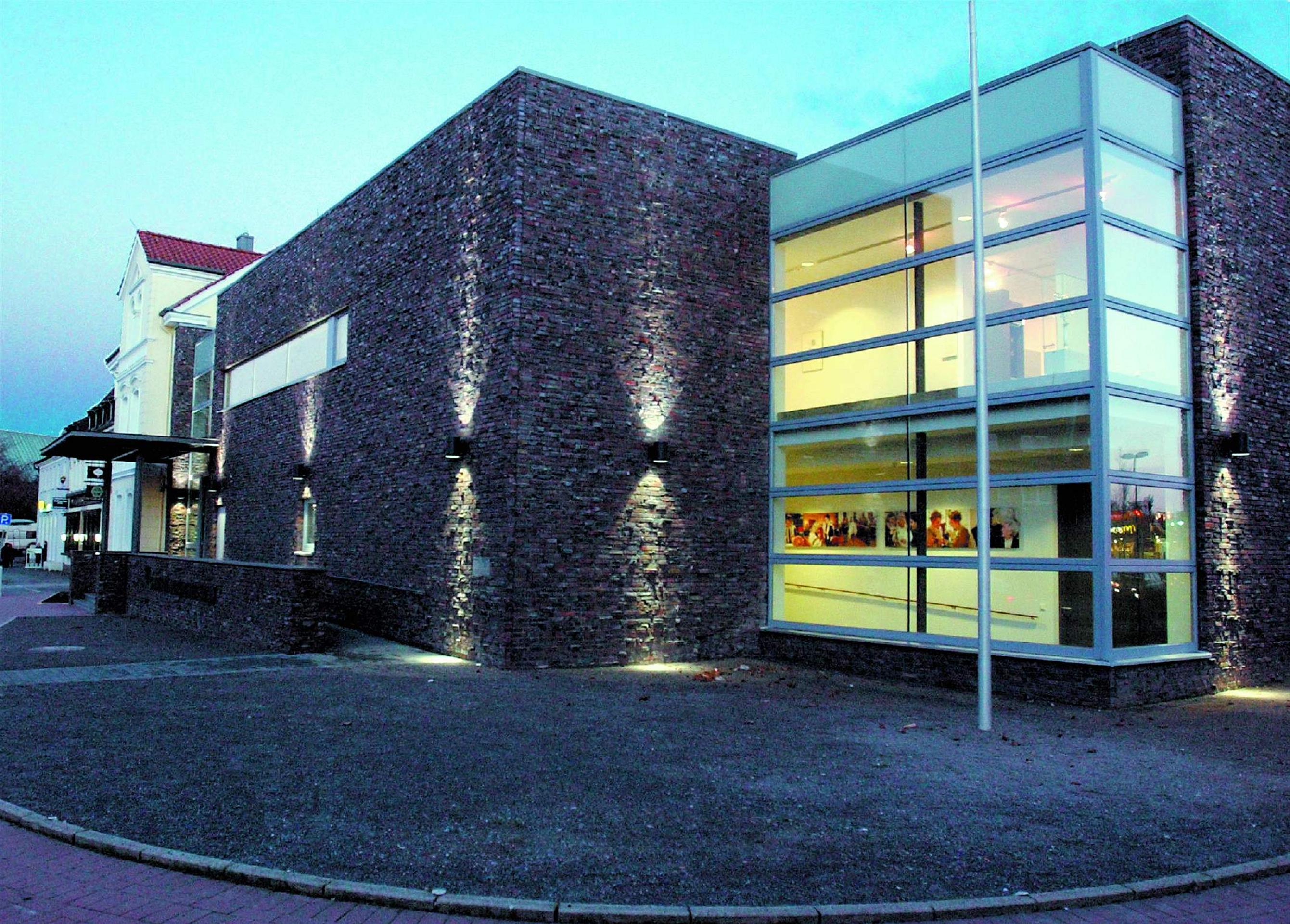
The establishment of the museum was brought about by the »Dorsten under the Swastika« work group, which was founded in 1982. The members of the work group came up with the idea of establishing a museum that would inform visitors about Jewish culture and traditions, thereby countering anti-Semitic prejudices. In 1987, the »Association for Jewish History and Religion« was founded; in 1992, it opened the Jewish Museum of Westphalia. In August 2001, a new building was opened and the permanent exhibition redesigned and extended. Also part of the museum are a library and a school, which has its own educational and cultural programme.