Kaiserwald Concentration Camp Memorial
Piemineklis Mežaparka koncentrācijas nometnes
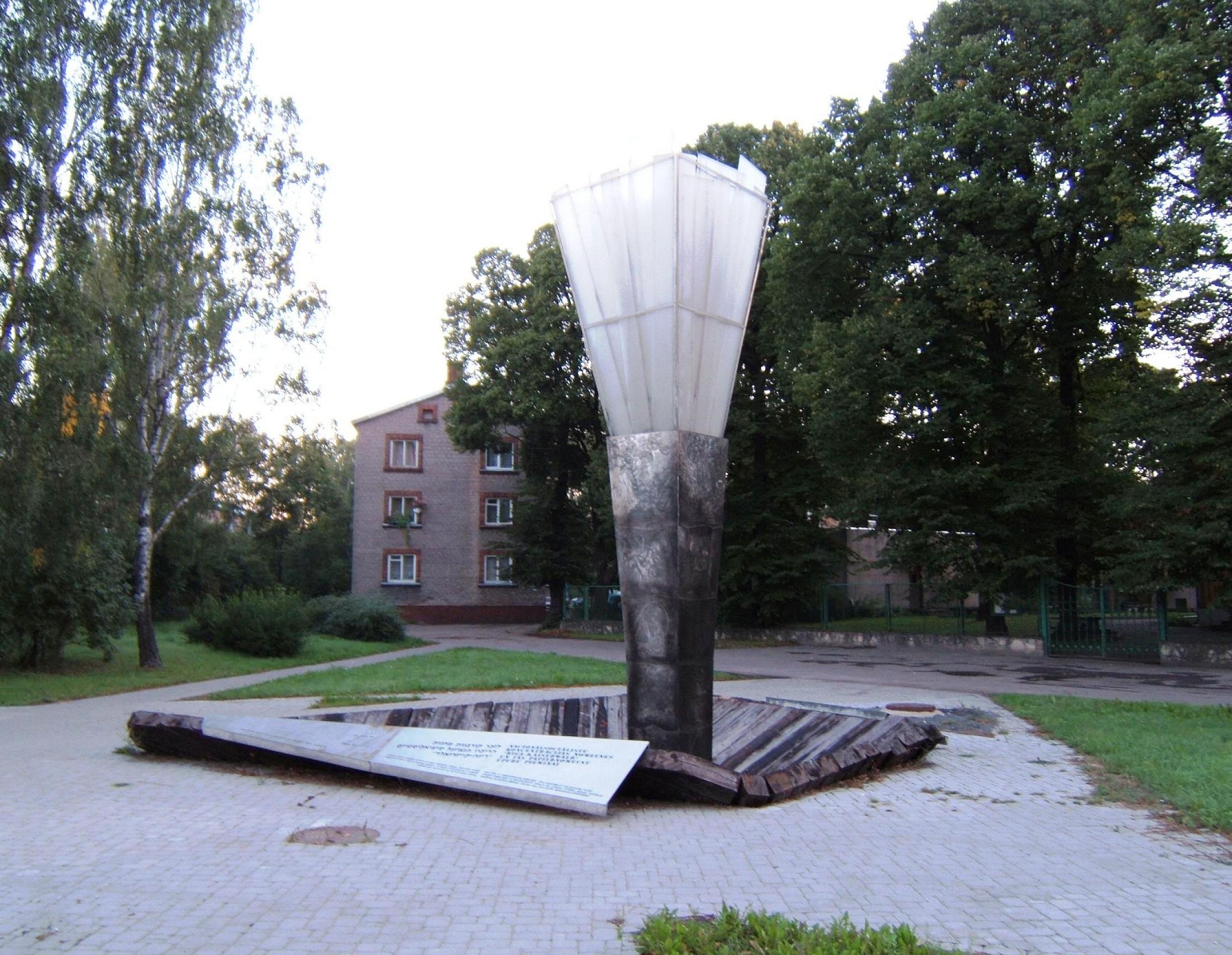
In the Riga suburb of Mežaparks a memorial remembers the former concentration camp Kaiserwald. Several thousands of Jews passed through it in 1943 and 1944. After the dissolution of the Riga ghetto Kaiserwald became the main site for the persecution of Jews in Latvia.
History
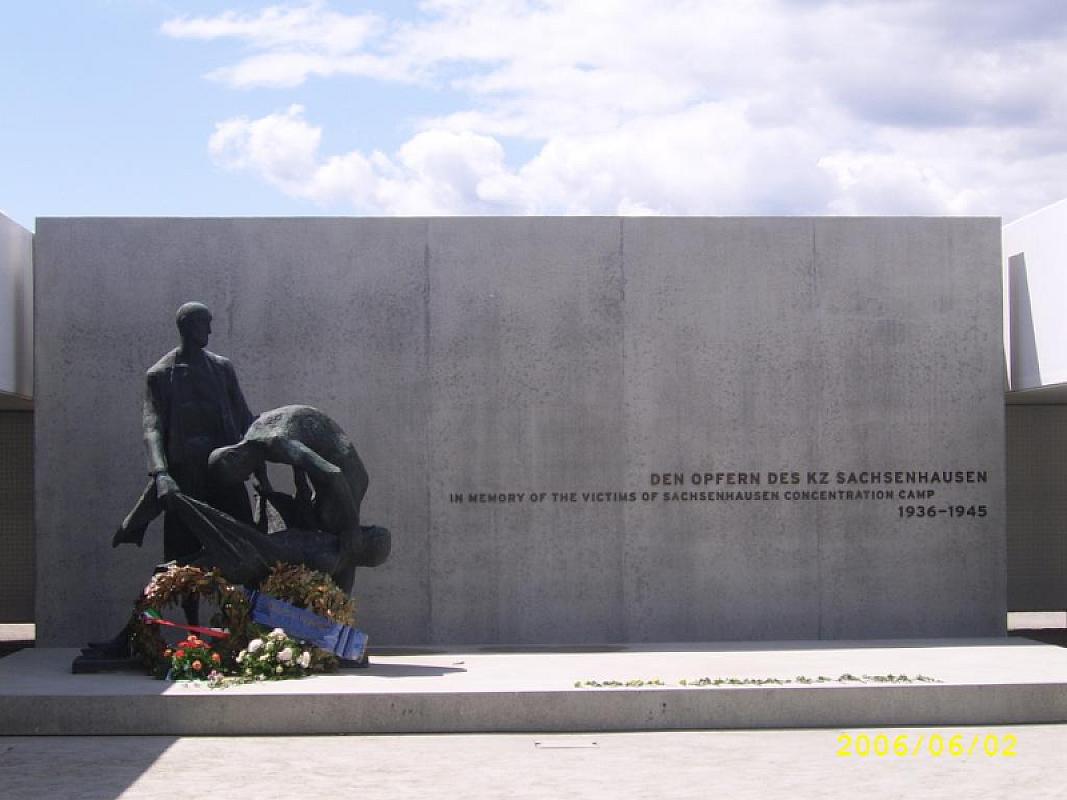
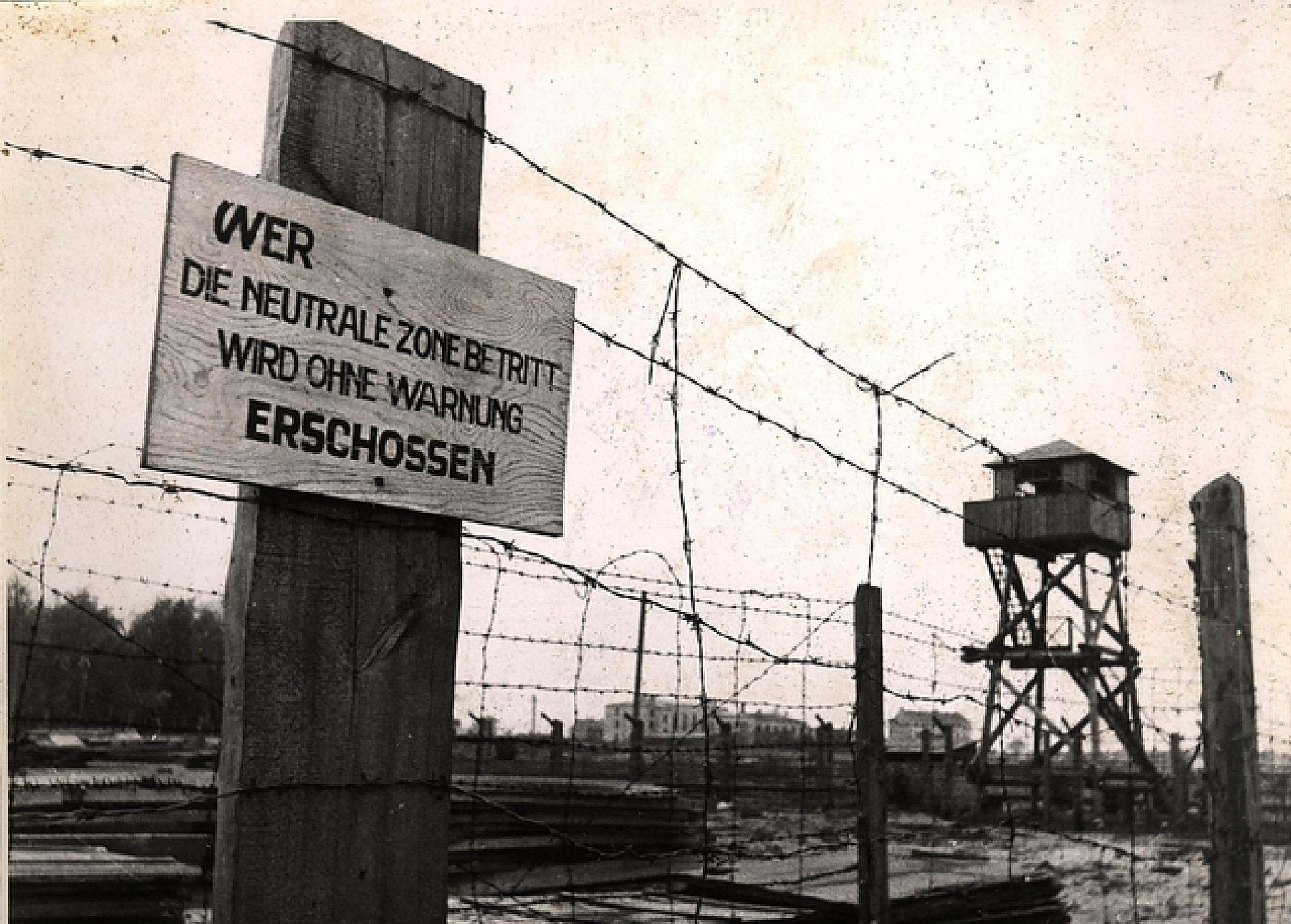
In 1943 Reichsführer-SS Heinrich Himmler ordered the dissolution of the ghettos in the Baltic states and to either murder their residents or to gather them in concentration camps. The exploitation of Jewish forced labourers was to be concentrated solely in the hands of the SS. According to this policy the SS established – supposedly in March 1943 – the Kaiserwald concentration camp in the Riga garden suburb of Mežaparks, about 8 km northeast of the city centre. The first approximately 500 prisoners who had to build the camp were transferred to Riga from the Sachsenhausen concentration camp, they were mainly political and criminal prisoners. A male and a female tract were erected, each consisting of four barracks. The first Jewish prisoners were transferred from the Riga ghetto to the camp beginning of July 1943, by the end of the month about 700 Jewish men and women were held captive there. At the same time various satellite camps of Kaiserwald were built where prisoners had to conduct forced labour. Kaiserwald became the most important collection and transit camp for Jewish forced labourers in the Baltic states.
Until summer 1944 several thousands of Jews were deported to the Kaiserwald concentration camp and its satellite camps from various occupied countries, mainly from Lithuania, Poland and Hungary. The conditions in the main camp as well as in the satellite camps were catastrophic, besides the hunger and the diseases the sadism of the guards claimed many lives.
In summer 1944 the SS tried to evacuate all prisoners to other concentration camps because of the approaching Red Army. The SS deported thousands of prisoners to the west, mainly via the arduous and dangerous sea route to Gdansk. Those unfit for work were shot. The women were deported to the Stutthof concentration camp, the men to Buchenwald and other camps. Only a few hundred lived to see the end of war. On October 19 the Red Army reached the Kaiserwald camp which the Soviets subsequently used as a prisoner of war camp.
Victims
Already in 1941 the SS murdered most Latvian Jews held captive in the Riga ghetto. The now emptied ghetto was refilled with Jews from the German Reich, many of them from Austria or the Protectorate of Bohemia and Moravia. Mainly the survivors from these groups were deported from the ghetto to the Kaiserwald camp from 1943 on. Kaiserwald was mainly a transition camp for prisoners who were put on forced labour in the satellite camps and other sites. Thus the occupancy never exceeded about 2.000 men and women, however more than 18.000 prisoners passed through the camp. Thousands of Jews were destined for extermination by selections and were shot nearby. In the beginning of 1944 the SS again and again assigned forced labourers to so-called Enterdungsaktionen ("exhumation actions") where the corpses of Jews who had been killed in mass shootings in 1941/42 were exhumed and burned. These prisoners were invariably killed after their assignments.
It is impossible to specify the exact number of victims of the Kaiserwald concentration camp but it can be assumed that the overwhelming majority of Jews who passed through the camp perished at the latest after their evacuation to the west.
Remembrance
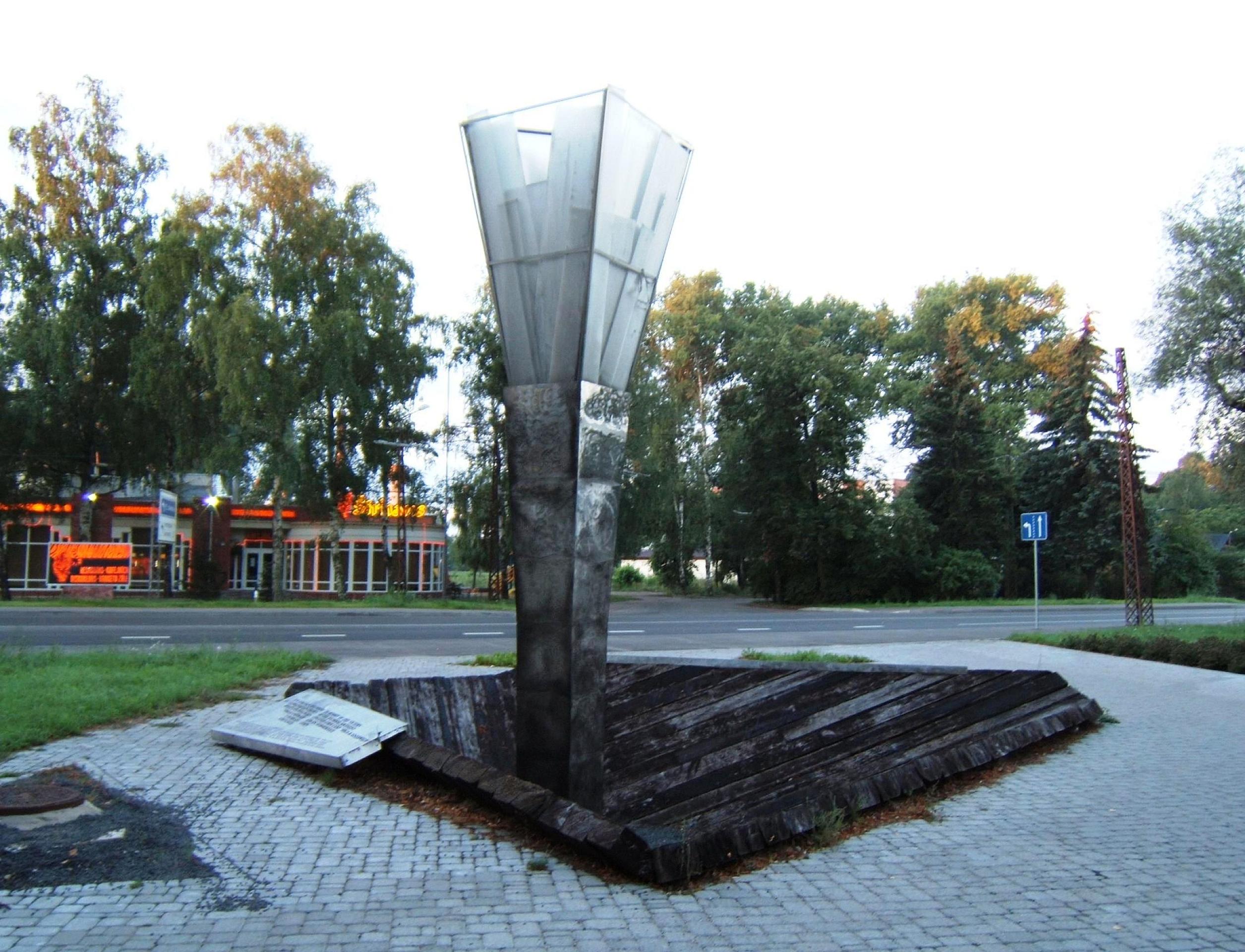
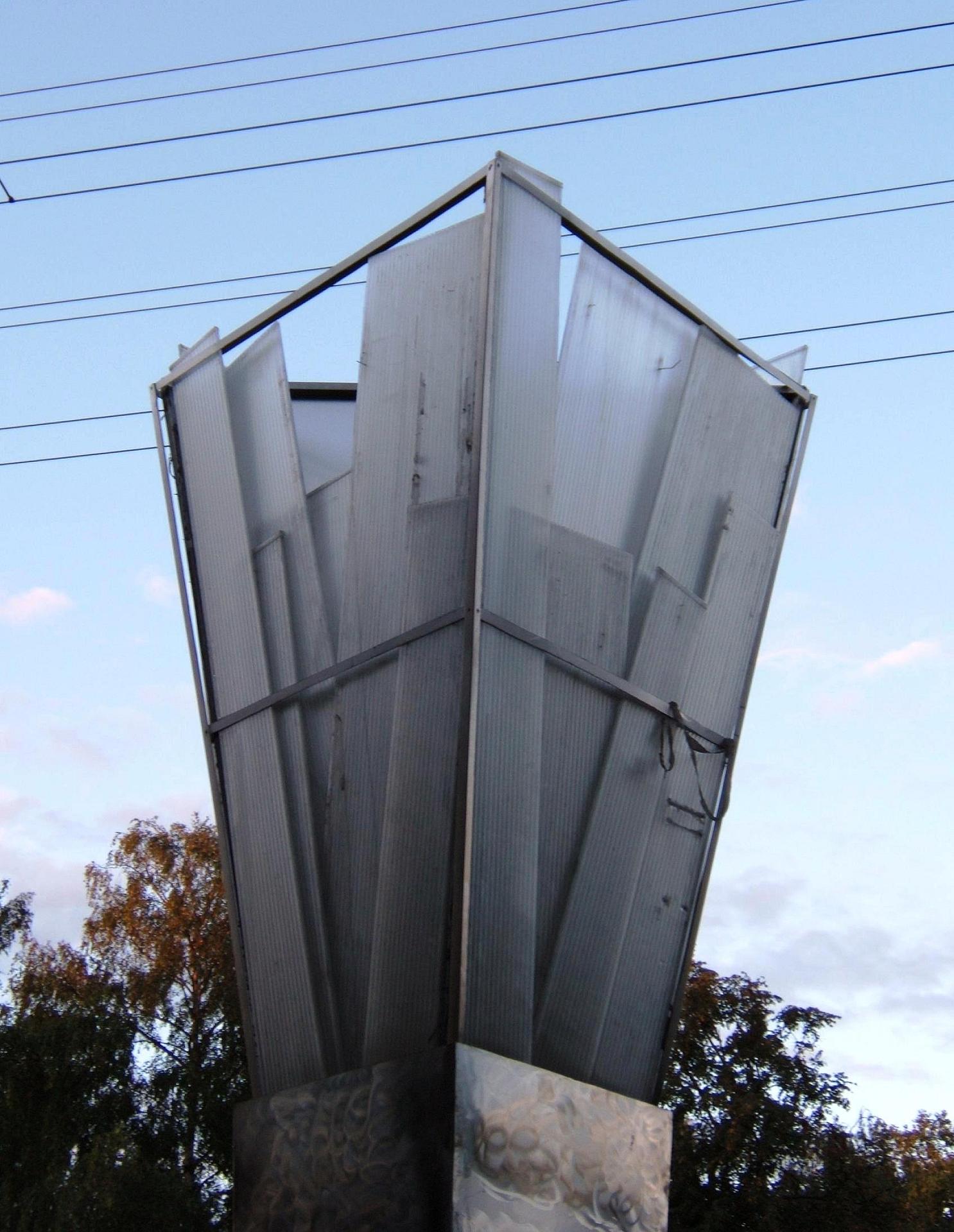
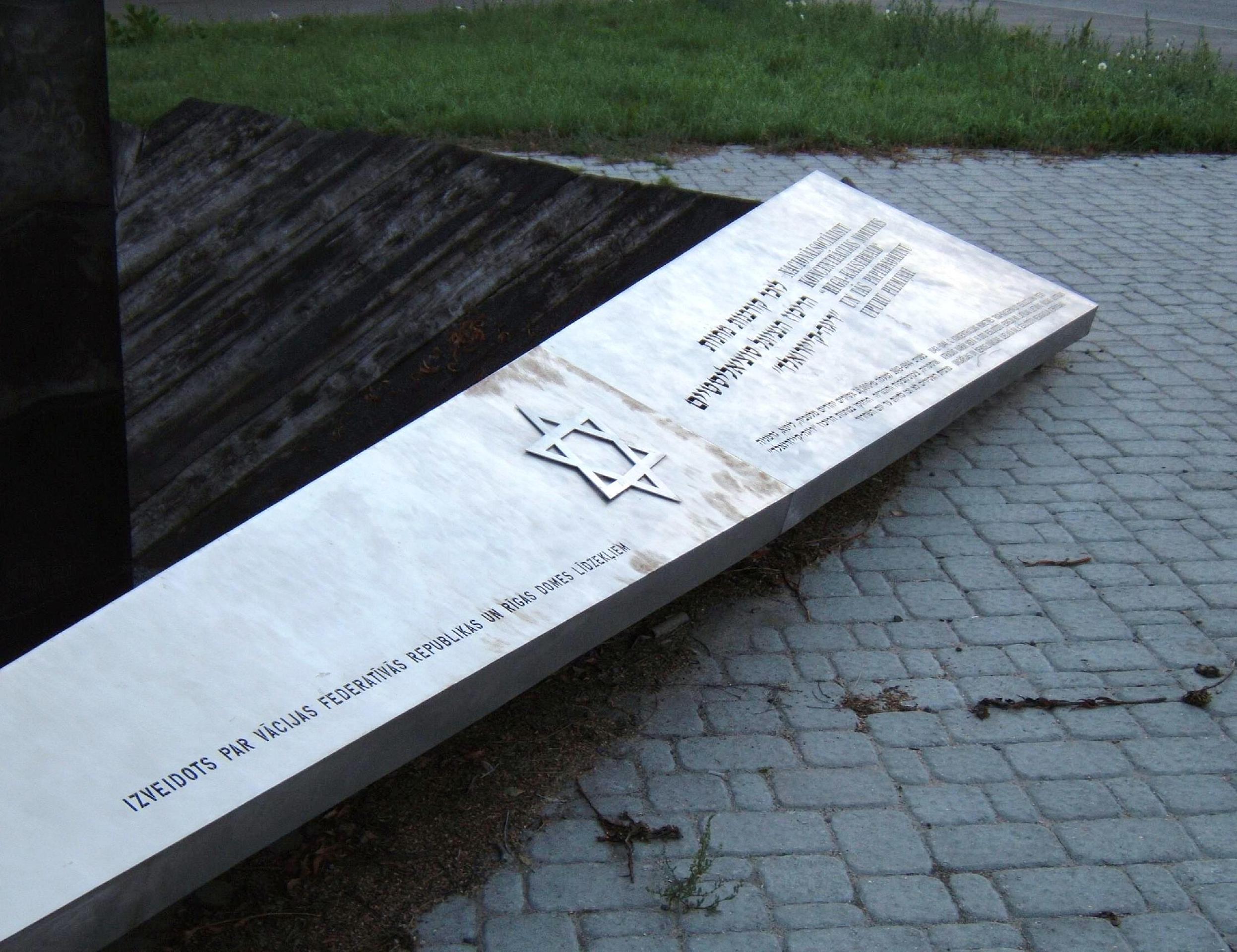
Although the Kaiserwald concentration camp was a main site of the Holocaust in the Baltic states, it plays only a subordinated role in the memorial culture compared to sites of mass shootings like Biķernieki and Rumbula or the Riga ghetto. No remains of the camp itself still exist, at its former site is now a housing complex. The memorial near the former camp, inaugurated in June 2005, was designed by the artist Solveiga Vasiļjeva and erected by the city of Riga and the German Embassy.
Open
The memorial is accessible at all times
Contact
32 Tilta iela
LV-1005 Riga