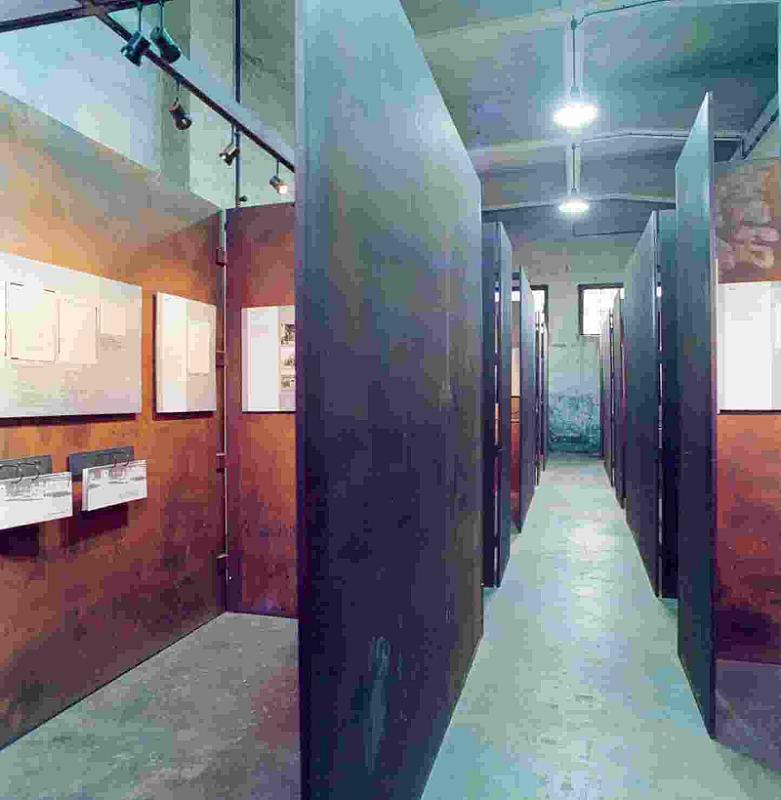
In one of the largest massacres of civilians conducted by soldiers of the German Wehrmacht during World War II, almost all of the male residents of Kalavryta were shot in an alleged »retaliation operation« on December 13, 1943. A memorial at the site of the mass shooting, located on a hill overlooking the town, honours the victims.
History
Kalavryta is a small town in the mountains in the northern part of the Peloponnese. The region came under Italian occupation in May 1941. In April 1943, the 117th Jäger Division of the Wehrmacht came to support the Italian troops after partisan activities had increased in the area. This unit had previously been stationed in Serbia as the 717th Infantry Division, where it had committed numerous murders of civilians, including the killings at Kraljevo in October 1941.
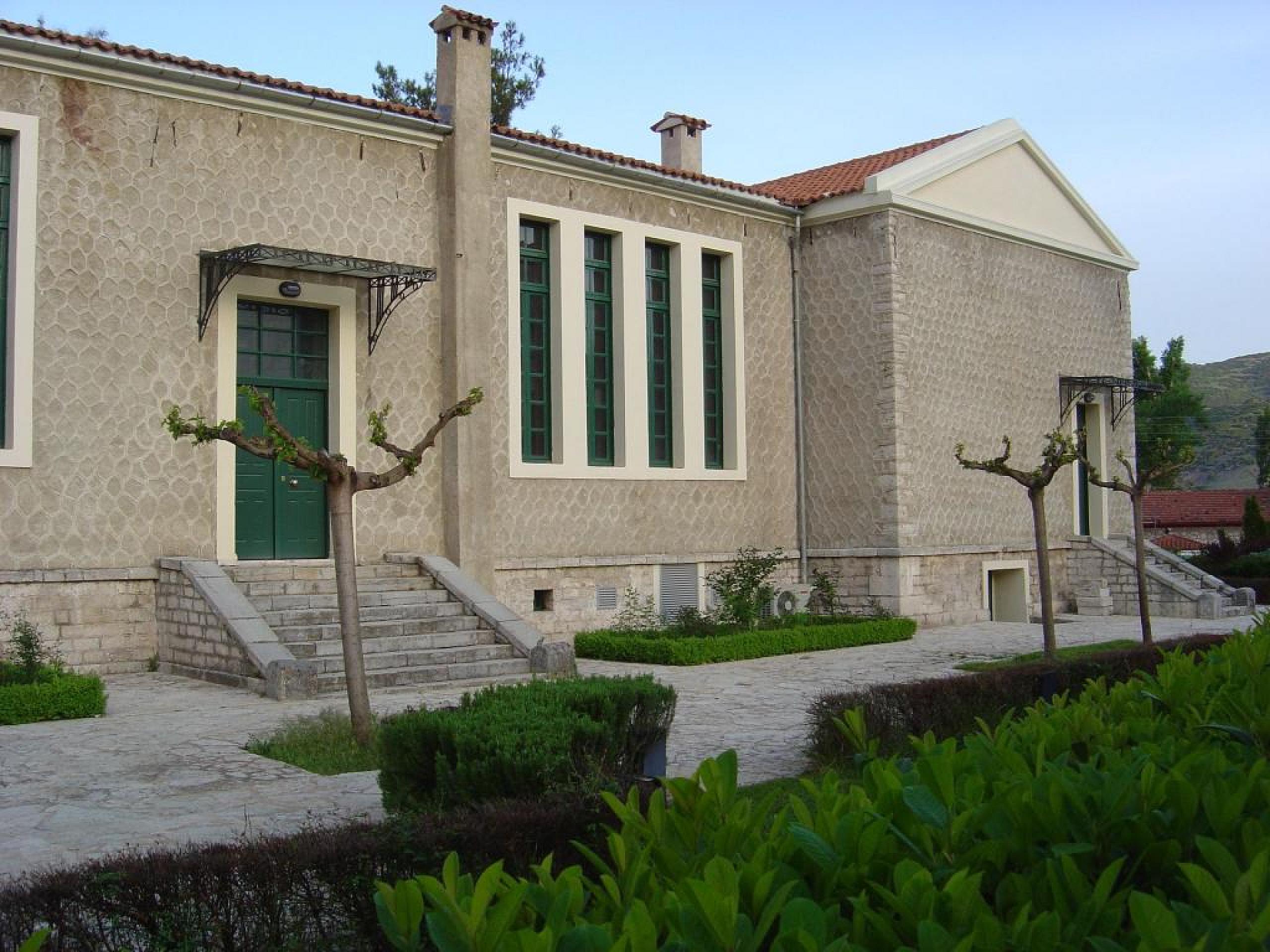
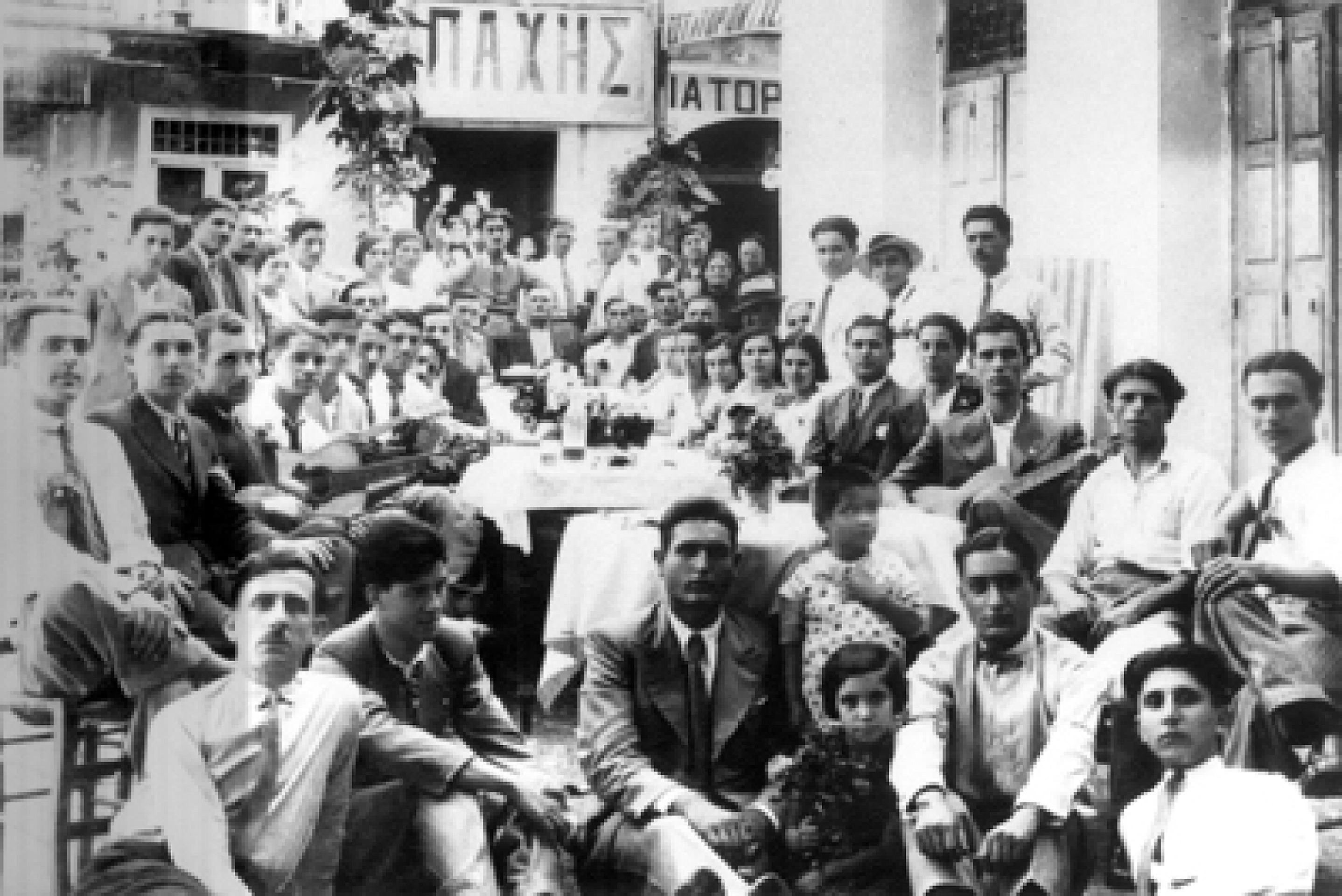
Since autumn 1943, in reaction to the intensified resistance efforts the Wehrmacht had threatened to kill 50 Greek hostages for every killed soldier. In October 1943, partisans took about eighty Wehrmacht soldiers from Infantry Division 749 hostage and demanded the release of 50 Greek hostages in exchange for every captured soldier. At the end of November, the commander of the 117th Jäger Division, Major-General Karl von Le Suire, ordered a military operation codenamed »Operation Kalavryta« to free the soldiers and carry out »retaliation measures« against the civilian population. On December 7, when the German troops were approaching, the partisans shot all of their hostages in the village of Maseika. The Wehrmacht, however, was falsely convinced that Kalavryta was a centre of the partisan movement. On the early morning of December 13, 1943, officers and soldiers of the 117th Jäger Division ordered all of the residents of Kalavryta to gather on the main square. Women, children and elderly people were locked in the school building, while all men above the age of 15 were led to a nearby hilltop. The town was looted and for the most part destroyed. In the afternoon, the soldiers machine-gunned the men on the hill. About 13 men survived the mass murder severely injured. The people who had been locked in the school managed to escape the burning building.
During this period, Wehrmacht units burned down 28 townships and monasteries in the region.
Victims
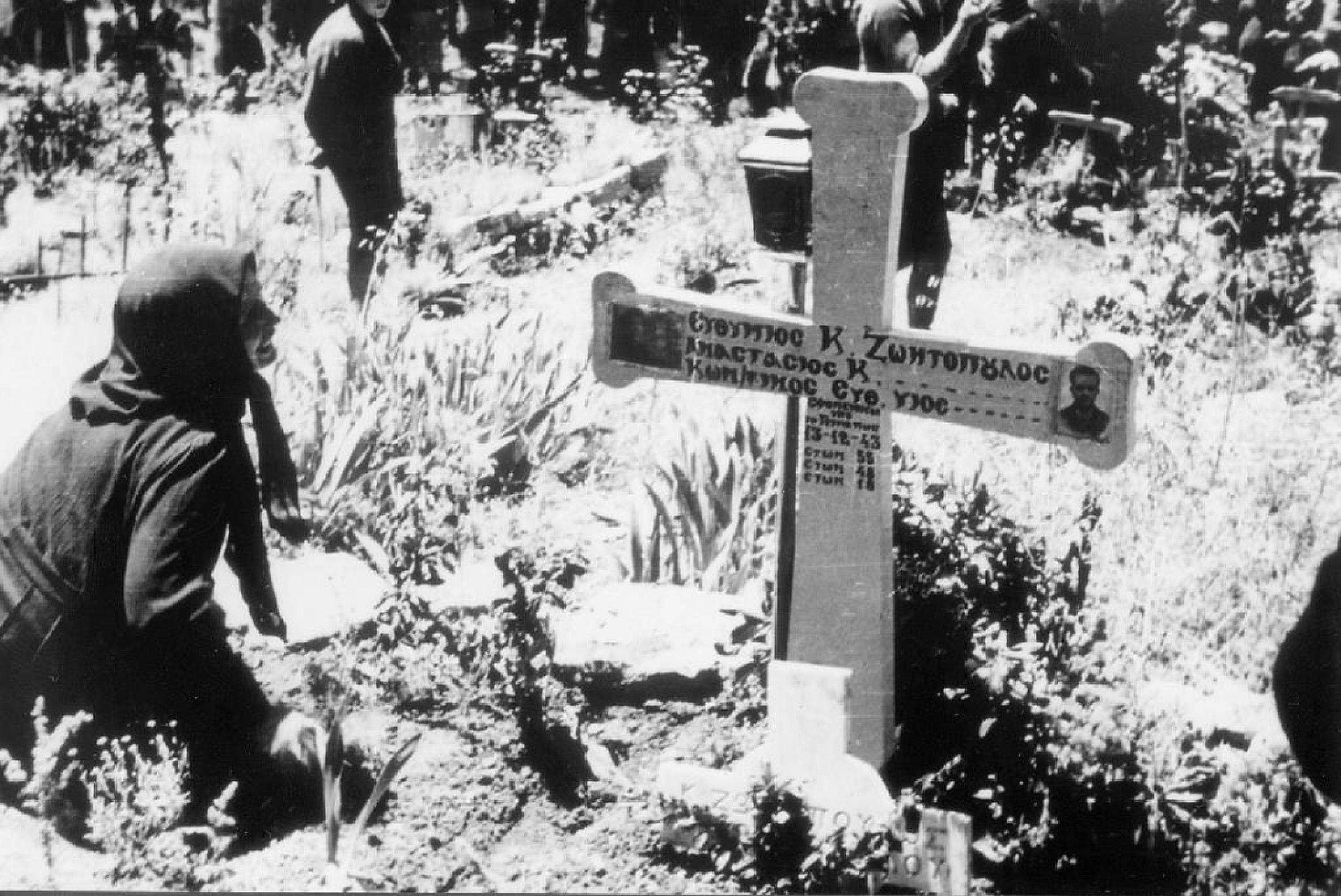
477 male residents of Kalavryta fell victim to the massacre carried out by the 117th Jäger Division on December 13, 1943. Among them were boys under the ages of 15. In all, over 2,300 people who had been taken hostage were hanged or shot in the Peloponnese region by German units as part of »retaliation measures« undertaken prior to their retreat in October 1944.
Remembrance
Most of Kalavryta was burned down on December 13, 1943. Traces of damage were visible even decades later.
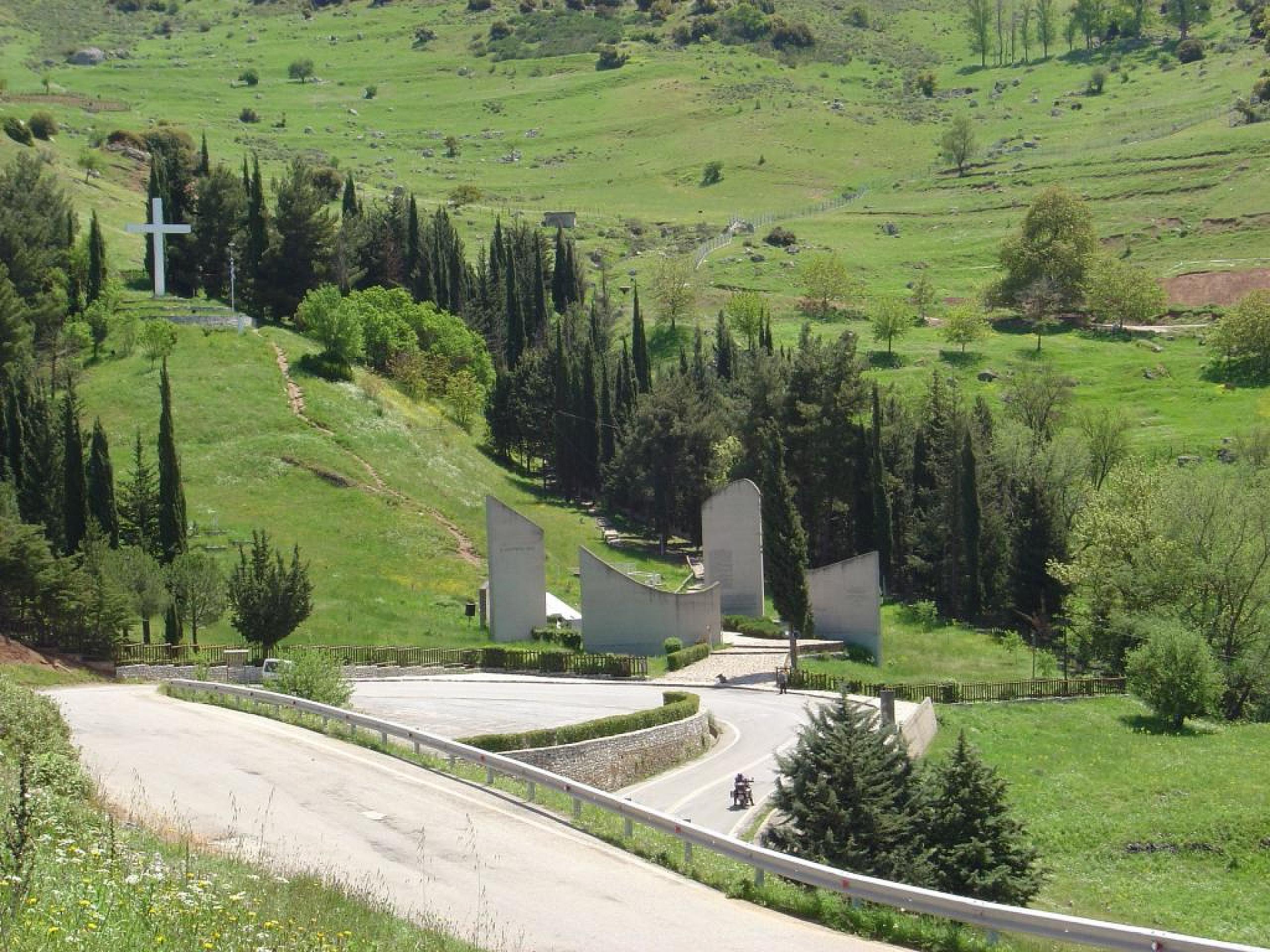
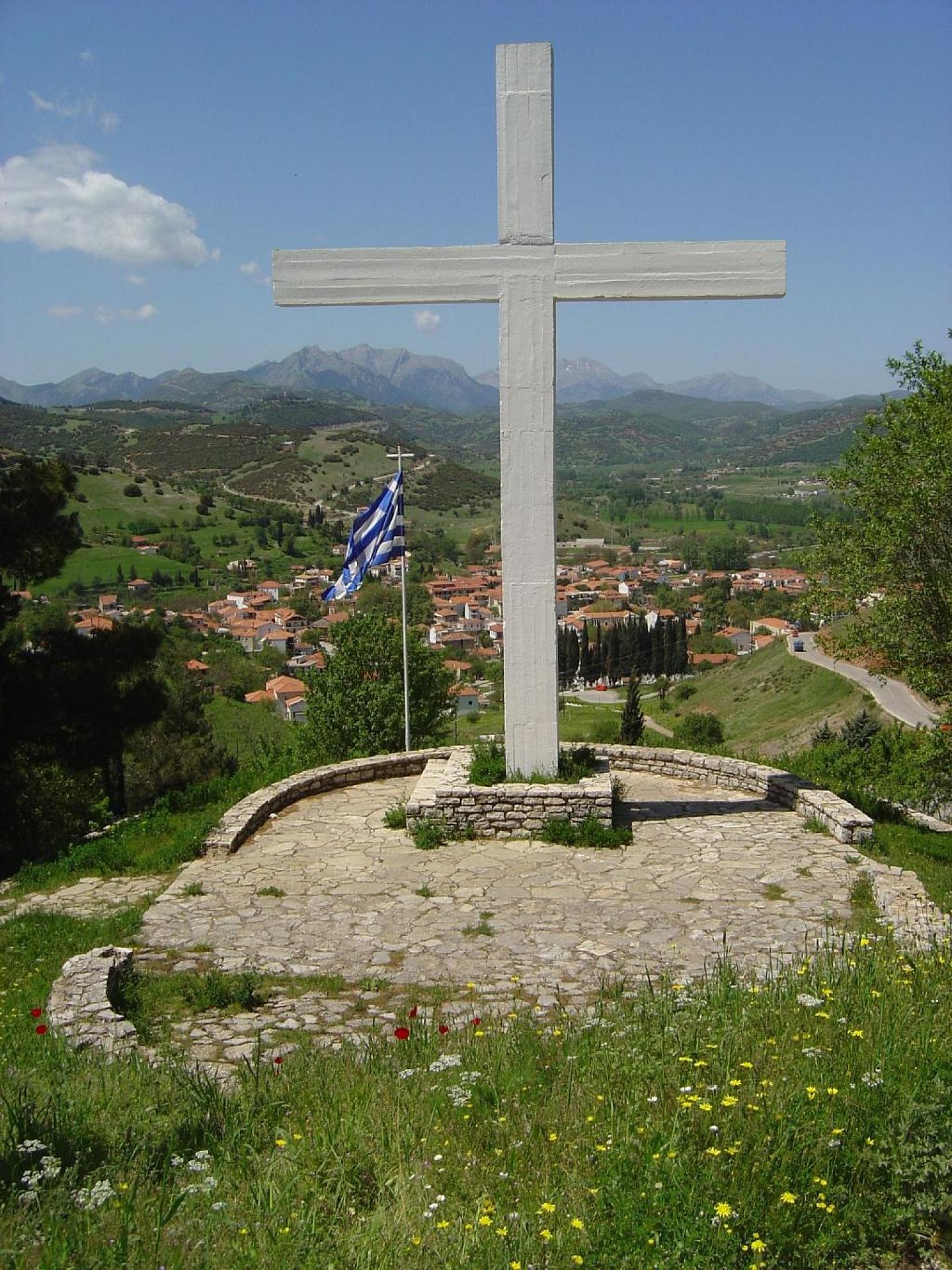
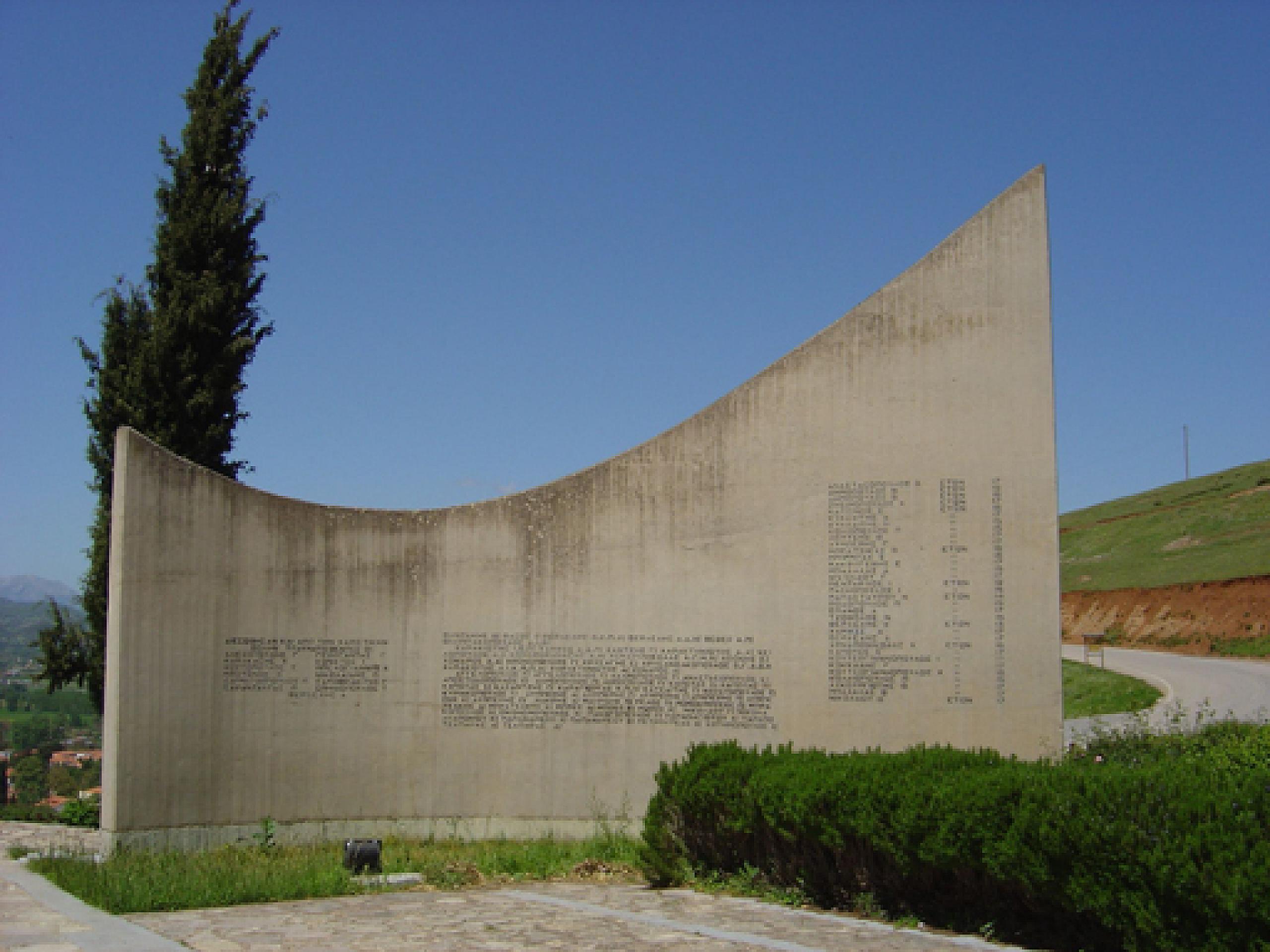
In 1967, the »Topos Thysias« memorial (English: Site of the Victims) was erected. It is located on the site of the mass shootings, overlooking the town. This is one of the most important memorial sites in Greece due to the fact that Kalavryta is considered a symbol for Greek resistance since the days of the Greek War of Independence against the Ottoman Empire. The nearby monastery of Agia Lavra - which was also destroyed by the 117th Jäger Division in December 1943 - was where the Greek revolution began on March 25, 1821.
Four large marble plaques bearing the names of the murdered men stand next to numerous graves. A large cross stands close to the memorial complex and is visible in the distance. Every year on 13 December, a commemorative ceremony - which plays an important part in town life - is held. Since 2005, the school building in which women, children and elderly people were locked on December 13, 1943, has been home to a museum: »Museum of the Kalavryta Holocaust«. The central church also commemorates the massacre as its clock always shows 2:34 p.m., the time at which the massacre began. Until today, the bereaved families have not received reparations from Germany.
Open
The memorial complex is accessible at all times.
The museum is opened Tuesday to Sunday 9 a.m. to 4 p.m.
Contact
info@dmko.gr
+30 (0)26920 23646