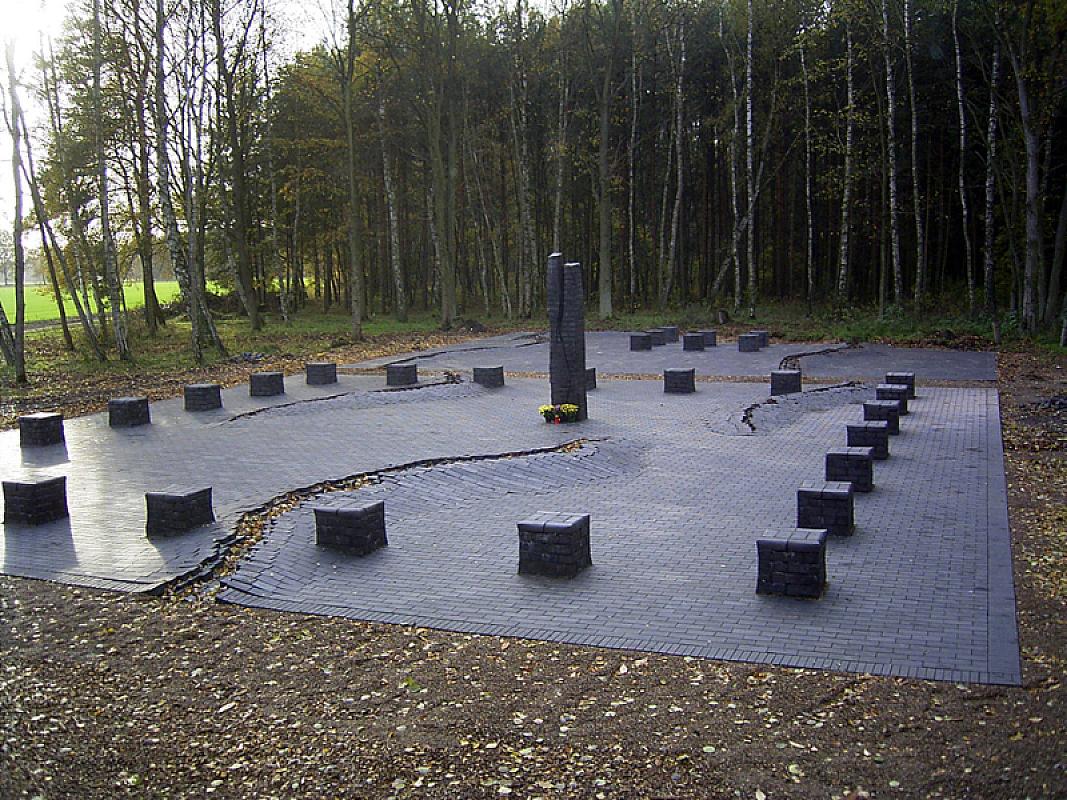
Kaltenkirchen Concentration Camp Memorial in Springhirsch
KZ-Gedenkstätte Kaltenkirchen in Springhirsch
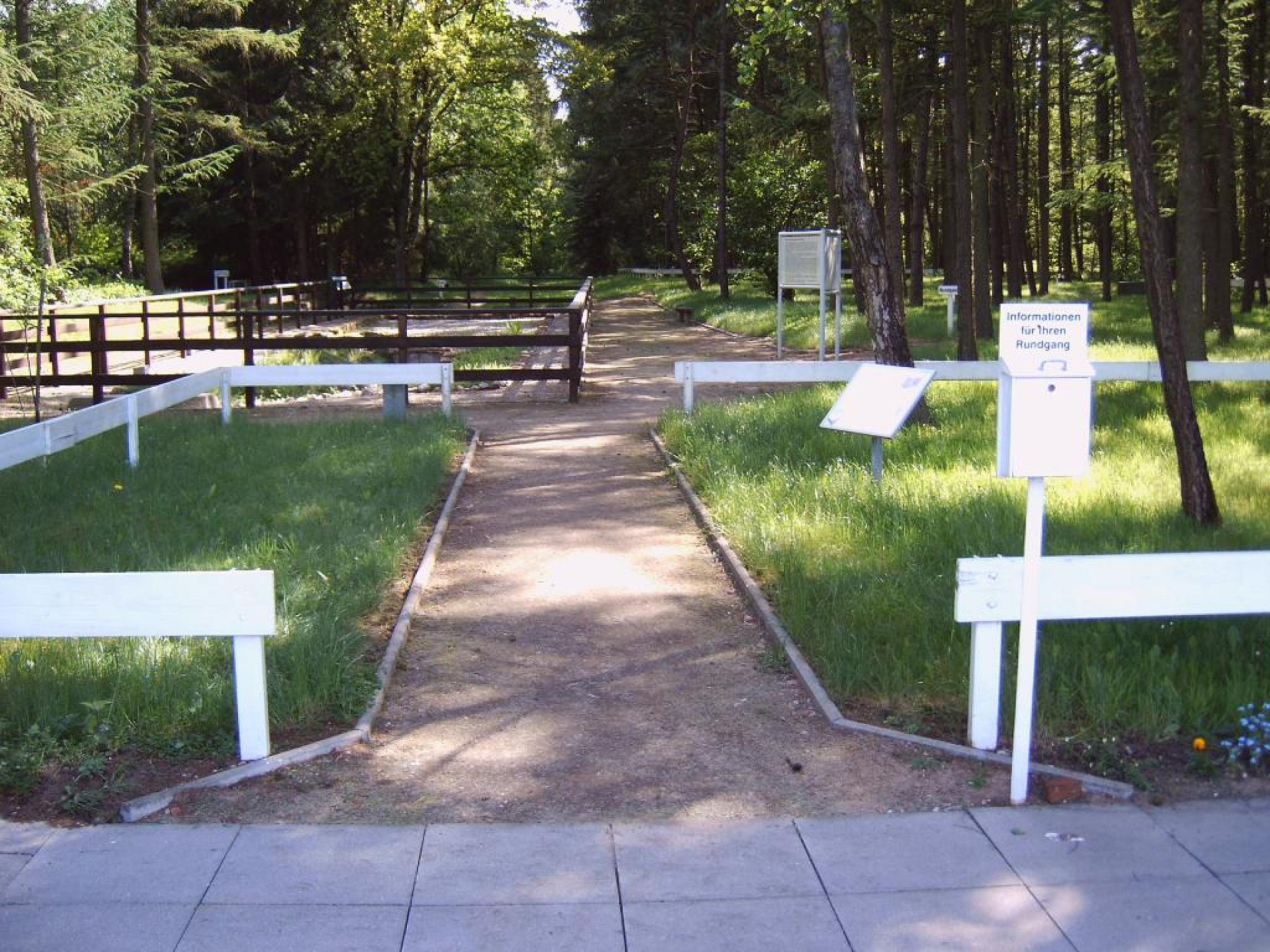
In 2000, a memorial was opened in Springhirsch, a district of Nützen, on the premises of the former Kaltenkirchen satellite camp. Up to 1,000 prisoners were subjected to forced labour in this camp between 1944 and 1945.
History
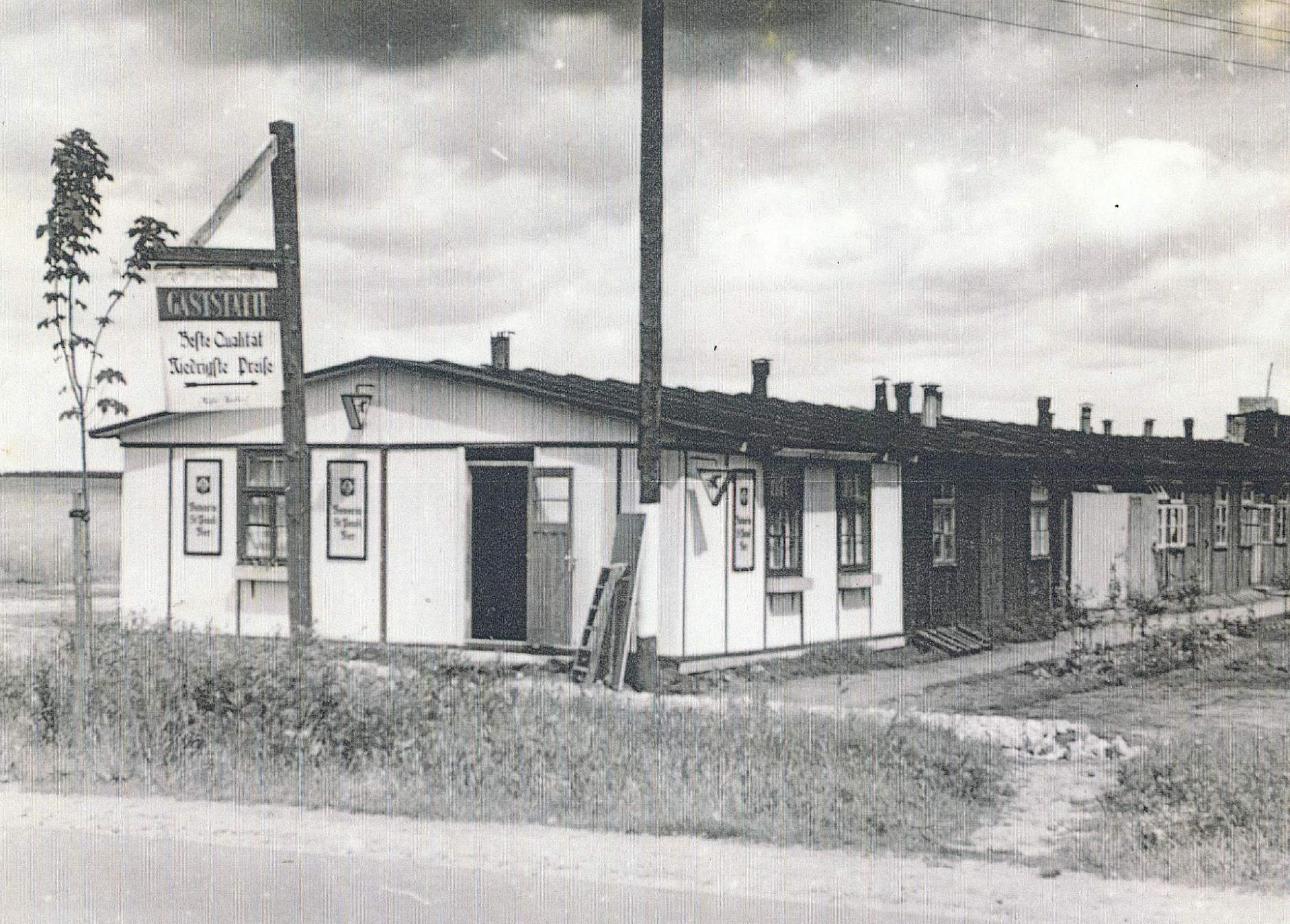
In August 1944, the SS established a satellite camp of the Neuengamme concentration camp in Springhirsch near Kaltenkirchen for the Luftwaffe. Barracks of the Luftwache not far from the Kaltenkirchen airbase were used for this purpose. The Wehrmacht had decided to reconstruct the airfield and applied for labour force with the SS.
In August 1944, the first transport of about 500 prisoners arrived in Kaltenkirchen from Neuengamme. The prisoners were chased through the village to Springhirsch, 10 kilometres away, and admitted into the newly established Kaltenkirchen satellite camp. The prisoners had to conduct forced labour: they had to extend the airfield's landing strip so that it could be used by a new type of fighter plane and did excavation work and levelling of the area. The strenuous physical work, the long march to the building site and the insufficient supply situation led to many illnesses and fatalities at the camp. At the beginning of 1945, SS-Hauptsturmführer Bernhard Waldmann replaced camp commandant Otto Freyer. Conditions under the new commandant worsened rapidly: food rations were reduced and working hours were increased from eight to ten or eleven hours. The number of deaths rose. Among the guards were only two other SS men, the inmates were otherwise guarded by about 58 soldiers of the Luftwaffe. On April 17, 1945, the SS evacuated the camp. The prisoners had to march northwards. They were eventually loaded onto cattle trains and deported to the Wöbbelin concentration camp.
Victims
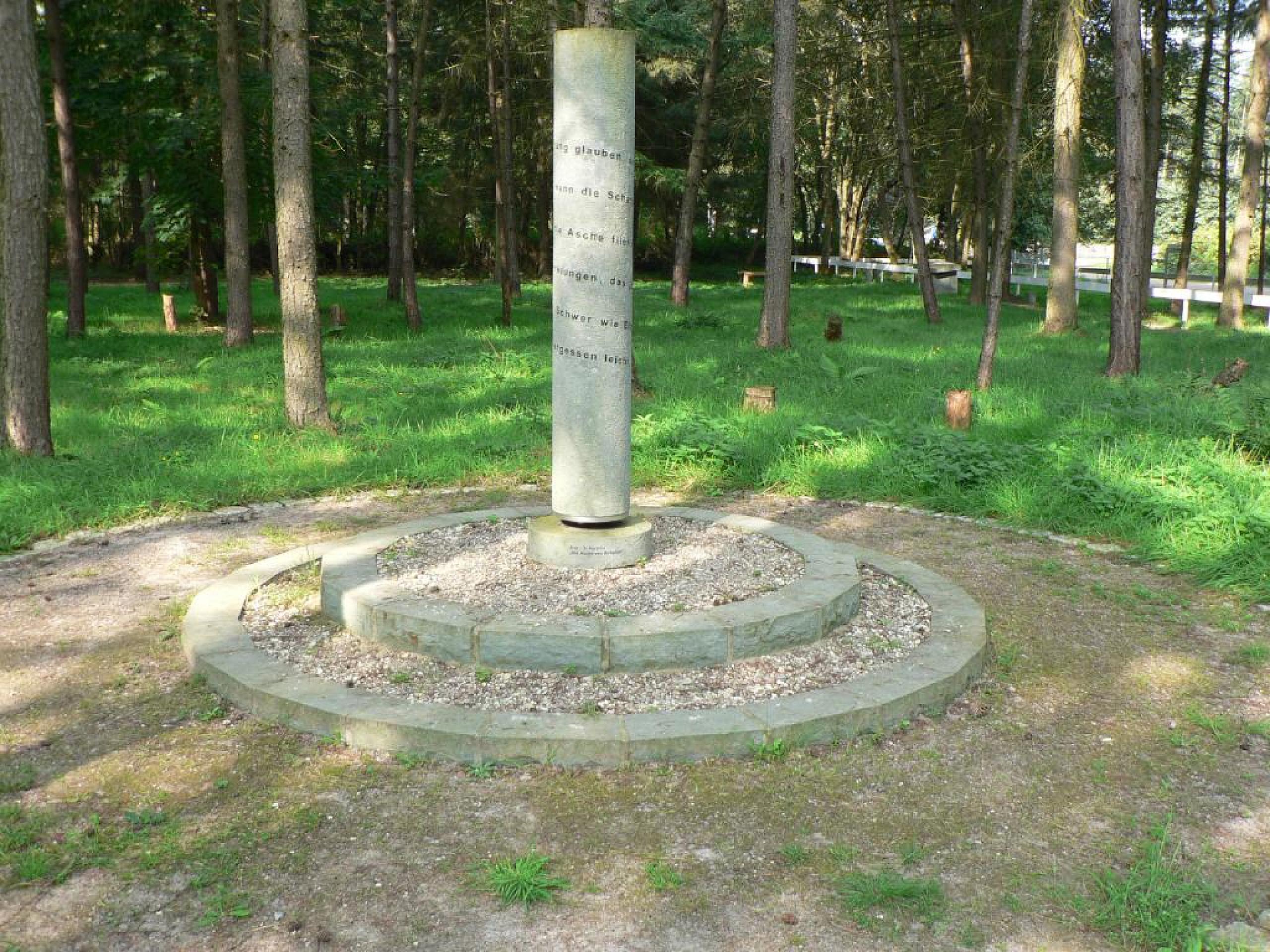
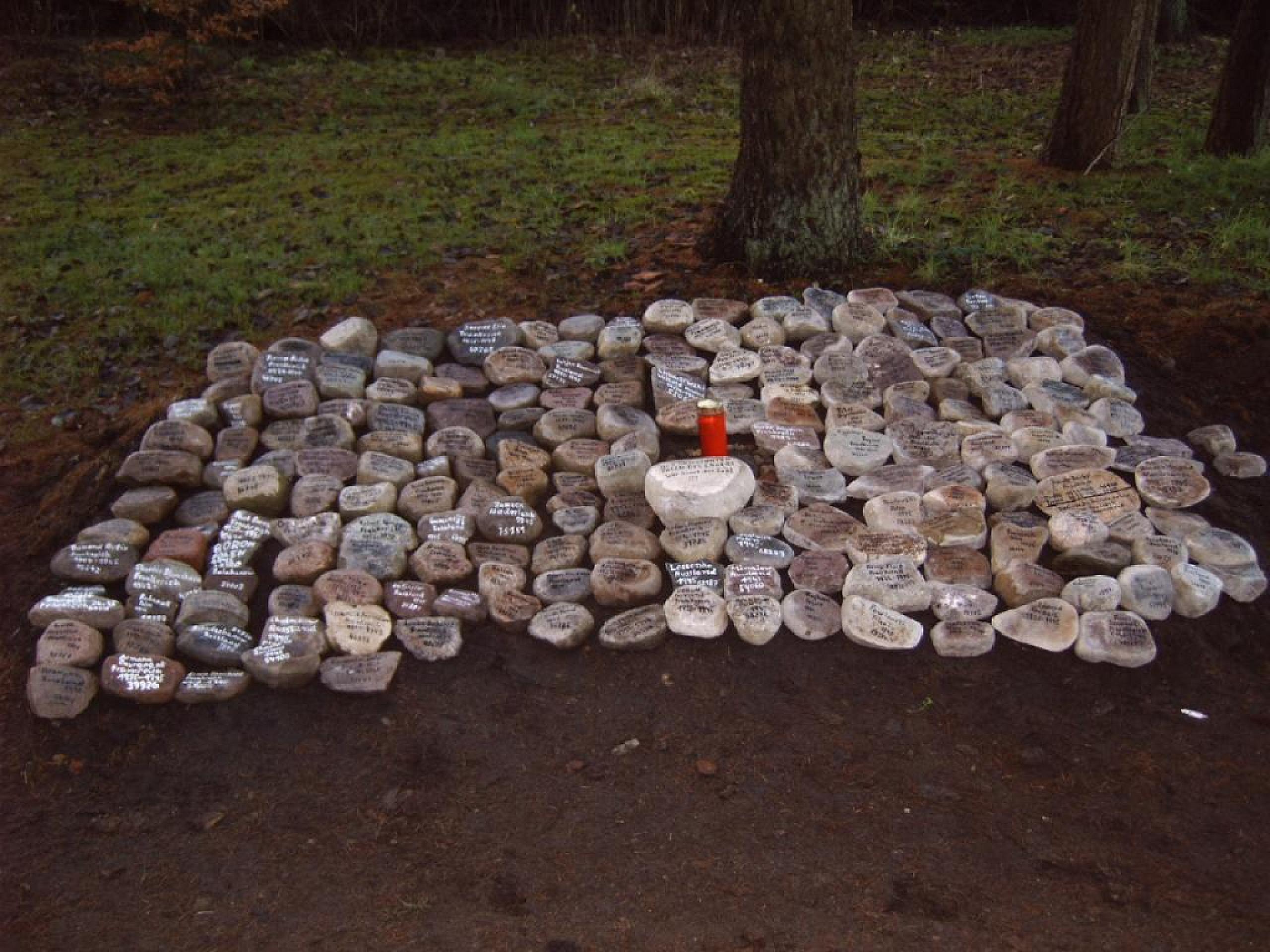
Soviet and French prisoners comprised the largest prisoner groups at the Kaltenkirchen satellite camp. Apart from that, prisoners came from Poland, Germany as well as some from Belgium, Italy and Yugoslavia. It is not known exactly how many prisoners passed through the satellite camp: most of the time there were about 500 prisoners at the camp, yet due to illnesses and the high death rate new prisoners continued to arrive from the Neuengamme concentration camp. Shortly before the camp's evacuation there were about 1,000 prisoners there. The names of 171 prisoners who died at the Kaltenkirchen camp are known. According to eye witness accounts, over 500 people lost their lives at the satellite camp.
Remembrance
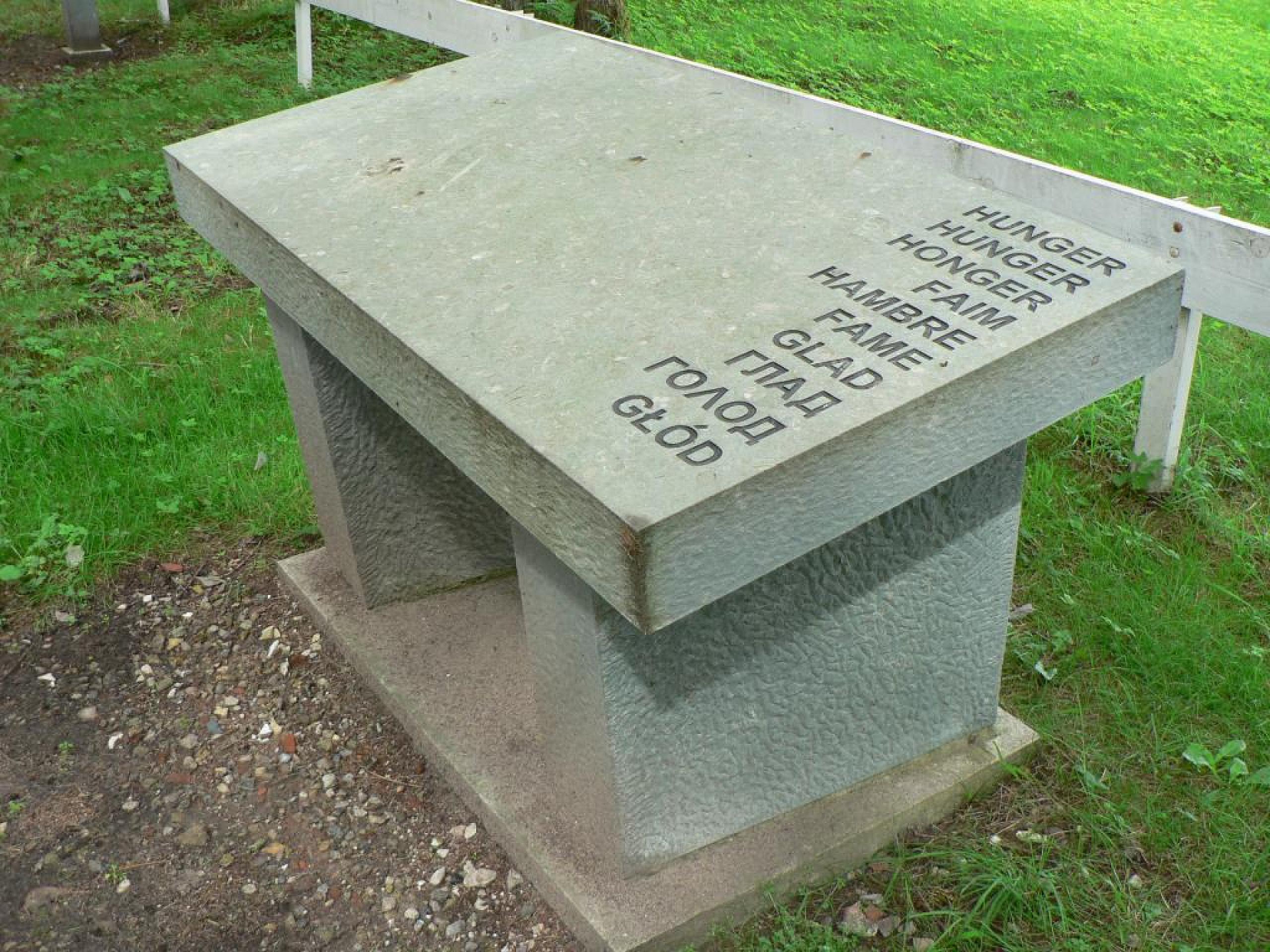
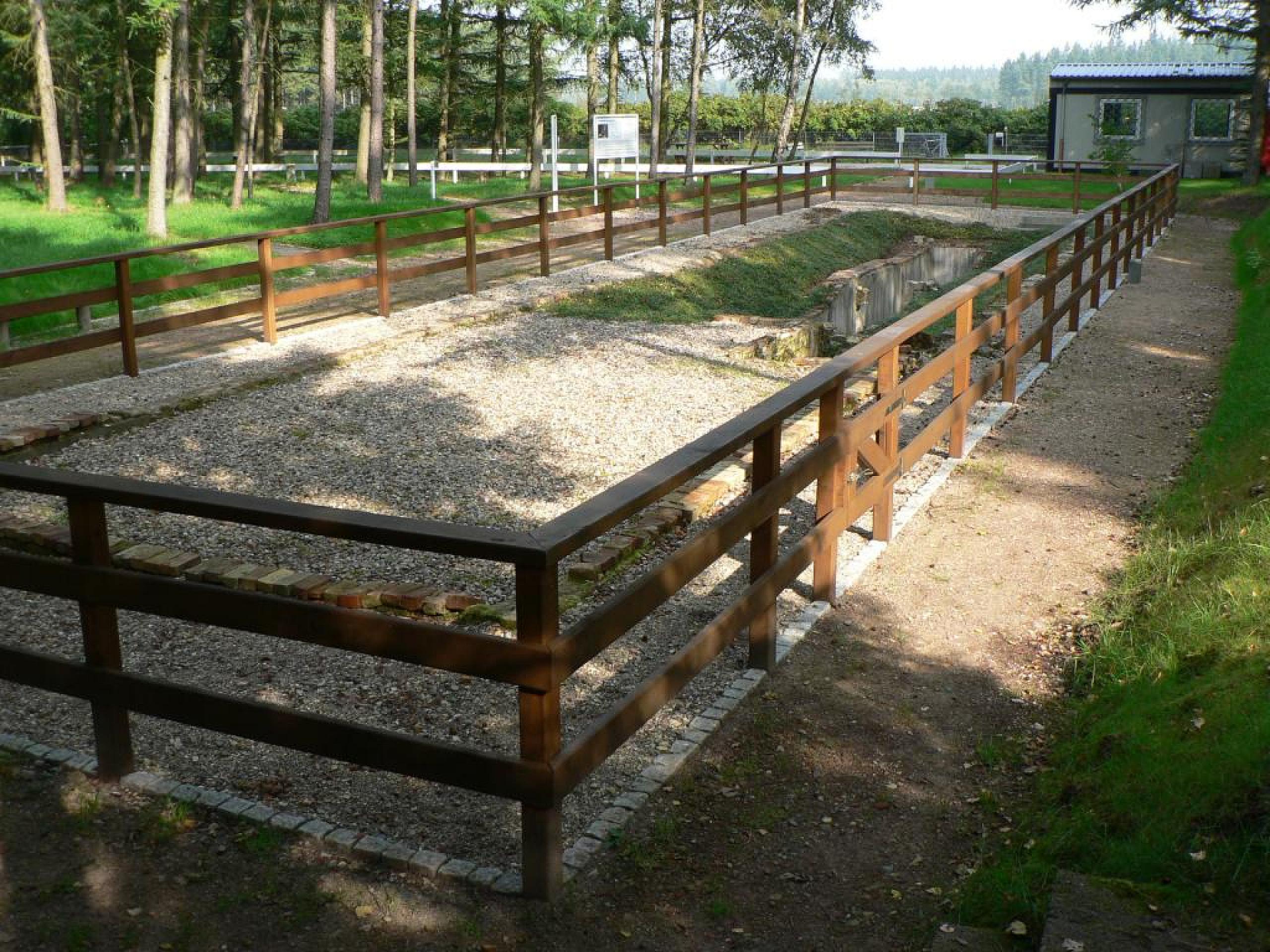
After the war, the barracks of the satellite camp were torn down and the Moorkaten cemetery, where many of the victims were buried, was set up as a »war cemetery«. In 1975, a »historic workgroup« led by Gerhard Hoch was founded. The Moorkaten cemetery was remodelled in 1978, yet not until 1992 was it renamed from »war cemetery« to »cemetery for prisoners of war and concentration camp victims«. In 1994, a concrete slab, which had until then been overgrown, was found by coincidence on the former camp premises. This led to the discovery of the foundations of former camp buildings. From that time on, citizens advocated the establishment of a memorial. In 1999, the town of Kaltenkirchen helped found the »support association for the Kaltenkirchen concentration camp memorial in Springhirsch«. On April 30, 2000, the memorial was opened. Since 2002, the premises have housed a »document house« as well as several stone sculptures by Ingo Warnke.
Possibilities
Exhibitions, guided tours
Open
The memorial site is accessible at all times.
Opening times of the documentation centre:
From November 1 to February 28 Tuesday to Saturday 10.00 a.m. to 4.00 p.m., closed on Sunday and on holidays
From March 1 to October 31 Tuesday to Saturday 10.00 a.m. to 6 p.m., Sunday and most holidays 11.00 a.m. to 5.00 p.m.
Contact
http://www.kz-kaltenkirchen.de
nachricht@kz-kaltenkirchen.de
+49 (0)4191 723 428