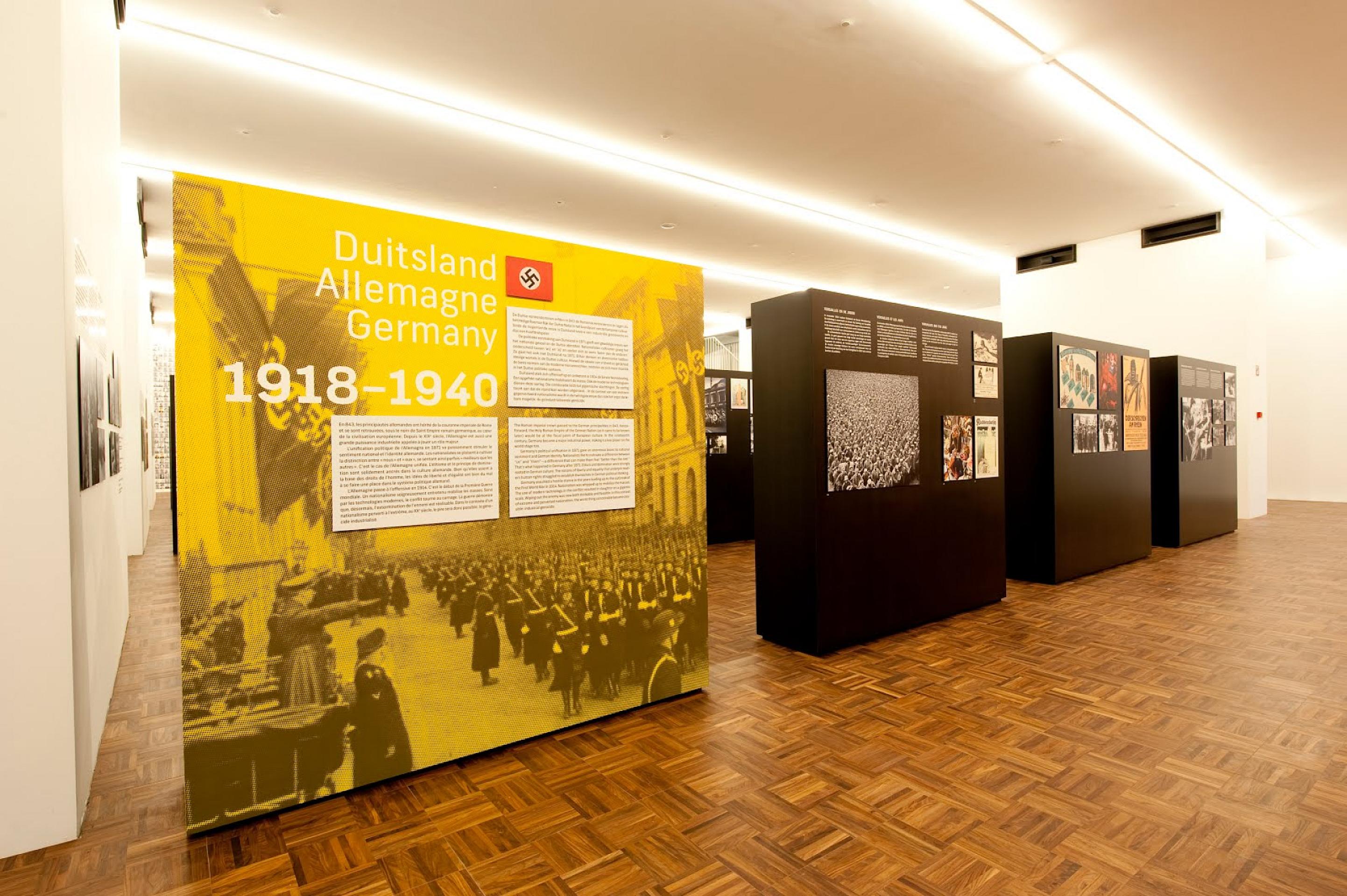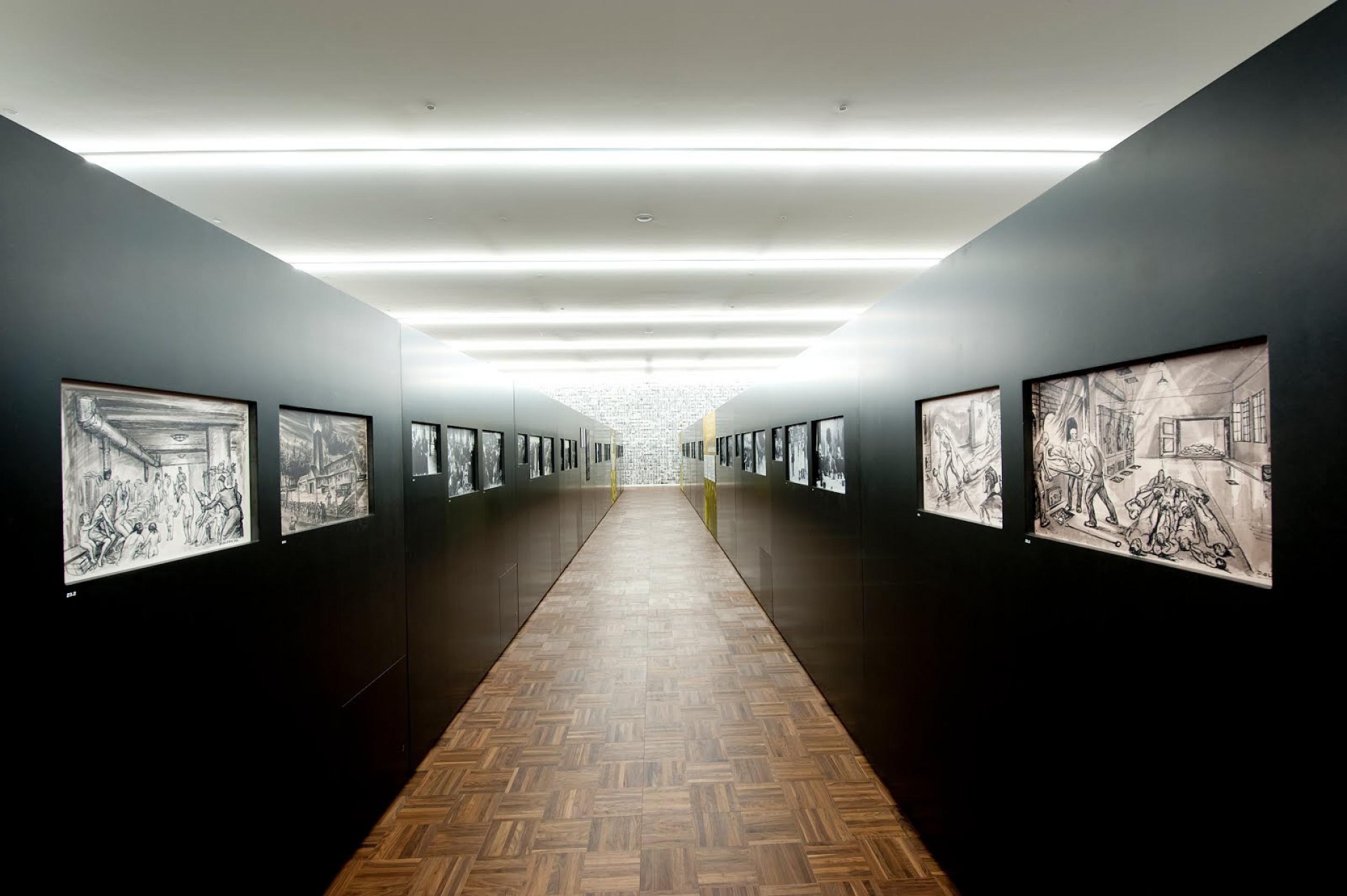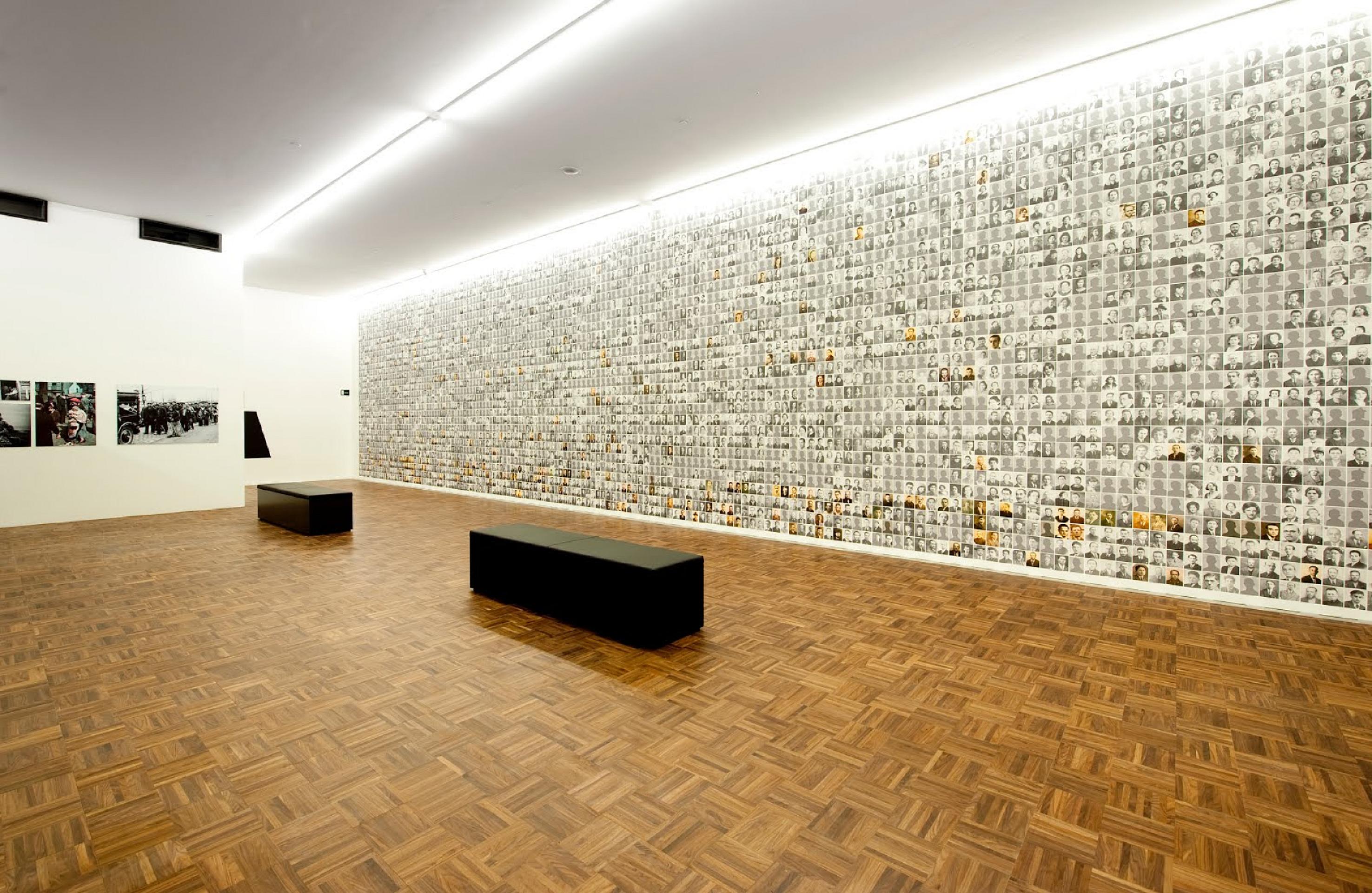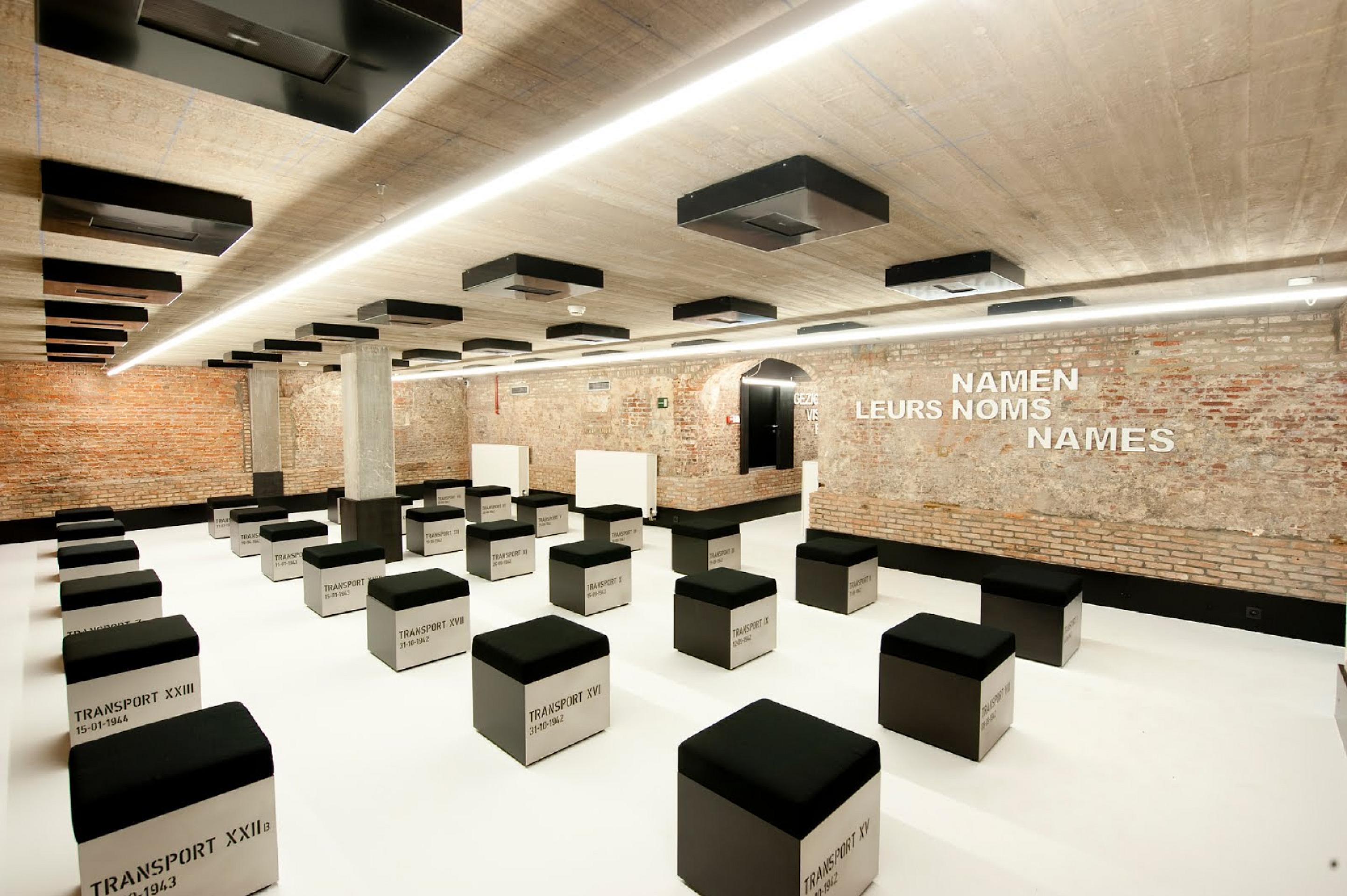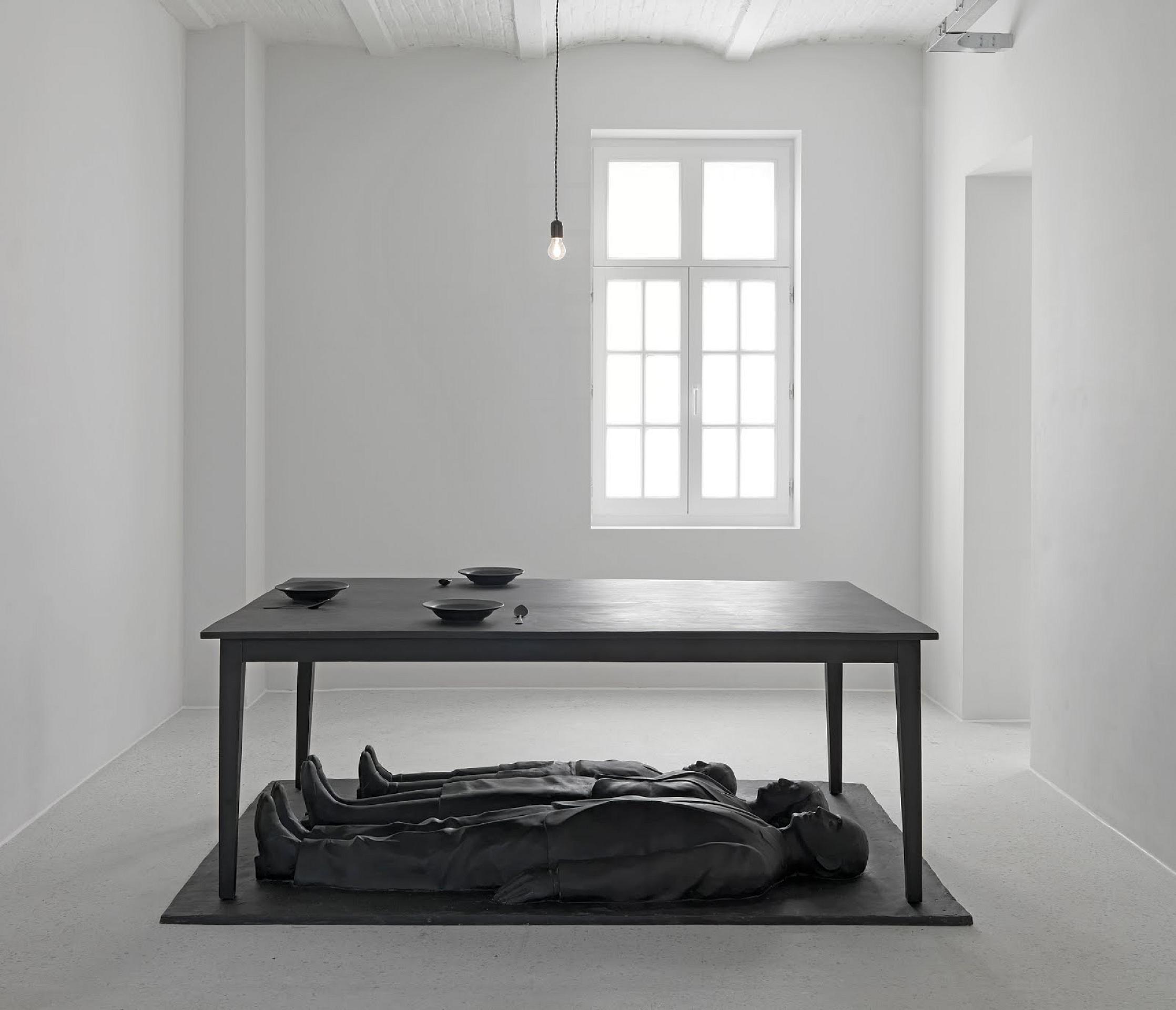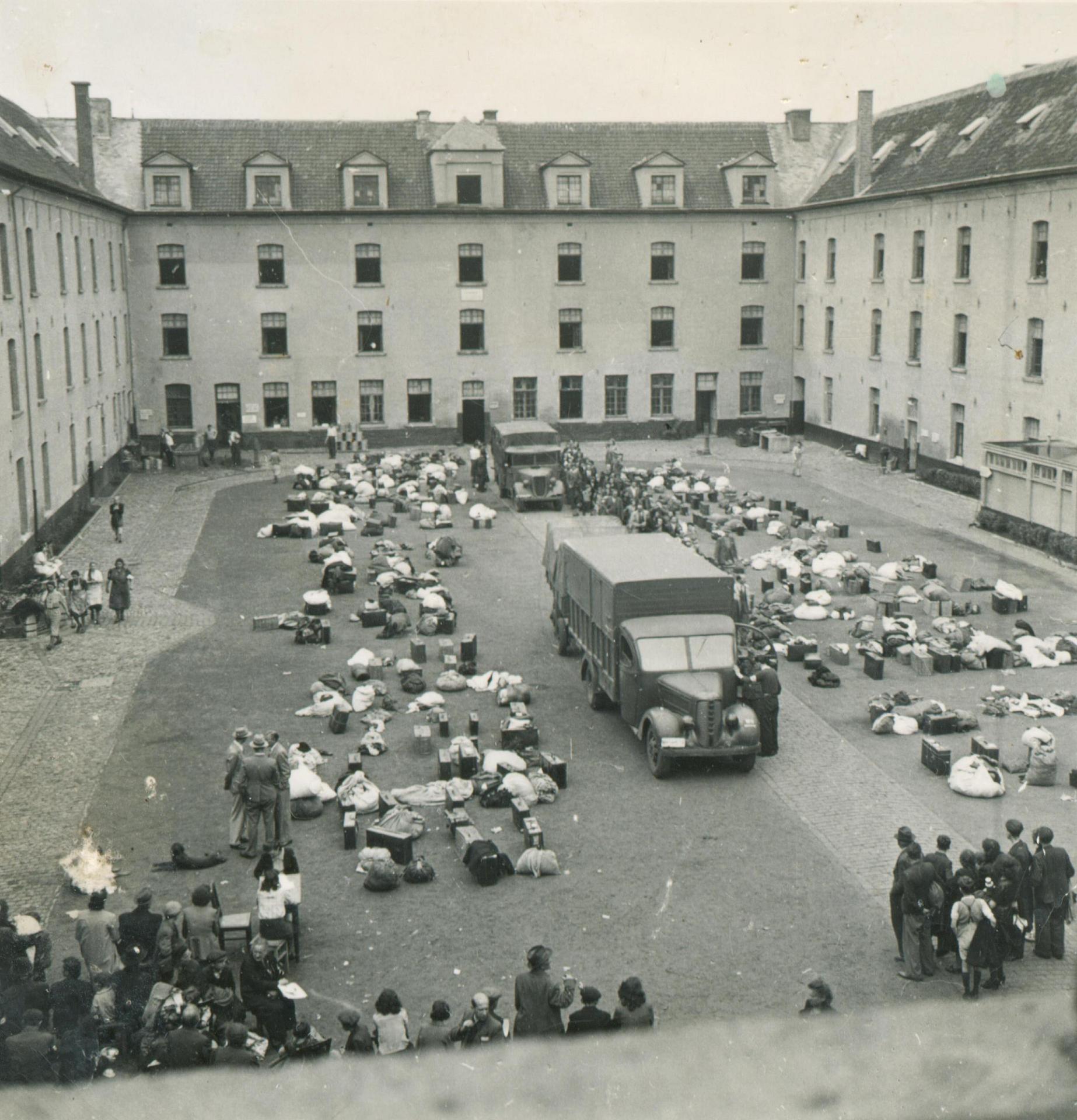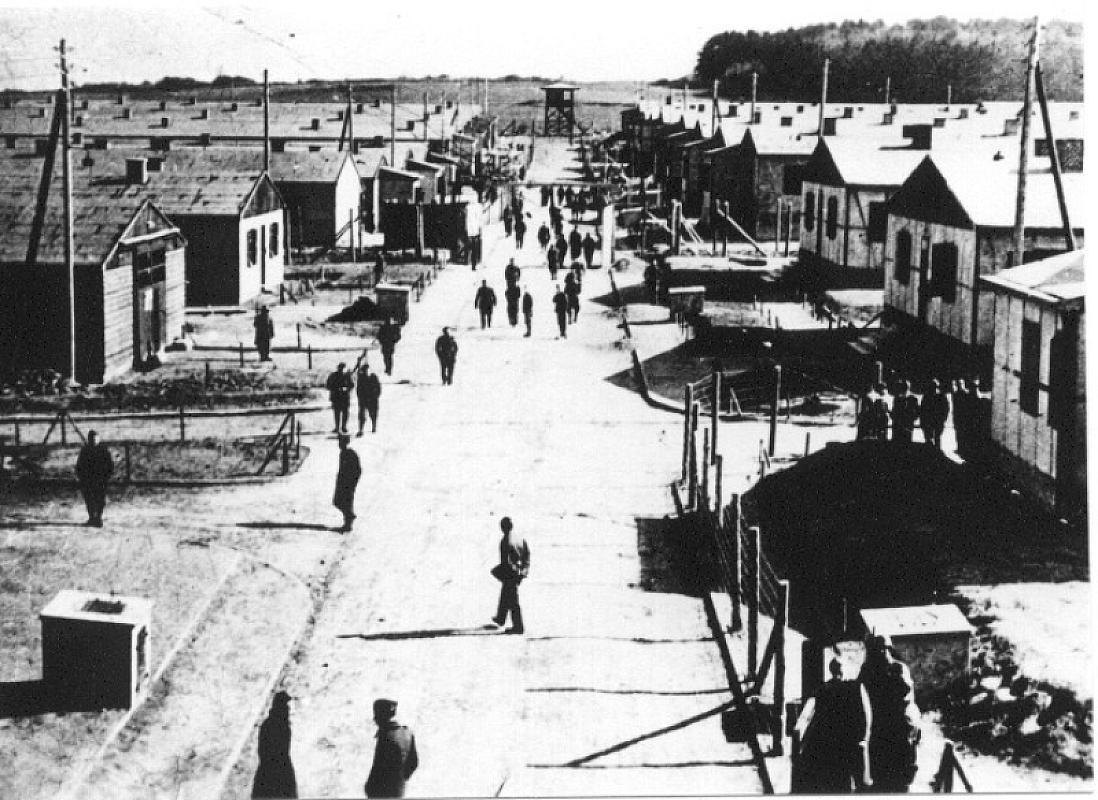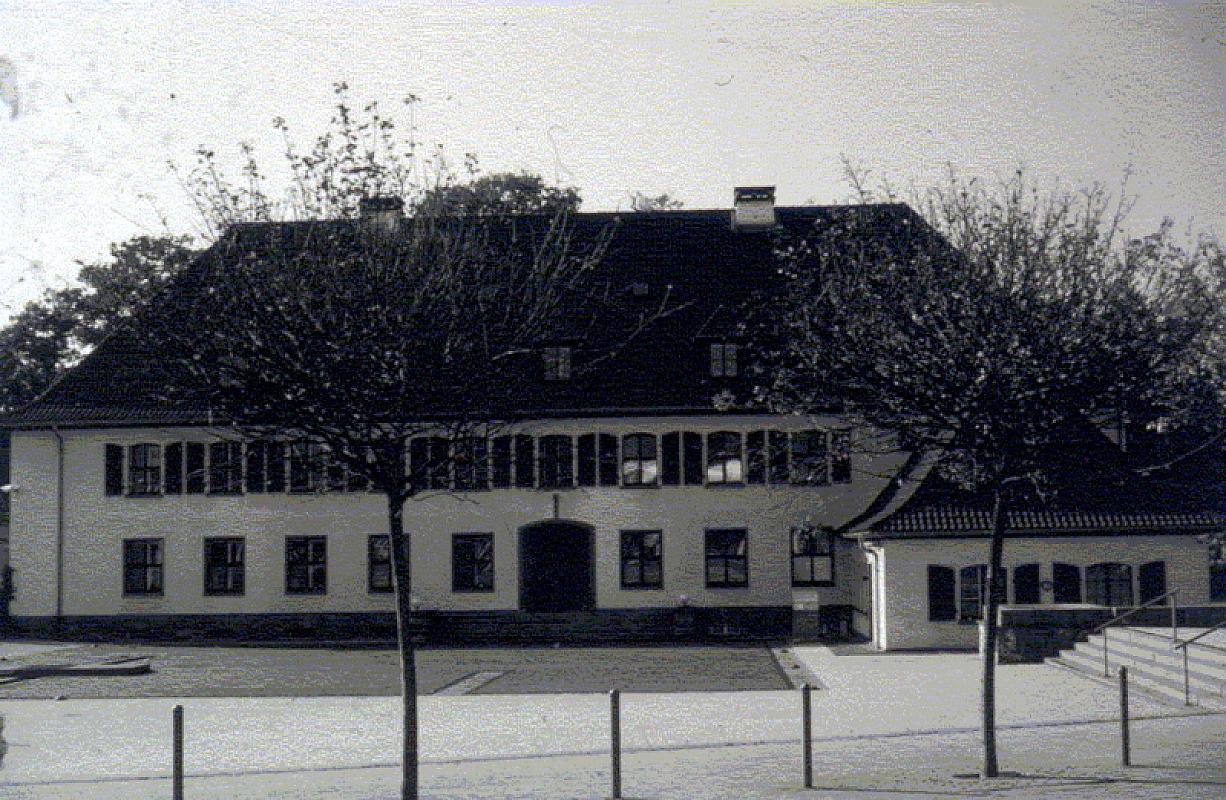
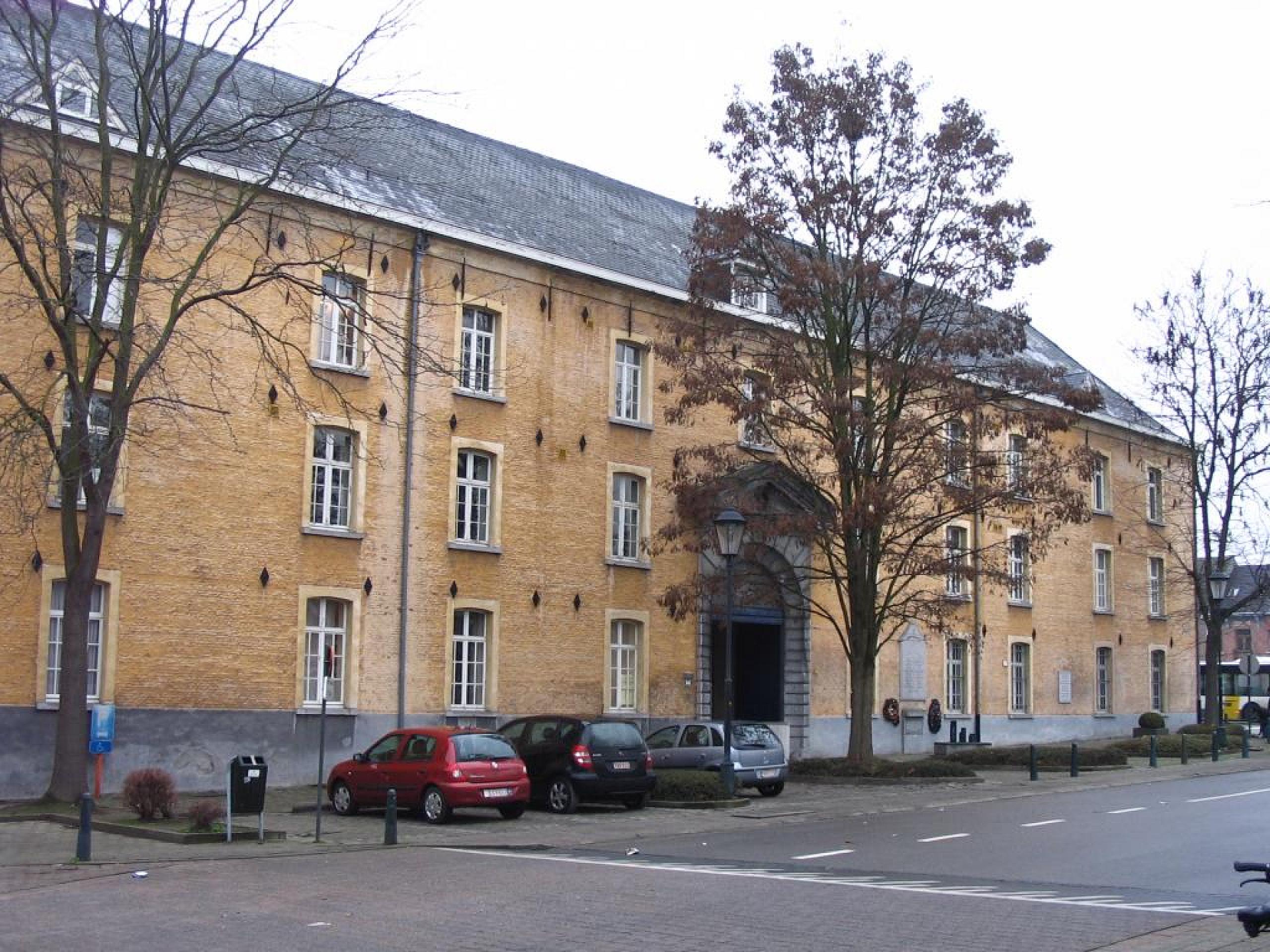
The former Dossin military casern in Mechelen (Flanders) were used during the German occupation of Belgium as a collection camp for Jews prior to their deportation. There has been a memorial and a museum in Mechelen since May 1995.
History
In May 1940, the German Wehrmacht occupied Belgium and a military administration was established. Special offices were set up in order to deal with the »Jewish question«. These offices - the Security Police and the Security Service (Sipo-SD) - followed orders issued by the Reich Main Security Office in Berlin. There, Adolf Eichmann led Office IV B 4 which coordinated Germany's so-called Jewish policy and later the implementation of the »final solution of the Jewish question«. Between 1941 and 1943, Kurt Asche was responsible for Jewish affairs at the Sipo-SD in Brussels, after which he was succeeded by Fritz Erdmann. Like in other European countries, decrees issued by the German military administration entailed the suppression and exclusion of the Belgian Jews. Between October 1940 and September 1943, the occupiers issued 18 anti-Jewish decrees with the aim of preparing the upcoming deportation and murder of the Jews.
From July 1942 on, the SS used the old Dossin casern in Mechelen (Flanders) as the central collection camp for Jews. On August 4, 1942, the first transport of Jews left Mechelen for Auschwitz-Birkenau. At first, only foreign Jews were affected by the deportations, but beginning September 1943, Jews with Belgian citizenship were also arrested. Until Belgium's liberation, a total of 24,916 Jews and 353 Roma and Sinti were deported from the Mechelen collection camp to concentration camps in the East. Of those, fewer than five per cent survived. A few Jews could go into hiding, others joined the resistance movement.
Victims
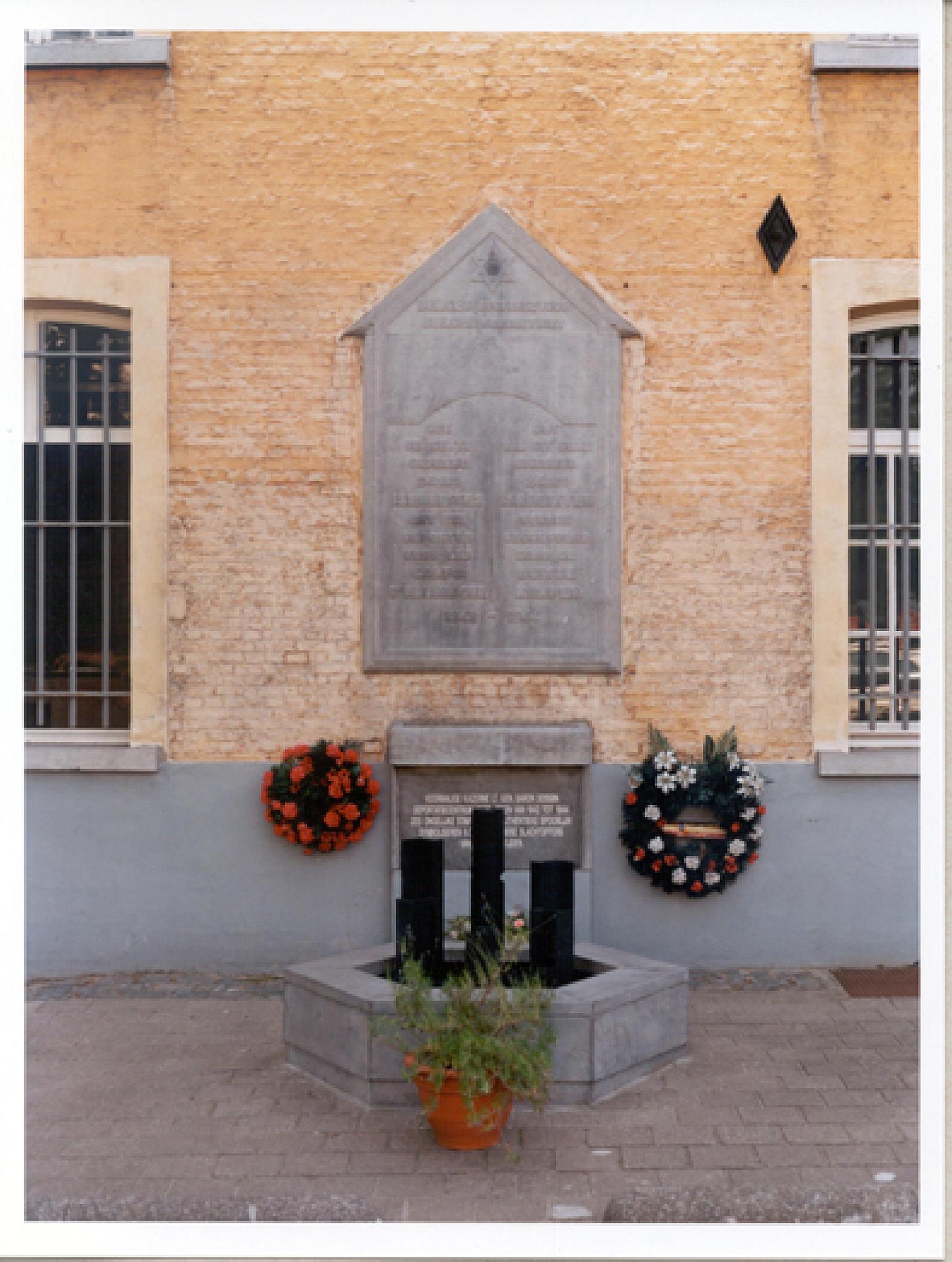
The museum commemorates the 24,916 Jews and 351 Sinti and Roma who were deported from the Mechelen collection camp to concentration camps in the east. Only about five per cent of them survived.
Remembrance
After the war, the casern was returned to the Belgian state and the Belgian Army established a school for the Administration of the Armed Forces there. At the end of the 1970s, the army left the barracks and apartments were built on the site. At the same time, there were calls for setting up a museum in the former casern, most prominently lobbied for by the »Vereniging voor Joodse Weggevoerden in België« (English: »Association of Jewish Deportees in Belgium«) and the »Centraal Israelitisch Consistorie van Belgie« (English: »Central Israelite Consistory of Belgium«). Only in the 1990s could the project be put into life. In May 1995, the Belgian king inaugurated the new museum.
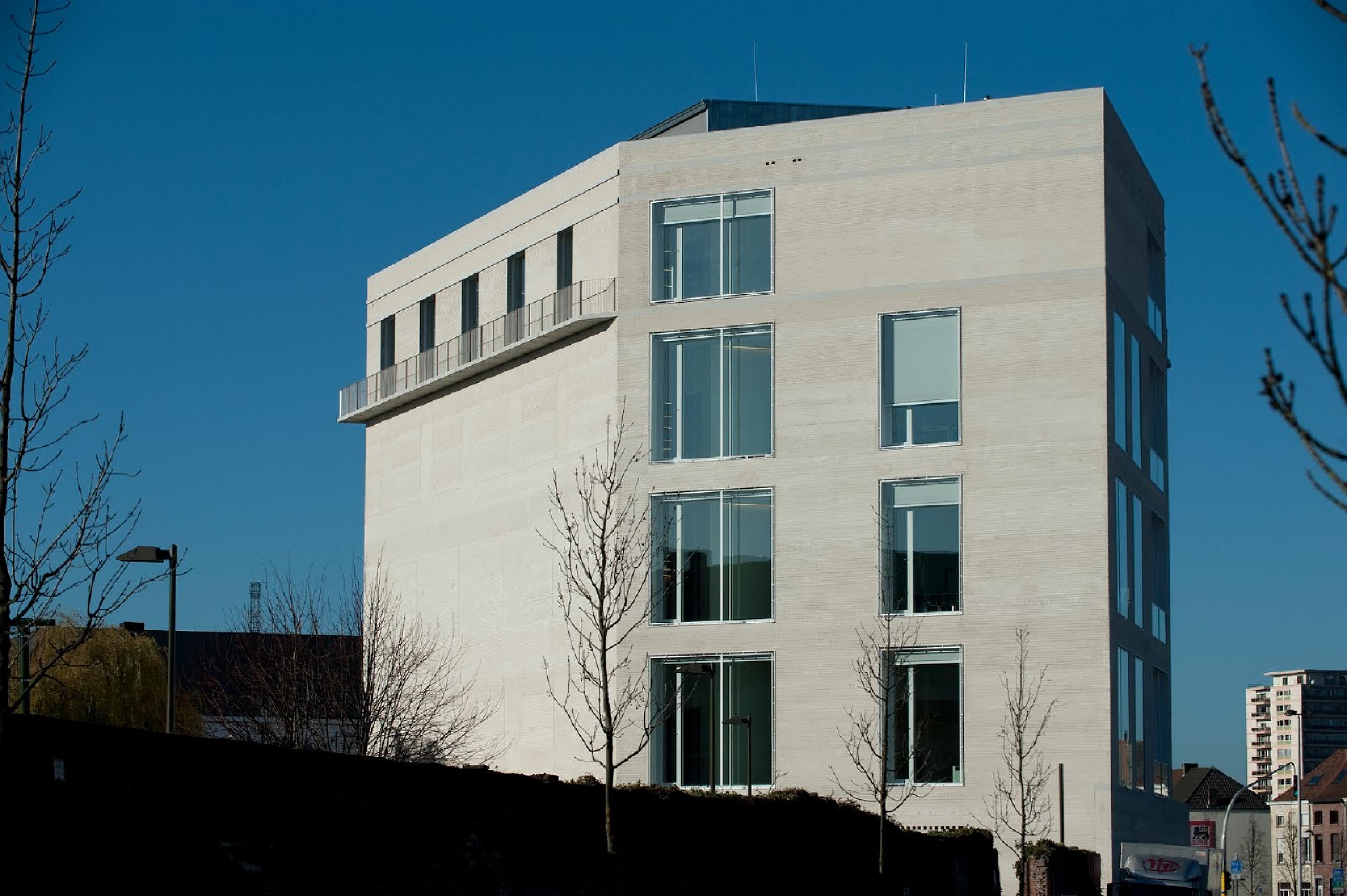
In 2012, a new museum building and a new permanent exhibition were inaugurated across the street from the casern. The rooms which held the museum until then were transformed into a memorial. The restructuring of the museum was initiated by the Flemish government. The design for the new building in form of a white monolith is a work by bOb Van Reeth of AWG Architecten.
Possibilities
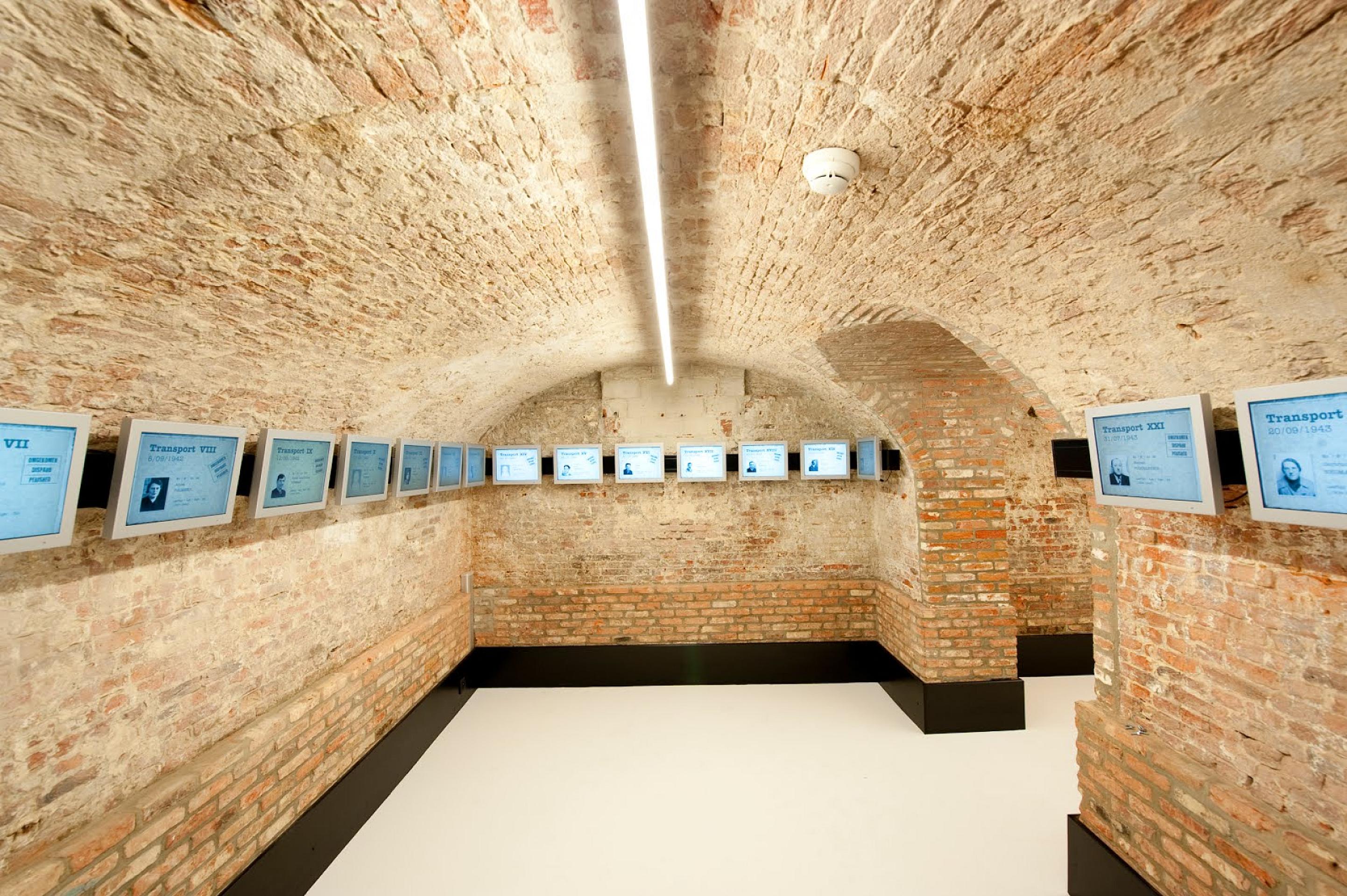
Permanent exhibition, library, archive, tracing service
Open
Memorial, Nuseum and Documentation Centre on Holocaust and Human Rights
Monday, Tuesday, Thursday and Friday 9 a.m. to 5. p.m.
Saturday and Sunday 9.30 a.m. to 5 p.m.
Closed on Wednesday, Christmas, New Year's Eve and on Jewish holidays
Contact
info@kazernedossin.eu
+32 (0)15 290660