Mälestusmärk Eestis Mõrvatud Juutide Mälestuseks / Fašismi Ohvrite Mälestusmä
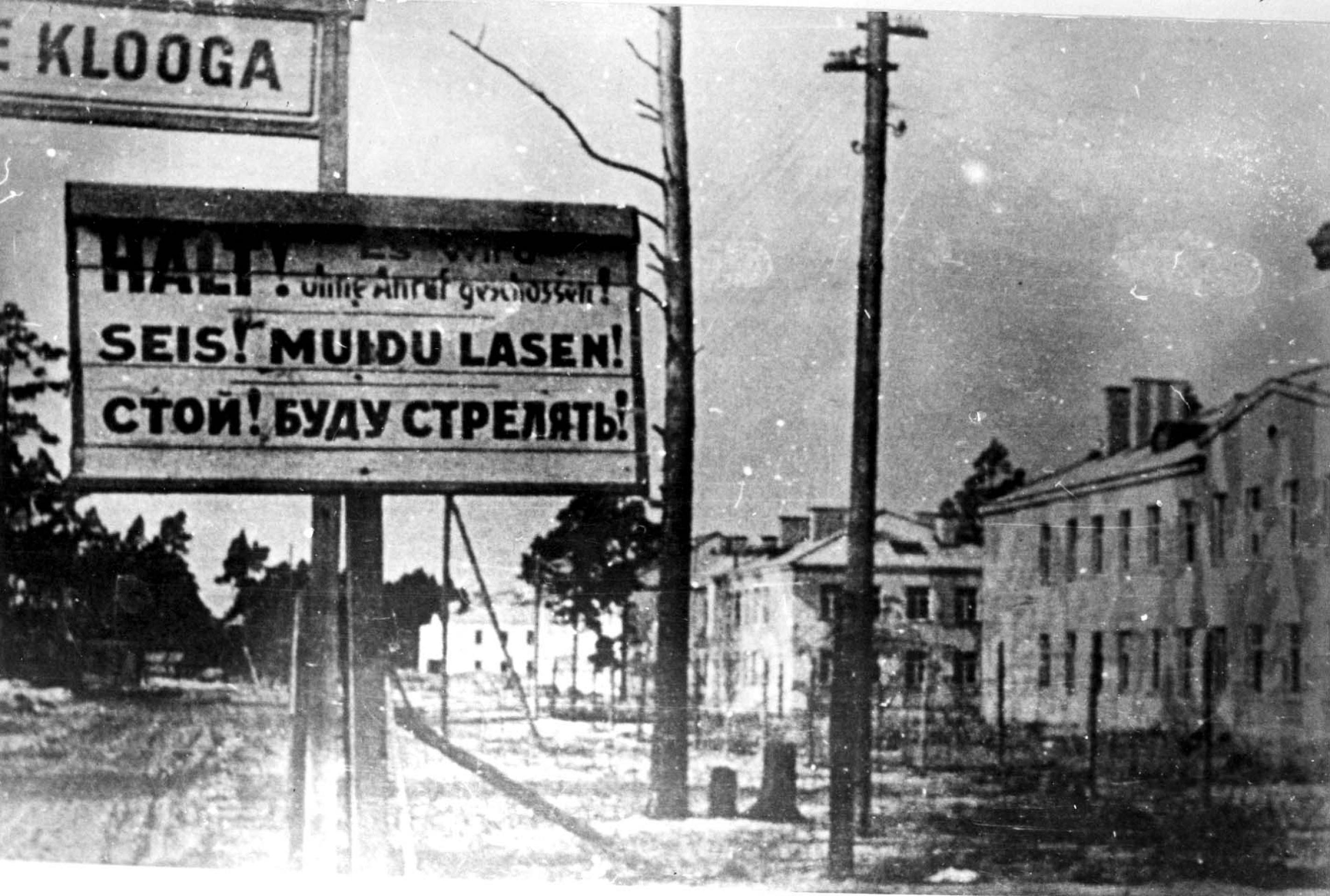
The Klooga concentration camp was the best-known National Socialist camp in Estonia. Three monuments - set up in 1951, 1994 and 2005 - commemorate the camp's victims. In 1944, up to 2,000 people were murdered here.
History
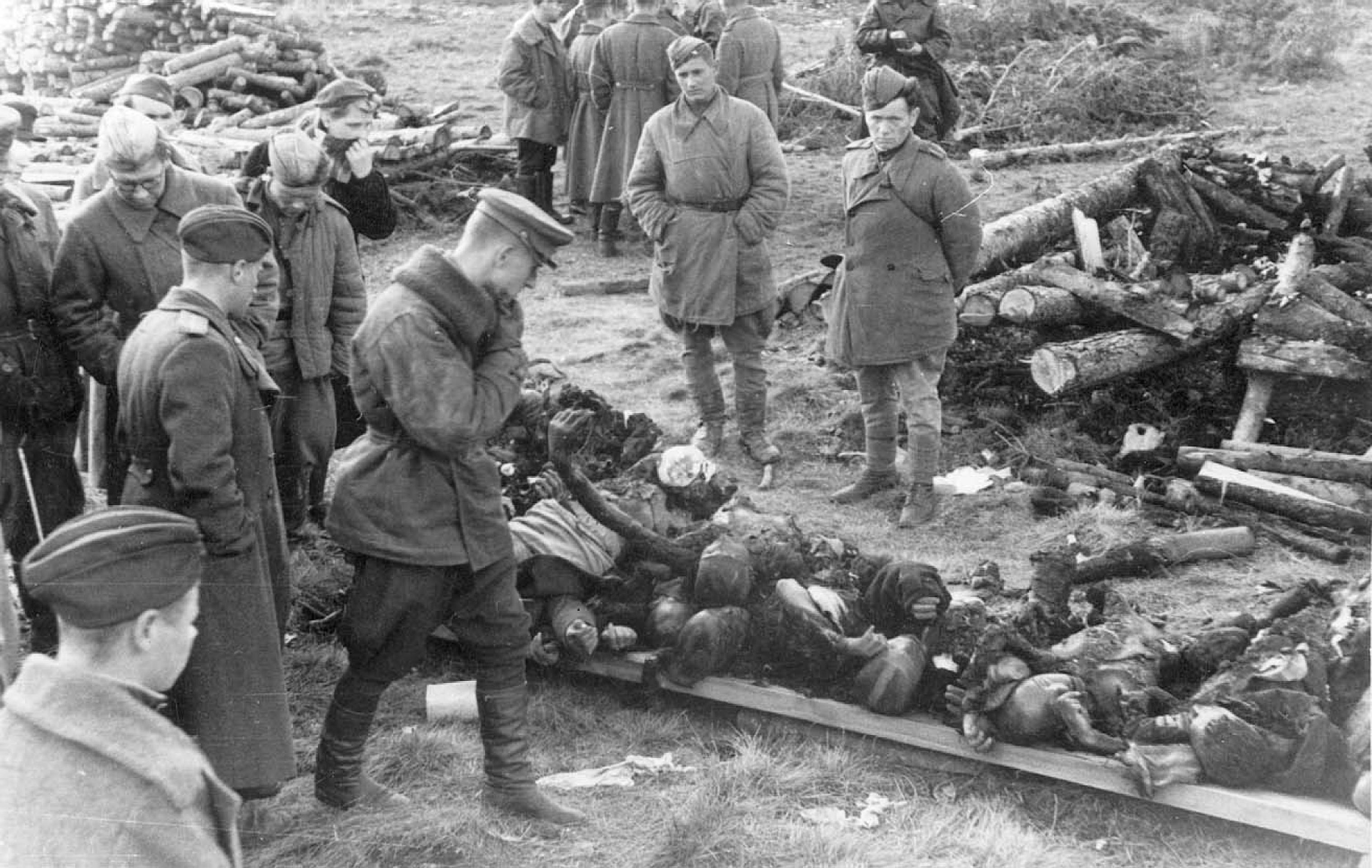
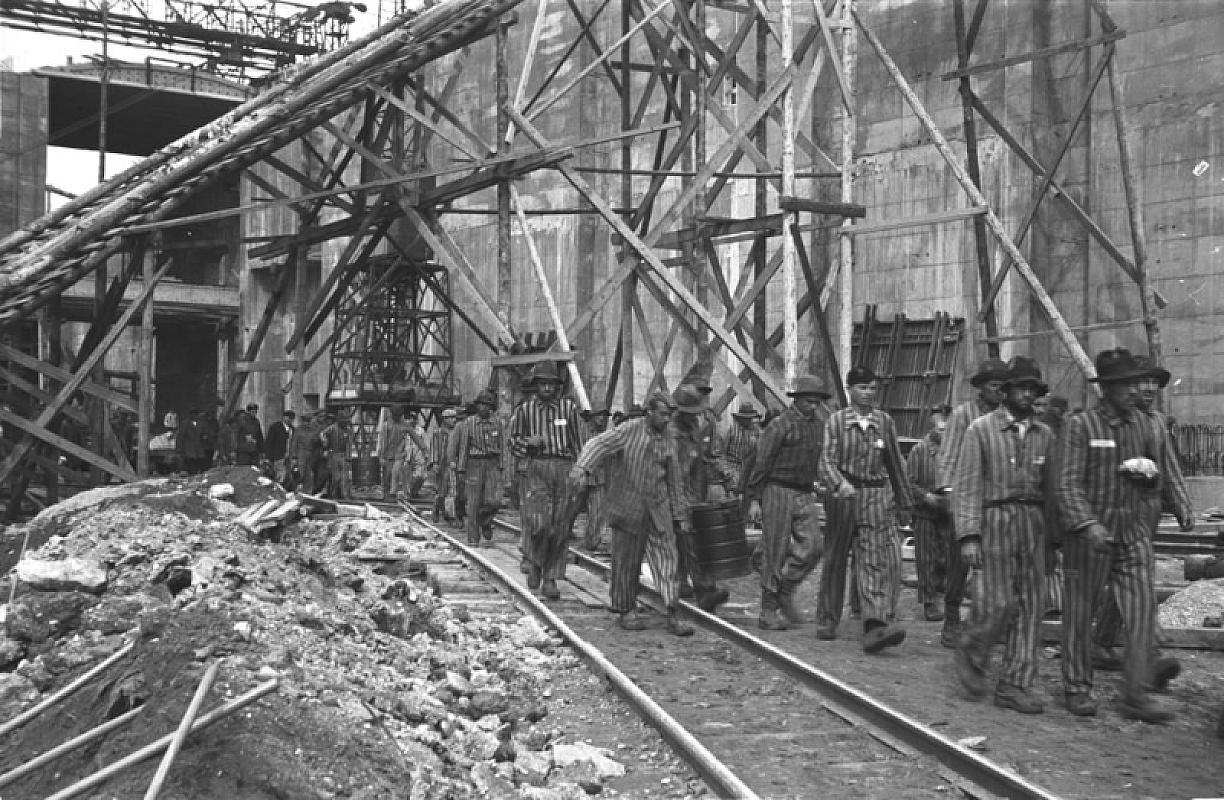
In 1943/44, there was a satellite camp of the Vaivara concentration camp in Klooga, on the northern coast of Estonia, which mainly produced for the Germany navy. Over 2,200 men and women, most of them Jews, were held here. As the Red Army was advancing, German and Estonian SS units carried out a mass shooting on September 19, 1944. The victims were forced to lie down on a stack of logs. The SS didn't have time to set fire to the layered corpses, so that they were discovered by the Soviets when they arrived. According to estimates, about 2,000 people were murdered that day. Only about 100 prisoners managed to hide in time before the shooting.
Victims
In 1943/1944, over 2,000 Jews, but also political prisoners, homosexuals and Soviet prisoners of war died a violent death at Klooga.
Following intense political pressure and threats of violence, in June 1940 the Red Army occupied Estonia - which had enjoyed independence since 1918 - along with Latvia and Lithuania. The occupation was a result of the so-called Hitler-Stalin (or Molotov-Ribbentrop) Pact, a secret agreement concluded between Nazi Germany and the Stalinist Soviet Union in 1939 which established the »spheres of interest« of both countries in Eastern Europe. Subsequent to the annexation of Estonia and its incorporation into the union of Soviet republics, in 1940-41 the Soviet secret service (NKVD) deported around 11,000 Estonians to Siberia, including 500 Jews. When the German Wehrmacht invaded the Soviet Union in summer 1941 they also conquered Estonia, where the majority of the population welcomed them as liberators. Around 3,000 Estonian Jews had managed to escape to the Soviet heartland. By the end of 1941, members of SS Einsatzgruppe A (mobile killing unit) and Estonian auxiliaries had shot the approximately one thousand Jews remaining. The SS subsequently declared the country to be »free of Jews«. In autumn 1942, Estonian police shot around 1,800 Jews from the Theresienstadt ghetto, Frankfurt and Berlin in the sand dunes of the Kalevi-Liiva beach on the Baltic Sea.
Estonia lost a third of its population of a little over one million during the Second World War. After the Red Army had regained the country in autumn 1944, Estonia again became part of the Soviet Union. There followed a renewed wave of deportations and state terror. Moreover, after 1945 there was a policy of moving non-Estonians – in particular Russians – into the country. These individuals were to make up around a third of the population of 1.3 million by the end of the 1980s. Today there is still conflict between Estonian and Russian memories in the country, which is one of the strongest supporters of EU and NATO integration. The Estonian Soviet Socialist Republic commemorated the 9 May as the »Day of Liberation from Hitlerite Fascism and of Victory in the Great Patriotic War« and built a large number of monuments to honour the »glorious« Red Army. Yet for many Estonians these monuments are above all a reminder of the decades of Soviet occupation. Former concentration camps such as Klooga or Vaivara served as memorials to the victims of the German occupation and at the same time were used to justify the Soviet regime.
After Estonia regained independence in 1991, there were numerous disputes between Estonians and Russians regarding remembrance. In February 2007, the Parliament voted by 46 to 44 to remove all monuments honouring the Red Army. The removal of a Soviet memorial (»bronze soldier«) from the centre of the capital Tallinn to a military cemetery in May 2007 provoked violent protests from the Russian minority, who received support from Moscow. Following the full-scale Russian attack on Ukraine, the bronze soldier was damaged. There are repeated and long-lasting disputes concerning veterans’ meetings and ceremonies honouring Estonians who fought on the side of the Germans as SS volunteers during the Second World War. In view of these circumstances, an American organisation has assumed the task of laying memorial stones for Jewish victims.
Remembrance
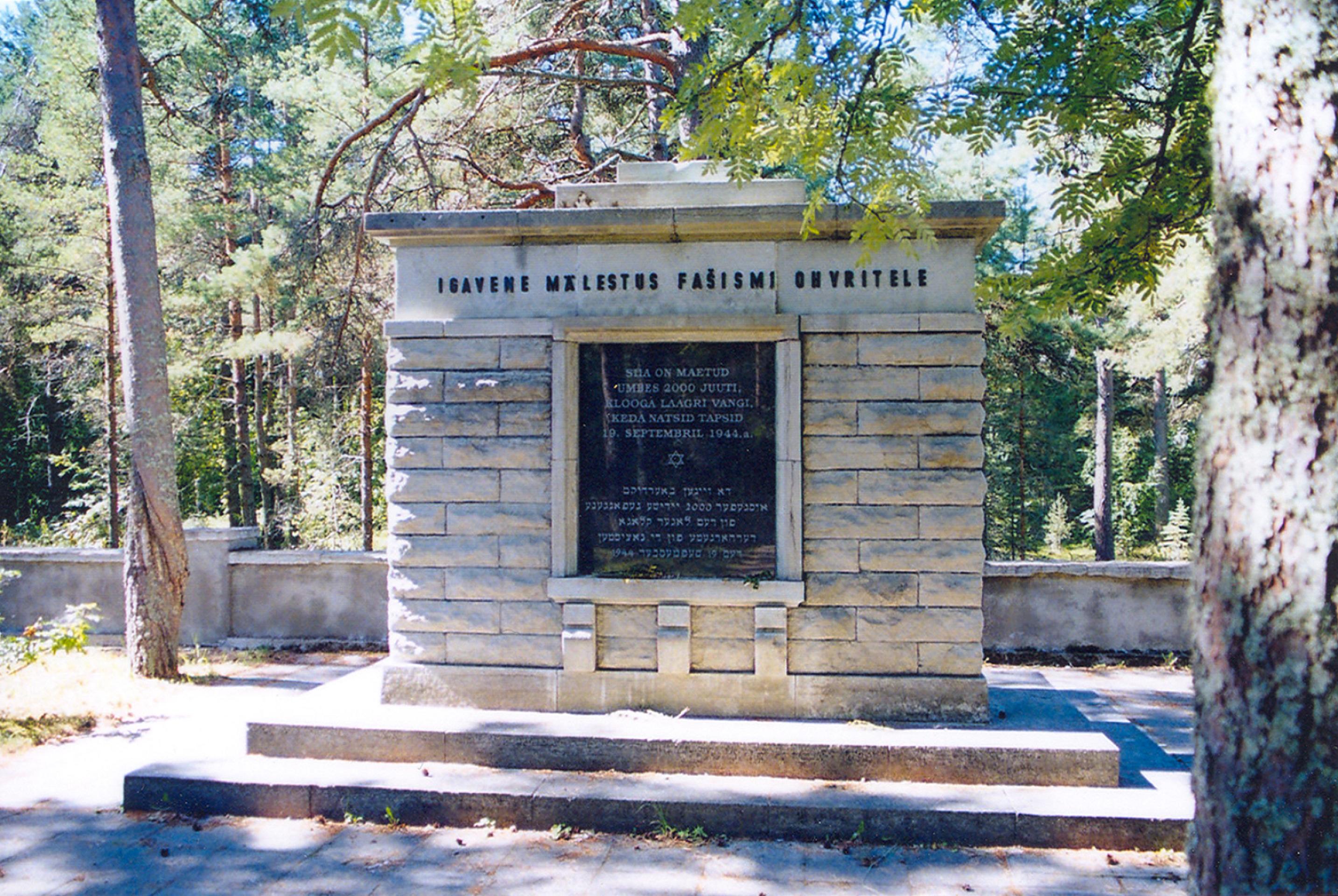
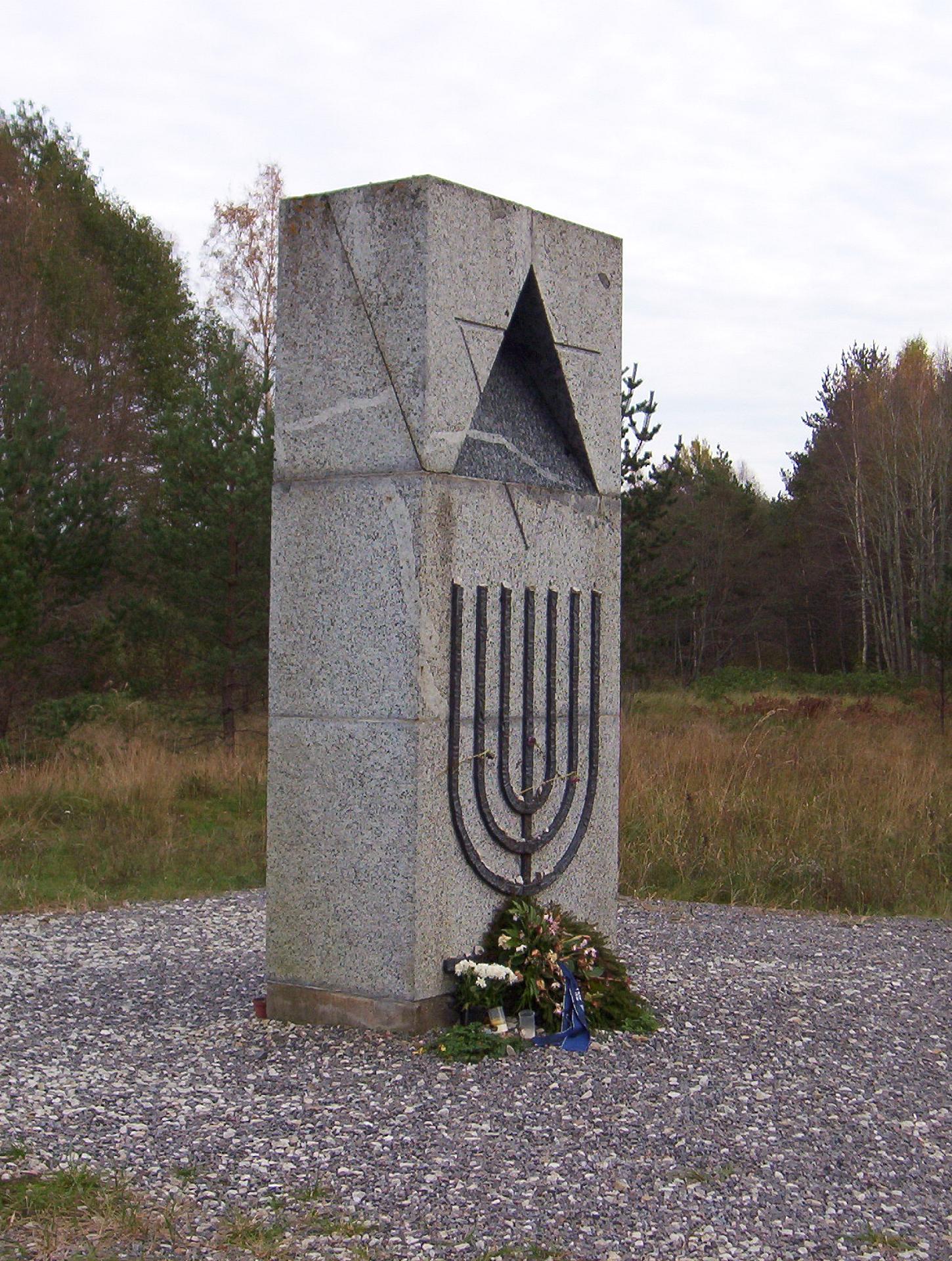
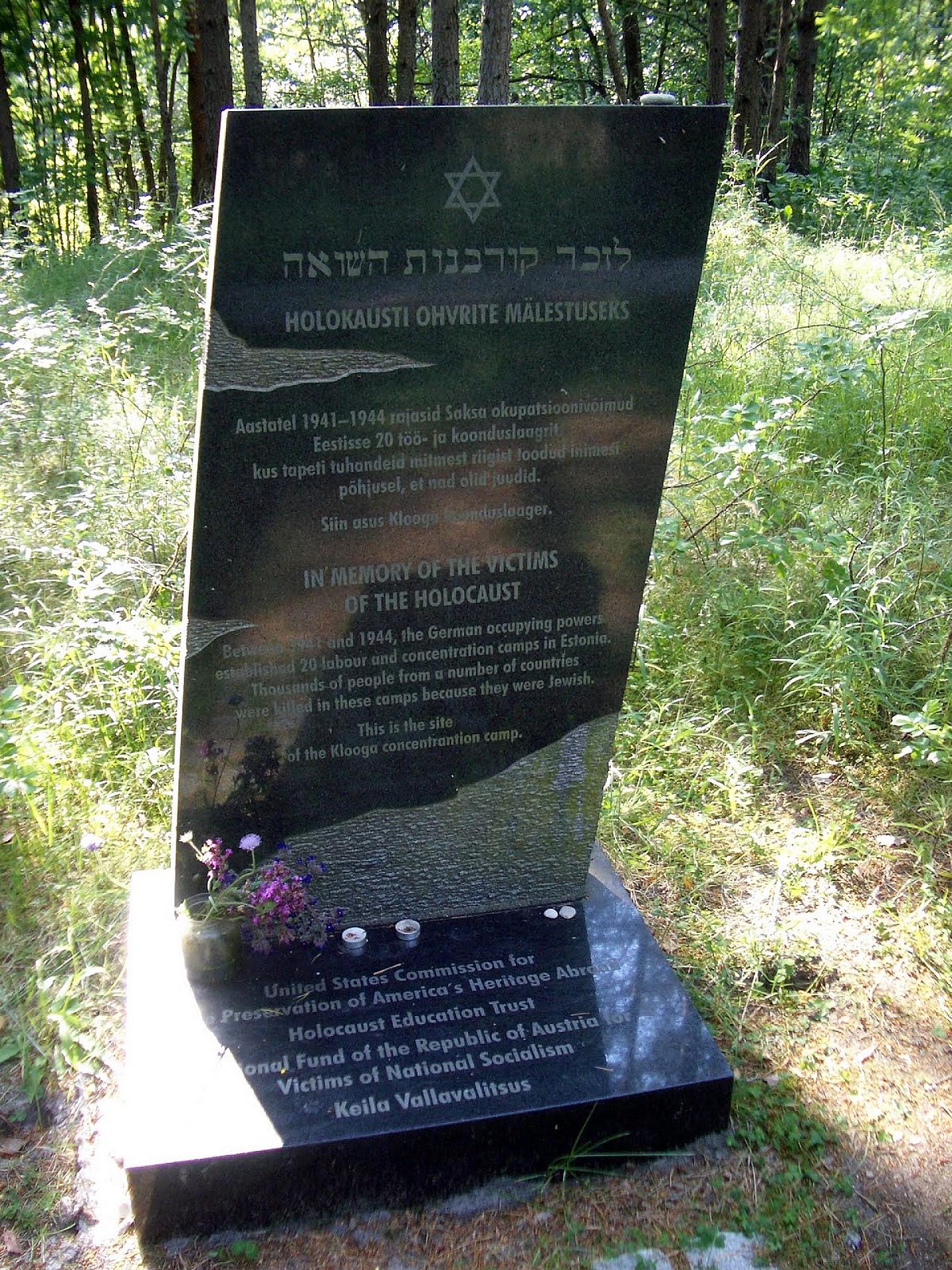
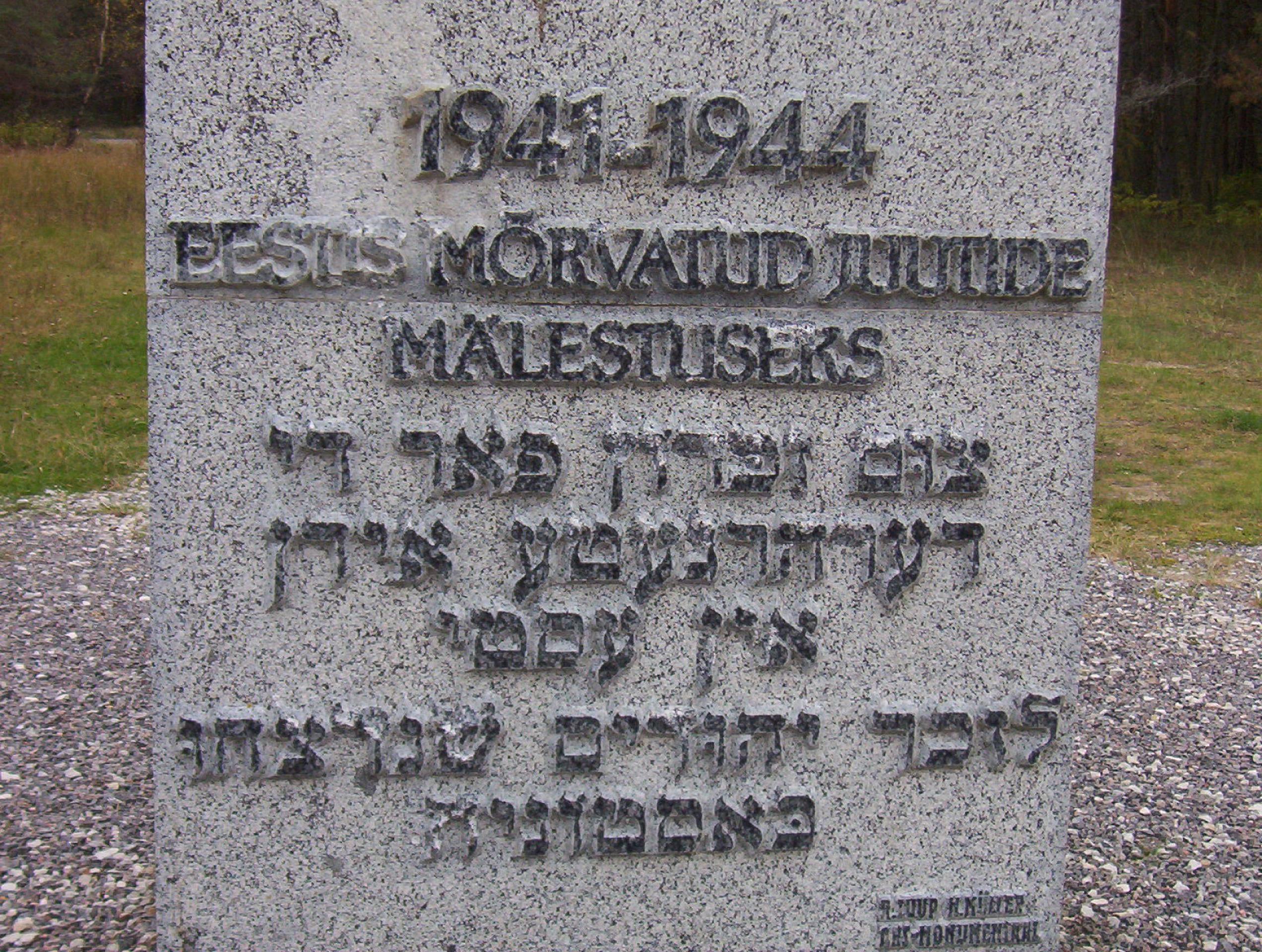
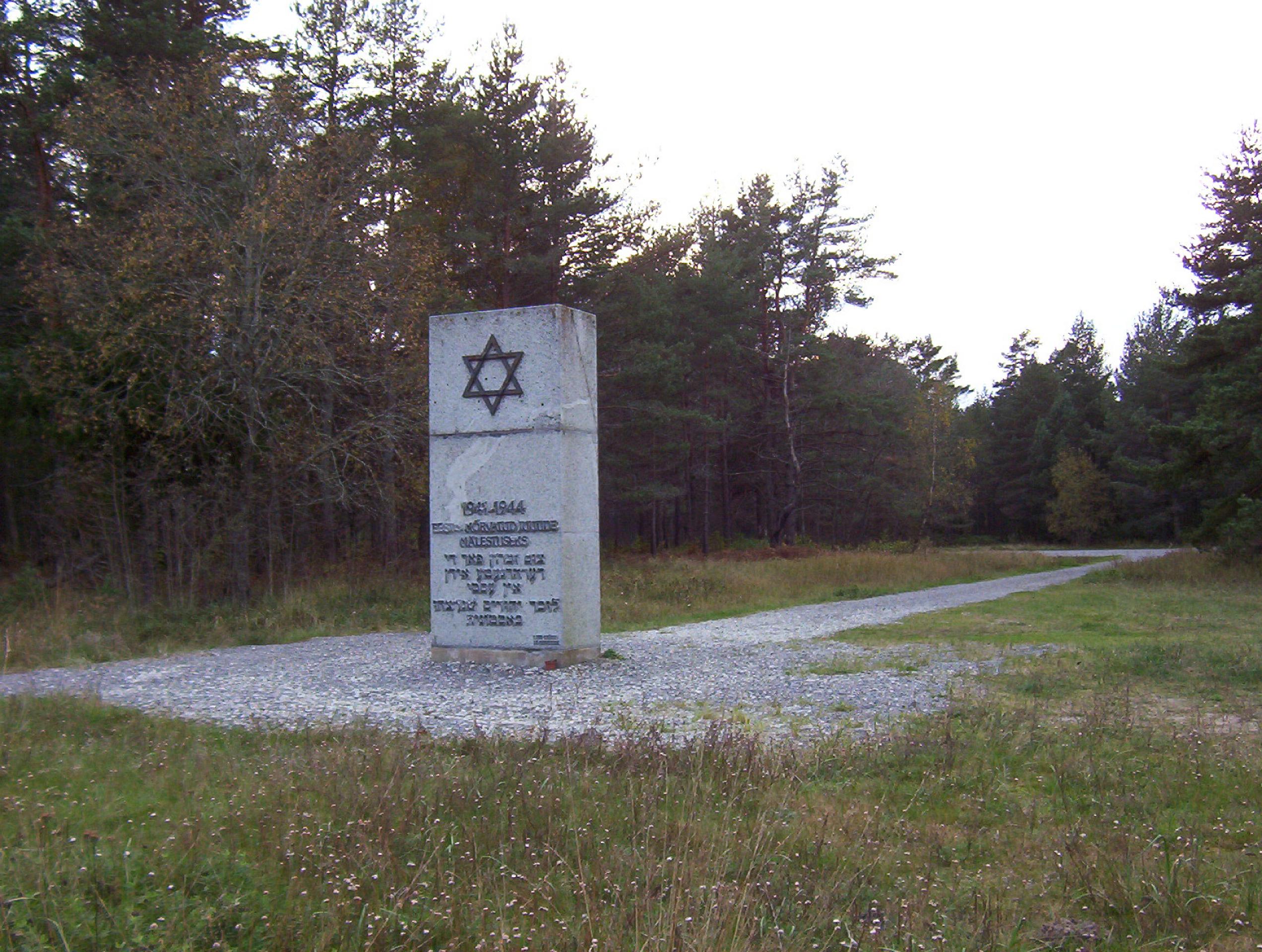
Already in 1951, the local Soviet authorities erected a memorial to the »victims of fascism«. On September 1, 1994, three years after Estonia had regained its independence, a further monument was set up on the initiative of the Jewish community which specifically stated that the victims had been Jews. The speakers of the Estonian and Israeli parliaments as well as survivors and victims' relatives took part in the dedication ceremony.
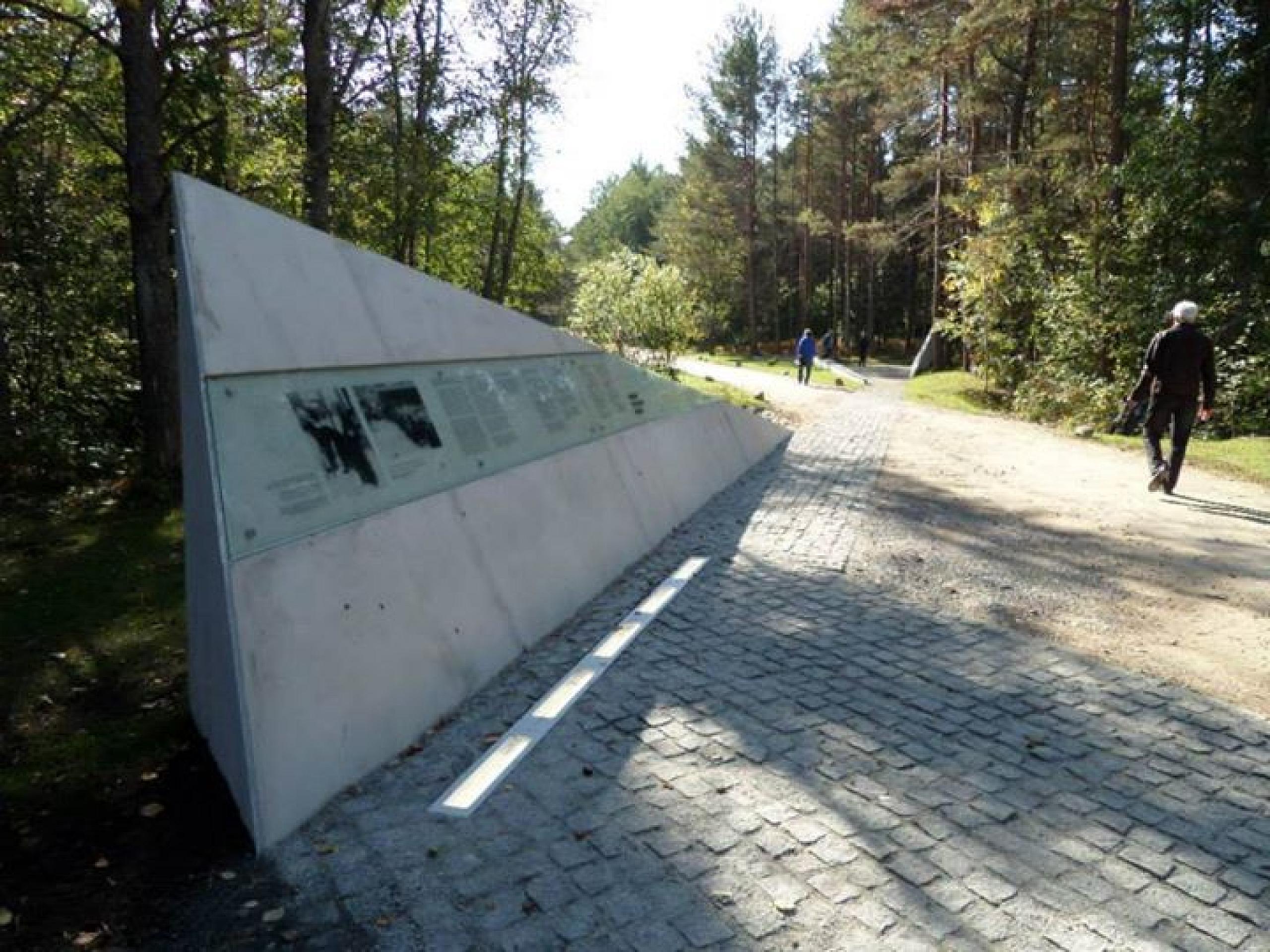
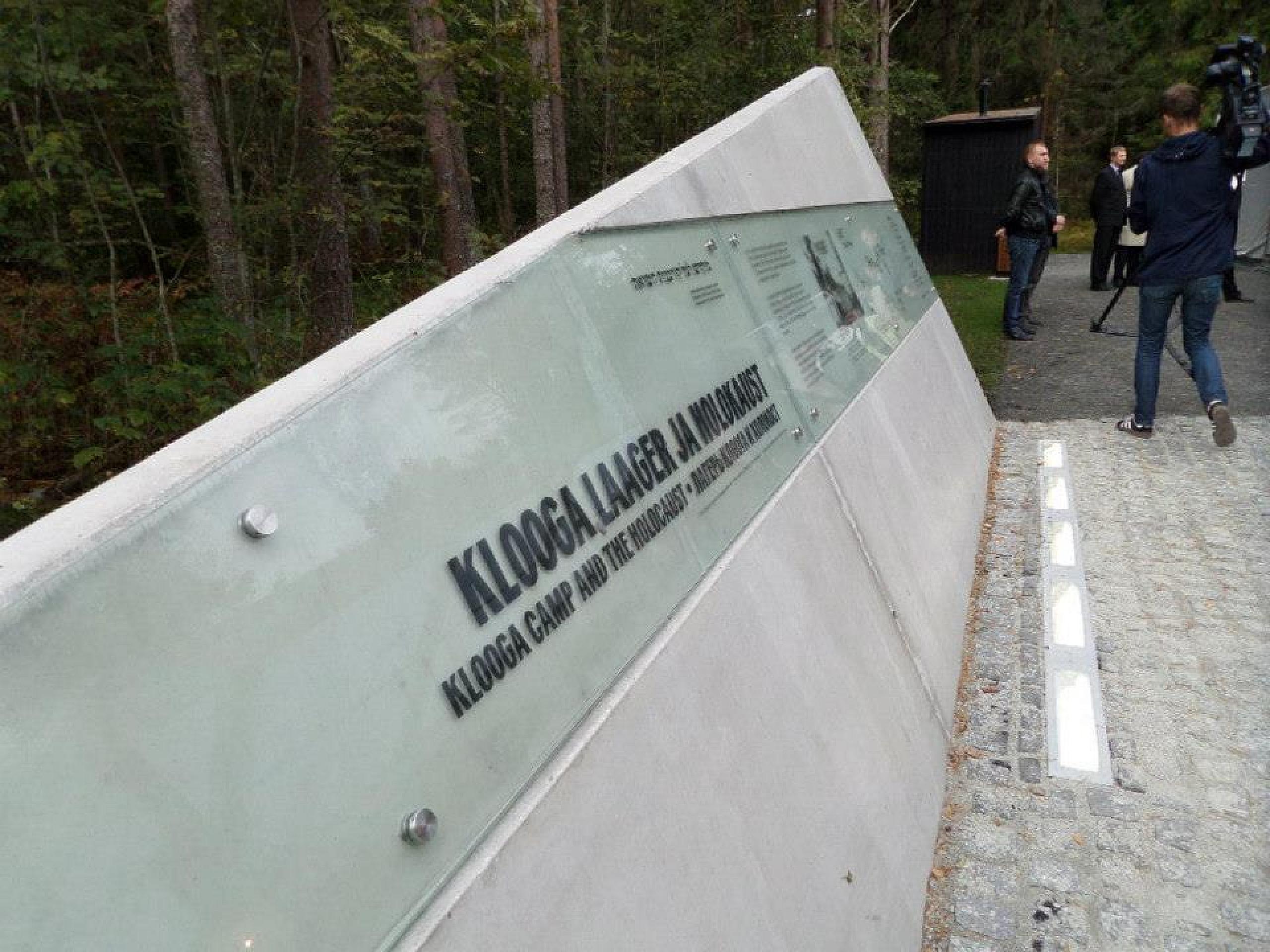
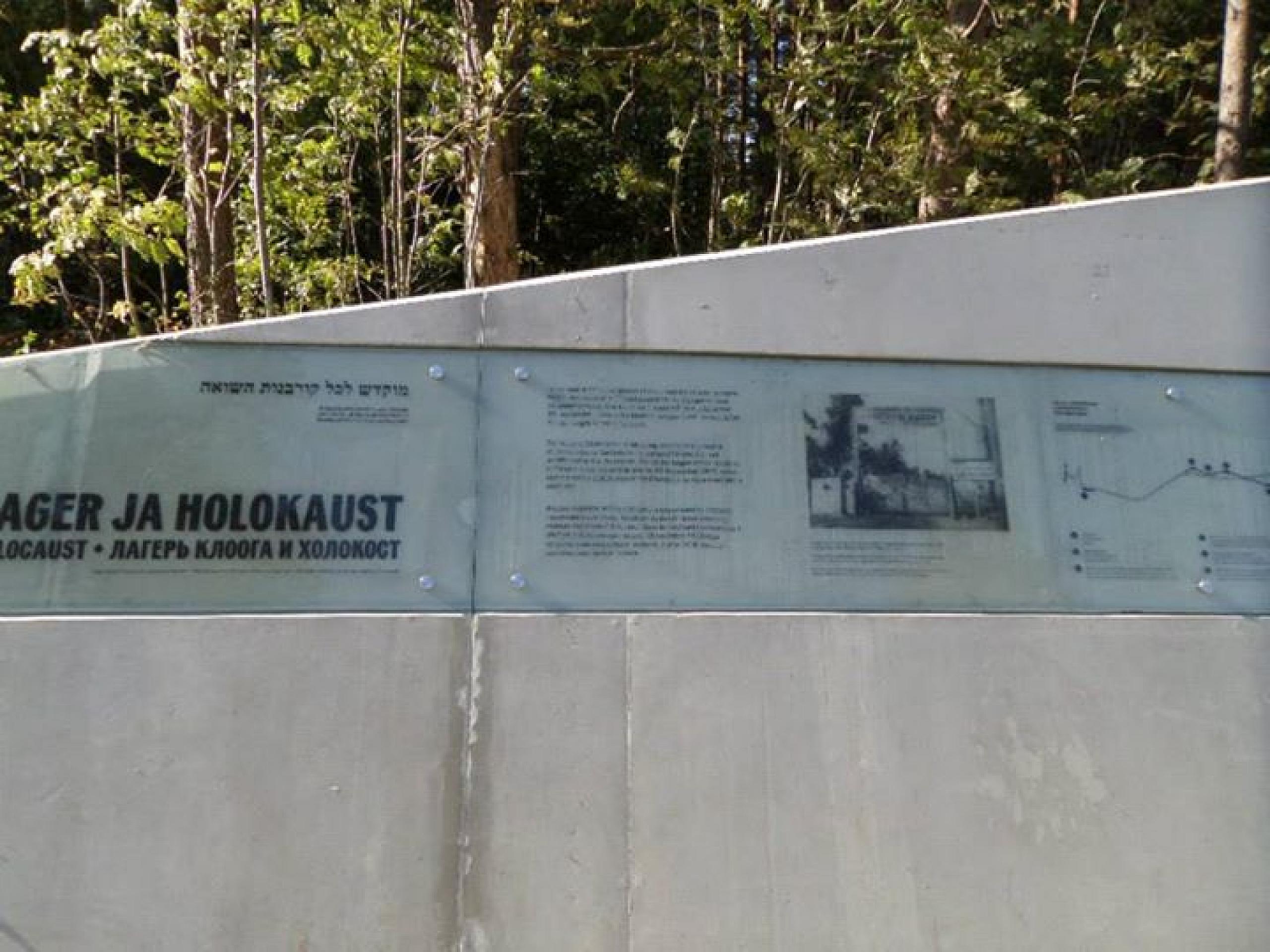
On July 24, 2005, Estonian president Arnold Rüütel and Israeli ambassador to Estonia, Shemi Zur, dedicated a monument made of marble. Earlier that year, in May, Estonian prime minister Andrus Ansip had apologised on-site for the fact that Estonian citizens had participated in the Holocaust. In September 2013, a new open-air exhibition was inaugurated, explaining the historical background in Estonian, English and Russian.
Commemorative ceremonies are held annually on January 27, Holocaust Remembrance Day, and on September 19, the anniversary of the 1944 mass murder.