»Krzyżowa« Foundation for Mutual Understanding in Europe
Fundacja »Krzyżowa« dla Porozumienia Europejskiego
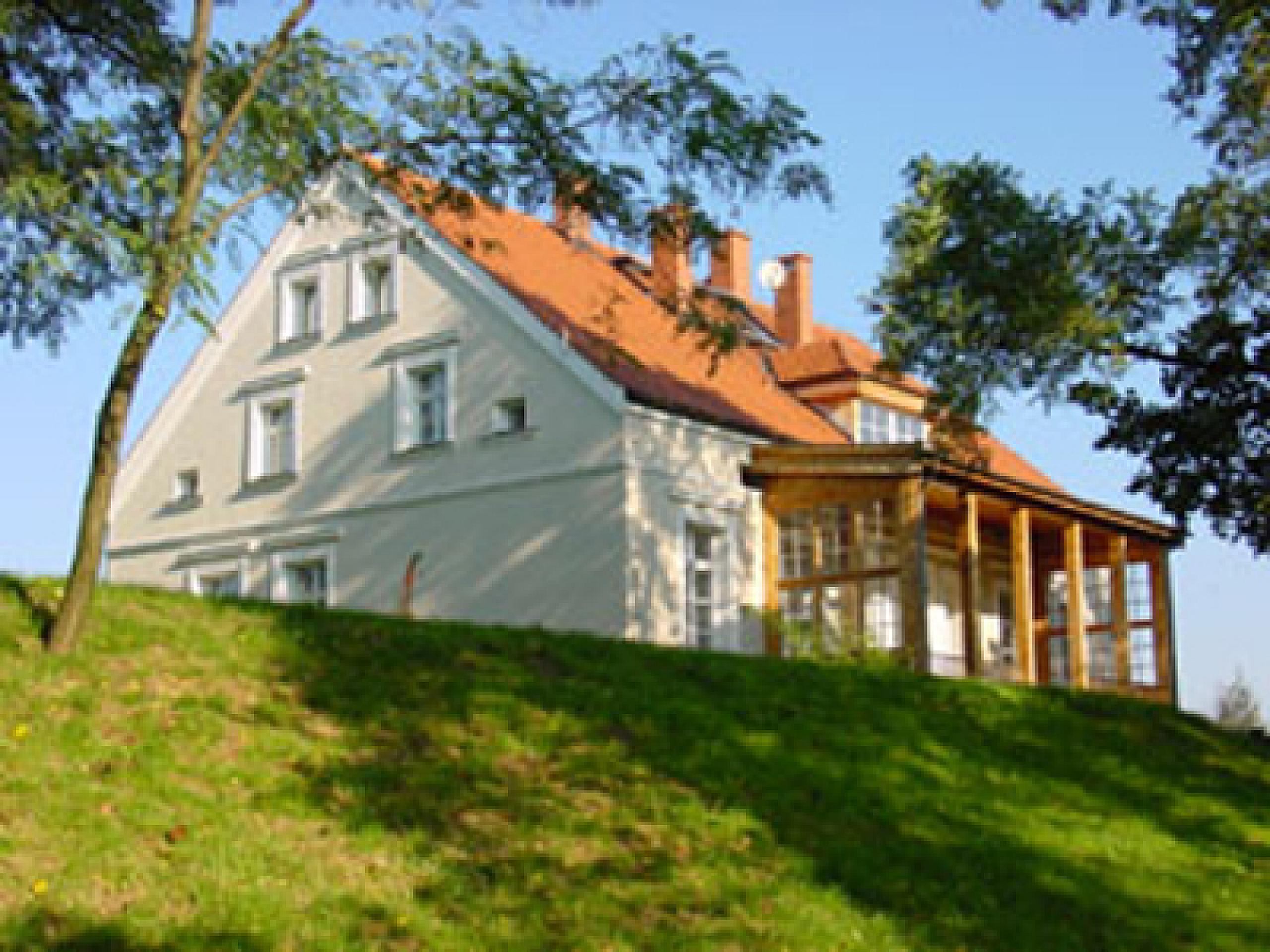
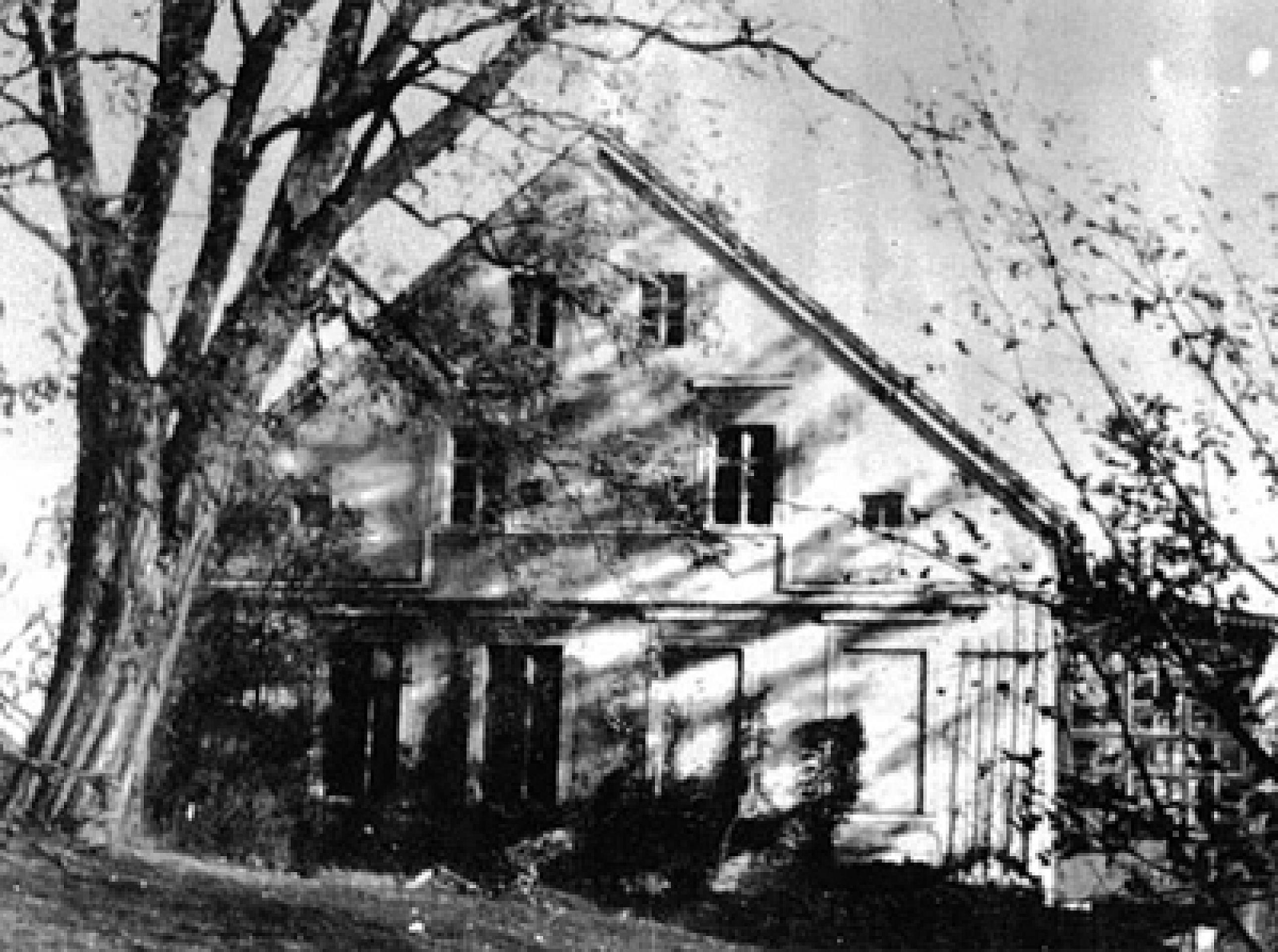
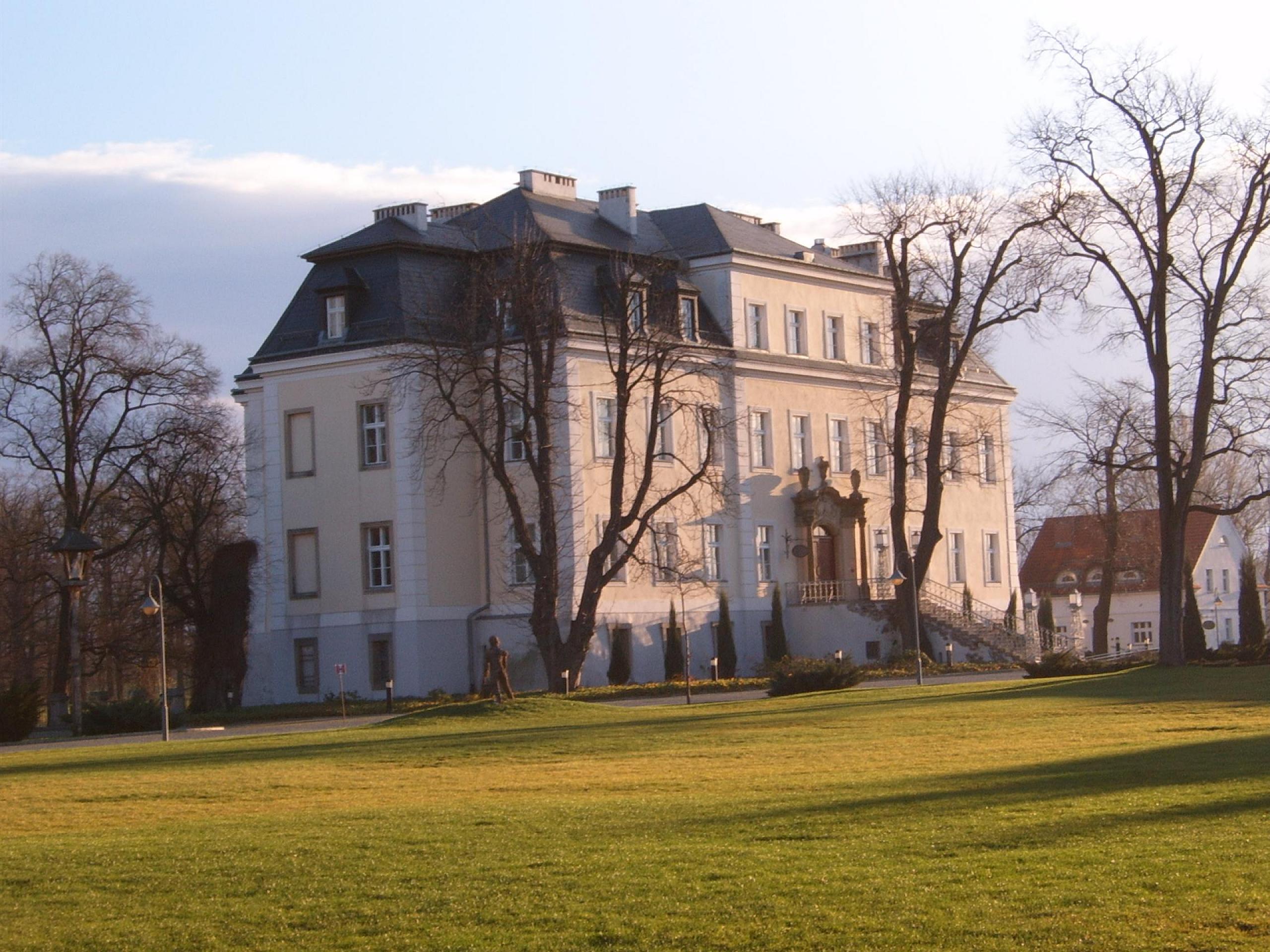
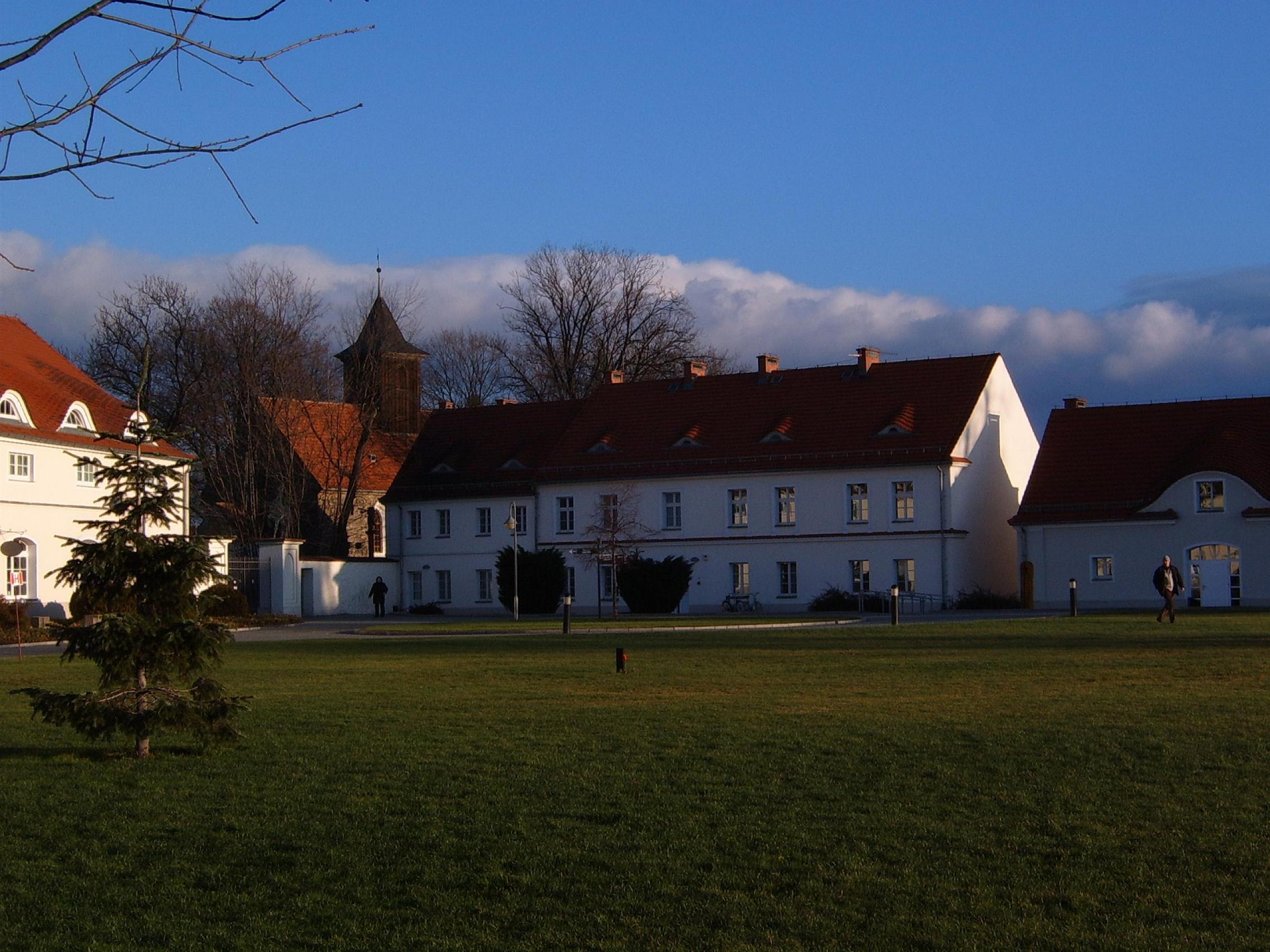
During World War II, a group of opponents of the National Socialist regime regularly met on the estate of Helmuth James von Moltke in Lower Silesian Kreisau (today: Krzyżowa), a village about 60 kilometres south-west of Breslau (today: Wrocław). They developed a concept for the reconstruction of Germany after the much hoped for collapse of the regime. The group came to be known as the »Kreisauer Kreis« – the Kreisau Circle – after their discovery by the Gestapo, and the group's leading figures were executed. In 1998, an international meeting and seminar centre was established on the estate, which had for many years stood derelict.
History
There was a broad spectrum of resistance movements against the National Socialist regime in Germany, yet at no point was there a large, united resistance. Men and women of all social backgrounds and various political views were active in the resistance, as individuals or in groups, yet they rarely stood in contact with one another.
In January 1940, Helmuth James von Moltke and Peter Yorck von Wartenburg began discussing a new form of government for the post-war period. They were convinced that the National Socialist dictatorship would sooner or later collapse. Both had previously been in touch with opponents of the regime. From 1941 on, the political discussions intensified: about 40 people, friends of Moltke and Yorck, began meeting in various constellations and various places. The participants came from different political and social backgrounds. In May and October 1942, and in the spring of 1943, a total of three big meetings took place in Kreisau under the guise of countryside excursions. The members created several versions of a theoretical concept for a renewal of the German state based on Christian and humanist values.
Though the group was in touch with the resistance within the Wehrmacht, Moltke and others were against putting an end to the National Socialist regime by assassinating Adolf Hitler. The circle collapsed almost entirely after Moltke was arrested by the Gestapo in January 1944 in a matter unrelated to the resistance group. Some members decided to join the military resistance centred around Claus Schenk Graf von Stauffenberg. When Stauffenberg's plot to assassinate Hitler and carry out a military coup d'etat failed on July 20, 1944, the Gestapo interrogated all those who had been in on the conspiracy and for the first time learned about the existence of the »Kreisauer Kreis«. Leading members of the circle were arrested and executed.
Victims
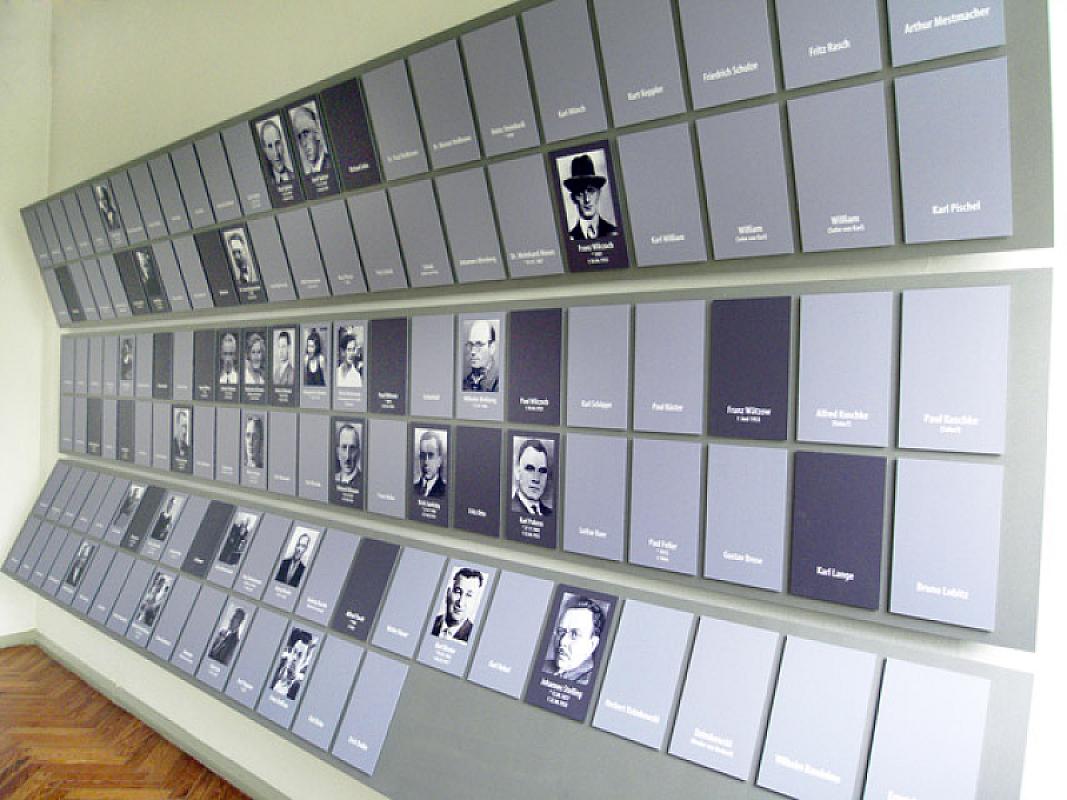
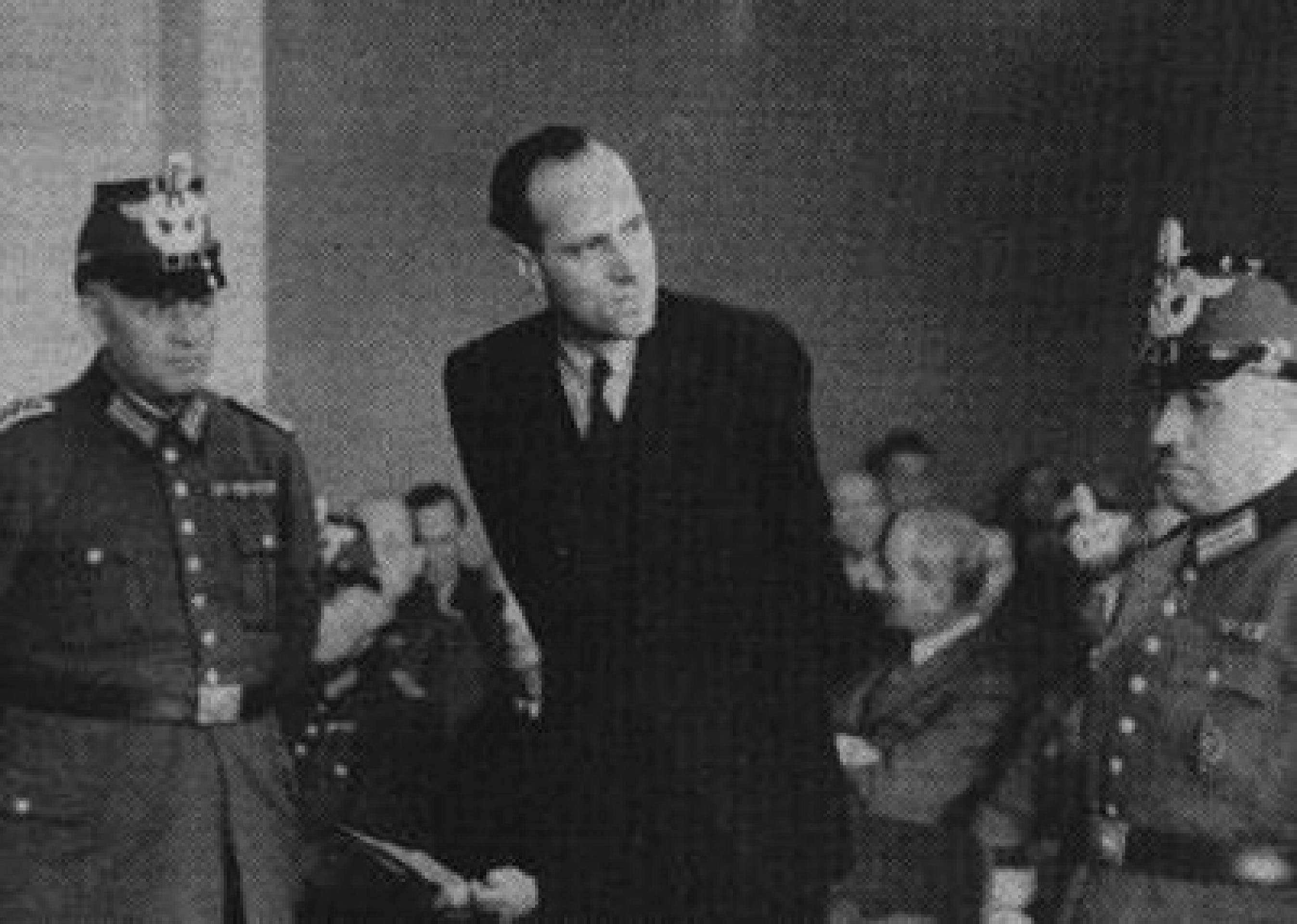
When the attempt on Adolf Hitler's life failed on July 20, 1944, 200 of the conspirators were executed or driven into suicide, including 8 members of the »Kreisauer Kreis«. They were hanged between August 1944 and February 1945 in Berlin's Plötzensee prison: Peter Yorck von Wartenburg, Hans Bernd von Haeften, Adam von Trott zu Solz, Adolf Reichwein, Julius Leber, Helmuth James von Moltke, Theodor Haubach and Alfred Delp.
Remembrance
The Allies decided to shift Poland's borders westwards following the Second World War. Kreisau became part of Poland and was renamed Krzyżowa; the estate was henceforth used for agricultural purposes. No reference was made to the site's history – German, particularly non-communist, resistance did not fit into the historical discourse of the communist regime in Poland.
The idea for establishing a meeting and memorial site in honour of European resistance movements came about at a conference of a Catholic laity association held in Wrocław at the beginning of June, 1989. The conference participants came from Poland, East Germany and West Germany, the Netherlands and the US. That same month, elections were held in Poland, which led to the appointment of the first non-communist head of government, Tadeusz Mazowiecki. On November 12, three days after the fall of the Berlin wall, Mazowiecki welcomed German chancellor Helmut Kohl at the former Kreisau estate for a joint reconciliatory mass. Both governments expressed their support for creating a meeting place, and in July 1990, the »Krzyżowa« Foundation for Mutual Understanding in Europe (Polish: Fundacja »Krzyżowa« dla Porozumienia Europejskiego) was established. Freya von Moltke, Moltke's wife who herself was an active member of the resistance circle, was involved in creating the foundation. In the years that followed, the foundation had the derelict estate renovated. The meeting centre was opened in 1998. Each year, about 5,000 visitors – mostly young people – take part in various events organised at the estate. Most of the events are connected to historical and political education. The memorial site displays a permanent exhibition entitled: »Living in the Truth. From the History of Resistance and Opposition in the 20th Century«.
Possibilities
Permanent exhibition on the history of resistance and opposition to dictatorships in the 20th century, memorial hall, library, media library, academy, seminars lasting several days, international youth meetings
Contact
mdsm@krzyzowa.org.pl
+48 74 85 00 300
Krzyżowa 7
58-112 Krzyżowa