Skip to content

»Laura« Memorial

Gedenkstätte »Laura«


Prisoners of the Buchenwald concentration camp had to construct the »Vorwerk Mitte«, a production site for V-2 rockets, in an underground slate mine in the Thuringian town of Schmiedebach. The strenuous forced labour and atrocious conditions at the »Laura« satellite camp led to a high death rate among the prisoners. Since 1979, a memorial has commemorated their fate.

History

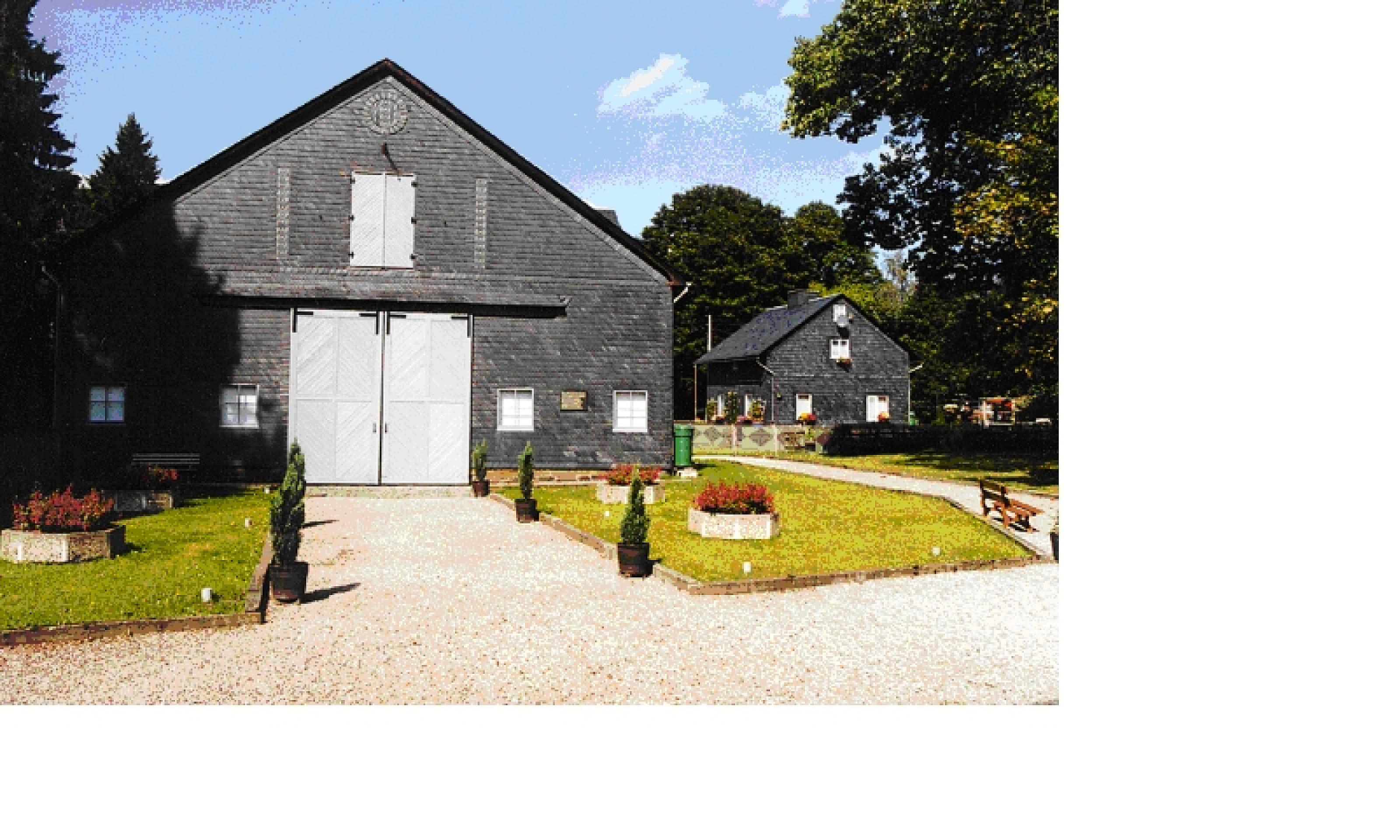
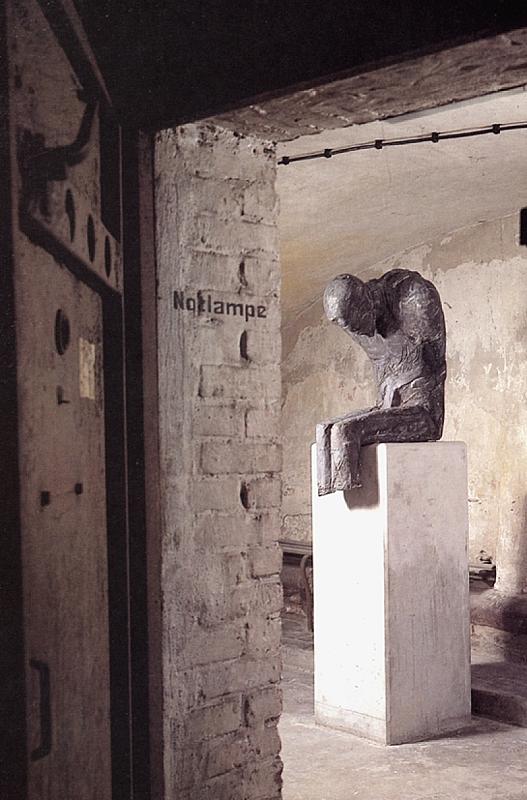
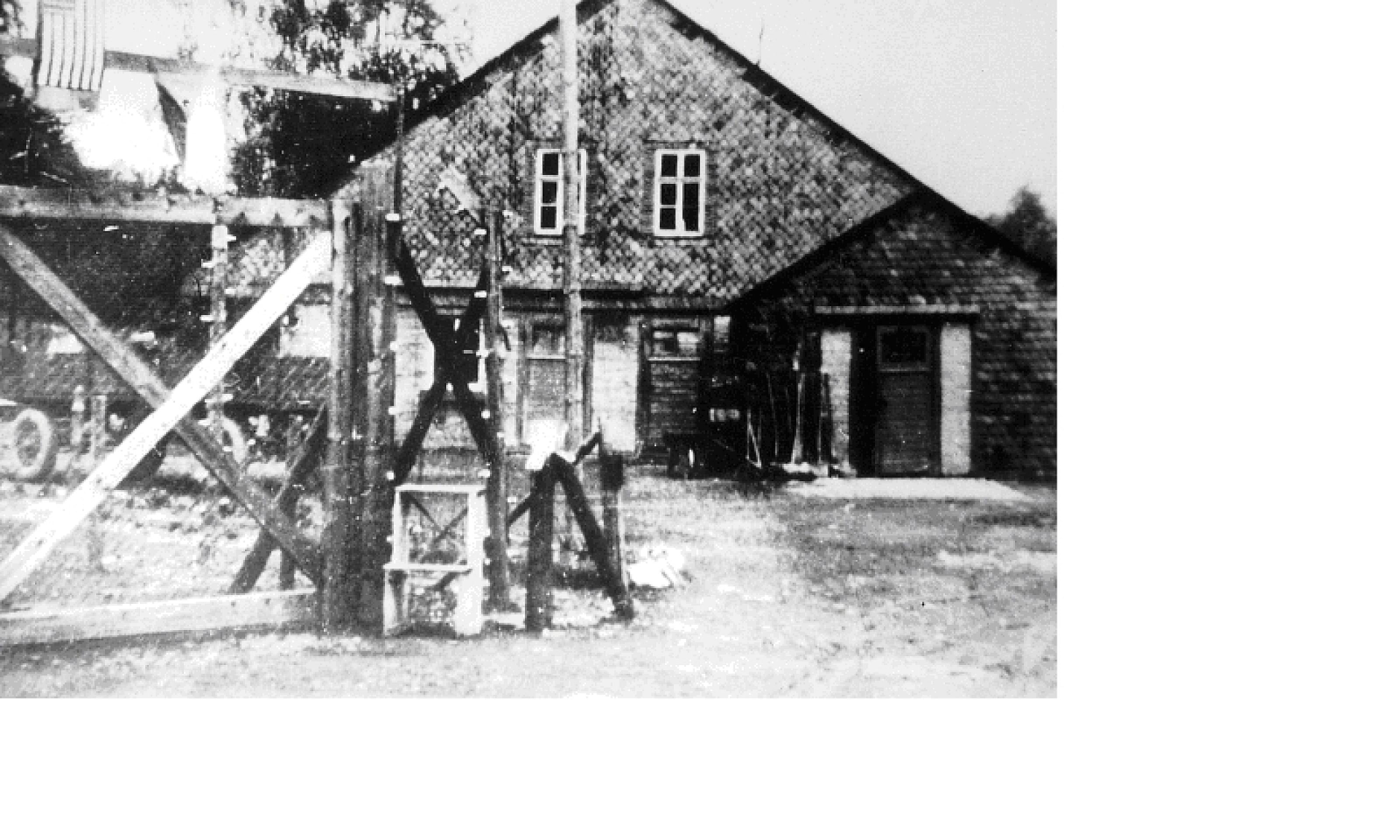
In August 1943, the British air force attacked the V-2 rocket production site in Peenemünde. As a consequence, the National Socialist leadership decided to decentralise the production of V-2 rockets and move it below ground. Several underground production sites were established in Central Germany. Part of the production was moved to a slate mine in Schmiedebach. The mine was confiscated by the SS and shortly afterwards, an underground V-2 production and storage site was set up, and later extended to include a test site for V-2 rocket engines. The SS deployed prisoners of the Buchenwald concentration camp: they had to extend the slate mine and construct the »Vorwerk Mitte« production site. The forced labourers had to dig tunnels at a depth of about 250 metres, lay tracks and conduct concrete and excavation work. After the »Vorwerk Mitte« was completed, they also had to work there. The SS ordered the establishment of the »Laura« satellite camp for the prisoners on a former farm estate. A large barn was converted to the main accommodation block. Due to the regularly incoming transports from Buchenwald, the camp was completely overcrowded by the end of 1943, housing a total of about 1,200 prisoners. At the time, up to 600 men were crowded into the barn. After a few weeks, most of them were too ill or too weak to work due to the physically strenuous work and the harsh living conditions.
Victims

Most of the over 2,500 concentration camp prisoners who had to perform forced labour at the »Vorwerk Mitte« came from France, Belgium, the Soviet Union and Poland; there were also about 170 Italian military internees incarcerated there. In the final phase of the war, »Laura« served as a collection camp for approximately 200 Polish Jews. Over 500 prisoners died in the satellite camp and at the arms production site close to Schmiedebach. Alone 450 of them died of the dreadful conditions between the winter of 1943/1944 and March 1944. It is not known how many of the 550 prisoners who were transferred to Mittelbau-Dora and Bergen-Belsen died.

The entry to power of the National Socialists in 1933 heralded the state persecution of opponents of the regime, Jews, Roma – who were classed as »gypsies« -, the sick and many other groups. For the first time, anti-semitism became part of the government policy of a modern state and the persecution of all groups was progressively heightened. The process was characterised by the interplay between state regulation, violence from supporters of the regime and rabble-rousing propaganda from the press. The acts of terror against the Jews in November 1938 (»The Night of the Broken Glass«), culminating in around one hundred deaths, marked the prelude to the complete exclusion and murder of the Jewish minority. With the outbreak of the Second World War in September 1939, large parts of Europe fell under German control. In Eastern Europe in particular a multi-tiered system of camps and extermination sites was established, in which the SS murdered up to six million Jews, among them around 165,000 German Jews. It is estimated that around seven million Germans lost their lives in the war, including almost 3.5 million civilians. Around 28 million residents of the occupied Soviet Union (both soldiers and civilians) and three million non-Jewish Poles met a violent death. These groups are still barely commemorated in Germany. Germany came under Allied occupation in 1945 and 1949 saw the foundation of the German Democratic Republic (GDR) and the Federal Republic of Germany (FRG), who had very different cultures of remembrance. The GDR profiled itself as an »antifascist« state. The former concentration camps at Buchenwald, Ravensbrück and Sachsenhausen became »National Memorials« and primarily documented the communist resistance during the war. In the Federal Republic, the dominant memory was initially of the victims of Allied bombing raids and those who had fled or been expelled from their homes in the former territory of the Third Reich. It was left to specific groups to remember Nazi persecution, the Holocaust or the resistance. With the exception of the war crimes trials, there was no public discussion of perpetrators or involvement in crimes. However, the situation was to change in the mid-1960s, when the statute of limitations for murder was lifted following a lengthy debate. Also during this period, memorial sites were established at former concentration camps (1965: Dachau and Neuengamme; 1966: Bergen-Belsen) and the German Resistance Memorial Centre was opened in 1968 in West Berlin. However, it was not until the 1980s that a diverse and often small-scale landscape of memory developed as the result of local initiatives. Following German unification in 1990, a national memorial site concept was developed and there was a major review of German sites of memory. The Memorial to the Murdered Jews of Europe in Berlin was inaugurated in 2005. The Topography of Terror, a comprehensive documentation of National Socialist crimes and perpetrators, has opened with a new centre in May 2010; the documentation centre »Flight, Expulsion, Reconciliation« followed suit in 2021. In the meantime, central memorials in Berlin have been erected to commemorate further groups of Nazi victims as well: the murdered Sinti and Roma, the patients murdered in the context of the Nazi’s »Euthanasia« killings and the persecuted homosexuals. The German victims of National Socialist terror in the former Eastern territories of the Third Reich were forgotten by both German states after the end of the war. For decades, memory of these victims was only preserved by West German associations for Germans born in these territories and it mainly excluded the period from 1933 to 1945.

Remembrance

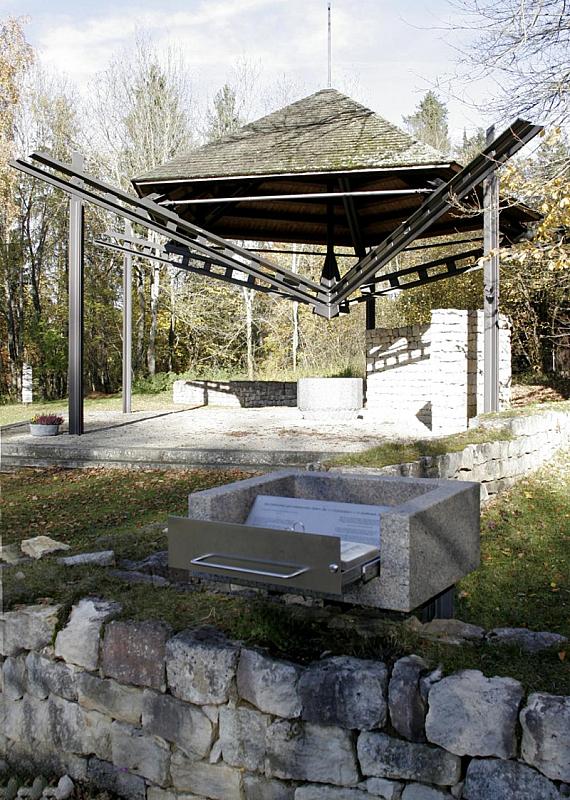
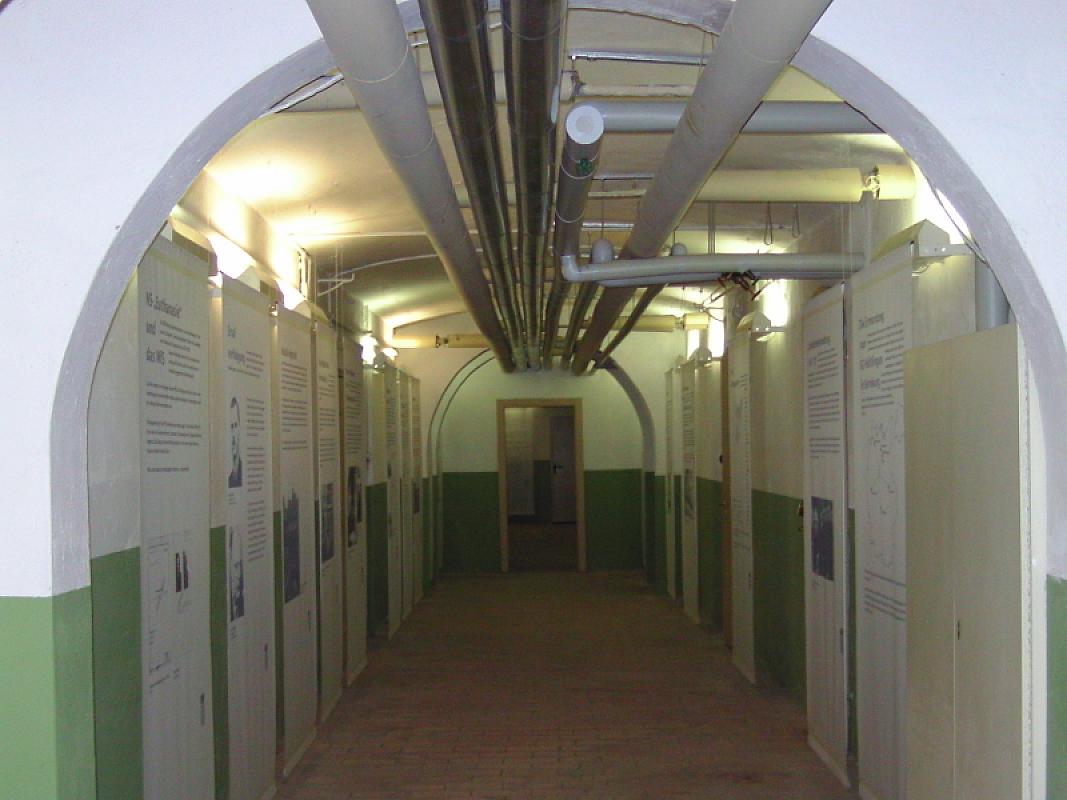
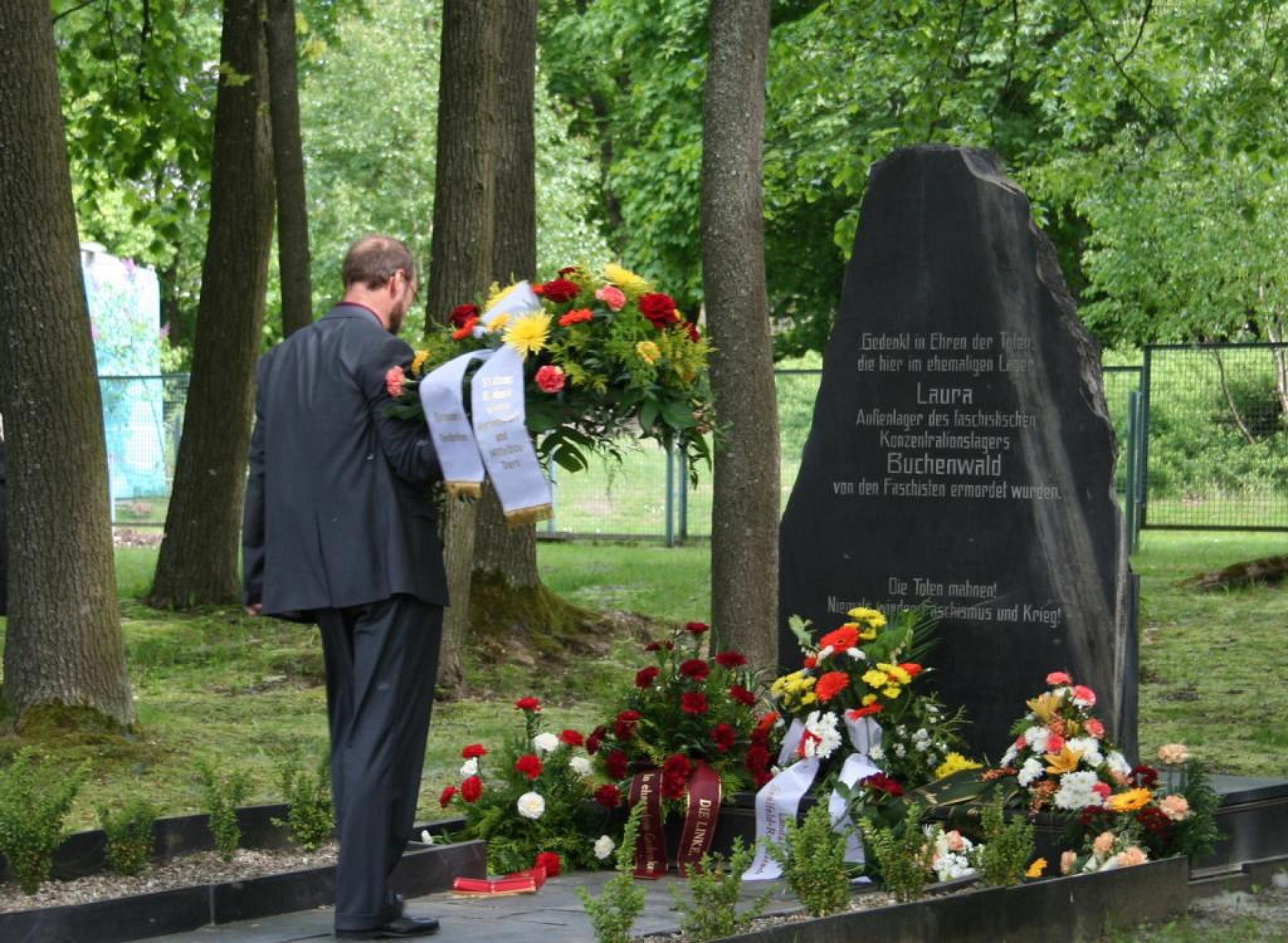
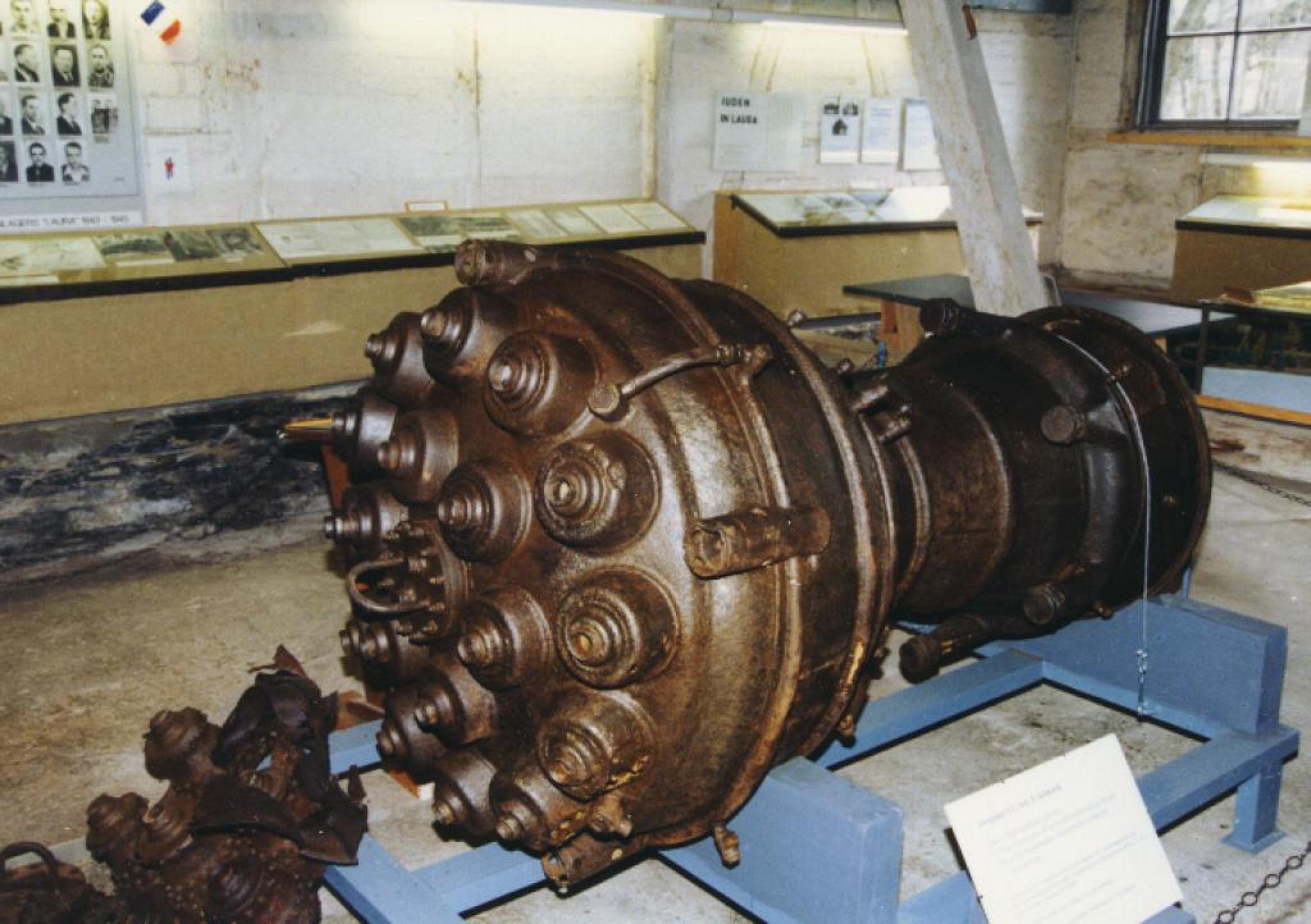
In 1956, a monument was set up on the former camp premises. From 1965 on, a school project group researched the history of the »Laura« satellite camp. In 1979, a collection of documents was created, based on the research results of the school project group; that same year, a memorial was opened. In 1991/1992, the memorial was redesigned and its exhibition revised. The memorial is located in the barn which once served as prisoner living quarters. The remaining barracks and camp buildings were restored and accordingly converted. New artefacts and a restored V-2 rocket engine were put up on display in 1998. In September 2009, in a ceremony yet unprecedented in Germany, an urn containing the remains of a former prisoner were interred on the memorial premises. It had been the wish of Dutchman Herman van Hasselt to be buried in Schmiedebach, where he survived the war as a twenty-year-old forced labourer.
Possibilities

Guided tours, workshops for school groups, lectures, commemorative events

Open

April to October Wednesday to Friday 2 p.m. to 5.30 p.m.,Saturday, Sunday and holidays 10 a.m. to 5.30 p.m.

Contact

http://kz-gedenkstaette-laura.de

info@kz-gedenkstaette-laura.de

+49 (0)36653 26 46 75

Schmiedebach, Fröhliches Tal
07349 Lehesten