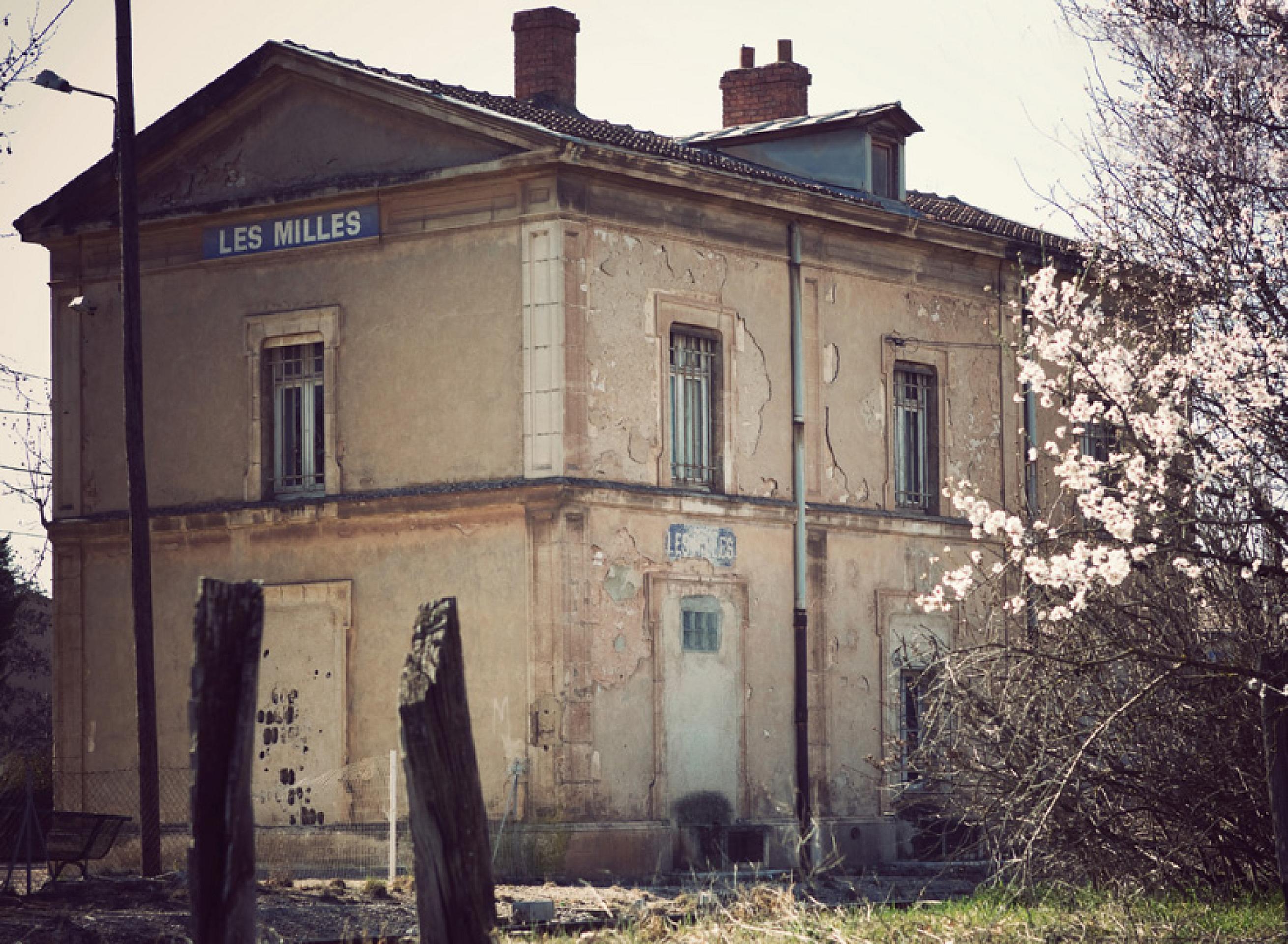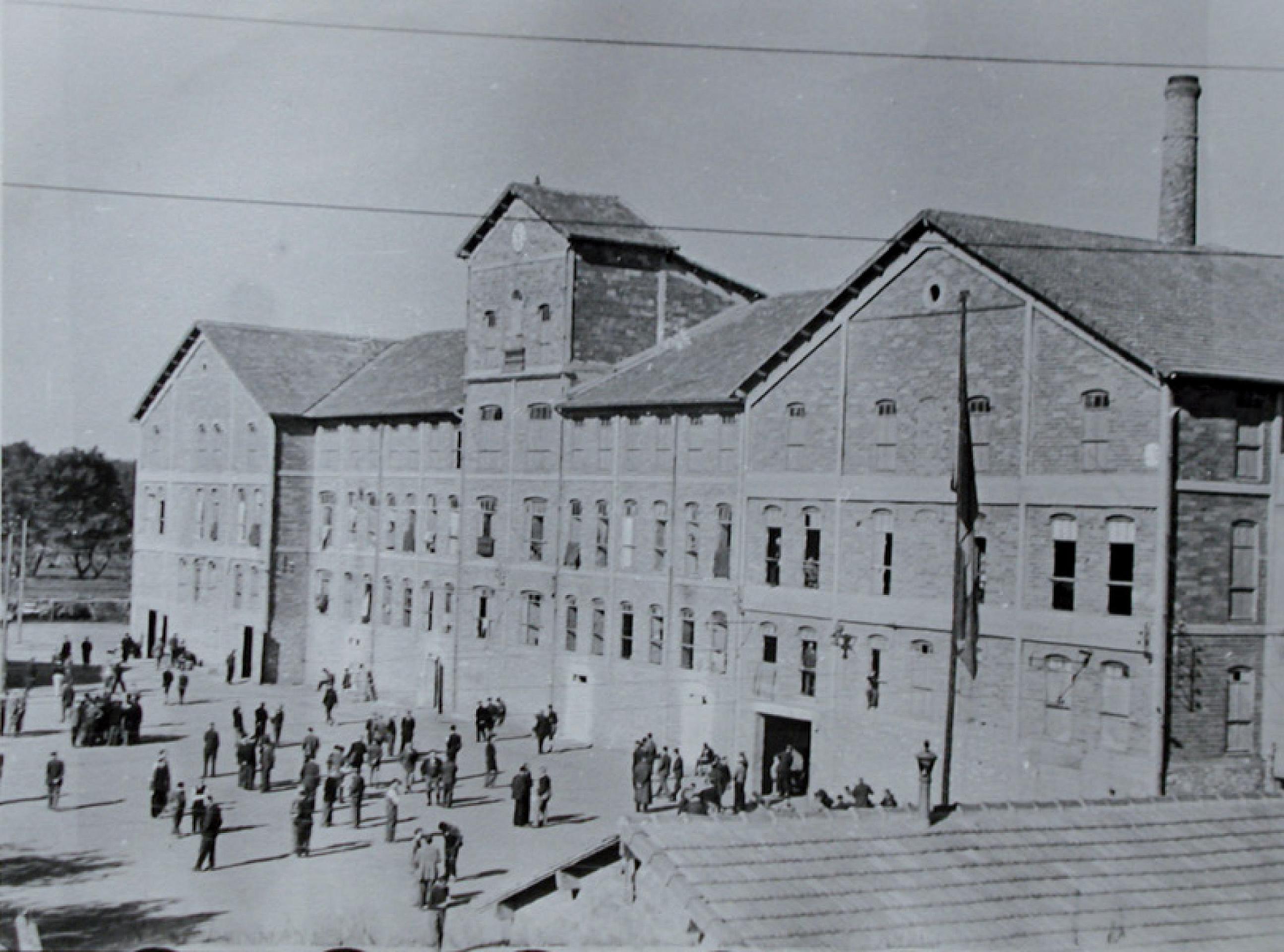
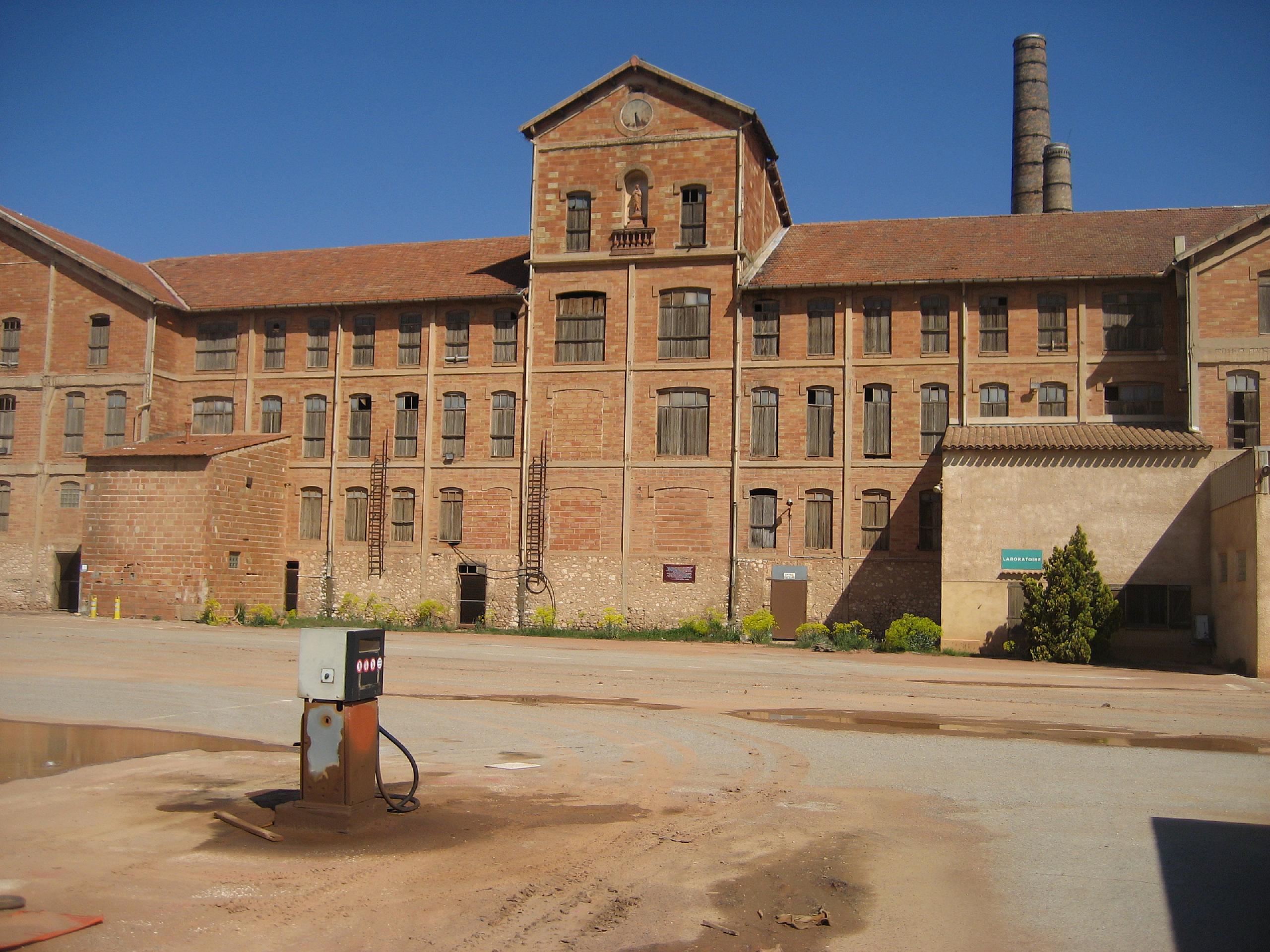
A memorial stone and a small exhibition in Les Milles near Aix-en-Provence commemorate one of the central camps of the Vichy regime in Southern France. The brickyard of Les Milles was initially used as an internment site for »undesirable foreigners«, next it served as a transit camp for refugees before leaving the country, finally it was used as a camp from which Jewish prisoners were deported via Drancy near Paris to the Auschwitz extermination camp. A new and extended memorial was opened on the historic site in 2012.
History
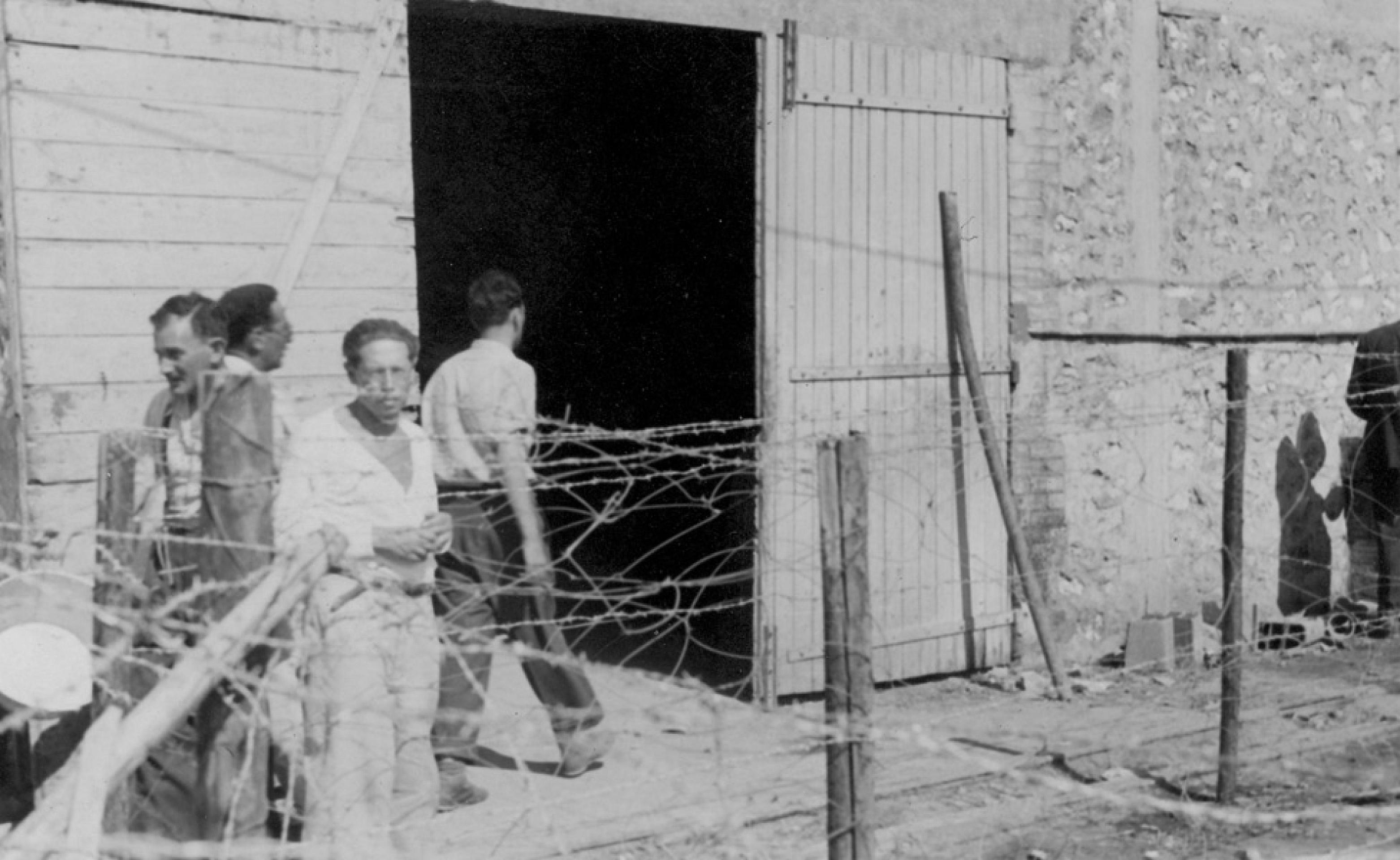
Seven days after the beginning of World War II, on September 7, 1939, the French government interned German and Austrian citizens as »undesirable foreigners« in a brickyard in Les Milles near Aix-en-Provence. Yet many of those interned were not supporters of the National Socialist regime, but political opponents seeking refuge and émigré Jews. Some of the internees were released in the spring of 1940. However, following the German invasion of the Netherlands, Belgium and France in May 1940, about 2,000 men, mainly German exiles, were brought to Les Milles – among them many artists and authors. When France was defeated, the camp was in the unoccupied part of France, administered by the ministry of the interior of the Vichy government under Marshal Pétain, Germany's ally. Despite construction work, the horrible sanitary conditions at the camp were hardly improved. In March 1941, the Jewish aid organisation HICEM set up an office in Les Milles, and it was the only camp in France that was granted the status of a transit camp, in which prisoners could apply for emigration papers.
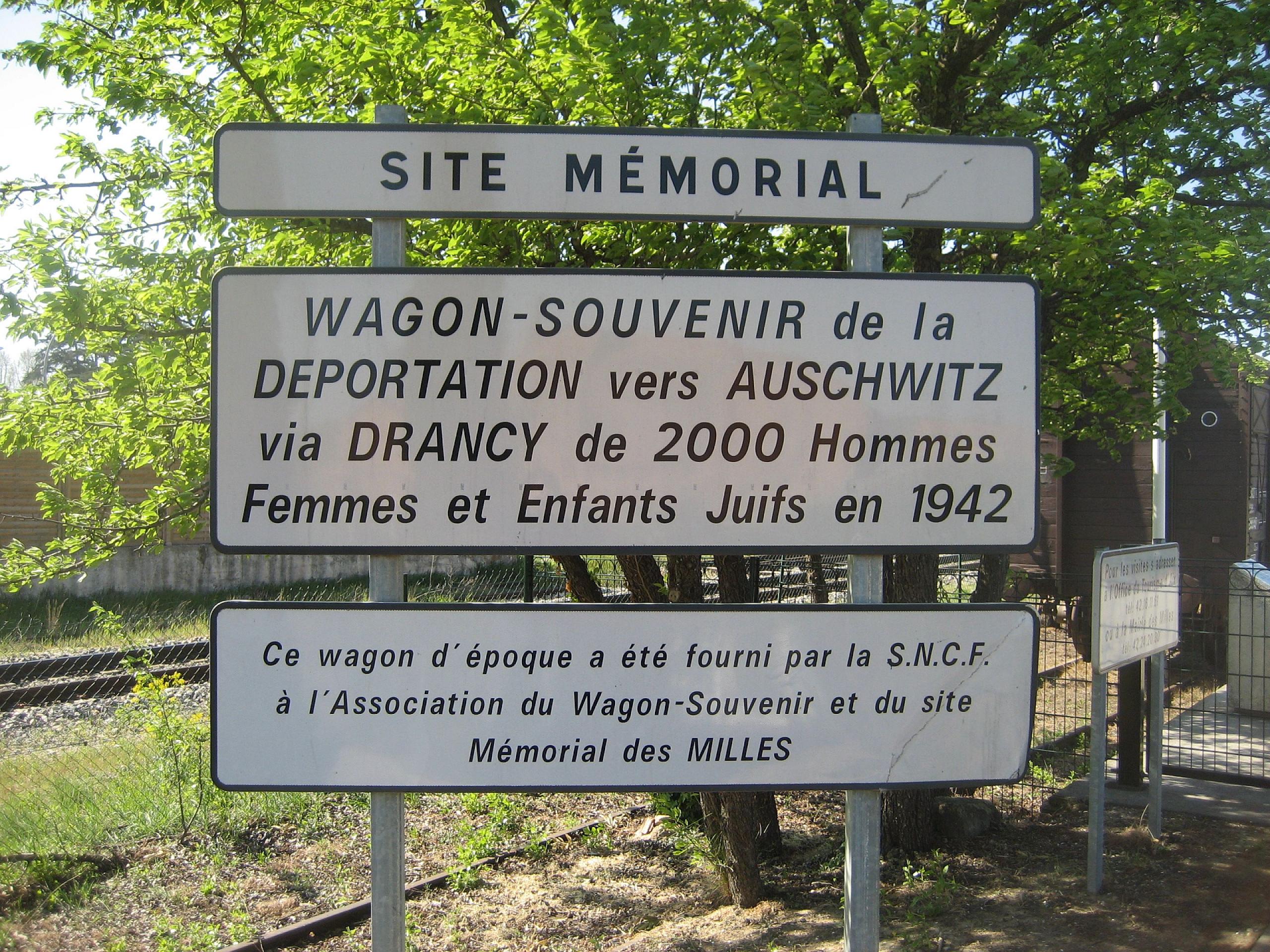
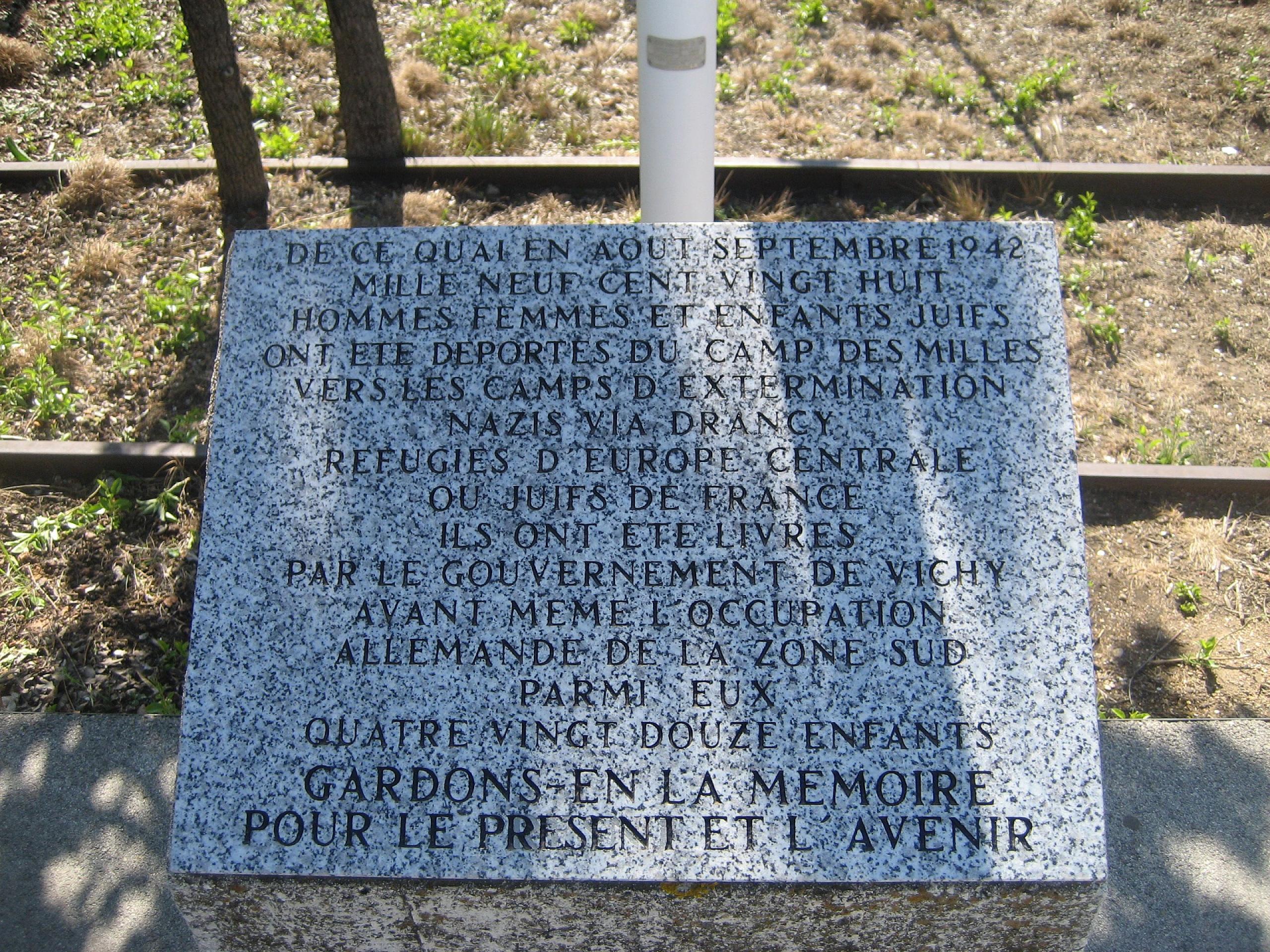
On August 3, 1942, the premises were sealed off from the outer world; a few days earlier, the French government had agreed to have 10,000 Jews without French citizenship deported. The first transport carrying Jewish prisoners bound for the Drancy transit camp just outside of Paris departed on August 11, 1942. From there, SS transports headed for the Auschwitz death camp departed at regular intervals. In all, 2,000 Jewish children, women and men were deported from Les Milles to the Drancy transit camp. Following the German occupation of Southern France in December 1942, the Wehrmacht used the camp as a depot. The remaining prisoners were transferred to other internment camps.
Victims
Over 10,000 people from 27 countries were held at Les Milles. Numerous prominent opponents of the National Socialist regime who had fled to France were among the prisoners – such as writers Lion Feuchtwanger and Walter Benjamin, Walter Hasenclever, Alfred Kantorowicz and Golo Mann. About forty painters were interned here, including surrealist Max Ernst. Especially during the first phase of the camp's existence, prisoners tried to counter the difficult conditions with cultural activities. France's defeat in mid-June 1940 and the danger of being handed over to the Germans caused much anxiety among the inmates. Camp commandant Charles Goruchon ordered the regional French military administration to provide a train in which some 2,000 prisoners who wished to leave the camp would be evacuated, prior to the arrival of German troops. The prisoners made it as far as Bayonne on the Atlantic coast; there, however, they were forced to turn around. The so-called ghost train took the refugees to Nîmes, where they were interned. Some were later transferred to Gurs, others returned to Les Milles.
There were possibilities of leaving Les Milles, however; its status as a transit camp meant that the camp administration handed out travel permits with which the internees could visit diplomatic missions in Marseilles and thus obtain documents necessary for emigration. The prisoners of Les Milles received help from Varian Fry who acted at the behest of Eleanor Roosevelt, the wife of US President Roosevelt. This phase came an end when the camp was shut down at the beginning of August 1942. Not long afterwards, Les Milles became a deportation camp for about 2,000 Jewish men, women and children as part of the National Socialist policy of extermination. Jews who had been arrested in extensive round-ups in the south of France at the end of August 1942 and brought to Les Milles were among the deportees.
Remembrance
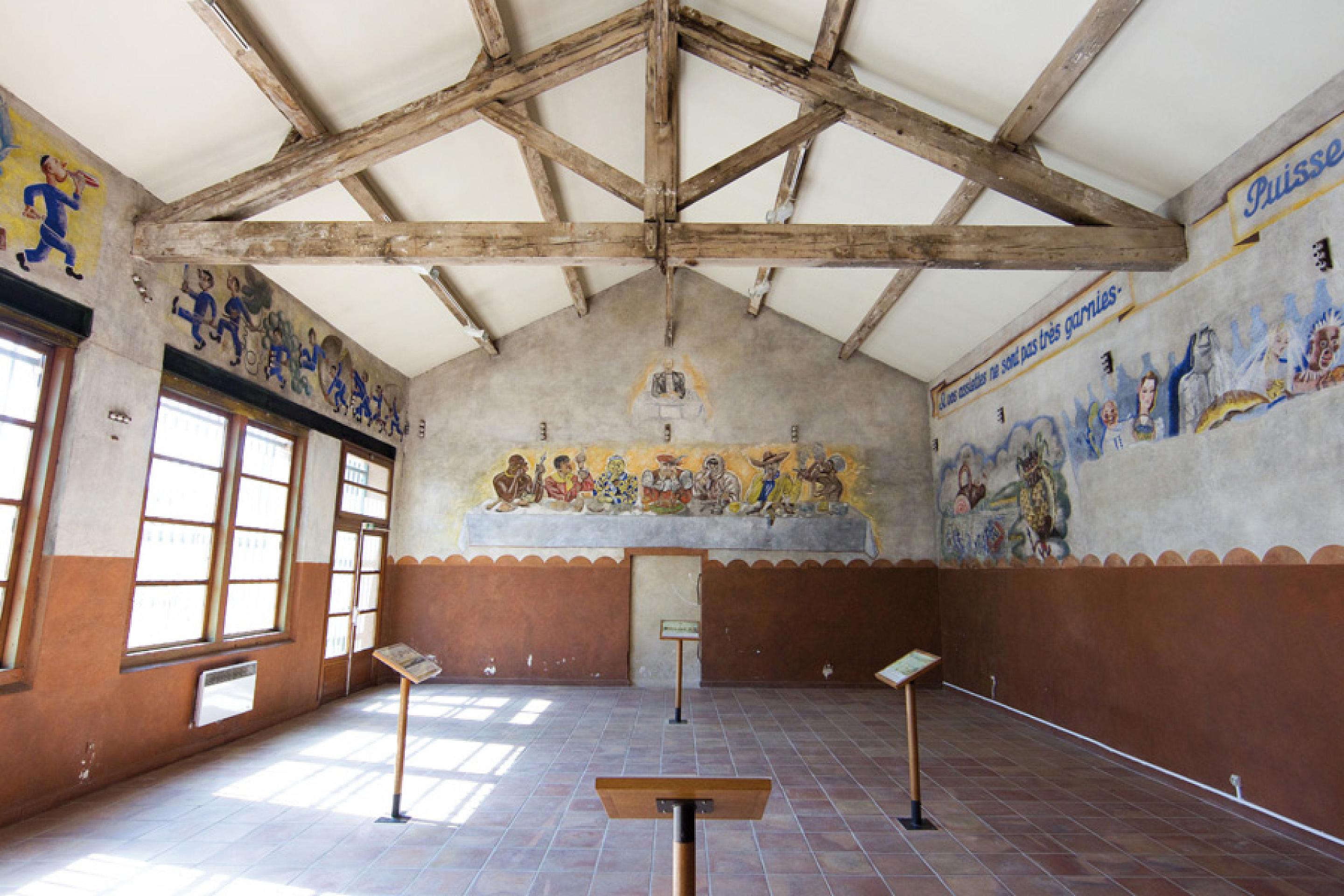
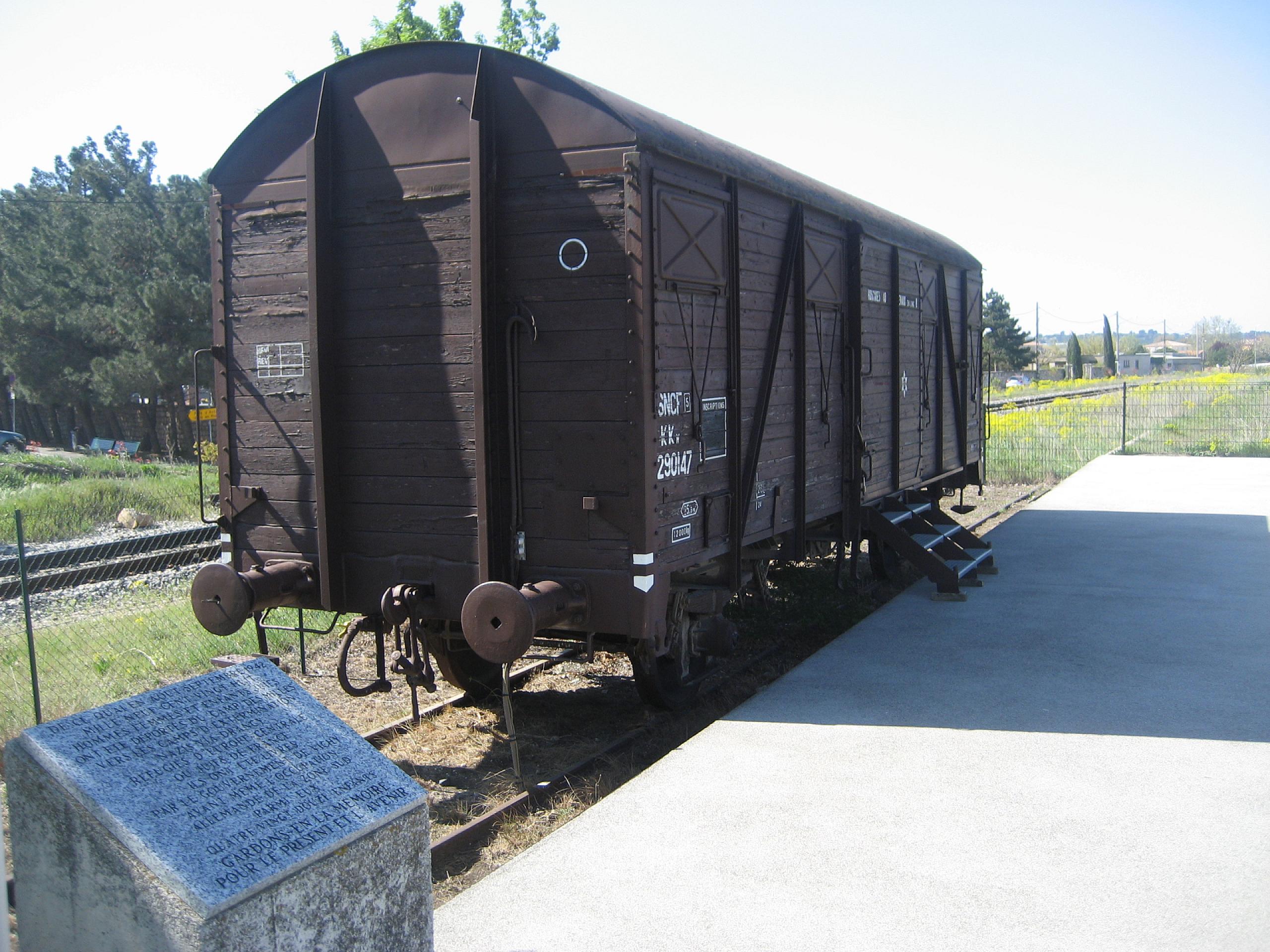
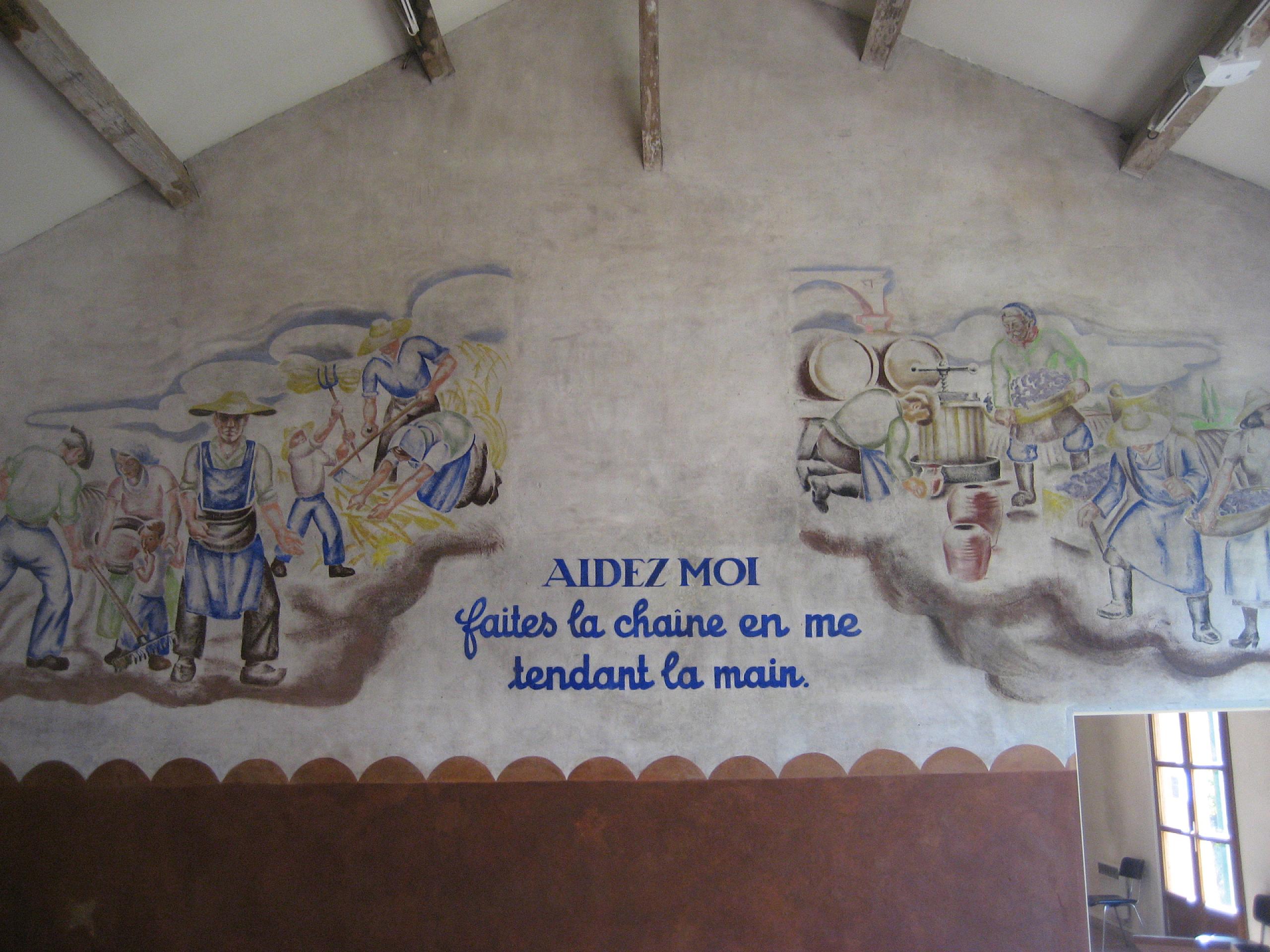
In 1985, the city of Aix-en-Provence and the local Jewish community erected a memorial stone to the deportations. In 1989, an exhibition was opened – it documents the history of the eight preserved wall paintings created by inmates between autumn 1940 and the spring of 1941. A »path of remembrance« was established in 1990; in 1992, an exhibition on the history of the camp was opened in a railway car. The exhibition was revised in 2002.
In June 2004, a Europe-wide tender for remodelling the memorial site was announced. The new memorial site was opened on September 10, 2012, exactly 70 years after the last deportation train with 2,000 Jews on board left Les Milles heading for the extermination camp Auschwitz.
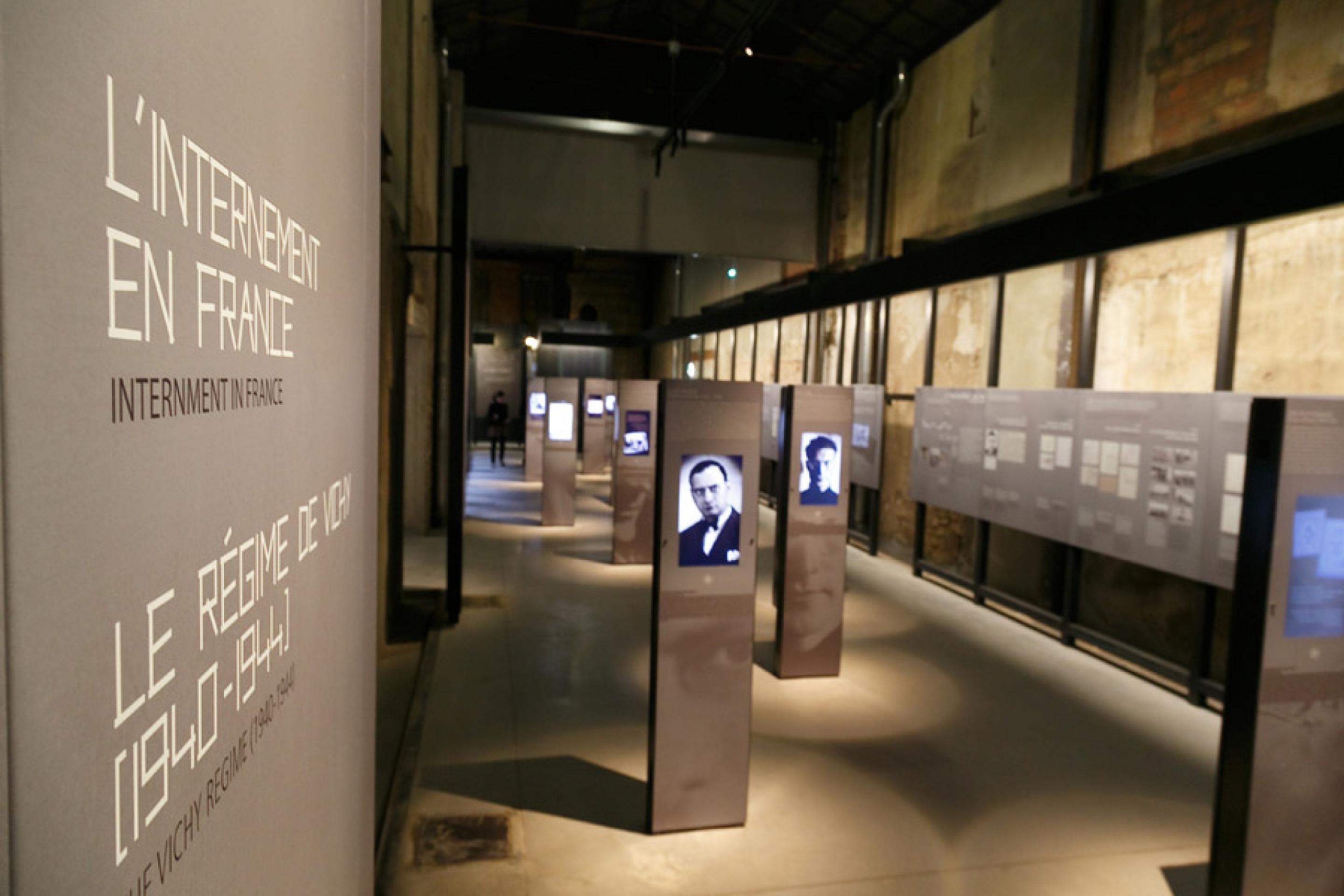
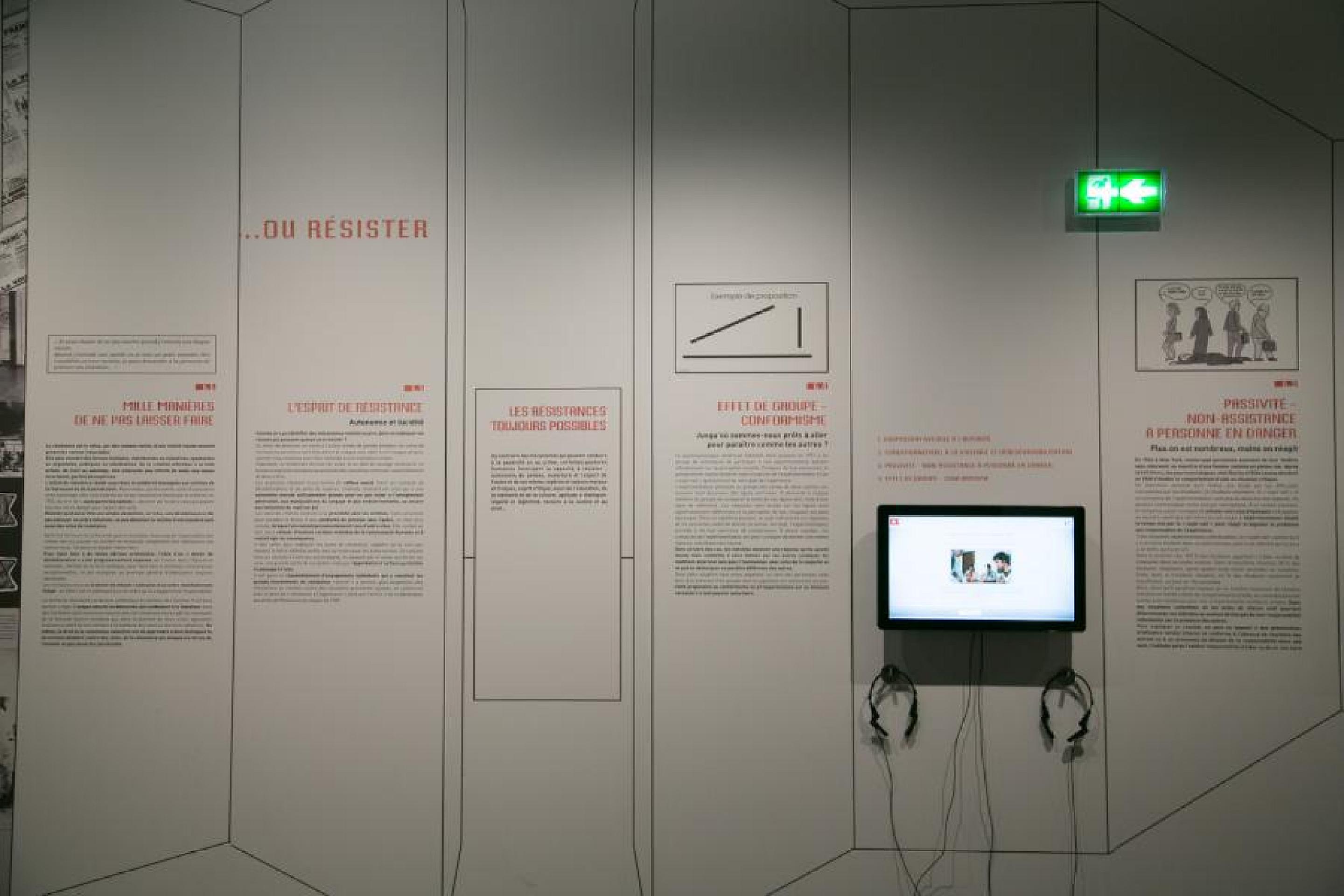
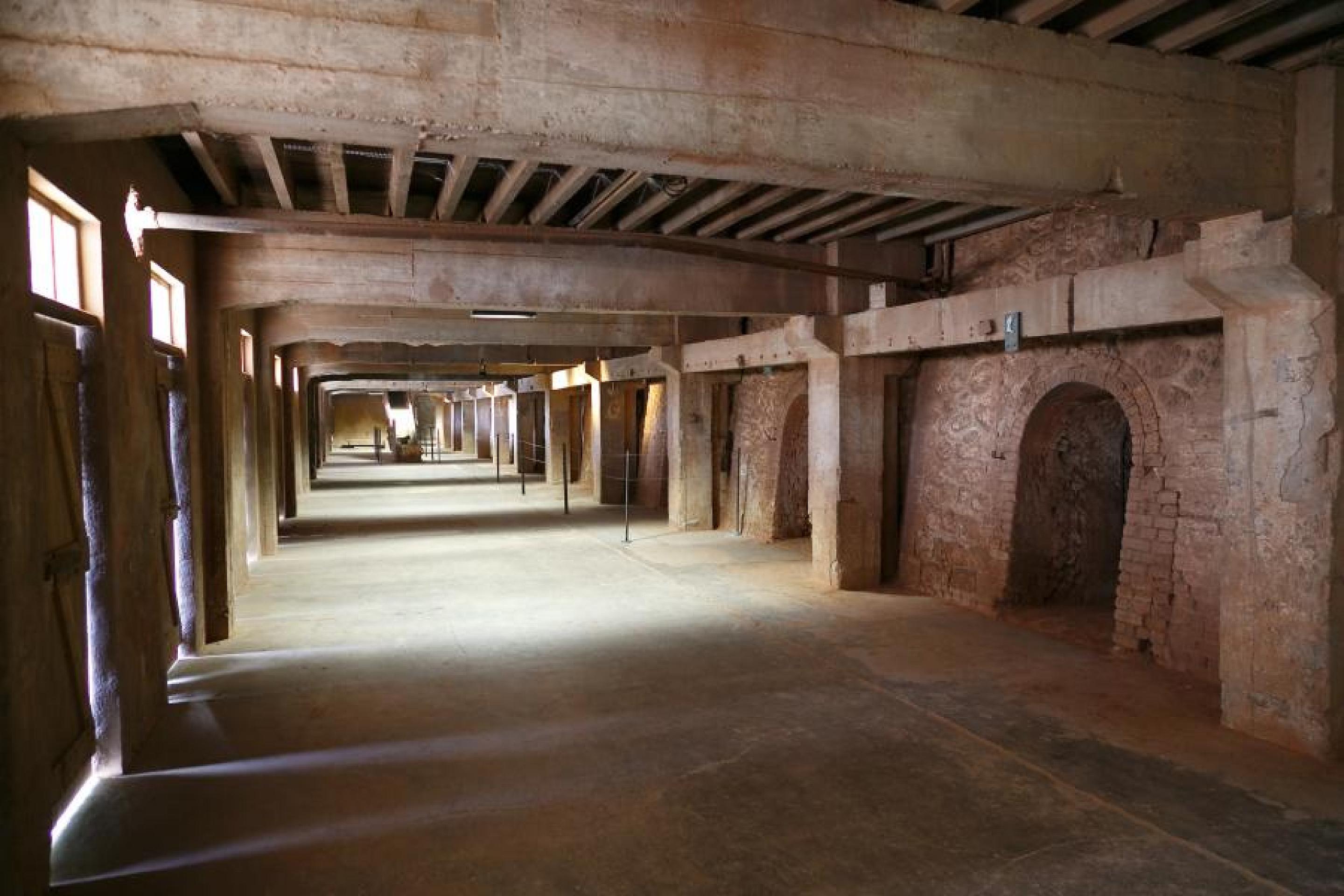
The memorial consists of three parts. First, a permanent exhibition informs about the historical context of the camp. Afterwards, the visitors enter the remaining premises of the former camp in the brickyard. Finally, be means of another exhibition, they are encouraged to reflect on subjects such as mass violence and human rights.
Possibilities
Permanent exhibition, guided tours by appointment
Open
Open daily from 10 a.m. to 7 p.m.
Closed on January 1, Mai 1, December 24/25 and December 31.
Contact
http://www.campdesmilles.org/index.html
contact@campdesmilles.org
+33 (0)442 391 711
Ancienne gare des Milles, 2 avenue Adrien Durbec
13290 Les Milles