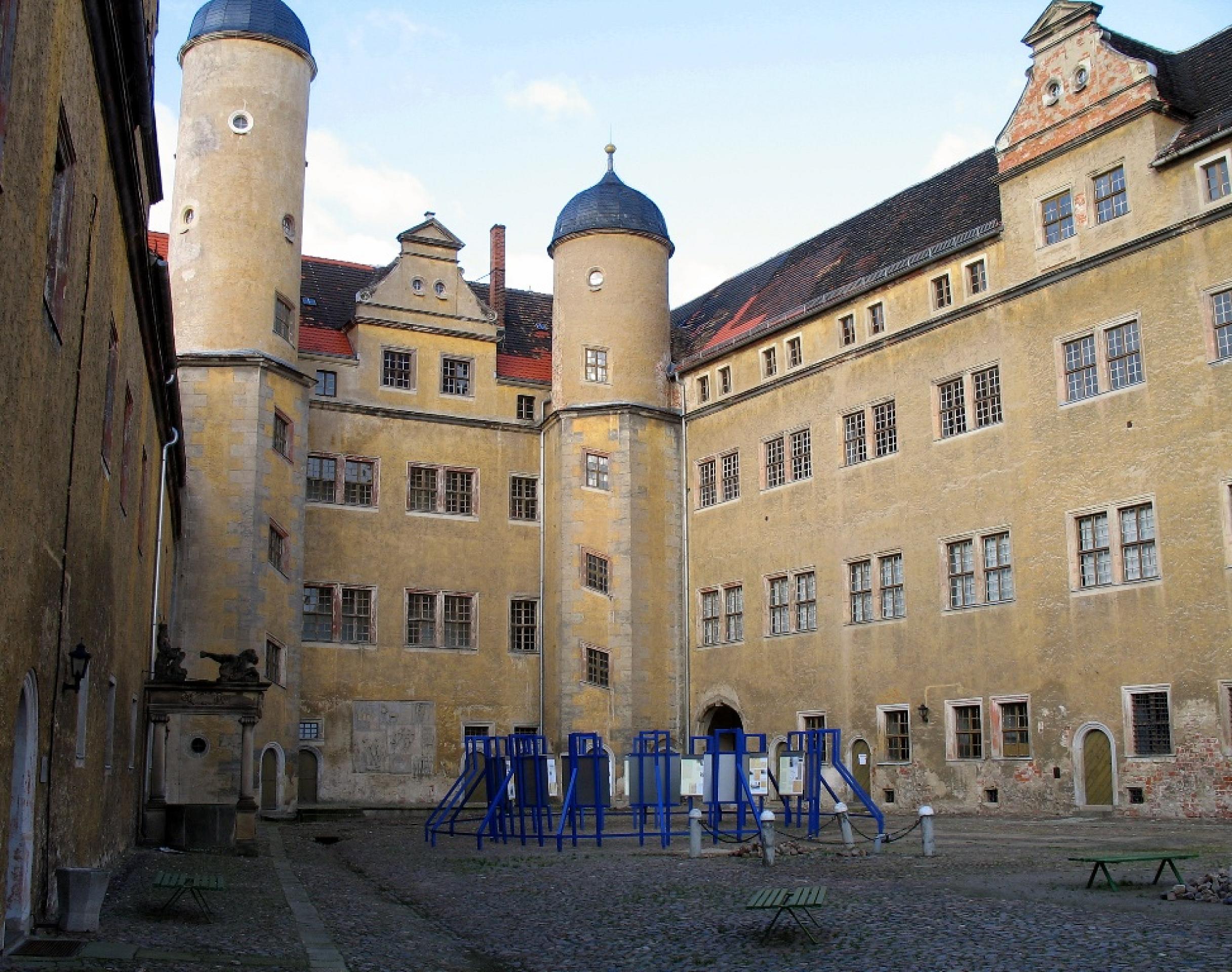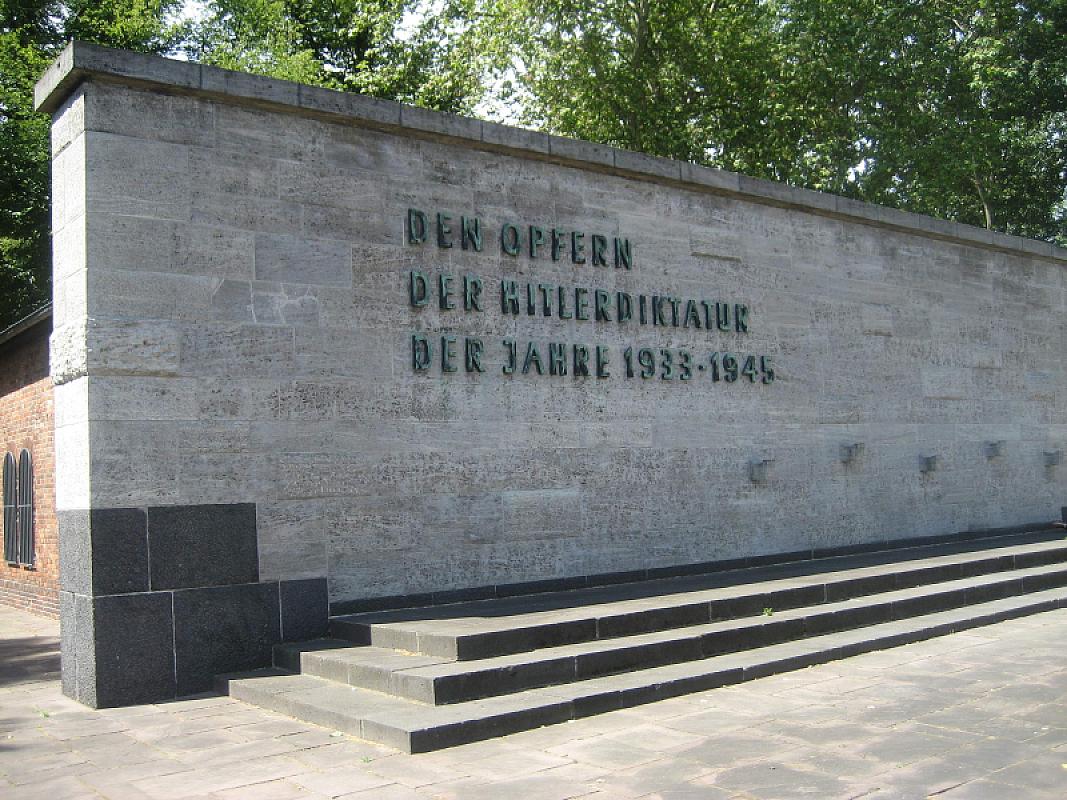
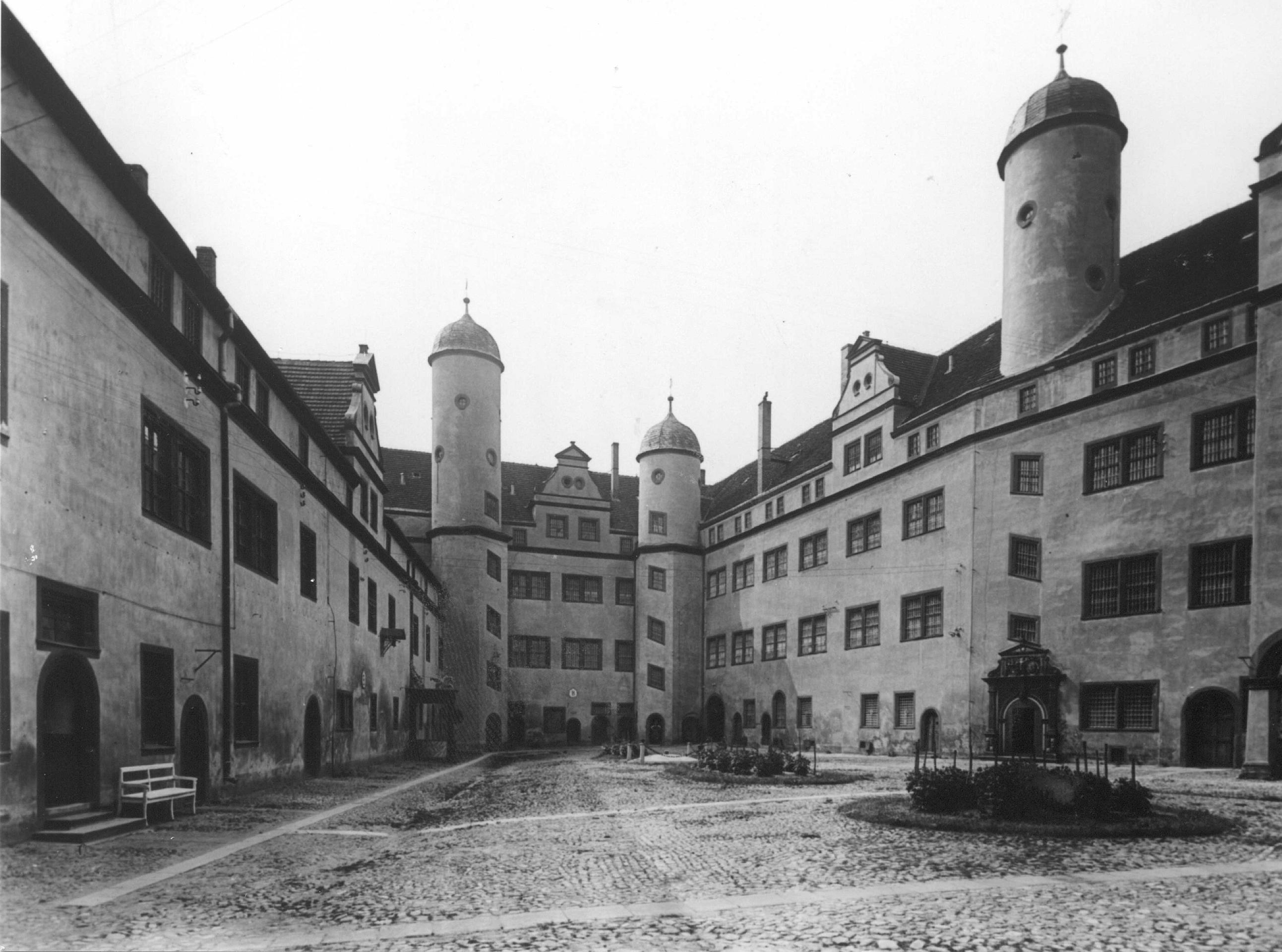
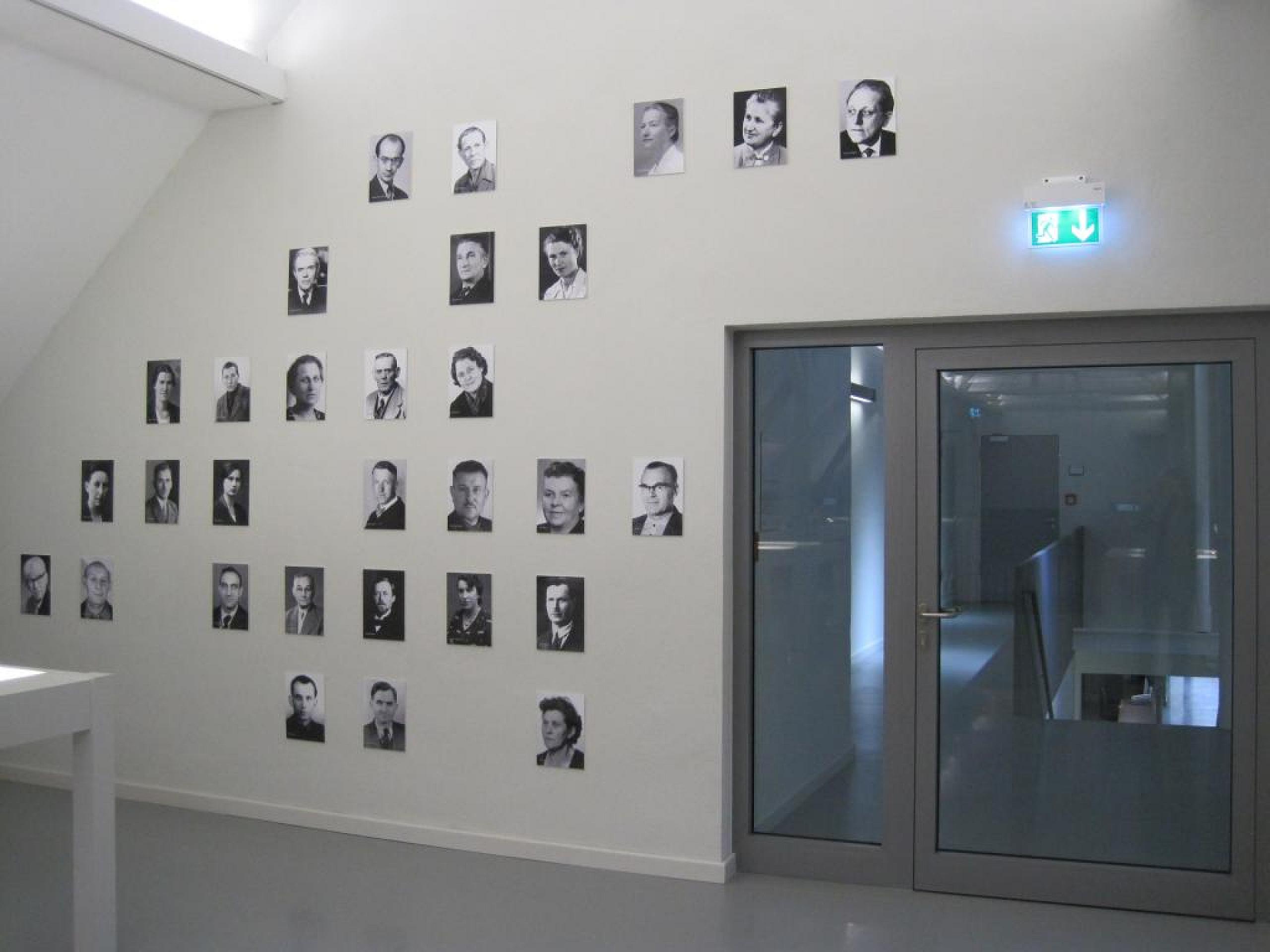
The Lichtenburg concentration camp was established in Prettin in 1933, making it one of the first concentration camps in National Socialist Germany. From 1937 until 1939, a central women's concentration camp was in operation at Lichtenburg castle. In 1941, the SS set up a satellite camp of the Sachsenhausen concentration camp on the site. An exhibition in the courtyard of the Lichtenburg castle presents the fates of the incarcerated men and women.
History
The National Socialists used the Lichtenburg castle, which dates back to the early modern period, as a »concentration camp for male prisoners in protective custody«. The first prisoners were for the most part political opponents of the new regime, among them Ernst Reuter, who would become Berlin's mayor after the war. He was arrested twice and imprisoned at the Lichtenburg castle for longer periods of time. From 1934 on, the SS increasingly incarcerated homosexuals at the Lichtenburg concentration camp; the following year, prisoners persecuted on racial grounds were also held there. The concentration camp for »male prisoners in protective custody« was dissolved on August 18, 1937. All of the prisoners were transferred to the newly established Buchenwald concentration camp.
Beginning December 1937, the SS set up a women's concentration camp in the castle. On December 15, the first female prisoners from the Moringen concentration camp arrived. Until its closure in May 1939, the Lichtenburg camp was the central women's concentration camp in Germany. The last prisoner transport arrived from Moringen in March 1938. In May 1939, the SS deported the approximately 950 imprisoned women from the Lichtenburg castle to the larger Ravensbrück women's concentration camp.
After that, the castle served as SS training facilities and barracks for the »SS-Totenkopfverbände« (english: »SS Death's Head units«). In 1941/1942, the National Socialists set up an SS arsenal and army attire storage site at Lichtenburg. Prisoners from the Sachsenhausen concentration camp were deployed in forced labour here until 1945.
Victims
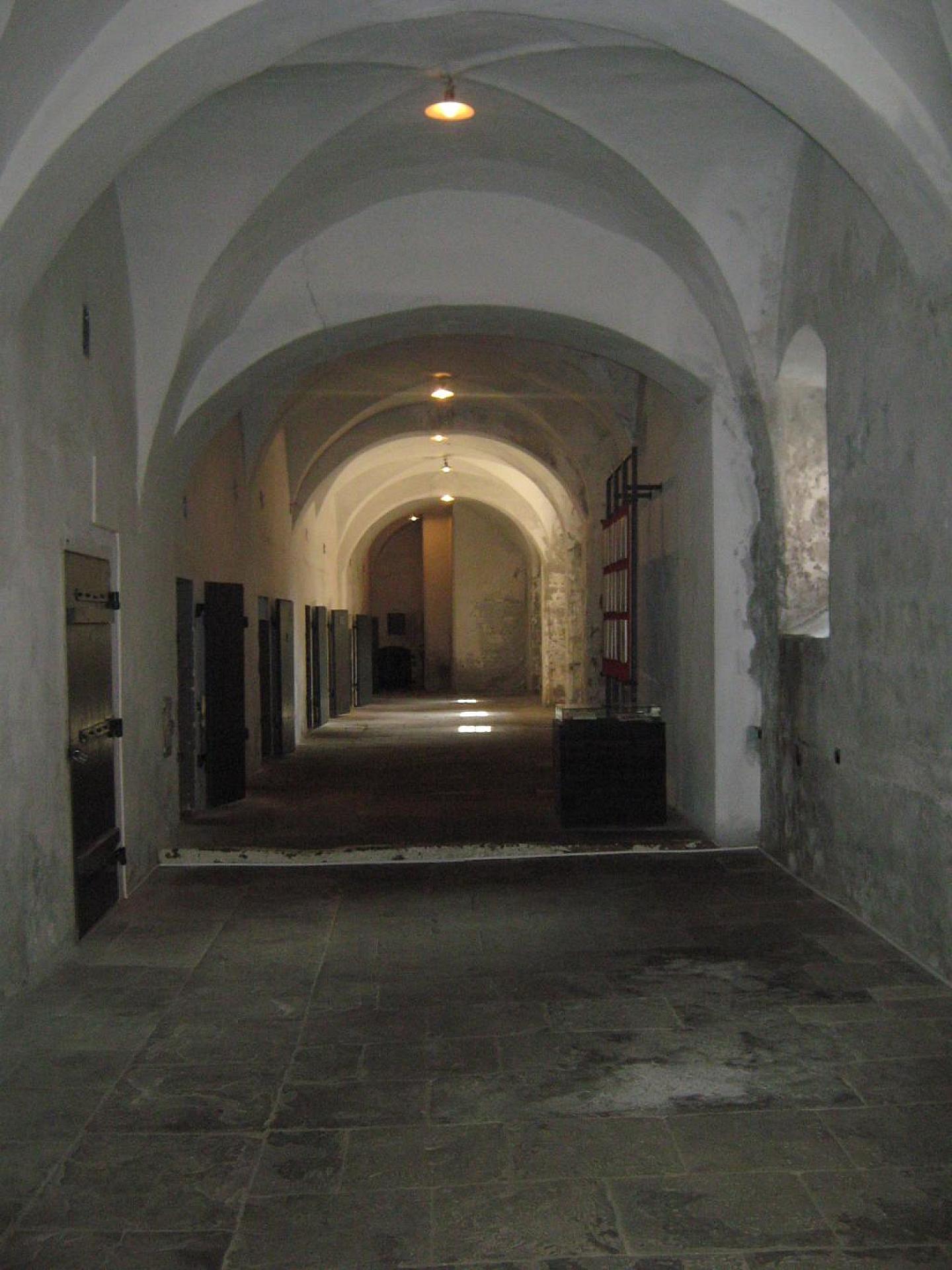
Primarily political opponents of the National Socialist regime were held captive at the Lichtenburg concentration camp, but Jews, Sinti and Roma, homosexuals and Jehovah's Witnesses were also among those imprisoned. About twenty prisoners died while at Lichtenburg, most probably due to the severity of abuse by the SS. Many of the men and women held at the Lichtenburg castle between 1933 and 1939 were tortured, locked in cells and deployed in forced labour on castle premises and in the vicinity.
Remembrance
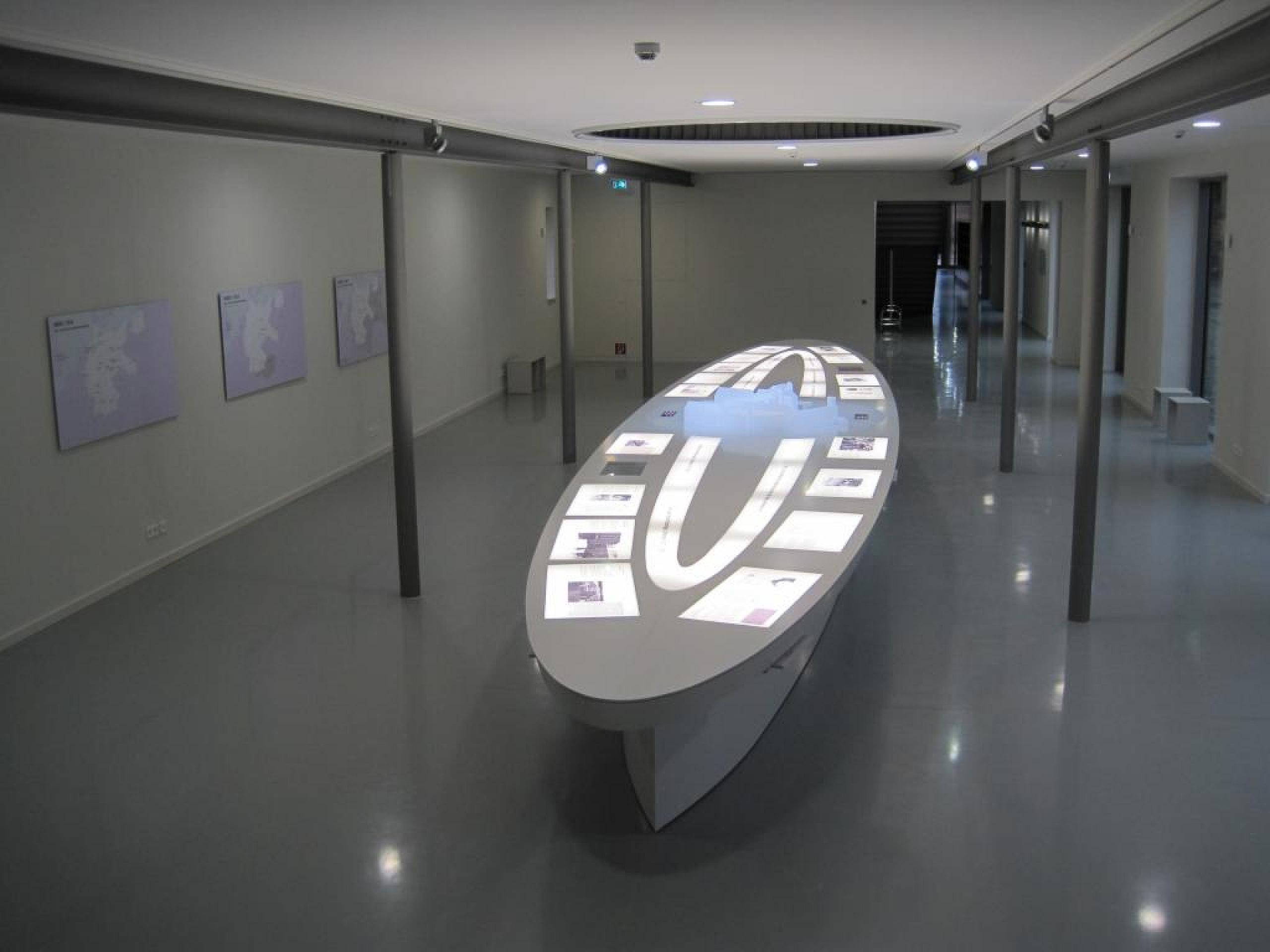
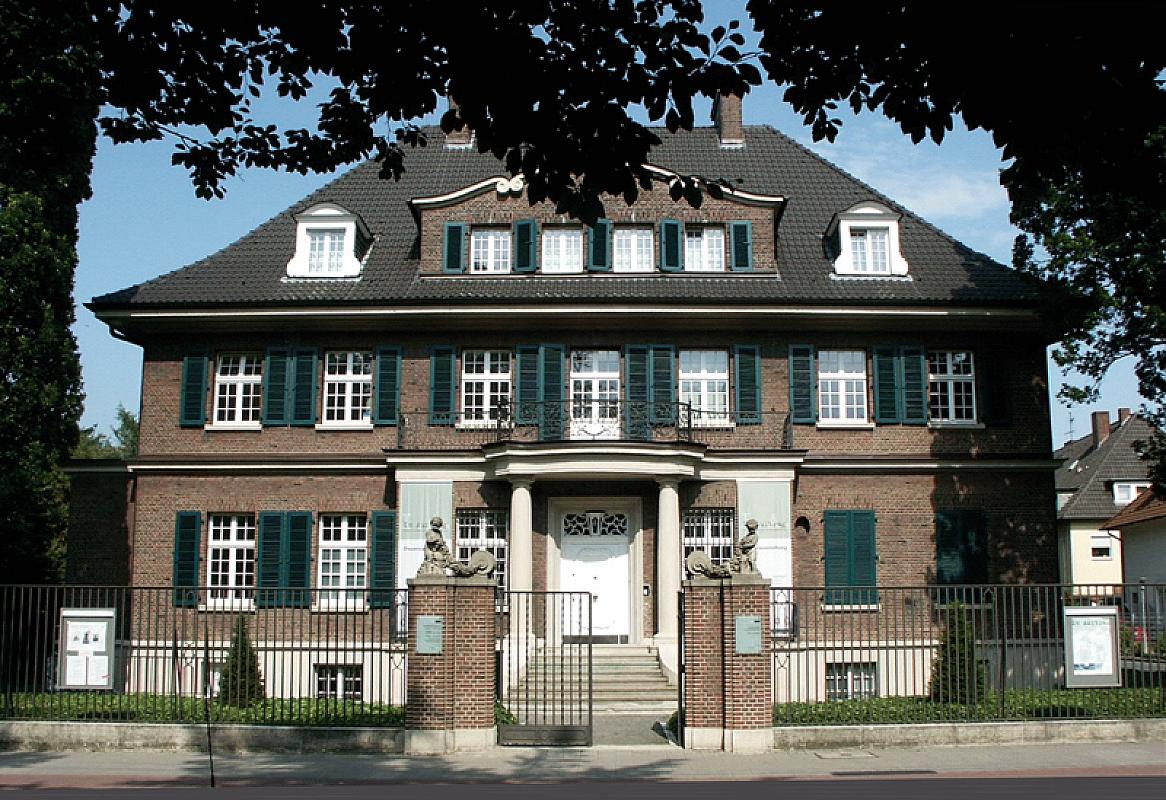
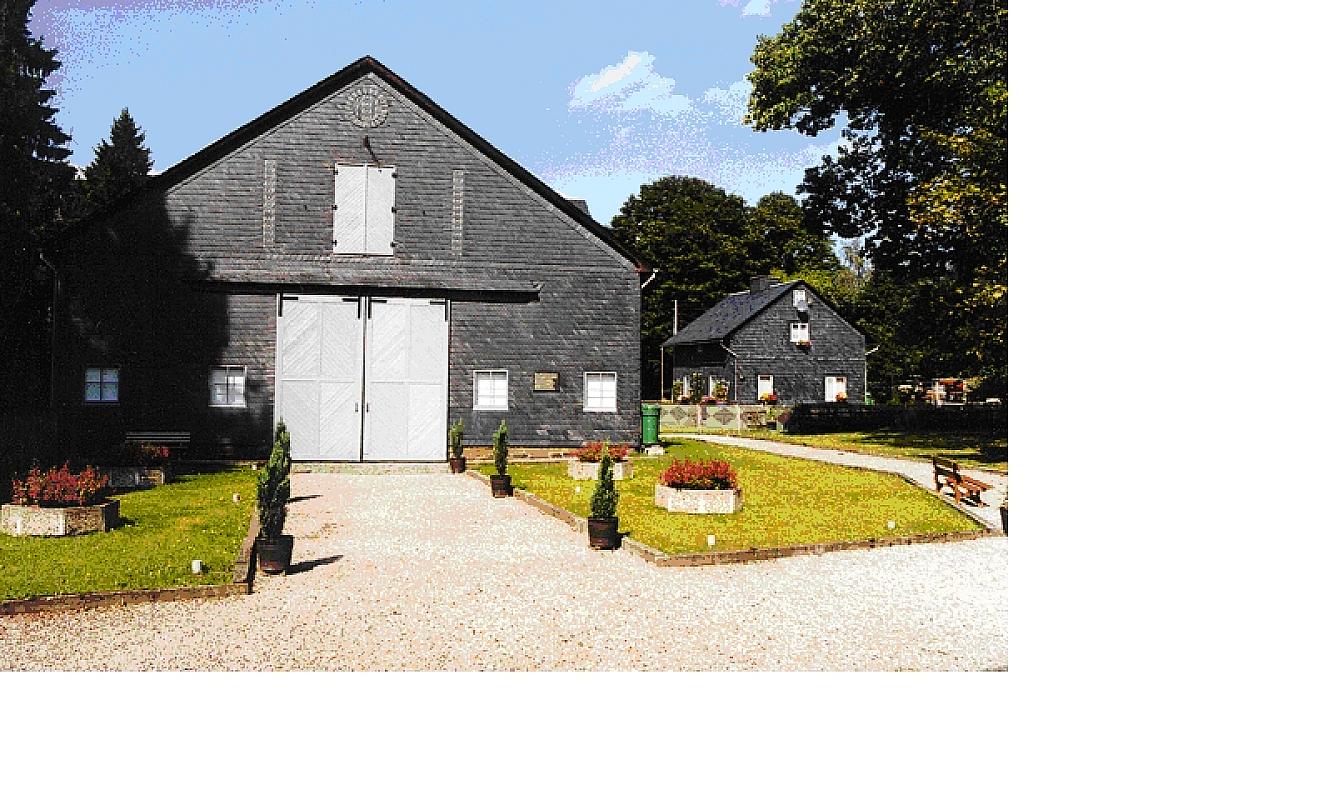
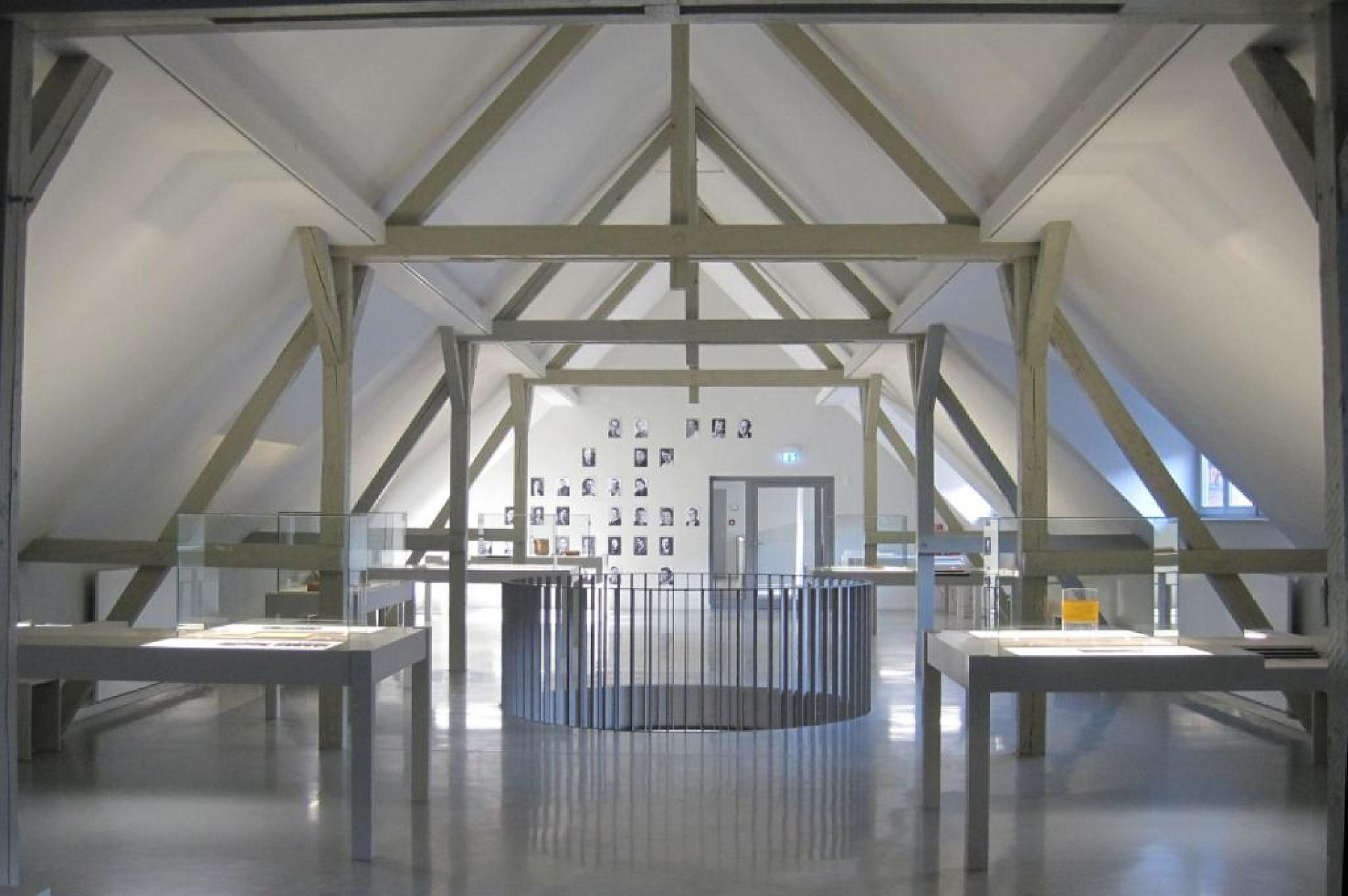
In 1965, a memorial site dedicated to the history of the Lichtenburg concentration camp was opened. After 1990, a public discussion surrounding a redevelopment of the memorial ensued. In 2004, the old memorial was closed. A bunker and an open-air exhibition in the castle courtyard are open to visitors. Since 2008, the premises have been administered by the Saxony-Anhalt Memorials Foundation as Memorial Site Concentration Camp Lichtenburg Prettin. The entrance room of the bunker has opened with a newly designed exhibition on December 1, 2011. At the same time, a documentation centre has opened with a permanent exhibition in the former workshop facilities. The open-air exhibition is still to be seen outdoors to the east of the prison building.
Open
November to March
Tuesday to Friday noon to 4.00 p.m.,
April to October
Tuesday to Friday noon to 5.00 p.m., Saturday and Sunday, 1.00 p.m. to 5.00 p.m.
Contact
https://gedenkstaette-lichtenburg.sachsen-anhalt.de/
info-lichtenburg@erinnern.org
+49 (0)35386 609 975