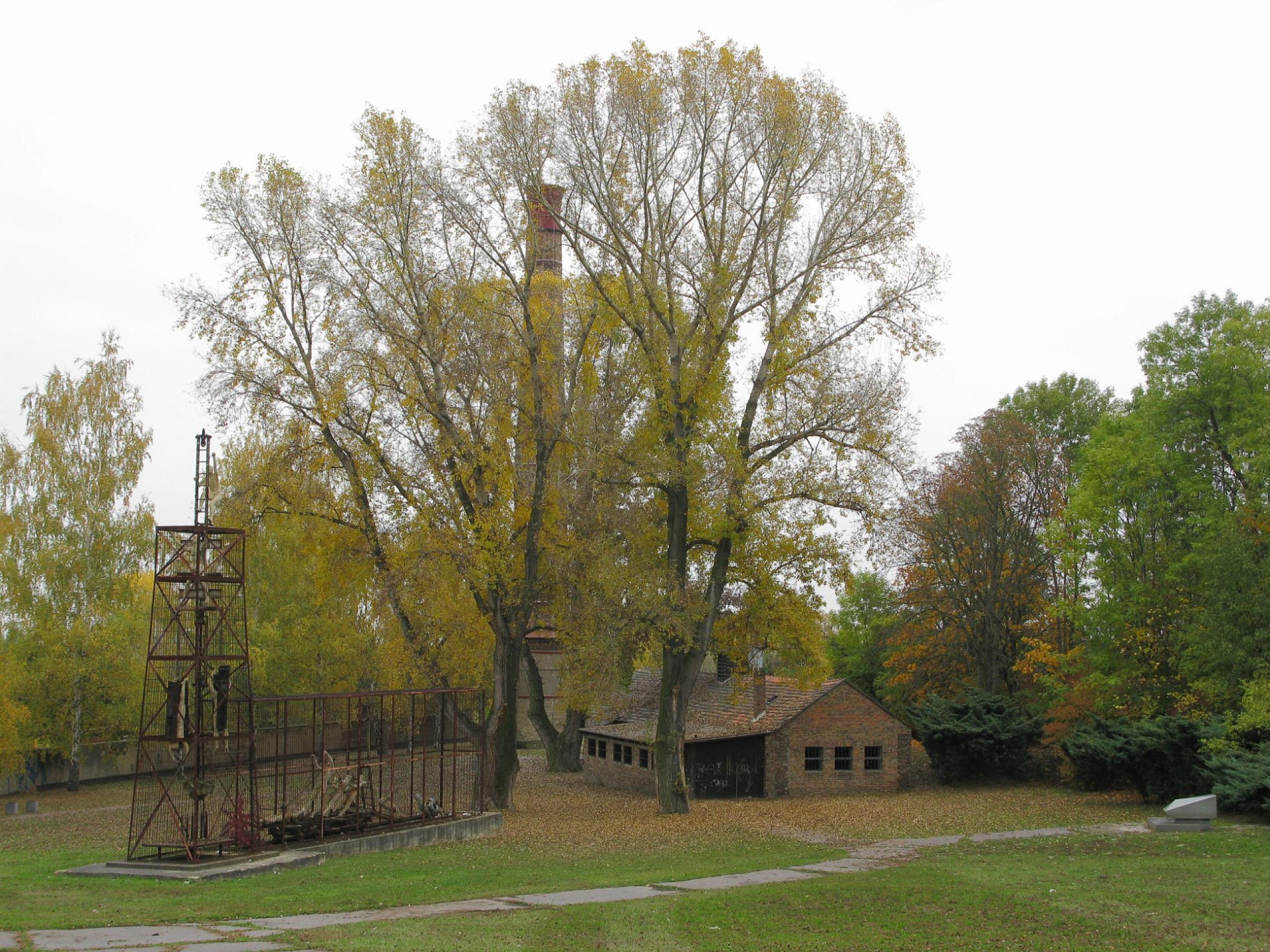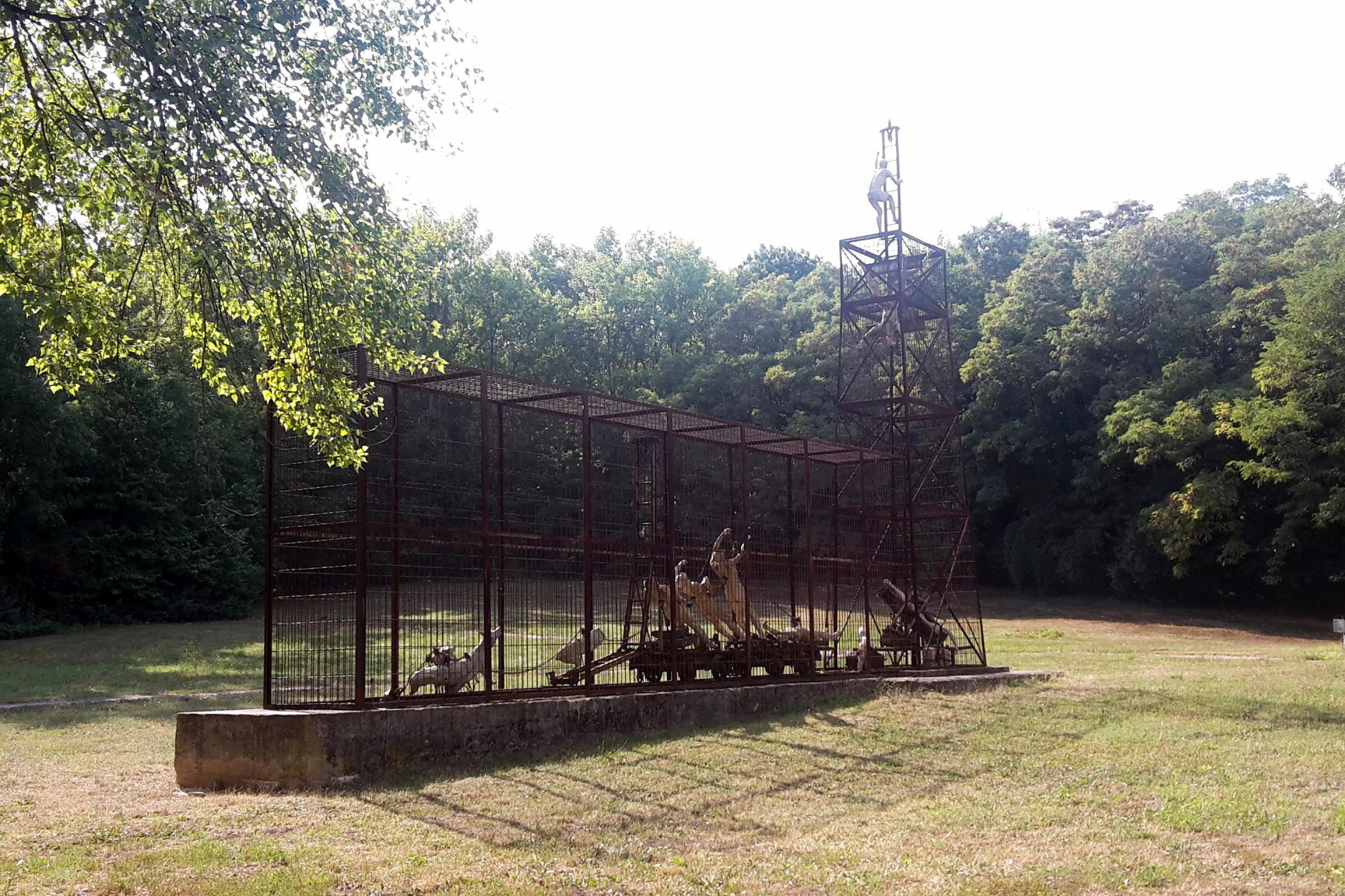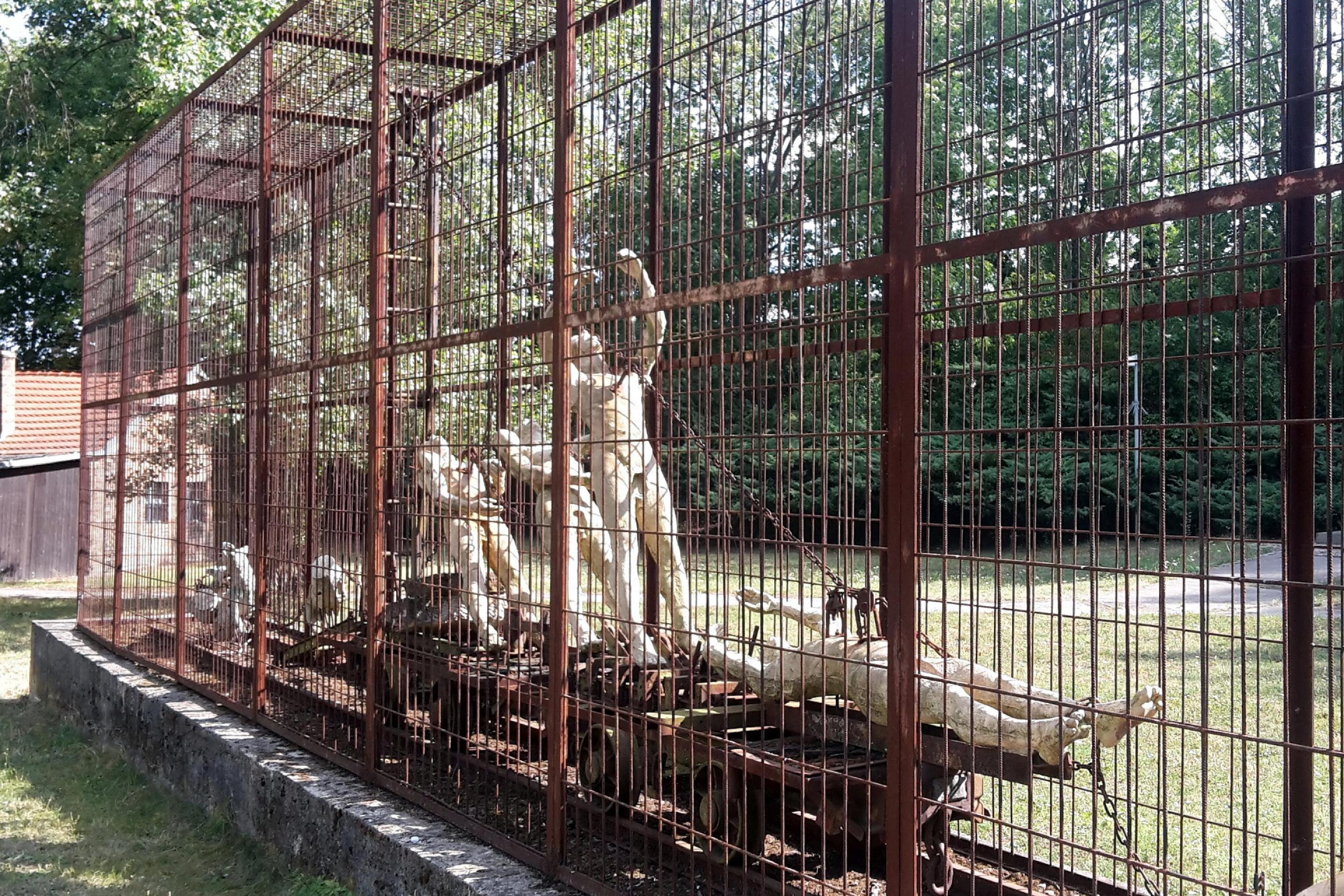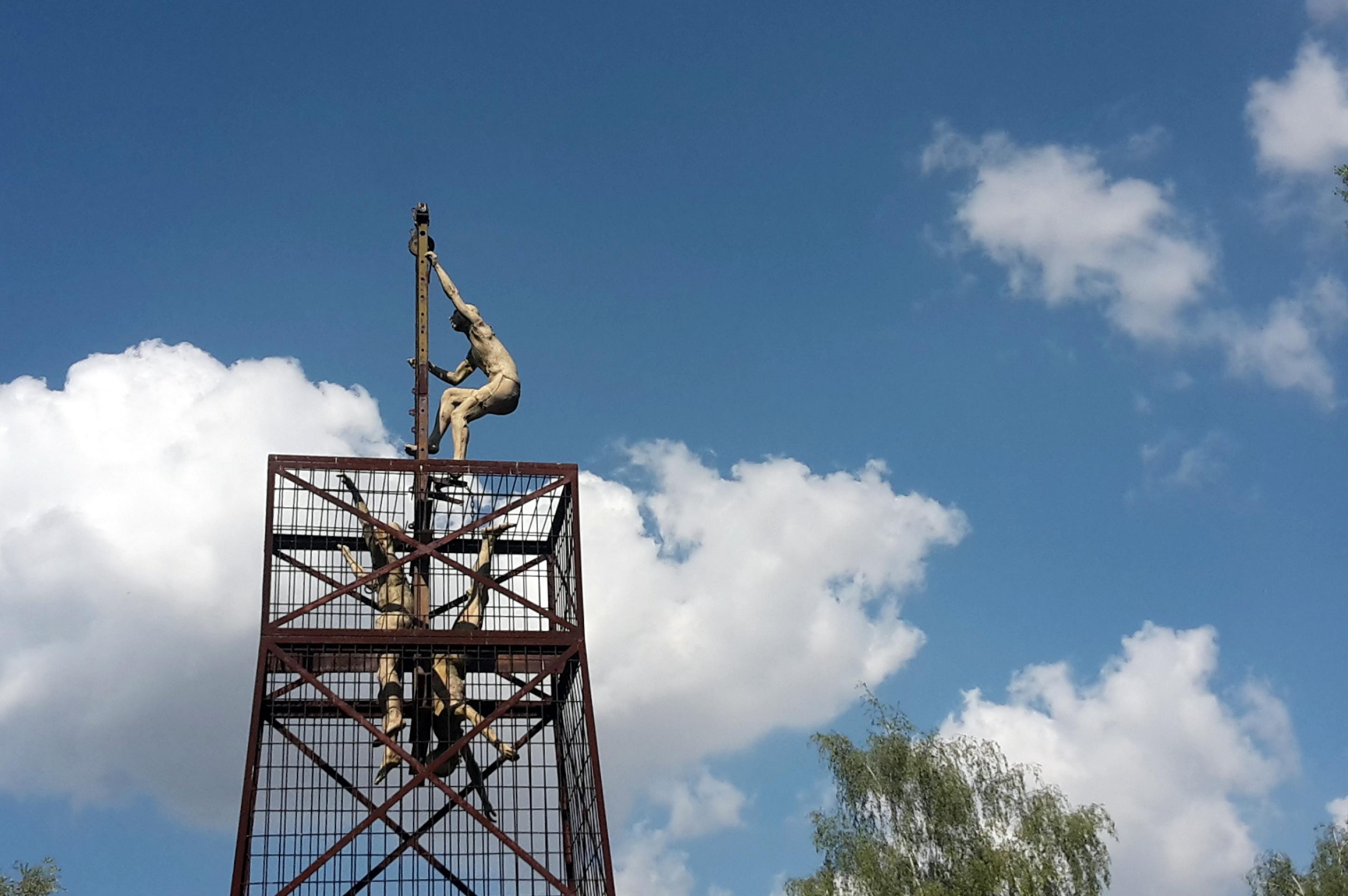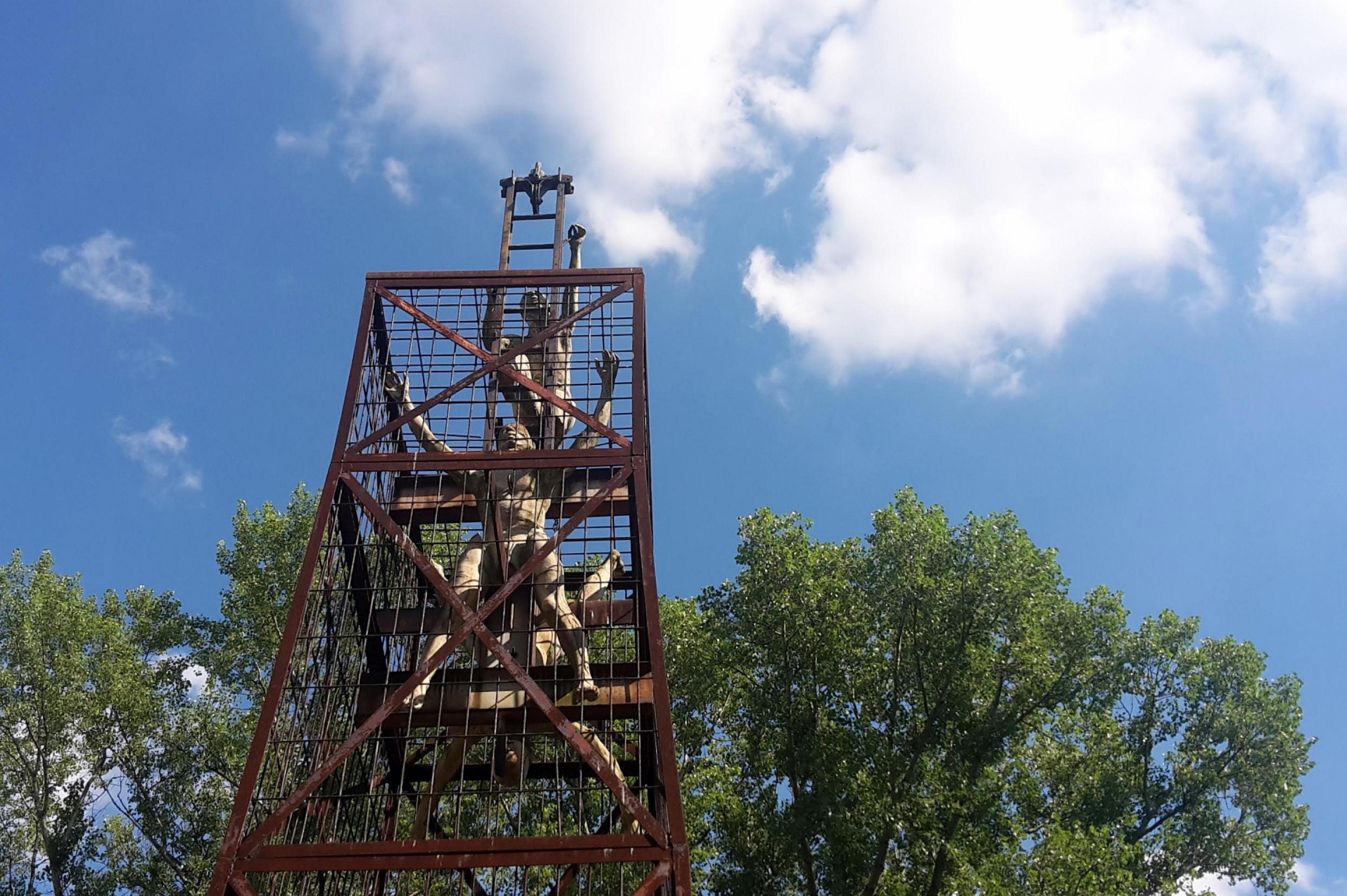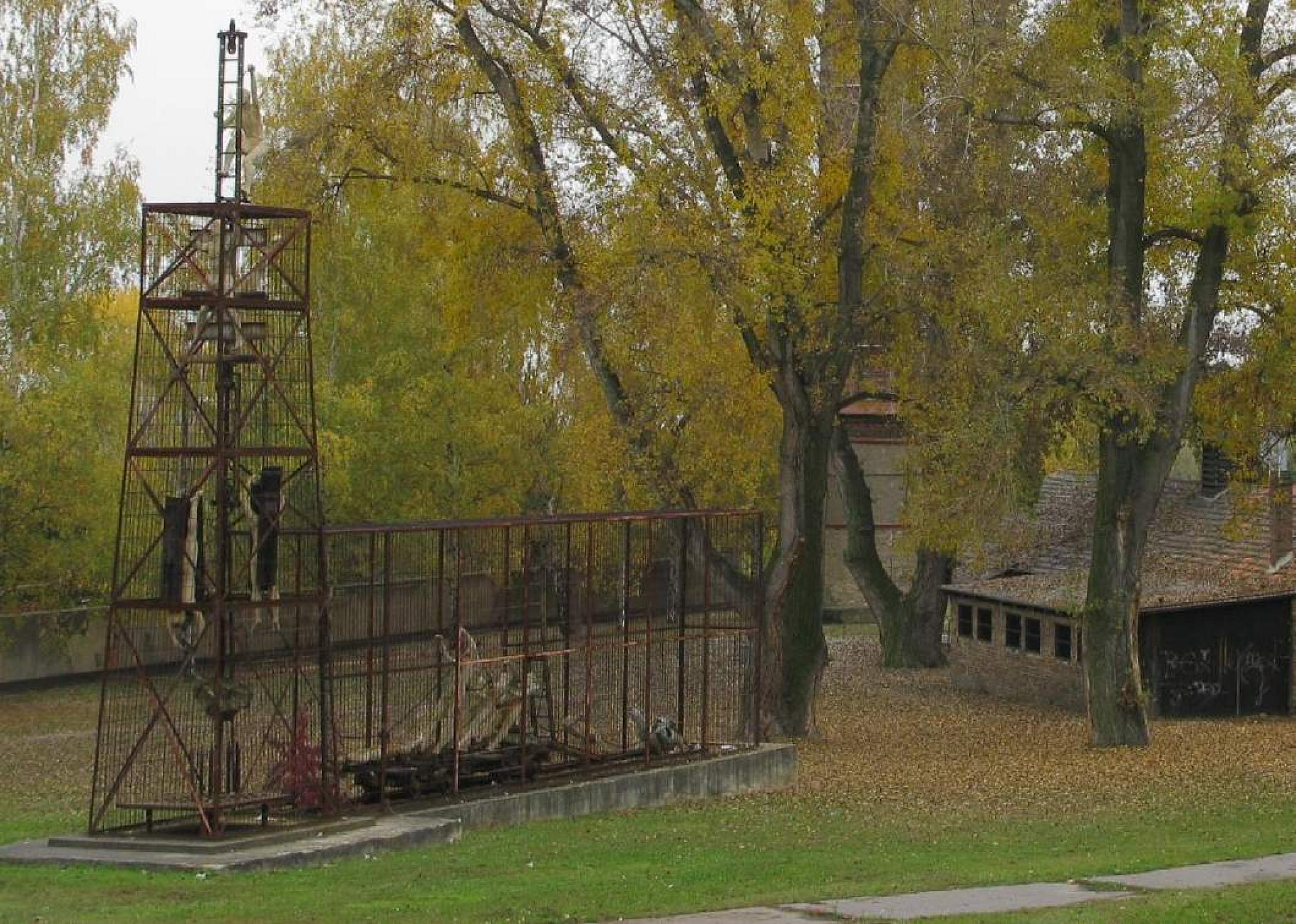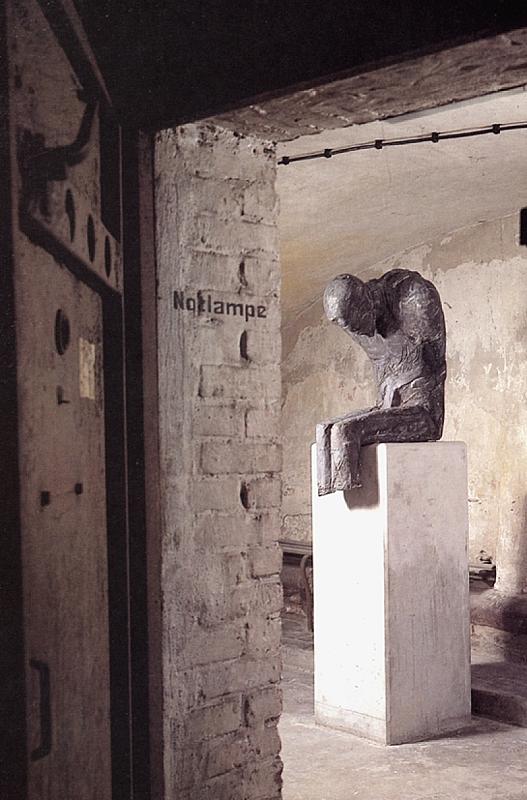
A memorial on the grounds of the former Leitmeritz concentration camp honours the fate of those who were incarcerated there.
History
The small town of Litoměřice (German: Leitmeritz) lies within the Sudeten lands, which were mainly inhabited by Germans and annexed by the German Reich in autumn 1938 as a result of the Munich Agreement.
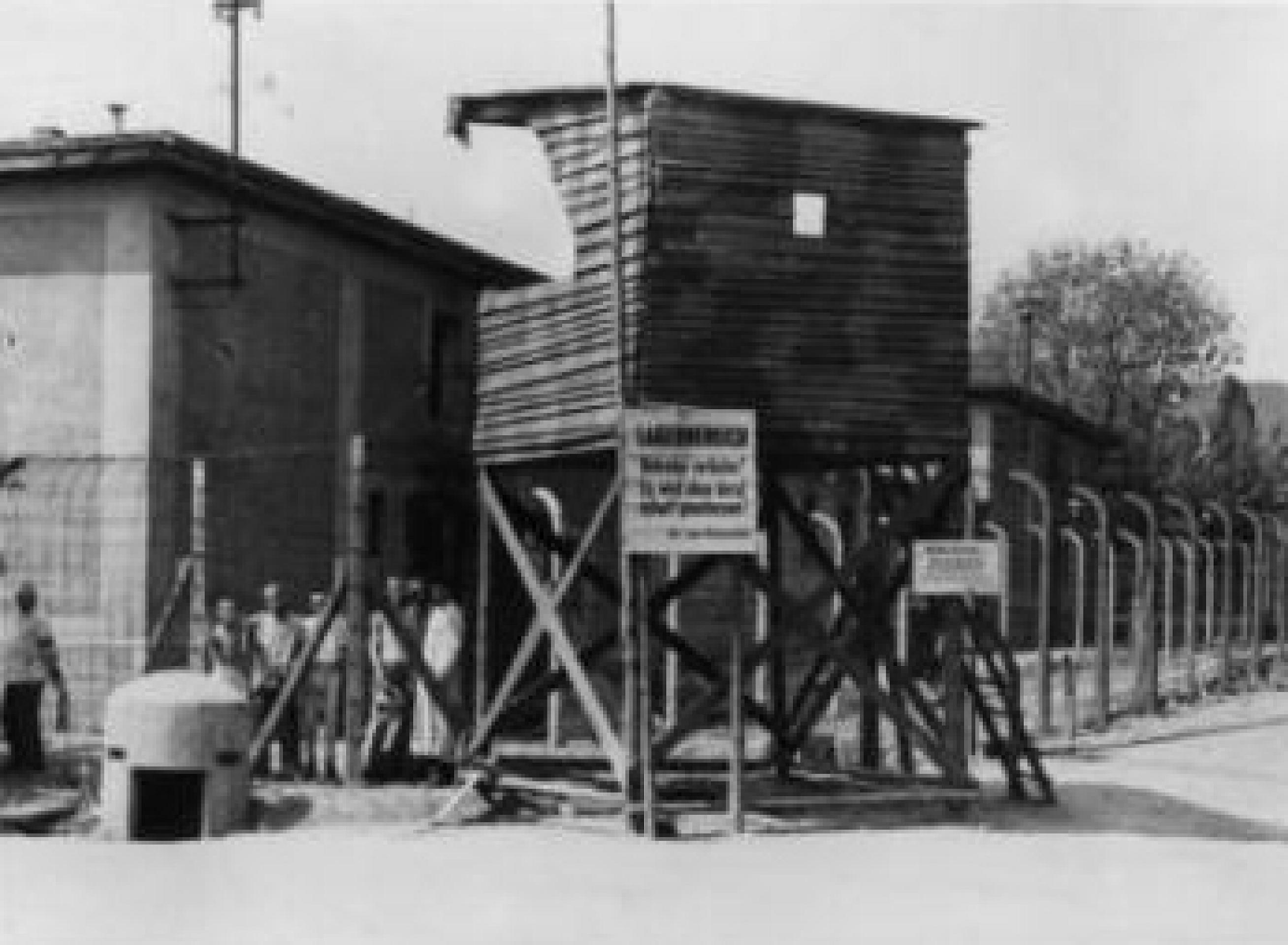
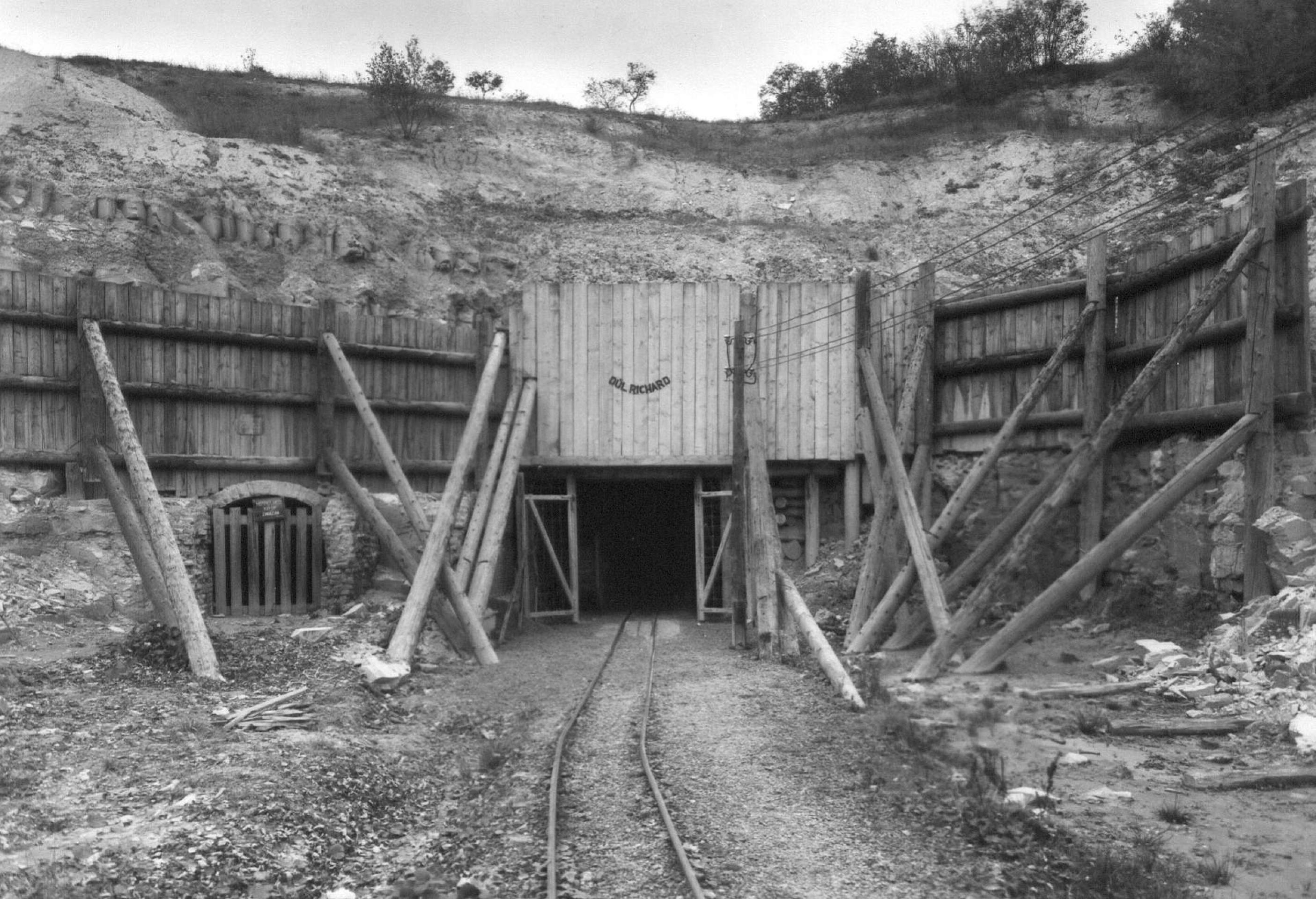
During the final phase of World War II, National Socialist authorities decided to move large parts of their arms production underground to protect it from Allied air raids. From the spring of 1944 on, the Leitmeritz quarry was converted into a production site and a satellite camp of the Flossenbürg concentration camp was established there. Two large undertakings were to be put into action: tank engines were to be assembled in the »Richard I« quarry, while the »Richard II« was to accommodate production for the Berlin-based Osram company.
The first transport of 500 prisoners from the Dachau concentration camp arrived at Leitmeritz on March 24, 1944. Due to a lack of housing, the prisoners were lodged in the Small Fortress - the Gestapo prison at Theresienstadt - 7 km away from Leitmeritz. In the summer of 1944, the prisoners constructed a barrack camp in close vicinity of the quarries. A total of 18,000 passed through the Leitmeritz camp, most of them having arrived from the main camp at Flossenbürg as well as from the Groß-Rosen, Auschwitz-Birkenau and Dachau concentration camps. About half of the prisoners were Poles; other large prisoner groups came from the Soviet Union, Germany, Hungary, France and Yugoslavia. The SS deported about 4,000 Jews to Leitmeritz, most of them from Poland, but also from Hungary. From February 1945 on, several hundred women also had to conduct forced labour at Leitmeritz.
The death rate at the camp was very high due to atrocious living conditions and disease epidemics. Arms production frequently came to a halt because of the prisoners' poor health. In April 1945, the SS began dissolving the camp under chaotic circumstances. About 1,200 prisoners were left behind at the camp and liberated by the Red Army during the final days of war.
Victims
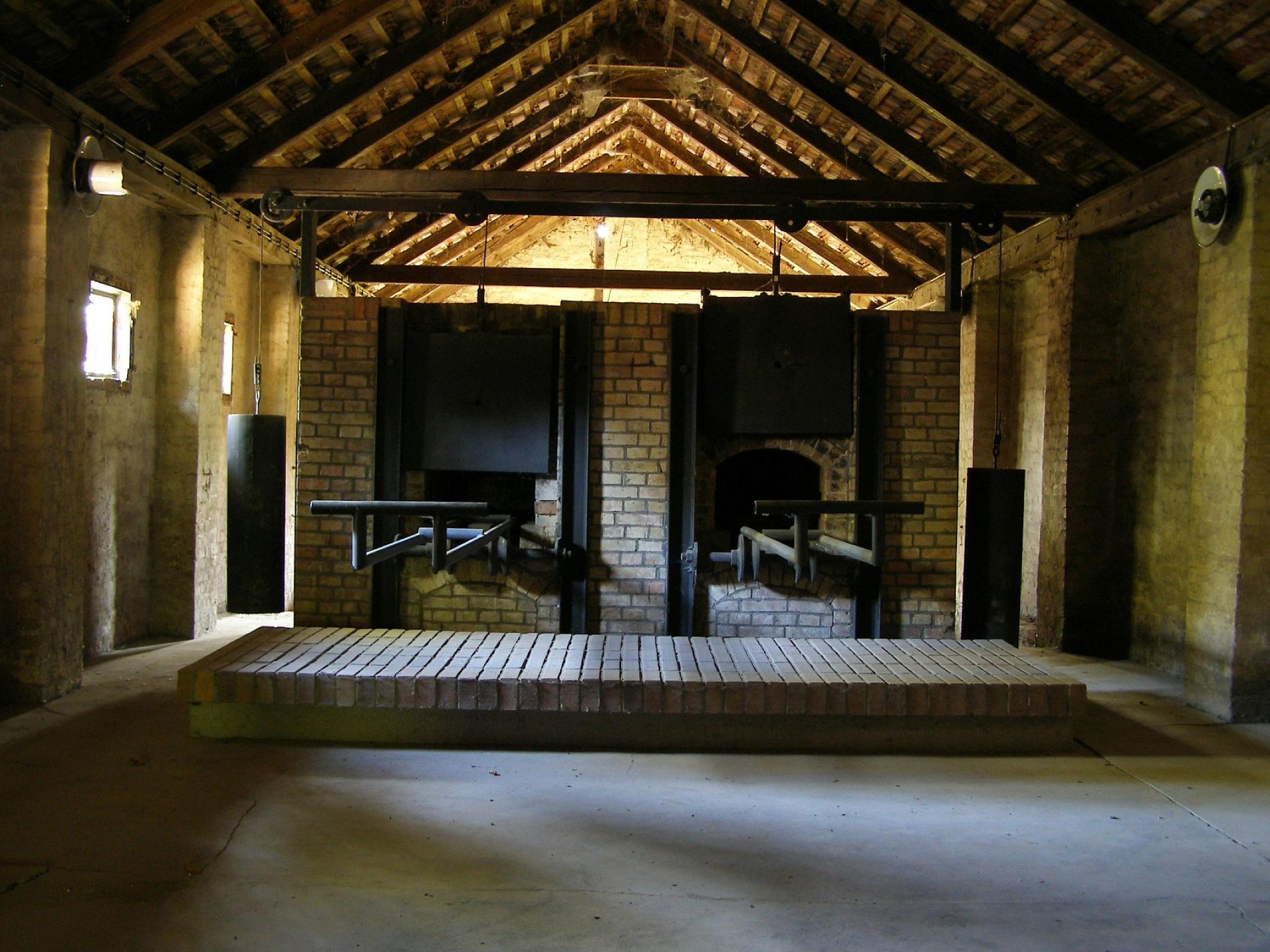
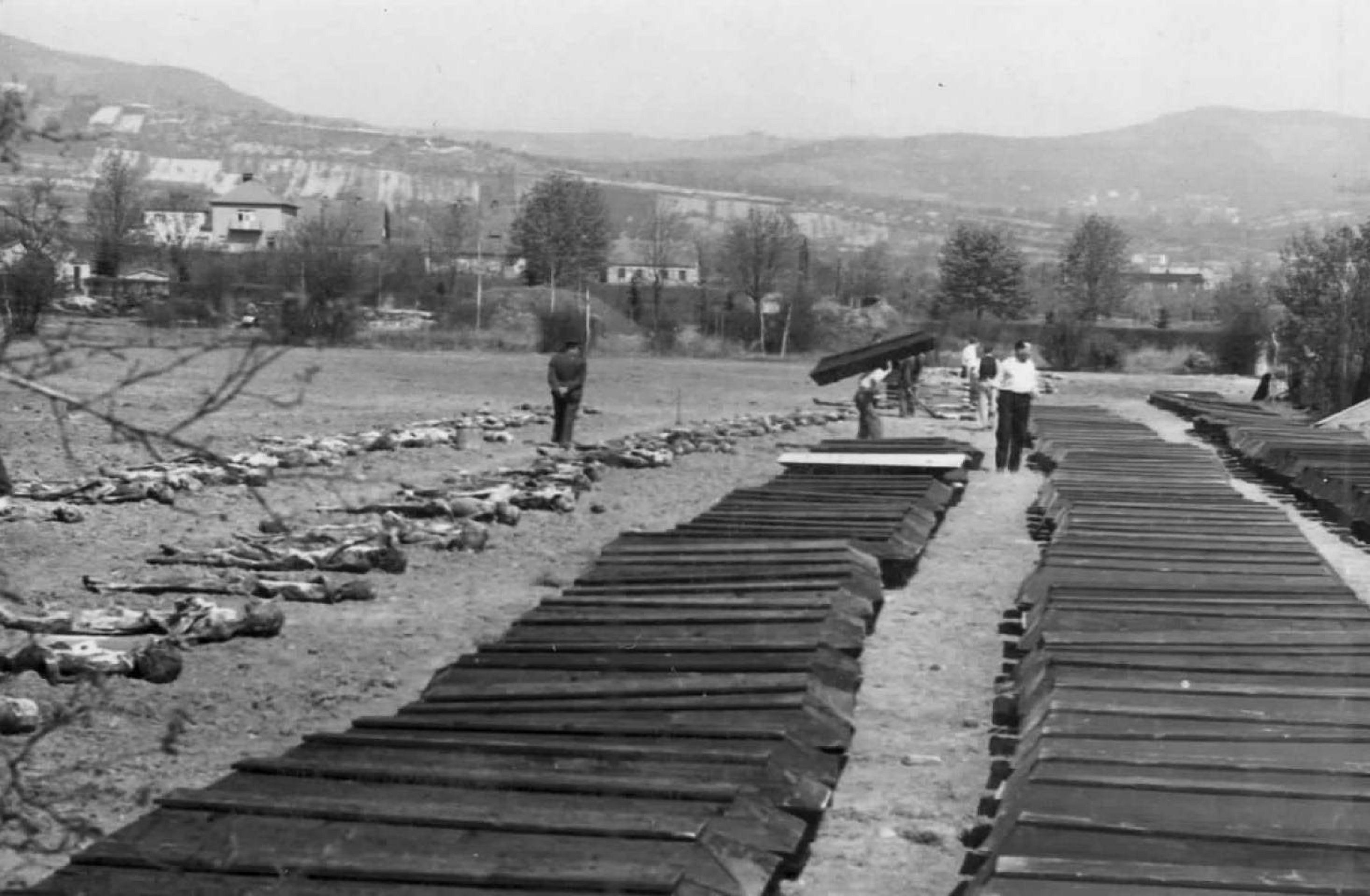
About 4,500 prisoners perished at Leitmeritz; the names of 3,200 victims are known. Many died as a result of the dysentery epidemic which occurred in the winter of 1944/45. The bodies were at first burned at the Theresienstadt crematorium, later a crematorium was also set up in Leitmeritz. However, its capacity was not sufficient so that many bodies had to be buried in mass graves.
Thousands of prisoners died in other concentration camps, such as Bergen-Belsen, where they had been sent to from Leitmeritz by the SS in so-called transports for the sick.
Remembrance
After the war, the Red Army confiscated and evacuated all Leitmeritz camp production equipment. In 1946, a mass grave not far from the camp was uncovered, the bodies exhumed and finally buried in new graves. In 1992, a memorial to the victims of the concentration camp - designed by Czech artist Jiři Sozanský - was dedicated next to the former camp crematorium. The memorial is administered by the Terezín Memorial, where an exhibition on the history of the Leitmeritz satellite camp is on display.
Possibilities
Educational programmes for children and youth
Open
The memorial is accessible at all times.
Contact
http://www.pamatnik-terezin.cz
pamatnik@pamatnik-terezin.cz
+420 (0)416 782 225
Michalovická
412 01 Leitmeritz