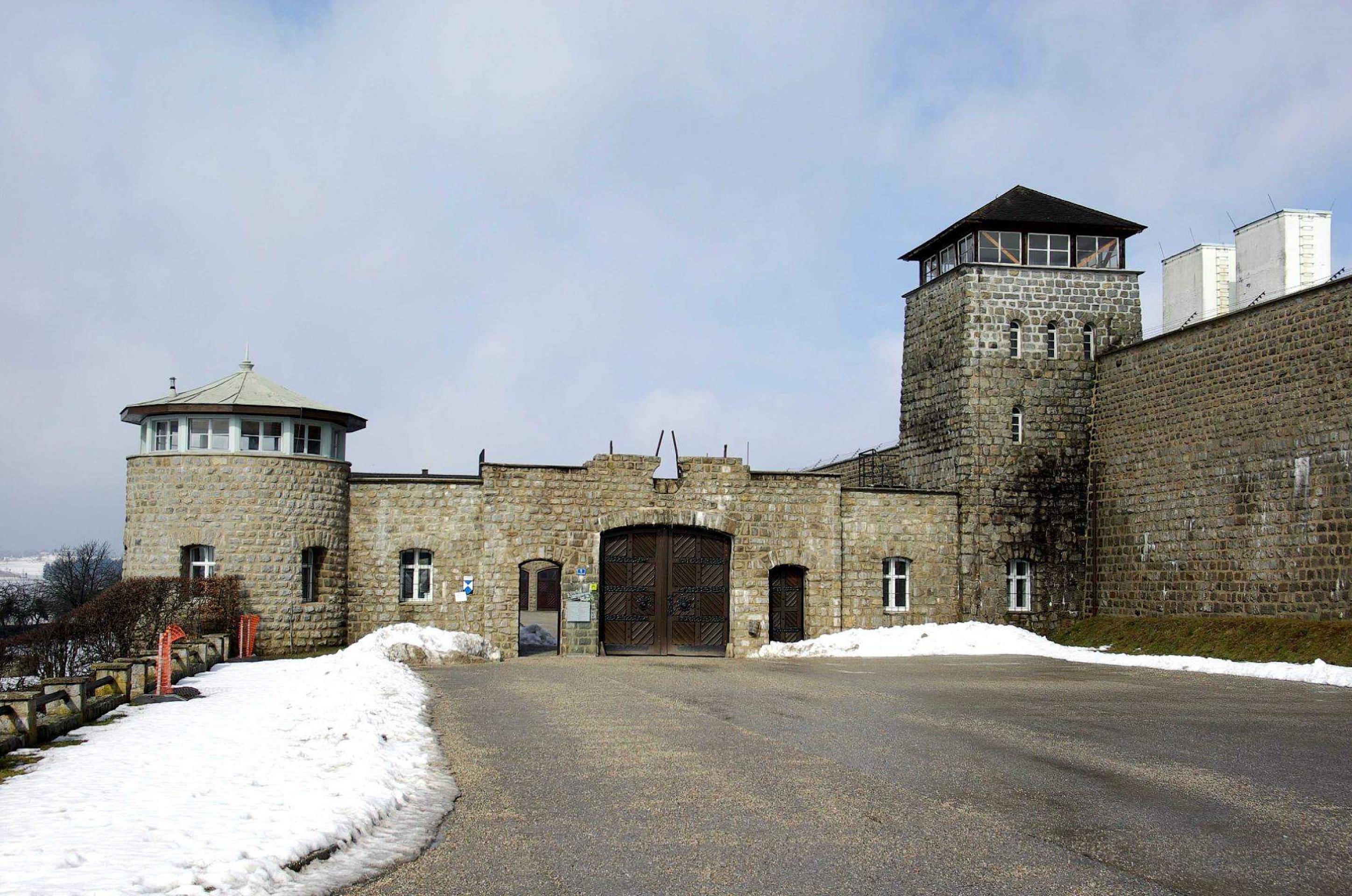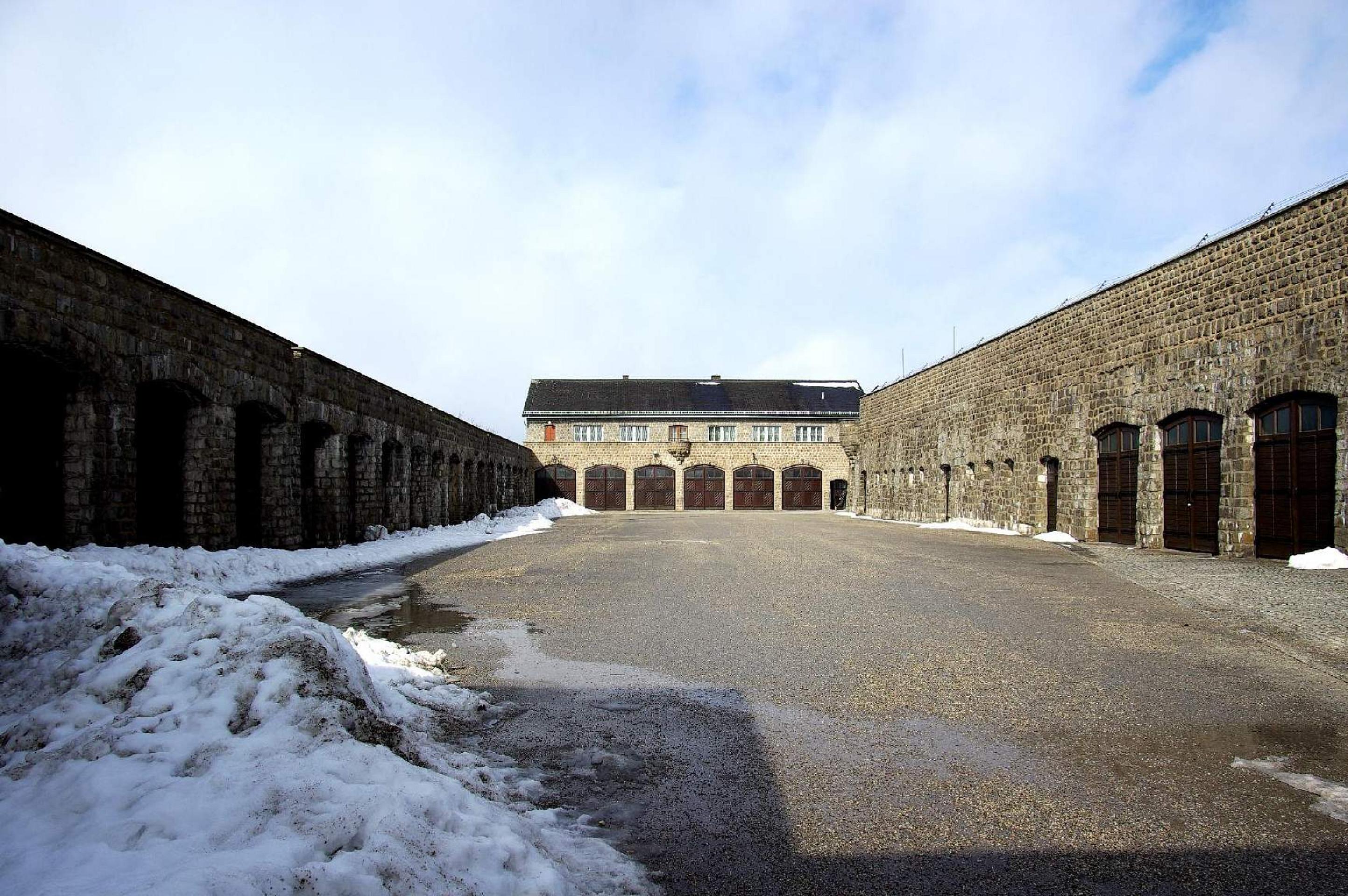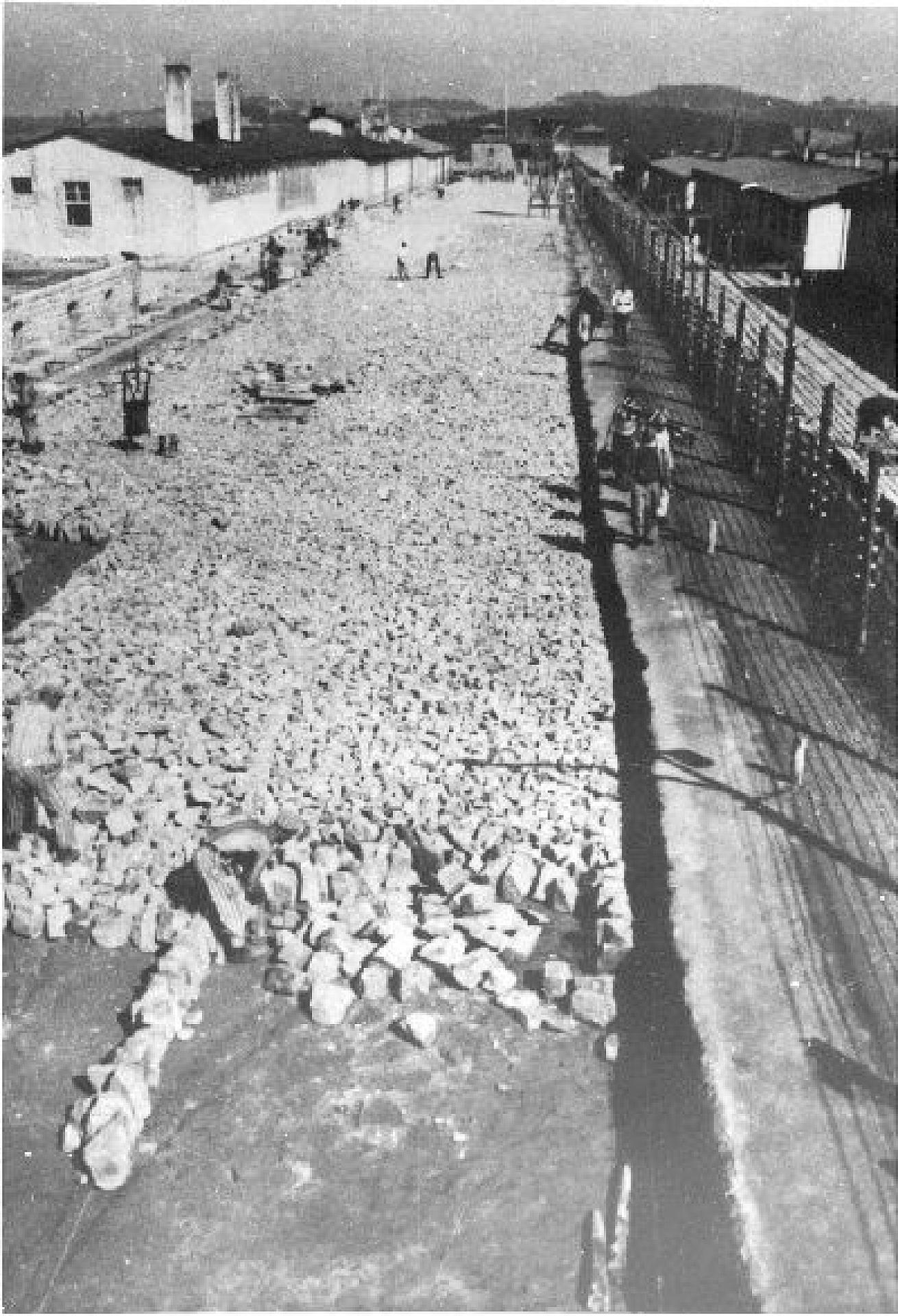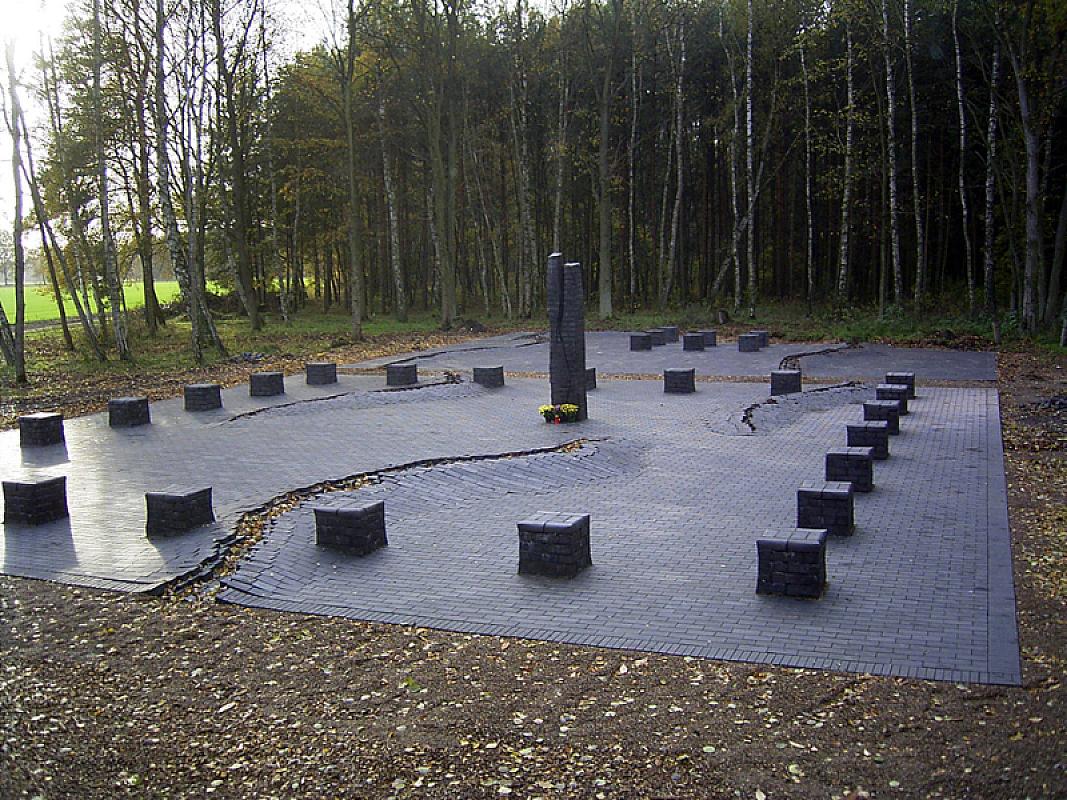
From March 1938, the SS began the construction of a concentration camp in the Upper Austrian township of Mauthausen. In all about 200,000 people from all over Europe - among them politically persecuted people, prisoners of war and Jews - passed through the concentration camp until its liberation at the beginning of May 1945. In 1949, a memorial site was opened on the former camp premises. A museum and permanent exhibition were established in 1970.
History
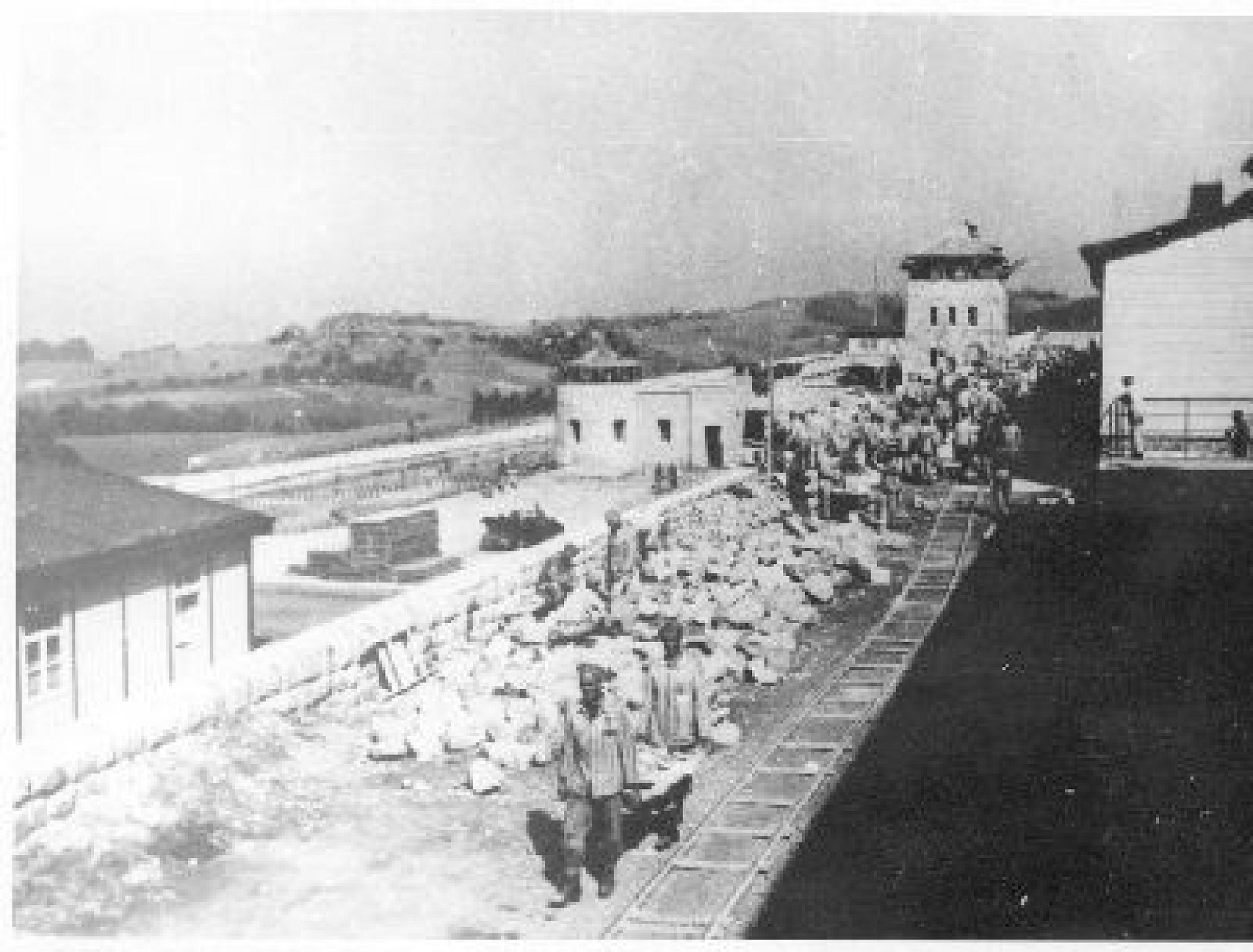
Already in March 1938, directly after Austria's »Anschluss« (»annexation«) to the German Reich, the SS began constructing the Mauthausen concentration camp close to a derelict quarry. The first prisoners - criminals and so-called asocials - arrived from Dachau concentration camp in August of that year. In May 1939, the SS brought the first political prisoners to Mauthausen. With the outbreak of war and the expansion of Germany's occupied territories, prisoners from all over Europe began arriving at Mauthausen concentration camp and its Gusen satellite camp, which was established in 1940. Among them were Czechoslovak, Dutch, Spanish, Soviet and Jugoslav prisoners of war and civilians. From 1942 on, prisoners from France, Belgium, Greece and Luxembourg were admitted. The inmates had to conduct forced labour in the Mauthausen and Gusen granite quarries, which were operated by the SS-owned »Deutsche Erd- und Steinwerke GmbH«. In 1942, it was decided that due to a general shortage of labour, the Mauthausen camp complex inmates would be integrated into efforts of the war industry. From autumn 1943 on, the prisoners were deployed in the local armaments industry. Working at several sites in the vicinity they extended vast tunnel complexes into which aeroplane and rocket production was to be relocated, in the hope of thus protecting it from bomb raids.
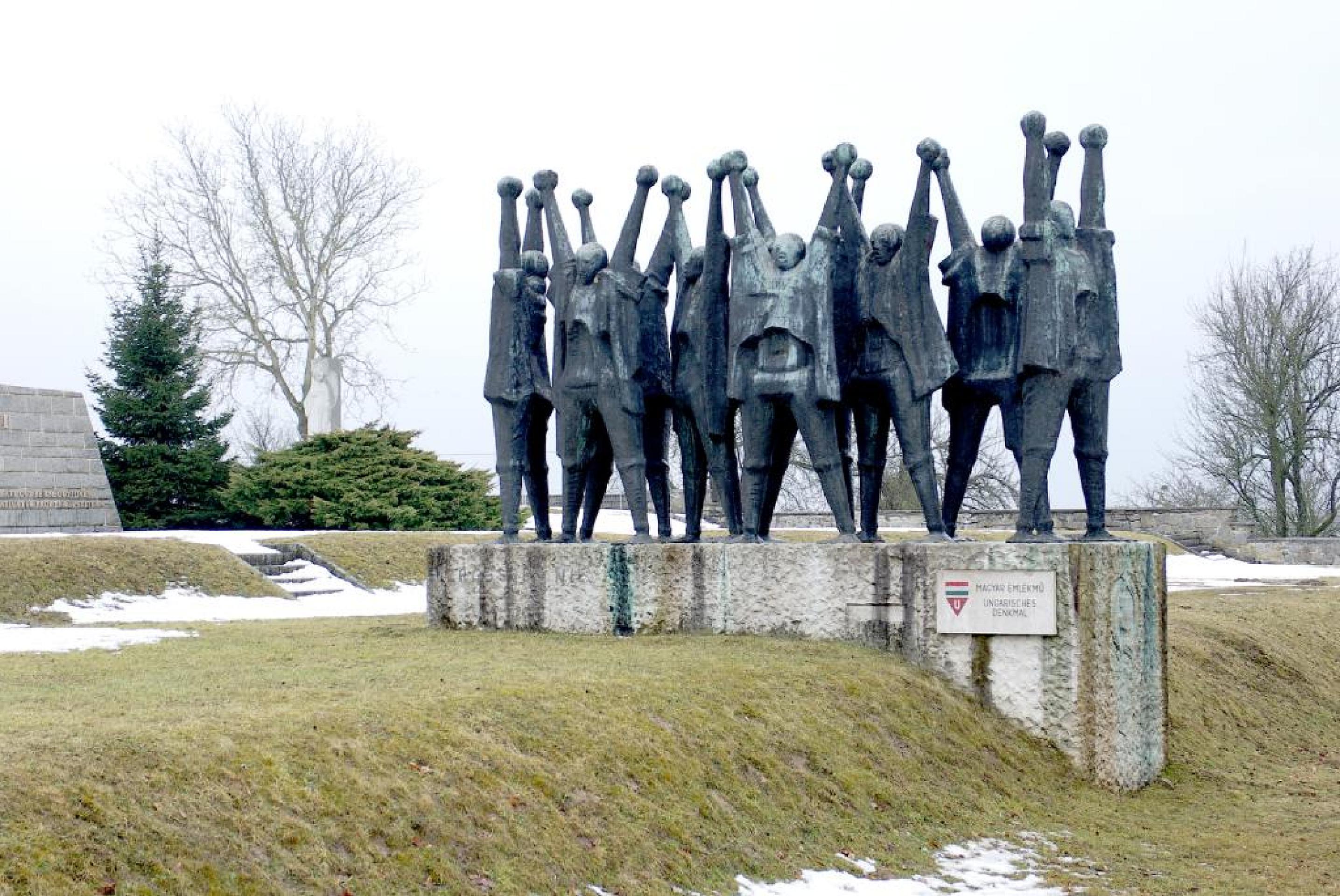
Soon, there were over forty satellite camps of Mauthausen due to the increase in forced labour and dramatic rise in new arrivals - about 21,000 new prisoners arrived in 1943 alone. Among the larger satellite camps were Ebensee, Gusen, Gunskirchen and Melk. Between mid-1944 and January 1945, the SS deported around 20,000 Jews from the Auschwitz and Plaszow camps in occupied Poland to Mauthausen. Only few of the prisoners, who were mostly of Hungarian origin, survived. American troops liberated the camp on May 5, 1945.
Victims
Of the approximately 200,000 people that passed through Mauthausen, about 120,000 perished. The inmates of the Mauthausen camp complex came from all over Europe, of which the Polish prisoners constituted the largest group. Over 50,000 Poles were deported to Mauthausen; about 30,000 of them perished.
Most of the inmates fell victim to the strenuous forced labour and the harsh living conditions. From 1943, the number of prisoners rose dramatically, reaching its peak in March 1945 with 84,000. Typhus and dysentery epidemics broke out in the overcrowded camps. In the last five months prior to the camp's liberation in May 1945 alone about 25,000 people died.
Jews were affected by hunger and epidemics even more strongly due to the especially harsh conditions they were subjected to. The mortality rate of Jewish prisoners came to over 95 per cent.
Remembrance
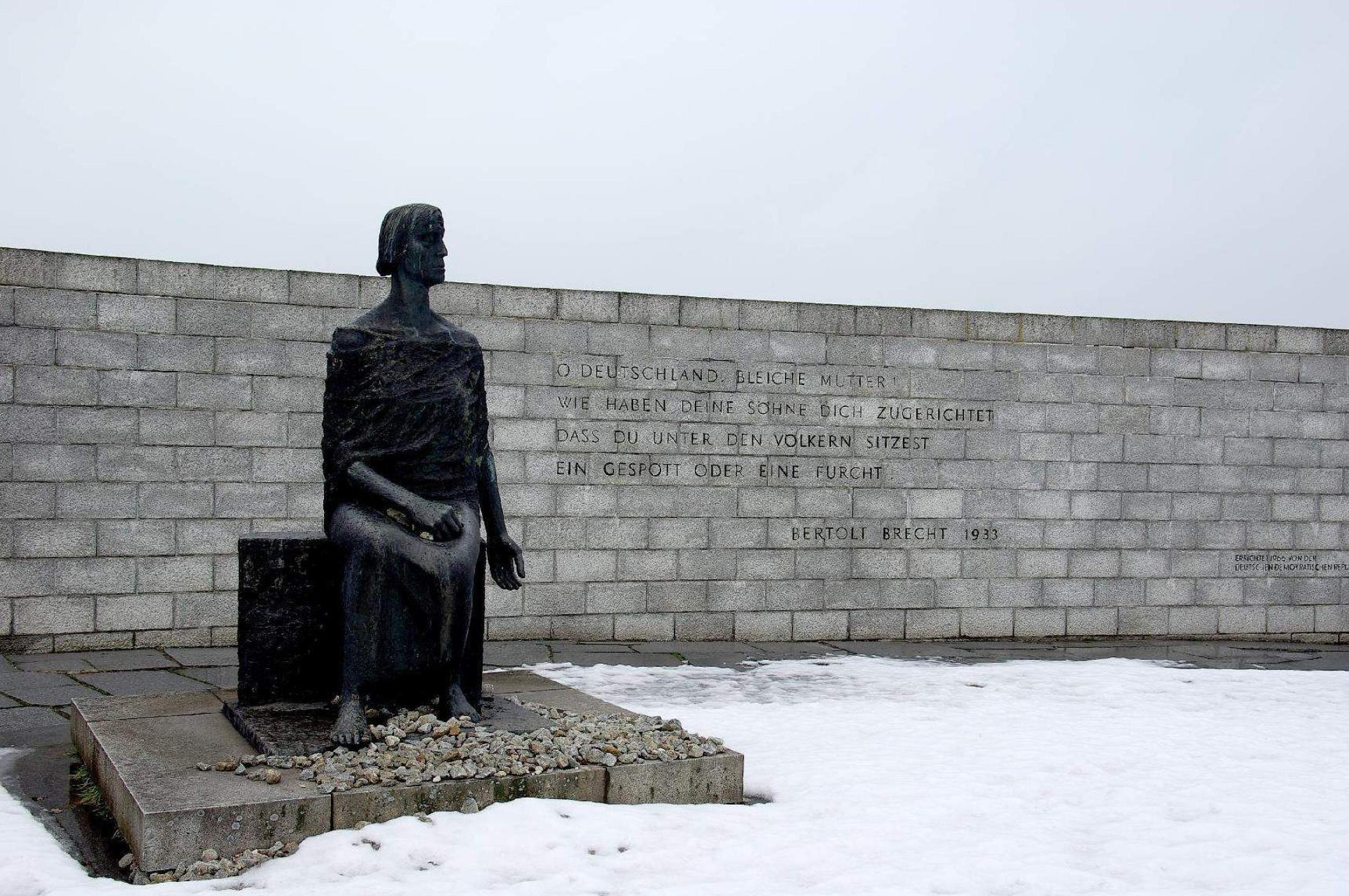
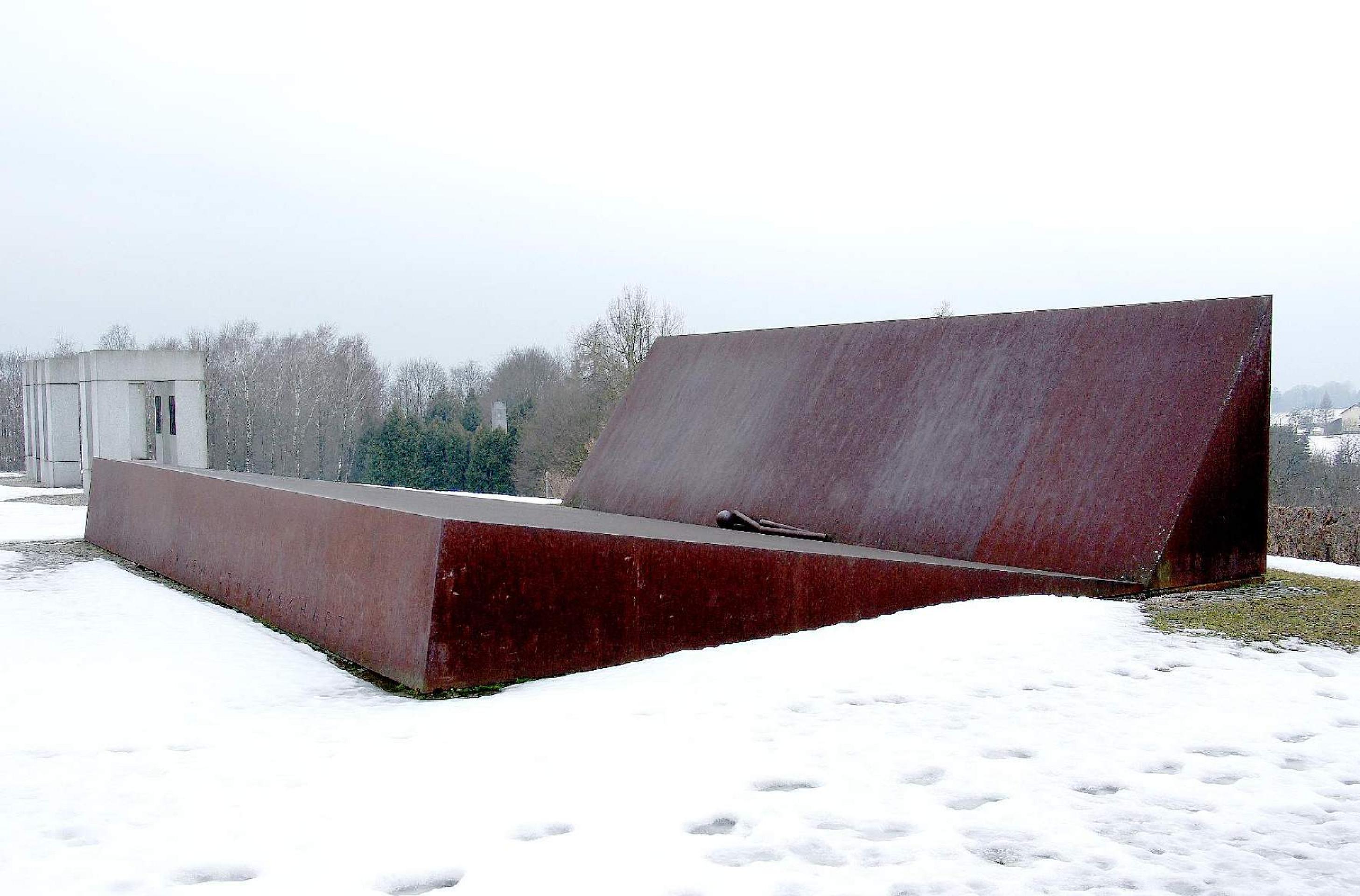
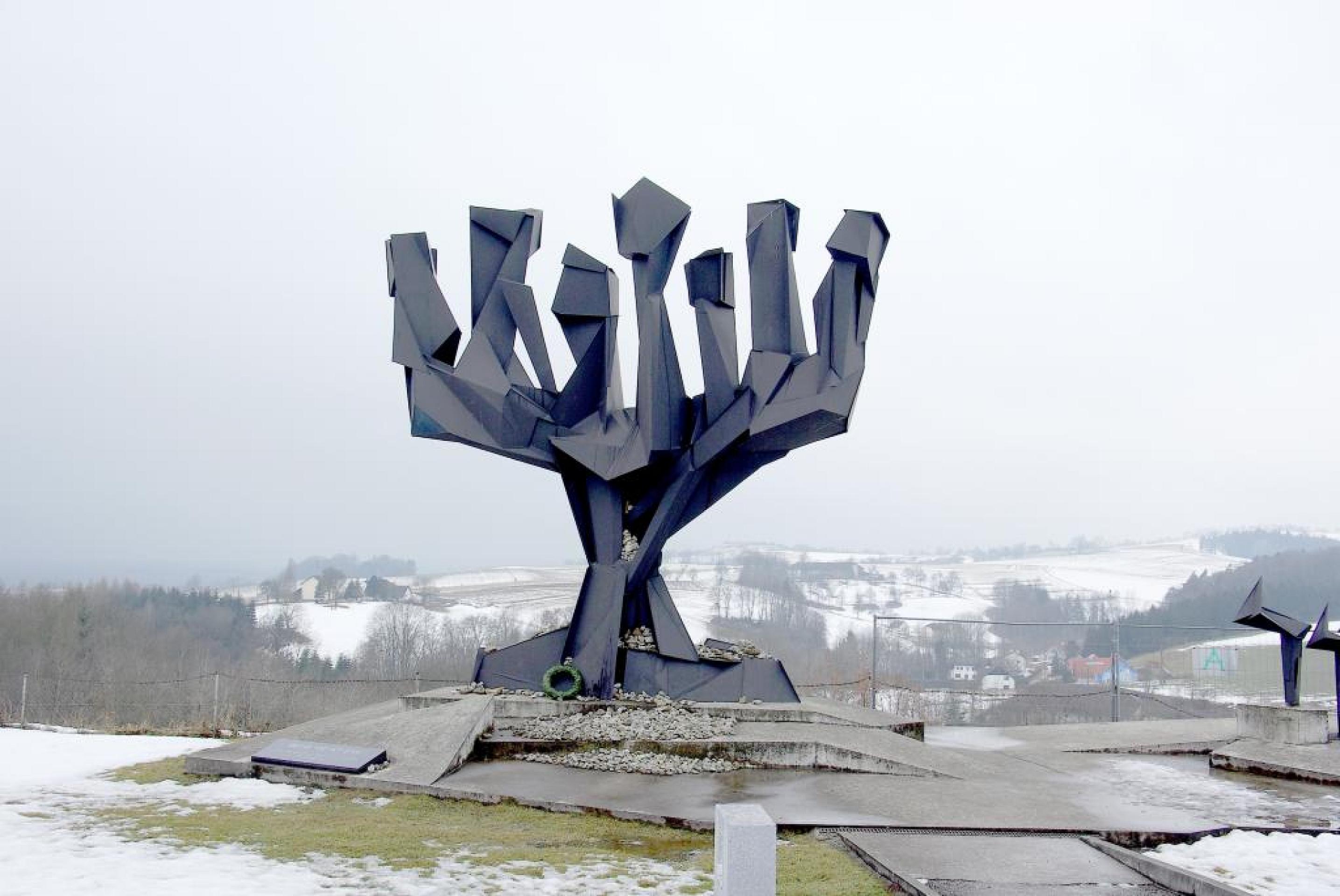
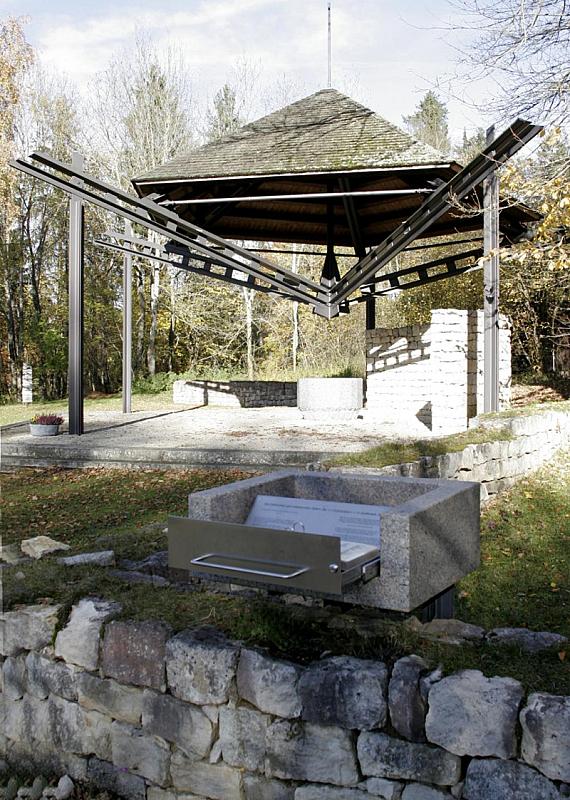
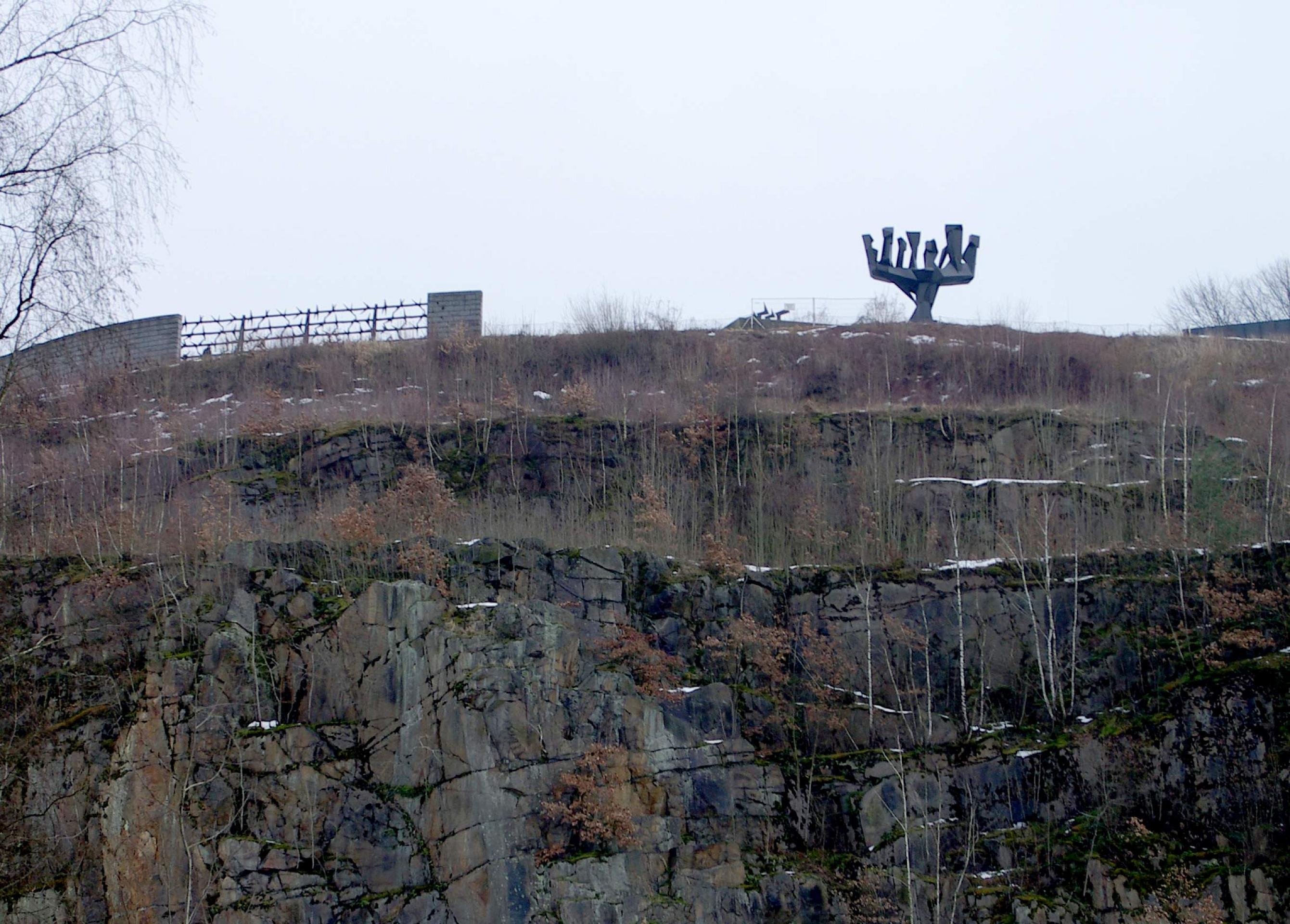
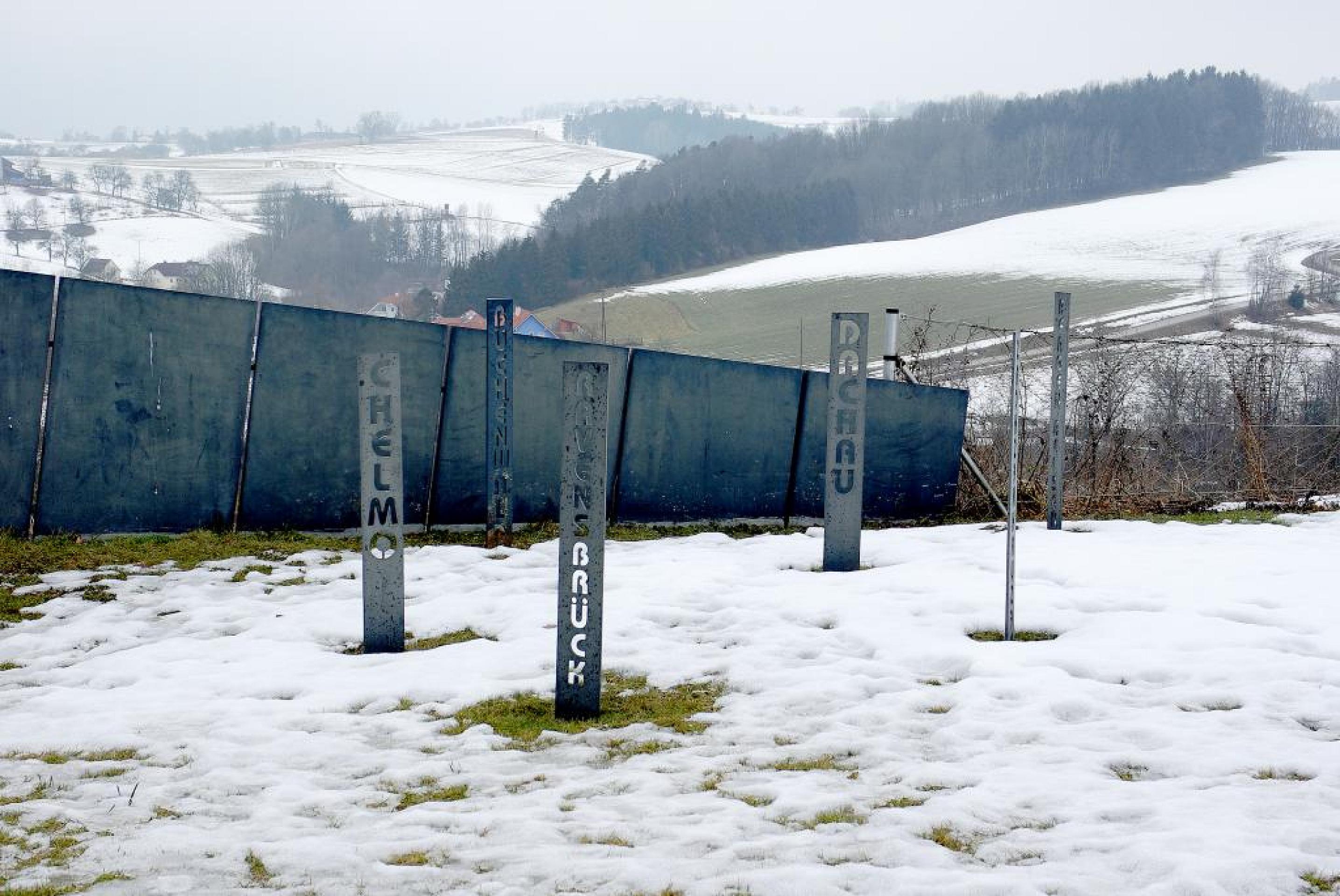
In June 1947, the Soviet occupation authorities handed the former concentration camp over to the Austrian state, which in return declared it a »national monument«. In 1949, the Mauthausen Memorial was opened and over the years several extensions were added - various initiatives and victim organisations set up memorials. In front of the former concentration camp entrance gate an »international memorial grove« was laid out in which over 20 states set up their own national memorials. Among them are a memorial of the GDR Committee of Antifascist Resistance Fighters (1967) which was designed by Berlin sculptor Fritz Cremer and architect Kurt Tausendschön, as well as the 1983 monument of the Federal Republic of Germany designed by Fritz König.
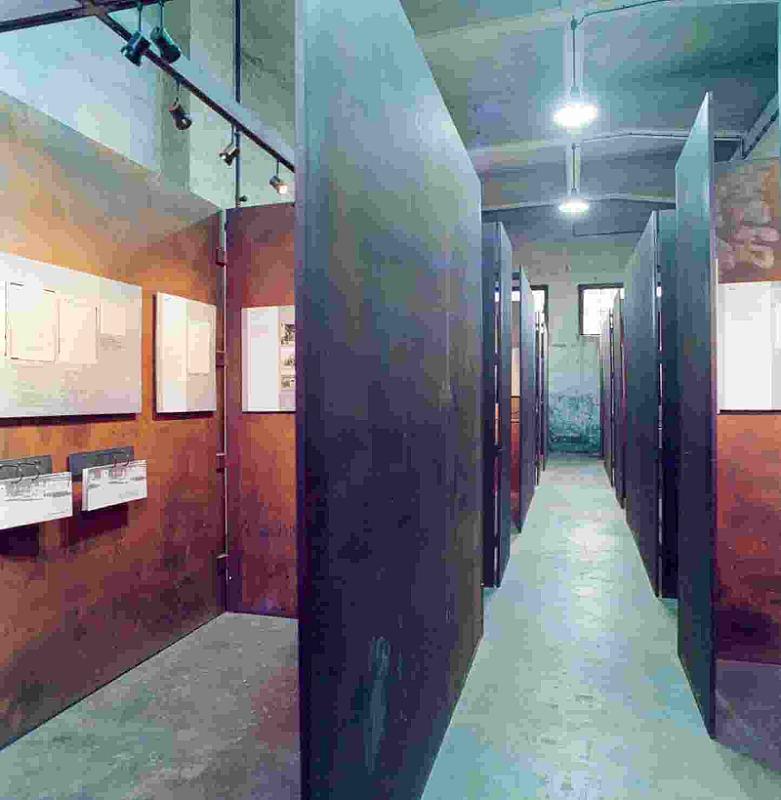
Since 1956, the quarry has been part of the memorial, adding to the few remaining buildings of the former camp as a historic site. A museum displaying a permanent exhibition and thematic temporary exhibitions has been in place since 1970. In 2003, a visitor centre was opened.
Possibilities
Visitor centre with permanent exhibition and seminar rooms, guided tours for groups on the premises of the former concentration camp, audio guides for individual visitors
Open
From March 1 to October 26 daily 9 a.m. to 5.30 p.m. (last entry at 4.45 p.m.)
From October 27 to February 28 daily 9 a.m. to 3.45 (last entry at 3 p.m.)
Closed between December 24 and 26 as well as on December 31 and January 1
Contact
http://www.mauthausen-memorial.at
office@mauthausen-memorial.org
+43 (0)7238 226 90
Erinnerungsstraße 1
4310 Mauthausen