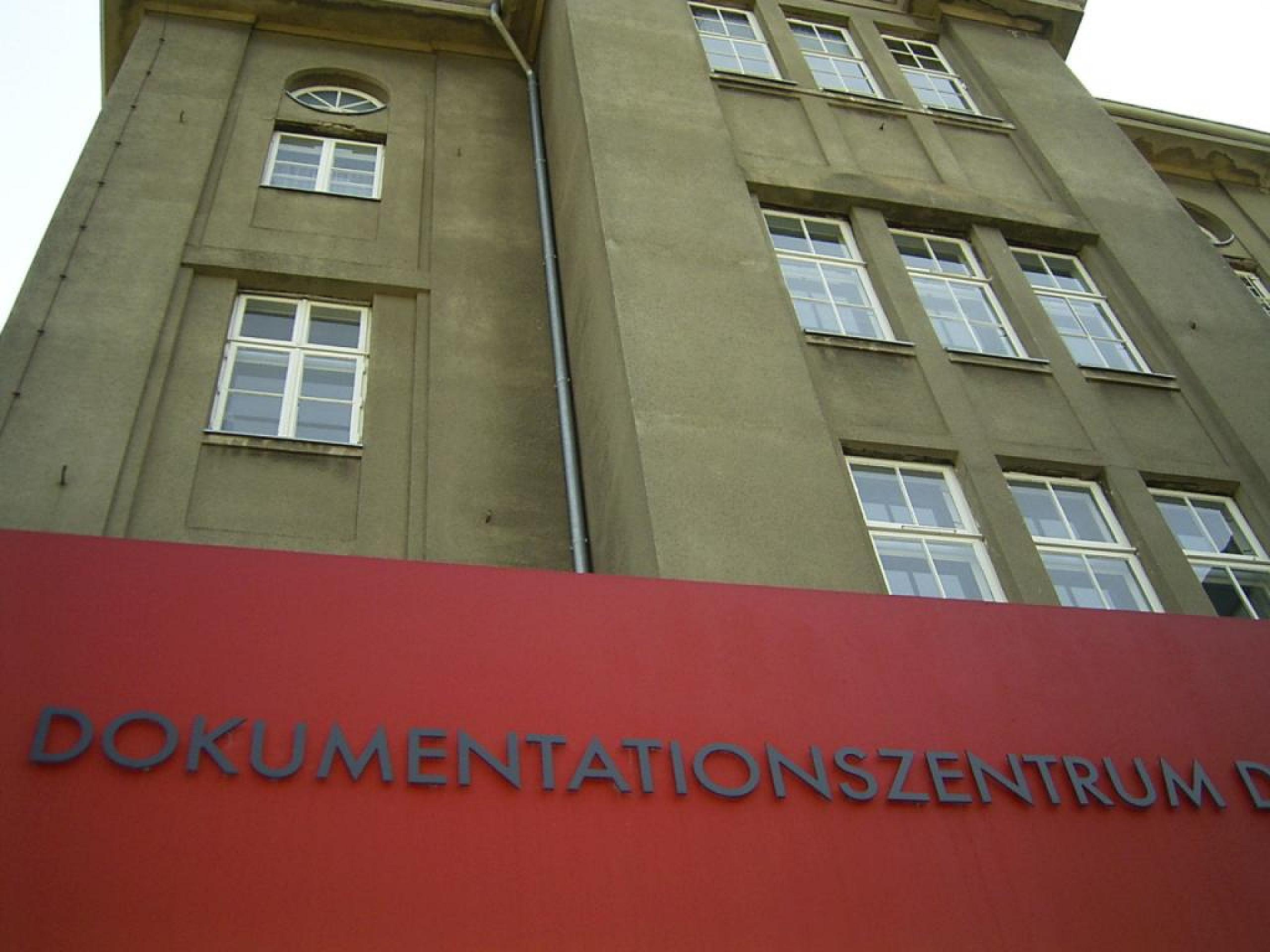
Mecklenburg-Vorpommern State Documentation Centre for the Victims of Dictatorships in Germany
Dokumentationszentrum des Landes für die Opfer der Diktaturen in Deutschland
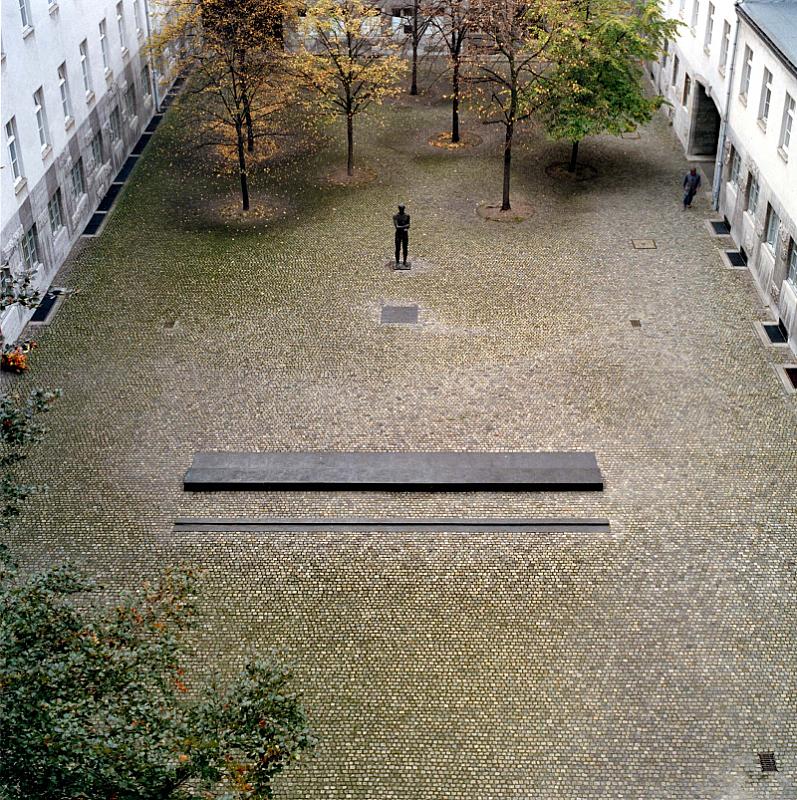
From 1933 on, the National Socialist judiciary in the Schwerin district court on Demmlerplatz tried political opponents of the regime. Soviet tribunals were held at the same site between 1945 and 1953, after which it was used by the GDR Ministry for State Security as a detention centre. In June 2001, the Mecklenburg-Vorpommern State Documentation Centre for the Victims of Dictatorships in Germany was opened.
History
The Schwerin district court, a monumental representative building from 1916, served as the seat of the Mecklenburg Special Court after the National Socialists' rise to power in 1933. Special decrees and emergency regulations made it possible to arrest political opponents of the regime on a large scale, and the newly established special courts enabled their rapid sentencing. During the Second World War, vague suspicions were enough for a special court to sentence someone if the prosecution deemed they had committed deeds »especially dangerous to public order and safety«. The Hereditary Health Court too had its seat in the Schwerin district court. It could order the forced sterilisation of people on the basis of the »Law for the Prevention of Hereditarily Diseased Offspring«, which had been passed in 1933. People with hereditary illnesses but also representatives of »undesirable« social groups fell victim to these measures.
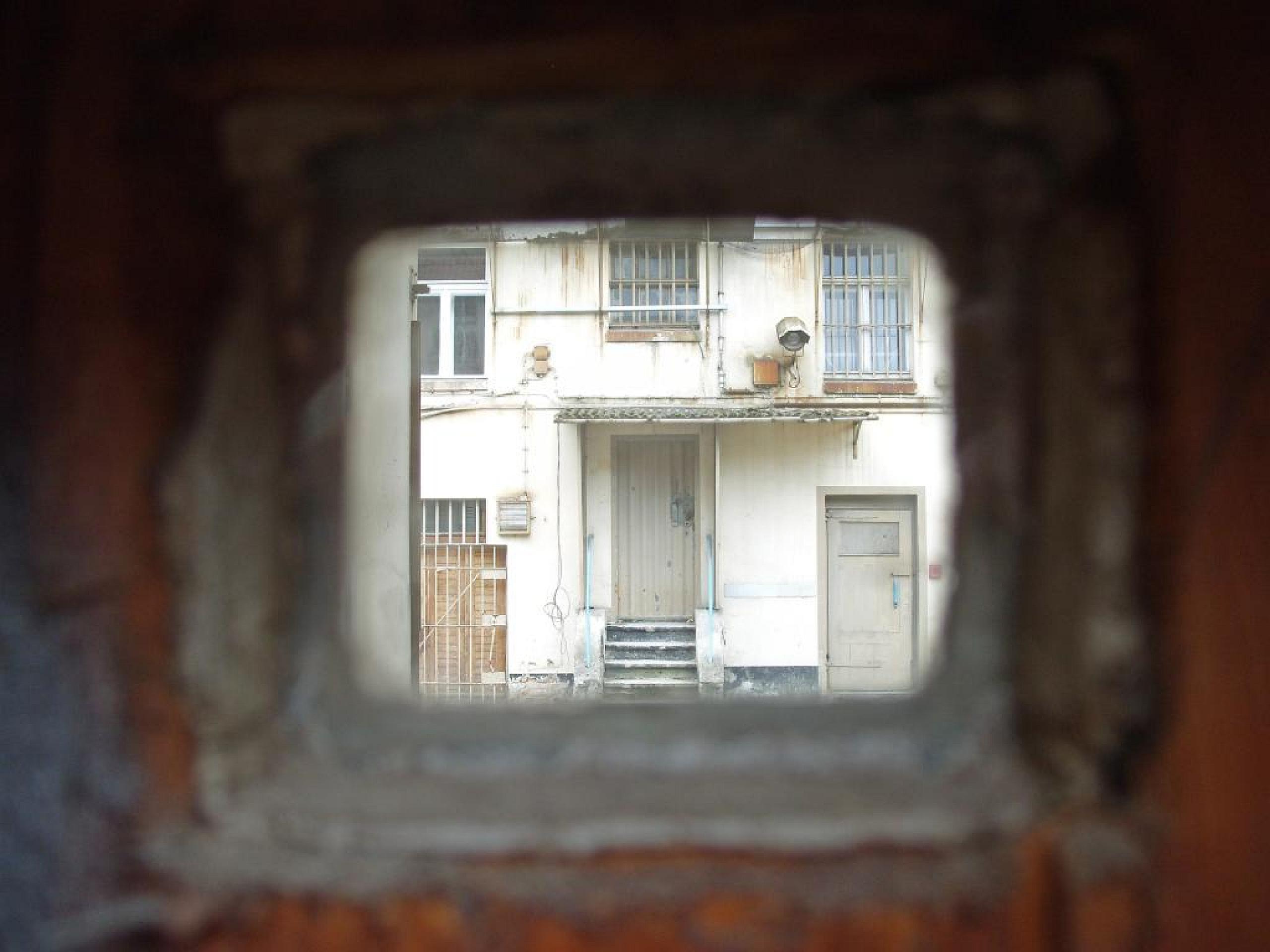
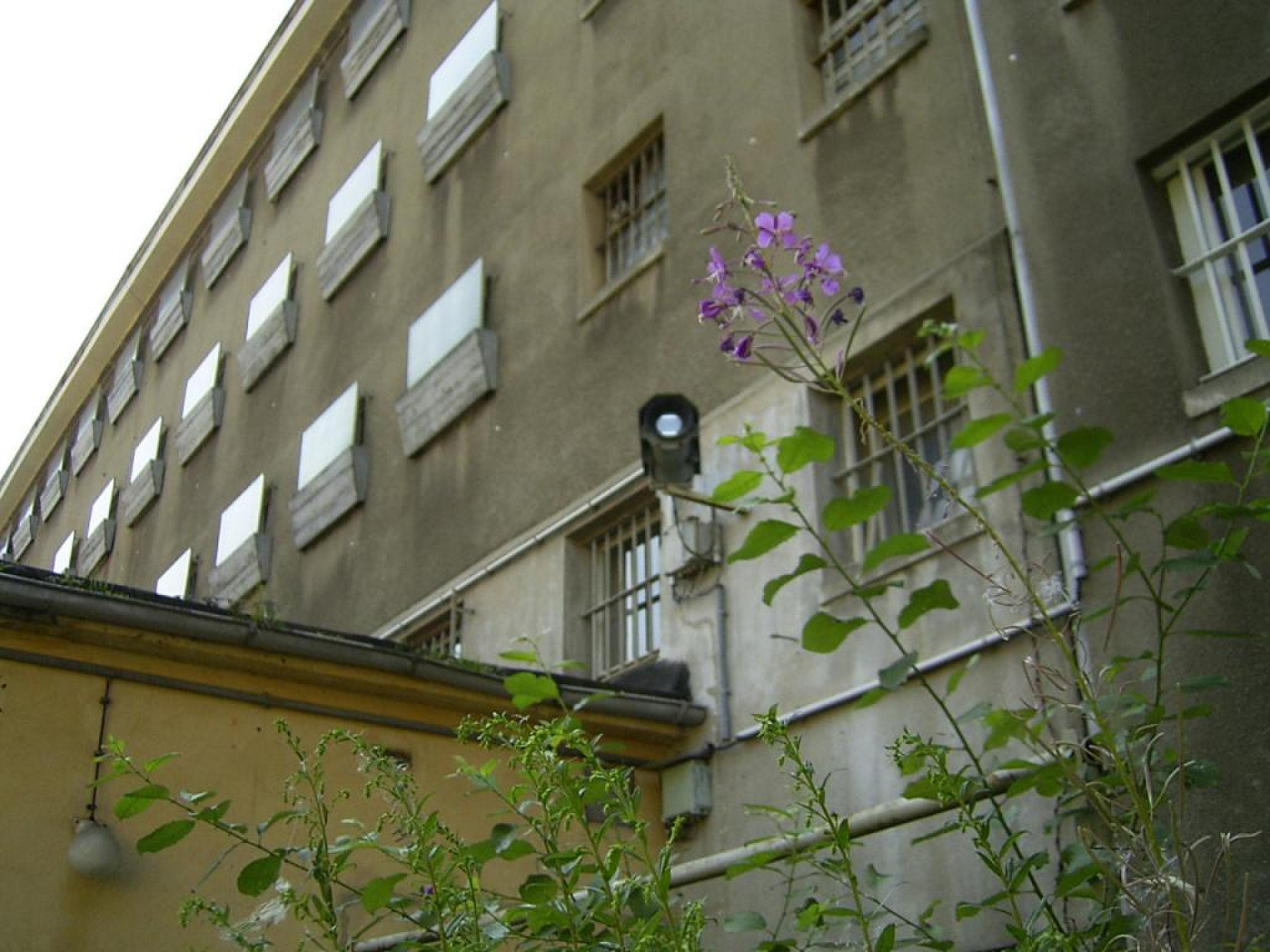
In April 1945, US troops liberated Schwerin. From July 1945 on, Mecklenburg became a part of the Soviet occupation zone. The court building now served as the seat of the Soviet Military Tribunals. The task of these tribunals was to punish actions which had been directed against the Allies, yet the Soviet judiciary not only prosecuted former National Socialists: suspected and actual opponents of the new regime were also sentenced for »counter-revolutionary crimes«. In 1950, the Ministry for State Security was founded in the GDR - better known as the Stasi, its main task was persecuting political opponents. Between 1954 and 1989, the Schwerin district administration of the Stasi used the court building complex as a detention centre.
Victims
Between 1933 and 1945, the National Socialists sentenced people at the Special Court and the Hereditary Health Court in Schwerin on political, religious and racial grounds. Schwerin was also the site of trials aimed at the suppression of religious groups such as trials against protestant pastors in 1934 and a series of trials against Jehovah's Witnesses. During the war, the extent of political persecution grew significantly. Elements of offence such as »malice«, »broadcasting crimes« or »favouring the enemy« led to many sentences at the Schwerin Special Court, including the death sentence.
After the war, Soviet military tribunals were held at the court building complex, and many prisoners were arbitrarily incarcerated in the building's prison facilities. The tribunal handed down many draconian sentences.
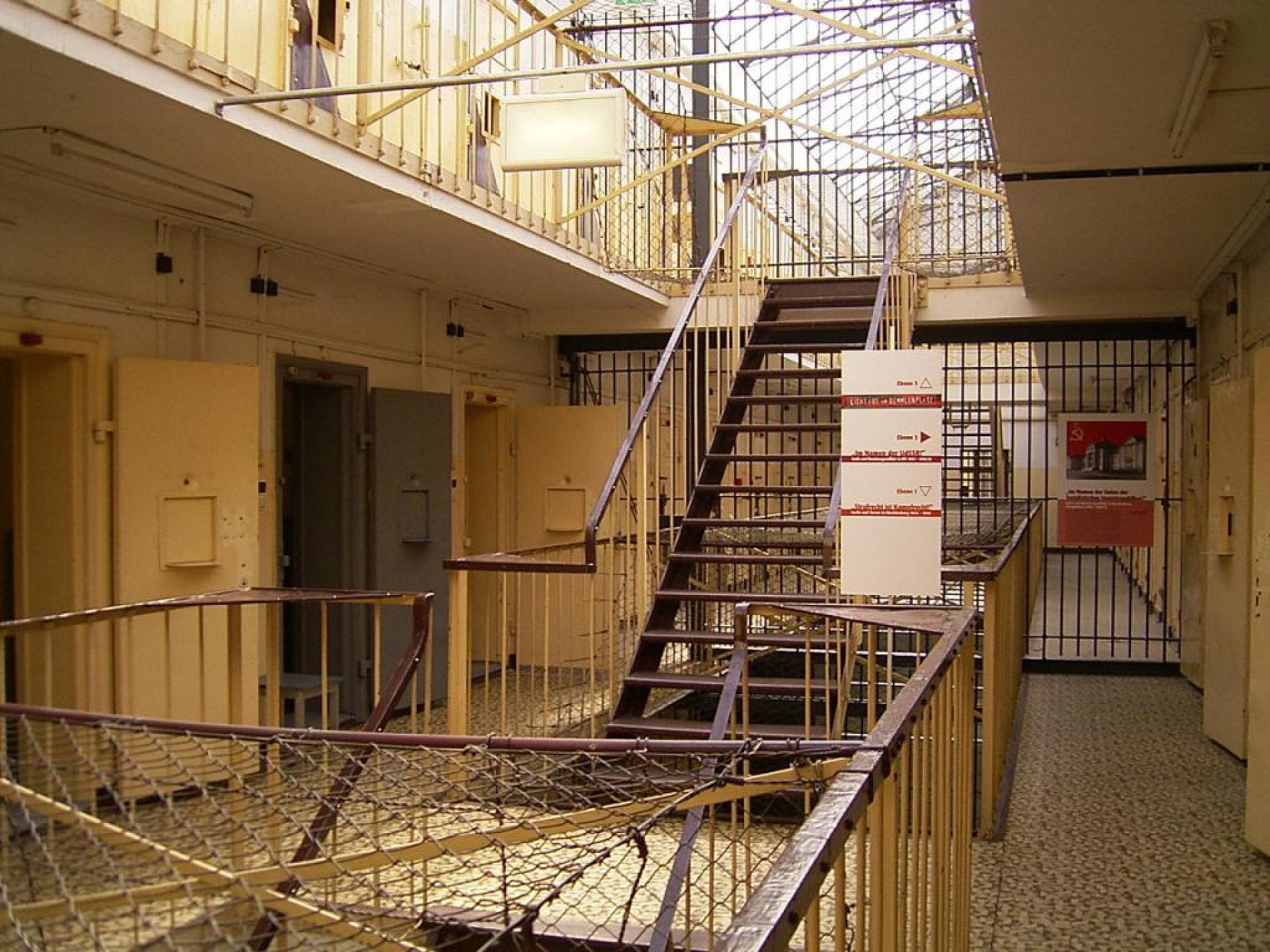
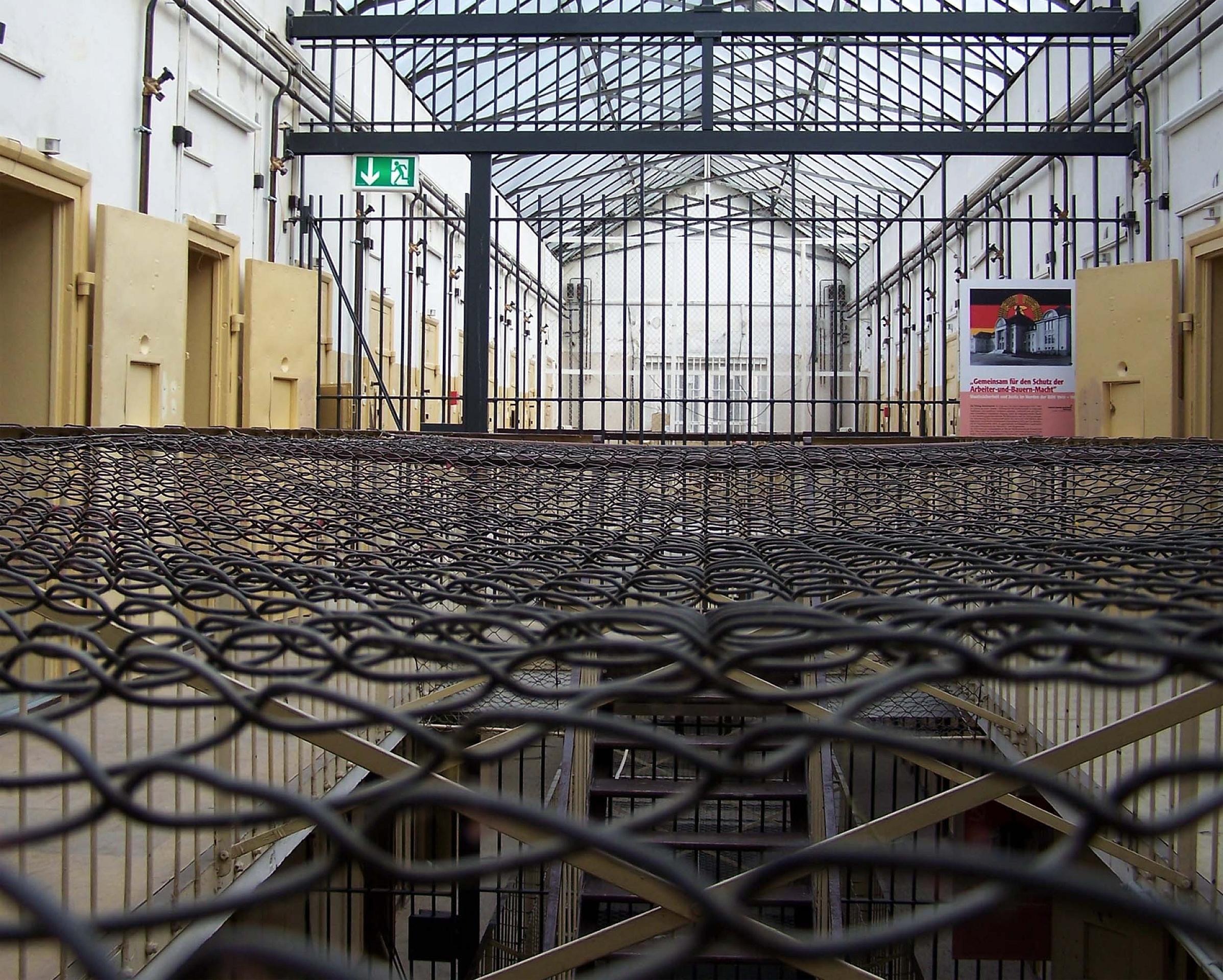
From 1954 on, the court complex was one of 16 investigative custody centres of the East German Stasi. Measures aimed at intimidating the prisoners, such as complete isolation as well as physical and psychological torture were characteristic of the conditions at the prison ward.
Remembrance
In 1990, following the dissolution of the Stasi, the building was returned to the Schwerin judiciary. In 1993, the State Commissioner for Records of the State Security Service of the former GDR called for creating a memorial site in the building and using it for purposes of civic education. When the government of Mecklenburg-Vorpommern agreed, plans were begun to convert the former cell block into a documentation centre. In 2000, the State Agency for Political Education took over the centre, which was officially opened by the German President on June 6, 2001. The three-part exhibition was completed in 2005. Today, the documentation centre focuses on the history of political persecution in the 20th Century primarily from a regional perspective.
Possibilities
Permanent exhibition on the political judiciary from 1933 to 1989, training for teachers, study days, guided tours
Open
Tuesday to Friday 12.30 p.m. to 4 p.m. and by appointment
Contact
http://www.dokumentationszentrum-schwerin.de/
dokuzentrum-schwerin@lpb.mv-regierung.de
+49 (0)385 745 299 11
Obotritenring 106
19055 Schwerin