Skip to content

Memorial and Museum Jasenovac

Javna ustanova Spomen Područje Jasenovac


A memorial close to the Croatian village of Jasenovac, on the border to Bosnia, honours the approximately 80,000 prisoners, mostly Serbs and Jews, who were murdered by members of the Croatian Ustaša in the camp that existed there between 1941 and 1945.

History

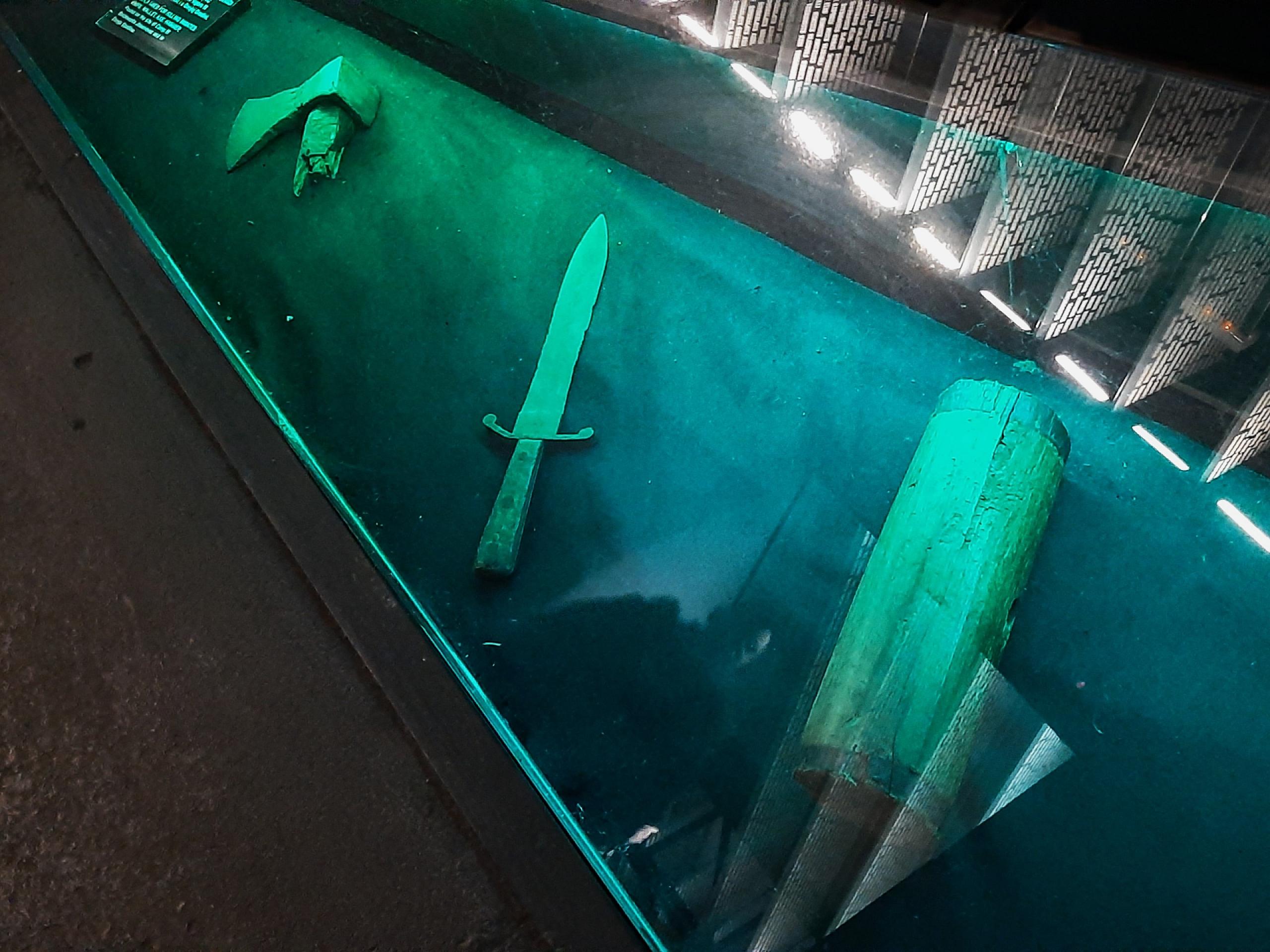
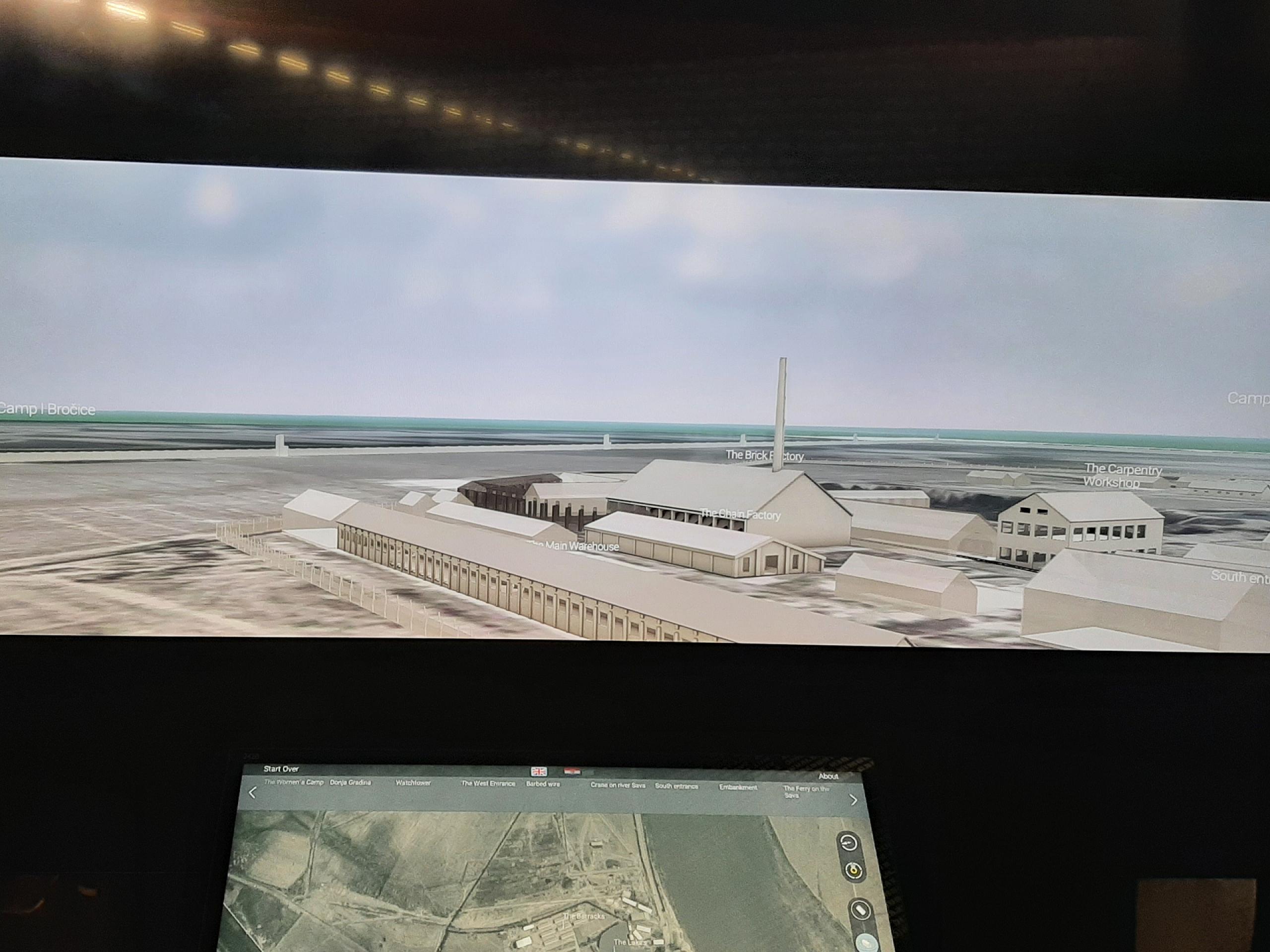
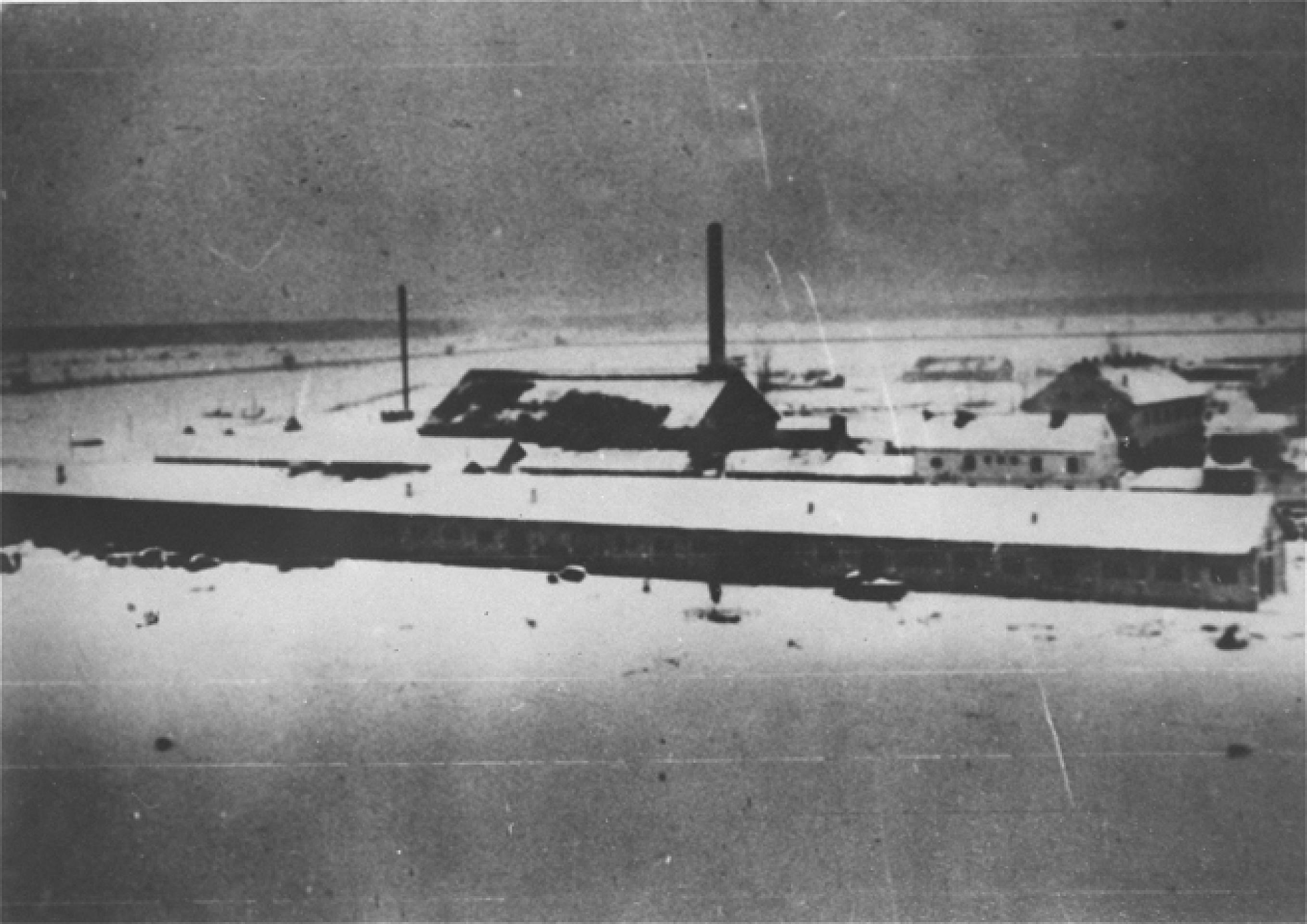
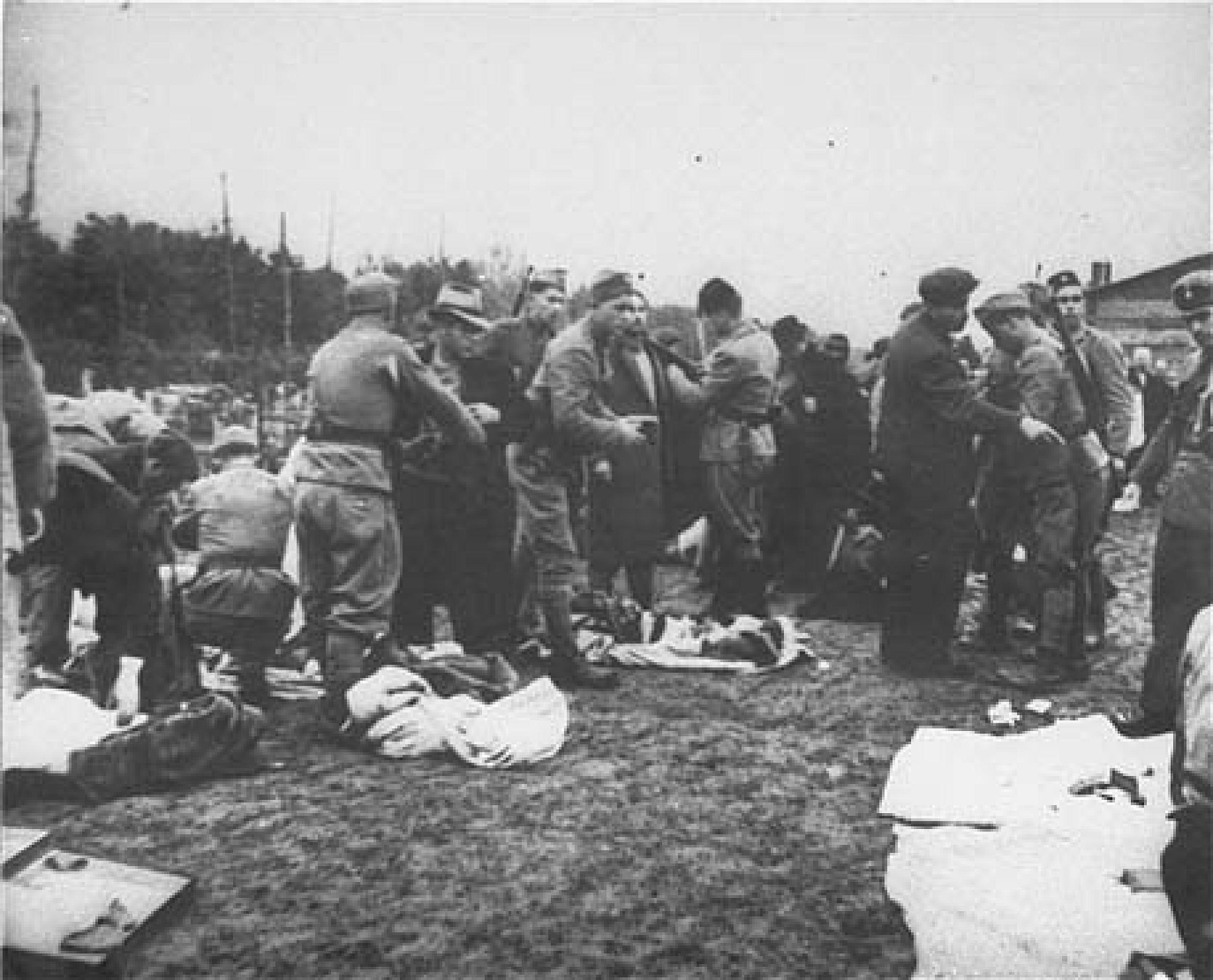
On April 10, 1941, four days after the German Wehrmacht and its allies invaded Yugoslavia, the fascist Ustaša movement proclaimed the Independent State of Croatia (Croatian: Nezavisna Država Hrvatska). Yugoslavia was dismembered: the Independent State of Croatia covered the area of what is today Croatia and Bosnia-Herzegovina. Serbs, Jews and Roma were immediately persecuted in the new Croatian state. The Ustaša erected over fifty camps in Croatia in which they incarcerated Jews and Serbs, deployed them for forced labour or murdered them. At the end of July 1941, the Ustaša police, which was modelled on the Gestapo, set up the camp in Jasenovac – several Croatian camps were dismantled beforehand. The camp complex comprised five detention facilities in the area of the village of Jasenovac on the river Save. The most famous was Camp III, also known as Ciglana (English: brickyard); many prisoners were murdered here immediately upon arrival. The Ustaša dissolved most of the Croatian camps from the end of 1941 and in the course of 1942, deporting all of the prisoners to Jasenovac. In May and June, about 10,000 Roma were brought to Jasenovac and murdered there. In the summer of 1942, a further 15,000 people from all over Croatia were deported to Jasenovac, a majority of which too were murdered. The murders at Jasenovac were organised systematically: the guards tortured and beat their victims, stabbed them or smashed their skulls with a hammer. Many prisoners also died of hunger and illnesses. From mid-1942 on, several thousand Croatian and Bosnian Jews were deported to Auschwitz. Even after these deportations, Jews and Serbs continued to be brought to Jasenovac. In April 1945, the camp's dissolution was begun: the last inmates were murdered and the Ustaša blew up the buildings. On May 2, 1945, partisan units reached the burned out camp.
Victims

Following a long-standing dispute among the successor states of Yugoslavia over the number of victims of the Jasenovac camp, historians now deem that there were between 80,000 and 90,000 people killed in Jasenovac. The Ustaša mainly murdered Serbs, Roma and Jews, but also Bosnian Muslims and Croatien opponents of the Ustaša regime. In 2013, the memorial published a list of 83,145 names of victims of the camp, including more than 47,000 Serbs, 16,000 Roma and 13,000 Jews. Among the victims were more than 20,000 children and 23,000 women.

After the First World War Croatia was part of the Kingdom of Serbs, Croats and Slovenes. In 1929 the Kingdom became Yugoslavia, a dictatorship established by King Alexander I (1888–1934) with the overall support of Serbian officers. The Croatian nationalist Ante Pavelić (1889–1959) left the country and fought the monarchist dictatorship with his terrorist underground movement »Ustasha« from a base in fascist Italy. In April 1941, Yugoslavia was occupied by German troops and their Italian, Hungarian and Bulgarian allies and the state was split into a number of annexed and occupied territories serving as puppet states of the Nazi regime. The »Independent State of Croatia« was established as a result, in reality a puppet state of the Third Reich led by the regime of terror of the Croatian Ustasha and their »Poglavnik« (leader) Pavelić. The policy of persecution and extermination adopted by this regime was primarily directed against the large Serbian minority as well as Jews, Roma and religious and ideological opponents. In summer 1941, the ruling authorities in Jasenovac established the largest concentration camp in the Balkans. More than 80,000 people met a violent death here, including around 48,000 Serbs, 13,000 Jews, 16,000 Roma and over 4,000 Croats. Summer 1941 also marked the start of the armed campaign of the communist partisans led by Marshal Josip Broz Tito (1892–1980). By 1942-43 Tito’s troops had gained control over a large part of Croatia and in 1944-45 they took the whole of Yugoslavia. Pavelić fled and Tito became head of state. He had tens of thousands of former opponents and civilians – including many Croats – persecuted and murdered. Prior to the break-up of Yugoslavia in 1991, around 6,000 highly diverse memorial sites had been established in Croatia commemorating the »victims of fascism« and the resistance. They were dedicated to victims of the terror regime of the Croatian Ustasha, of the German and Italian occupation, but also of the royalist Serbian militia (Chetniks). The victims were generally remembered as »patriots«, the state version of events being that all victims had been persecuted and killed by »treacherous fascists«. Fallen or murdered members of the resistance, above all leading partisans and members of the Croatian and Yugoslavian communist parties, were also commemorated. After Croatia declared independence in summer 1991, the Serb-dominated Yugoslav People’s Army launched a war against the country, which was to last until the end of 1995. During this war, the Jasenovac memorial site was occupied and badly damaged by Serbs and the museum was looted. Once Croatia had regained Jasenovac, President Franjo Tudjman (1922–1999) sought to establish a memorial site there to remember all Croatian victims of the Second World War and the 1991-1995 war. However, it was not until 2006 that a permanent exhibition on the history of the camp was opened on the site together with an education centre. There have been conflicting approaches to the Second World War in Croatia since 1991. By 2000, over 3,000 sites of memory, including graves, had been damaged and removed from the public domain. Other parts of the country continue to remember the legacy of the »anti-fascist people’s liberation campaign«. The most important memorial site of the country is still Jasenovac, where there have been decades of controversy around the exact number of victims and their ethnic composition. By now some leading Croatian politicians acknowledged the responsibility of today’s Croatia for the crimes of the Ustasha in speeches at the historical site. In 2022, a new holocaust memorial was inaugurated in Zagreb that commemorates above all those Jews who had been deported from the capital city.

Remembrance

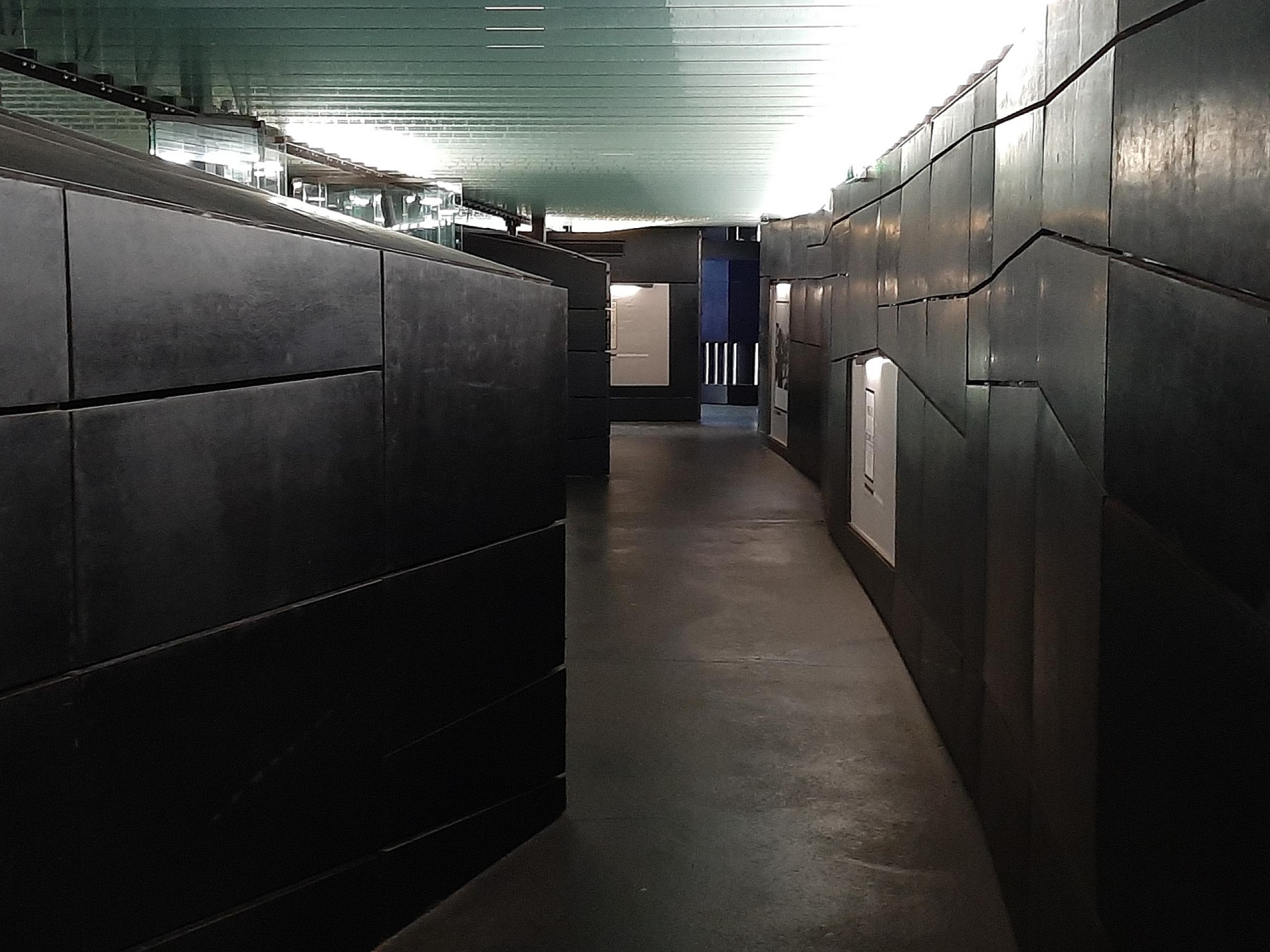
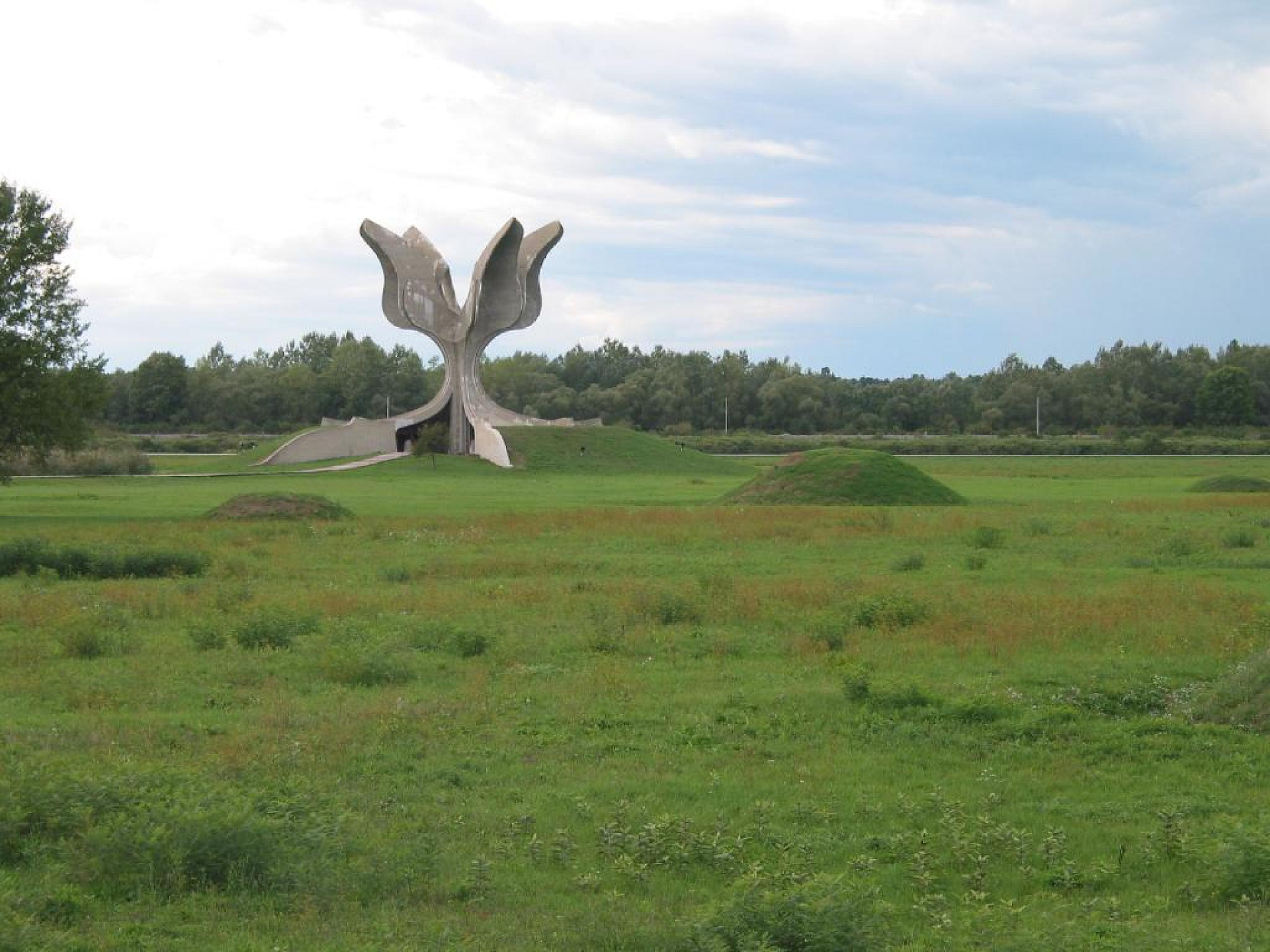
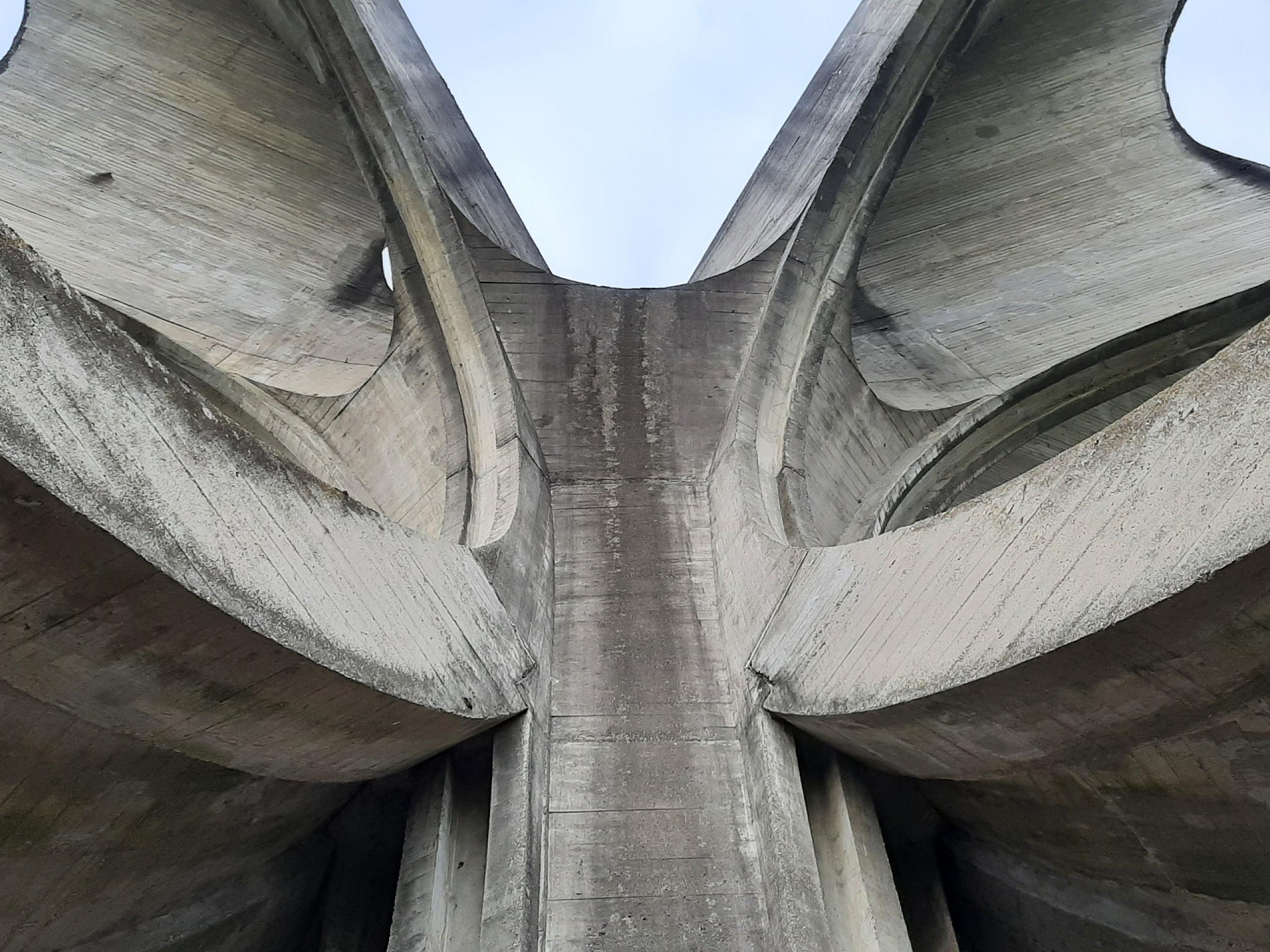
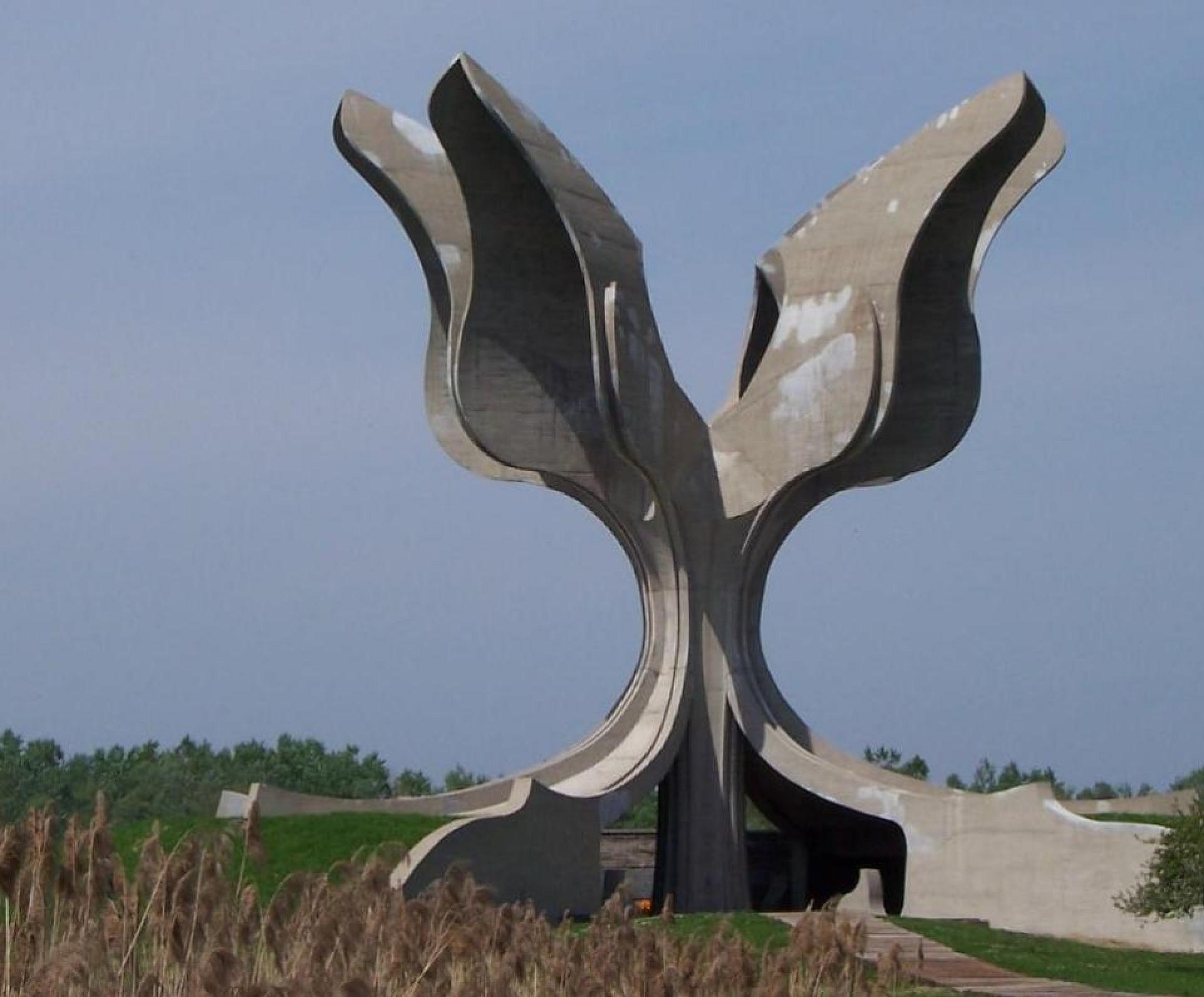
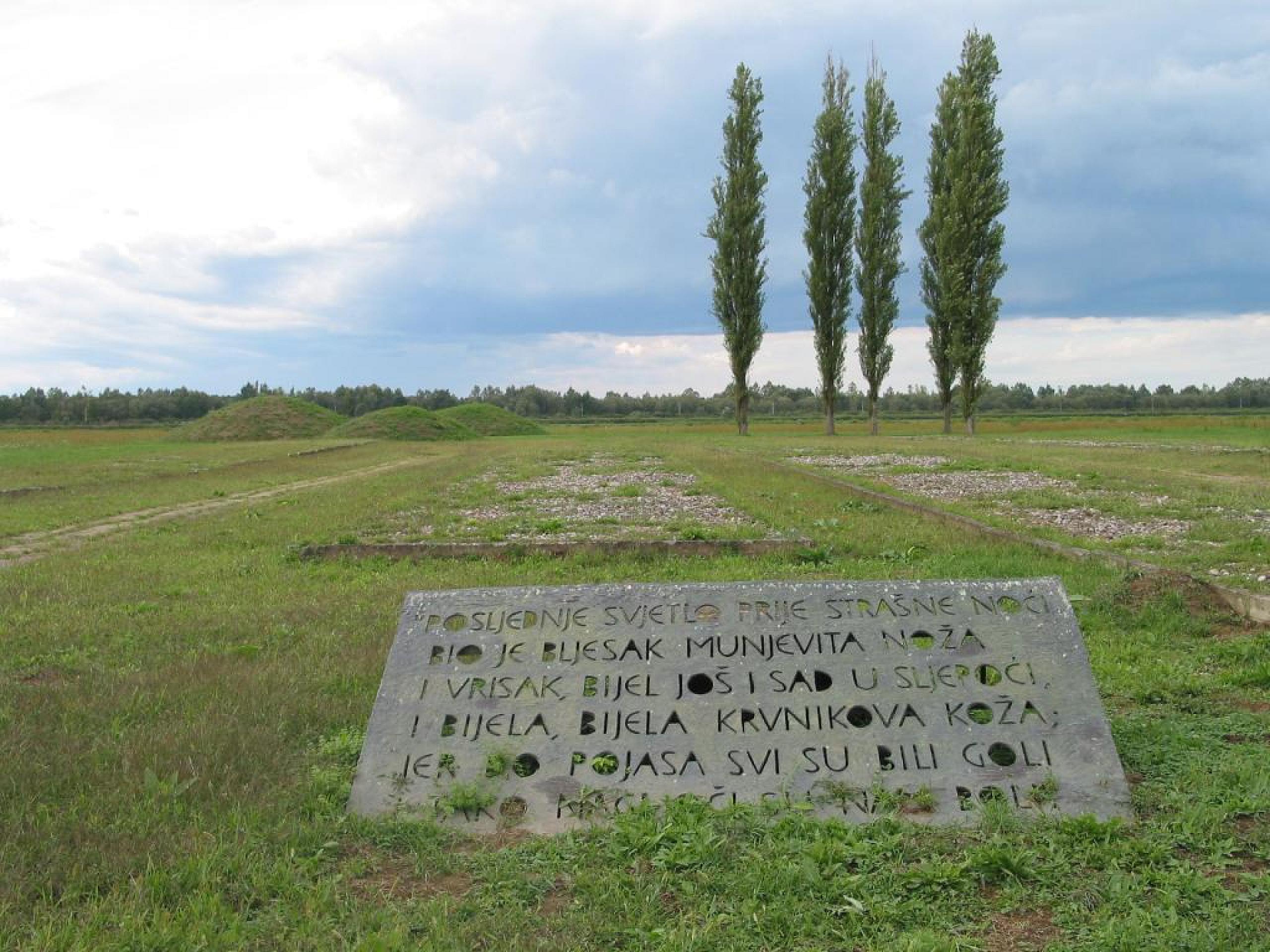
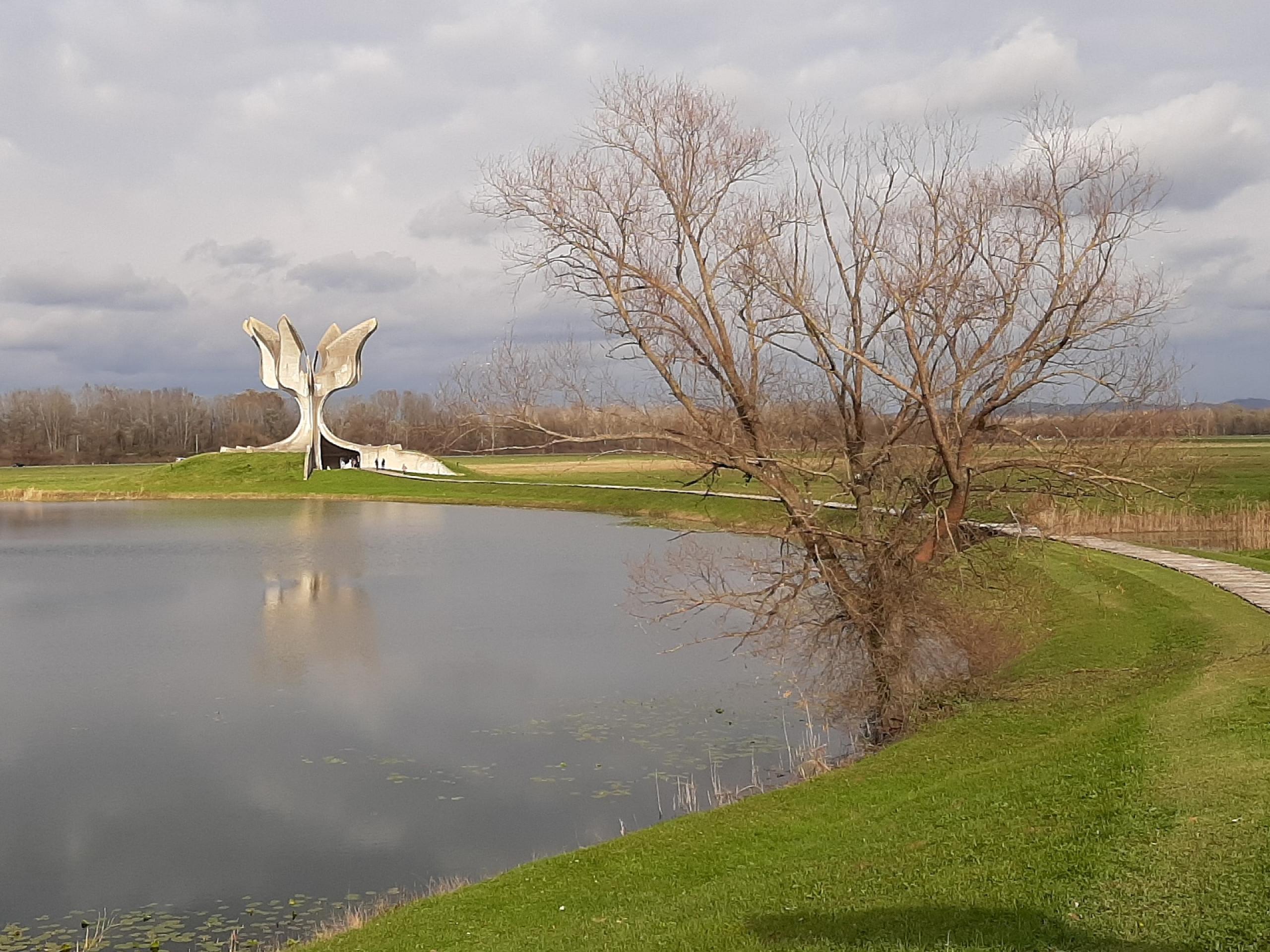
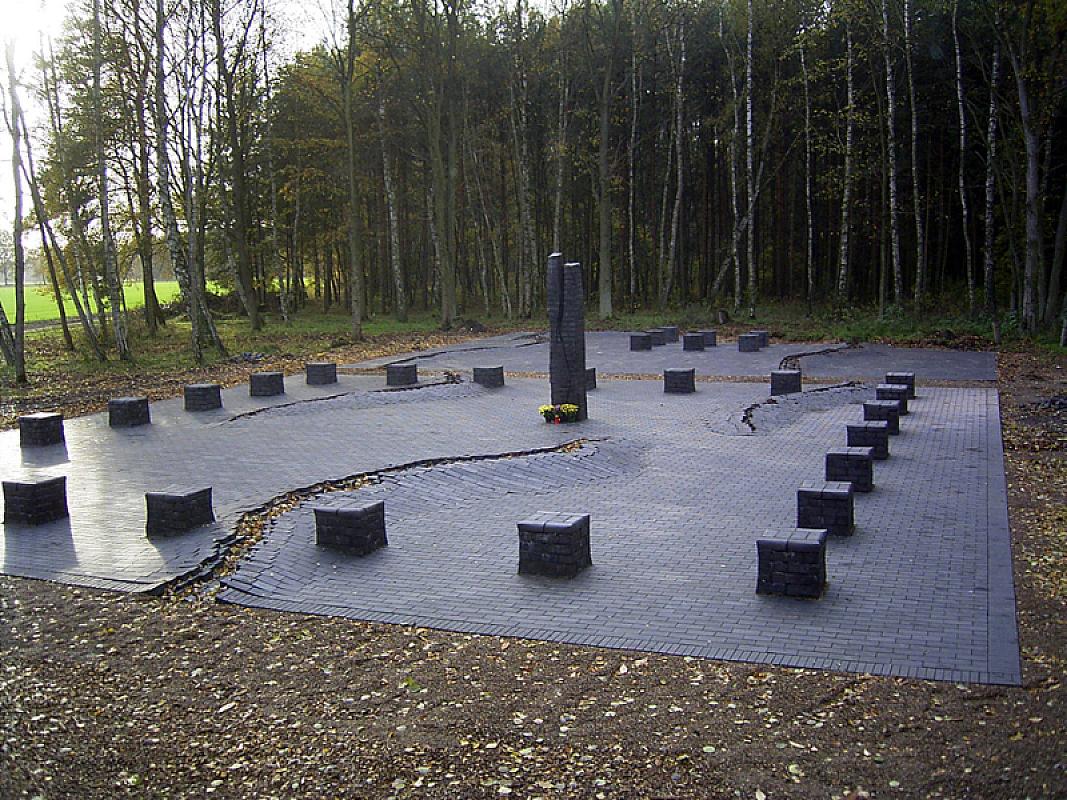
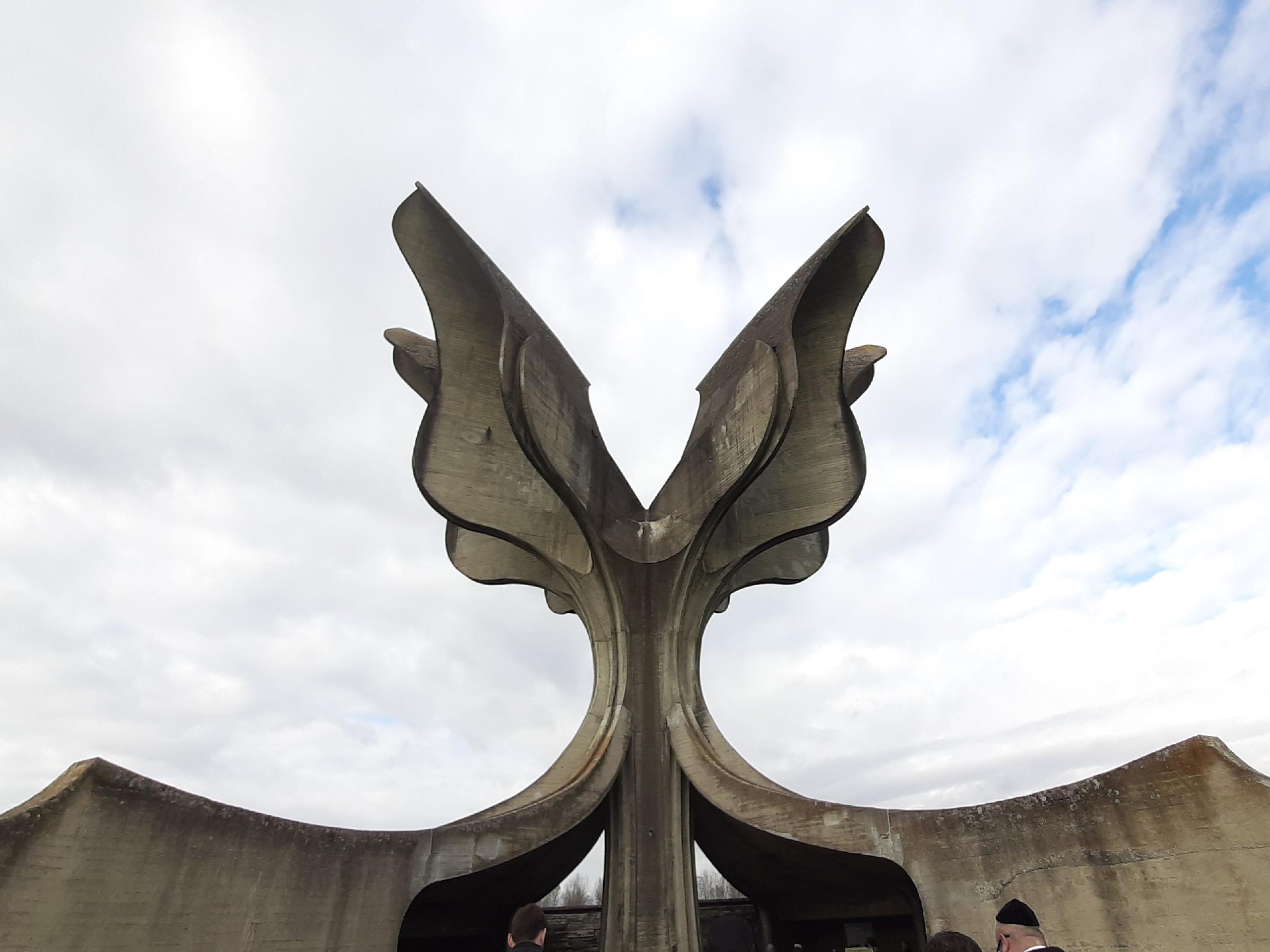
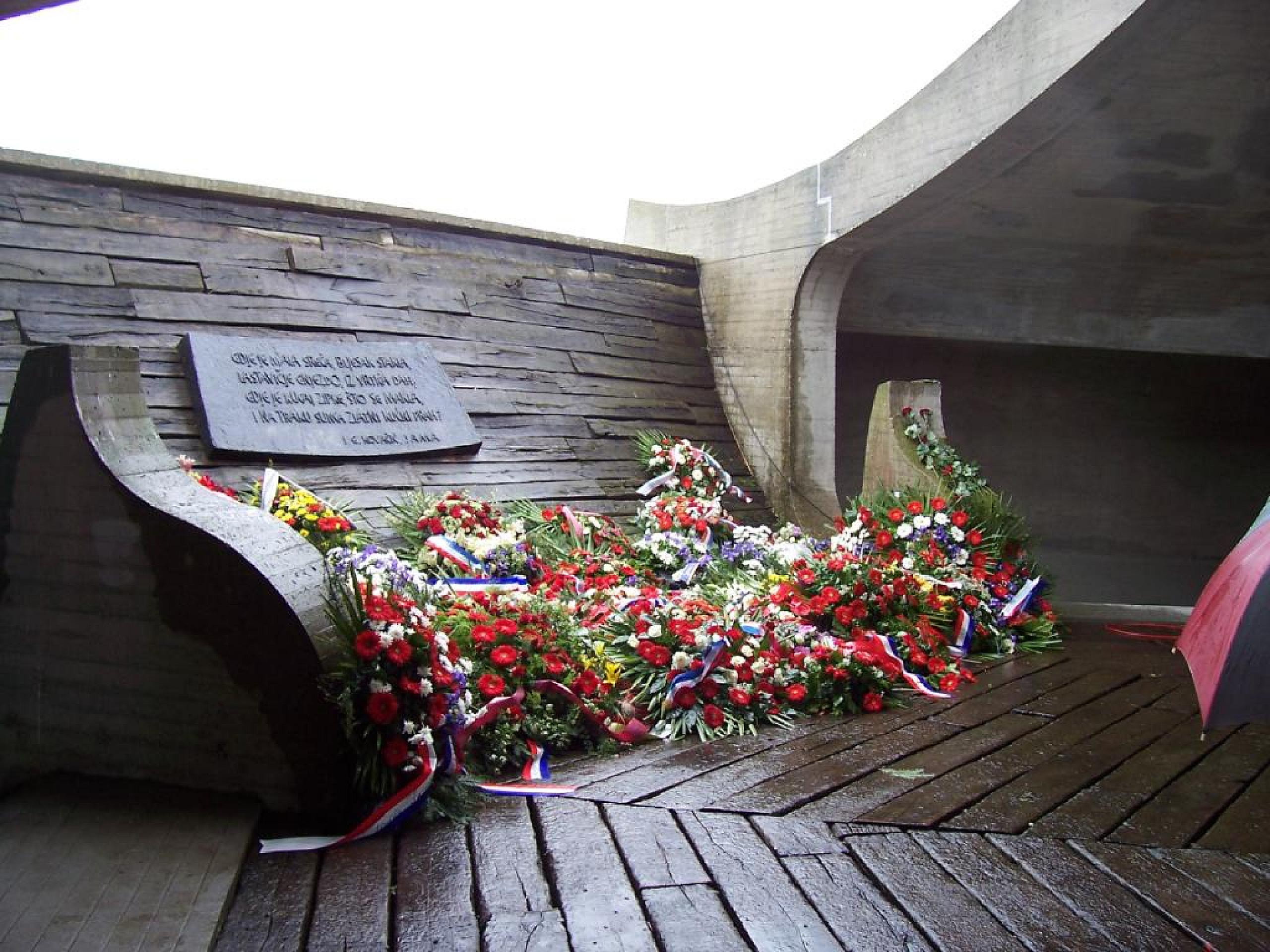
For a long time, the camp premises at Jasenovac remained unchanged. In 1966, a concrete monument in the shape of a flower, designed by artist and architect Bogdan Bogdanović, was erected on the site. Further monuments were set up, and in 1971, a memorial with a permanent exhibition was opened. The site was an important site of remembrance in former Yugoslavia: according to the grossly exaggerated official Yugoslav numbers, 600,000 to 700,000 people perished at the fascist Ustaša camp. The memorial was damaged in the course of the war between Serbs and Croats at the beginning of the 1990s. Even decades after the war, there is still a dispute between the two countries about the historical classification of the former extermination camp. A new permanent exhibition was opened at the memorial following extensive renovations in 2006.
Possibilities

Exhibition, educational programme, guided tours through the former camp premises, library

Open

Tuesday to Friday: 9 a.m. to 5 p.m., Saturday and Sunday 10 a.m. to 4 p.m.
Closed on Mondays and on holidays

Contact

http://www.jusp-jasenovac.hr

ipejakovic@jusp-jasenovac.hr

+385 (0)44 672 319