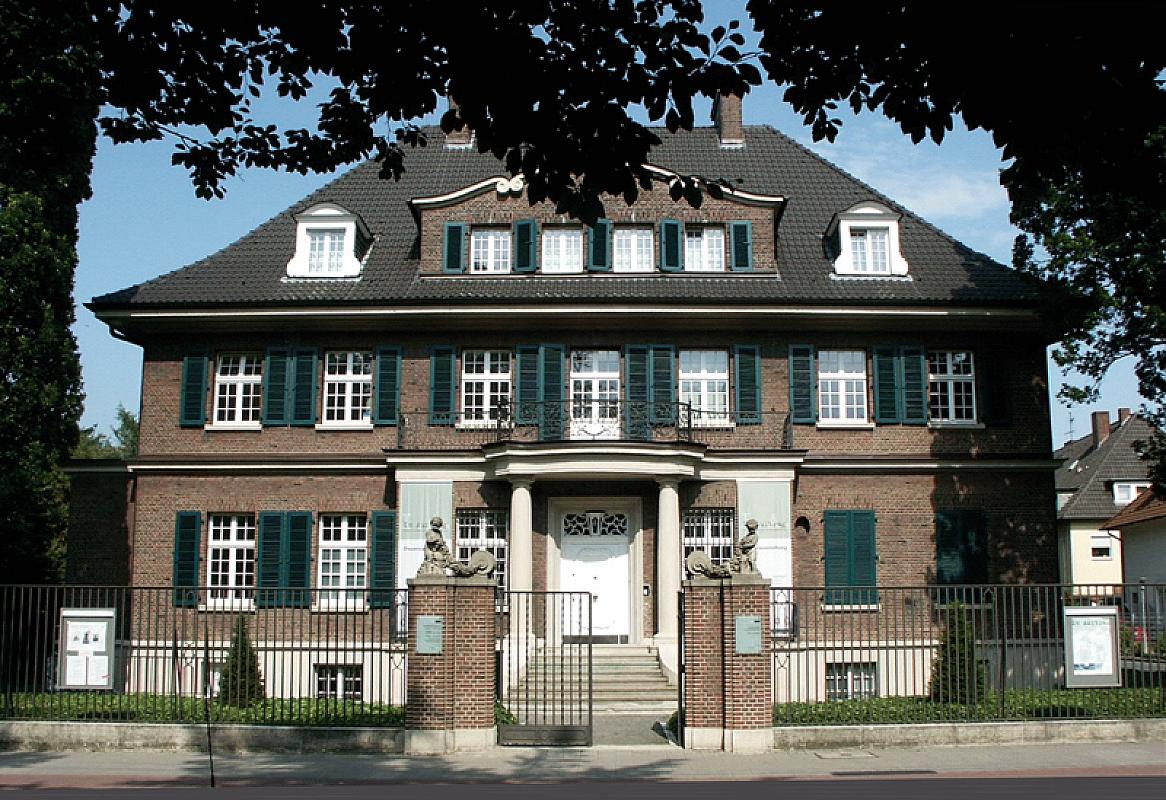
The Memorial and Museum Sachsenhausen commemorate the over 130,000 prisoners from all over Europe, held captive in the Sachsenhausen concentration camp between 1936 and 1945. During that time, over 20,000 prisoners perished due to the poor living and working conditions in the camp, or were murdered by the SS.
History
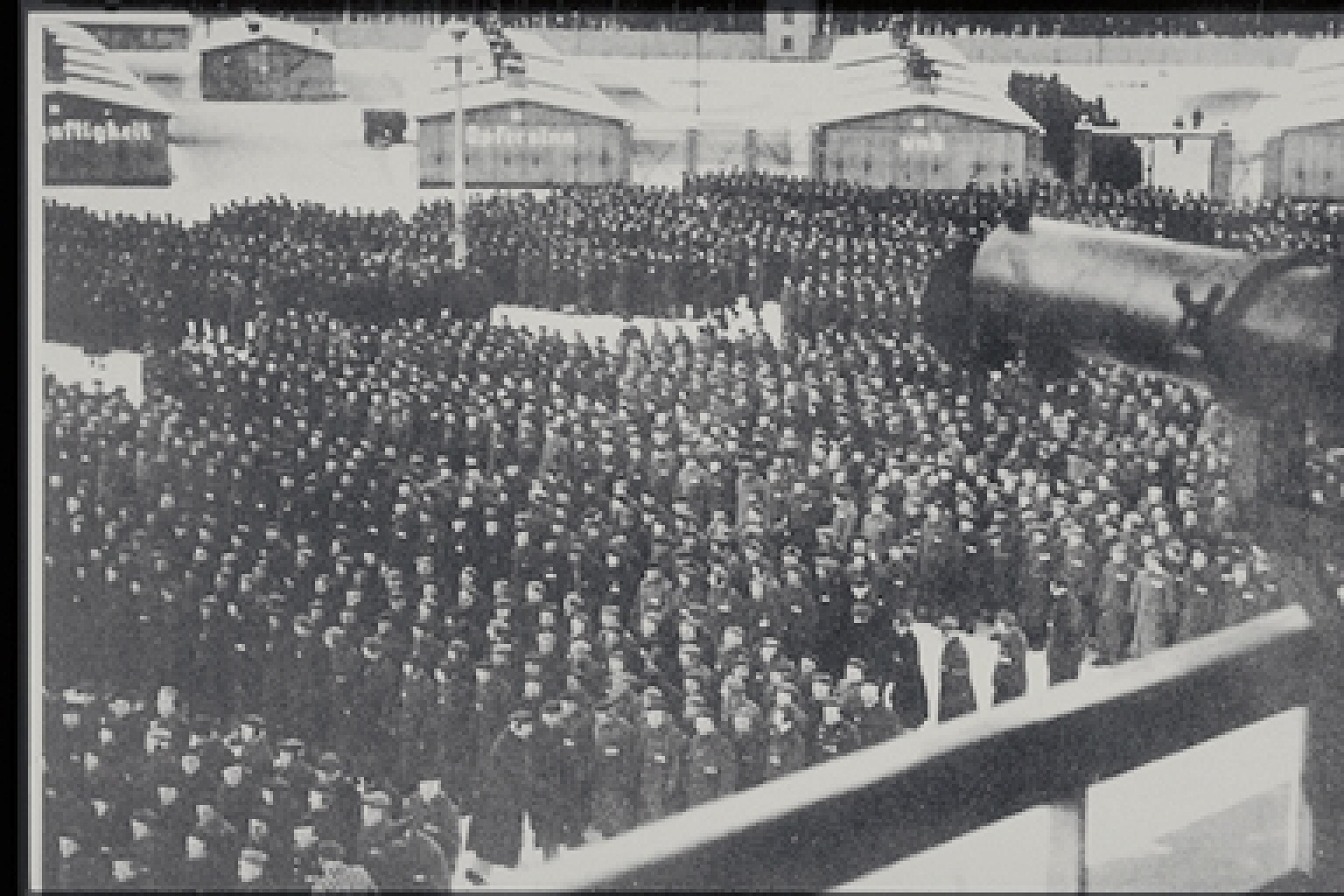
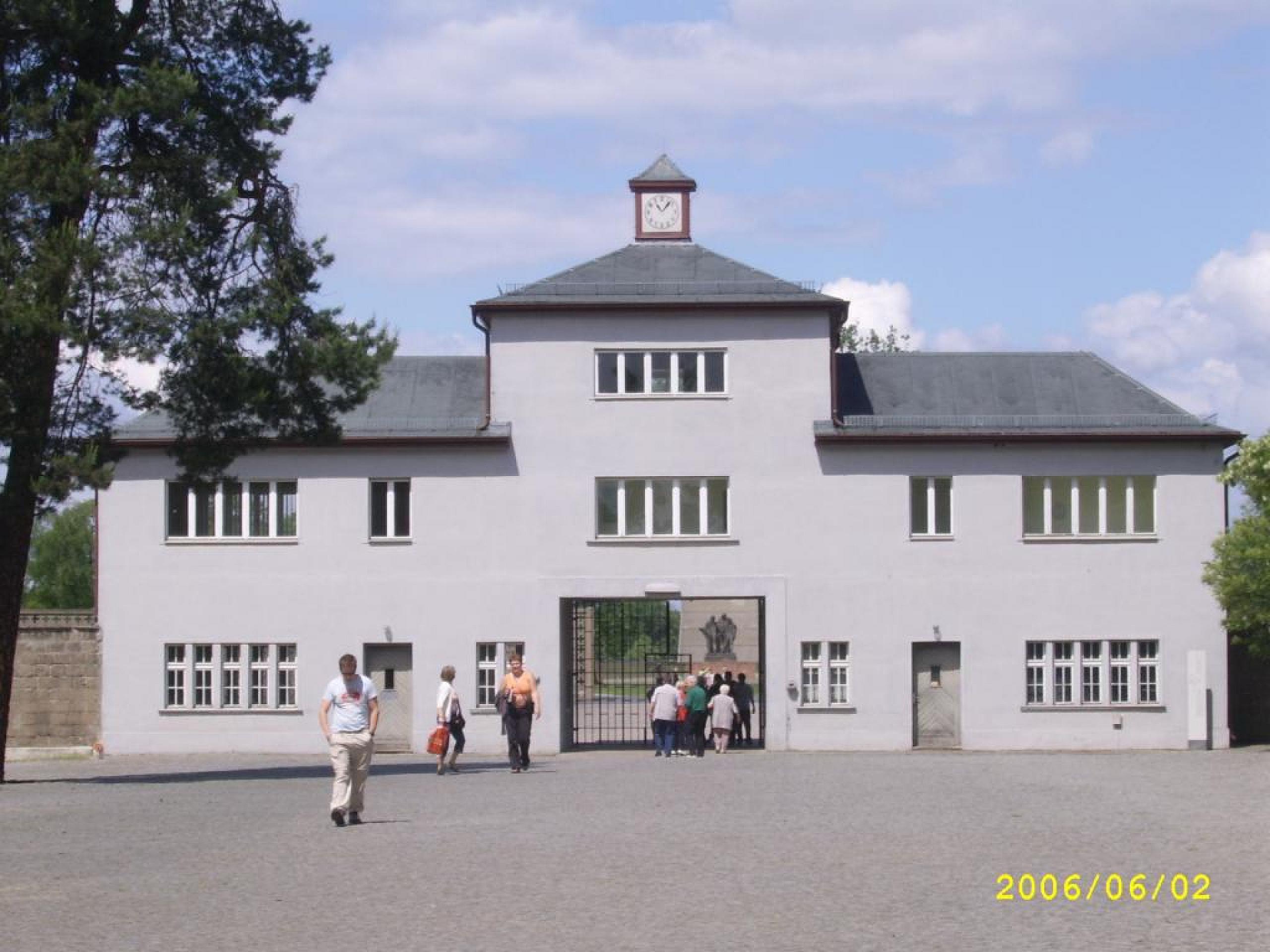
Opened in 1936, Sachsenhausen concentration camp had a special place within the concentration camp system. Located in close proximity to the German capital, it was a model camp and a training camp. From 1938, the administrative headquarters of the SS for all concentration camps was located in Oranienburg. Until 1939, the prisoners of Sachsenhausen were for the most part Germans. Their main task was the construction of the camp itself. When the war began, more and more prisoners were brought from the occupied states to Sachsenhausen concentration camp. Many of them had to perform forced labour in SS workshops or for German companies. They worked under harsh conditions at production sites for the arms industry supporting the war economy of the Third Reich. Especially after 1942, many new satellite camps and commandos of Sachsenhausen concentration camp were established at arms factories. At the end of January 1945, the camp was hopelessly overcrowded due to thousands of new prisoners arriving from camps in the East - there were more than 56,500 prisoners in the camp at the time. Many of them were deported to the Bergen-Belsen and Theresienstadt concentration camps shortly afterwards. On April 21, 1945, the SS began evacuating Sachsenhausen concentration camp and its satellite camps. Over 33,000 prisoners were forced on a death march towards the Baltic coast. According to statements of the last camp commander, Anton Kaindl, the prisoners were supposed to be loaded onto ships at the Bay of Lübeck which was to be sunk in the Baltic Sea. The approximately 3,000 prisoners who remained in the camp were liberated by the Red Army on April 22, 1945. Between 1945 and 1950, the Soviet special camp No. 7/ No. 1 was located in what had been the core of the Sachsenhausen concentration camp. Around 60,000 German civilians were interned in the barracks by the Soviet secret service NKVD. At least 12,000 did not survive their imprisonment.
Victims
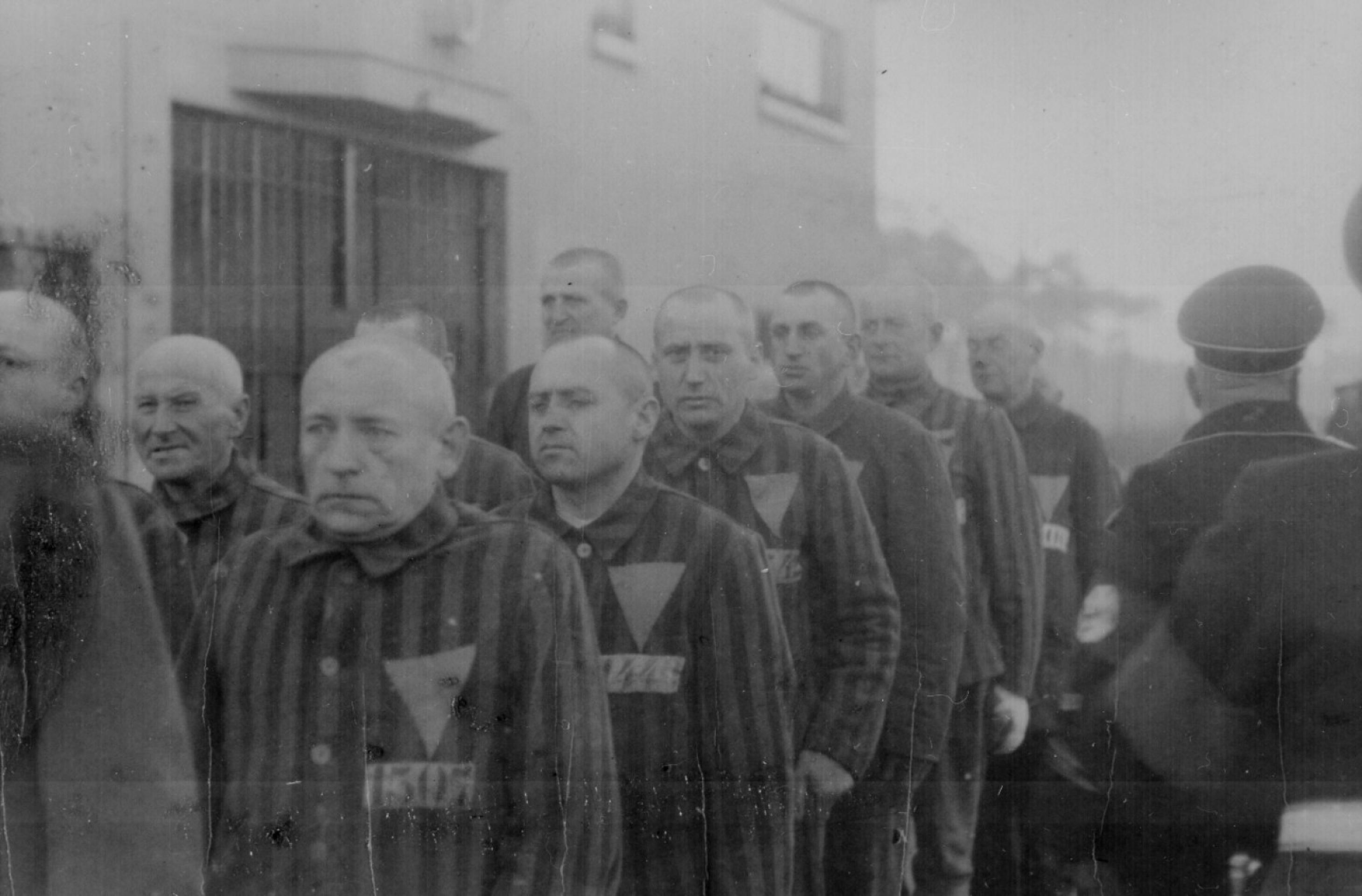
Soviet and Polish prisoners constituted the largest groups in the Sachsenhausen concentration camp. The political prisoners in the camp consisted of communists, trade unionists, social democrats, Christians and Jehova's Witnesses. The SS also imprisoned people who were persecuted on social and on racial grounds in Sachsenhausen. The first group consisted of, amongst others, people considered »asocial«, »work shy«, and »professional criminals«, and over a thousand homosexuals. The group persecuted on racial grounds consisted of Sinti and Roma and from 1944 onwards increasingly Jews. Arrested resistance fighters from occupied territories of Europe were also brought to Sachsenhausen by the SS. Many of the camp's prisoners died of hunger, illness, forced labour and abuse, or they fell victim to extermination operations of the SS. Thousands of prisoners died on death marches following the camp's evacuation, either due to exhaustion or because they were shot by the SS guard troops. In all, over 130,000 people were incarcerated in the Sachsenhausen concentration camp between 1936 and 1945. Over 21,000 of them perished.
Remembrance
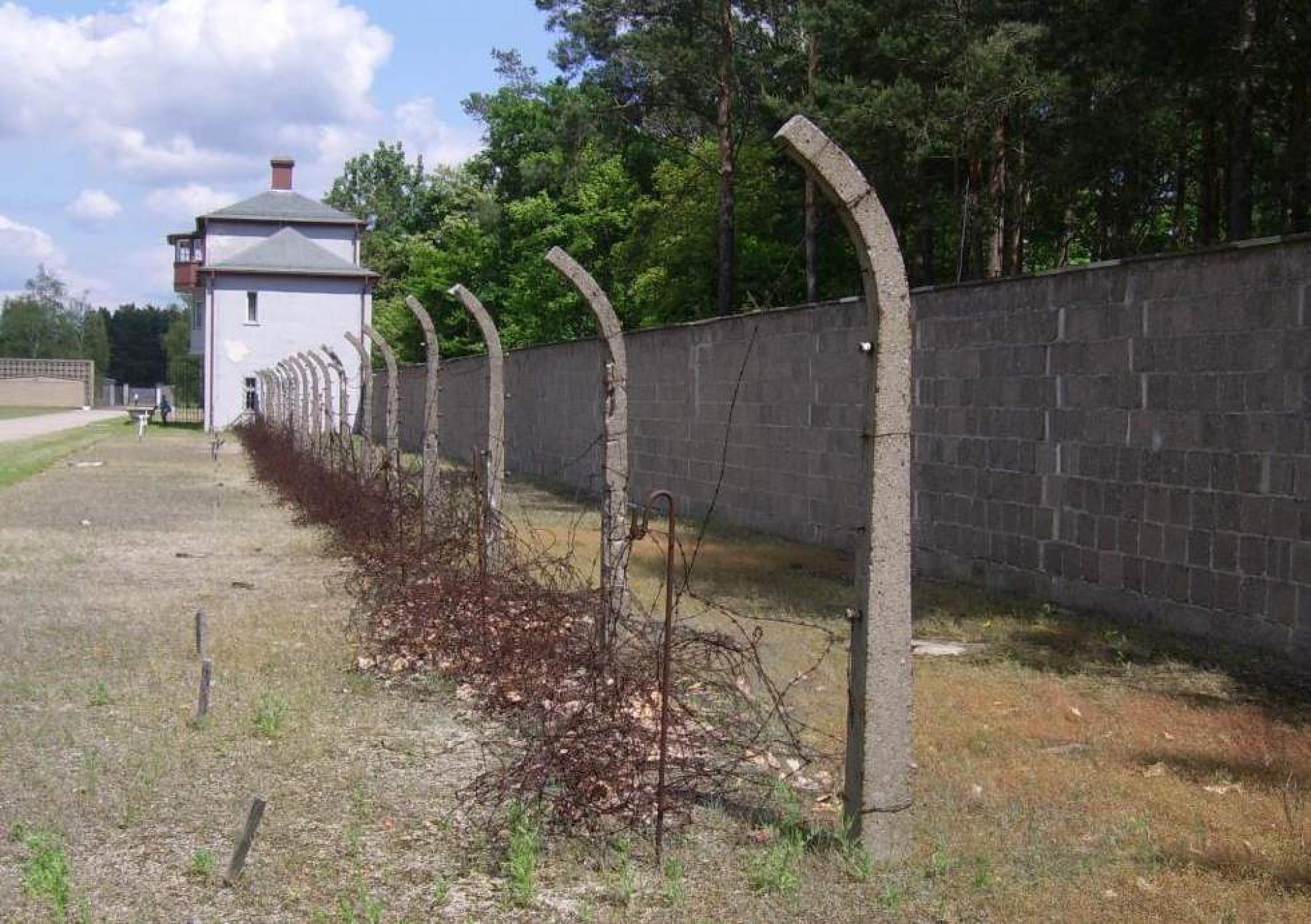
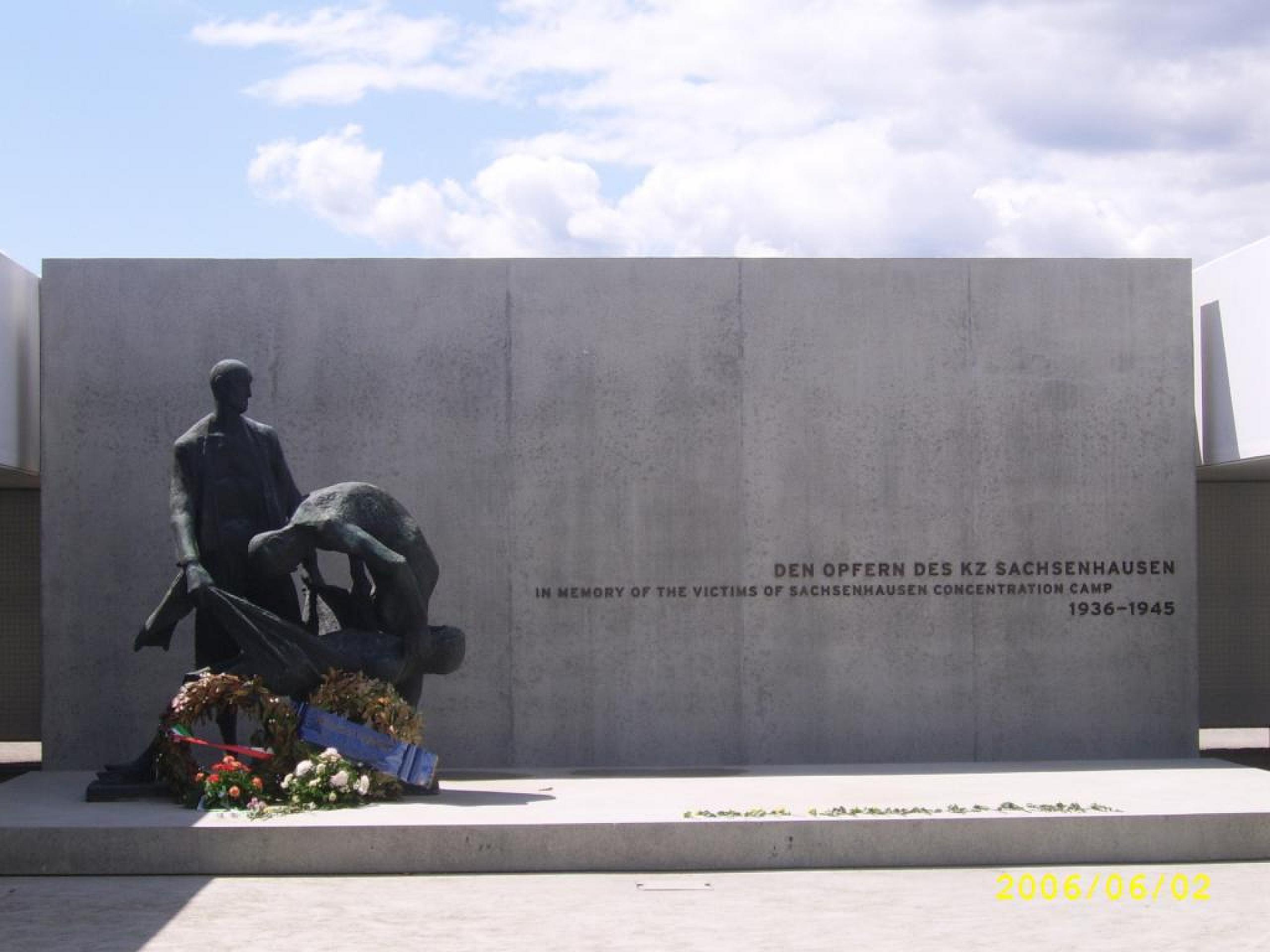
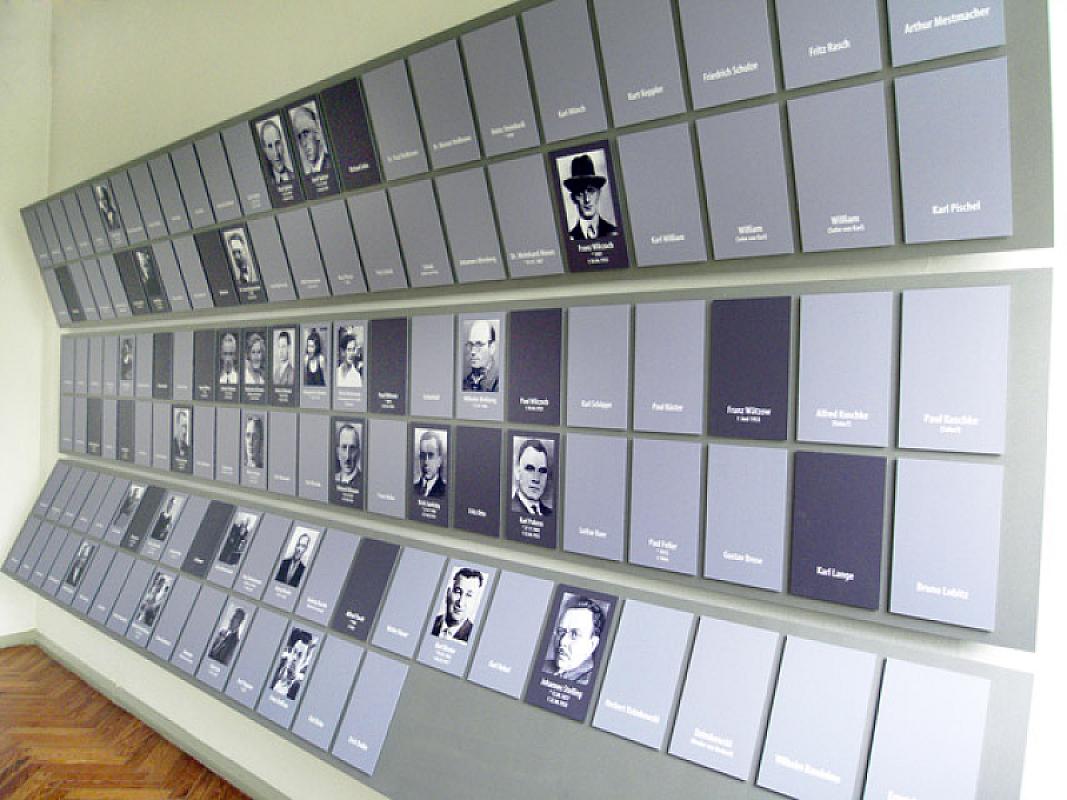
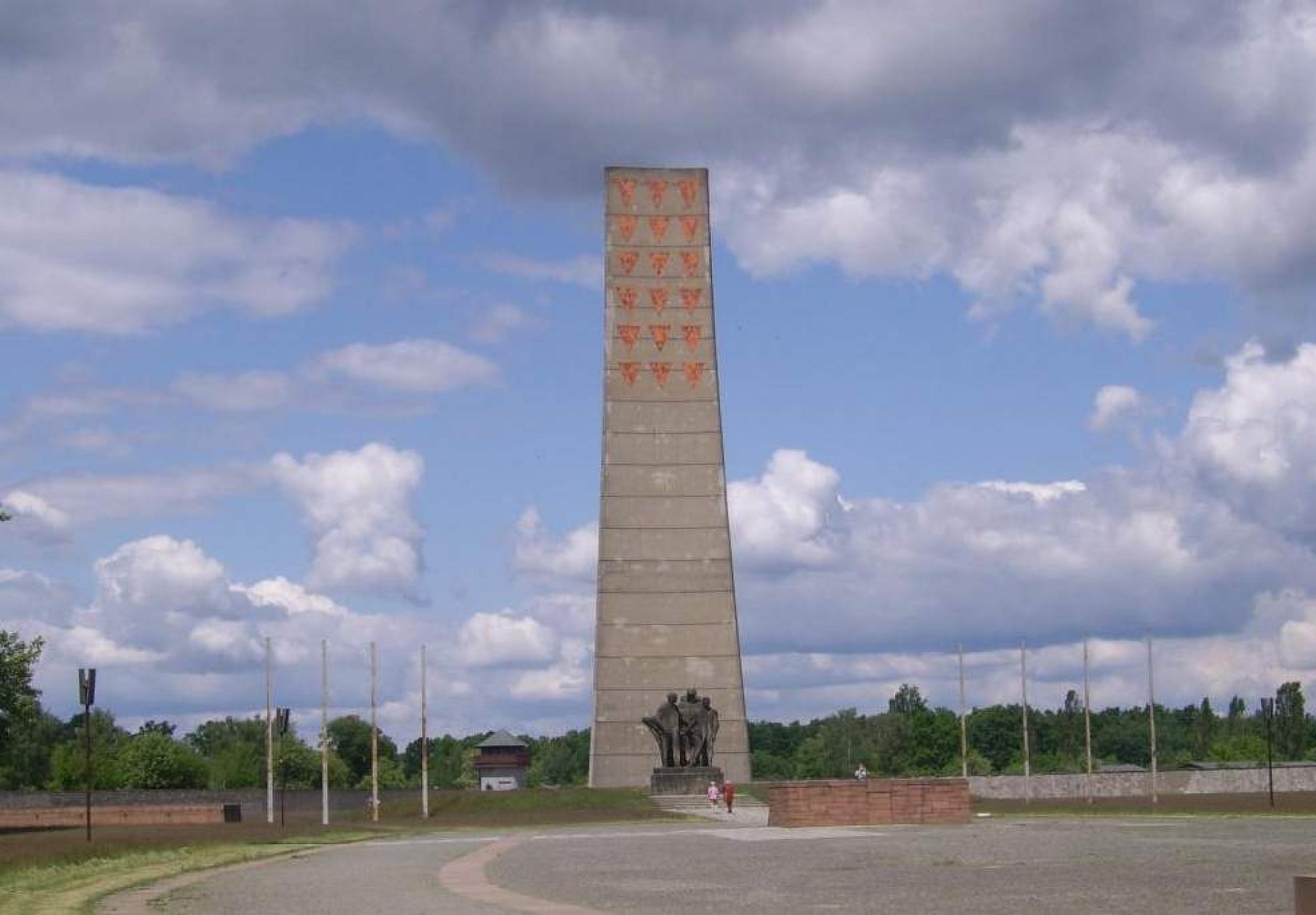
In 1961, the third national memorial of the GDR - following Buchenwald in 1958 and Ravensbrück in 1959 - was established at the site of the former camp and headquarters of the Sachsenhausen concentration camp. Since 1993, the memorial is part of the Brandenburg Memorials Foundation. A year prior to that, extreme right-wingers had destroyed two of the prisoners' barracks which had been reconstructed in 1961. In 1994, large-scale renovations began and the former concentration camp site was redesigned. Building and relics remaining from the days of National Socialism were renovated. The barracks which had been damaged during the arson attack were redeveloped or replaced by new museum buildings. Since 2001, a newly conceptualised permanent exhibition as well as temporary exhibitions have been displayed in the »New Museum«. In April 2008, a permanent exhibition on the history of the Sachsenhausen concentration camp was opened in the renovated building of the former prisoners' kitchen. This exhibition is the core of the new exhibition concept, which entails that the different parts are spread out over the entire camp site. The realisation of the concept was possible after years of reconstruction efforts. Part of the exhibition is a death book, which lists the names and hometowns of the 20,500 prisoners who perished in the Sachsenhausen concentration camp and its satellite camps.
Possibilities
Permanent exhibitions, learning centre for school groups, cinema for screening of documentaries, selection of workshops on various topics concerning history and commemoration
Open
Daily from 8.30 a.m. to 6.30 p.m.
Library and archive Tuesdays to Thursdays 8.30 a.m. to 4.30 p.m.. The museums, library and archive are closed on Mondays.
Contact
https://www.sachsenhausen-sbg.de/
besucherdienst@gedenkstaette-sachsenhausen.de
+49 (0)3301 200 200
Straße der Nationen 22
16515 Oranienburg