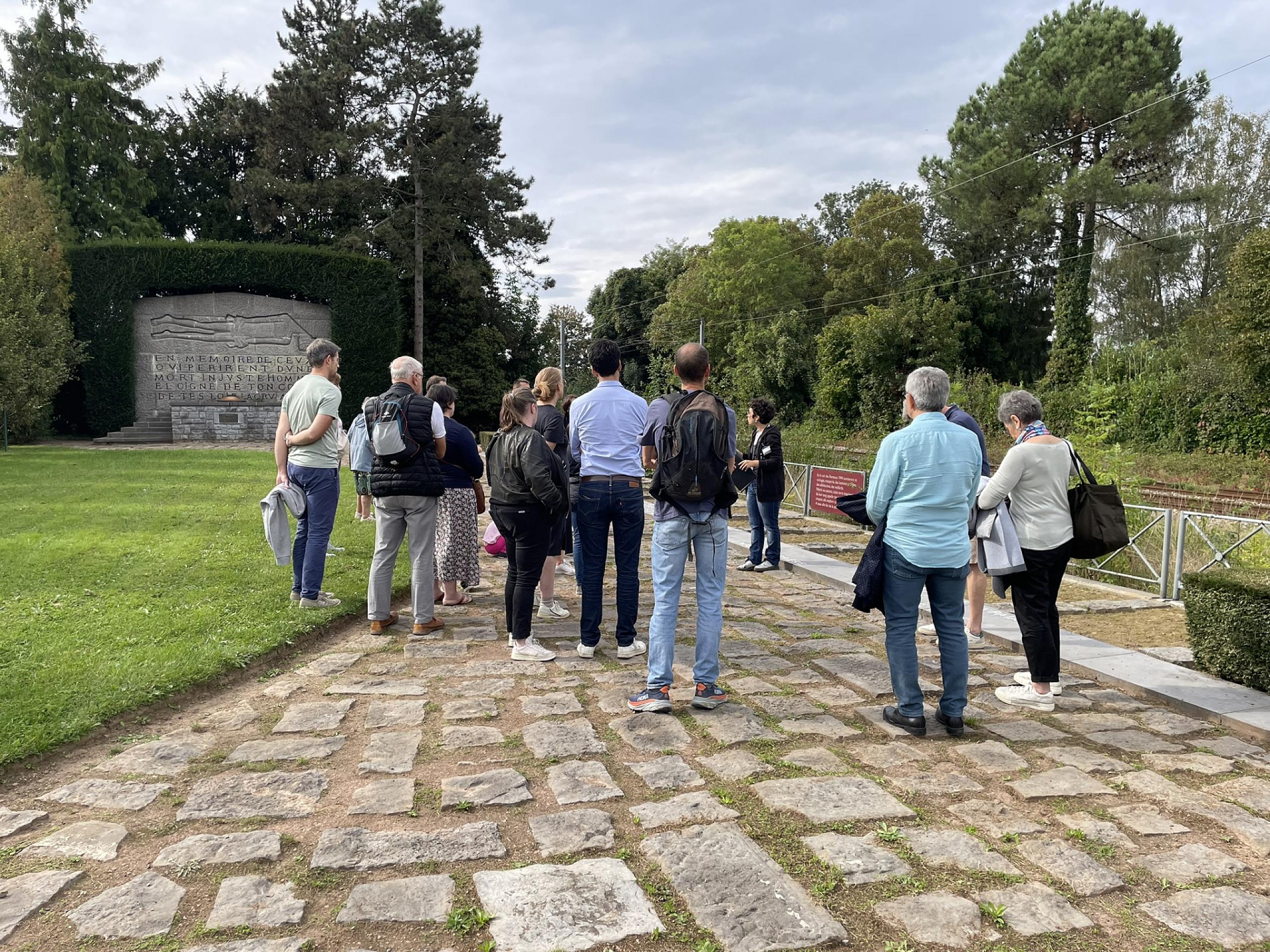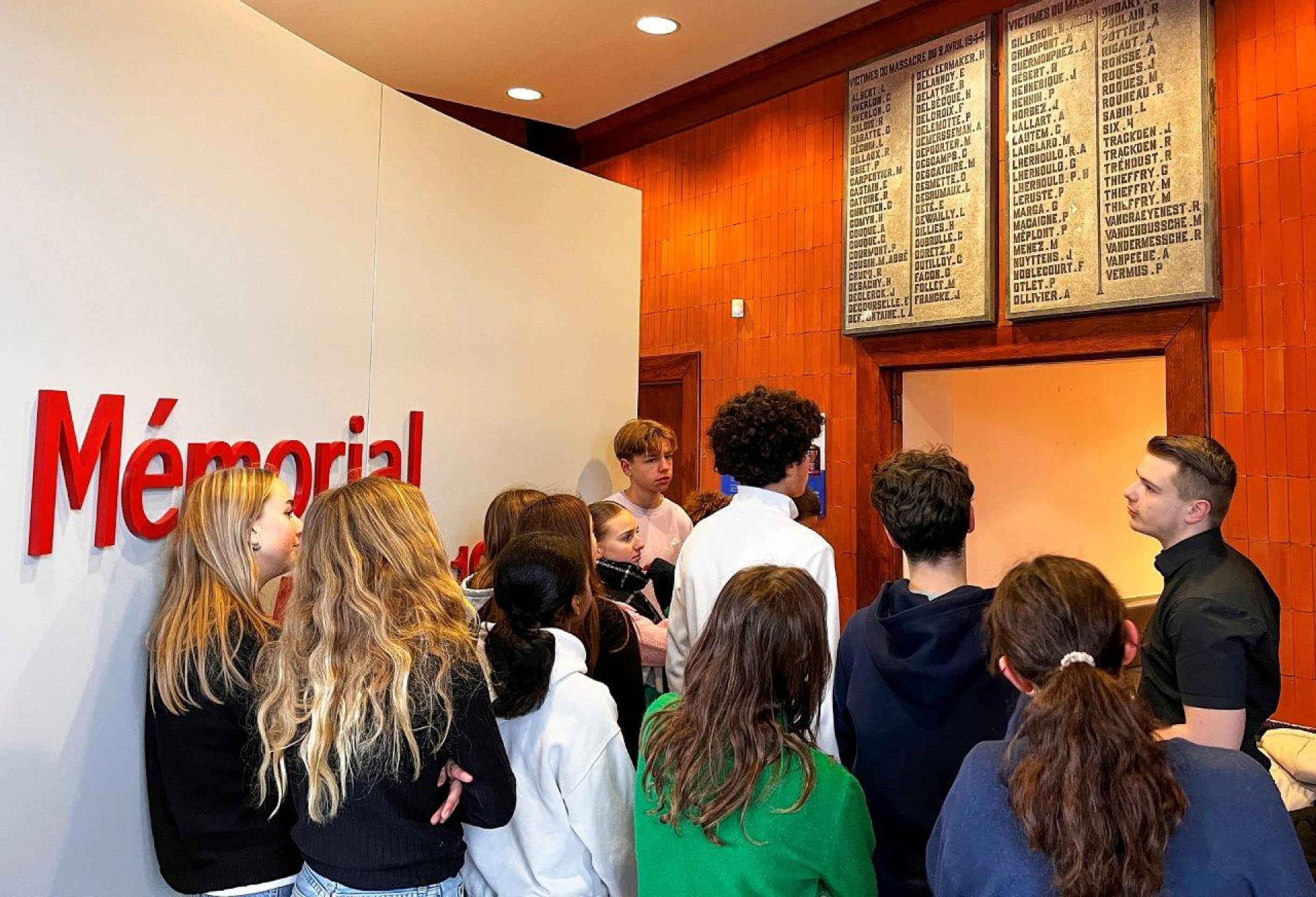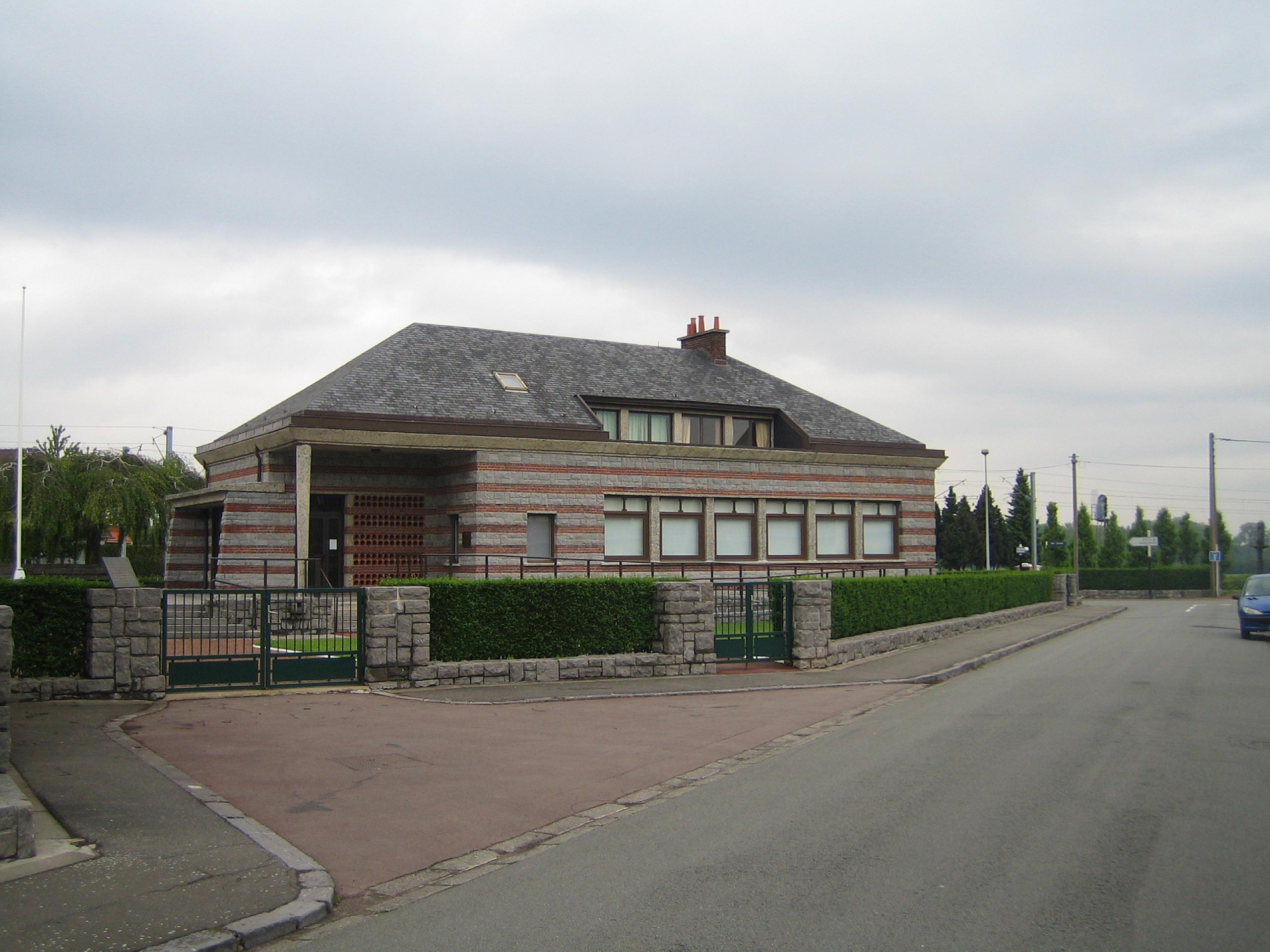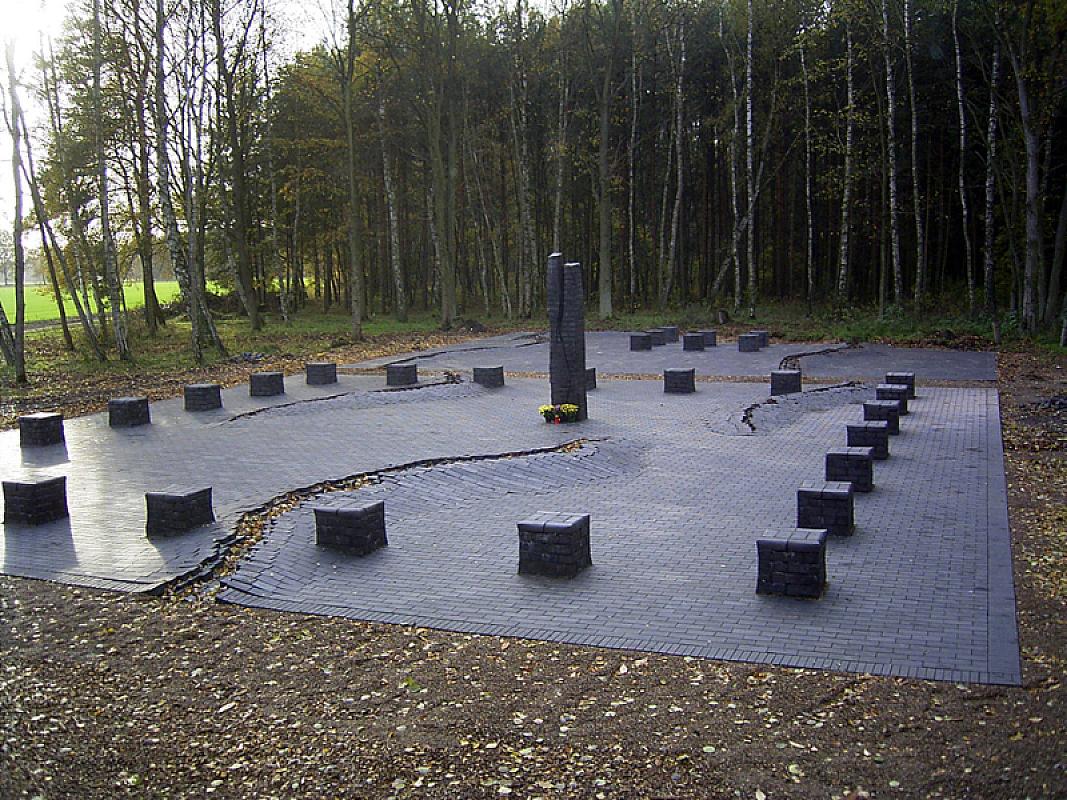
The »Mémorial Ascq 1944« commemorates the killing of 86 civilians from the village of Ascq near the French city of Lille by soldiers of the Waffen-SS in the night of 1st to 2nd April 1944. The massacre was committed as a »retaliation« for an attempted act of sabotage by members of the resistance group »Voix du Nord«.
History
After France’s defeat against the German Wehrmacht in June 1940, the Germans occupied northern France and placed the departments Nord and Pas-de-Calais under the authority of the Military Administration in Belgium and Northern France. The village of Ascq, about 7 km from the centre of Lille, became a strategic location for the French Résistance because the railway line to Brussels ran through it. In 1943, resistance fighter Paul Delécluse (1910-1944) founded the »Ascq Group«, which operated under the umbrella of the resistance movement »Voix du Nord« (in English »Voice of the North«).
On the evening of 1st April 1944, the »Ascq Group« planned to blow up a German freight train after an express train had passed. However, another train carrying soldiers from the 12th SS Panzer Division »Hitlerjugend« was inserted on short notice between the two trains. When the additional train passed through Ascq shortly before 11 p.m., the locomotive and the first two carriages were blown off the tracks. Although no one was injured, SS-Obersturmbannführer Walter Hauck gave the order to fetch all the male inhabitants of the village from their homes and shoot them in groups along the railway lines. The massacre was brought to an end after about two hours thanks to the intervention of the Lille Feldgendarmerie (German military police). The last group narrowly escaped being shot, including the mayor of Ascq.
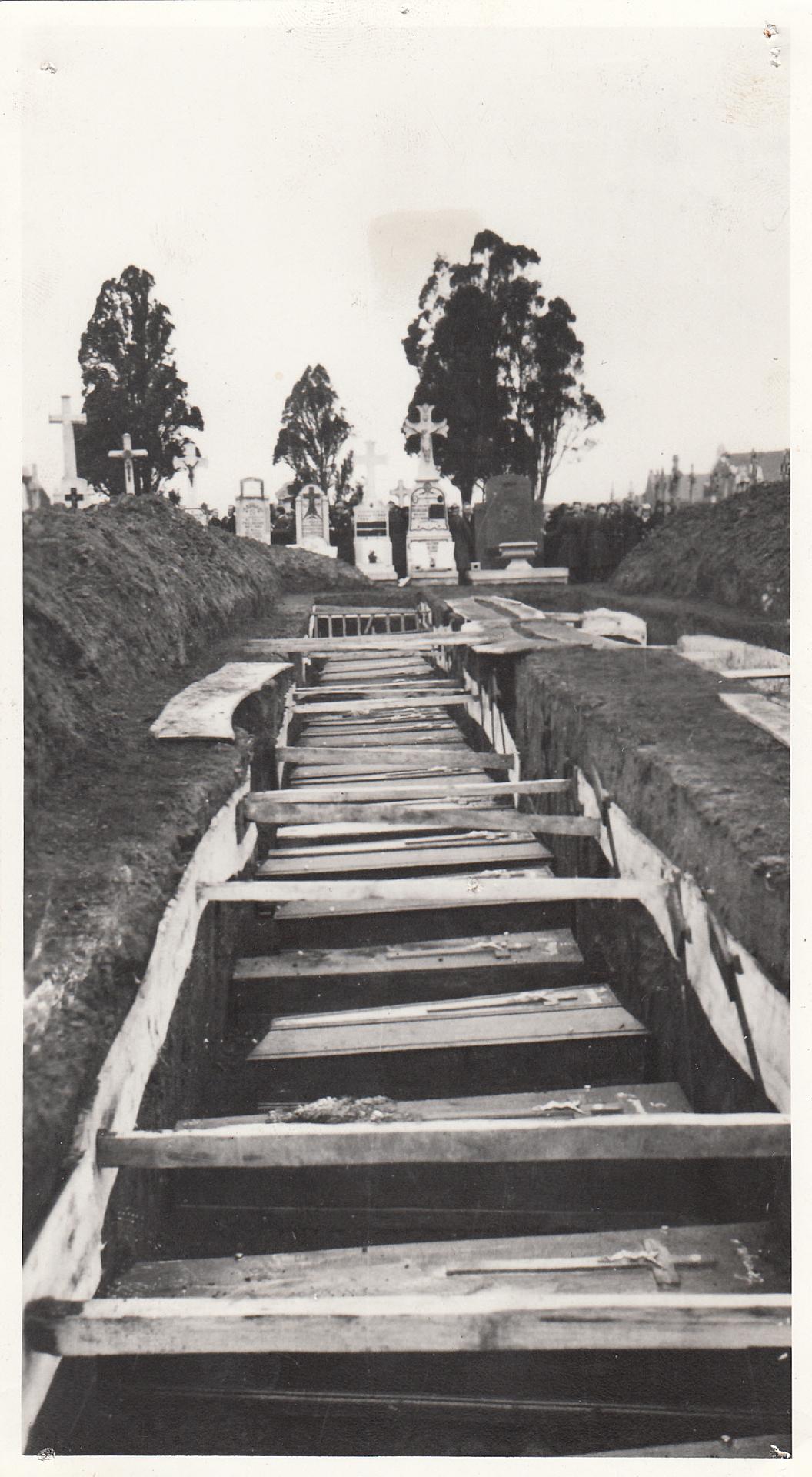
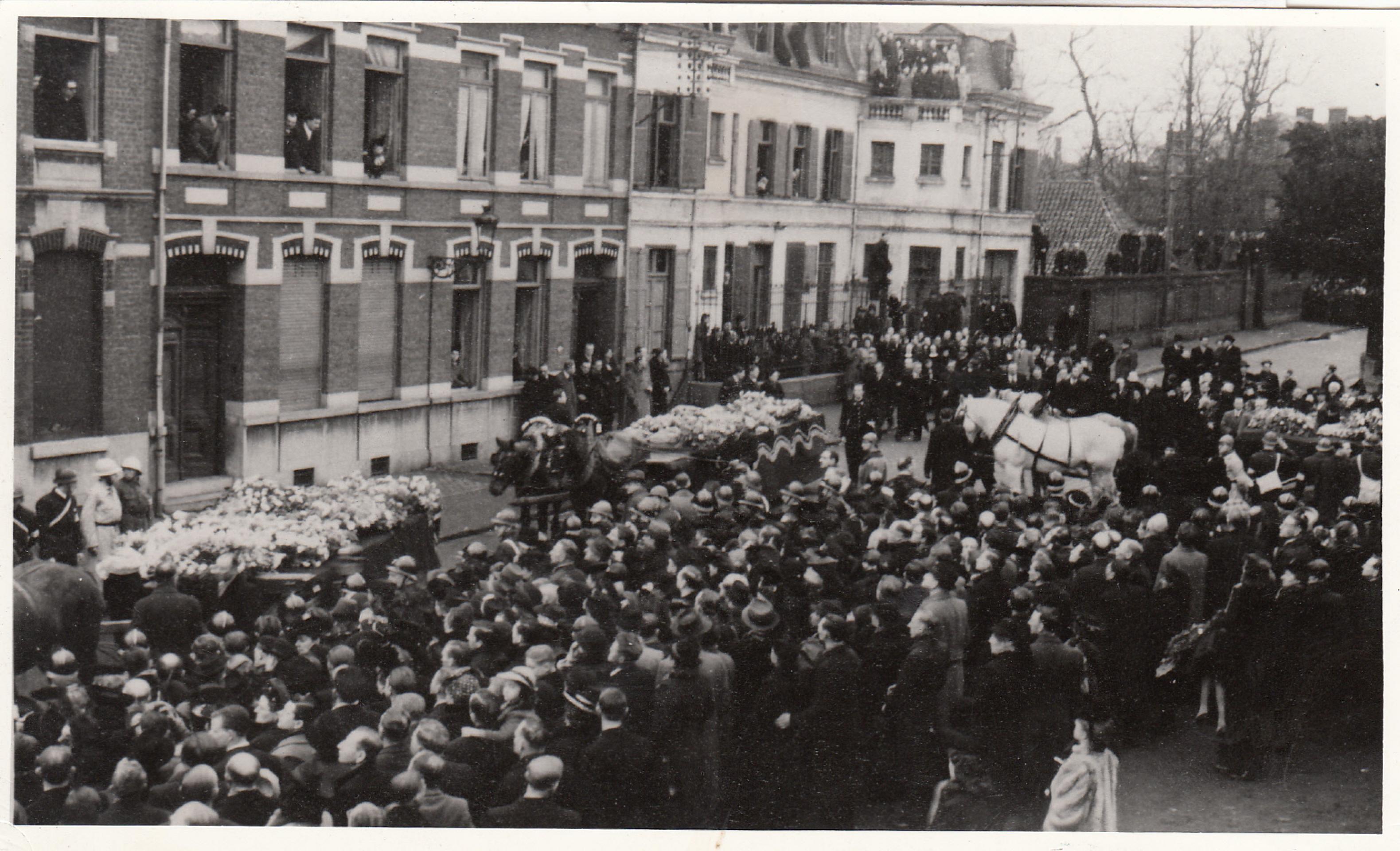
In the following days, news of the massacre spread quickly and outraged the French public despite attempts by the German authorities to cover up the events. Around 200,000 persons attended the funeral of the massacre’s victims on 5th April 1944.
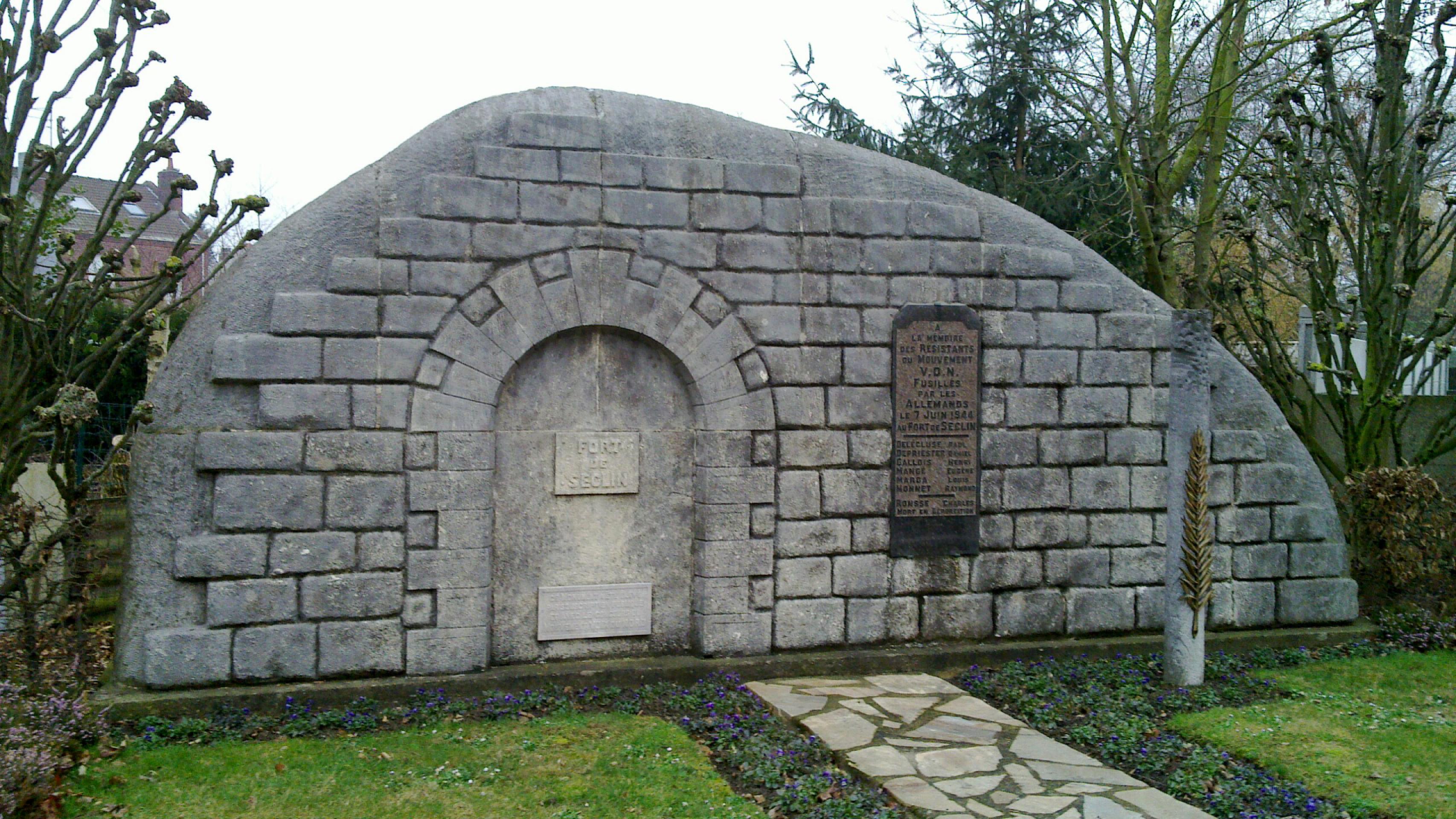
Between the end of April and the beginning of May 1944, the members of the »Ascq Group« were arrested and sentenced to death by a German military court. They were executed on 7th June 1944 at the Fort de Seclin, a fortress near Lille, among them Paul Delécluse.
Victims
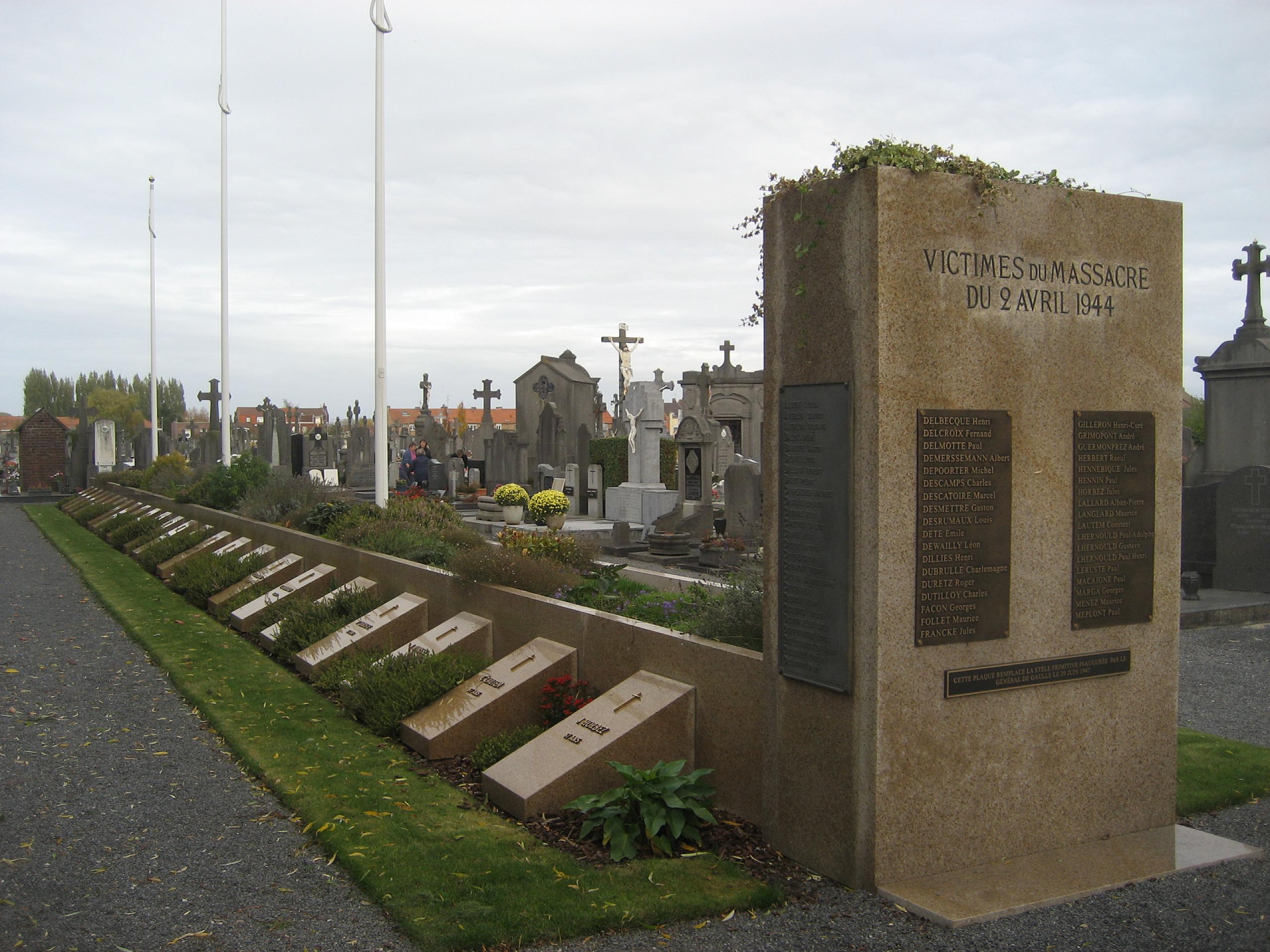
In total, the SS murdered 86 men aged 15 to 74. A further 11 persons were injured, some severely. The men who were killed left behind 75 widows and 127 orphans.
Remembrance
Shortly after the end of World War II, 17 participants in the Ascq massacre were identified and charged. On 2nd August 1949, the trial opened in Lille. Of the nine defendants present, eight were sentenced to death, including former SS-Obersturmbannführer Walter Hauck, and one to 15 years of hard labour. Eight other defendants were sentenced to death in absentia. However, the death sentences were never carried out and the convicted men were pardoned in 1955 by then French President René Coty. Most of the SS men were released from prison in 1956, Hauck in 1956.
In October 2017, the case received renewed attention when an investigation was launched against Karl Münter, one of the defendants who had been convicted in absentia in 1949. In March 2018, the investigation was dropped by the Lower Saxony Public Prosecutor’s Office, with the justification that Münter had already been convicted of the same crime in another country in 1949. Münter died in 2019 at the age of 96 without ever having to face up to the consequences of his participation in the Ascq massacre. To this day, the municipality of Villeneuve-d’Ascq continues to demand justice.
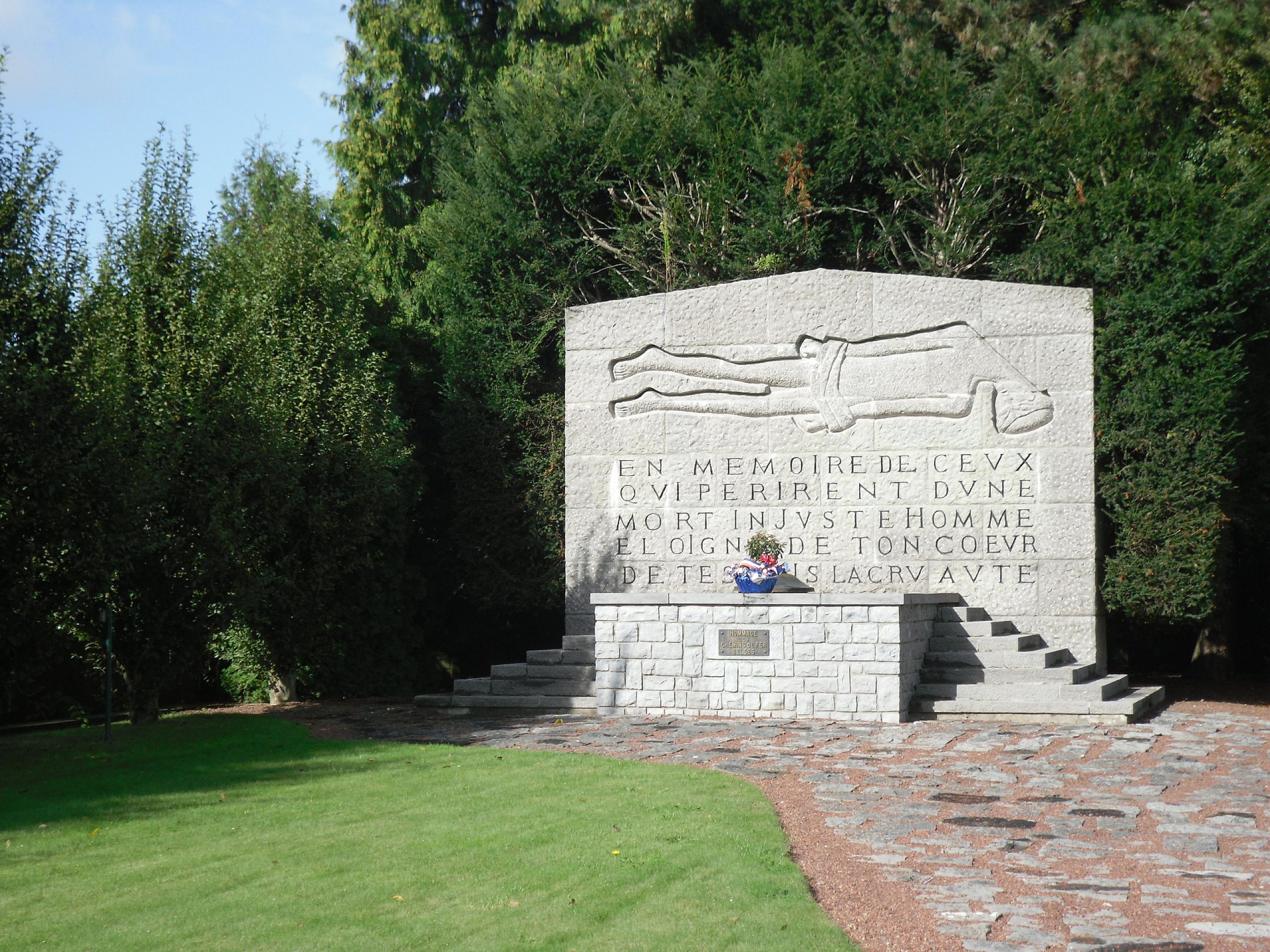
A memorial in memory of the resistance fighters of the »Ascq Group« who were executed on 7th June 1944 was inaugurated in Ascq on 12th October 1947 in the presence of then French President Vincent Auriol. On 9th October 1955, the »Ensemble du Souvenir« (in English »Remembrance Ensemble«) was also inaugurated. It comprised a memorial stone in memory of the victims of the Ascq massacre and a health centre for infants symbolising the preservation of life. The health centre was converted into a museum in 1984. In 2005, the permanent exhibition was renovated and the museum was renamed »Mémorial Ascq 1944«.
Possibilities
Permanent exhibition on the Ascq massacre, guided tours, online resources
Open
Wednesdays: 1.30 p.m. to 5 p.m.
Public holidays except May 1 and 4th Sunday of the month: 2.30 p.m. to 5.30 p.m.
Contact
https://www.villeneuvedascq.fr/memorial-ascq-1944-2
memorialascq1944@villeneuvedascq.fr
+33 3 20 91 87 57
79 rue Mangin
59650 Villeneuve-d'Ascq, France