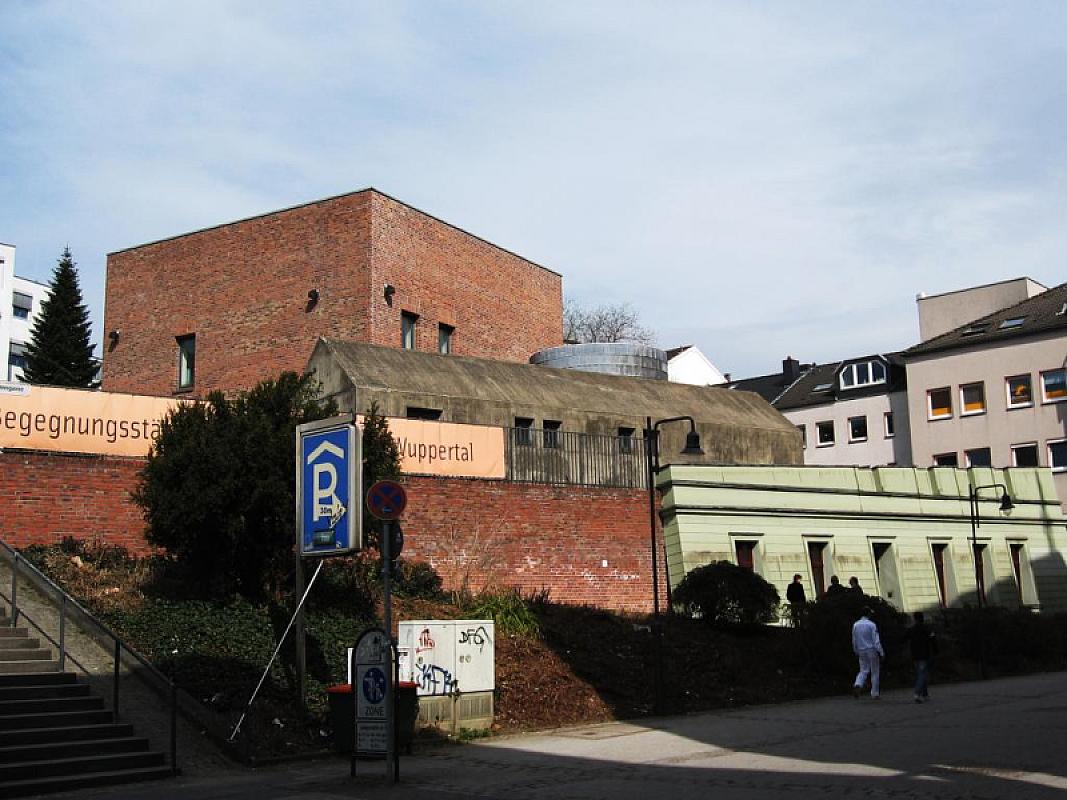
Memorial at the SS Special Camp / Concentration Camp Hinzert
Gedenkstätte SS-Sonderlager / KZ Hinzert
Located about 25 kilometres from Trier stood the Police Detention and SS Special Camp Hinzert. The National Socialists used the camp in its early days as a »labour education camp«. From 1940 on, Hinzert was increasingly used as a transit camp for prisoners from almost all of the occupied European countries. The memorial on the site of the former camp, consisting of a documentation and meeting centre, commemorates the fates of the thousands of Hinzert prisoners.
History
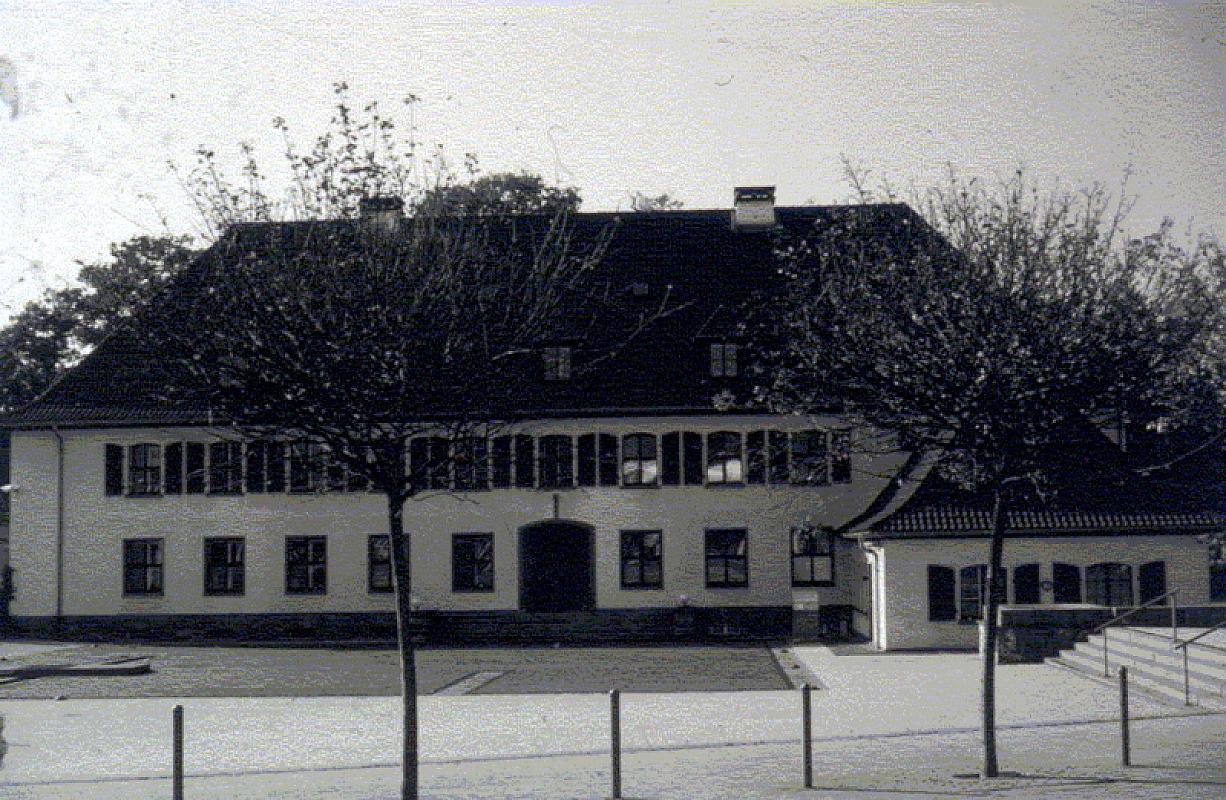
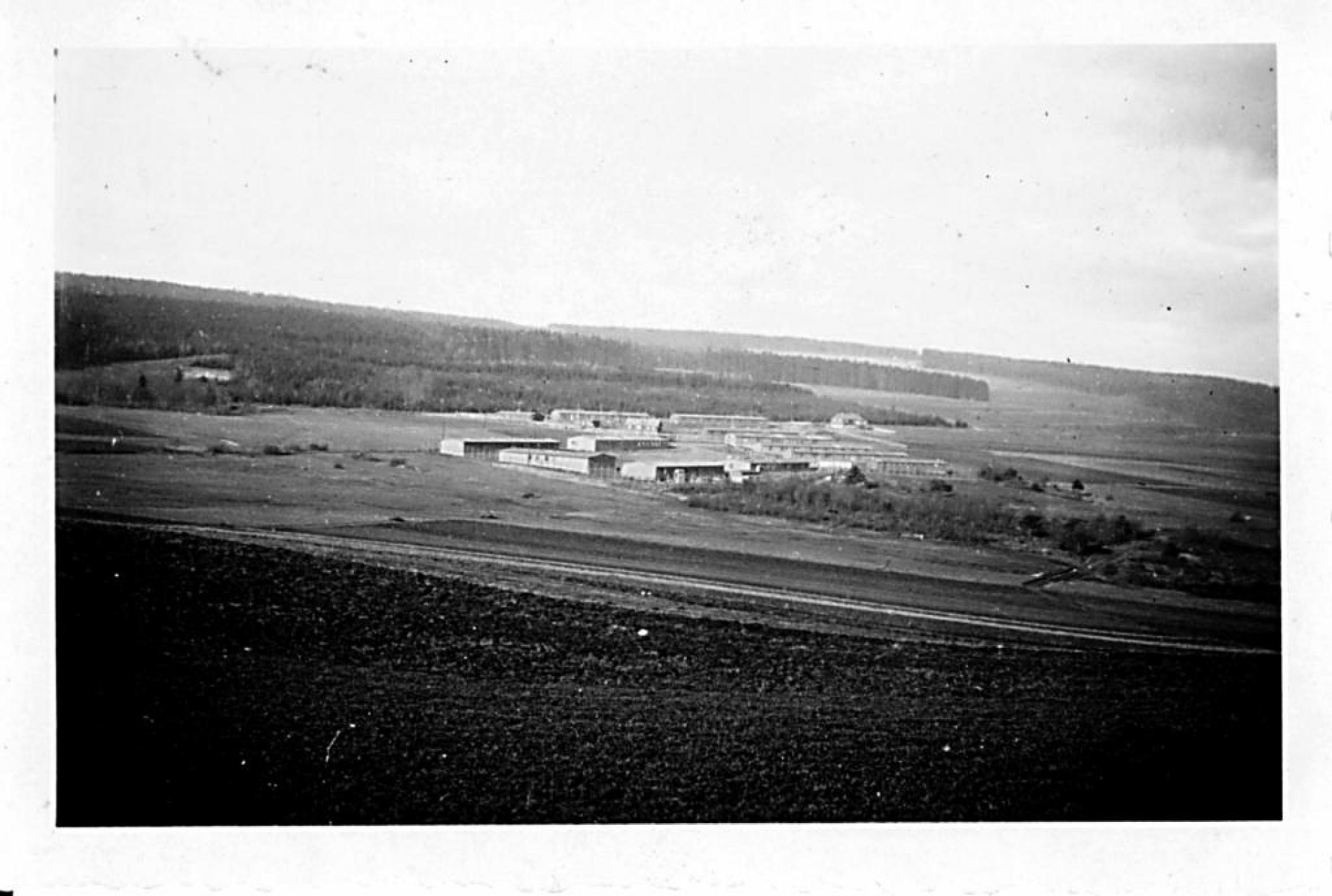
In 1938, construction work on fortifications along the German Reich's western border and preparations for an extension of the Reich autobahn were begun. The National Socialist administration set up barracks on the Hunsrück mountain range for workers deployed by the German Labour Front (Deutsche Arbeitsfront, DAF) and the Organisation Todt. These men had received police prison sentences. In October 1939, the later commander of Buchenwald, SS Sturmbannführer Hermann Pister, took command at the camp. One of his first official acts was the establishment of an »SS Special Camp« on the premises of the police detention camp. With the beginning of the war, further »labour education camps« for people deemed »work-shy« and those »refusing to work« were set up along the Siegfried Line. The incarcerated men were to be available for labour deployment after only a few weeks of detention. All of these so-called western camps were administered by the Hinzert SS Special Camp. From July 1940 on, when Hinzert was put under control of the Concentration Camp Inspector, it also began to operate as a concentration camp. Apart from delinquent Siegfried Line workers, the SS increasingly incarcerated regime opponents. From 1941/1942 on, not only arrested resistance fighters from neighbouring Luxembourg were brought to the camp but also so-called »Night and Fog« prisoners from France. In 1943, Polish civilian labourers who were to be admitted to the »Volksgemeinschaft« (»people's community«) by the »Race and Settlement Main Office« and were being subjected to a background check were detained here. The main camp, built for about 550 prisoners, was constantly overcrowded. The SS loaned forced labourers to numerous companies and institutions. In January 1945, the Hinzert concentration camp was put under the command of the Buchenwald concentration camp. In March 1945, American troops liberated the camp. Shortly before, the SS had chased most its prisoners on a death march towards Buchenwald.
Victims
Between September 1939 and March 1945, a total of at least 13,000 people were incarcerated at Hinzert or one of its approximately 20 satellite camps. There is evidence for 321 fatalities, but the real number is probably over 1,000. Many prisoners died of abuse by the SS guards, terrible work conditions, insufficient provisions or of illnesses. Between May 1942 and October 1943, nearly 2,000 French, Belgian and Dutch opponents of the regime were deported to Hinzert as »Night and Fog« prisoners - their relatives were not informed. The SS deported many of them to other prisons and camps such as the Buchenwald, Natzweiler or Dachau concentration camps. Several resistance fighters from Luxenbourg were shot close to Hinzert: 20 in September 1942, a further 23 in February 1944. About 70 Soviet prisoners of war were murdered here in 1941. Prisoners of war and forced labourers, who were held captive by the SS at Hinzert as people guilty of »refusing to work«, stemmed from all European countries under German occupation.
Remembrance
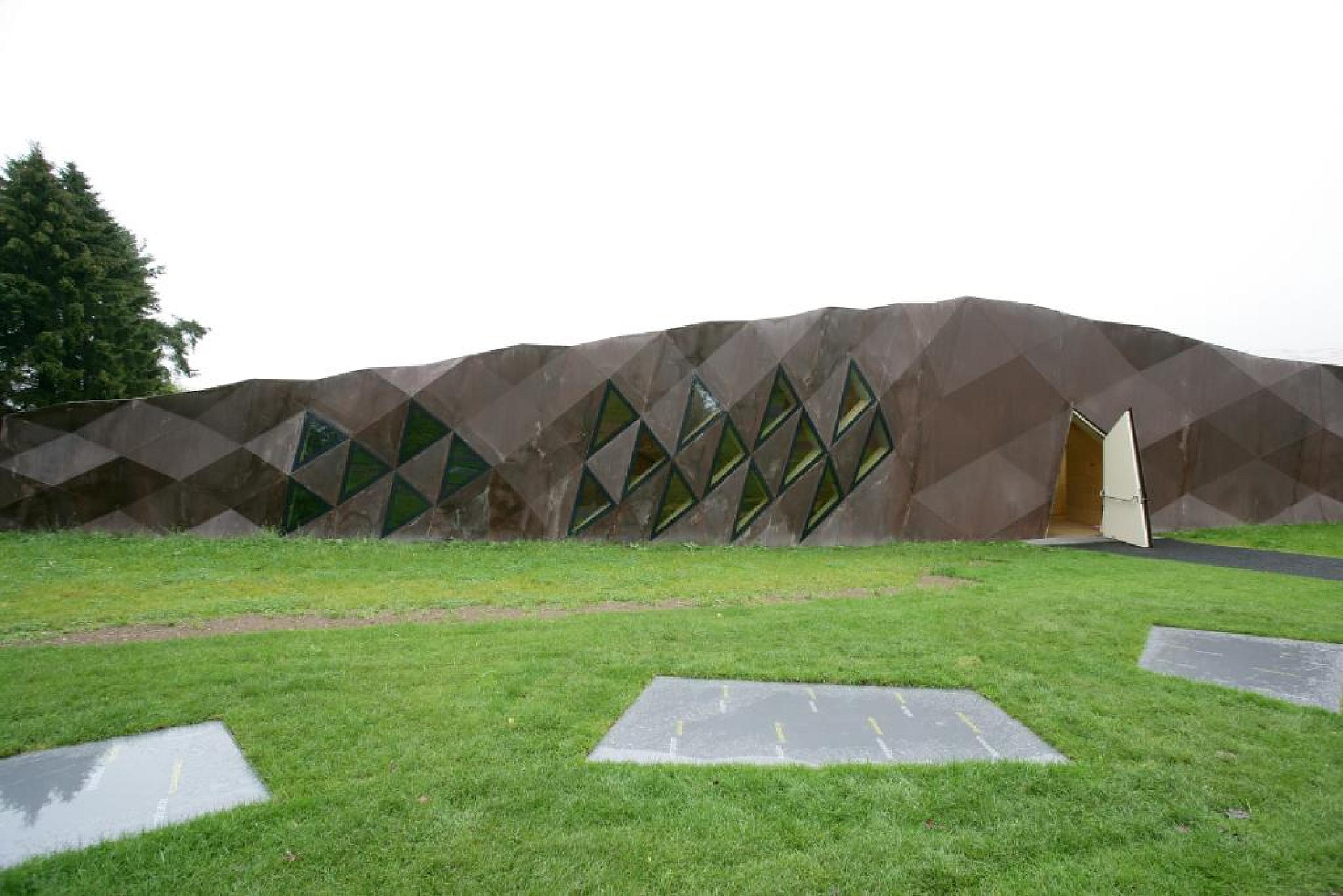
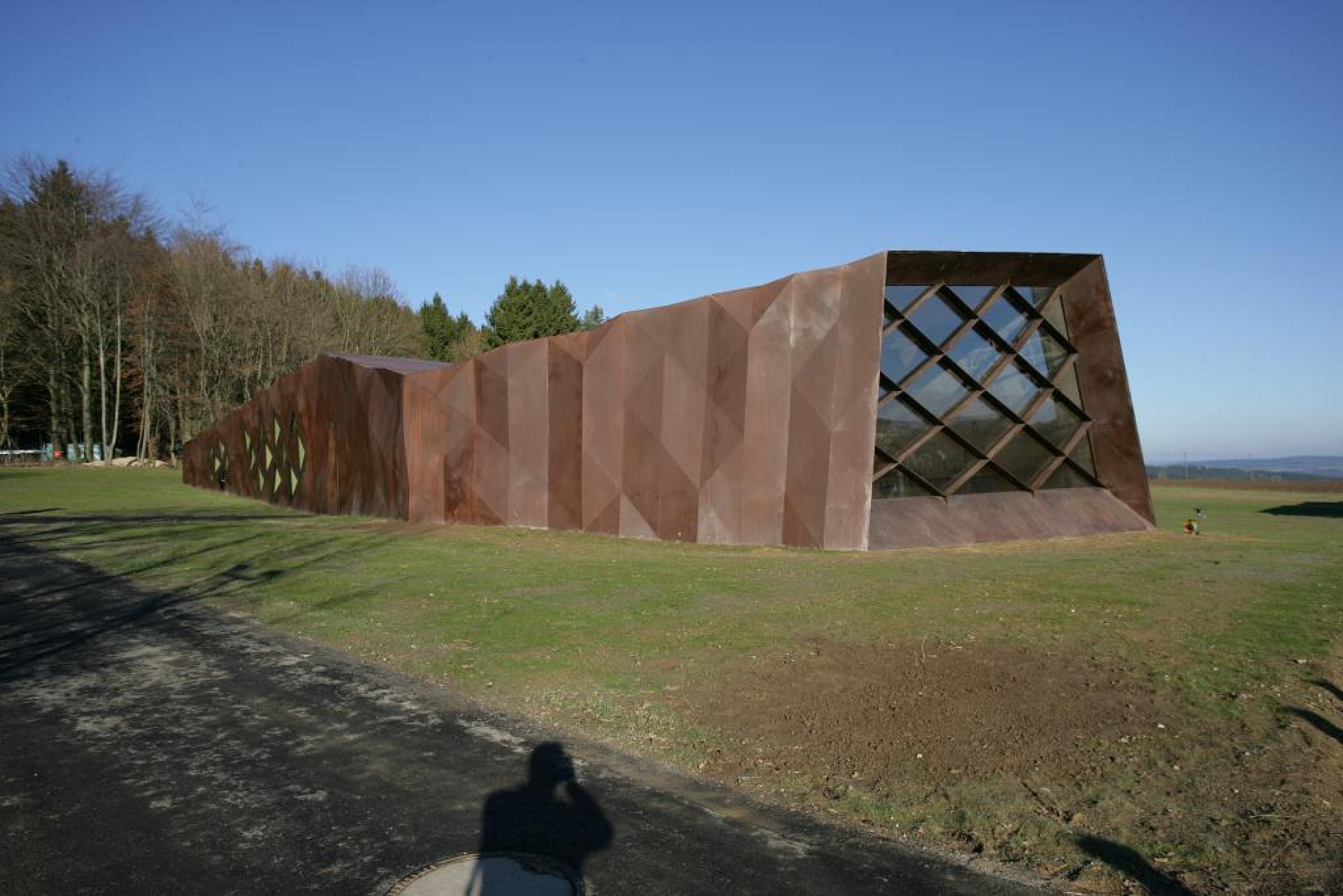
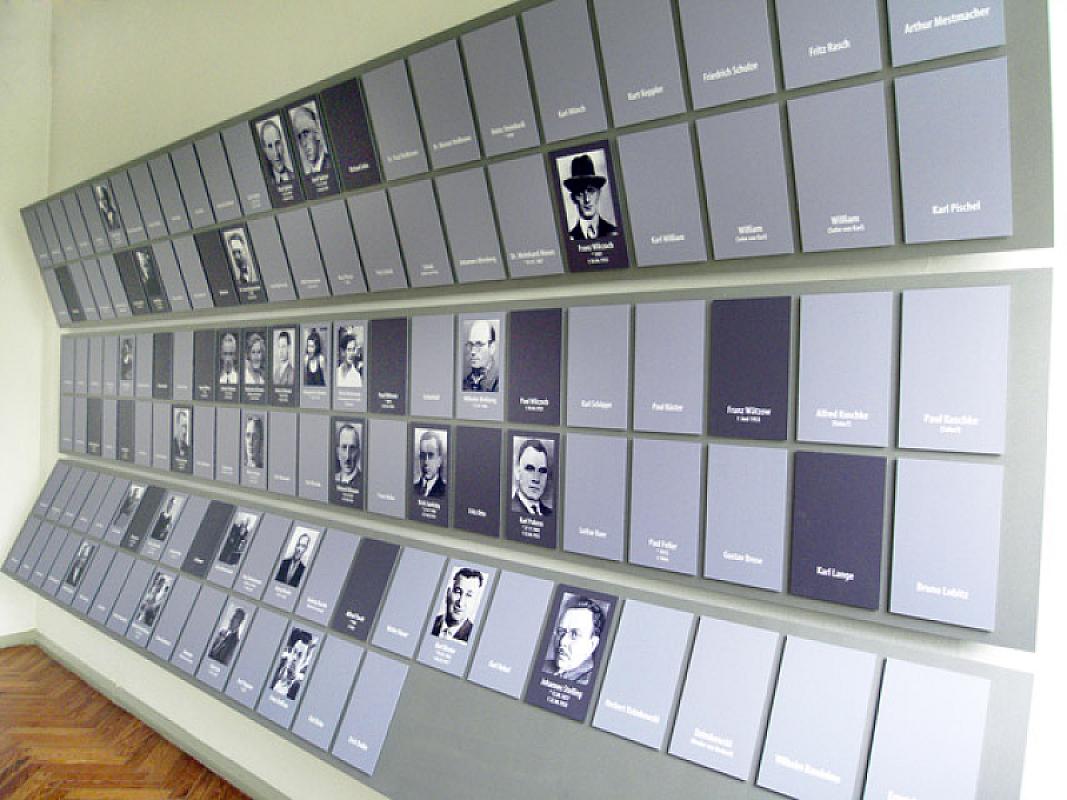
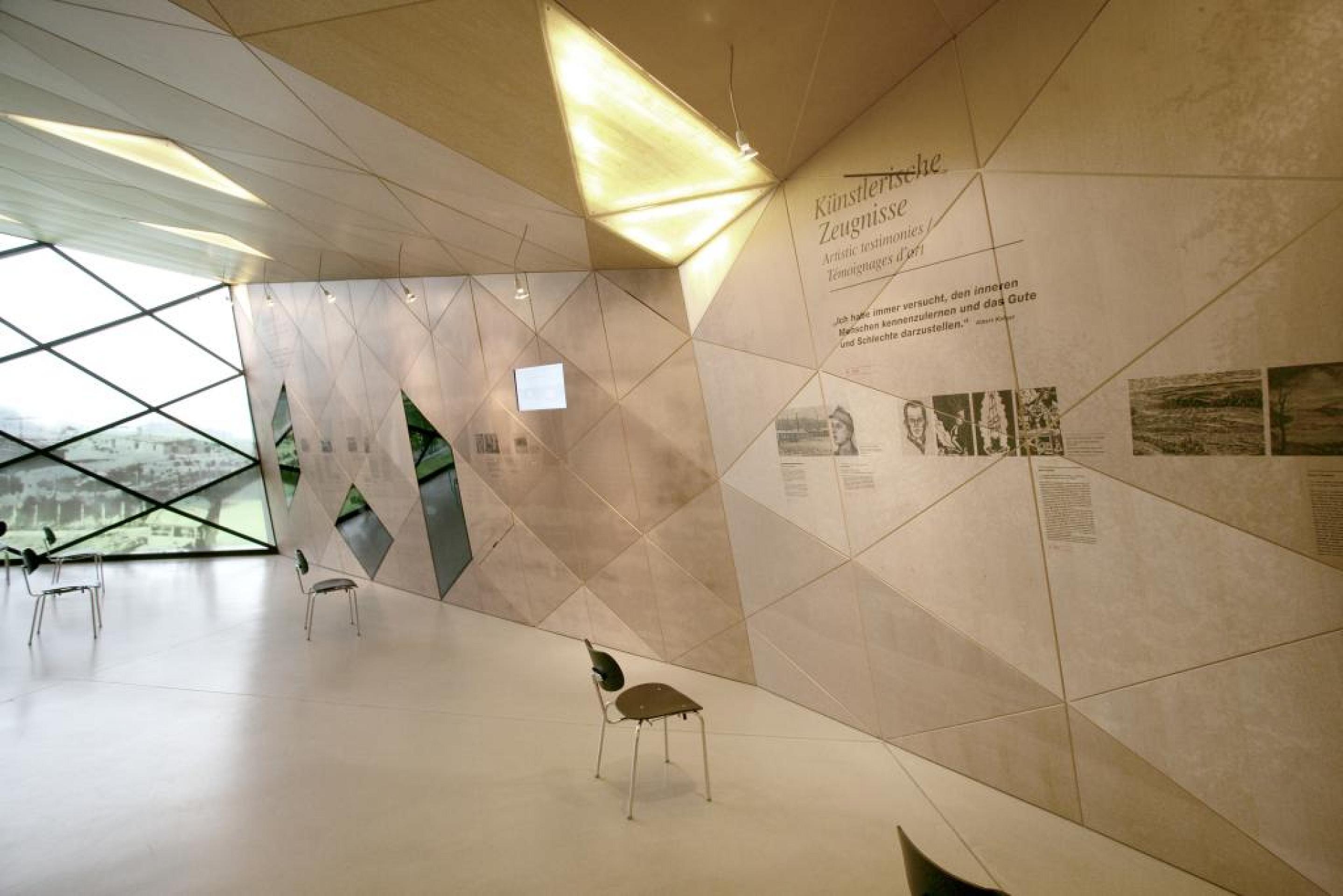
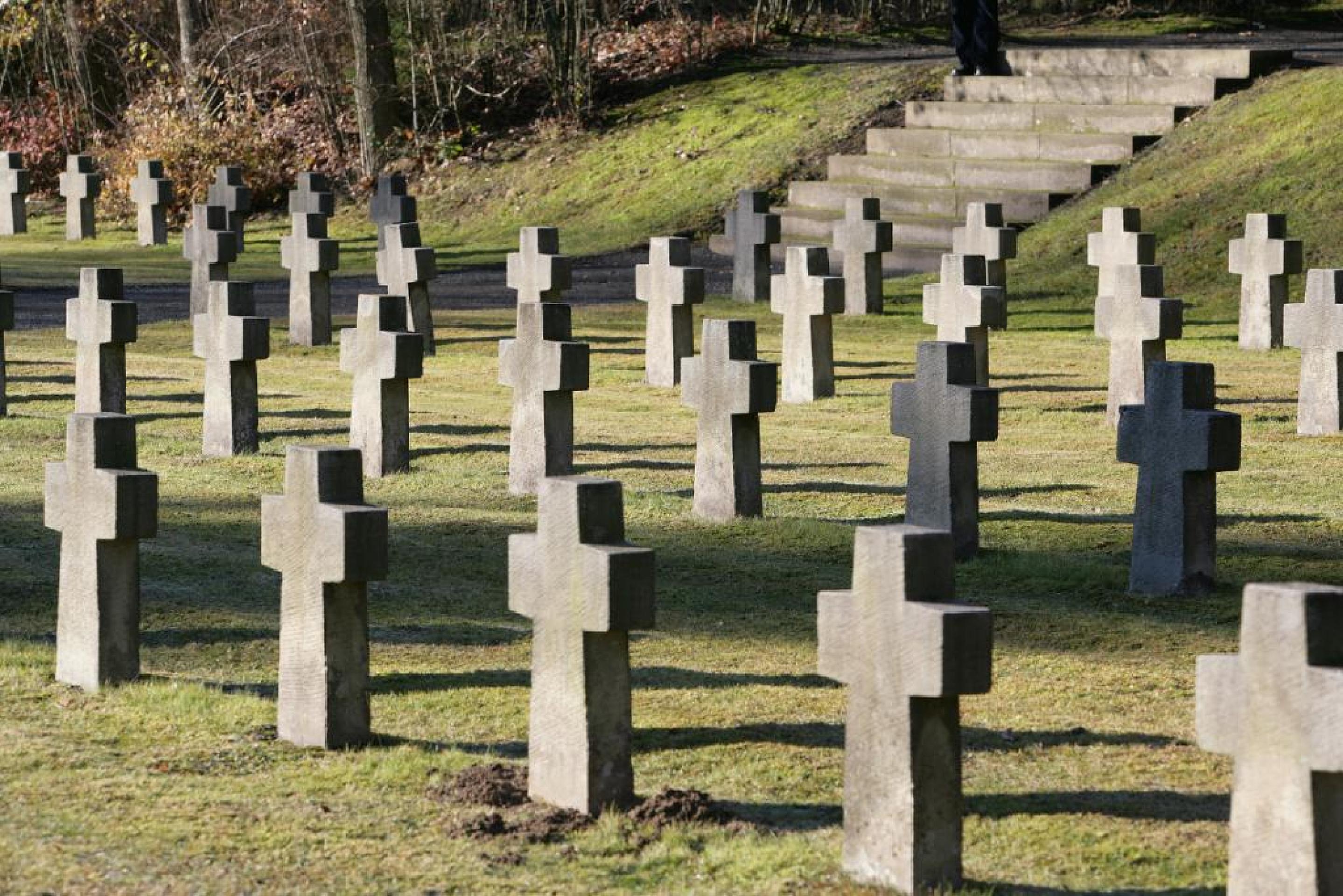
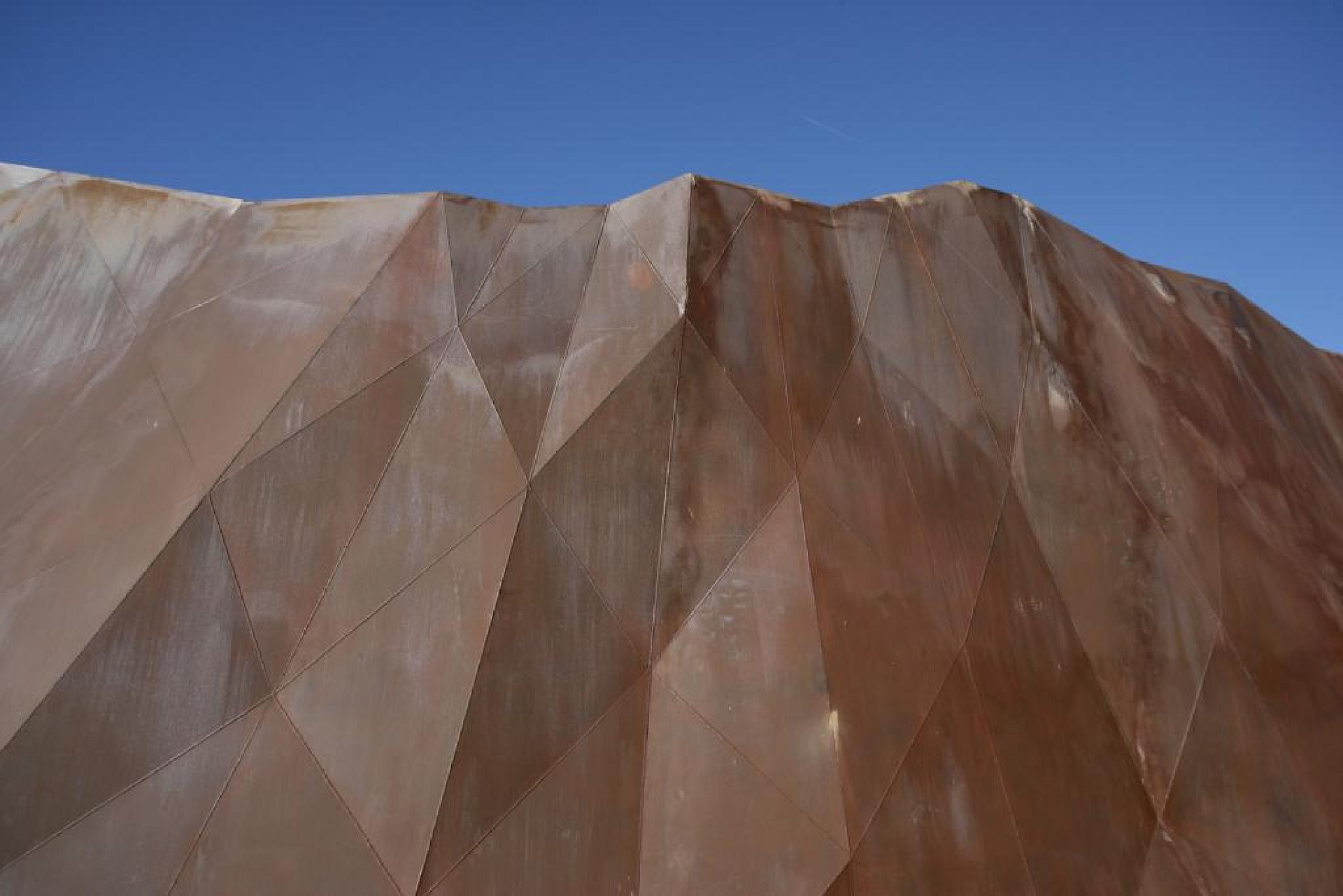
Already in 1946, the premises of the former camp were redesigned into a memorial site. The French military administration laid out a cemetery on which the remains of 217 prisoners were buried. In 1986, a monument, designed by former Luxembourgian prisoner Lucien Wercollier, was erected on the site. Since 1992, the Centre for Political Education in Rhineland-Palatinate has administered the memorial. One of its first projects entailed setting up several information plaques close to the »Sites of Inhumanity« on the former camp premises. A permanent exhibition on the camp, its victims and perpetrators was created in cooperation with the Hinzert Concentration Camp Support Association. It can be viewed in the documentation and meeting centre, which was designed by an architectural firm from Saarbrücken and opened in 2005. In 2006, the building was awarded the German Steel Construction prize.
Possibilities
Permanent exhibition, guided tours free of charge by appointment
Open
Tuesday to Friday 9.00 a.m. to 1.00 p.m. and 2.00 p.m. to 5.00 p.m.,
Saturday, Sunday and Holidays 2.00 p.m. to 5.00 p.m., closed on Mondays
Contact
http://www.gedenkstaette-hinzert-rlp.de
info@gedenkstaette-hinzert-rlp.de
+49 (0) 6586 992 493