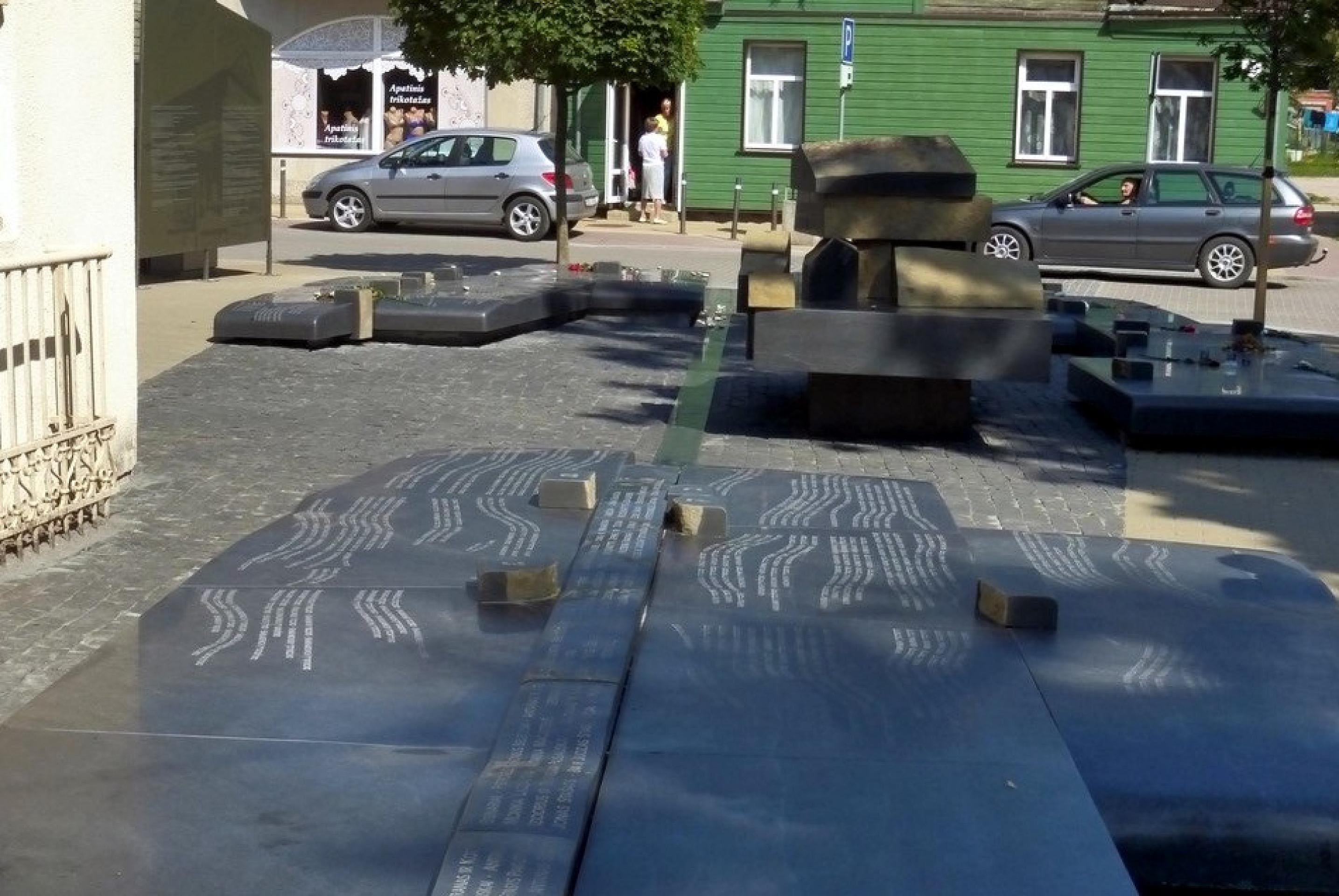
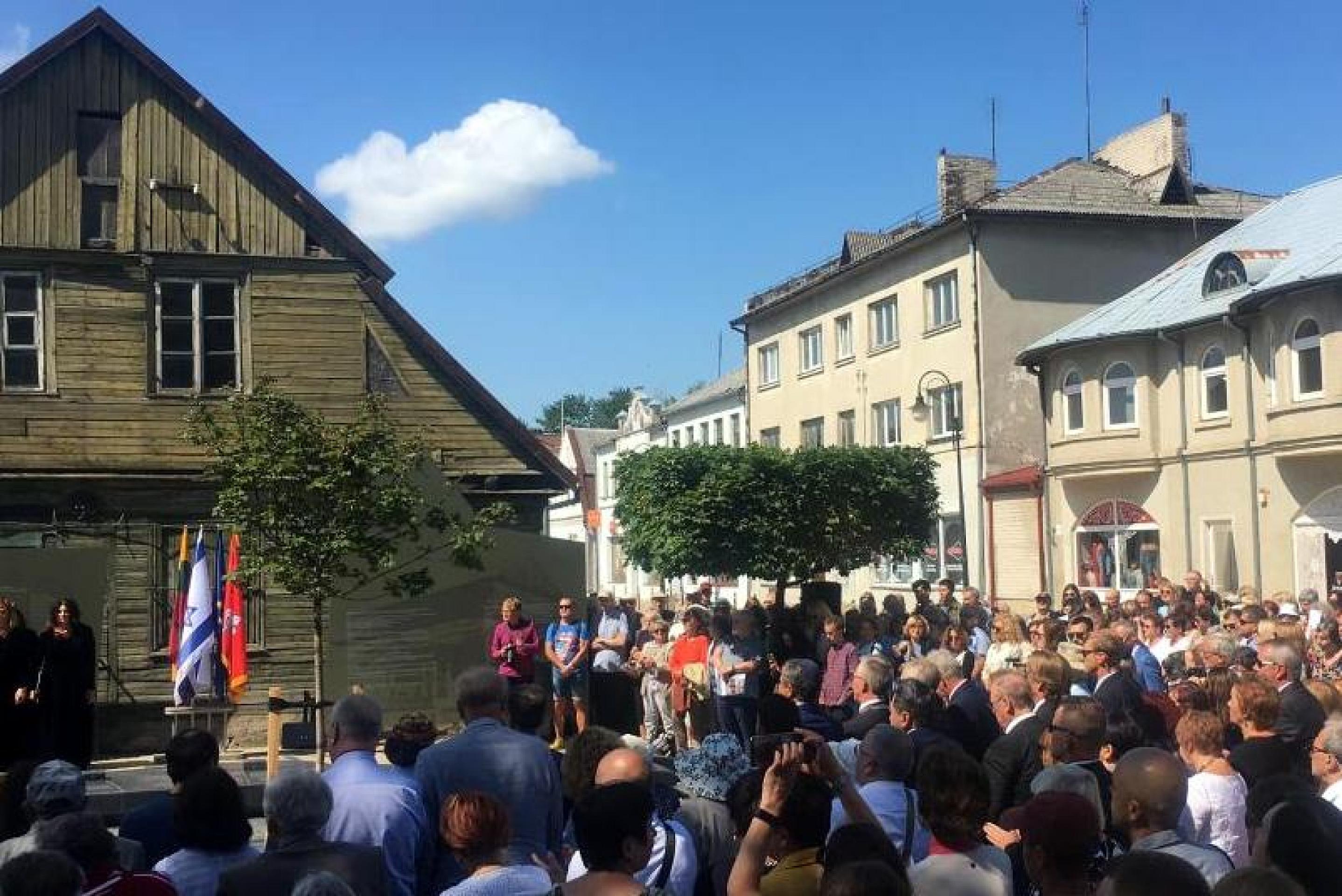
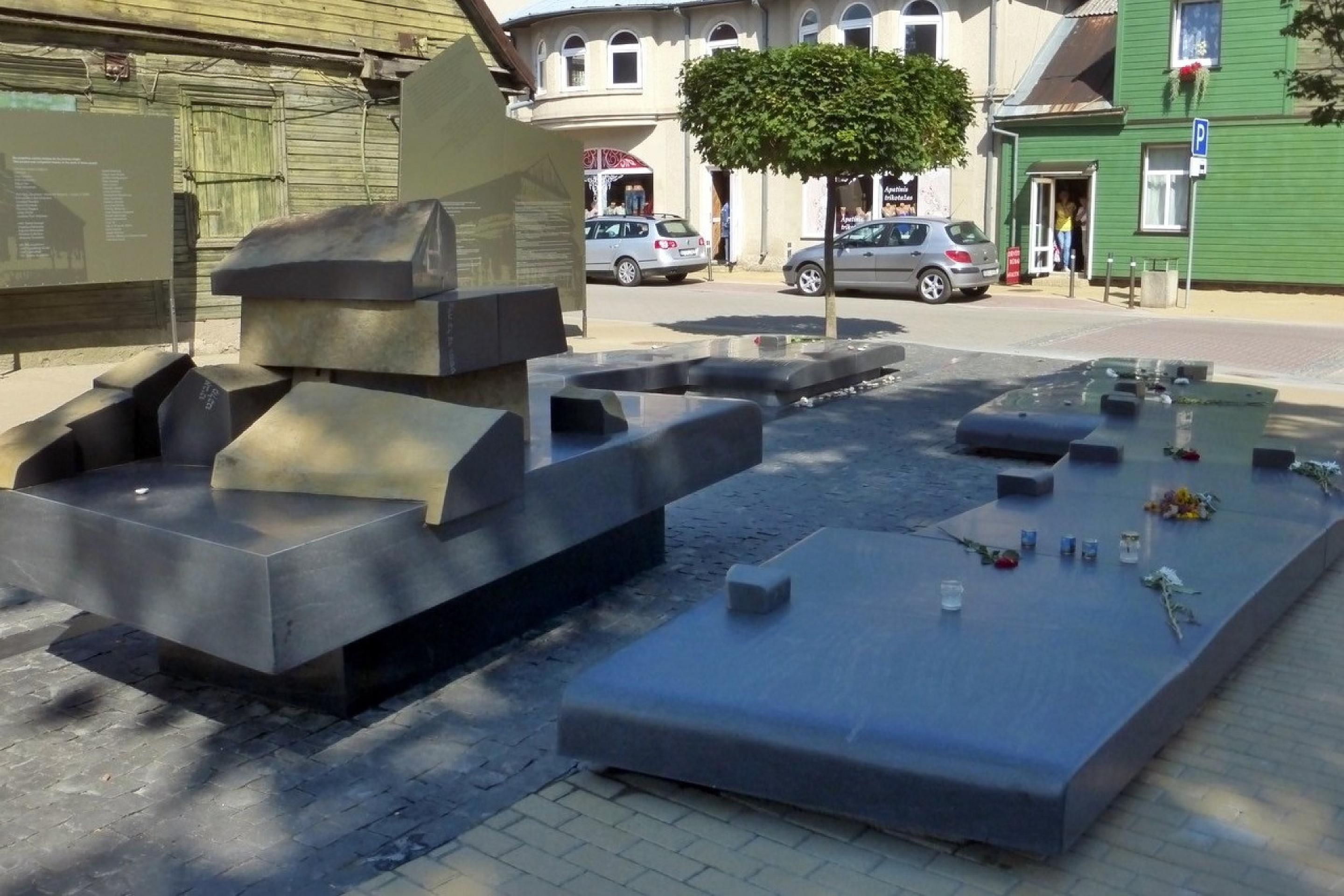
Since July 2019 a central memorial in Jurbarkas (German also: Georgenburg) remembers the city's Jewish past.
History
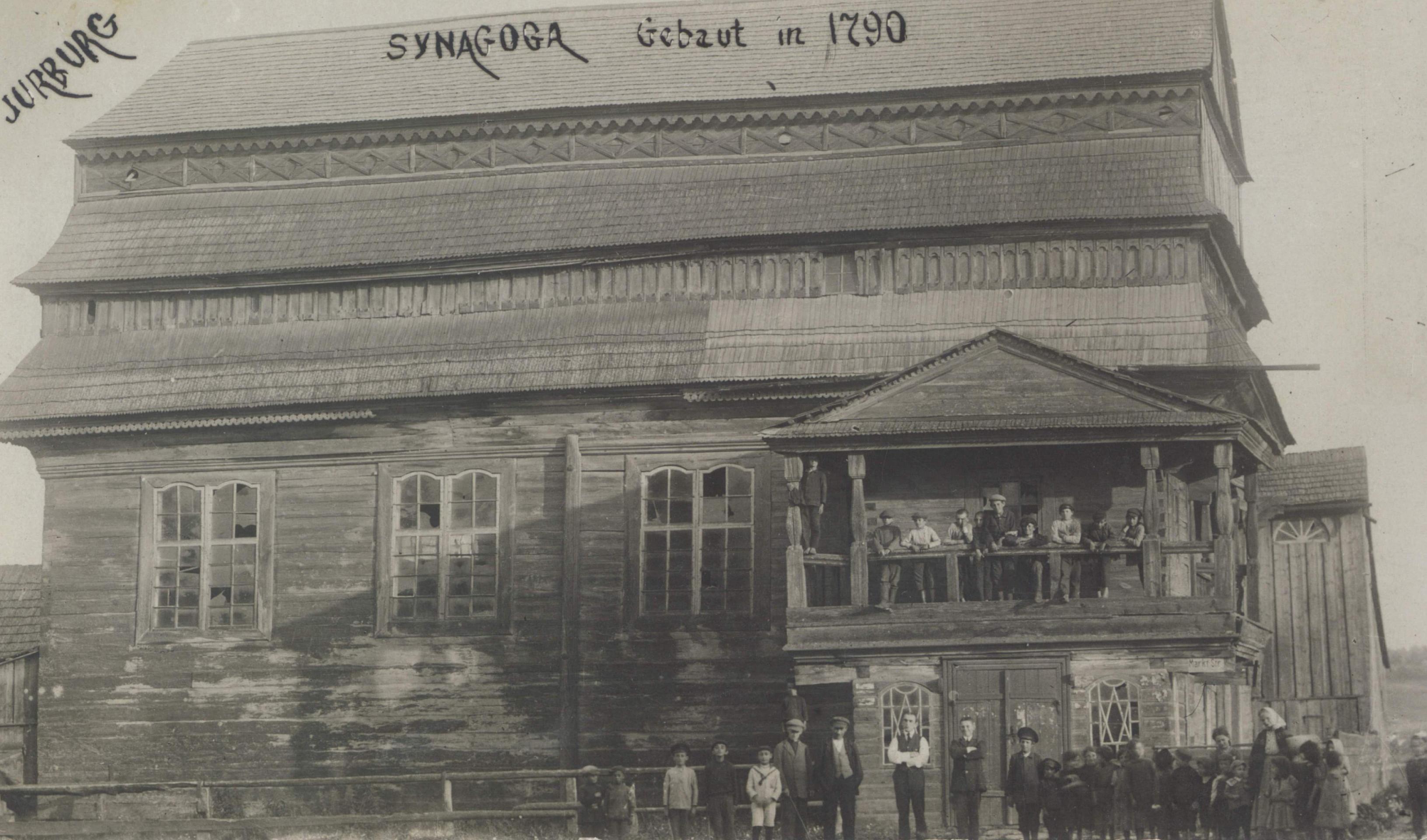
Jurbarkas belonged to the Russian Empire after 1795 and was part of the Kovno Governorate between 1843 and 1915. The city lies directly on the Neman river (German: Memel), which at that time formed the border with East Prussia. Jews had lived here since the 18th century and played a decisive role in shaping the city until the Second World War. At times Jews made up more than a third of the population. The centre of Jewish life was the famous wooden synagogue built in 1790. After the First World War Jurbarkas belonged to the independent state of Lithuania. Economically difficult times dawned, so many Jews left the city, especially in the direction of the USA. When anti-Semitism became stronger in Lithuania in the 1930s, many Jews turned to Zionism and began preparations for emigrating to Palestine.
In 1940 the Soviet Union occupied Lithuania. The new regime deprived many Jews of their livelihood and suppressed Jewish culture and religion. About a year later, on the very first day of their attack on the Soviet Union, the German Wehrmacht occupied Jurbarkas. As everywhere in Lithuania, Jews were depicted by both German propaganda and Lithuanian nationalists as henchmen of the Soviets. Jews were forced to destroy the synagogue and burn religious books.
Only a few days later, Dr. Walther Stahlecker, head of SS Einsatzgruppe (mobile killing unit) A, gave the order to shoot Jews in the German-Lithuanian border area. On this basis, members of the SS and Lithuanian volunteers shot 322 Jewish men at the Jewish cemetery in Jurbarkas. Within a short time, further mass shootings were carried out by the SS in which virtually all Jews from Jurbarkas and its surroundings were gradually murdered.
Victims
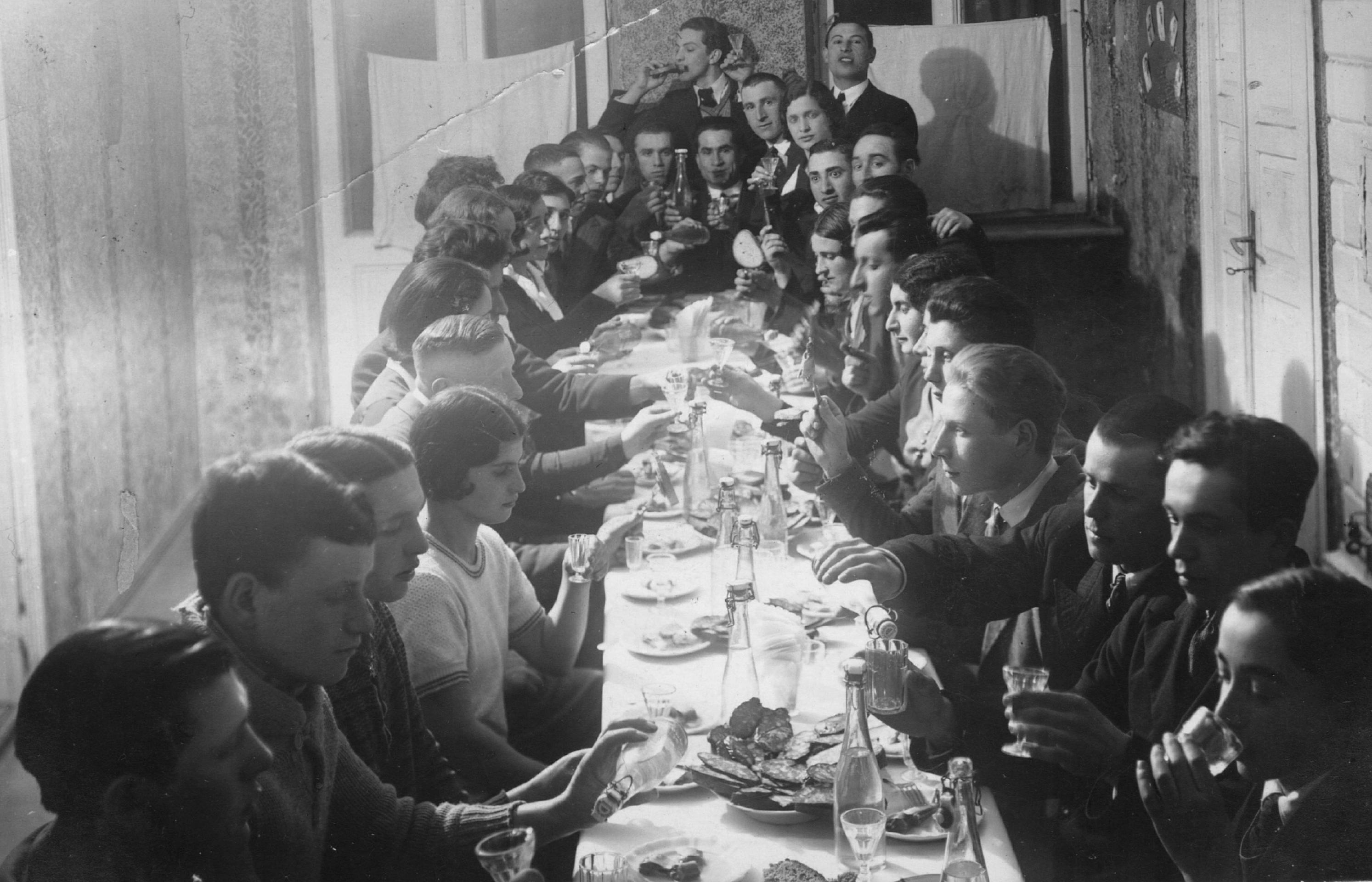
According to its own statements, the SS had all approximately 1,900 Jewish inhabitants of Jurburg murdered by September 6, 1941. However, other sources report of Jews from Jurbarkas who managed to escape the mass shootings in 1941.
Remembrance
After the Second World War Jurbarkas once again became part of the Soviet Union. No Jews lived in the city anymore. Jews with roots in Jurbarkas only lived abroad, especially in the USA and Israel. They formed networks to gather photos and documents recalling the Jewish life of the city and their relatives murdered in the Holocaust.
After Lithuania regained its independence in 1991, for the first time the relatives had the opportunity to become involved locally. The first memorials were erected at former execution sites. At the same time, the inhabitants of Jurbarkas also became more aware of the Jewish heritage of the city. The Jewish cemetery and the memorial erected there in 2006 are maintained by the city council.
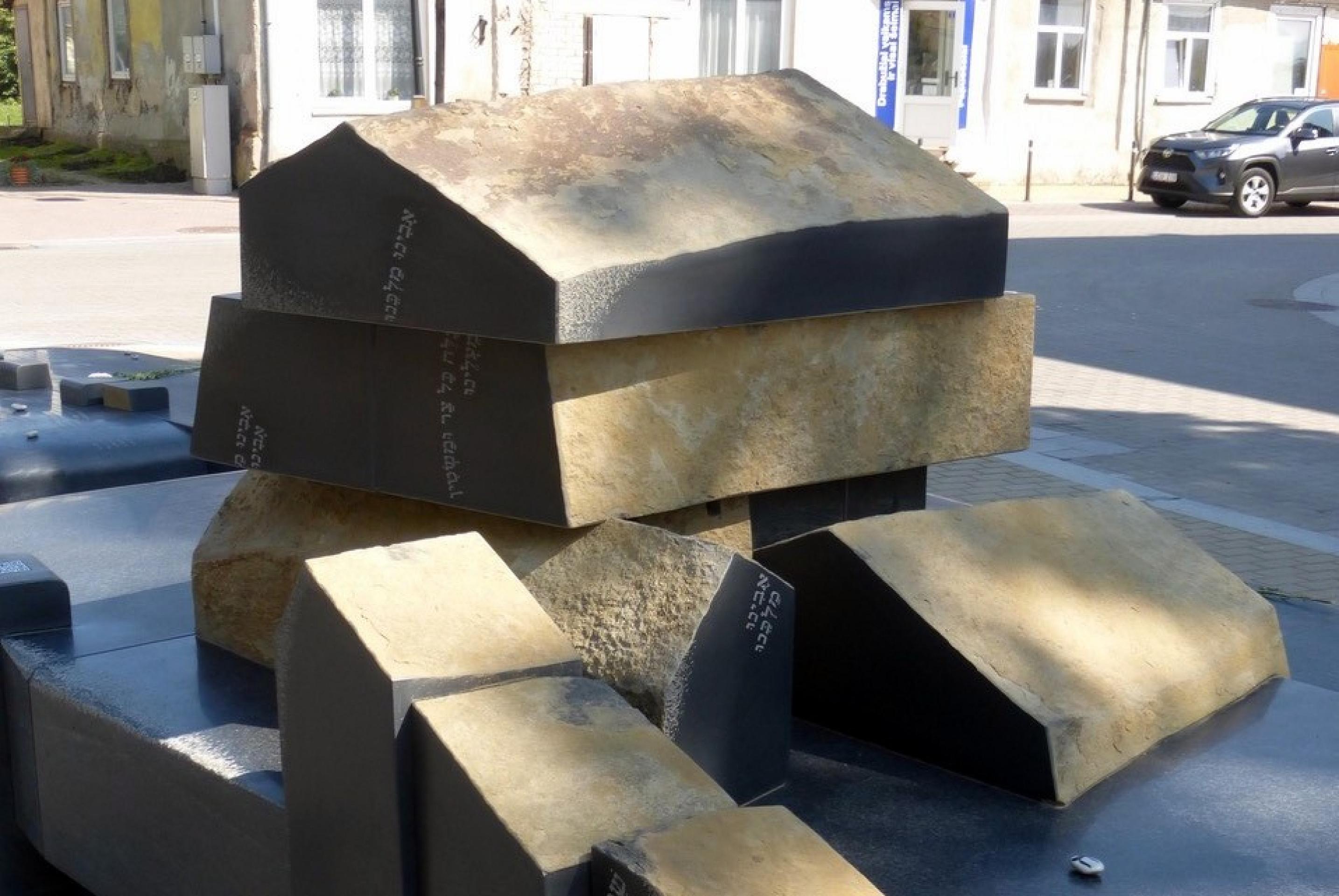
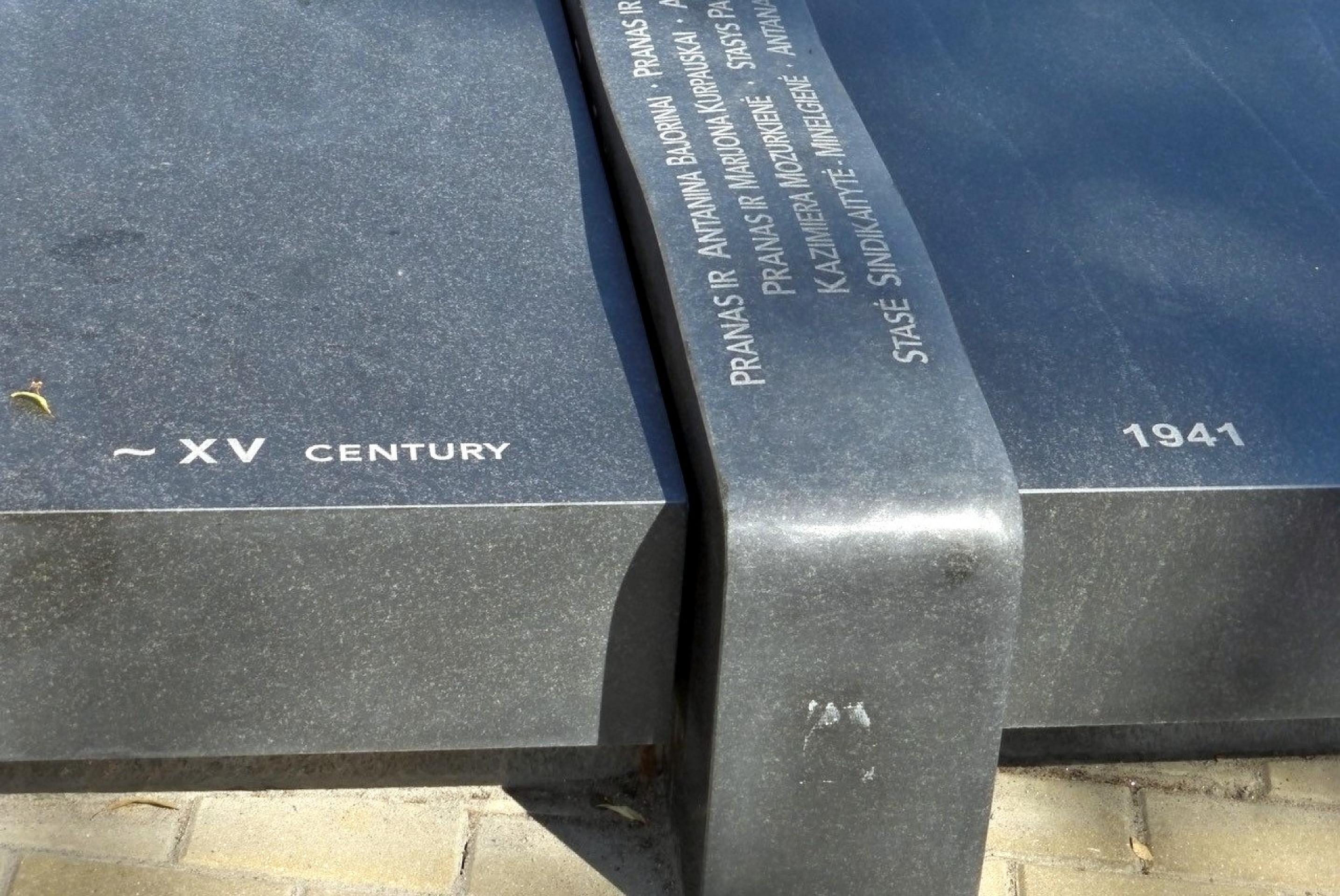
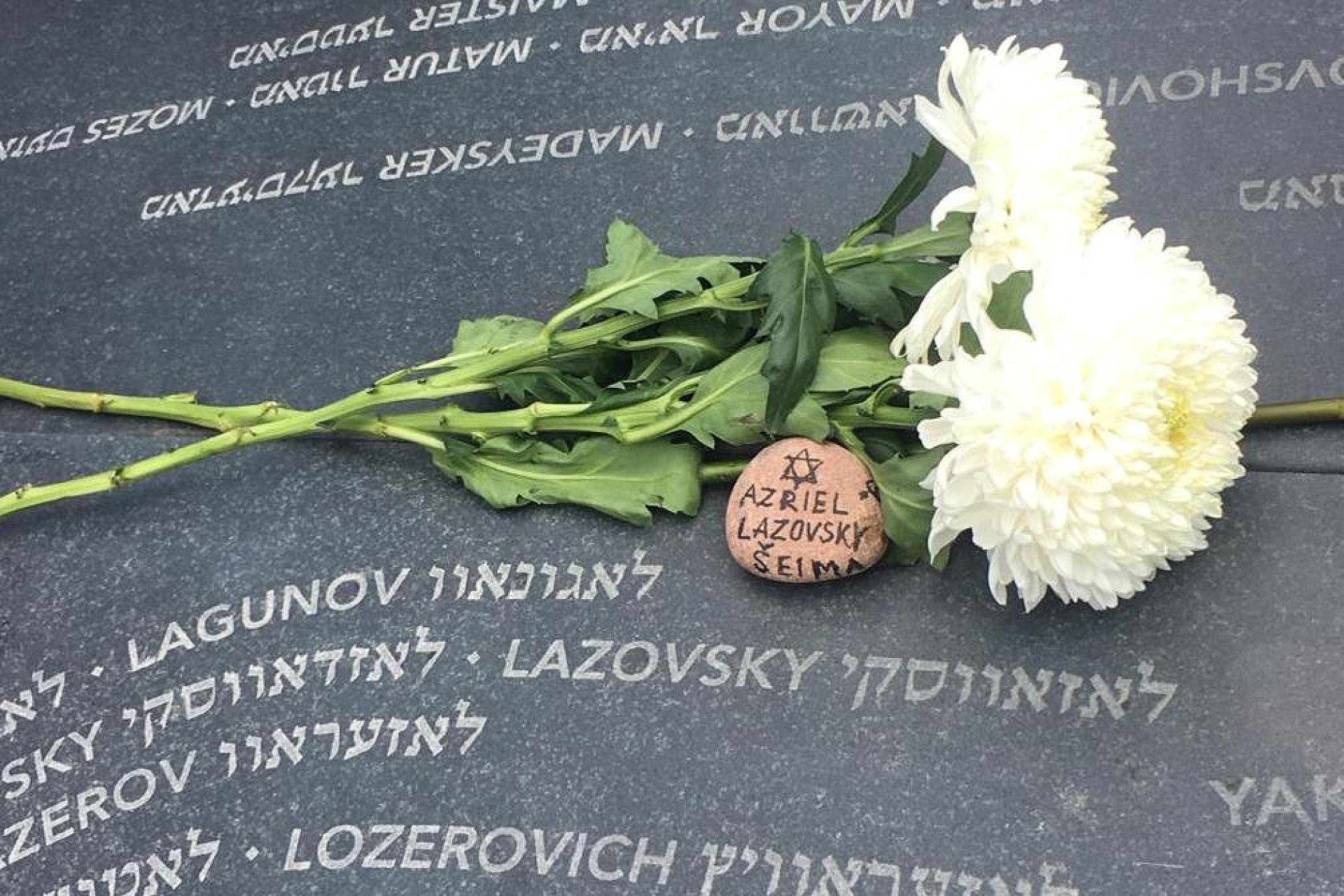
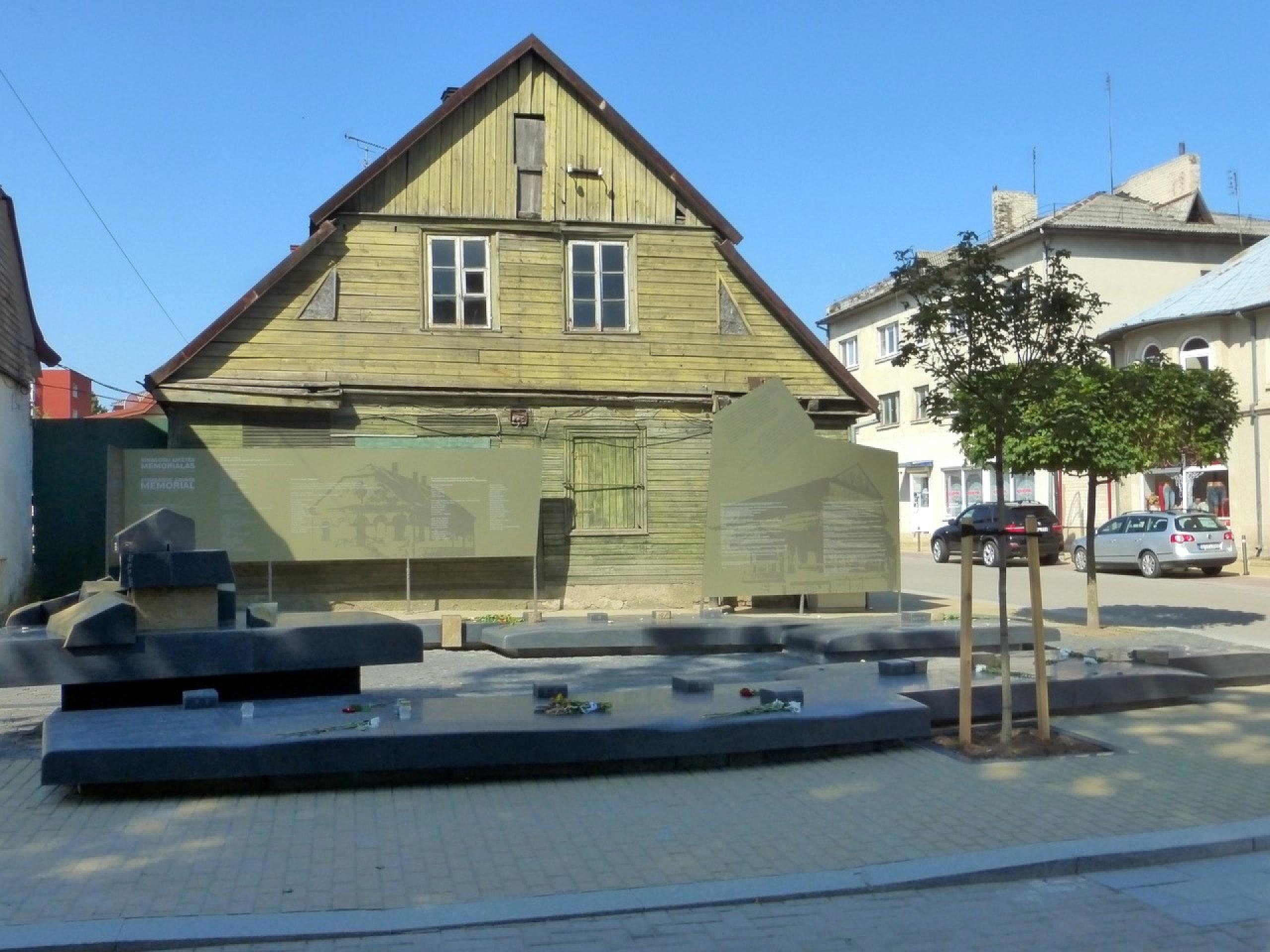
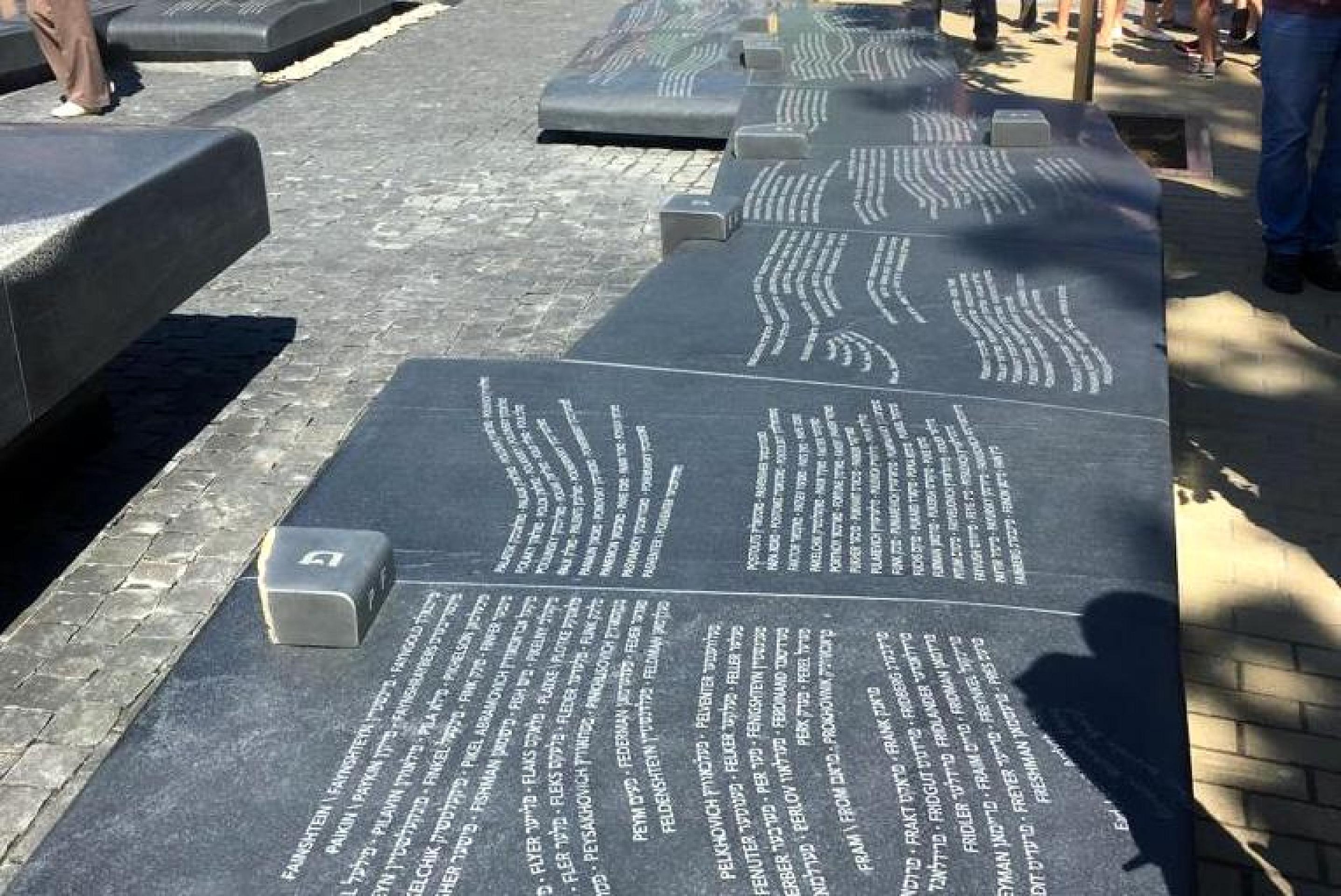
In July 2019, a new memorial was inaugurated where the magnificent wooden synagogue and a further synagogue once stood. The initiative for the new memorial came from the mayor of Jurbarkas, Skirmantas Mockevičius. He had called in the Israeli embassy to establish contact with the Israeli artists' group CAN New Artists Collegium, whose three members David, Gregory and Anna Zundelovitch originally came from Lithuania. The memorial they designed makes symbolic references to various aspects of Jewish history. The square is oriented towards Jerusalem, the shape of the monument follows the course of the river Neman. Hundreds of Jewish surnames are engraved on the stones in Yiddish and English. Occupations formerly practised by Jews are shown in Lithuanian. The names of Lithuanians who have saved Jews and are honoured as »Righteous among the Nations« are also listed. Two large information boards commemorate the former synagogues and give information about the background of the memorial.
The Krelitz family from Jurbarkas is one of 15 families whose lives and fates are described in detail in the family room at the Holocaust Memorial in Berlin.
Open
The memorial is accessible at all times.
Contact