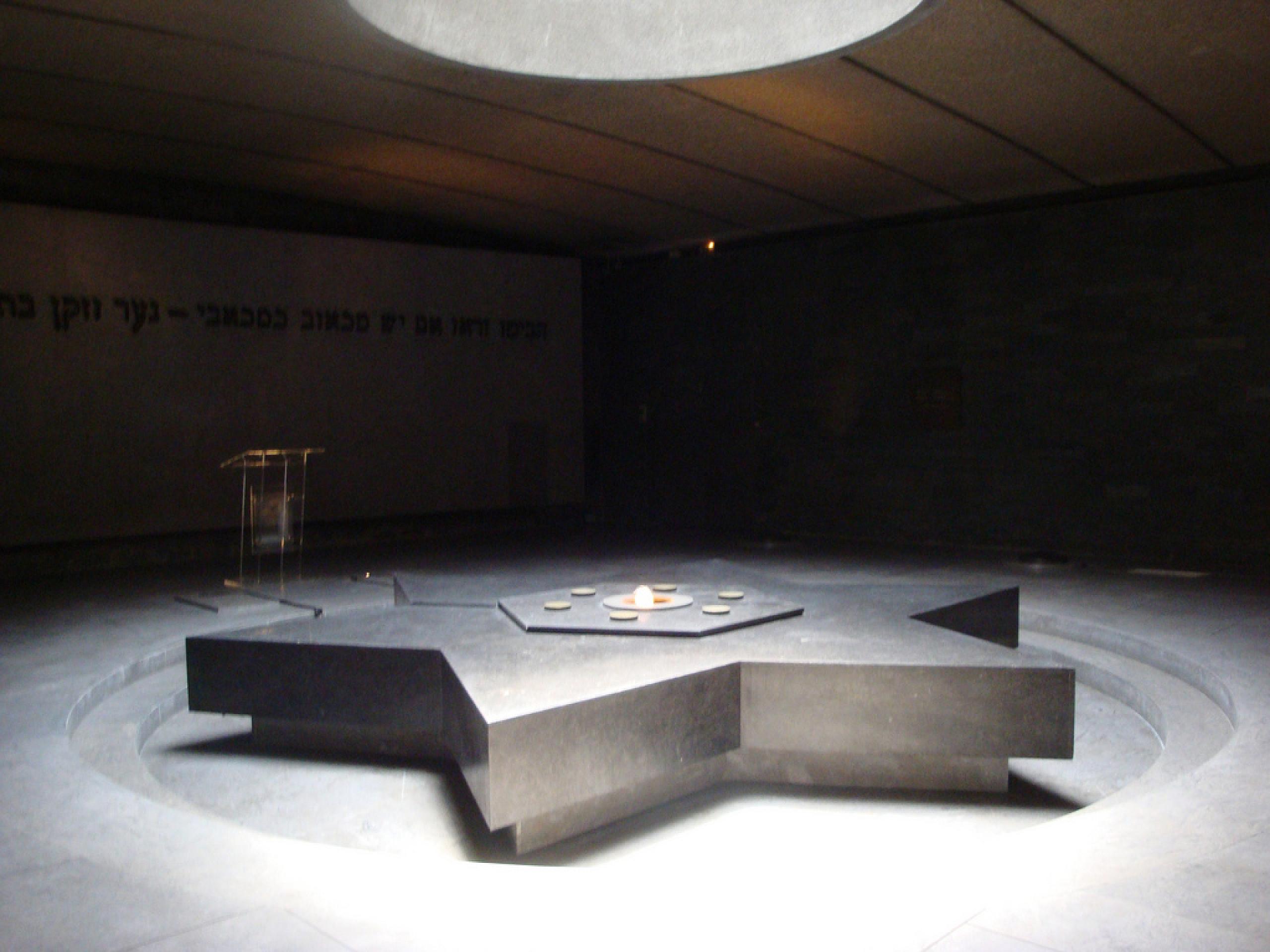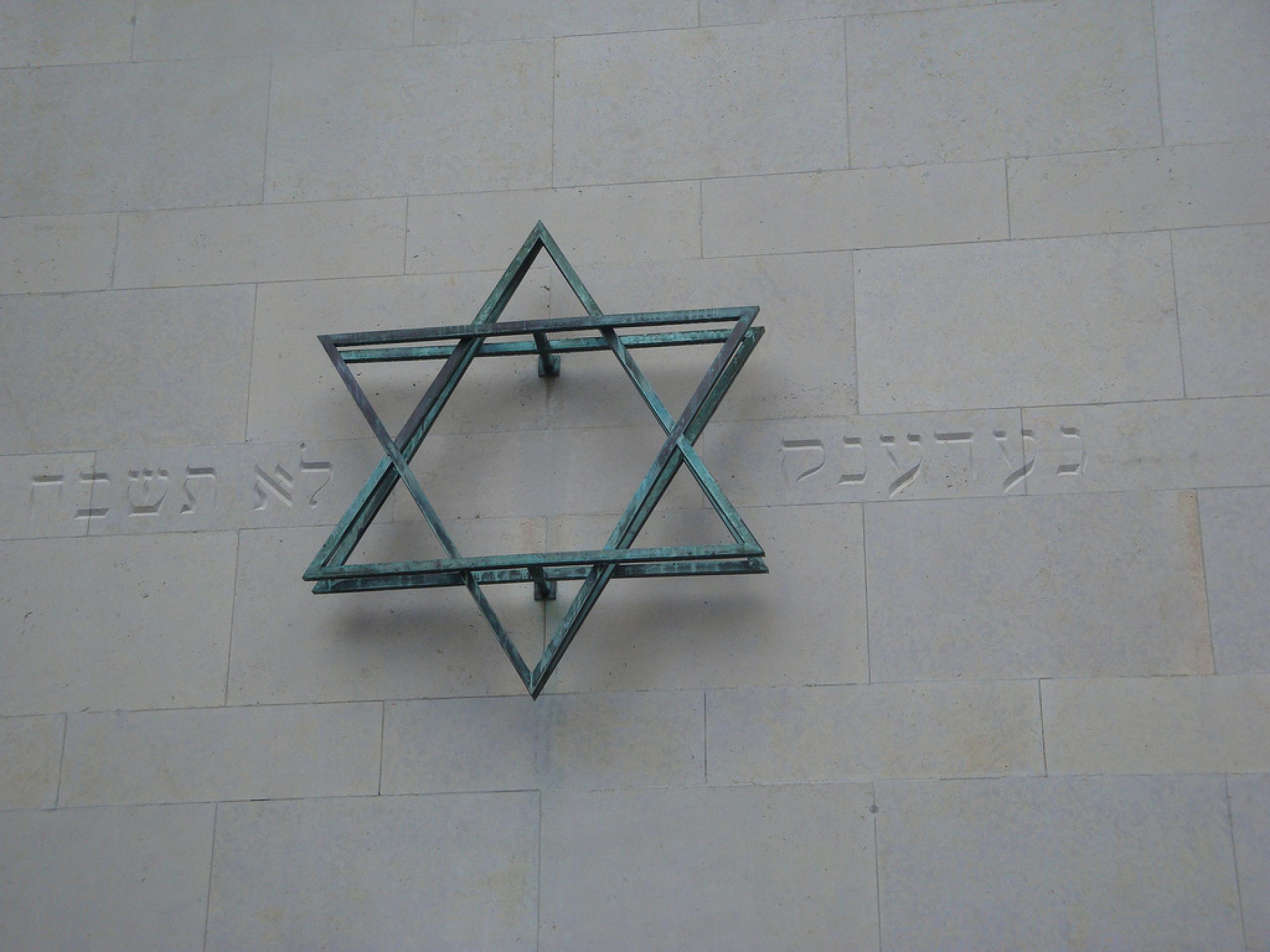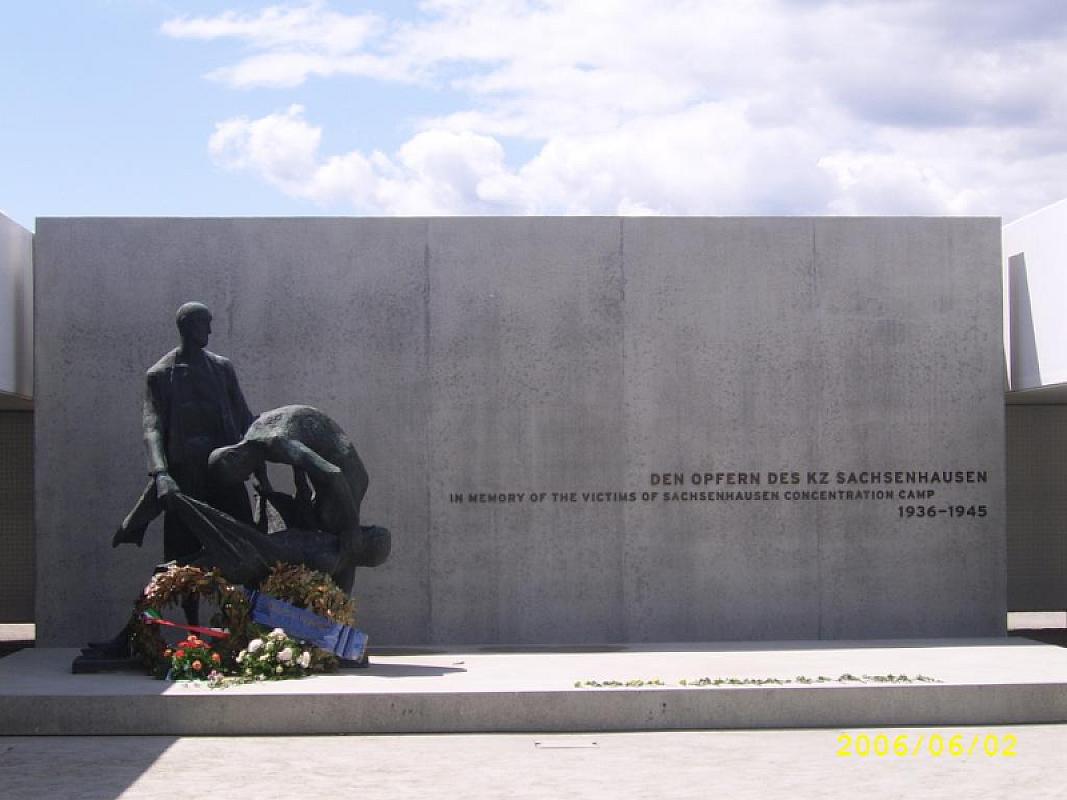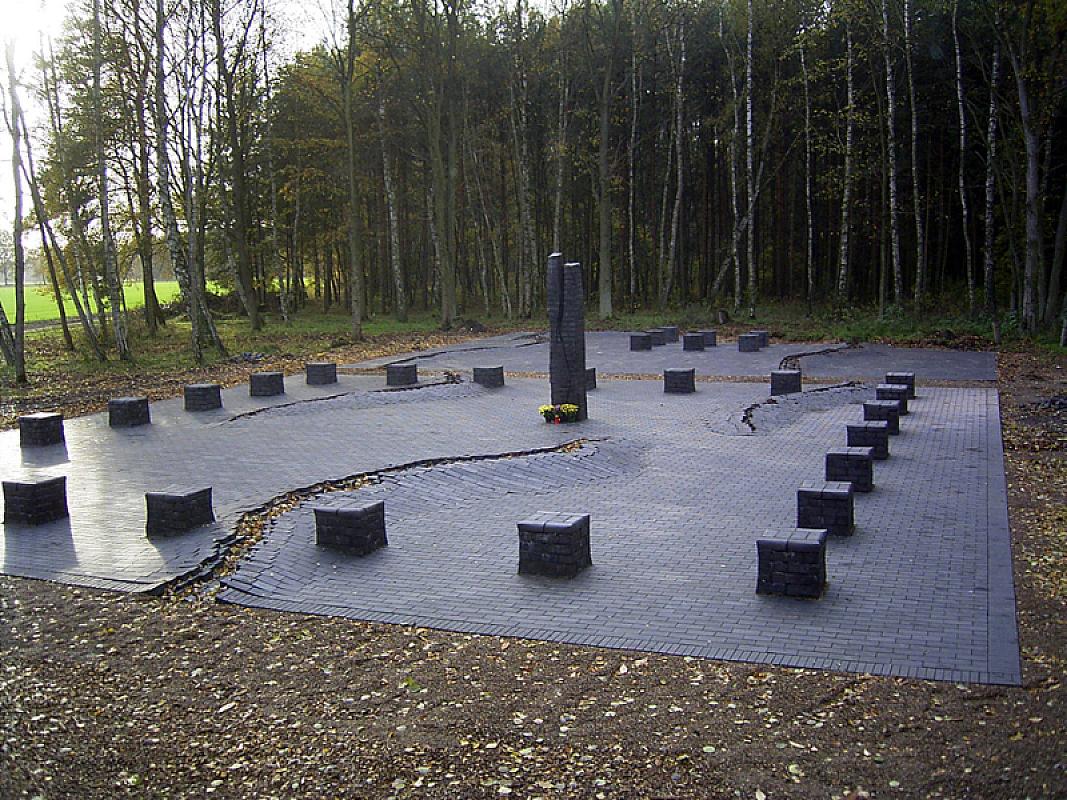
The »Mémorial de la Shoah« memorial and museum in Paris is one of the most visited sites of commemoration in France. It houses several monuments such as the Wall of Names and the 1956 Memorial to the Unknown Jewish Martyr as well as the Centre de Documentation Juive Contemporaine (CDJC). The CDJC was founded in the underground in 1943 by members of the Jewish community with the aim of carefully documenting the persecution of Jews in France.
History
In June 1940, German forces occupied the north of France, including the capital Paris; in 1942, they took large parts of southern France. The south-eastern region of the country (Grenoble, Nice) was occupied by Italian troops in 1942. In March 1942, the SS began deporting Jews from the French territories under German control to extermination camps in occupied Poland. At the time, Italy did not actively participate in the National Socialists' fatal policy of persecution. As a result, numerous French Jews fled to the Italian zone of occupation. On April 28, 1943, about 40 resistance fighters and representatives of various streams within the Jewish community met in Grenoble in the Italian zone. They gathered in the private apartment of former rabbi and industrialist Isaac Schneersohn, where they decided to document the National Socialists' policy of annihilation and collect evidence for the prosecution of these crimes after the war – all this would have to be done in the underground. They founded the Centre de Documentation Juive Contemporaine (CDJC, Centre of Contemporary Jewish Documentation) for this purpose. After the liberation of Paris in the summer of 1944, the CDJC moved its headquarters to the French capital.
Victims
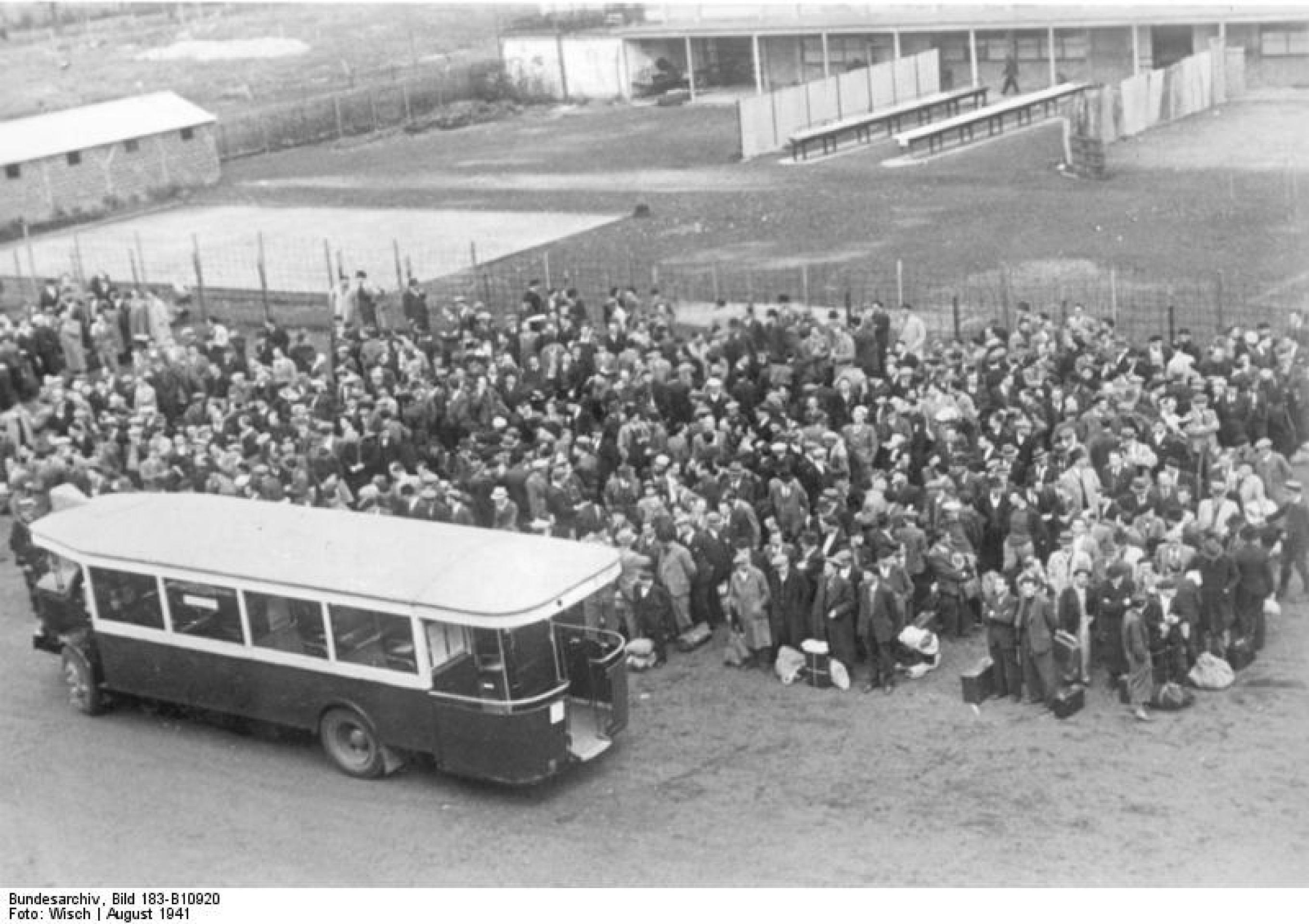
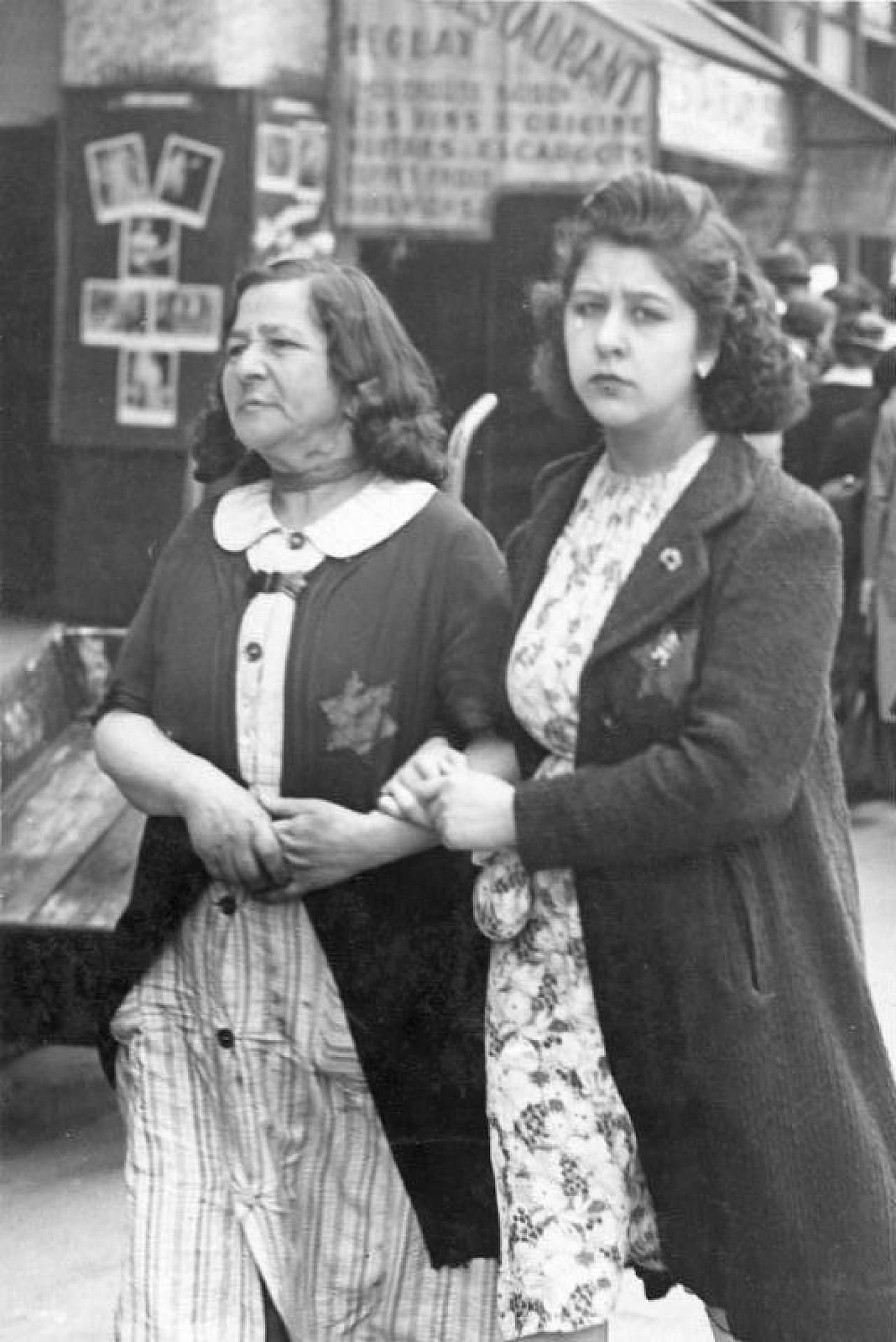
The »Mémorial de la Shoah« commemorates the persecuted and murdered Jews of France. Approximately 76,000 people – about one fifth of the Jewish population of France – were deported and murdered between March 1942 and the summer of 1944.
Remembrance
Léon Poliakow became director of research at the CDJC after the institute moved to Paris; until today, his work is considered ground breaking in the research of anti-Semitism.
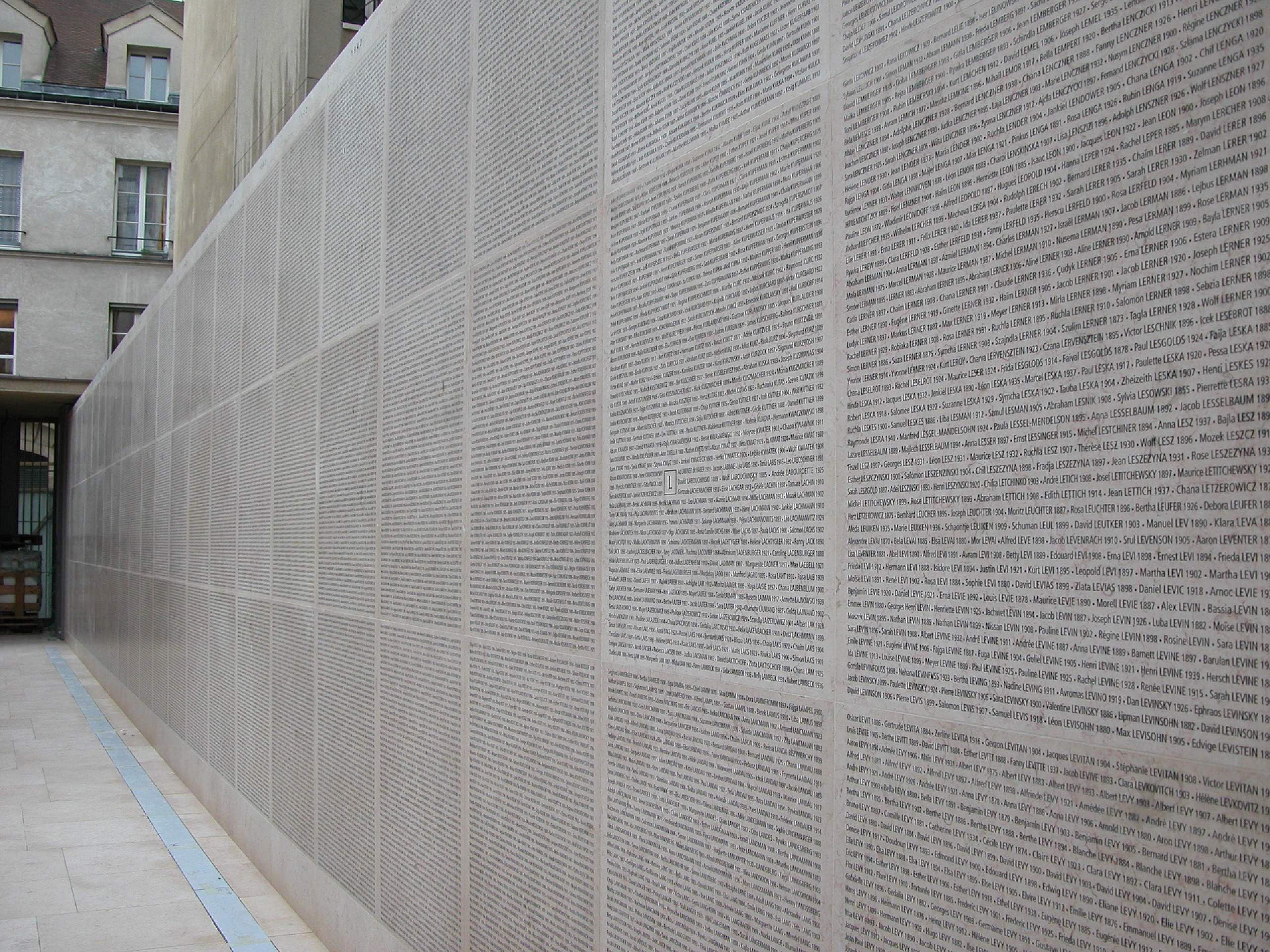
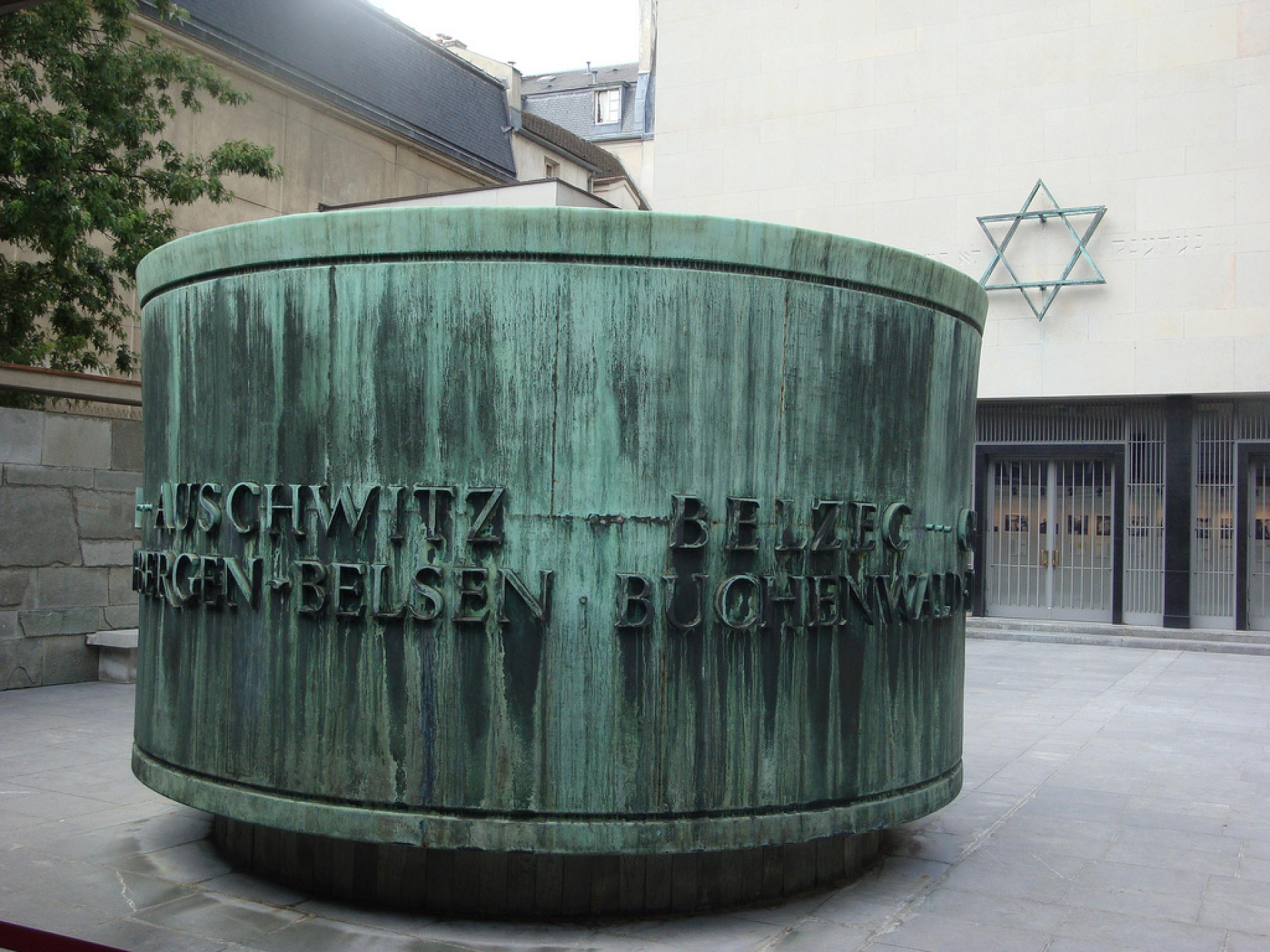
Since 1950, Isaac Schneersohn had been an outspoken supporter of the idea of erecting a memorial to the victims of the Holocaust. The »Mémorial du Martyr Juif Inconnu« (English: Memorial to the Unknown Jewish Martyr) was dedicated in Paris in 1956. It consists of a cubic parvis bearing an inscription in French and in Hebrew and a crypt with a symbolic tomb for six million murdered Jews. At the same time, the CDJC moved into the building next to the memorial. Located in the forecourt of the building, which was designed by architects Alexandre Persitz and Georges Goldberg (cooperation: Louis Arretche), is the »Wall of Names« which holds information about 76,000 deported French Jews.
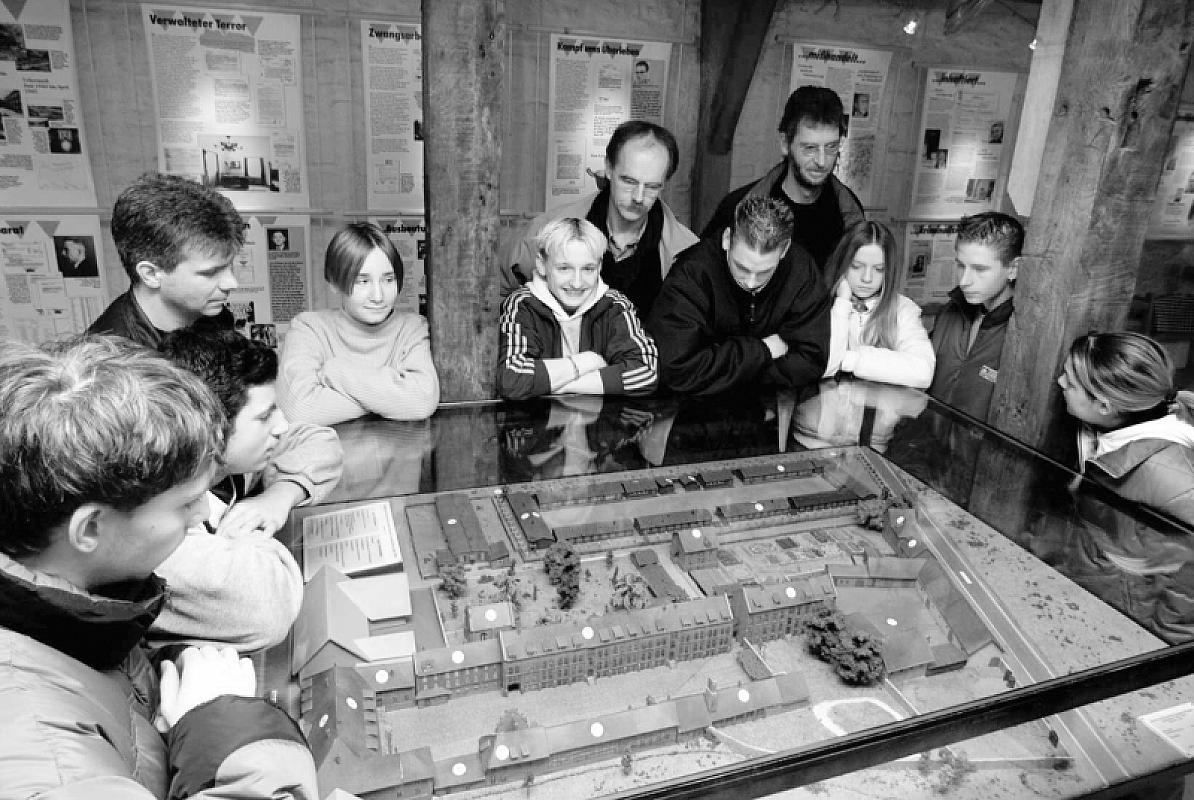
The memorial site was opened in 2005 with support of the French state. It displays a permanent exhibition on the history of Jews in France and in Europe during the Holocaust; it also covers the period preceding the genocide and the post-war years. An auditorium and multimedia learning centre are part of the complex.
The CDJC, which has since the liberation in 1944 safekept many original documents of the occupying forces, now has a collection comprising over one million archival documents and 90,000 photographs – a large part of the collection was donated to the CDJC. It is administered by the »Fondation pour la mémoire de la Shoah«, which was founded in 2000. The foundation's endowment is drawn from the funds of French Jews that were expropriated under German occupation. The memorial is furthermore supported by the city of Paris and French ministries. There is a partnership agreement with the French railway SNCF.
Possibilities
Permanent exhibition and special exhibitions on the persecution and resistance in France, children's programme, educational offer for school groups, teachers and other disseminators, organisation of excursions to Auschwitz, guided tours on the Jewish history of Paris, archive, library, bookshop
Open
Open daily, except on Saturday, from 10 a.m. to 6 p.m., Thursday 10 a.m. to 10 p.m.
Closed on Jewish and national holidays.
Contact
http://www.memorialdelashoah.org
contact@memorialdelashoah.org
+33 (0)1 427 744 72
17, rue Geoffroy l'Asnier
75004 Paris