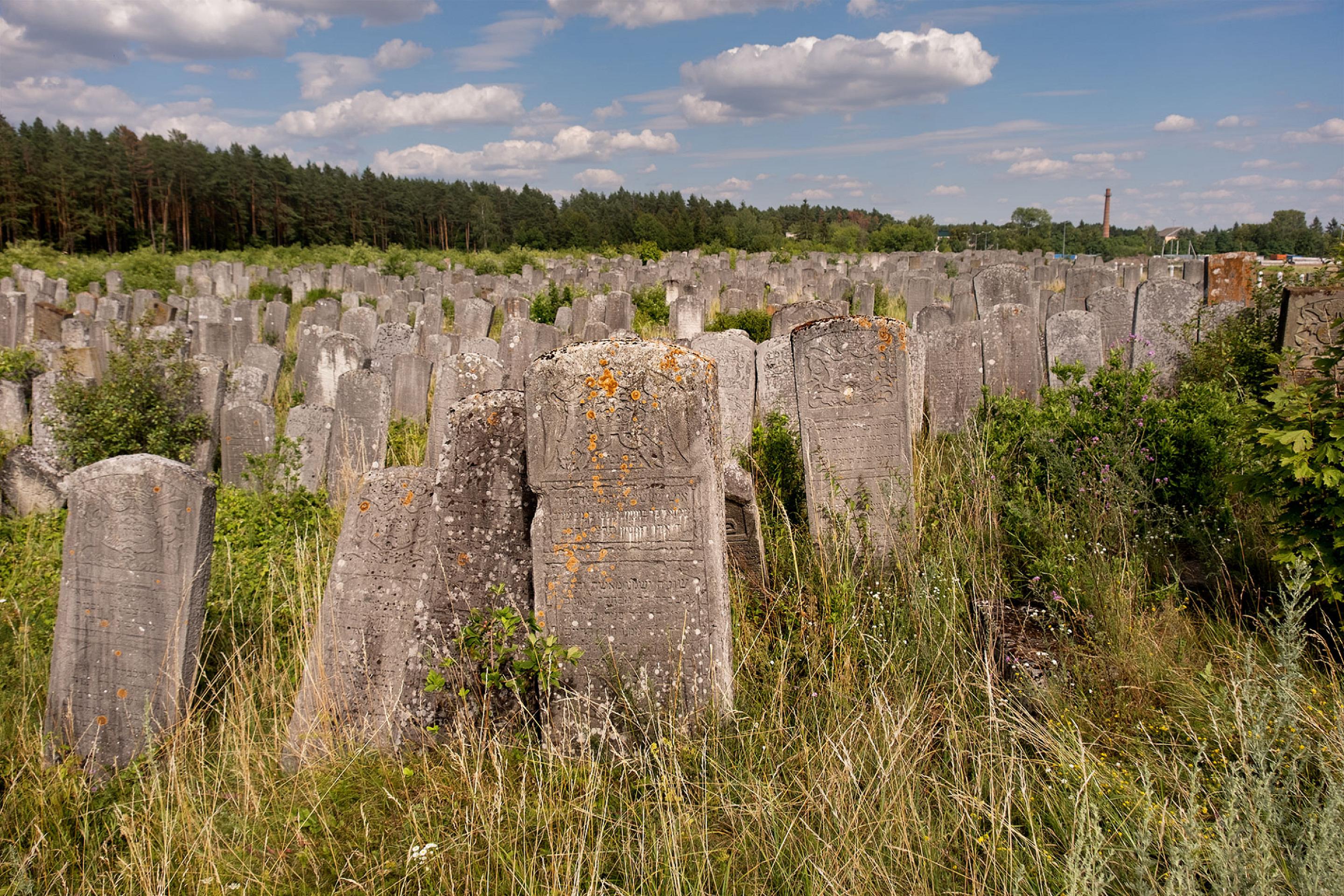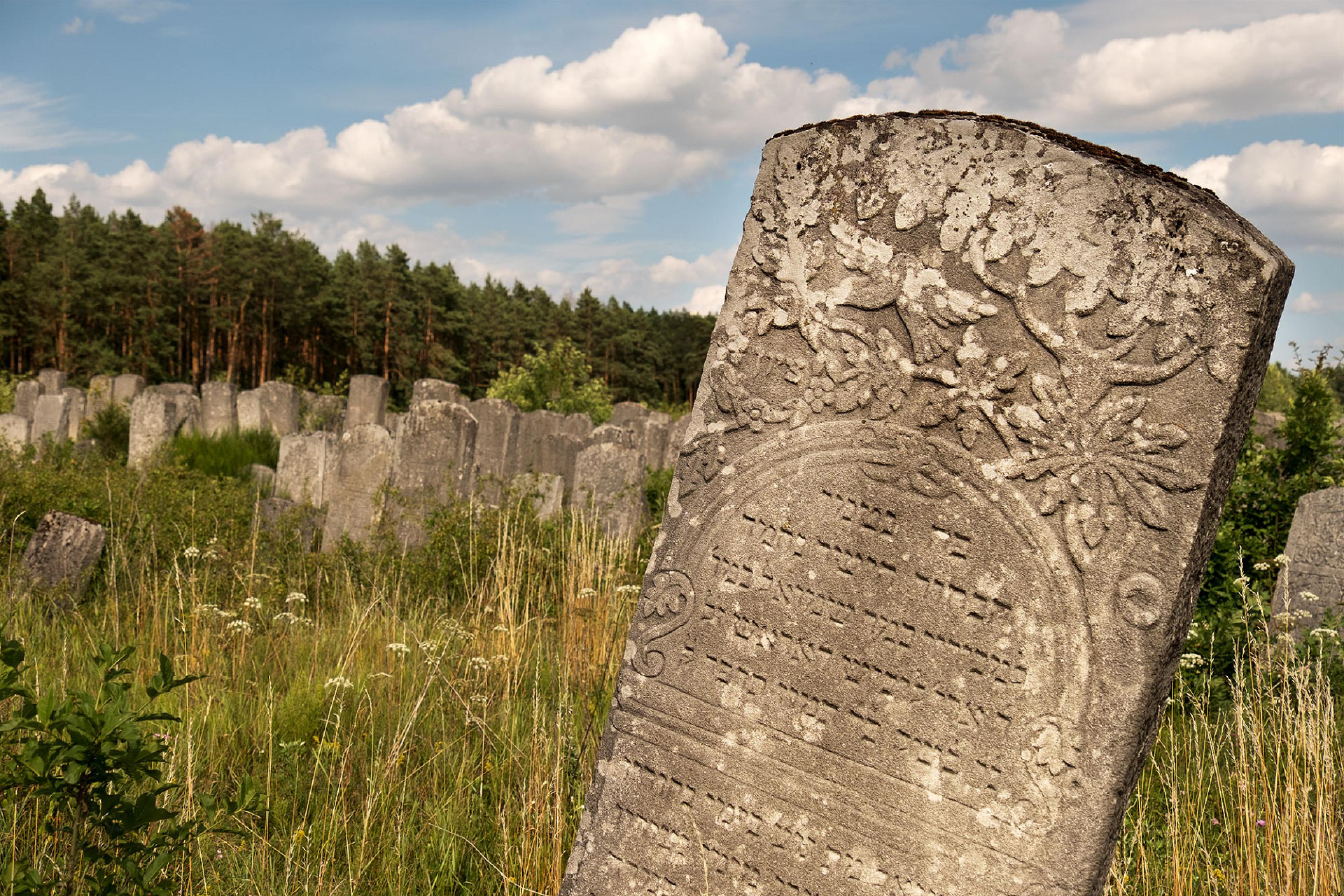
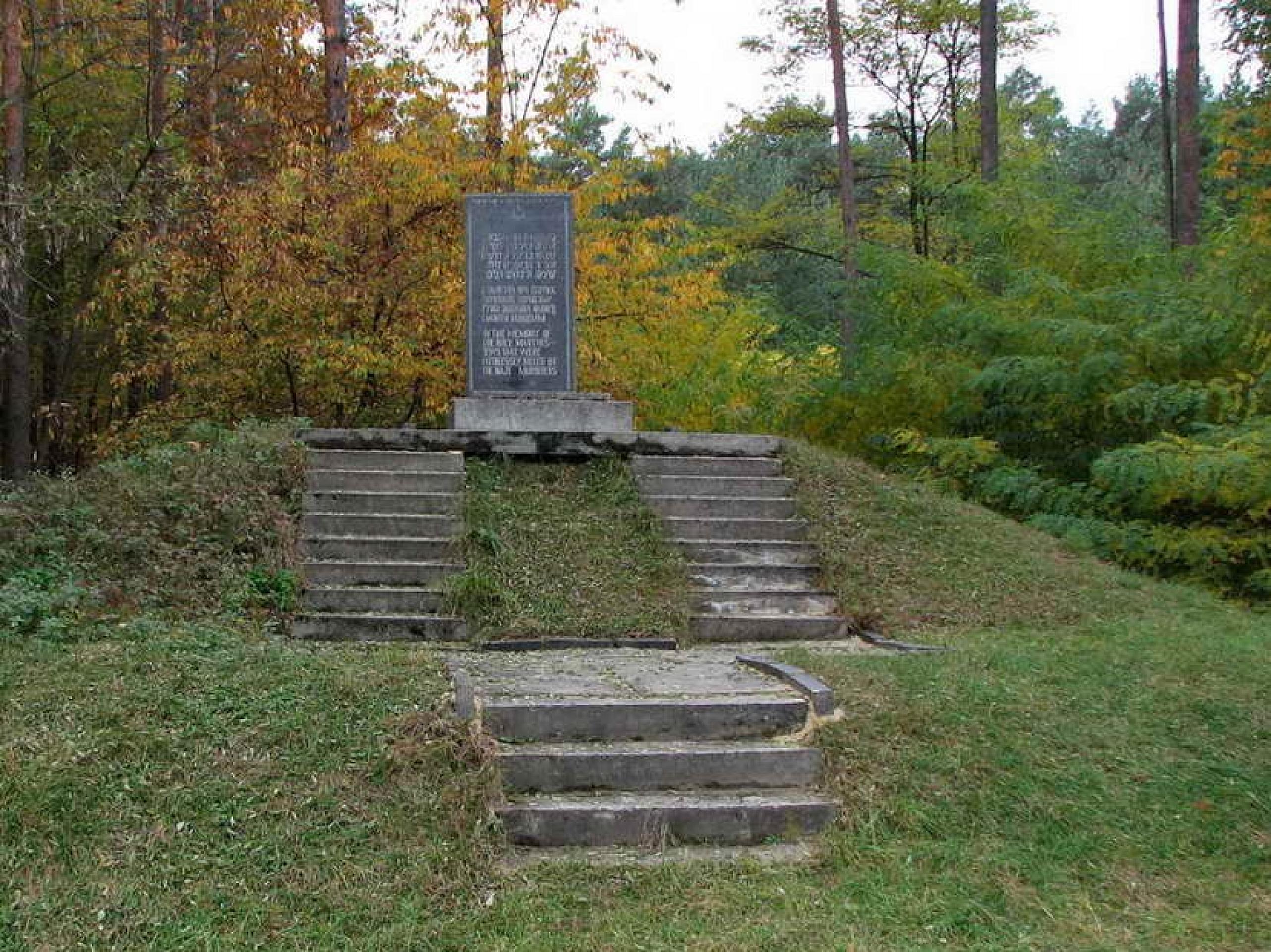
In Brody, a small Ukrainian town once characterized by Jews, a memorial at the old Jewish cemetery commemorates the city's murdered Jews.
History
The small town of Brody, situated on the banks of the Styr river, was first mentioned in writing in 1084. Jews lived in the city since the end of the 16th century. In 1826, almost 90 percent of the population were Jewish, making Brody one of the most important Shtetl in Galicia. Prior to the First World War the city belonged to Austria-Hungary. Because of its proximity to the border, it was an important transit point for Jewish migrants who fled from the pogroms in the Russian Empire. After the Forst World War Brody belonged to Poland and had about 10,000 Jewish inhabitants. In September 1939, Eastern Poland was occupied by the Soviet Union as a result of the Hitler-Stalin Pact, including Brody.
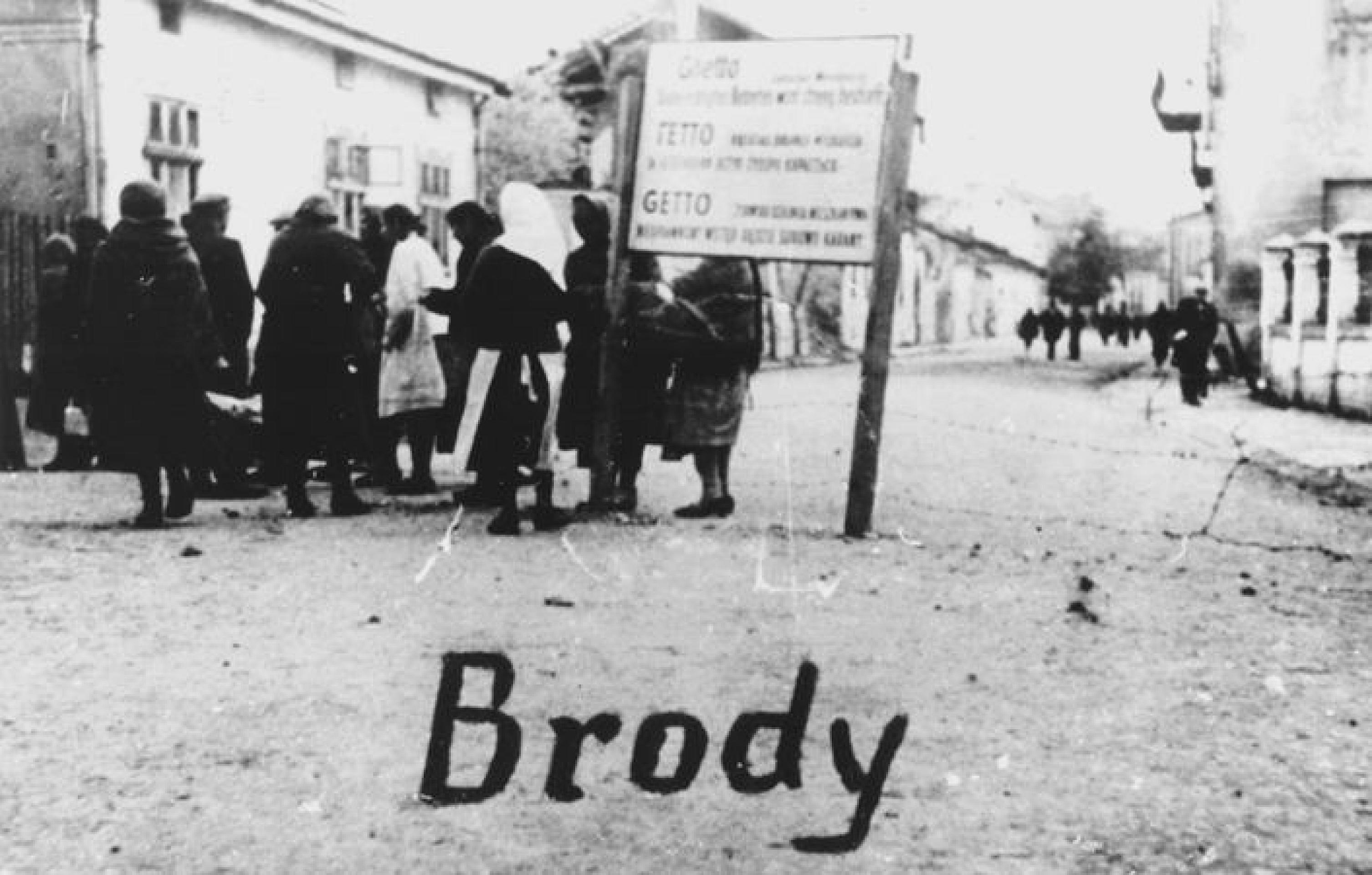
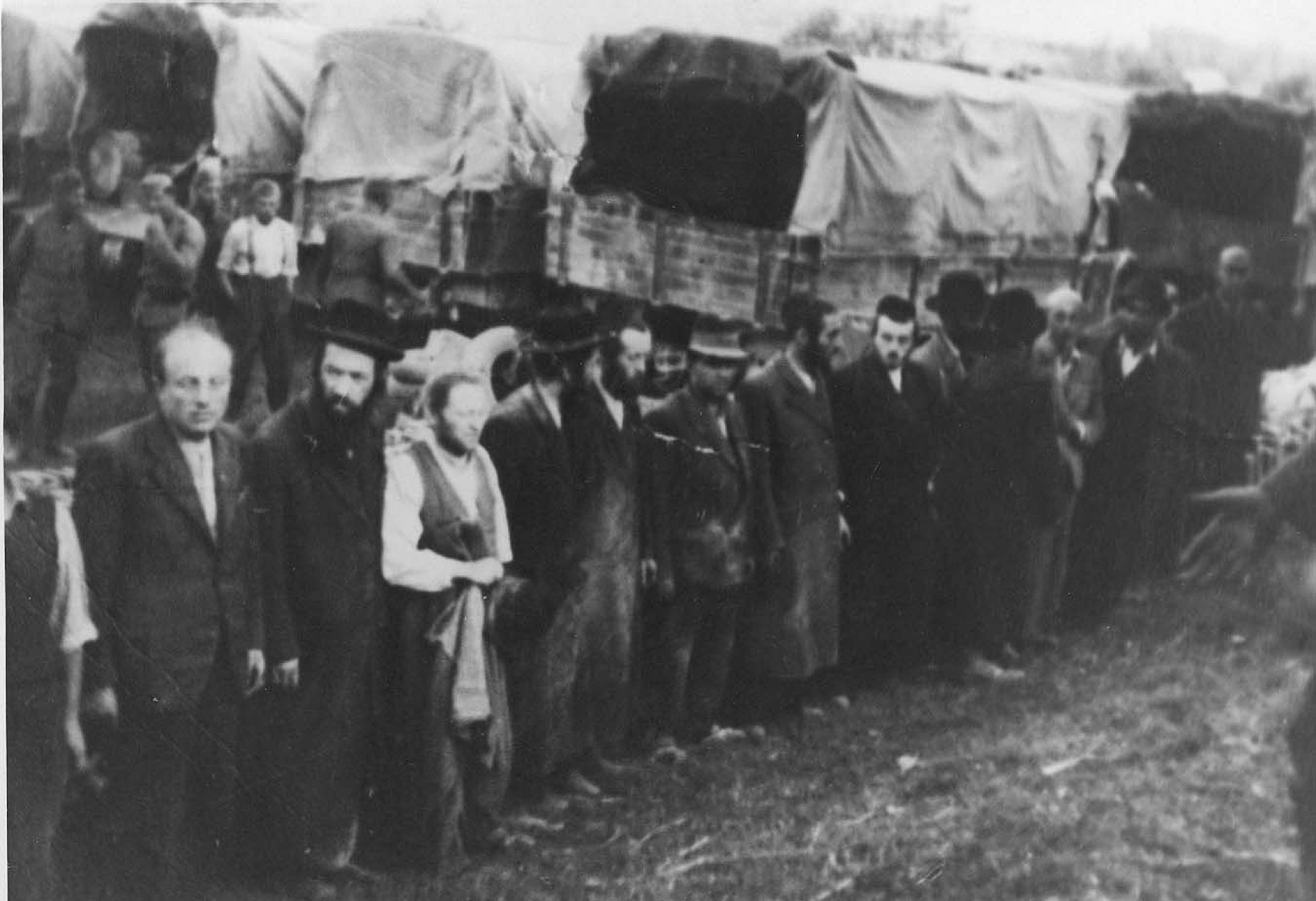
The German Wehrmacht occupied Brody eight days after their attack on the Soviet Union on June 30, 1941 and a few days later, Einsatzkommando (sub-group of Einsatzgruppe) 5 of the Einsatzgruppe (mobile killing unit) C shot approximately 250 Jews at the Jewish cemetery. The victims were mainly members of the urban elite. On January 13, 1942 the Germans set up a ghetto in Brody with about 6,460 Jewish inhabitants. From September 19 to November 2, 1942, the Germans initially deported 2,500 Jews from the ghetto to the extermination camp in Bełżec. At the same time they murdered about 500 Jews in Brody. At the end of the year, the Germans and their accomplices rounded up some 2,000 Jews from the surrounding villages in the ghetto. In the winter between 1942 and 1943, many Jews died of hunger and a typhoid epidemic. In the spring of 1943, further »Aktionen« against the Jews in the ghetto followed. In May 1943 the Germans deported Jews to the Majdanek concentration camp once again. On July 19, 1943 the Germans liquidated the ghetto: about 3,500 Jews were deported to Majdanek and several hundred were murdered in the city. The Jewish community of Brody was destroyed.
Victims
On July 12, 1941 Einsatzkommando (sub-group of Einsatzgruppe) 5 of the Einsatzgruppe (mobile killing unit) C under the command of SS-Obersturmführer (Lieutenant of the SS) Erwin Schulz shot about 250 Jews, mainly members of the upper class.
Approximately 500 Jews were murdered between September 19 and November 2, 1942. In the winter between 1942 and 1943 more than 1,000 Jews in the ghetto died of hunger and a typhoid epidemic. Between 1942 and 1943, thousands of Jews were deported to the concentration and extermination camps in Bełżec and Majdanek, where they were murdered.
Remembrance
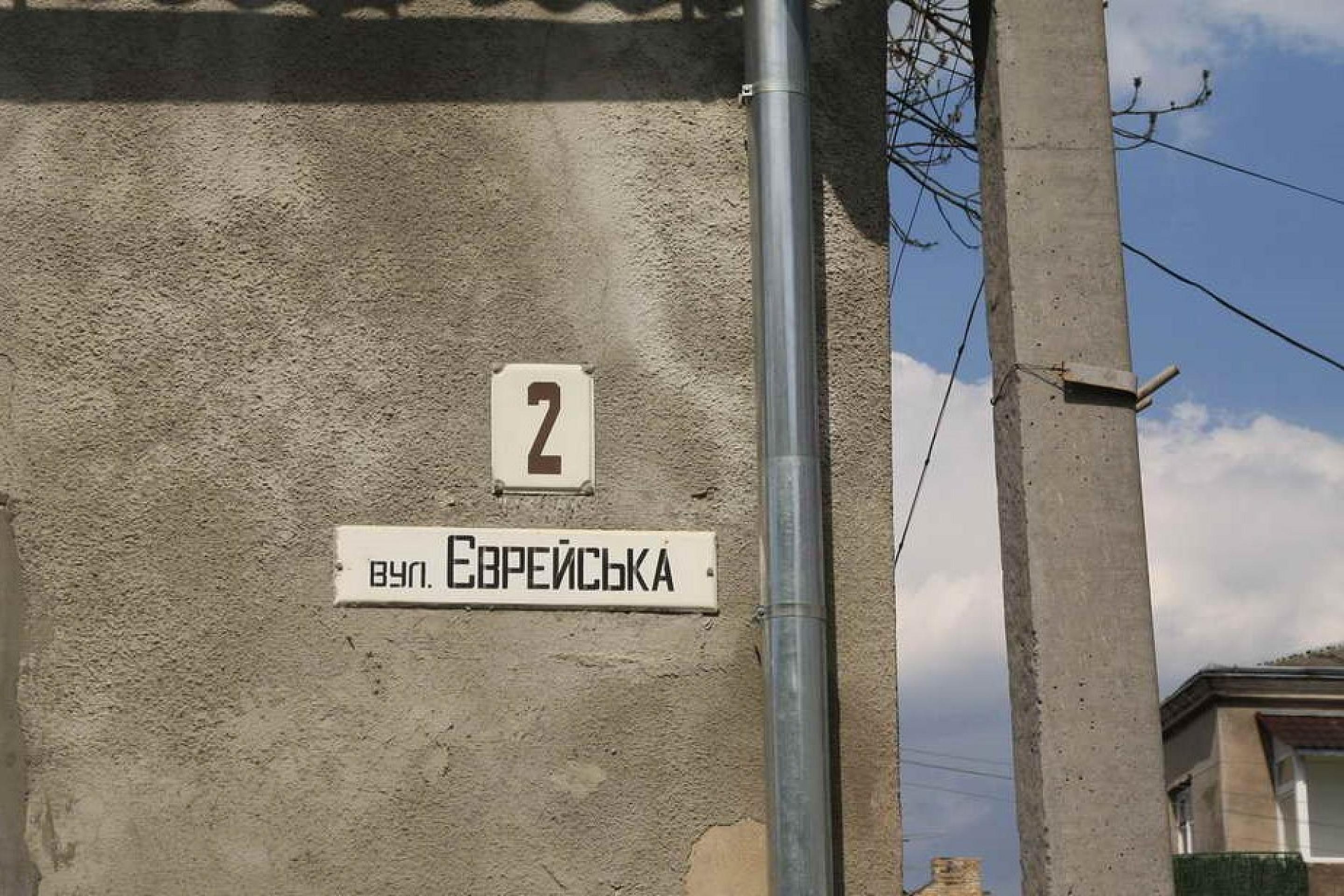
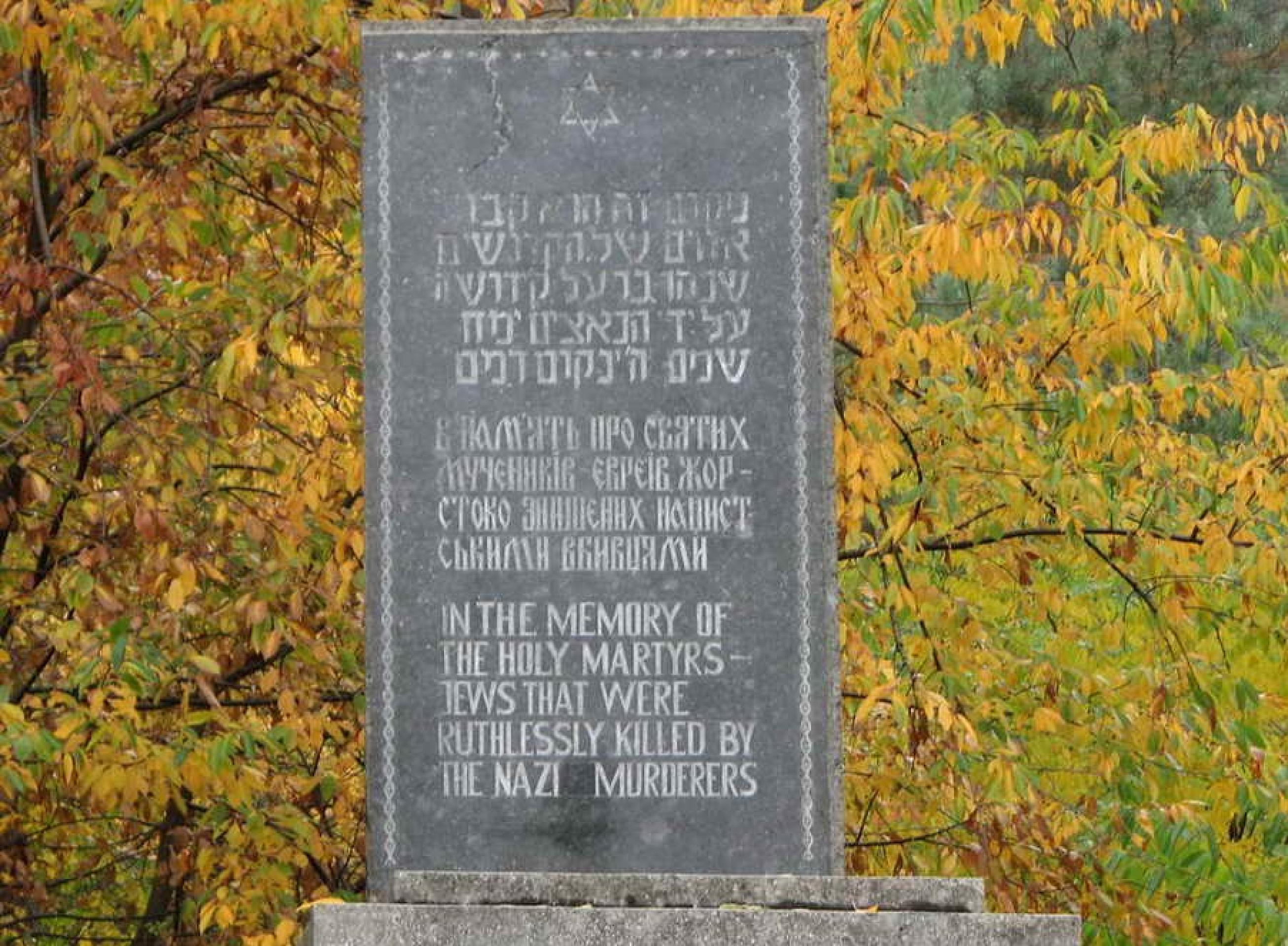
The Red Army liberated Brody on July 17, 1944. Approximately 250 Jews returned to the city, where only about 90 survived the occupation. In the city, in addition to numerous buildings and street names, the Jewish cemetery and the former synagogue are reminiscent of the once flourishing Jewish life in Brody. The cemetery is located north of the city. At its edge the Holocaust memorial is located remembering the victims of the mass shootings from July 1941 to May 1943. The Ukrainian, English and Hebrew inscription reads: »In memory of the holy martyr Jews who were mercilessly killed by the Nazi murderers«.
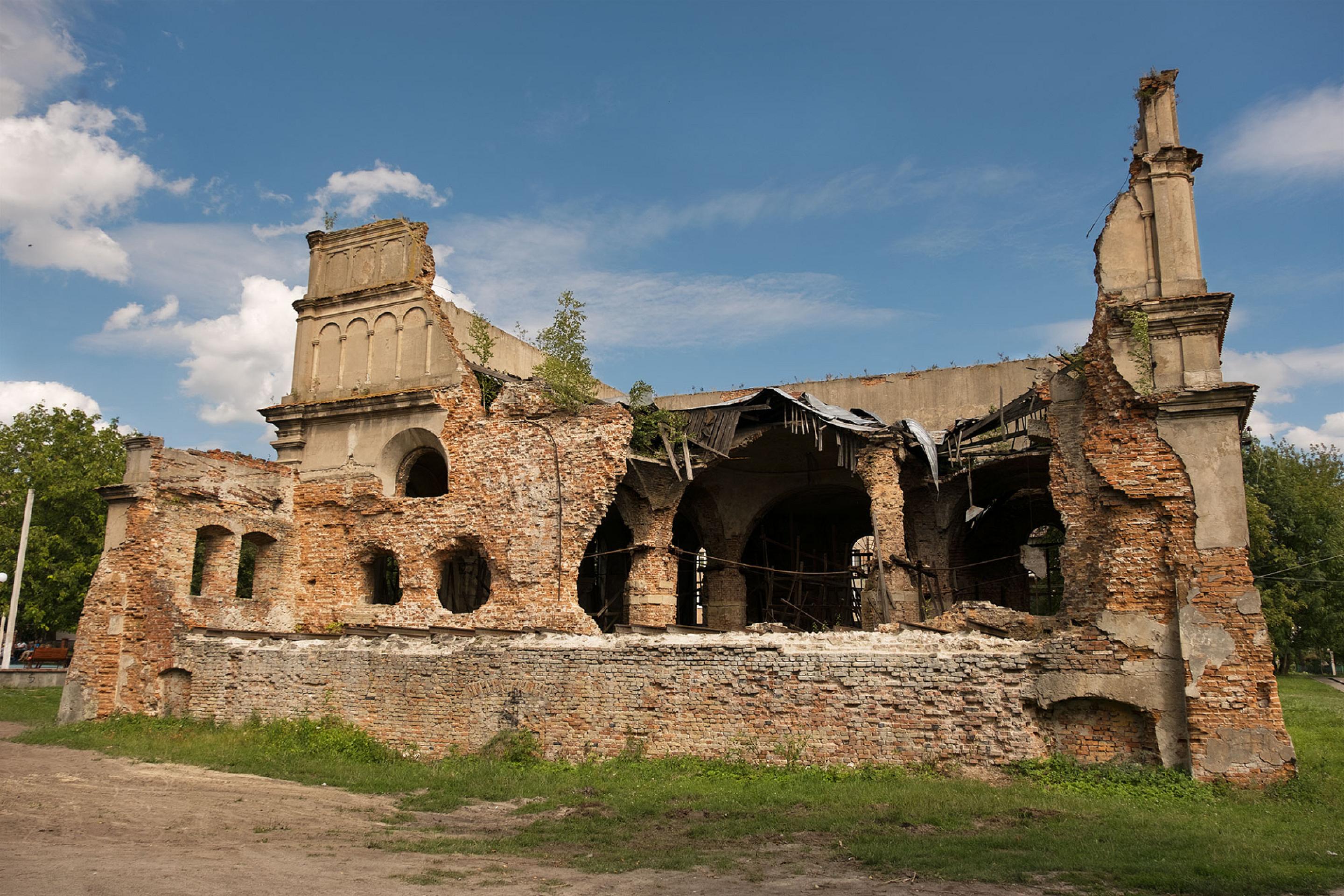
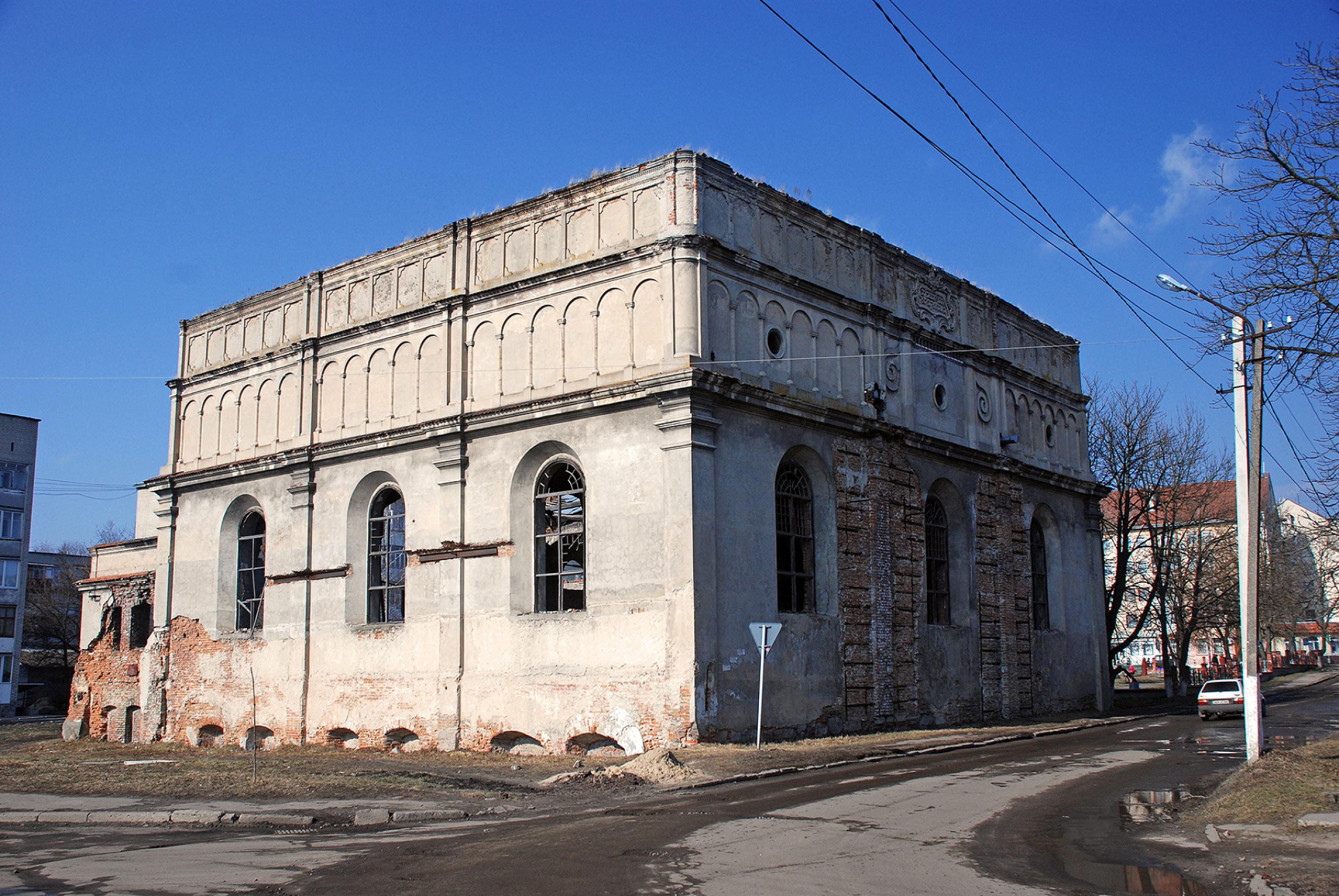
The synagogue, built in the 1740s near the marketplace, was severely damaged during the Second World War. Its ruin is preserved today as a heritage building. Since the summer of 2017, a sign in English and Ukrainian informs about the history of the synagogue and the Jews in Brody. The information board is part of the international project »CHOICE- Cultural Heritage: Opportunity for Improving Civic Engagement«, which aims to inform about historical sites involving the civil society. Further information boards can be found at the gate to the Jewish cemetery and on various historical buildings, most of which belong to the Jewish history of the city. They were put up by the civil society organisation »Kraj«.
Brody is also known as the birthplace of the Austrian author Joseph Roth (1894-1939).
Open
The memorial is accessible at all times.
Contact
http://myshtetl.org/lvovskaja/brody.html
Wulytsja Pidlisna 3
80601 Brody