Memorial for the victims of the German occupation
A német megszállás áldozatainak emlékműve
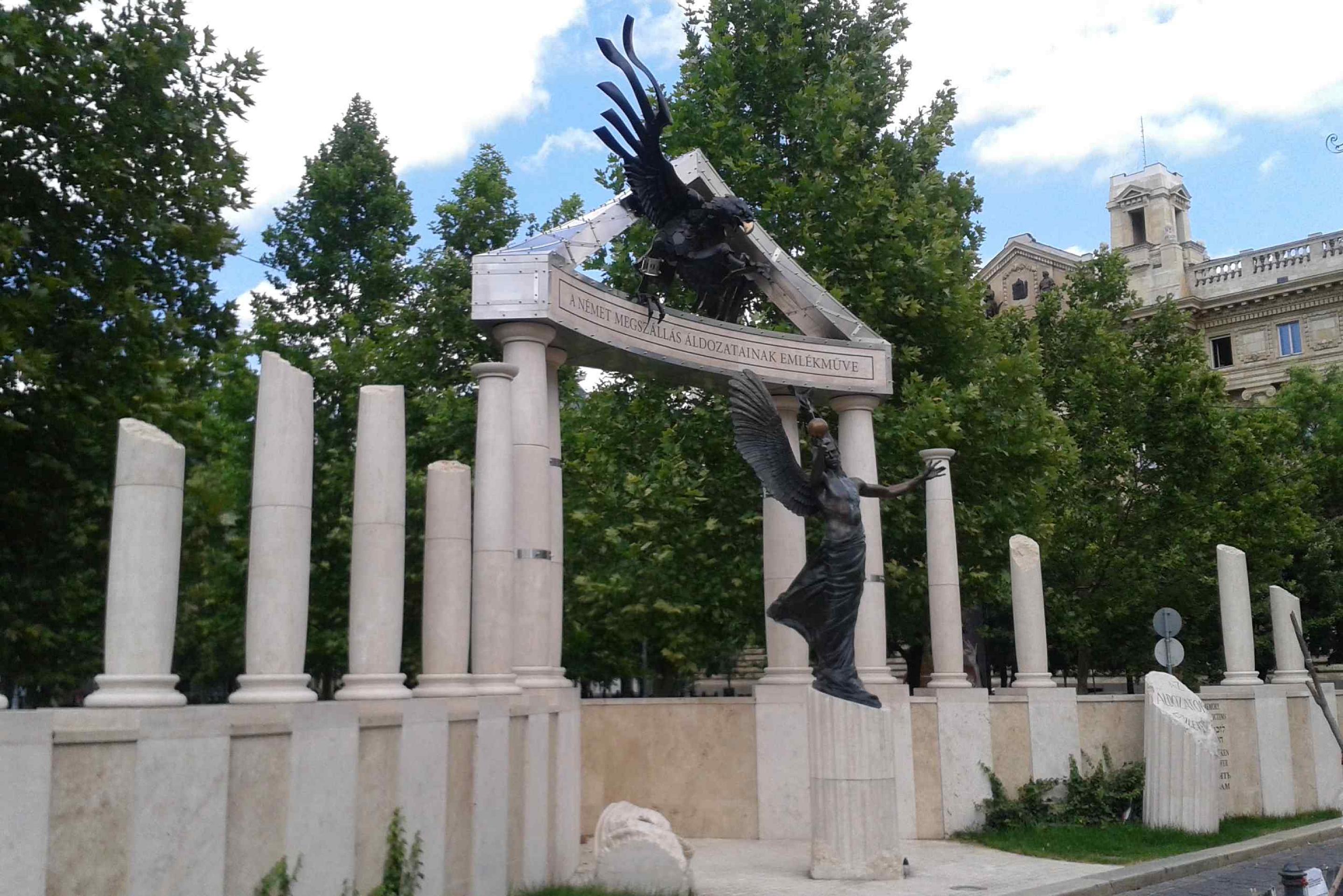
In 2014, a new memorial was inaugurated on Budapest's Liberty Square that is supposed to commemorate the victims of the German occupation of Hungary in 1944/45.
History
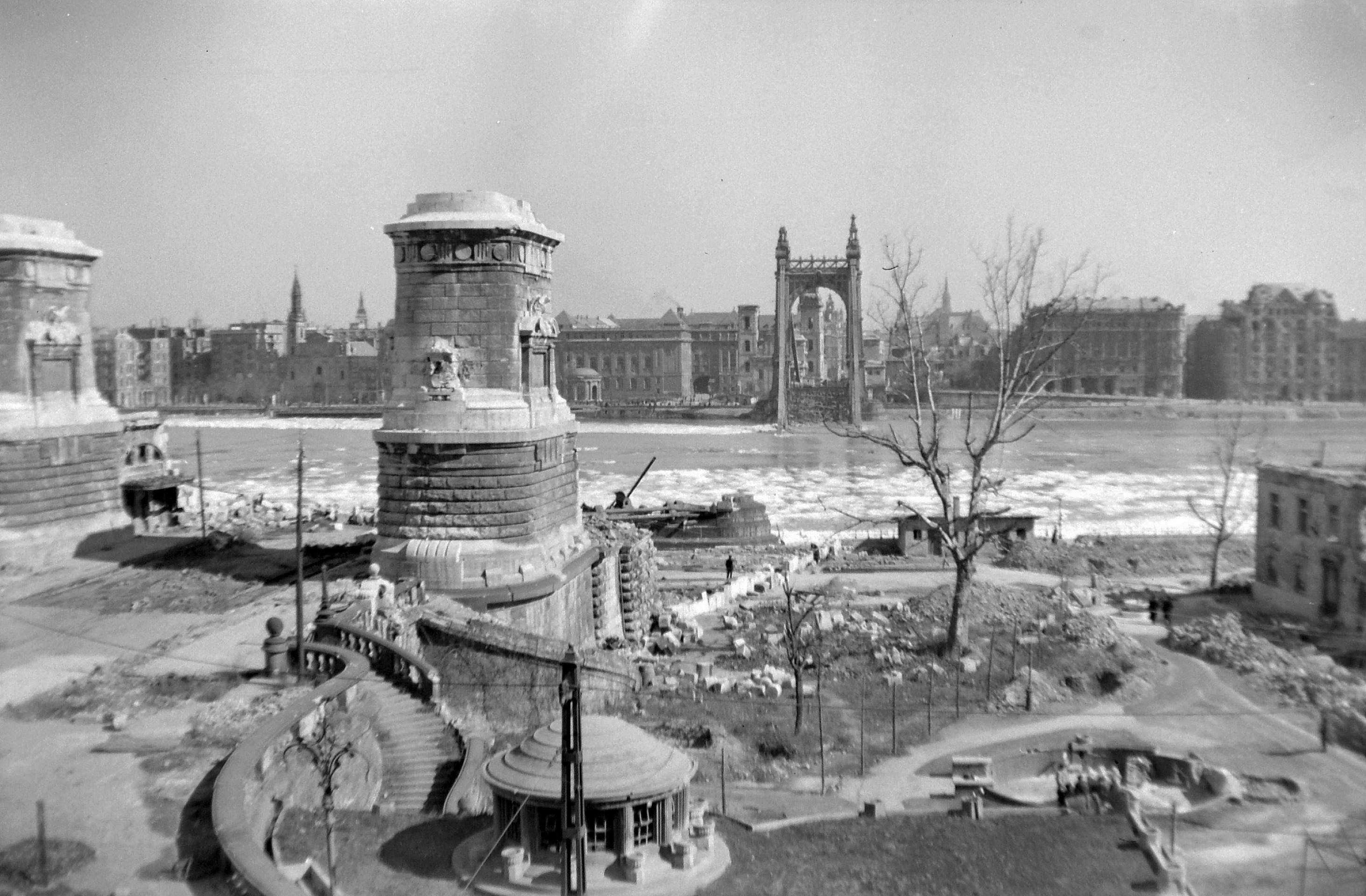
Hungary has been an ally of the Axis powers since 1940 and took part in the Second World War on the side of Nazi Germany. On March 19, 1944, the German Wehrmacht marched into Hungary. The reasons for the occupation of an allied state were diverse. Berlin was worried that Hungary could leave the alliance, but also worried about the flank in South-Eastern Europe where the Red Army was rapidly advancing. Economic motives also played an important role in the decision as Hungary was an important supplier of resources for the war effort. Most importantly, Hungary was seen as a reservoir of fresh labour force.
After the Wehrmacht marched in there were initially only minor changes in the state structures. Miklós Horthy stayed in office as head of state, but in a matter of days, pro-German politicians took over government. In the spring and summer of 1944 hundreds of thousands of Jews were deported from Hungary to concentration camps with the active collaboration of the Hungarian state apparatus. Most of the deported Jews were immediately murdered upon their arrival, tens of thousands were selected for slave labour.
With time, German influence grew steadily in Hungary. After the failed attempt of Miklós Horthy in October 1944 to leave the alliance, the Germans installed a new government led by Ferenc Szálasi, the leader of the national socialist Arrow Cross Party. At this time there were already Soviet troops in the Eastern parts of the country. The Arrow Cross installed a terror regime. Especially in Budapest they murdered thousands of people, mostly Jews, with unmatched brutality. Their reign wasn't over until the end of hostilities in Hungary in April 1945.
Victims
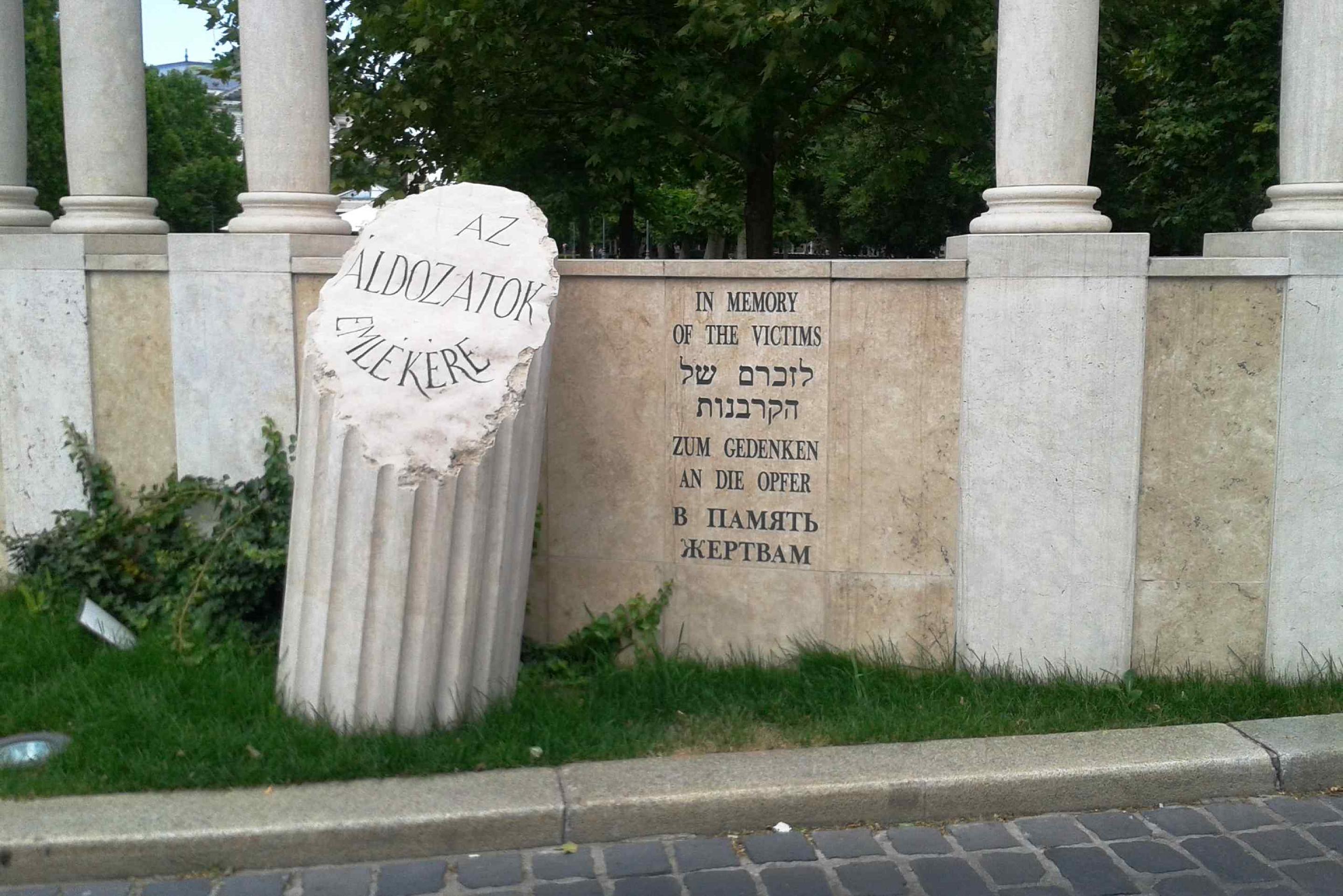
Before the German troops marched in, Hungary had defied German pressure to begin mass deportations of Jews. With the occupation those political forces who had openly demanded the deportation of Jews rapidly gained influence. As a consequence, approximately 400,000 Jews from Hungary perished in German concentration and extermination camps.
The fighting in Hungary would have been much less intensive without the presence of the Wehrmacht. As the front rolled over the country in 1944/45, at least 60.000 civilians perished. The number of soldiers who lost their lives was also very high.
Remembrance
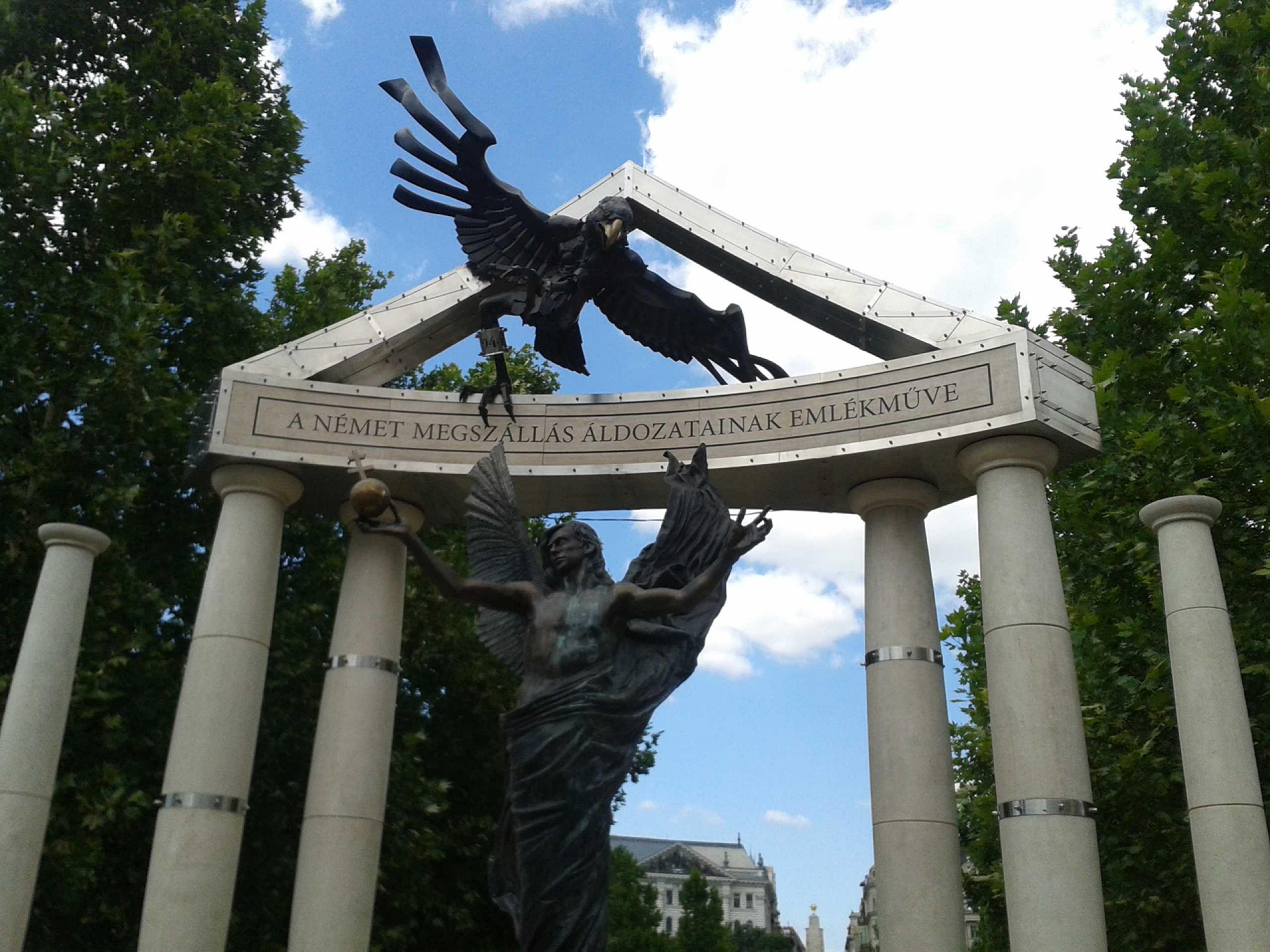
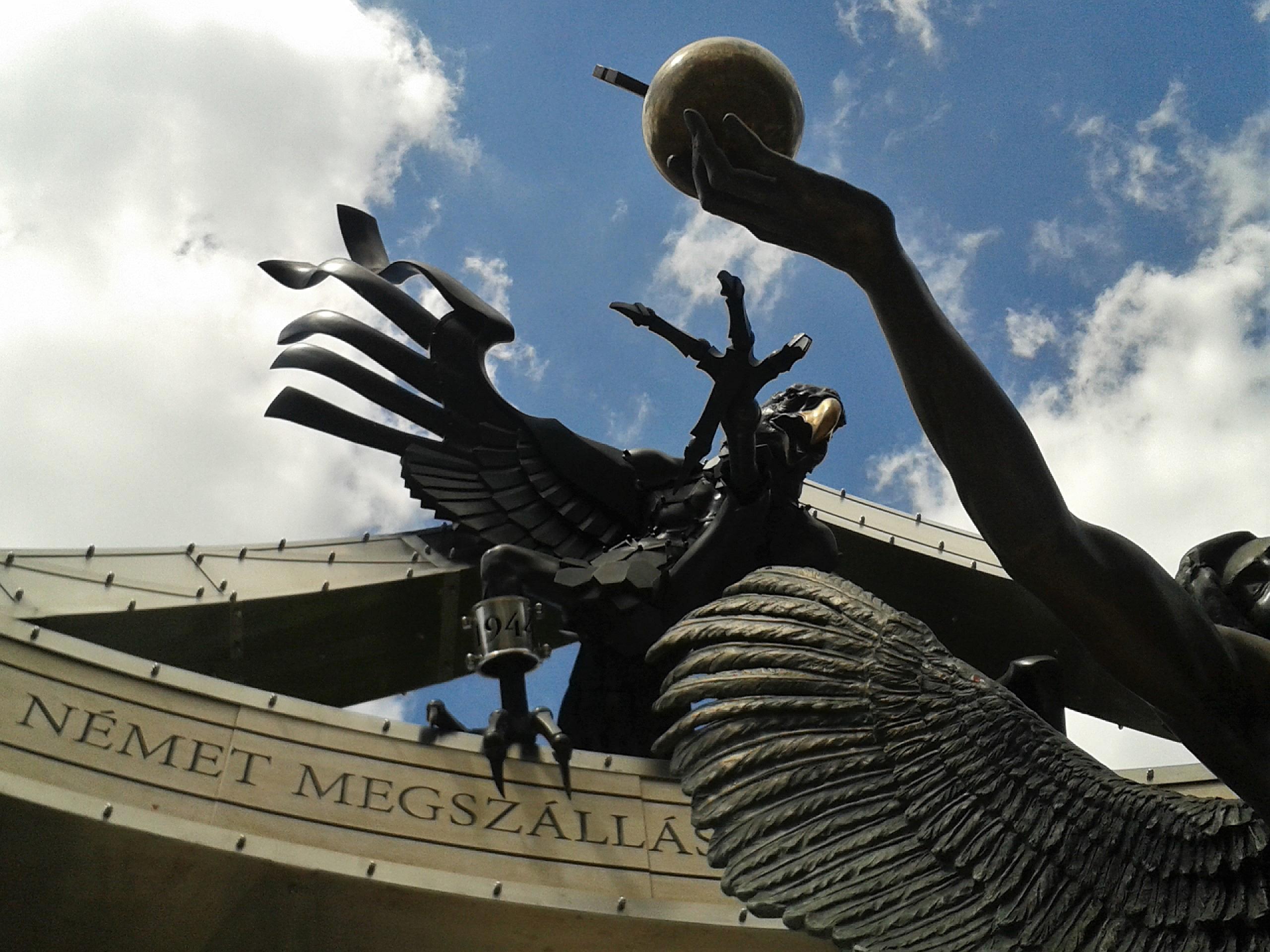
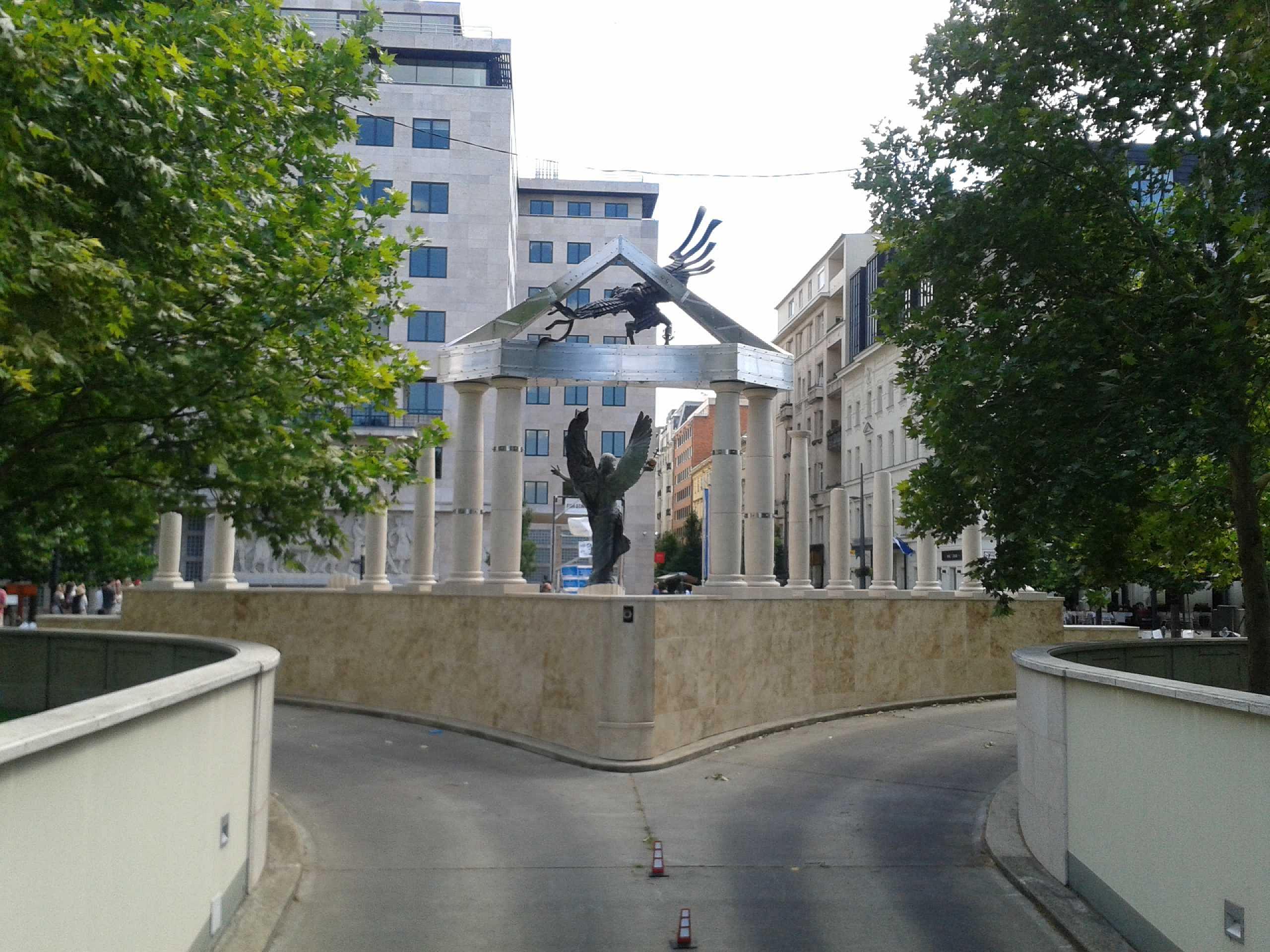
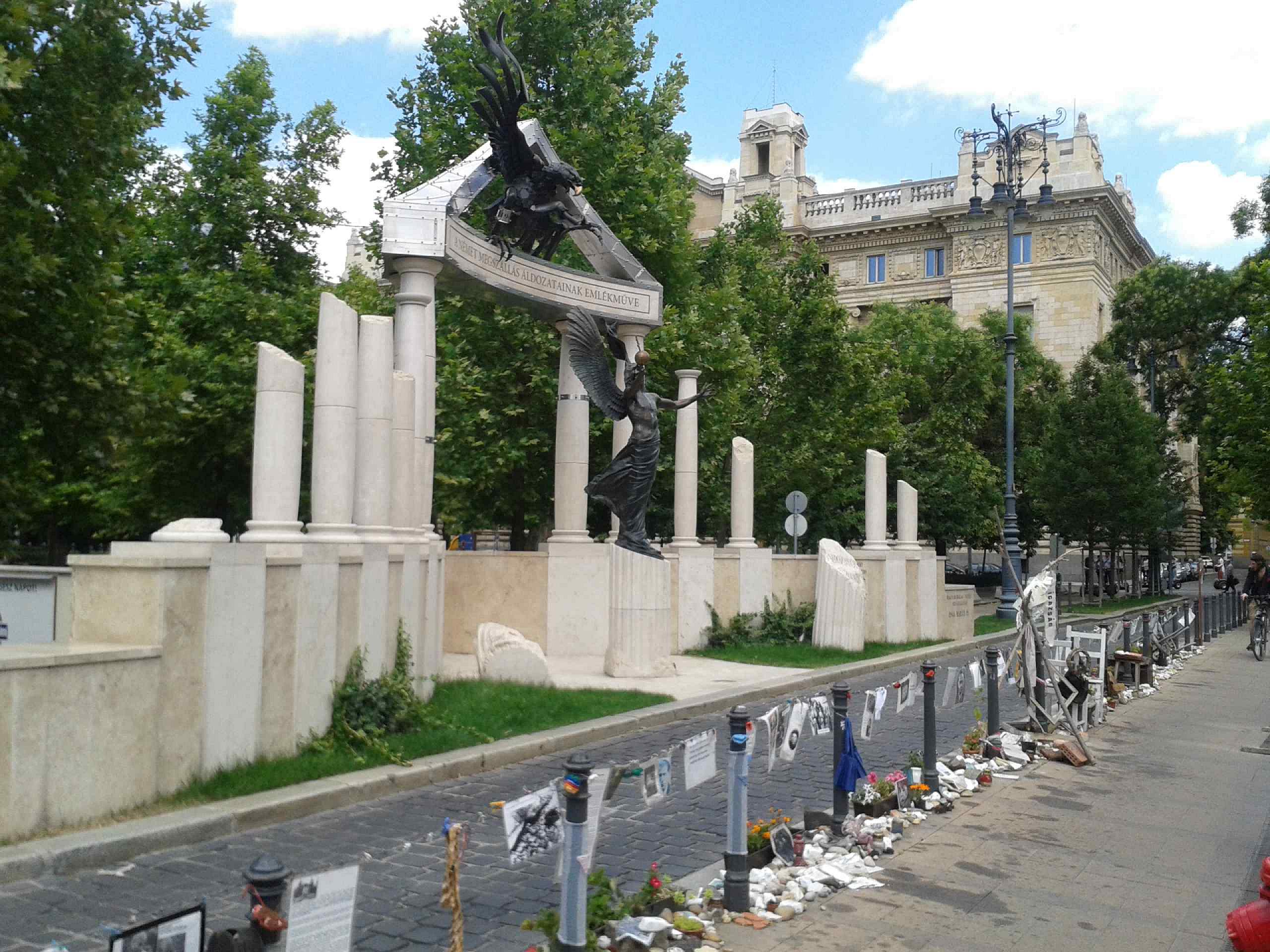
At the beginning of 2014 it became known that the Hungarian government was planning to erect a »Memorial for the victims of the German occupation« on Budapest's Freedom Square in an accelerated procedure. There was no prior discussion or a design competition. The statue of the artist Péter Párkányi Raab shows Archangel Gabriel, the patron saint of Hungary, in the moment when an eagle symbolizing Nazi Germany hits the imperial orb out of his hand. On the classicist portal behind the figure the name of the memorial is inscribed.
The memorial sparked great controversy in the Hungarian public. Critics accused the government of trying to trying to change the discourse in remembrance politics without consulting civil society. Above all they saw an attempt to downplay Hungary's complicity in the Holocaust. While the memorial suggests that Hungary had been an innocent victim of German aggression, many historians noted that contrary to many other countries under German occupation, the Hungarian state still had room for manoeuvre even after the Wehrmacht marched in.
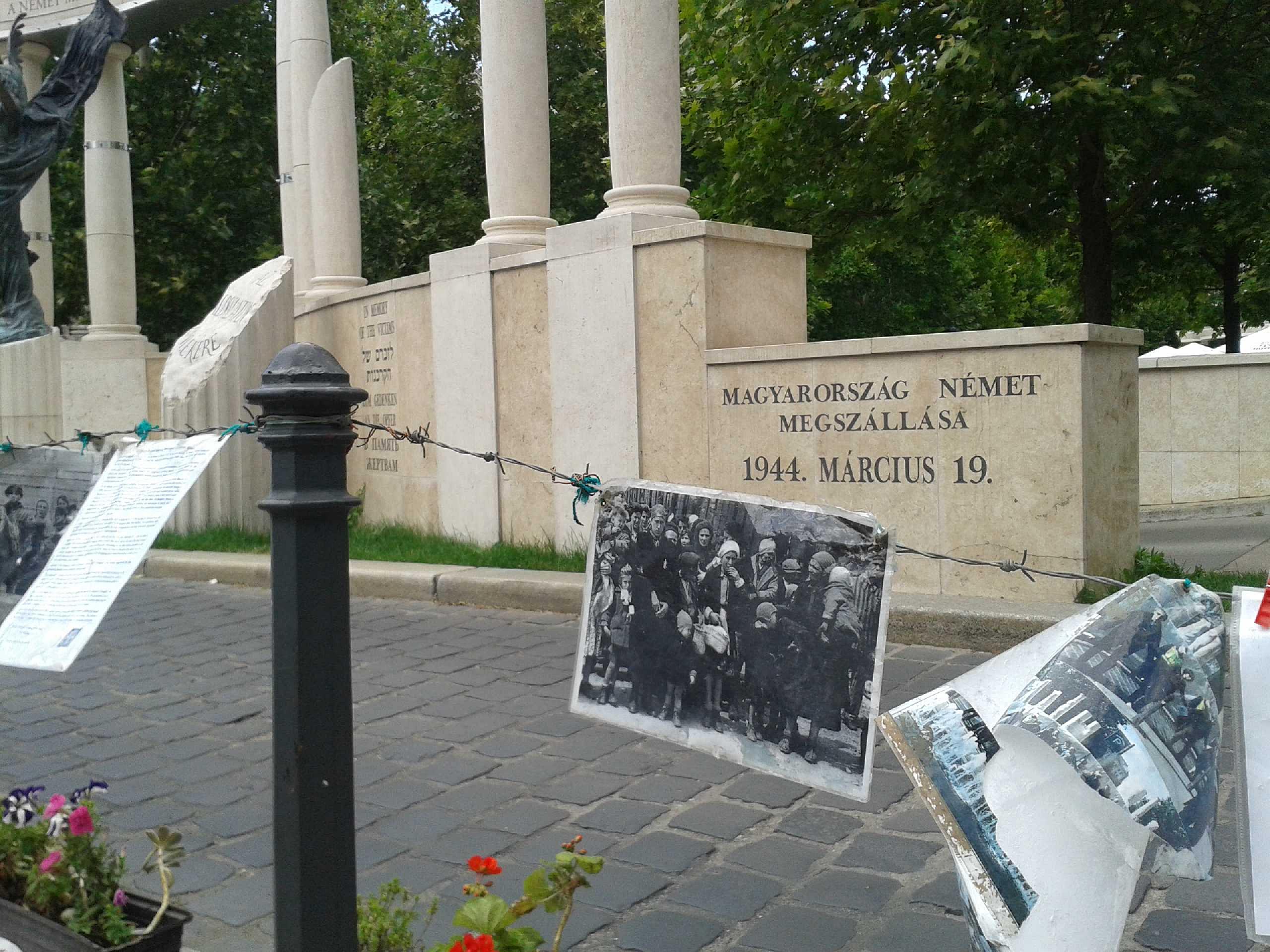
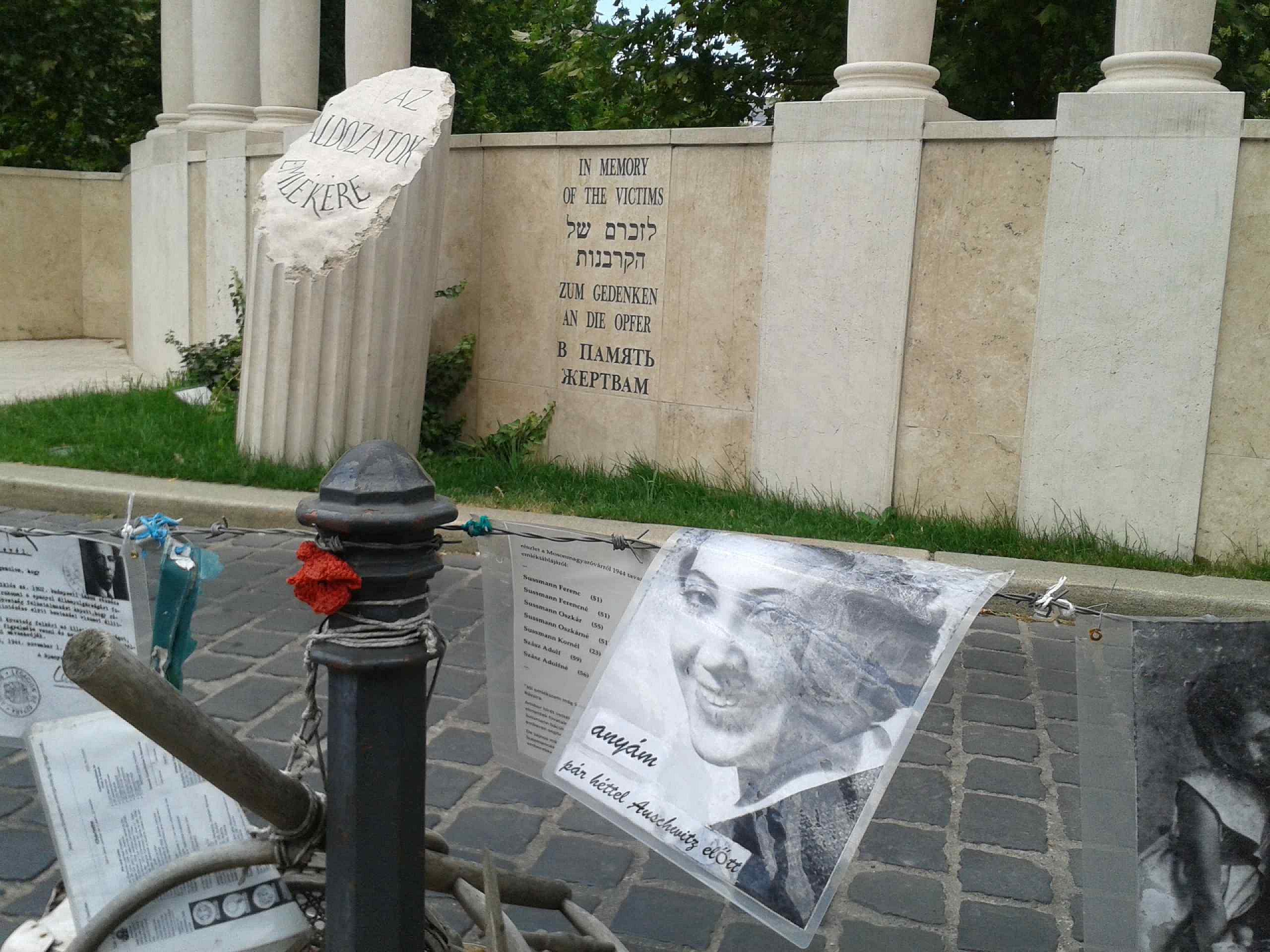
Due to the fierce public disputes the memorial was put in use in July 2014 without an inauguration ceremony. Opponents of the memorial – among them Holocaust survivors and victims' family members – organized public discussion rounds in front of the statue under the motto »Vivid Memorial«. Many pictures, signs and candles are on display since then, installed there by common citizens. They have not been removed.
Open
The memorial is accessible at all times
Contact
Szabadság Tér
1054 Budapest