The grounds of the former barracks in the Ryvangen district of Copenhagen were used by the German security police as an execution site for Danish resitance fighters. After the war, the state of Denmark set up a national memorial at the site which was dedicated in 1950.
History
Between April 9, 1940 and May 5, 1945, Denmark was occupied by Germany. The government felt compelled to cooperate with the occupying forces.
At the same time, a resistance movement developed and gained in strength beginning early 1943. The propagation of illegal writings as well as strikes and acts of sabotage led to tensions between the Danes and the Germans. New demands of the occupying authorities prompted the Danish government to finally resign on August 29, 1943.
That same day, the German Wehrmacht disarmed Danish soldiers stationed in the barracks in the Ryvangen district of Copenhagen and occupied the drill grounds. After that, the German security police used a part of the firing range to execute resistance fighters. The victims were tied to wood beams and shot.
In all, around 900 Danish resistance fighters were executed, lost their lives in acts of sabotage and raids or targeted murder campaigns or perished in German camps during the Second World War.
Victims
The German security police executed 95 people at the firing range in Ryvangen. In all, the remains of around 200 people were discovered in Ryvangen after the war. Many of those buried here were murdered in other parts of the city or died under unknown circumstances.
Remembrance
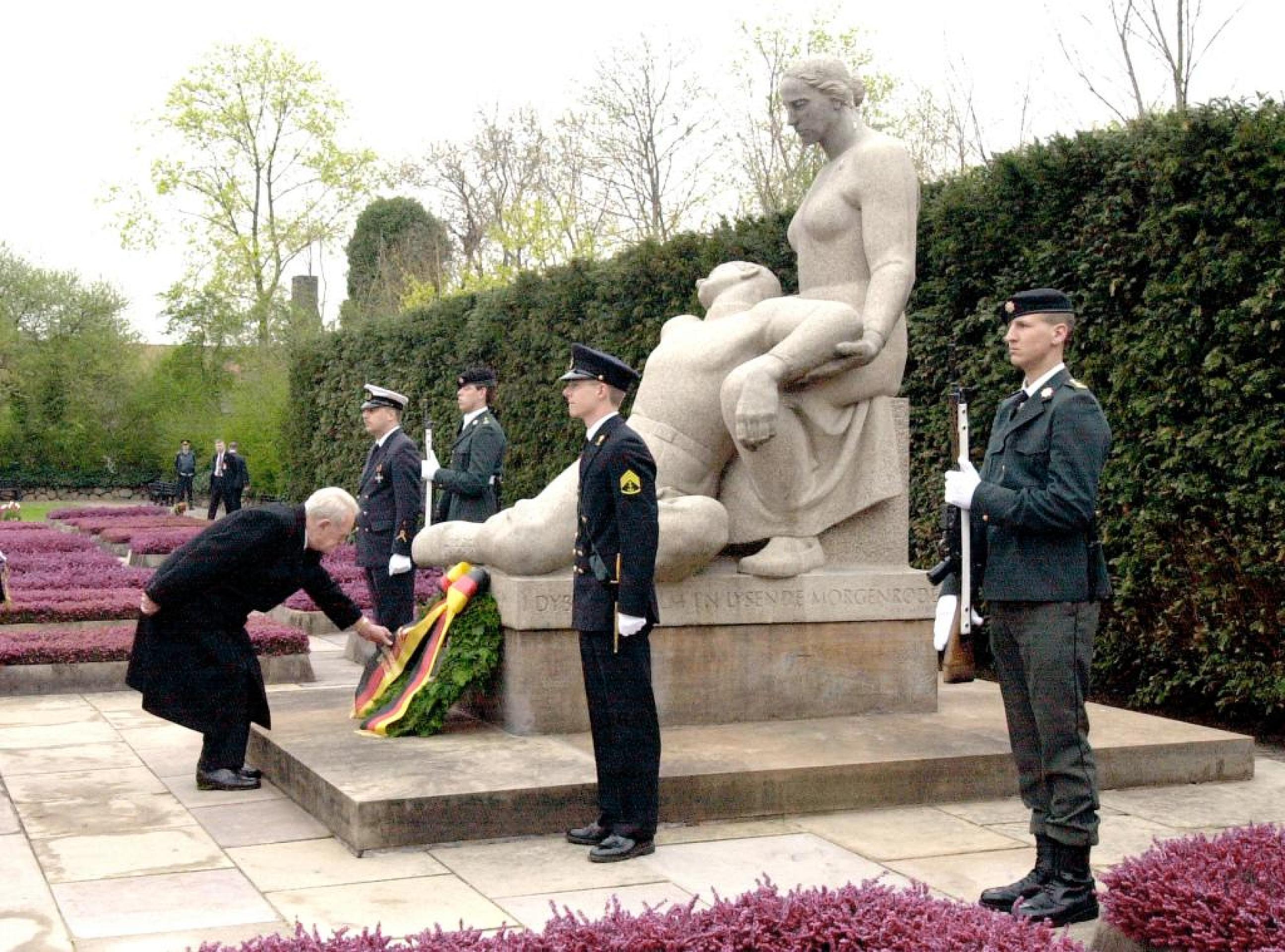
Already in 1946, the Danish state began remodelling the former military drill grounds in Ryvangen into a national memorial to the Danish victims of German occupation. The »Memorial Grove in Ryvangen« (Danish: »Mindelunden i Ryvangen«) was dedicated on May 5, 1950, on the fifth anniversary of Denmark's liberation.
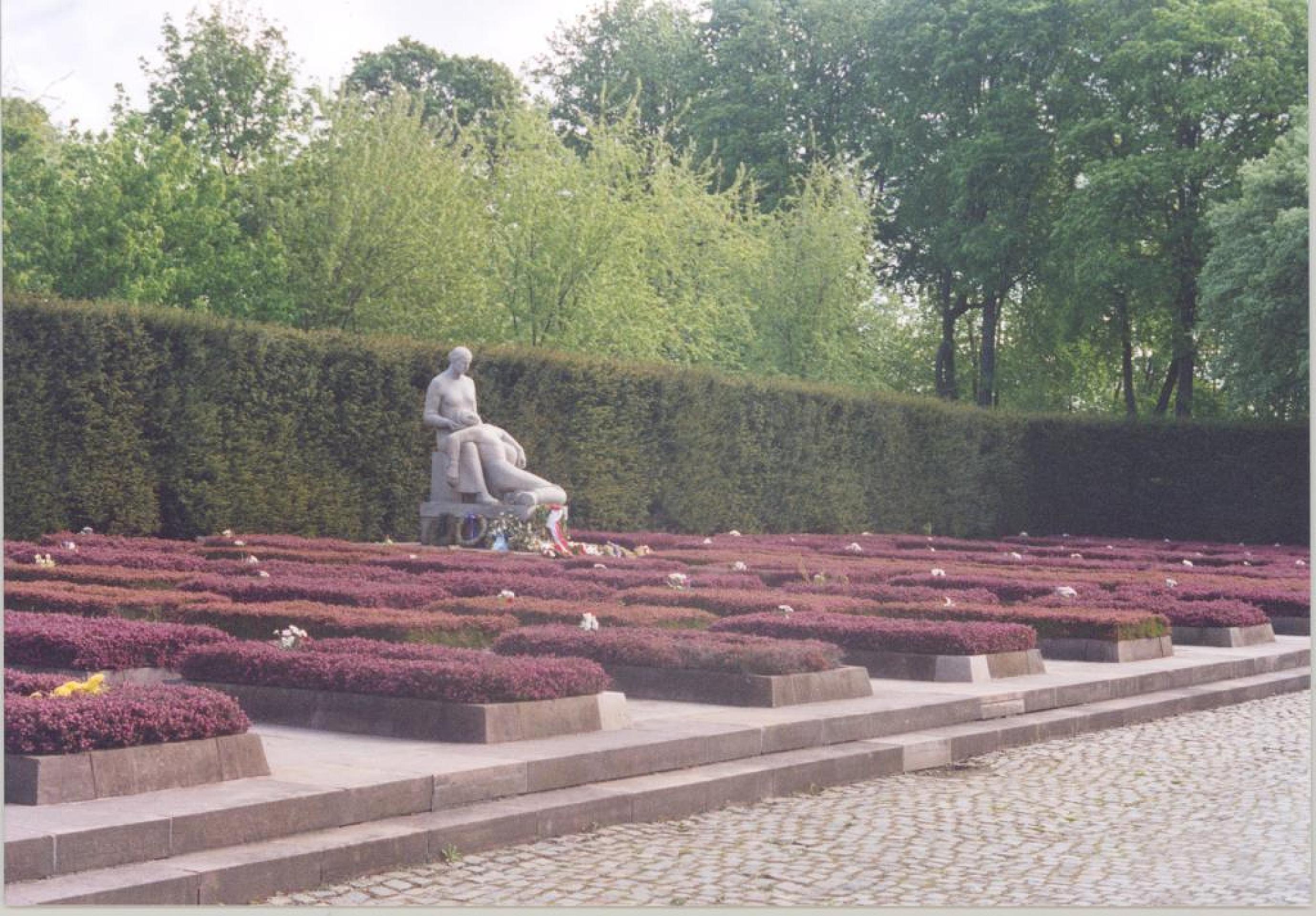
A sculpture by Axel Poulsen stands at the centre of the memorial park. Along both sides of the monument there are 105 graves of those executed in Ryvangen or of freedom fighters who died in action. Another field of graves close to the front of the monument names further 91 victims of executions in Ryvangen and freedom fighters whose bodies were recovered.
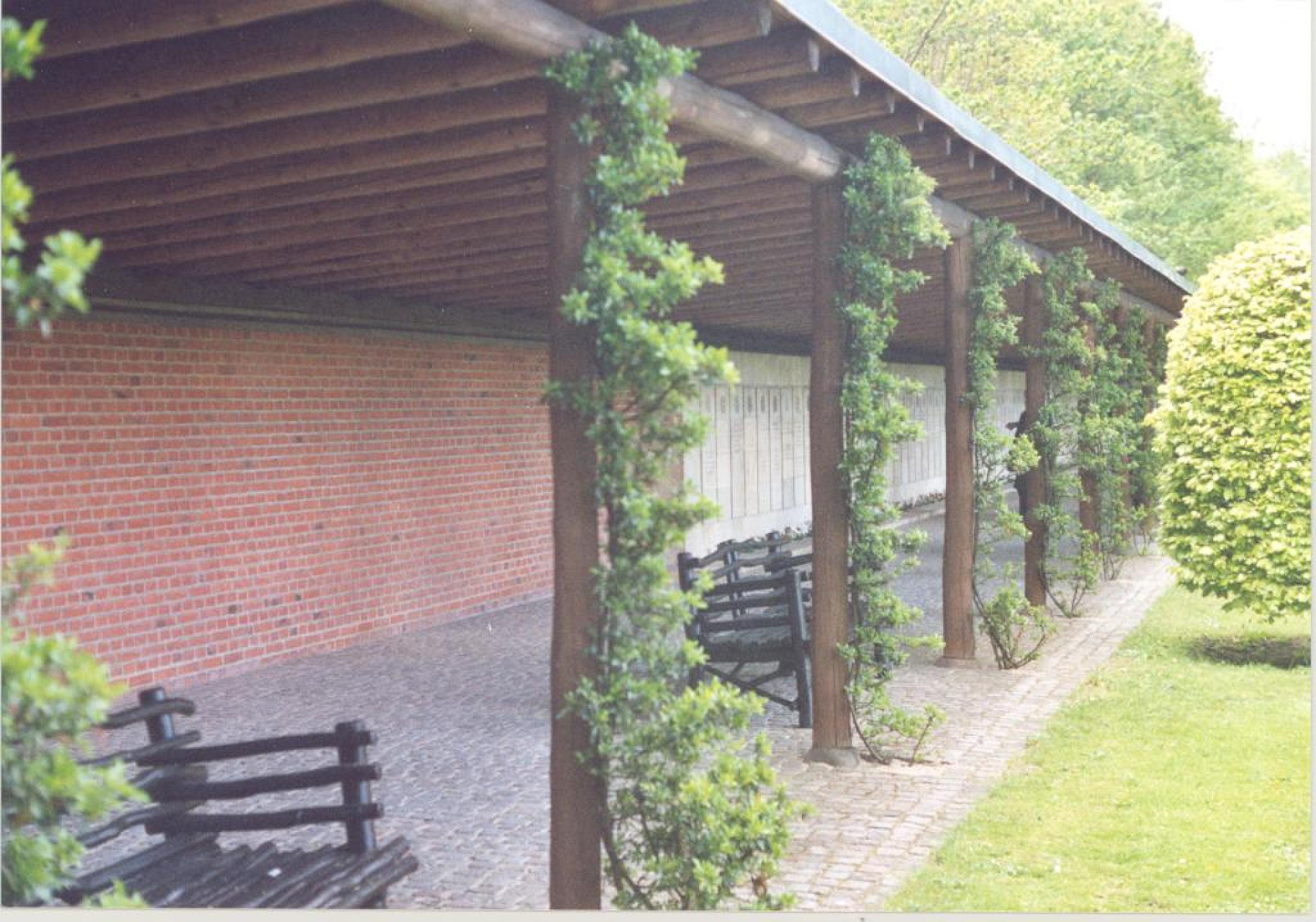
There are another 31 graves for prisoners who died in German concentration camps, and who were laid to rest in the area of the »Rotunda«. A memorial plaque in the »Pergola« adds the names of another 151 murdered freedom fighters whose bodies were never found.
A memorial plaque and bronze castings of the wood beams to which the victims were tied mark the former site of mass shootings. Today, the original beams are located in the Museum of Danish Resistance.
The »Memorial Grove in Ryvangen« is the central Danish memorial to the victims of German occupation. The central commemorative ceremony on May 5 takes place annually at this site.
Possibilities
Tours by prior appointment, memorial ceremony with government representatives and members of the royal house of Denmark takes place annually on May 5
Open
November to January daily 10 a.m. to 3 p.m.
February, March and October 10 a.m. to 4 p.m.
April to September daily 10 a.m. to 5 p.m.
May to August 10 a.m. to 7 p.m.
Contact
http://www.mindelundenryvangen.dk/
vagtmindelunden@gmail.com
+45 22 80 04 67
Tuborgvej 33
DK-2900 København